
When you’re planning heated stone tile flooring for your Carefree home, you’re making a decision that impacts comfort, energy efficiency, and long-term property value. Heated stone tile Carefree installations require careful attention to thermal conductivity, substrate compatibility, and system integration details that distinguish successful projects from problematic ones. You’ll find that natural stone’s thermal mass properties create unique advantages for radiant heating applications, but only when you match material selection to heating system characteristics and local climate demands.
The desert climate in Carefree presents specific challenges that affect heated stone tile performance. Morning temperatures in winter can drop to 35-40°F, creating demand for supplemental heating that makes Carefree radiant heating systems particularly valuable. Natural stone conducts heat efficiently, but different stone types exhibit thermal conductivity coefficients ranging from 1.2 to 3.5 W/m·K — a variation that significantly affects heating response times and energy consumption. You need to understand these performance distinctions before you commit to material specifications.
Thermal Conductivity in Stone Selection
Your material selection for heated stone tile Carefree projects must account for thermal conductivity as a primary performance criterion. Dense limestone and marble typically conduct heat more efficiently than porous travertine or sandstone, with conductivity coefficients that can vary by 60-80% between stone types. When you specify stone for radiant heating applications, you’re balancing heat transfer efficiency against thermal mass benefits and aesthetic requirements.
Dense stones with conductivity above 2.5 W/m·K respond quickly to heating system activation, reaching target surface temperatures in 45-60 minutes. Lower-conductivity materials require 90-120 minutes to achieve the same surface temperature, which affects system programming and energy consumption patterns. You should evaluate these response characteristics against your client’s usage patterns — vacation homes benefit from quick-response materials, while primary residences gain advantages from higher thermal mass that moderates temperature fluctuations.
- You need to verify stone density before specifying for radiant heating applications
- Your heating system BTU output must match stone thermal mass requirements
- Tile thickness directly affects heat transfer efficiency and system response time
- You should account for grout joint thermal bridging in performance calculations
Substrate and Membrane Integration
The substrate preparation for heated stone tile Carefree installations differs substantially from conventional tile applications. You’ll need to ensure substrate flatness within 1/8 inch over 10 feet, tighter than the 1/4 inch standard for non-heated floors. This precision becomes critical because heating cable or mat placement creates minor elevation variations that compound with substrate irregularities, leading to lippage issues that become visually prominent in large-format stone tiles.
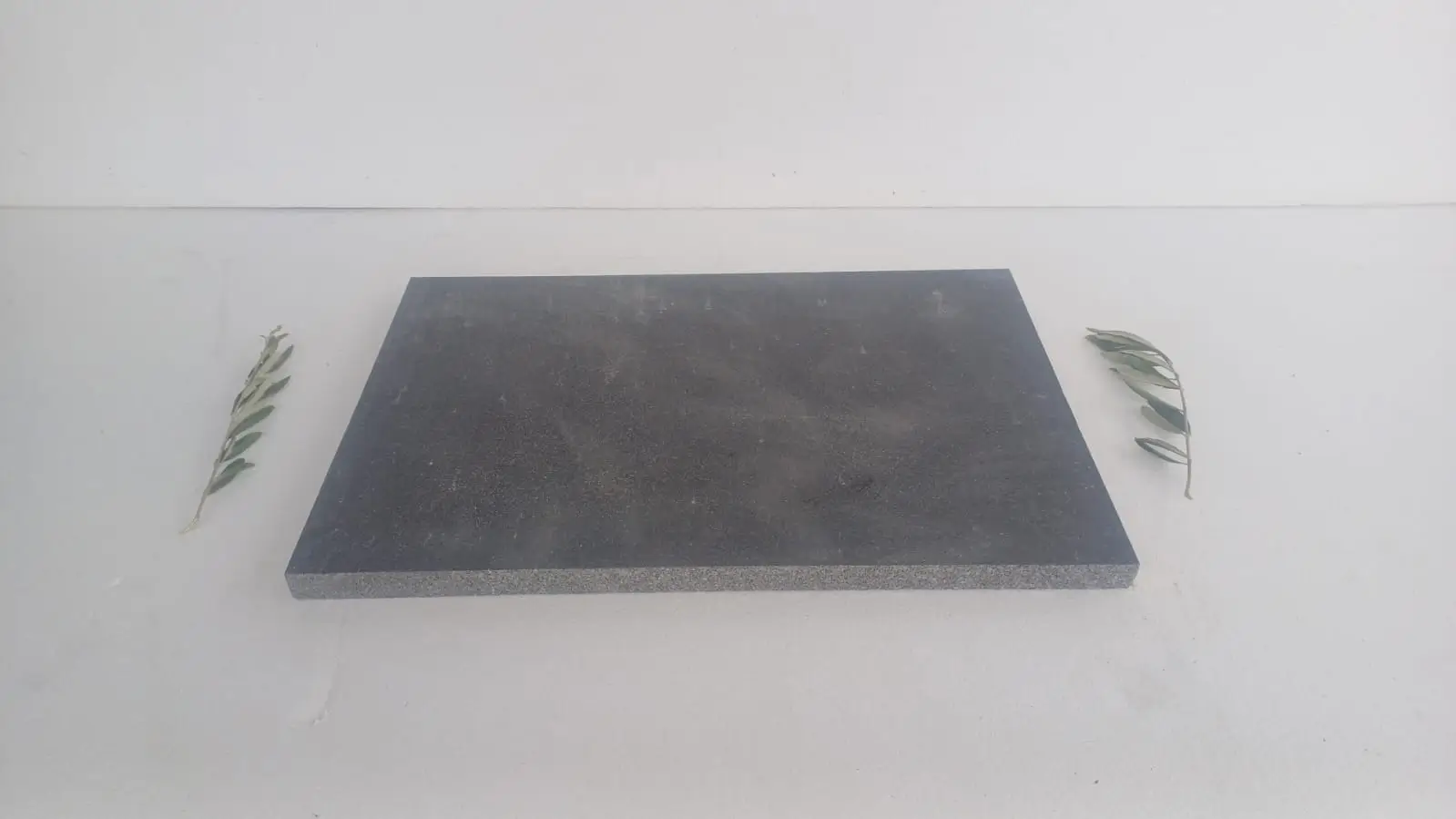
Your uncoupling membrane selection affects both crack isolation and thermal performance. Standard crack isolation membranes add R-value that reduces heating efficiency by 12-18%, requiring higher system operating temperatures to achieve target surface warmth. Membranes designed specifically for warm tile floors Arizona applications minimize thermal resistance while maintaining substrate movement accommodation. You should specify membranes with thermal resistance below R-0.5 for optimal heating system performance.
Mortar bed thickness over heating elements requires careful control. You need minimum 1/2 inch coverage over cables or mats to protect heating elements and distribute heat evenly, but excessive mortar thickness adds thermal mass that slows system response and increases energy consumption. When you’re working with electric mat systems, your mortar application technique must avoid trapping air pockets that create hot spots and compromise heating element longevity. The artisan natural stone tile business in Glendale provides technical guidance on mortar selection for heated applications.
Electric vs Hydronic System Considerations
Your choice between electric and hydronic underfloor heating stone systems affects installation complexity, operating costs, and maintenance requirements over the system’s 25-30 year service life. Electric systems offer simpler installation and lower upfront costs, making them practical for residential applications and retrofit projects where you’re working within existing floor assembly constraints. Hydronic systems deliver superior energy efficiency for larger installations but require substantial infrastructure investment and professional maintenance protocols.
Electric heating mats designed for stone tile applications typically output 12-15 watts per square foot, sufficient for supplemental heating in Arizona’s climate. You’ll find that cable spacing of 3 inches provides adequate heat distribution for most natural stone tiles, but denser stones with high thermal conductivity may require 4-inch spacing to prevent surface temperature variations. Your thermostat programming should account for stone thermal mass — pre-heating periods of 2-3 hours ensure comfortable surface temperatures when spaces are occupied.
- Electric systems require dedicated 240V circuits with GFCI protection
- You need to maintain heating cable minimum bend radius during installation
- Your system should include floor temperature limiting to prevent stone thermal shock
- Hydronic systems demand professional balancing for multi-zone applications
- You must document heating element locations before mortar application
Tile Thickness and Format Selection
When you specify heated stone tile Carefree installations, tile thickness directly impacts thermal performance and installation complexity. Standard 3/8-inch tiles heat more quickly than 1/2-inch or 5/8-inch formats, reducing energy consumption by 15-20% for equivalent surface temperatures. However, thicker tiles provide superior dimensional stability and durability for high-traffic applications, creating trade-offs you need to evaluate against project priorities.
Large-format tiles exceeding 12×12 inches require particular attention in heated applications. Thermal expansion across large tile dimensions can stress grout joints, especially when surface temperatures cycle between ambient and 80-85°F operating ranges. You should specify expansion joints every 20-25 feet in heated floors, compared to 30-35 feet in non-heated applications. Movement joints at perimeter walls and fixed elements become critical — your details must accommodate 1/8 inch movement to prevent tile or grout cracking.
Rectified-edge tiles offer advantages for heated stone installations because consistent dimensions minimize lippage concerns over heating elements. When you’re working with natural cleft or irregular stone surfaces, you’ll encounter thickness variations that complicate even mortar bed application. Your installation specifications should address back-buttering requirements and maximum allowable thickness variation to ensure heating element protection and even heat distribution.
Joint Spacing and Thermal Movement
Your grout joint specifications for heated stone tile Carefree projects must account for thermal expansion that occurs during heating cycles. Natural stone expands approximately 4-6 × 10⁻⁶ inches per inch per °F, meaning a 12-inch tile experiencing a 50°F temperature increase expands by 0.003-0.004 inches. While this seems minimal, cumulative expansion across large floor areas creates substantial stress on grout joints and perimeter details.
You should specify minimum 3/16-inch grout joints for heated stone tile applications, increasing to 1/4 inch for tiles larger than 16 inches or in installations where temperature cycling exceeds 40°F. Epoxy grouts offer superior flexibility and stain resistance compared to cementitious grouts, particularly valuable in Arizona radiant heating applications where temperature variations can stress conventional grout formulations. Your grout selection should provide flexibility that accommodates thermal movement without cracking or debonding.
- Joint width must increase proportionally with tile size and temperature differential
- You need to ensure grout depth equals minimum two-thirds of tile thickness
- Your specifications should prohibit sanded grout for joints narrower than 1/8 inch
- Epoxy grout requires temperature-controlled application between 60-80°F
Control Systems and Temperature Management
Thermostat selection and programming significantly affect comfort, energy efficiency, and system longevity in heated stone tile Carefree installations. You’ll find that floor-sensing thermostats provide better control than air-sensing models because they respond directly to stone surface temperature rather than room air conditions. Programmable thermostats with multiple daily periods allow you to pre-heat floors before occupancy while minimizing energy waste during unoccupied hours.
Your thermostat programming must account for stone thermal mass lag times. Setting activation 90-120 minutes before desired occupancy ensures comfortable surface temperatures when spaces are used. Maximum floor temperature limits should be configured at 82-85°F for occupied areas — higher temperatures create discomfort and accelerate system aging. In bathrooms and areas with potential water exposure, GFCI protection becomes mandatory, and you should verify that all electrical components meet NEC requirements for wet locations.
Smart thermostats with learning algorithms optimize heating schedules based on occupancy patterns and weather conditions, reducing energy consumption by 15-25% compared to fixed programming. When you integrate heated stone floors with home automation systems, you gain remote control capabilities that allow clients to adjust settings from mobile devices. Your system design should include override capabilities that accommodate schedule variations without requiring complex reprogramming.
Operating Cost and Efficiency Optimization
Understanding the energy implications of Carefree radiant heating helps you set realistic client expectations about operating costs. Electric radiant systems typically consume 10-15 watts per square foot during active heating, translating to approximately $0.12-$0.18 per square foot per day when operated 8 hours daily at Arizona electricity rates averaging $0.13 per kWh. A 200-square-foot bathroom costs $24-36 monthly to heat, while a 1,000-square-foot living area approaches $120-180 monthly during winter operation.
Your specification decisions directly impact long-term energy performance. Dense stones with high thermal conductivity reach target temperatures more quickly, reducing overall energy consumption despite slightly higher peak demand. Adequate insulation below heating elements becomes critical — you should verify minimum R-10 insulation beneath heated floors to prevent downward heat loss that can consume 30-40% of system output. In slab-on-grade applications, perimeter insulation extending 4 feet horizontally or 2 feet vertically prevents edge losses that disproportionately affect energy efficiency.
- You can reduce operating costs by 25-35% with proper insulation strategies
- Your programming should minimize heating during off-peak hours
- Stone selection affects energy consumption through thermal mass properties
- You need to account for Arizona’s winter heating demand patterns in system sizing
Critical Installation Sequence Details
The installation sequence for heated stone tile Carefree projects requires precise coordination that differs from conventional tile work. You must complete all substrate preparation, waterproofing, and flatness verification before heating element installation. Your heating system layout should be documented photographically and dimensionally — you’ll need this documentation for future renovations or repairs that might require floor penetrations.
After heating element installation, continuity testing verifies system integrity before mortar application. You should record baseline resistance values and retest after each subsequent installation phase to catch damage immediately. Your mortar application must proceed carefully to avoid displacing heating cables or damaging mat assemblies. Work systematically in sections small enough to maintain proper mortar consistency and ensure thorough heating element coverage without air voids.
Stone tile setting requires attention to mortar coverage percentages exceeding standard requirements. You need minimum 95% mortar coverage in heated applications to ensure even heat distribution and prevent hot spots that can damage heating elements. Your trowel notch size should be selected to achieve full coverage after tile placement and ensure proper mortar bed thickness over heating elements. Back-buttering large-format tiles becomes mandatory rather than optional in heated installations.
Avoiding Costly Installation Errors
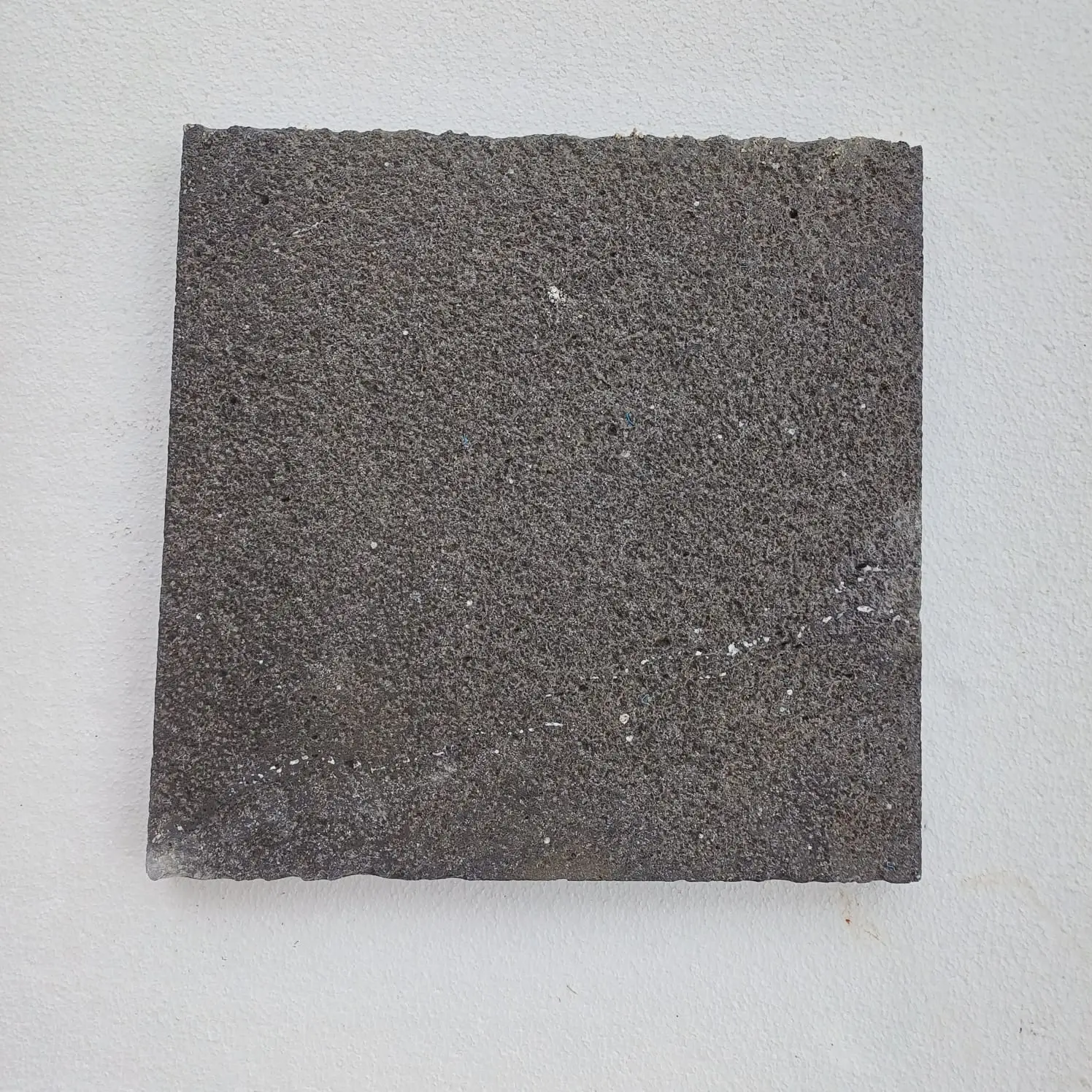
Several common mistakes compromise heated stone tile Carefree installations, often remaining undetected until system activation reveals problems. Inadequate mortar coverage over heating elements creates hot spots that can exceed 120°F, potentially damaging both stone and heating components. You should enforce strict mortar coverage requirements and verify coverage through test sections before proceeding with full installation.
Improper substrate preparation causes more heated floor failures than heating system defects. When substrate flatness exceeds tolerances, mortar thickness variations create uneven heating and potential lippage issues. You need to address flatness deficiencies with self-leveling compounds before heating element installation — attempting to compensate with variable mortar thickness during tile setting creates multiple problems including heating element damage risk.
- You must avoid cutting or nailing through finished floors without consulting installation documentation
- Your installation cannot proceed until all heating system continuity tests confirm integrity
- Mortar must be compatible with heating applications and rated for elevated temperatures
- You should never energize heating systems until mortar and grout achieve full cure
- Inadequate expansion joint provision causes 40% of heated stone floor failures
Long-Term Performance Considerations
Heated stone tile installations properly executed deliver 25-30 years of reliable service with minimal maintenance requirements. Your client education should address realistic expectations about system performance and care requirements. Stone sealing schedules remain unchanged by heating systems — you’ll still recommend resealing every 2-3 years for porous stones, though surface cleanliness improves because warm floors discourage moisture accumulation and associated staining.
System longevity depends heavily on proper thermostat programming that avoids rapid temperature cycling. Frequent on-off cycles stress heating elements and reduce service life. You should program systems for extended heating periods at moderate temperatures rather than brief high-temperature bursts. Maximum floor temperature limiting protects both stone and heating components from thermal stress that accelerates aging and increases failure risk.
When problems occur, diagnostic procedures differ from conventional floor troubleshooting. Thermal imaging cameras identify heating element failures and help locate specific damage locations without destructive investigation. You should maintain installation documentation including heating element layout drawings and resistance values for future reference. This documentation becomes invaluable for addressing any service needs that arise during the installation’s service life.
Citadel Stone – Leading Tile and Stone Distributors in Arizona for Heated Applications
When you evaluate options from tile and stone distributors in Arizona, understanding how Citadel Stone would approach heated flooring specifications for different Arizona locations provides valuable perspective. At Citadel Stone, we specialize in natural stone materials suited for radiant heating applications across Arizona’s diverse climate zones. This section outlines how you would approach heated stone tile Carefree installations and related projects in three representative Arizona cities, demonstrating the specification considerations that affect material selection and system design.
Chandler Residential Applications
In Chandler, you would encounter residential projects where warm tile floors Arizona homeowners increasingly request for master bathrooms and kitchen areas. Your specifications would address Chandler’s winter morning temperatures that drop to 35-42°F, creating demand for supplemental heating in tile areas. You’d recommend dense limestone or marble tiles with thermal conductivity above 2.2 W/m·K for efficient heat transfer, paired with electric mat systems outputting 12-15 watts per square foot. Your substrate preparation would ensure flatness within 1/8 inch over 10 feet, critical for the large-format tiles popular in Chandler’s contemporary home designs. Climate data shows Chandler experiences 15-20 nights annually below 40°F, making programmable thermostats with pre-heating schedules particularly valuable for optimizing energy efficiency while ensuring morning comfort.
Tempe Installation Considerations
Your Tempe projects would typically involve renovation applications where existing floor assemblies limit heating system options. You’d specify low-profile electric heating mats that minimize floor height increases, critical when matching existing transitions and door clearances. Underfloor heating stone specifications for Tempe would account for the area’s hard water conditions that affect grout selection — you’d recommend epoxy grouts that resist staining and provide the flexibility needed for thermal cycling. Tempe’s established neighborhoods often have older electrical services, so you’d need to verify panel capacity for dedicated 240V heating circuits before finalizing system specifications. Your material recommendations would emphasize stones with proven durability in Arizona’s UV exposure and temperature cycling conditions.
Surprise New Construction Specifications
Surprise’s active new construction market would allow you to integrate Arizona heated flooring from initial design phases, optimizing substrate preparation and insulation strategies. You’d recommend R-10 rigid insulation beneath heated floor areas in slab-on-grade construction typical of Surprise developments, preventing downward heat loss that can consume 35% of system output. Your stone specifications would balance the quick heat response desired by homeowners with the thermal mass benefits that moderate temperature swings in Surprise’s master-planned communities. For the open floor plans common in Surprise homes, you’d design heating zones that allow independent control of kitchen, living, and bedroom areas, maximizing comfort while controlling energy costs. Climate conditions in Surprise, with winter lows averaging 38-44°F, support specification of moderately-powered systems that provide supplemental comfort heating rather than primary heat sources.
Professional Specification Best Practices
Your professional approach to heated stone tile Carefree installations requires integrating multiple technical disciplines — stone material science, electrical systems, and installation methodology. Success depends on comprehensive specification documents that address substrate preparation, heating system integration, material selection, and installation sequencing. You should develop project-specific details that account for local climate conditions, client usage patterns, and building characteristics rather than relying on generic specifications that miss critical project nuances.
Material selection represents the most impactful decision you’ll make. Dense, thermally conductive stones provide responsive heating and energy efficiency, while higher thermal mass materials offer temperature stability advantages. Your selection should reflect client priorities, budget constraints, and aesthetic preferences while maintaining focus on long-term performance requirements. Successful heated stone tile installations balance these competing factors through informed specification decisions based on technical understanding and field experience.
When you finalize heated flooring specifications, ensure coordination between trades handling substrate preparation, heating system installation, and tile setting. Your project documentation should include installation sequences, testing protocols, and quality verification procedures that prevent the common mistakes that compromise system performance. For guidance on complementary installation details, review Grout color selection techniques for natural stone tile installations before you complete your project specifications. Citadel Stone remains one of the most versatile Stone Tile Suppliers in Arizona for both modern and rustic designs.