

When you specify stone tile grout colors Queen Creek projects require, you’re making a design decision that impacts both immediate aesthetics and long-term maintenance outcomes. Your grout selection determines visual character, cleanability, and how well the installation weathers Arizona’s intense UV exposure and temperature fluctuations. You’ll find that grout color choices significantly affect the perception of tile size, pattern continuity, and overall spatial characteristics in both residential and commercial applications.
Understanding stone tile grout colors Queen Creek designers favor starts with recognizing the relationship between substrate porosity, climate-driven expansion behavior, and color stability under sustained solar radiation. You need to account for how Desert Southwest conditions accelerate grout degradation compared to moderate climates. Your specification process should address thermal cycling impacts on color retention, joint integrity maintenance requirements, and long-term appearance expectations your clients will hold.
Grout Color Impact on Spatial Perception
Your grout color choice dramatically alters how tile patterns read from viewing distances typical in Queen Creek installations. When you select contrasting grout options, you emphasize individual tile geometry and create grid patterns that dominate visual perception. This approach works well when you want to showcase premium stone tile with distinctive veining or crystalline structure. Conversely, matching grout minimizes joint visibility and allows the stone surface to read as continuous material rather than individual units.
You’ll notice that light grout with dark tile creates high-contrast installations that make spaces feel smaller and more geometric. Dark grout with light tile produces similar effects but often shows less staining over time in high-traffic Queen Creek tile finishing applications. Neutral mid-tone grout provides the most forgiving option when you’re working with variegated stone that contains multiple color components. This creates visual cohesion without overwhelming the stone’s natural characteristics.
Temperature perception shifts based on grout selection in ways that affect comfort assessment in Arizona interiors. Cool gray grout amplifies the cooling effect of limestone or marble installations, while warm tan or beige grout enhances the heat-retaining appearance of travertine or sandstone. You should consider how these color temperature interactions affect perceived interior climate comfort, particularly in spaces without consistent air conditioning where psychological cooling becomes significant.
Climate-Specific Grout Performance Factors
Arizona’s extreme temperature range creates grout performance challenges you won’t encounter in moderate climates. Daily temperature swings exceeding 40°F generate expansion-contraction cycles that stress grout joints continuously. When you specify stone tile grout colors Queen Creek installations demand, you need to address how pigment loading affects flexibility and crack resistance. Higher pigment concentrations typically reduce elasticity, making deeply saturated colors more prone to cracking under thermal stress.
- You should verify that your selected grout maintains flexibility ratings appropriate for 120°F+ surface temperatures common on south-facing Queen Creek exposures
- Your specification must account for UV stability testing results that predict color shift over 3-5 year exposure periods typical in Arizona installations
- You need to confirm that polymer modification levels provide adequate movement accommodation without compromising color stability
- Your material selection should address how alkalinity affects color development in cement-based grouts exposed to Arizona’s mineral-rich water supply
Efflorescence appears more aggressively in Arizona installations due to rapid evaporation rates that draw mineral-laden moisture through grout joints. Light-colored grout shows efflorescence deposits more visibly than dark grout, but darker colors often exhibit more dramatic color shift when minerals alter surface chemistry. You’ll achieve better long-term results when you specify low-alkalinity grout formulations and recommend penetrating sealers that slow moisture migration without trapping subsurface water.
Contrasting Versus Matching Grout Strategies
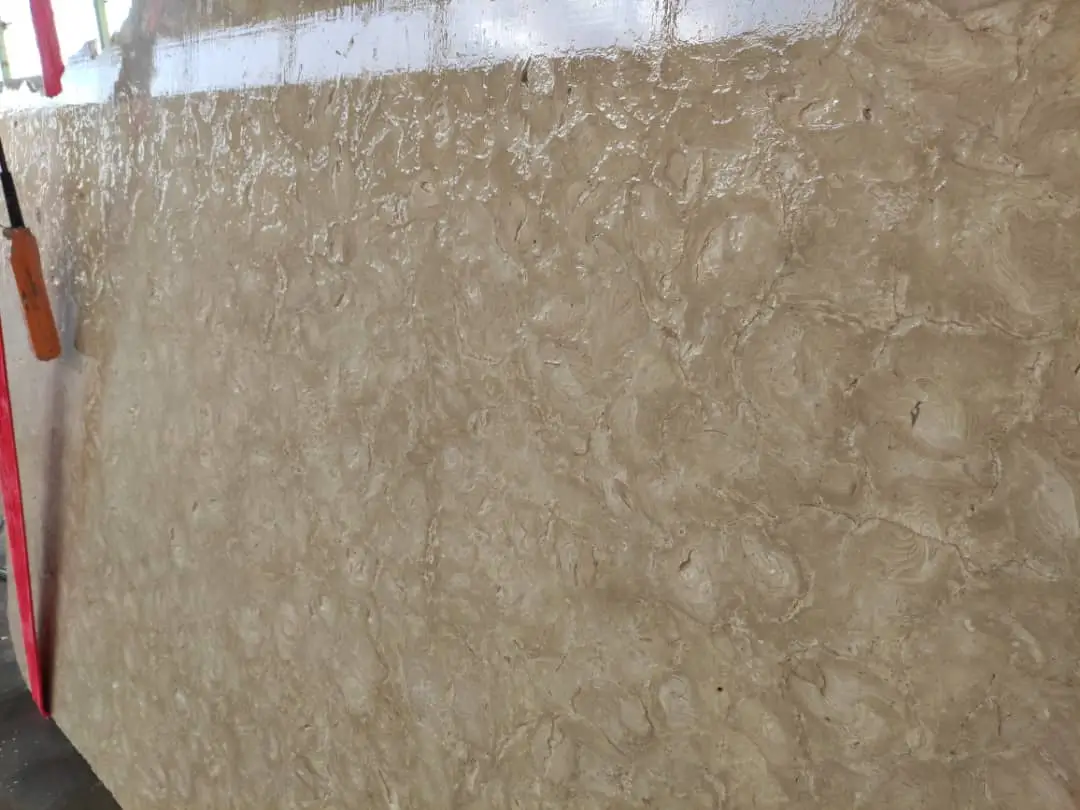
When you evaluate contrasting grout options for Queen Creek projects, you’re choosing visual drama over subtle integration. High-contrast grout creates strong geometric emphasis that works exceptionally well in contemporary designs where bold pattern becomes a primary architectural element. You’ll find this approach particularly effective with large-format stone tile where joint spacing remains minimal but contrast maximizes visual impact. The grid pattern created by contrasting grout can make irregular stone shapes appear more ordered and intentional.
Matching grout strategies prioritize material continuity over pattern emphasis. When you select grout that closely matches stone color, you create installations where the tile field reads as near-continuous surface rather than assembled units. This approach enhances the premium appearance of natural stone by minimizing joint visibility and allowing veining patterns to dominate visual perception. You should use matching grout when stone quality justifies showcasing material rather than installation geometry.
Maintenance visibility differs dramatically between contrasting and matching approaches. Light grout with dark stone shows every stain and requires aggressive maintenance to preserve original appearance. Dark grout with light stone hides most soiling but can create maintenance anxiety for clients concerned about initial dramatic appearance. Mid-tone grout matching mid-value stone provides the most practical maintenance profile when you’re specifying for clients unlikely to maintain consistent cleaning schedules.
Grout Width and Color Interaction
Your grout joint width selection interacts with color choice to determine overall visual impact in ways that aren’t immediately obvious during specification. Narrow joints at 1/16″ or 1/8″ minimize grout color influence even when you specify high-contrast colors. The reduced joint surface area means stone color dominates perception regardless of grout selection. Wider joints at 3/16″ or 1/4″ amplify grout color impact and make contrast choices far more visually significant in completed installations.
When you work with rectified stone tile that permits narrow grout joints, you gain flexibility in color selection because the reduced joint width limits grout’s visual contribution. Unrectified stone requiring wider joints demands more careful grout color consideration since joint visibility increases substantially. You’ll find that natural cleft stone with irregular edges often benefits from darker grout that visually recedes and doesn’t emphasize joint width variation across the installation.
Joint width also affects maintenance requirements in ways that compound with color selection. Narrow joints concentrate soiling in smaller areas where staining becomes more visible. Wide joints distribute soiling across larger surface area but collect more absolute dirt volume. When you combine wide joints with light grout, you create maximum maintenance burden. Narrow joints with mid-tone grout provide optimal maintenance efficiency for most Queen Creek tile finishing applications where dust infiltration remains constant.
Pigment Stability in Arizona Conditions
UV exposure at Queen Creek’s elevation and latitude degrades grout pigments faster than manufacturers’ standard testing predicts. You need to understand that accelerated weathering tests typically simulate 1,000 hours of UV exposure equivalent to roughly 2-3 years of moderate-climate outdoor exposure. In Arizona’s intense solar environment, you’ll see comparable degradation in 12-18 months on south-facing installations. This means you should expect grout color shift to occur roughly twice as fast as standard warranty literature suggests.
Organic pigments fade more rapidly than inorganic mineral pigments under sustained UV exposure. When you specify stone tile grout colors Queen Creek installations require for outdoor applications, you should verify pigment composition and favor inorganic iron oxides over organic colorants. Reds, yellows, and earth tones derived from iron oxides demonstrate superior UV stability compared to organic blues and greens that shift noticeably within 24 months of Arizona exposure.
- You should prioritize grout manufacturers who provide Arizona-specific UV stability data rather than relying on generic ASTM testing protocols
- Your outdoor specifications need to address expected color shift magnitude and set realistic client expectations for 5-year appearance
- You’ll achieve better results when you specify grout colors within the mid-tone range where subtle fading remains less noticeable than extreme light or dark selections
- Your specification should recommend UV-inhibiting sealers applied at 18-24 month intervals to extend color stability beyond standard performance expectations
Color shift patterns vary by pigment chemistry in ways that affect long-term aesthetic satisfaction. Blues shift toward gray, greens trend toward beige, and intense blacks often fade to charcoal within 36 months of Arizona exposure. You need to show clients samples representing expected 3-5 year appearance rather than fresh installation color when you’re setting aesthetic expectations for exterior stone tile grout colors Queen Creek projects will display over time.
Grout Selection for Stone Porosity Variables
Stone porosity directly impacts which grout types and colors perform optimally in Queen Creek installations. When you work with high-porosity stone like travertine or limestone showing 8-12% absorption rates, you face increased risk of grout haze and pigment migration into the stone surface. Light-colored grout minimizes visible pigment transfer if migration occurs, while dark grout can create permanent shadowing around joint edges on porous light stone.
Penetrating sealers modify stone porosity characteristics in ways that affect grout color interaction. When you seal stone before grouting, you reduce pigment absorption and minimize color bleeding into the tile surface. However, sealers can also affect grout adhesion and long-term joint integrity. You’ll need to balance reduced color migration risk against potential adhesion compromise, particularly with polymer-modified grouts that rely on mechanical and chemical bonding for joint strength.
Dense stone with porosity below 3% permits more aggressive grout color selection because pigment migration risk remains minimal. When you specify stone tile grout colors Queen Creek projects use with granite, dense marble, or basalt, you gain flexibility to use deeply saturated colors without concern for permanent staining. This expands your design palette significantly compared to high-porosity materials where color safety margins remain narrow.
Color Coordination with Natural Stone Variation
Natural stone exhibits color variation that complicates grout selection more than ceramic or porcelain tile coordination. When you’re working with stone showing significant piece-to-piece variation, you need to select grout that harmonizes with the full color range rather than matching a single representative tile. This typically means mid-tone grout that bridges light and dark stone elements without clashing with either extreme.
You’ll find that pulling grout color from secondary veining within the stone creates sophisticated coordination that appears intentional rather than merely matched. When travertine shows tan body color with rust-colored veining, specifying rust-toned grout emphasizes the veining and creates visual cohesion. This approach works particularly well in Arizona tile details where earth-tone palettes dominate regional aesthetic preferences.
Blend ranges within stone shipments affect how grout color reads across completed installations. When you receive stone with tight color control, grout selection becomes more straightforward. Wide blend ranges require grout colors neutral enough to coordinate with the full variation spectrum. You should review actual material samples from warehouse stock before finalizing stone tile grout colors Queen Creek installations will display, since catalog samples rarely represent the full variation range you’ll encounter in production shipments.
Maintenance Requirements by Color Choice
Your grout color selection directly determines maintenance frequency and difficulty in Queen Creek’s dusty desert environment. Light grout colors require cleaning 2-3 times more frequently than dark grout to maintain comparable appearance. When you specify white or light beige grout, you’re committing clients to aggressive maintenance schedules they may not sustain. This creates long-term satisfaction issues as installations darken and appear neglected within 12-18 months without consistent cleaning.
Mid-tone grout in gray, taupe, or medium brown provides optimal maintenance characteristics for most Queen Creek applications. These colors hide gradual soiling that occurs between cleaning intervals while still showing when deep cleaning becomes necessary. You’ll achieve better long-term client satisfaction when you specify maintenance-friendly grout colors rather than pursuing maximum aesthetic impact that proves unsustainable under real-world maintenance conditions.
- You should inform clients that light grout requires professional deep cleaning every 12-18 months in Queen Creek’s dusty environment to maintain acceptable appearance
- Your maintenance specifications need to address sealer reapplication frequency based on grout color, with light colors requiring more frequent sealing to prevent permanent staining
- You’ll reduce callback complaints when you specify grout colors that age gracefully rather than showing every maintenance deficiency
- Your project documentation should include realistic maintenance requirement disclosures tied directly to specified grout color
Commercial installations face different maintenance realities than residential projects. High-traffic commercial spaces accumulate soiling faster and require grout colors that hide wear. When you specify Queen Creek tile finishing for commercial applications, you should default toward darker grout unless aesthetic requirements absolutely demand lighter colors. The maintenance cost differential over 10-year building lifecycles can justify complete redesign around maintenance-friendly grout color selection.
Epoxy Versus Cementitious Grout Color Options
Epoxy grout offers superior stain resistance and color stability compared to traditional cementitious formulations, but color palette limitations and installation challenges affect specification decisions. When you evaluate grout selection Arizona projects require, you’ll find epoxy grout available in fewer colors than cement-based options. Manufacturers typically offer 20-40 epoxy colors compared to 100+ cement grout choices, which constrains design coordination possibilities.
Installation difficulty increases substantially with epoxy grout, particularly in Arizona heat where working time shortens dramatically. When surface temperatures exceed 95°F, epoxy grout can become unworkable within 15-20 minutes of mixing, compared to 45-60 minutes for cement grout. You need to specify early morning installation windows and potentially climate-controlled staging areas when you select epoxy for summer installations in Queen Creek.
Color consistency proves more reliable with epoxy grout since the color results from pigmented resin rather than cement hydration reactions affected by water chemistry and curing conditions. When you specify stone tile grout colors Queen Creek projects demand for installations where color matching across multiple grouting sessions becomes critical, epoxy provides superior batch-to-batch consistency. This makes epoxy particularly valuable for large commercial installations completed in multiple phases where color variation would create visible phase lines.
Grout Color and Lighting Interaction
Artificial lighting dramatically affects how grout color appears in completed installations, and you need to evaluate color selection under lighting conditions matching the final space. Warm incandescent or LED lighting shifts grout colors toward yellow-orange, intensifying warm grout tones while making cool grays appear dingy. Cool LED lighting emphasizes blue undertones and can make warm beige grout appear greenish or sickly.
Natural daylighting creates time-of-day color variation you should demonstrate to clients during selection. Morning light typically shows cooler color temperature that emphasizes blue-gray grout tones. Afternoon light shifts warmer and amplifies beige-tan grout colors. When you’re specifying for spaces with significant south or west exposure in Queen Creek, you need to show grout samples under intense direct sunlight that reveals how colors bleach and flatten under Arizona’s powerful solar radiation.
Shadow patterns affect grout visibility in textured stone installations where surface relief creates continuous shade variation. When you work with natural cleft slate or heavily textured limestone, grout joints fall into shadow for much of the day. This reduces the visual impact of grout color selection and permits bolder contrast choices than you’d specify for smooth honed stone where joints remain fully visible. You should photograph mockup installations under actual site lighting conditions before finalizing stone tile grout colors Queen Creek projects will display across varying daily light conditions.
Regional Aesthetic Preferences in Queen Creek
Queen Creek’s aesthetic leans heavily toward warm earth tones that harmonize with surrounding Sonoran Desert landscape. When you specify grout colors, you’ll find client preference gravitates toward tans, beiges, warm grays, and rust tones that echo native soil and stone colors. Cool grays and blue-toned grout often feel contextually inappropriate and generate client resistance even when they technically coordinate with selected stone.
Contemporary Southwest design increasingly incorporates contrasting grout that emphasizes geometric pattern while maintaining regional color palette. When you use dark brown or charcoal grout with cream travertine, you create modern contrast while staying within the earth-tone framework Queen Creek clients expect. This approach satisfies both contemporary design ambitions and regional aesthetic sensibilities that remain deeply connected to desert landscape color.
You’ll notice that established tile and stone enterprise serving Queen Creek maintain extensive inventories of warm-toned grout specifically because regional demand concentrates in this color range. When you specify outside typical earth-tone preferences, you should verify availability and expect potential delays while distributors special-order less common colors. Regional aesthetic preferences directly impact material logistics and project timeline planning.
Citadel Stone: Tile Stone Distributors in Arizona — How We Would Specify Grout Color Strategies
When you consider Citadel Stone’s tile stone distributors in Arizona expertise for your project, you’re evaluating comprehensive grout color guidance developed specifically for Arizona’s challenging climate conditions. At Citadel Stone, we provide technical recommendations for hypothetical applications across Arizona’s diverse regions where stone tile grout colors Queen Creek designers specify must balance aesthetic intent with long-term performance requirements. This section outlines how you would approach grout color decisions for three representative cities with distinct environmental characteristics.
Flagstaff Freeze-Thaw Considerations
In Flagstaff’s high-elevation environment, you would prioritize grout flexibility and crack resistance over UV stability concerns that dominate lower-elevation specifications. You’ll encounter 100+ annual freeze-thaw cycles that stress grout joints continuously through expansion-contraction cycling. Your grout selection Arizona mountain region installations require should emphasize polymer-modified formulations with flexibility ratings exceeding standard Queen Creek specifications. You would specify mid-tone grays that hide micro-cracking better than extreme light or dark colors where crack visibility creates maintenance concerns. Moisture management becomes critical in Flagstaff applications where grout joints experience repeated saturation followed by freezing, making proper substrate drainage and waterproofing membrane integration essential to long-term grout color stability and joint integrity.
Sedona Red Rock Coordination
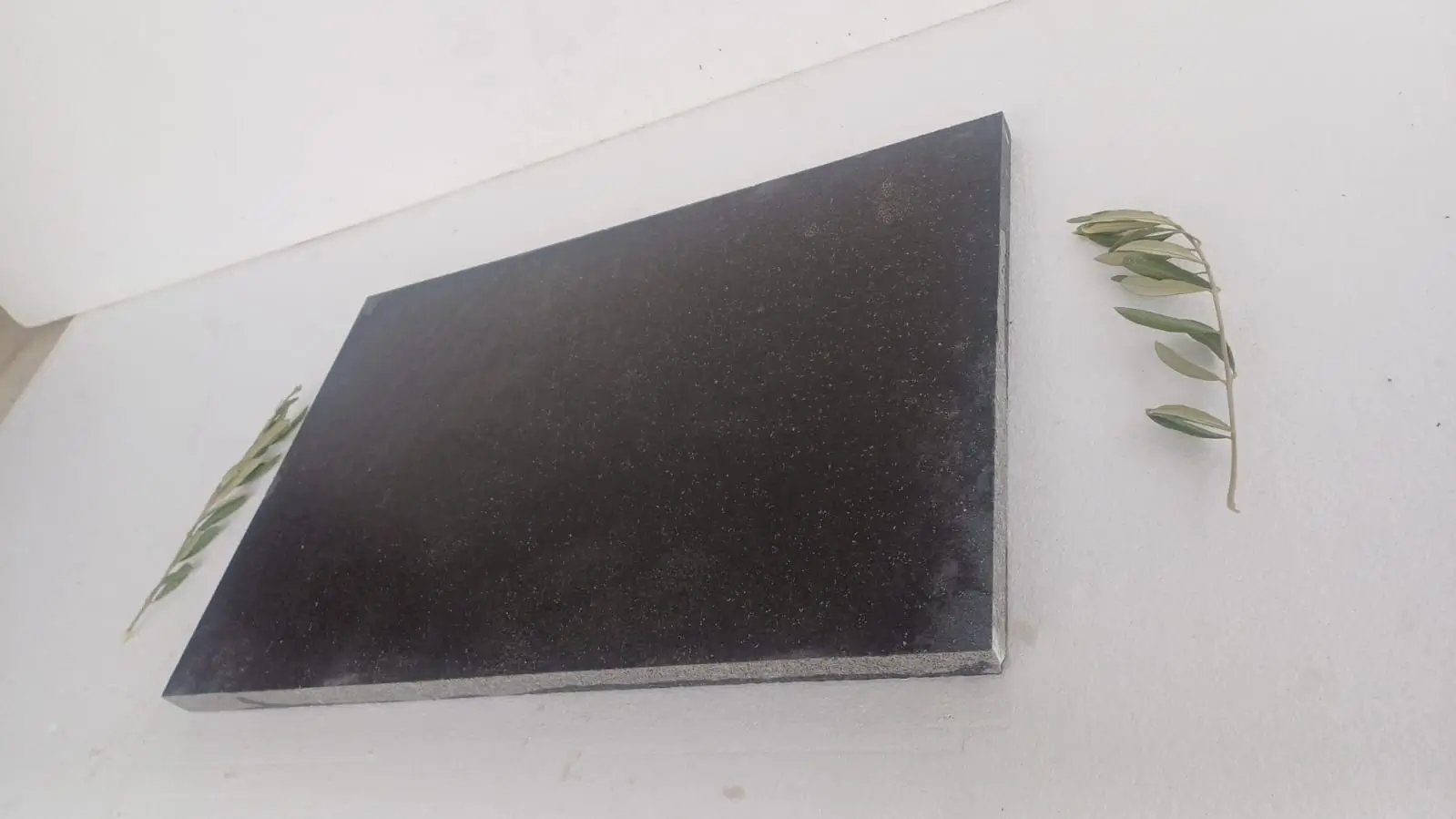
Your Sedona specifications would emphasize grout colors that harmonize with the region’s distinctive red rock landscape while maintaining practical maintenance characteristics. You would recommend warm rust, terracotta, and red-brown grout colors that echo surrounding geology and satisfy strong regional aesthetic preferences for contextual design. When you coordinate stone tile grout colors Queen Creek designers might specify differently, Sedona applications demand earth-tone warmth that feels indigenous to the red rock environment. You’ll find that contrasting grout options work particularly well in Sedona when contrast comes from value difference within the warm color family rather than introducing cool grays that conflict with regional palette. Tourism-focused commercial installations would benefit from darker grout selections that hide high-traffic wear while maintaining color stability under intense UV exposure that exceeds even Queen Creek solar radiation levels due to elevation and lack of urban heat island shading.
Peoria Suburban Versatility
Peoria installations would emphasize versatile grout colors that coordinate with diverse architectural styles common in suburban development contexts. You would specify neutral mid-tone grouts in warm gray, greige, or soft taupe that bridge traditional and contemporary design preferences while providing excellent maintenance characteristics for family-oriented residential applications. Your specifications should address pool deck and outdoor living area applications where grout must withstand continuous Arizona sun exposure combined with water chemistry exposure from pool splash-out and irrigation overspray. You’ll recommend sealed grout in these applications with resealing intervals at 18 months rather than the 24-36 month intervals appropriate for interior installations. At Citadel Stone, we maintain warehouse inventory of versatile neutral grout colors specifically because Peoria’s diverse architectural context creates broad color coordination requirements that stock availability must accommodate for typical residential project timelines.
Final Specification Guidance
Your grout color specification process should integrate aesthetic goals with realistic performance expectations and maintenance requirements specific to Queen Creek’s desert environment. When you balance visual impact against long-term satisfaction factors including color stability, cleanability, and maintenance burden, you create installations that perform well beyond initial completion. You need to verify that your selected stone tile grout colors Queen Creek projects display coordinate not just with fresh stone appearance but with how materials will weather and age across 10-15 year building lifecycles typical in residential and commercial applications.
Professional specification requires you to document maintenance requirements explicitly and obtain client acknowledgment that light grout colors demand substantially more upkeep than maintenance-friendly mid-tone selections. Your project specifications should include sealed grout maintenance protocols, expected resealing intervals, and cleaning product recommendations that preserve color stability rather than accelerating pigment degradation. For comprehensive installation guidance including related stone applications, review Volcanic basalt stone flooring applications in modern Arizona residences before you finalize your project documentation. We collaborate with stone tile manufacturers in Arizona to bring innovative new finishes to the market.