
When you maintain limestone tile in Gilbert’s desert climate, you’re dealing with unique environmental challenges that dramatically affect material performance. The combination of extreme heat, intense UV exposure, minimal humidity, and alkaline dust creates conditions that accelerate surface degradation if you don’t implement proper maintenance protocols. Your limestone tile maintenance Gilbert strategy needs to address thermal cycling that exceeds 40°F daily swings during peak season, surface temperatures reaching 160°F on exposed installations, and the constant intrusion of fine desert particulates that act as abrasives.
You’ll find that Gilbert’s 300+ days of annual sunshine create photo-oxidation conditions that slowly alter limestone surface chemistry. The material’s natural porosity, typically ranging from 3-8% depending on density grade, allows moisture infiltration during monsoon season followed by rapid evaporation that concentrates mineral salts near the surface. This cycle produces efflorescence patterns within 12-18 months on unsealed installations. Your maintenance approach must account for these climate-specific factors rather than relying on generic limestone care guidelines developed for temperate regions.
Understanding Desert Limestone Degradation
Gilbert stone care requires you to understand the specific degradation mechanisms active in desert environments. Limestone responds to Arizona’s climate through three primary pathways that interact and compound over time. When you recognize these processes, you can design maintenance protocols that address root causes rather than just treating symptoms.
Thermal expansion cycles create the most immediate structural stress. Limestone expands at approximately 5.3 × 10⁻⁶ per °F, which means your tile surface experiences dimensional changes of 0.008-0.012 inches per linear foot during typical daily temperature swings. Over thousands of cycles annually, this movement creates microfractures along grain boundaries and existing fissures. You’ll notice this initially as surface checking—fine hairline cracks that appear random but actually follow the stone’s internal structure.
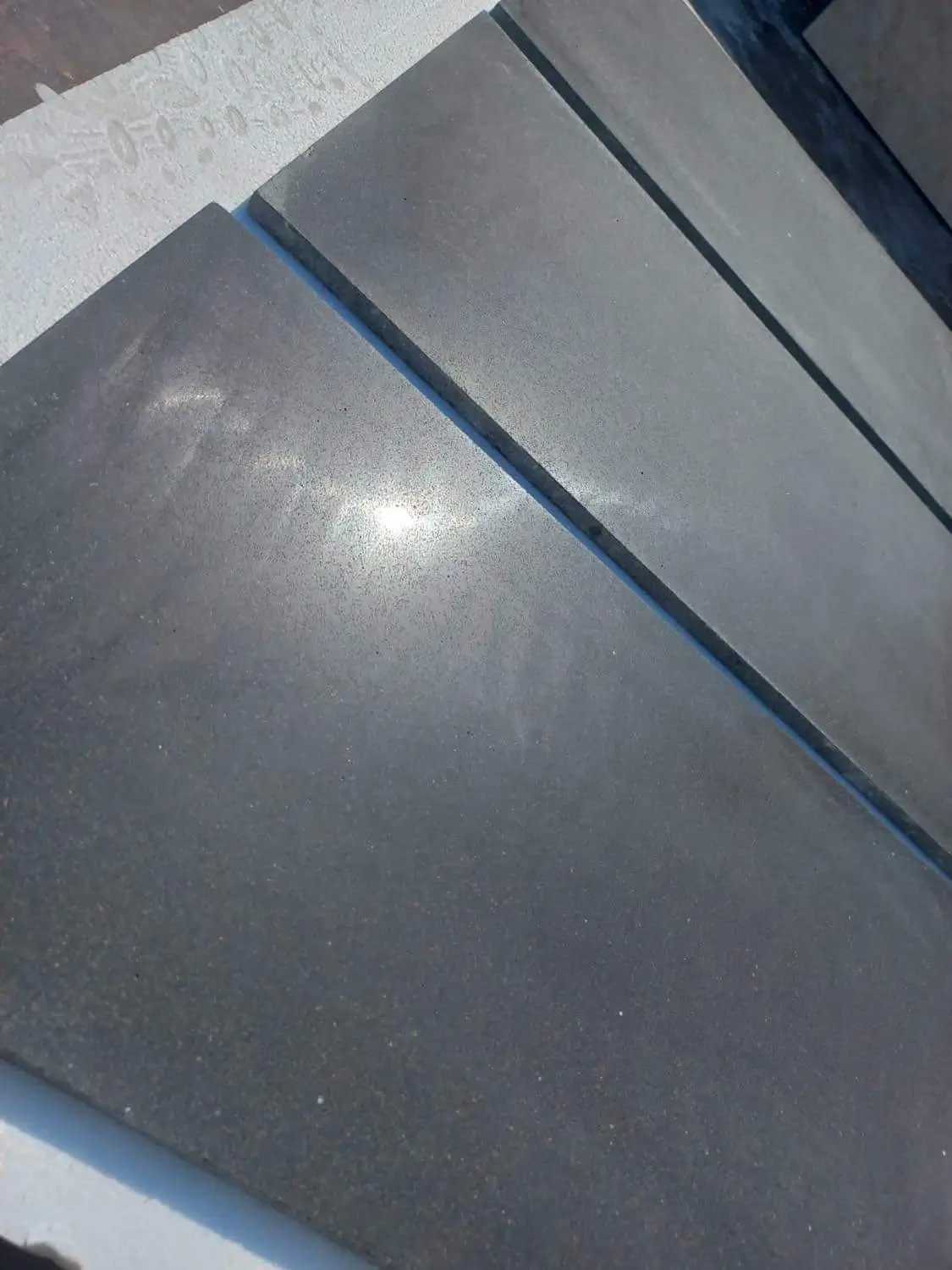
UV degradation affects the organic compounds and iron-bearing minerals naturally present in limestone. Extended exposure breaks down these components through photo-oxidation, causing color shifts that appear as surface bleaching or yellowing depending on original composition. The process accelerates on horizontal surfaces receiving direct overhead sun for 8-10 hours daily during summer months. Your limestone cleaning Arizona program needs to include UV-protective sealing if you want to maintain consistent appearance beyond the first 3-5 years.
Desert dust infiltration provides the third degradation pathway. Gilbert’s alkaline soils generate fine particulates with pH levels between 7.8-8.4 that settle into limestone’s porous structure. When you add moisture from irrigation overspray or monsoon precipitation, these particles dissolve and migrate through capillary action. As water evaporates, mineral deposits concentrate at the surface, creating the white crystalline formations you recognize as efflorescence. This isn’t just cosmetic—the salt crystallization within pores generates expansion pressure that accelerates surface spalling.
Limestone Cleaning Protocols for Arizona
Your limestone cleaning Arizona routine must address both surface contamination and subsurface deposits without damaging the stone’s integrity. Generic cleaning products formulated for harder materials like granite or porcelain can etch limestone’s calcium carbonate matrix, creating surface roughness that actually accelerates future soiling. You need pH-neutral cleaners specifically designed for carbonate stones, applied using methods that prevent chemical concentration or mechanical abrasion.
Daily maintenance should consist of dry dust removal using microfiber dust mops or soft-bristle brushes. You want to eliminate abrasive particles before they’re ground into the surface by foot traffic. For Gilbert installations, this typically means daily attention during spring months when dust intrusion peaks, reducing to 3-4 times weekly during less active periods. Avoid water-based sweeping compounds that introduce moisture and potential staining agents into the limestone’s porous structure.
Weekly deep cleaning requires pH-neutral limestone-specific cleaners diluted according to manufacturer specifications—typically 1-2 ounces per gallon of water. You should apply solution with soft mops or microfiber pads, working in sections small enough to prevent solution from drying on the surface. In Gilbert’s low humidity (often 10-20% during peak heat), you have approximately 2-3 minutes of working time before evaporation begins concentrating cleaning agents. Always rinse thoroughly with clean water and extract moisture completely using wet-dry vacuums or absorbent towels.
- You should use only pH-neutral cleaners rated between 7.0-8.5 pH for limestone applications
- Your cleaning solution temperature should remain below 90°F to prevent rapid evaporation and residue formation
- You need to extract all moisture within 5 minutes of application to prevent subsurface mineral migration
- Your tools must be non-metallic to avoid iron staining from reactive mineral deposits
Sealing Requirements for Desert Conditions
Arizona limestone sealing differs fundamentally from applications in humid or temperate climates. The extreme temperature differentials and intense UV exposure in Gilbert require you to select sealers that maintain flexibility while providing superior water and oil repellency. Standard acrylic sealers formulated for interior applications fail rapidly when subjected to 150°F+ surface temperatures and daily thermal cycling that exceeds 40°F.
You should specify penetrating sealers based on fluoropolymer or modified siloxane chemistry for exterior Gilbert installations. These products bond chemically within the limestone’s porous structure rather than forming surface films. The penetrating approach provides several advantages: resistance to UV degradation, maintenance of natural surface texture and appearance, allowance for water vapor transmission that prevents subsurface moisture entrapment, and performance stability across temperature ranges from 20°F to 180°F.
Initial sealing should occur 4-6 weeks after installation, allowing sufficient time for residual construction moisture and any installation-related efflorescence to evacuate. You’ll need to ensure the limestone surface is completely clean, dry, and free of previous sealer residues or mineral deposits. Surface moisture content should measure below 4% using a calibration-verified moisture meter. Application timing matters significantly in Gilbert—you want ambient temperatures between 50°F-85°F with no precipitation forecast for 48 hours, which typically means working during morning hours in spring or fall months.
When you evaluate material options for commercial applications, supply chain reliability becomes critical to project success. For guidance on professional-grade options and vendor evaluation criteria, see commercial stone tile supplier in Scottsdale for comprehensive comparison data. You should verify warehouse stock levels and typical lead times during your specification phase to prevent project delays.
Resealing Frequency and Indicators
Desert tile maintenance requires you to establish sealer reapplication schedules based on actual performance indicators rather than arbitrary timelines. Gilbert’s environmental conditions degrade sealers at rates 30-50% faster than manufacturers’ general recommendations, which typically assume moderate climate exposure. You need to monitor specific performance signals that indicate sealer degradation before limestone damage occurs.
The water absorption test provides your most reliable indicator. Apply several drops of water to the limestone surface and observe behavior. Properly sealed limestone should cause water to bead and remain on the surface for 10-15 minutes minimum. When sealer protection degrades, you’ll notice absorption beginning within 3-5 minutes, with complete penetration occurring in 8-10 minutes. Once absorption drops below the 5-minute threshold, you should schedule resealing within 30-60 days.
Visual indicators supplement absorption testing. Watch for darkening in high-moisture areas like near irrigation zones or pool splash zones, which indicates water penetration through compromised sealer. Surface roughening or increased porosity visibility suggests UV degradation of surface protection. Color inconsistencies between sealed and trafficked areas show differential wear patterns. For Gilbert installations, expect resealing intervals of 18-30 months for exterior horizontal surfaces, 30-42 months for vertical surfaces, and 36-48 months for protected interior applications.
Efflorescence Management Strategies
Gilbert stone care inevitably involves addressing efflorescence—the white crystalline deposits that form when soluble salts migrate to limestone surfaces and crystallize. Desert conditions create particularly aggressive efflorescence cycles because the combination of alkaline groundwater, mineral-rich dust, and rapid evaporation provides ideal formation conditions. Your management strategy must address both active efflorescence and prevention of future occurrences.
Primary efflorescence typically appears 6-18 months post-installation as residual salts from mortar, grout, and substrate materials migrate outward. This initial phase is temporary and self-limiting once source materials fully cure and dry. You should remove deposits using dry brushing with natural-bristle brushes, avoiding water introduction that can dissolve and redistribute salts deeper into the limestone structure. For stubborn deposits, apply pH-neutral efflorescence removers specifically formulated for limestone, following with thorough rinsing and complete moisture extraction.
Secondary efflorescence represents ongoing salt introduction from external sources—irrigation water, groundwater wicking, atmospheric deposition, or cleaning product residues. This cycle continues indefinitely unless you eliminate moisture and salt sources. Your limestone tile maintenance Gilbert program must address subsurface moisture barriers, proper drainage grading that prevents water accumulation, irrigation system adjustment to eliminate overspray onto limestone surfaces, and sealer maintenance that blocks moisture infiltration pathways.
- You need to identify whether efflorescence originates from subsurface sources or surface deposition before selecting treatment methods
- Your removal approach should prioritize mechanical methods over chemical treatments when dealing with fresh deposits
- You should test water pH and mineral content if efflorescence recurs within 60 days of treatment
- Your prevention strategy must address moisture sources rather than just treating visible symptoms
Stain Prevention and Treatment
Limestone’s porosity makes it vulnerable to staining from organic materials, metal oxides, and chemical contaminants common in Gilbert’s outdoor environment. Your maintenance protocol must include both preventive measures and response procedures for inevitable staining incidents. The speed and method of your response directly determines whether stains become permanent or can be fully reversed.
Organic stains from leaves, bird droppings, algae, and irrigation-driven biological growth create the most frequent issues. These materials contain tannins and organic acids that penetrate limestone’s porous structure and oxidize into brown or green discolorations. You should remove organic debris within 24 hours of deposition, before staining compounds penetrate deeply. For fresh stains, apply pH-neutral poultice materials mixed with hydrogen peroxide to draw out discoloration. Leave poultices in place for 24-48 hours under plastic sheeting to maintain saturation, then remove and rinse thoroughly.
Iron staining appears as rust-colored spots or streaks, typically originating from metal furniture, irrigation components, or reactive minerals in Arizona’s alkaline water supply. Once iron oxidizes within limestone, removal requires specialized chelating agents that bind to iron molecules without etching the calcium carbonate matrix. You’ll need products containing oxalic acid or EDTA compounds, applied as poultices with 48-72 hour dwell times. Prevention through proper sealing and elimination of metal contact provides more reliable results than attempted stain removal.
Oil-based stains from cooking, automotive fluids, or cosmetic products create dark spots that spread through limestone’s porous network. Fresh oil stains require immediate treatment—you should absorb surface oil using talc or diatomaceous earth, then apply alkaline degreasers specifically rated for limestone. For set stains beyond 48 hours old, poultice treatment using acetone or mineral spirits provides the only effective removal method. This represents another scenario where proper Arizona limestone sealing prevents problems that become difficult to reverse after occurrence.
Traffic Pattern Maintenance
High-traffic areas on limestone installations develop wear patterns that differ from surrounding surfaces within 2-3 years in Gilbert commercial applications. The combination of abrasive dust particles, foot traffic, and UV exposure creates differential surface degradation that appears as traffic lanes with altered texture and color. Your limestone tile maintenance Gilbert strategy must address these zones with specialized attention to maintain visual consistency across the installation.
The wearing process involves mechanical abrasion that preferentially removes softer mineral components and any remaining sealer protection. You’ll notice traffic patterns first as subtle sheen differences where foot traffic has polished the surface, followed by gradual darkening as exposed limestone absorbs moisture and contaminants. Advanced stages show actual surface depression—measurable height differences of 0.5-1.5mm between trafficked and protected areas over 8-12 year periods.
Your response involves more frequent cleaning and resealing in traffic zones compared to perimeter areas. You should increase cleaning frequency to daily in primary traffic paths, using pH-neutral cleaners that don’t contribute to chemical erosion. Sealer reapplication in these zones may require 12-18 month intervals versus 24-36 months for protected areas. For commercial installations where appearance consistency is critical, consider periodic professional honing that removes the top 0.5mm of surface material to restore uniform texture and color across the entire installation.
Monsoon Season Preparation
Gilbert’s monsoon season, typically active July through September, creates unique maintenance challenges that require proactive preparation. The combination of intense rainfall, high humidity, and temperature fluctuations generates conditions that accelerate limestone degradation if you haven’t implemented protective measures. Your pre-monsoon preparation should begin in early June, allowing sufficient time for sealer application and curing before moisture arrival.
Sealer integrity verification becomes your first priority. The water absorption testing described earlier identifies compromised areas requiring resealing before monsoon moisture penetrates deeply into limestone structure. You should complete any needed resealing by mid-June, ensuring 3-4 weeks of hot, dry curing conditions before humidity increases. Properly cured sealers provide significantly better moisture resistance than recently applied products still undergoing chemical crosslinking.
Drainage system verification prevents the standing water conditions that drive aggressive efflorescence and biological growth. You need to confirm that all surface grades direct water away from limestone installations, weep holes and drainage channels remain clear of debris, and expansion joints maintain proper spacing and sealant integrity. Desert tile maintenance during monsoon season requires daily visual inspection for standing water, immediate removal of organic debris that could stain during wet conditions, and temporary reduction of irrigation to account for natural precipitation.
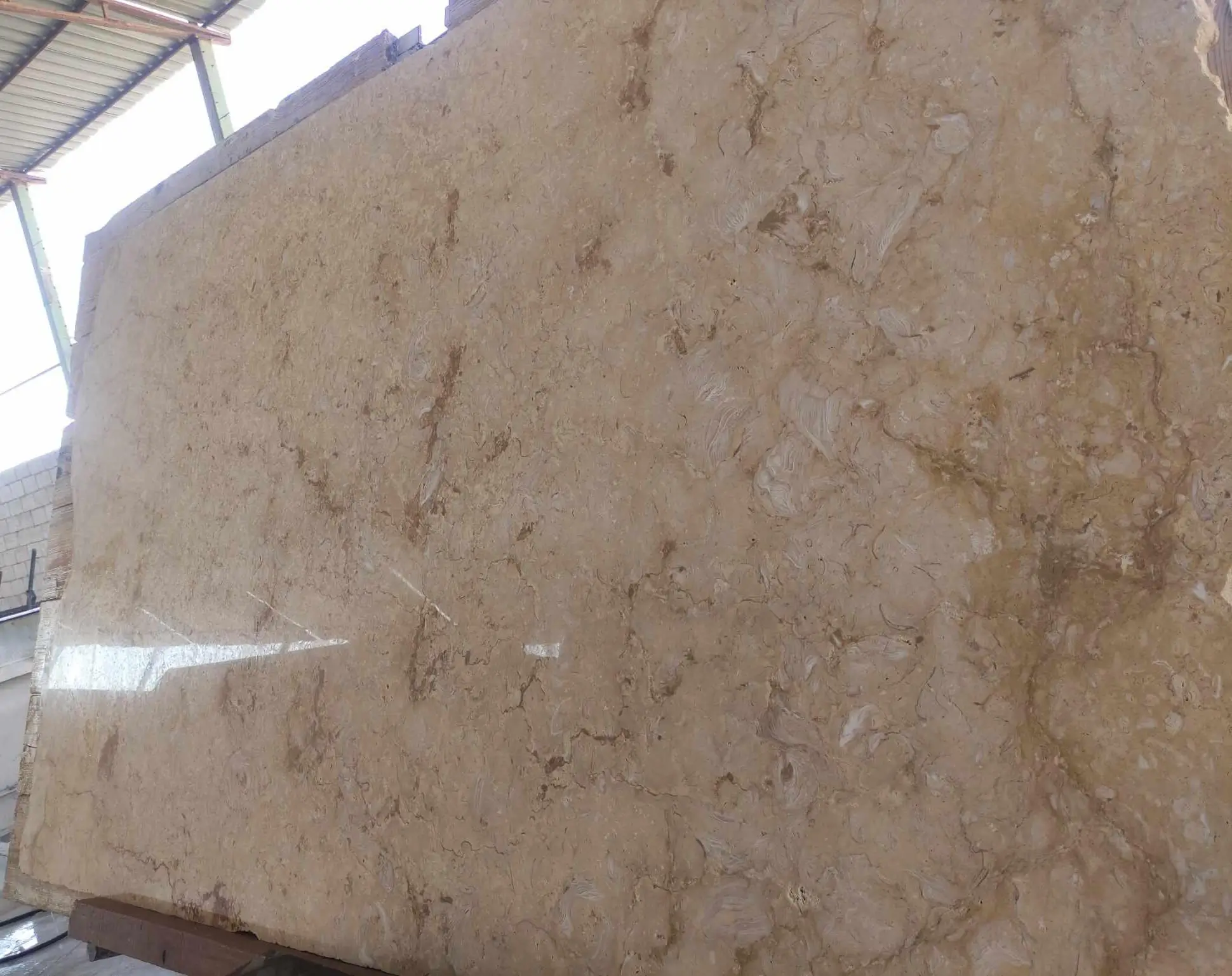
Pool Deck Specific Considerations
Limestone tile maintenance Gilbert requirements intensify for pool deck applications where constant water exposure, chemical treatments, and bare foot traffic create aggressive service conditions. You’re dealing with chlorinated water that can etch calcium carbonate surfaces, body oils and sunscreen products that penetrate and stain, and the slip resistance concerns that require specific surface preparation and maintenance protocols.
Chemical balance in pool water directly affects limestone durability. You should maintain pool pH between 7.2-7.6 to minimize calcium carbonate dissolution. Higher pH levels appear safer but actually promote scaling that bonds to limestone and proves difficult to remove. Lower pH creates acidic conditions that slowly etch the surface, reducing texture and increasing slip hazard. Your pool maintenance contractor should understand that limestone coping and deck materials require tighter chemical control than standard concrete or tile installations.
Sealer selection for pool decks requires products that combine water repellency with slip resistance enhancement. You need penetrating sealers that don’t create surface films but do provide oil and water resistance. Some formulations include fine aggregate particles that maintain texture while providing stain protection. Resealing frequency increases to 12-18 months for pool deck applications due to constant moisture exposure and chemical stress. Between resealing intervals, you should perform weekly cleaning using pH-neutral products, rinse thoroughly to remove chlorinated water and chemical residues, and address any oil-based stains within 24 hours of occurrence.
Commercial vs Residential Protocols
Your limestone cleaning Arizona approach must scale appropriately for commercial installations that experience 10-50 times the traffic exposure of residential applications. Commercial environments in Gilbert’s retail, hospitality, and office sectors require daily maintenance protocols, professional-grade equipment and products, and scheduled periodic restoration that exceeds typical residential maintenance scope.
Commercial installations benefit from automatic scrubbing equipment using pH-neutral cleaners diluted for daily application. You should specify machines with soft brush systems rated for natural stone rather than aggressive abrasive pads designed for harder surfaces. Daily cleaning removes the abrasive dust and tracked-in contaminants before they cause accelerated wear. Your maintenance contract should include quarterly deep cleaning with extraction equipment that removes embedded soils from limestone’s porous structure.
Residential maintenance allows more flexibility with manual cleaning methods and extended maintenance intervals. Homeowners can typically maintain acceptable appearance with twice-weekly dust removal and weekly damp mopping using pH-neutral cleaners. The reduced traffic exposure means sealer performance extends 30-40% longer than comparable commercial applications. You should still emphasize proper product selection and technique—residential installations fail when homeowners use acidic cleaners, vinegar solutions, or aggressive scrubbing that damages limestone faster than normal wear patterns.
Citadel Stone Tile Company Arizona Specifications
When you evaluate stone tile company in Arizona options for your Gilbert project, material selection and supplier expertise directly impact long-term maintenance requirements and performance outcomes. At Citadel Stone, we provide technical guidance for hypothetical applications across Arizona’s diverse climate zones. This section outlines how you would approach specification decisions for three representative cities where environmental factors create distinct maintenance challenges.
Your specification process should account for regional climate variations that affect limestone performance characteristics. Temperature extremes, humidity fluctuations, soil chemistry, and water quality all influence material selection and maintenance protocol design. The following city-specific scenarios demonstrate how you would adjust limestone tile maintenance Gilbert strategies for varying Arizona conditions.
Chandler Commercial Applications
In Chandler’s mixed-use developments, you would specify higher-density limestone grades with porosity below 5% to withstand heavy foot traffic and intense sun exposure. The area’s alkaline soil conditions require aggressive sealer protection against efflorescence, with reapplication intervals of 18-24 months for horizontal surfaces. Your maintenance specification should include daily dust removal during spring months when agricultural dust intrusion peaks, and pH testing of irrigation water to prevent mineral staining from hard water deposits common in this region.
Tempe University District
Tempe installations near ASU campus would require you to account for extremely high pedestrian traffic volumes and the urban heat island effect that elevates surface temperatures 8-12°F above surrounding areas. You should specify limestone with enhanced slip resistance ratings and plan for quarterly professional cleaning rather than typical biannual protocols. The dense urban environment introduces vehicle emissions and industrial particulates that accelerate surface soiling, requiring you to consider enhanced sealer formulations with anti-graffiti and stain-resistant properties for vulnerable public spaces.
Surprise Residential Communities
In Surprise’s rapidly developing residential sectors, you would focus limestone specifications on pool deck and outdoor entertainment applications popular in this demographic. The area’s newer construction provides opportunity for proper subsurface moisture barriers and drainage systems that simplify long-term maintenance. Your specification should emphasize penetrating sealers that maintain natural appearance while providing chlorine resistance for pool environments, with homeowner education programs covering proper pH-neutral cleaning techniques and the importance of prompt organic debris removal to prevent staining.
Professional Maintenance Services
While you can handle routine limestone cleaning Arizona tasks, certain maintenance procedures require professional equipment and expertise to execute properly without causing damage. Understanding when to engage professional services prevents costly mistakes that compound over time and may require complete restoration or replacement. Your maintenance budget should allocate resources for periodic professional intervention even when routine care proceeds successfully.
Professional honing and polishing services restore surface uniformity when traffic patterns create visible wear differences or when surface etching from improper cleaning products has degraded appearance. These procedures remove 0.3-0.8mm of surface material using progressively finer abrasives, followed by crystallization or polishing that restores original finish characteristics. You should schedule professional restoration every 5-8 years for commercial installations or 10-15 years for residential applications, depending on traffic exposure and maintenance quality.
Deep cleaning extraction removes embedded contaminants that routine maintenance cannot address. Professional equipment applies heated pH-neutral cleaning solutions under pressure, then extracts moisture and dissolved soils using powerful vacuum systems. This process reaches contamination within limestone’s porous structure without the extended surface saturation that causes problems with manual cleaning methods. Commercial installations benefit from annual or biannual professional deep cleaning, while residential applications typically require this service every 3-5 years.
Professional sealer application ensures proper surface preparation, optimal product selection for specific exposure conditions, and uniform coverage that prevents the streaking or inadequate protection common with DIY applications. Professionals use spray application equipment that delivers consistent coverage at manufacturer-specified rates, typically 150-250 square feet per gallon depending on limestone porosity. The labor cost represents a minor premium versus DIY approaches while significantly improving protection longevity and appearance consistency.
Common Maintenance Mistakes
Understanding common errors in limestone tile maintenance Gilbert practices helps you avoid damage that reduces material lifespan and increases long-term costs. Many maintenance failures originate from applying techniques appropriate for harder materials like granite or porcelain to limestone’s more reactive calcium carbonate composition. You need to recognize these pitfalls before they create permanent damage requiring expensive restoration.
- You must avoid acidic cleaners including vinegar, lemon juice, or products containing phosphoric or hydrochloric acid that etch limestone surfaces
- Your cleaning equipment should never include stiff-bristle brushes, abrasive pads, or steel wool that scratch and roughen limestone texture
- You should not apply sealer over dirty or damp surfaces where it cannot bond properly and may trap moisture or contaminants
- Your pressure washing equipment must operate below 800 PSI to prevent surface erosion and aggregate displacement
- You need to avoid allowing cleaning solutions to dry on limestone surfaces where they concentrate and potentially etch or stain
Product selection errors create another common failure mode. Generic floor cleaners, bathroom tile products, and multi-surface formulations frequently contain ingredients incompatible with limestone chemistry. You should verify that every cleaning product specifies suitability for natural limestone or calcium carbonate stone. pH ratings should fall between 7.0-8.5 with no acidic or highly alkaline components. When product labels indicate suitability for “natural stone” without specific limestone mention, contact manufacturers to verify calcium carbonate compatibility before application.
Maintenance timing mistakes compound environmental stress. Cleaning during peak temperature hours when surfaces exceed 120°F causes rapid solution evaporation and residue formation. Sealer application during humidity above 60% prevents proper curing and may trap moisture within the stone. You should schedule maintenance activities during morning hours in spring or fall months when temperatures range between 65°F-85°F and humidity remains moderate. This timing window prevents weather-related complications while allowing proper product performance.
Long-Term Performance Expectations
When you implement proper limestone tile maintenance Gilbert protocols, you can achieve 25-40 year service life for residential installations and 15-25 years for commercial applications before major restoration becomes necessary. These projections assume consistent maintenance execution, prompt stain treatment, and appropriate sealer reapplication intervals. Gilbert’s aggressive climate means Arizona installations typically experience 20-30% shorter service life compared to moderate climate regions, making maintenance quality even more critical to achieving acceptable return on investment.
Visual appearance changes gradually over the service life regardless of maintenance quality. You should expect subtle color shifts toward lighter tones as UV exposure bleaches organic pigments, slight texture coarsening as surface weathering progresses at 0.1-0.2mm per decade, and the development of patina characteristics that many designers consider desirable aesthetic evolution. These changes differ from damage—they represent natural aging that occurs within normal performance parameters.
Your long-term planning should include budget allocation for periodic professional restoration services, sealer product upgrades as new formulations offer improved performance, and potential replacement of severely damaged units in high-stress locations like pool edges or step treads. The total cost of ownership including installation, routine maintenance, periodic restoration, and eventual replacement typically ranges from $1.80-2.40 per square foot annually for residential applications and $2.80-3.60 per square foot annually for commercial installations when calculated over 25-year service life.
Final Recommendations
Your success with limestone tile maintenance Gilbert applications depends on implementing climate-appropriate protocols from initial installation through long-term service life. The desert environment creates unique challenges that generic maintenance approaches cannot adequately address. You need to prioritize proper sealing with products designed for extreme temperature and UV exposure, establish routine cleaning schedules that prevent abrasive dust accumulation, and maintain vigilance for moisture intrusion that drives efflorescence and staining.
Product selection represents your most important decision point. You should invest in pH-neutral limestone-specific cleaners, penetrating sealers based on fluoropolymer or modified siloxane chemistry, and professional-grade tools designed for natural stone care. The incremental cost of appropriate products proves insignificant compared to the damage costs from using incompatible materials. For comprehensive guidance on material options and performance comparisons, review Premium porcelain tiles mimicking natural stone for Arizona homes before you finalize your project specifications. As a dedicated natural stone and tile company in Arizona we focus on stones that weather beautifully over time.