
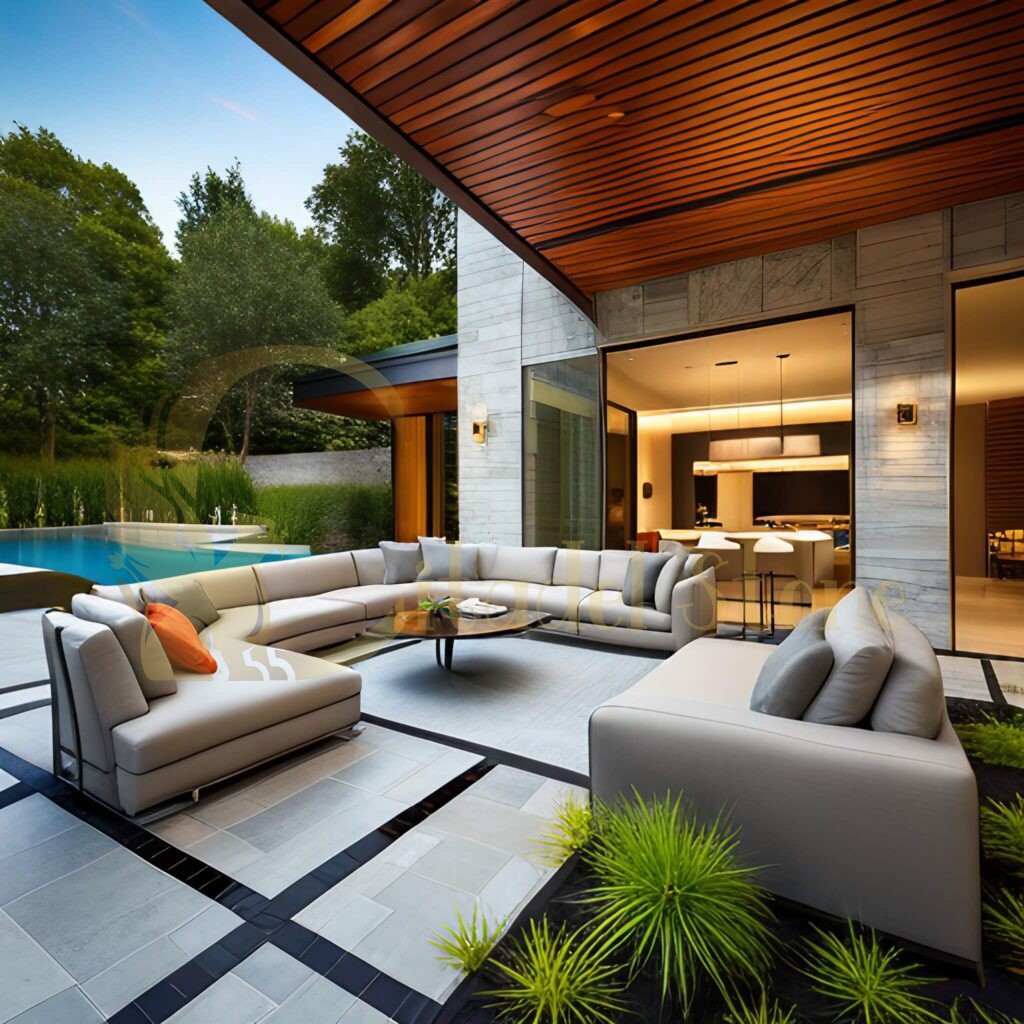
When you’re selecting between marble vs granite tile Scottsdale projects, you’re making decisions that affect both immediate aesthetics and long-term performance in one of Arizona’s most demanding climates. Your bathroom will face extreme temperature swings, low humidity, and hard water conditions that test every material choice you make. Understanding how marble and granite respond to these environmental factors helps you specify materials that maintain their appearance and structural integrity for decades.
The desert Southwest creates unique challenges for bathroom tile selection Arizona professionals encounter daily. You need to balance the visual warmth marble provides against granite’s superior resistance to etching and staining. Your choice affects maintenance protocols, long-term cost of ownership, and how the space performs under actual use conditions rather than showroom presentations.
Material Composition and Performance Characteristics
Marble forms from metamorphosed limestone, creating a calcium carbonate-based stone with porosity ranging from 0.2% to 5% depending on the specific variety. This composition makes marble reactive to acidic substances—a critical consideration when you’re working with Scottsdale’s hard water that often requires acidic cleaning solutions. The material’s crystalline structure produces distinctive veining patterns, but this same structure creates vulnerability to etching from pH levels below 7.
Granite develops from cooled magma, resulting in an igneous stone composed primarily of quartz, feldspar, and mica. You’ll find porosity levels typically between 0.4% and 1.5%, with absorption rates that affect slip resistance and stain susceptibility. The interlocking crystal structure provides compressive strength exceeding 19,000 PSI in quality specimens—approximately 30% higher than most marble varieties suitable for residential applications.
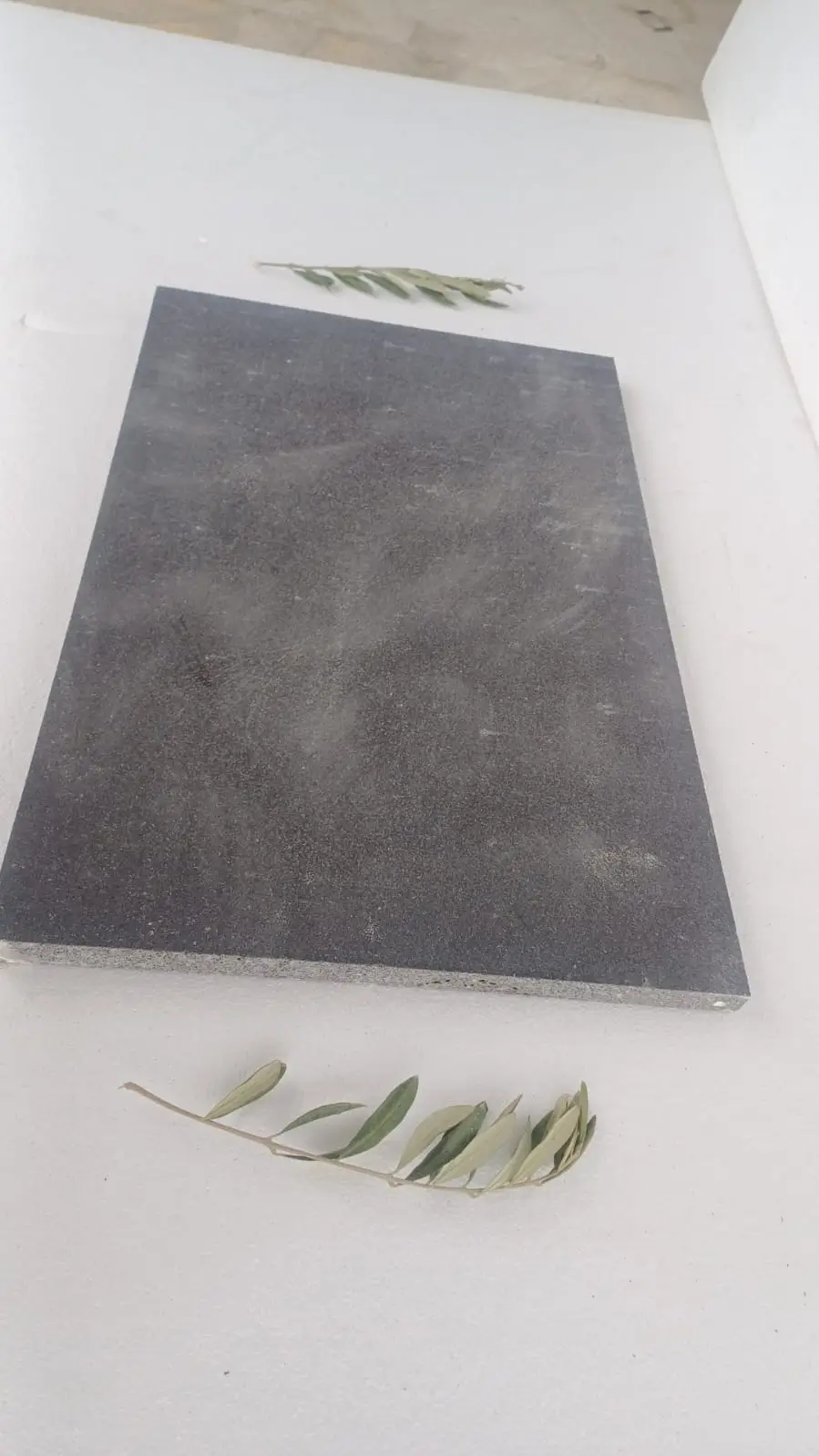
When you evaluate Scottsdale marble tiles for bathroom applications, you’re working with Mohs hardness ratings between 3 and 4, compared to granite’s 6 to 7 rating. This difference translates directly to scratch resistance and surface durability under the foot traffic patterns typical in master bathrooms. Your specification needs to account for how family members use the space—standing vanity areas experience different wear than shower floors.
Thermal Behavior in Desert Environments
Arizona’s extreme temperature differentials create thermal stress conditions most generic specifications don’t adequately address. When you install marble vs granite tile Scottsdale bathrooms, you’re dealing with indoor temperature fluctuations from 68°F overnight to 78°F during peak afternoon heat penetration, even with climate control systems running continuously. These cycles affect dimensional stability differently in the two materials.
Granite exhibits thermal expansion coefficients around 4.7 × 10⁻⁶ per °F, while marble ranges from 5.5 to 14.4 × 10⁻⁶ per °F depending on calcite crystal orientation within the stone. Your joint spacing calculations need to reflect these differences—a 10-foot marble installation may require an additional 1/16″ accommodation compared to equivalent granite coverage. This becomes particularly important in larger format tiles exceeding 18″ × 18″ dimensions.
- You should specify expansion joints every 20-25 feet for granite installations in climate-controlled bathrooms
- Your marble specifications need expansion accommodation every 15-20 feet given higher thermal movement potential
- Underfloor heating systems require you to reduce these intervals by approximately 25% for both materials
- Edge conditions near exterior walls demand additional expansion consideration due to increased thermal transfer
Water Absorption and Humidity Resistance
Scottsdale’s typical humidity levels between 20% and 40% create absorption dynamics different from coastal or temperate climates. When you select granite tile bathrooms in Arizona, you’re working with materials that demonstrate water absorption rates below 0.5% by weight for premium grades. This low absorption provides inherent resistance to water penetration that reduces sealing requirements and maintenance protocols.
Marble’s higher porosity means your sealing specifications become more critical for bathroom tile selection Arizona applications. You’ll need to implement initial penetrating sealer application before grouting, followed by topical sealer after grout cure completion. Shower areas require you to reapply quality impregnating sealers every 12-18 months, while vanity countertops and flooring typically maintain protection for 24-36 months between treatments.
The relationship between porosity and slip resistance requires careful consideration in wet areas. Polished finishes reduce both materials’ DCOF ratings to potentially unsafe levels when wet—you’ll typically measure 0.35-0.42 for polished marble and 0.38-0.45 for polished granite in wet conditions. Your specifications should mandate honed or textured finishes for shower floors, achieving DCOF ratings above 0.60 that meet ADA recommendations for wet pedestrian surfaces.
Chemical Resistance and Maintenance Requirements
When you consider marble vs granite tile Scottsdale installations, chemical resistance becomes a defining performance factor. Scottsdale’s municipal water averages 280-320 PPM total dissolved solids, with calcium hardness frequently exceeding 200 PPM. This creates persistent limescale deposits that require acidic cleaners for effective removal—cleaners that etch marble surfaces while leaving granite unaffected.
Your maintenance protocol specifications need to account for these chemical sensitivities. Granite tolerates pH ranges from 3 to 11 without surface degradation, allowing you to specify standard bathroom cleaners without restriction. Marble requires you to limit cleaning solutions to pH 7-10 range, eliminating most effective hard water removers and necessitating specialized products that increase long-term maintenance costs.
Etching presents the most common complaint with marble in bathroom applications. You should educate clients that even pH-neutral water with dissolved carbon dioxide creates mild carbonic acid (pH 5.5-6.5) that gradually dulls marble’s polished finish. Standing water from soap dishes, shampoo bottles, and toothbrush holders creates localized etching patterns within 18-24 months of installation, regardless of sealing protocols. Granite’s silicate-based composition remains immune to this gradual surface degradation.
Appearance and Design Considerations
Visual characteristics drive many initial material preferences, but you need to help clients understand how appearance evolves over time in actual use conditions. Scottsdale marble tiles provide the luminous depth and flowing veination patterns that create elegant, spa-like environments. The material’s translucency allows light to penetrate 1-2mm below the surface, producing a warmth that granite’s opaque structure cannot replicate.
Granite offers dramatically different aesthetic possibilities for bathroom tile selection Arizona projects. You’ll work with granular patterns ranging from fine-grained uniformity to dramatic crystal clusters exceeding 5mm diameter. Color consistency within production runs typically shows less variation than marble—important when you’re coordinating materials across multiple bathrooms or phasing installation over extended timelines where additional material may come from different quarry blocks.
When you evaluate samples, examine them under lighting conditions matching the actual installation environment. Scottsdale bathrooms often feature warm LED lighting in the 2700K-3000K range that emphasizes yellow and gold tones. Marble’s whites and creams appear warmer under these conditions, while many gray granite varieties take on muddy appearance. You should request samples measuring at least 12″ × 12″ to properly assess pattern scale relative to the installation area.
- You need to account for variation between sample pieces and production material, particularly with marble where natural variation exceeds granite by 30-40%
- Your specifications should address acceptable color variation ranges using numerical grading systems rather than subjective descriptions
- Vein matching becomes critical in marble installations when you’re creating book-matched or continuous patterns across large surfaces
- Granite’s granular patterns eliminate vein matching concerns but require you to blend tiles from multiple boxes during installation
Installation Considerations and Techniques
The installation phase determines whether marble vs granite tile Scottsdale specifications achieve their intended performance. Your substrate preparation requirements remain similar for both materials, but you’ll need to adjust thin-set mortar selection based on stone characteristics. Marble’s sensitivity to moisture requires you to specify rapid-setting mortars that minimize water exposure time, while granite tolerates standard modified thin-set formulations without complications.
Lippage control becomes more critical with larger format tiles that both materials now commonly employ. When you’re installing 24″ × 24″ or larger tiles, you should specify leveling systems that maintain height variations below 1/32″ between adjacent tiles. Marble’s lower hardness makes it more susceptible to edge chipping during the installation process, requiring you to mandate protective measures and careful handling protocols that may extend installation timelines by 10-15%.
Your grout joint specifications affect both performance and appearance. Rectified edges allow you to specify 3/16″ joints that create more contemporary appearances, but these narrow joints provide less tolerance for the dimensional variation found in natural stone. You should specify 1/4″ to 3/8″ joints for most bathroom applications, providing adequate space for joint compound that accommodates thermal movement while maintaining structural integrity.
Cost Analysis and Value Factors
Material costs for bathroom tile selection Arizona projects show significant overlap between marble and granite depending on specific varieties and sourcing. You’ll typically specify Scottsdale marble tiles in the $8-18 per square foot range for premium grades suitable for bathroom applications, while comparable granite tile bathrooms require materials costing $6-15 per square foot. These prices reflect quality materials with consistent color, minimal defects, and proper thickness specifications.
Installation costs generally favor granite due to its hardness and reduced chipping risk. You should budget approximately $12-16 per square foot for professional marble installation compared to $10-14 per square foot for granite in equivalent applications. The difference reflects additional handling care, slower cutting speeds, and greater material waste during fabrication of penetrations and edge details.
Long-term cost of ownership tilts decisively toward granite for most clients. When you calculate 15-year ownership costs, marble’s increased maintenance requirements—including more frequent sealing, specialized cleaning products, and potential refinishing to address etching—add $1,200-2,000 for a typical master bathroom. Granite’s minimal maintenance reduces these ongoing expenses by approximately 60%, and the material rarely requires refinishing during normal residential service life.
Durability and Lifespan Expectations
When you specify marble vs granite tile Scottsdale installations, you’re establishing performance expectations that affect client satisfaction for decades. Granite demonstrates superior durability in high-traffic bathroom environments, maintaining its original finish characteristics for 25-30 years with minimal maintenance intervention. The material’s hardness prevents the micro-scratching that gradually dulls softer stones, and its chemical stability eliminates etching concerns that plague marble installations.
Marble requires more realistic client education regarding long-term appearance evolution. You should explain that the material develops patina over 10-15 years of use, with polished finishes gradually transitioning toward honed appearance in high-contact areas. This aging can enhance the material’s character in some design contexts, but clients expecting unchanging appearance often experience disappointment. Your specifications should address this reality through finish selection—starting with honed surfaces minimizes visible aging effects.
Structural durability remains excellent for both materials when you implement proper installation techniques. Failures typically result from substrate movement, inadequate expansion joints, or improper thin-set coverage rather than stone deficiencies. You need to ensure at least 90% thin-set coverage for floor tiles and 95% for wall tiles, verified through periodic lift-checks during installation that confirm adequate bonding.
Slip Resistance and Safety Factors
Safety considerations mandate that you carefully evaluate surface finishes for marble vs granite tile Scottsdale bathroom applications. Polished finishes create beautiful reflective surfaces but become dangerously slippery when wet. You should specify DCOF (Dynamic Coefficient of Friction) testing for any tiles intended for shower floors or areas surrounding bathtubs, requiring minimum 0.60 ratings for wet surface conditions that meet current building code requirements.
Achieving adequate slip resistance requires surface texture that affects the aesthetic qualities clients initially prefer. For Scottsdale marble tiles, you can specify thermal finishing that creates subtle texture while maintaining relatively refined appearance—this achieves DCOF ratings of 0.58-0.68 in wet conditions. Granite tile bathrooms benefit from flamed or thermal finishes producing DCOF ratings of 0.65-0.75, though these treatments create more pronounced surface texture that some clients find objectionable.
Your specifications should address different finish requirements for various bathroom zones. Vanity flooring areas rarely become wet enough to require aggressive slip resistance, allowing you to specify honed finishes that provide DCOF ratings around 0.50-0.55 while maintaining smoother feel underfoot. Shower floors demand maximum slip resistance regardless of aesthetic compromise, and you should prioritize safety over appearance in these critical areas.
- You need to specify textured finishes for all wet areas, accepting that visual refinement decreases as slip resistance increases
- Your clients should understand that polished finishes in showers create liability exposure regardless of material choice
- Smaller format tiles increase grout joint frequency, improving slip resistance through mechanical grip that larger tiles cannot provide
- When you combine honed stone with narrow grout joints, you can achieve adequate slip resistance while maintaining refined contemporary appearance
Environmental and Sustainability Factors
Sustainability considerations increasingly influence bathroom tile selection Arizona specifications. Both marble and granite qualify as natural materials with minimal manufacturing processing compared to ceramic or porcelain alternatives. When you source regionally, transportation impacts decrease significantly—Arizona granite quarries provide materials with carbon footprints 40-60% lower than imported marble from traditional European sources.
The durability difference between materials affects their lifecycle environmental impact. Granite’s 25-30 year service life without refinishing requirements means you’re specifying materials that avoid replacement-related environmental costs for decades. Marble’s shorter effective service life—typically requiring refinishing after 12-15 years or replacement after 18-22 years in high-use bathrooms—increases its lifecycle environmental impact despite being a natural material.
Sealing requirements create ongoing environmental considerations throughout the materials’ service lives. Your marble specifications necessitate more frequent sealer application using solvent-based products that release VOCs during application and curing. Granite’s reduced sealing frequency minimizes these emissions, and many premium granite varieties require sealing only every 3-5 years after initial application.
Common Specification Mistakes to Avoid
When you specify marble vs granite tile Scottsdale projects, certain errors appear repeatedly across professional practice. The most common mistake involves failing to differentiate maintenance requirements adequately in project documentation. You need to provide separate maintenance protocols for marble and granite, with specific product recommendations, application frequencies, and procedures that clients or facility managers can actually implement.
Inadequate finish specification creates another frequent problem. Generic callouts for “polished” or “honed” finishes don’t address the specific surface characteristics required for different bathroom zones. You should specify exact finish designations using manufacturer standards or numerical roughness measurements that ensure appropriate slip resistance while achieving desired aesthetic results.
Failing to address warehouses stock availability before finalizing specifications causes project delays. You need to verify that specified materials exist in sufficient quantities for the entire project before committing to particular varieties. Many premium marble and granite varieties experience intermittent availability, and substitutions rarely satisfy the original design intent without significant compromise.
- You must specify sealed samples rather than raw stone when seeking client approval, since sealing dramatically affects appearance
- Your expansion joint locations require detailed drawings, not generic notes about spacing intervals
- Substrate deflection limits need specific callouts—L/360 minimum for marble, L/480 preferred for large format installations
- When you specify book-matching or vein alignment, you need to include selection and layout approval provisions in project timeline
Integration with Bathroom Fixtures
Successful marble vs granite tile Scottsdale installations require coordinated planning with plumbing fixtures and bathroom accessories. When you select materials, consider how faucet finishes interact with stone colors—brushed nickel appears cold against certain gray granites but complements white marble beautifully. Your material selection affects the entire finish palette and requires early coordination with interior designers and clients.
Mounting considerations differ between the two materials. Marble’s softer composition makes it more susceptible to cracking around fixture penetrations, requiring you to specify reinforcement details for wall-mounted sinks, toilets, and grab bars. Granite provides more reliable anchorage strength, but you still need to specify proper backing and mounting hardware that distributes loads adequately. For guidance on related material coordination with other fixtures, see comprehensive tile and stone company for detailed specification resources. Your penetration details should include minimum edge distances and reinforcement requirements that prevent stress concentrations.
Drain integration presents another coordination challenge requiring careful specification. When you’re working with marble, you need to detail proper waterproofing extensions that protect the stone from prolonged moisture exposure around shower drains. Granite’s lower absorption rate provides more tolerance for minor waterproofing imperfections, though proper detailing remains essential for long-term performance.
Best Stone Tile Suppliers Arizona — Citadel Stone Guidance for Arizona Cities
When you consider Citadel Stone’s Stone Tile Suppliers Arizona for your Arizona project, you’re evaluating premium marble vs granite tile Scottsdale specifications designed for extreme desert climate performance. At Citadel Stone, we provide technical guidance for hypothetical applications across Arizona’s diverse regions, helping you understand how material choices perform under actual environmental conditions. This section outlines how you would approach specification decisions for three representative cities facing distinct challenges.
Your material selection process should account for regional variations in water quality, temperature extremes, and typical construction practices that affect installation success. The following city-specific guidance helps you understand how local conditions influence the marble versus granite decision for residential bathroom applications throughout Arizona.
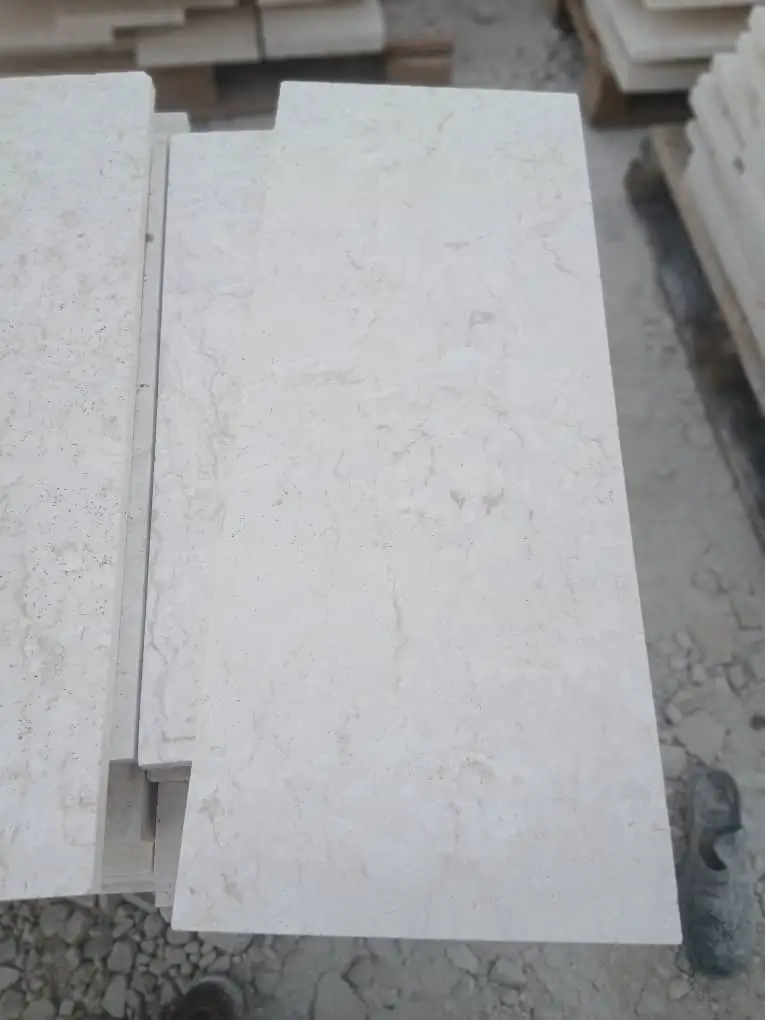
Phoenix Heat Considerations
In Phoenix, you’ll encounter extreme summer temperatures exceeding 115°F that create significant thermal stress on bathroom materials, even in climate-controlled interiors. Your marble vs granite tile Scottsdale specifications need to account for heat transfer through exterior walls affecting adjacent bathrooms—second-story bathrooms on south and west exposures experience substrate temperatures 15-20°F above ambient. You would specify granite for these high-heat applications where dimensional stability becomes critical. Phoenix’s hard water averaging 300+ PPM total dissolved solids creates aggressive limescale conditions that favor granite’s chemical resistance over marble’s sensitivity to acidic cleaning solutions. When you plan warehouse delivery schedules, you should account for Phoenix’s intense summer construction slowdowns when outdoor work becomes impractical.
Tucson Water Quality
Tucson’s water quality presents unique challenges for bathroom tile selection Arizona projects, with TDS levels frequently exceeding 350 PPM and alkalinity creating persistent scale formation. You would need to specify granite tile bathrooms for clients unwilling to commit to intensive marble maintenance protocols. The city’s elevation of 2,600 feet moderates extreme temperatures compared to Phoenix, but you’ll still encounter thermal cycling requiring proper expansion joint specifications. Your material selection should address Tucson’s distinct aesthetic preferences favoring warmer earth tones—many Arizona granite varieties complement Southwestern design sensibilities better than cooler marble whites and grays. When you coordinate material deliveries, Tucson’s more compact urban area typically provides better truck access to residential sites compared to Phoenix’s sprawling development patterns.
Scottsdale Luxury Applications
Scottsdale’s luxury home market creates opportunities for premium Scottsdale marble tiles specifications where clients prioritize aesthetics and accept elevated maintenance commitments. You would specify book-matched marble installations for master bathrooms in custom homes where visual impact justifies ongoing care requirements. The city’s higher average home values support specification of separate his-and-hers bathrooms where you can implement different materials—marble for lower-use guest areas, granite for high-traffic family bathrooms. Scottsdale’s design-conscious clientele often requests unique stone varieties requiring extended lead times, making early warehouse verification essential for project schedule management. Your specifications should address the integration with luxury fixtures and custom cabinetry typical in Scottsdale’s high-end residential market.
Final Selection Guidance
Your decision between marble vs granite tile Scottsdale bathrooms ultimately balances aesthetic preferences against practical performance requirements and maintenance commitment. When you prioritize visual warmth and elegant veination, marble provides unmatched beauty that justifies its additional care requirements for many clients. If your project demands maximum durability, minimal maintenance, and superior chemical resistance, granite delivers reliable long-term performance that reduces ownership costs.
You should guide clients through realistic maintenance expectations before finalizing material selections. Demonstrating actual cleaning products, discussing resealing frequency, and showing examples of aged installations helps clients understand what they’re committing to over the material’s service life. This transparency prevents the disappointment that occurs when marble’s natural aging conflicts with expectations of unchanging perfection.
The most successful specifications often combine both materials strategically throughout bathroom spaces. You can specify marble for visible vertical surfaces where etching concerns remain minimal, while implementing granite for floors, shower areas, and vanity tops where durability requirements peak. This hybrid approach provides visual interest while optimizing each material’s strengths for specific applications. For additional installation insights, review Professional techniques for installing natural stone kitchen backsplashes in Phoenix before you finalize your project documents. Every visit to our tile and stone company in Arizona offers a new opportunity to find unique stone batches.