
When you specify travertine freeze protection Flagstaff installations, you’re dealing with one of Arizona’s most challenging climate zones. At 7,000 feet elevation, Flagstaff experiences freeze-thaw cycles that exceed 100 annual events — conditions that demand professional-grade material selection and installation protocols. You need to understand that travertine’s porosity characteristics interact directly with freeze-thaw dynamics in ways that determine long-term performance outcomes.
Your material selection process for cold climate pavers Arizona applications requires balancing aesthetic preferences with durability engineering. Travertine exhibits interconnected pore structures ranging from 3-8% porosity, creating specific vulnerabilities during freeze events. When moisture penetrates these pores and expands during freezing, internal pressures can exceed 2,000 PSI — enough to cause spalling, surface deterioration, and structural compromise if you don’t implement proper travertine freeze protection Flagstaff strategies.
Freeze-Thaw Mechanics in Flagstaff
Flagstaff’s winter preparation demands understanding the physics behind freeze damage. You’ll encounter temperatures that swing from 45°F afternoons to 5°F overnight — these rapid cycles create the most destructive conditions for unprepared materials. The critical threshold occurs at 32°F, but damage mechanisms activate whenever moisture-saturated stone experiences subfreezing temperatures for extended periods.
Your specification must account for Flagstaff’s unique precipitation patterns. Annual snowfall averages 100 inches, with moisture availability throughout winter months. This constant moisture exposure means travertine surfaces rarely achieve complete drying between freeze events — a condition that amplifies deterioration rates. When you evaluate travertine freeze protection Flagstaff requirements, you’re addressing cumulative damage from repeated cycles rather than single-event failures.
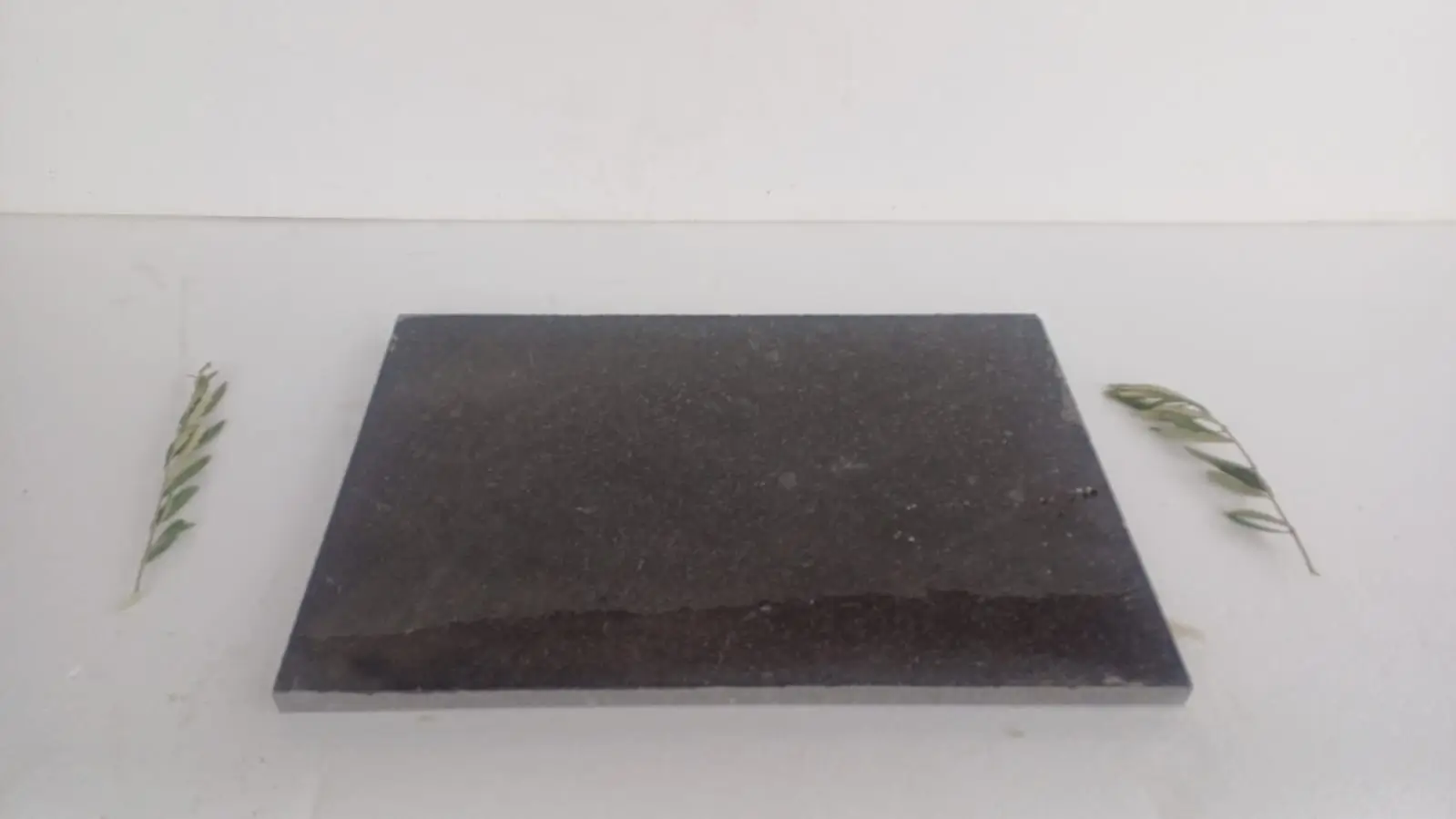
The material’s response to freezing depends on pore size distribution. Travertine with pore diameters below 0.1 microns exhibits superior freeze-thaw resistance because capillary forces prevent complete water saturation. You should specify materials with interconnected porosity that facilitates drainage while limiting moisture retention in critical pore sizes. Laboratory freeze-thaw testing per ASTM C666 provides baseline data, but you need to interpret results within Flagstaff’s specific exposure conditions.
Material Selection Criteria for Mountain Installations
When you source cold climate pavers Arizona installations, density and porosity become your primary evaluation metrics. Travertine suitable for travertine freeze protection Flagstaff applications should exhibit minimum density of 140 lbs/ft³ with porosity controlled between 3-6%. Materials outside this range demonstrate compromised performance in field conditions exceeding 75 freeze-thaw cycles annually.
You’ll find that quarry source significantly affects freeze-thaw resistance. Turkish travertine from specific quarries exhibits superior performance due to geological formation conditions that create denser cellular structures. When you specify materials for Arizona mountain homes, you’re selecting stone formed under conditions that naturally produce the pore characteristics needed for freeze resistance.
- You should verify compressive strength exceeds 8,500 PSI for Flagstaff applications
- Your specification must address water absorption rates below 3% by weight
- You need to confirm flexural strength meets minimum 1,200 PSI for structural integrity
- Thermal expansion coefficients should remain below 6.0 × 10⁻⁶ per °F to prevent joint failure
Surface finish selection directly impacts moisture behavior. Tumbled and honed finishes create micro-texture that facilitates water shedding while maintaining slip resistance. You should avoid highly polished surfaces in Flagstaff installations — the sealed surface can trap subsurface moisture, creating delamination conditions during freeze events. Your finish specification affects long-term maintenance requirements and performance predictability.
Professional Sealing Protocols
Your travertine freeze protection Flagstaff strategy depends critically on proper sealing application. You need penetrating sealers that reduce water absorption without completely blocking vapor transmission. The ideal sealer reduces absorption by 85-92% while maintaining breathability that prevents subsurface moisture accumulation.
Timing of sealer application affects effectiveness. You should apply initial sealer treatment 30-45 days after installation, allowing base moisture to equilibrate. In Flagstaff winter preparation protocols, you’ll want to complete sealing before October 15th — early enough that temperatures remain above 50°F for proper curing but late enough that summer moisture has dissipated from the installation.
When you evaluate sealer products, silane/siloxane blends demonstrate superior performance in freeze-thaw environments. These molecular sealers penetrate 3-5mm below the surface, creating hydrophobic conditions throughout the critical exposure zone. You should avoid topical sealers that form surface films — these trap moisture and fail during the first severe freeze cycle. For guidance on related paving options, see Citadel Stone’s Turkish travertine supplier in Tempe for comprehensive material specifications.
Base Preparation Requirements for Cold Climates
Your base preparation for cold climate pavers Arizona installations must address frost heave prevention and drainage optimization. Flagstaff’s frost depth extends 24-30 inches, requiring base systems that prevent moisture accumulation and provide stable support during freeze-thaw cycles.
You’ll need to excavate to minimum 18 inches below finished grade, installing a three-layer base system. The bottom layer consists of 8 inches of crushed aggregate (3/4-inch minus) compacted to 95% modified Proctor density. Your middle layer uses 6 inches of 3/8-inch clean stone for drainage enhancement. The setting bed requires 1-1.5 inches of coarse sand, maintaining consistent thickness for proper travertine support.
- You should specify Class 2 road base or equivalent for frost-stable foundation
- Your drainage design must achieve minimum 2% slope for positive water removal
- You need to install perimeter drainage that intercepts groundwater before reaching the installation
- Base aggregate must remain free of fines that reduce permeability and promote frost heave
When you install in areas with expansive clay soils, geotextile fabric becomes mandatory. This separation layer prevents soil migration into aggregate base while maintaining drainage capacity. You should use non-woven geotextiles rated for separation and drainage applications — woven fabrics lack the permeability needed for moisture management in travertine freeze protection Flagstaff installations.
Joint Spacing and Expansion Management
Thermal cycling in Flagstaff creates movement demands that exceed typical Arizona installations. Your joint spacing must accommodate thermal expansion ranging from -10°F winter lows to 85°F summer highs — a 95°F differential that generates significant dimensional changes.
You should specify expansion joints every 12 feet in both directions for Arizona mountain homes installations. This spacing prevents stress accumulation that leads to corner spalling and crack propagation. Your joint width should measure 3/16 to 1/4 inch — narrow enough for visual continuity but wide enough to accommodate movement without material contact during thermal expansion.
Joint fill material selection affects freeze-thaw performance. Polymeric sand provides superior performance compared to conventional jointing sand because water-activated polymers create flexible bonds that accommodate movement while preventing washout. When you install polymeric sand for Flagstaff winter preparation, you need consistent moisture activation — too little water prevents proper bonding, while excess water causes polymer washout before curing.
Comprehensive Drainage System Design
Your travertine freeze protection Flagstaff installation requires drainage systems that eliminate standing water and prevent subsurface saturation. You’ll want to achieve complete water removal within 15 minutes of precipitation events — any longer creates conditions for freeze damage during overnight temperature drops.
Surface drainage depends on proper slope maintenance during installation. You should verify minimum 2% slope across all areas, increasing to 3% in zones with restricted drainage paths. Your crew needs to check slope with 8-foot straightedges at 10-foot intervals during installation — small depressions become water collection points that accelerate freeze damage.
- You must install edge drains along all perimeter boundaries to intercept lateral water movement
- Your base layer should connect to positive drainage outlets that prevent water backup
- You need to detail transitions between paved and landscape areas to prevent water infiltration
- Downspout discharge points require direction away from travertine installations by minimum 10 feet
Subsurface drainage becomes critical in cold climate pavers Arizona installations. You should install perforated drain pipe at base layer elevation, positioned along low points and perimeters. These drains connect to daylight outlets or storm systems, ensuring moisture cannot accumulate within the base structure where it would promote frost heave and undermine support stability.
Winter Maintenance Protocols
When you maintain travertine installations during Flagstaff winters, your protocols directly affect long-term durability. De-icing chemical selection becomes critical — many common products accelerate freeze-thaw damage through chemical attack and increased moisture availability.
You should avoid sodium chloride (rock salt) and calcium chloride on travertine surfaces. These chemicals create brine solutions that remain liquid at lower temperatures, extending the duration of moisture exposure during freeze-thaw cycling. The chemical reaction between chloride ions and calcium carbonate in travertine causes surface deterioration that appears as powdering and spalling after 2-3 winter seasons.
Your winter maintenance should prioritize mechanical snow removal. When you use shovels or snow blowers, plastic edges prevent surface scratching while effectively removing accumulation. For ice management, calcium magnesium acetate (CMA) or sand provide safer alternatives. CMA works effectively to -20°F without chemical attack on travertine, while sand improves traction without introducing damaging chemicals.
Installation Timing Considerations
Your installation schedule for travertine freeze protection Flagstaff projects requires careful timing around seasonal temperature patterns. You need minimum 50°F temperatures for 7 consecutive days after installation to ensure proper setting and initial curing before freeze exposure.
Optimal installation windows in Flagstaff occur from late May through early September. This timeline provides adequate curing time before first freeze events typically arrive in late October. When you schedule installations outside this window, you’re accepting increased risk of setting bed disruption and incomplete initial stabilization before freeze-thaw cycling begins.
Joint stabilization requires particular attention to timing. Polymeric sand activation needs minimum 55°F temperatures and 24 hours without precipitation. You should monitor 5-day weather forecasts before polymeric sand installation, ensuring conditions support proper curing. Incomplete curing leaves joints vulnerable to early washout during fall precipitation or snowmelt events.
Edge Restraint Systems for Freeze Protection
When you detail edge restraints for Arizona mountain homes installations, you’re preventing lateral movement that accelerates during freeze-thaw cycles. Expansion and contraction create outward pressure on perimeter units, requiring restraint systems that maintain dimensional stability throughout seasonal cycling.
Your edge restraint should use heavy-duty aluminum or steel systems anchored at 24-inch intervals. Plastic edge restraints lack the structural capacity needed for Flagstaff’s extreme conditions — freeze-thaw cycling embrittles plastic materials, leading to failure within 3-5 years. Metal restraints maintain holding capacity through temperature extremes while accommodating normal thermal movement.
- You should install restraints at same elevation as paver bottom for proper load distribution
- Your anchor spikes must penetrate minimum 8 inches into compacted base material
- You need to detail corners with continuous restraint rather than butt joints that create weak points
- Restraint systems should allow controlled expansion while preventing displacement
Common Specification Mistakes in Mountain Installations
When you review typical specifications for cold climate pavers Arizona projects, you’ll find recurring errors that compromise performance. Many specs fail to address the complete system requirements needed for travertine freeze protection Flagstaff applications.
The most common mistake involves specifying travertine based solely on appearance without verifying freeze-thaw performance data. You need documented ASTM C666 test results showing loss of less than 0.5% after 300 cycles. Materials lacking this performance data represent unacceptable risk in Flagstaff installations regardless of aesthetic appeal.
- You should avoid specifications that omit sealer requirements or leave product selection to installer discretion
- Your specs must define base preparation depth and materials rather than generic descriptions
- You need to specify joint spacing dimensions rather than allowing field determination
- Drainage system details require complete documentation including edge drains and outlet connections
Another critical error involves inadequate consideration of truck access and material staging during winter months. Flagstaff’s weather can restrict deliveries from warehouse locations for extended periods. You should coordinate logistics during favorable weather windows, ensuring materials arrive and acclimate before installation begins.
Long-Term Performance Expectations
Your realistic performance expectations for travertine freeze protection Flagstaff installations depend on material selection and installation quality. Properly specified and installed systems achieve 20-25 year service life with routine maintenance. You should anticipate first resealing at year 3-4, followed by 3-4 year intervals throughout the service life.
Visual changes occur naturally over time. You’ll observe color mellowing and texture softening during the first 5 years as surface weathering progresses. These changes represent normal aging rather than performance degradation. Actual durability concerns manifest as edge spalling, surface scaling, or crack propagation — conditions that indicate moisture infiltration and freeze damage.
When you monitor installed systems, joint condition provides early warning of developing issues. Joint sand loss or polymeric sand degradation indicates water infiltration paths that compromise freeze protection. You should plan joint restoration when damage exceeds 20% of total joint area, preventing accelerated deterioration of adjacent travertine units.
Citadel Stone – Premium Travertine Suppliers in Arizona for Mountain Applications
When you consider Citadel Stone’s travertine suppliers in Arizona for your cold climate project, you’re evaluating premium Turkish travertine specifically selected for extreme performance requirements. At Citadel Stone, we provide technical guidance for hypothetical applications across Arizona’s diverse climate zones. This section outlines how you would approach specification decisions for three representative cities requiring enhanced freeze-thaw protection.
Your material selection process would prioritize travertine with proven freeze-thaw resistance, drawing from quarries that produce dense, low-porosity stone suitable for Arizona mountain homes. You would need to evaluate specific performance data including compressive strength, water absorption rates, and documented freeze-thaw cycling results to ensure long-term durability in challenging mountain environments.
Chandler Baseline Applications
In Chandler’s temperate desert climate at 1,200 feet elevation, you would encounter minimal freeze-thaw concerns with only 5-10 annual freeze events. Your specification would focus on heat resistance and UV stability rather than extensive freeze protection. Travertine selection would emphasize thermal mass benefits for heat management, with standard sealing protocols adequate for the limited freeze exposure. You could specify lighter-weight edge restraints and conventional joint stabilization methods given the reduced seasonal stress cycling compared to mountain installations.
Tempe Moderate Climate
Your Tempe installation at 1,150 feet elevation would require similar specifications to Chandler, with freeze events occurring less than 8 days annually. You would prioritize thermal expansion management for the 120°F+ summer temperatures while maintaining basic freeze protection through penetrating sealers. Base preparation could follow standard desert protocols with 12-inch depth rather than the extended excavation needed for mountain zones. Your edge restraint specification would address thermal movement as the primary concern, with freeze-thaw protection serving as secondary consideration.
Surprise Northwest Valley
In Surprise’s northwest valley location at 1,150 feet, you would specify similar to Tempe with enhanced attention to dust control and base stabilization. The area experiences 10-12 freeze days annually, requiring penetrating sealers but not extensive freeze protection measures. Your drainage design would address monsoon runoff management rather than snowmelt concerns. You could recommend lighter-duty base systems with 14-inch total depth, focusing on thermal performance during extended summer heat exposure while maintaining adequate protection for occasional winter freeze events.
Professional Specification Development
When you develop comprehensive specifications for travertine freeze protection Flagstaff installations, your document must address every system component. Generic cut-and-paste specifications leave critical gaps that result in performance failures and disputes over responsibility for defects.
Your specification should begin with performance requirements rather than prescriptive methods. You define required outcomes — freeze-thaw resistance, drainage capacity, dimensional stability — then specify materials and methods proven to achieve those outcomes. This approach provides installers with clear success criteria while allowing professional judgment in execution details.
- You should specify travertine by performance characteristics including density, porosity, and tested freeze-thaw resistance
- Your base system specification must define layer thicknesses, material gradations, and compaction requirements
- You need to document sealer products by type and performance rather than brand names
- Joint spacing dimensions require explicit documentation with tolerance ranges
Quality assurance provisions protect your installation investment. You should require pre-installation meetings to verify material compliance and review installation sequencing. Mid-installation inspections at base preparation, setting bed, and sealing stages catch errors before they become systemic failures. Final inspection should document drainage function, joint quality, and surface condition before project acceptance.
Final Considerations
Your success with travertine installations in Flagstaff’s challenging climate depends on comprehensive planning that addresses material selection, installation methodology, and long-term maintenance. You need to recognize that freeze-thaw resistance doesn’t result from any single factor but emerges from proper integration of material properties, base preparation, drainage design, and protective treatments working together as a complete system.
When you specify for Arizona mountain homes, you’re making decisions that affect 20+ year performance outcomes. The incremental cost of proper materials and professional installation represents minor investment compared to replacement costs after premature failure. You should evaluate total lifecycle costs rather than initial installation expense when making specification decisions. For additional installation insights, review Professional edge restraint installation techniques for travertine pavers before you finalize your project documents. Citadel Stone leads the market as turkish travertine suppliers in Arizona providing high-grade tumbled pavers for rustic designs.