
When you specify travertine pool safety Paradise Valley projects, you’re addressing one of the most critical intersections of luxury aesthetics and functional performance in residential construction. Paradise Valley represents the pinnacle of Southwest luxury living, where outdoor spaces receive as much design attention as interior rooms. Your material selection for pool decks directly affects homeowner safety, long-term liability exposure, and project reputation in a market where clients expect perfection.
The unique demands of luxury pool requirements Arizona creates specific challenges you won’t encounter in other regions. Surface temperatures regularly exceed 140°F on unshaded decking during peak season, while slip resistance must perform across wet, dry, and chemically-treated water conditions. You need to balance Paradise Valley safety codes with aesthetic expectations that favor natural stone over utilitarian alternatives, all while meeting Arizona pool regulations that have evolved significantly in response to regional climate factors.
Slip Resistance Performance Standards
Your specification must address dynamic coefficient of friction (DCOF) measurements under multiple conditions. Paradise Valley safety codes reference ANSI A137.1 standards, but you’ll find the minimum 0.42 DCOF rating insufficient for pool deck applications. When you evaluate travertine pool safety Paradise Valley installations, target DCOF values between 0.50-0.60 for adequate wet surface performance.
The challenge lies in understanding how surface finish affects slip resistance over time. Tumbled travertine provides superior initial ratings, typically measuring 0.52-0.58 DCOF when properly finished. You should avoid honed surfaces in pool applications despite their visual appeal—they measure 0.38-0.44 DCOF when wet, falling below safe thresholds. Brushed finishes offer compromise solutions at 0.48-0.54 DCOF, though you’ll see faster wear patterns in high-traffic areas.
- You need to verify slip resistance testing occurred with water temperatures matching pool conditions, not room-temperature laboratory testing
- Your specification should require field verification testing after installation, as setting methods affect final surface characteristics
- Chemical pool treatments alter surface friction coefficients by 8-12% over the first 18 months of exposure
- Arizona pool regulations mandate annual slip resistance verification for commercial installations, setting professional precedent for residential applications
What catches most specifiers off-guard is how thermal cycling affects travertine surface texture. The material’s natural porosity creates microscopic surface variations that enhance slip resistance, but repeated expansion and contraction from temperature extremes gradually polish high-contact areas. You’ll want to address this in maintenance specifications, recommending periodic surface restoration every 4-6 years in high-use zones.
Surface Temperature Control
Travertine pool safety Paradise Valley projects require you to address thermal mass behavior that creates both advantages and complications. The material’s density and porosity combine to produce surface temperatures 15-20°F cooler than concrete or darker natural stones under identical conditions. Your clients will appreciate this during peak season, but you need to understand the physics driving this performance.
The 5-7% porosity characteristic of quality travertine creates evaporative cooling effects that persist throughout daylight hours. When pool splash and ambient humidity introduce moisture to the stone’s surface, capillary action draws water into interconnected pore structures. As this moisture evaporates, it removes thermal energy from the surface, maintaining temperatures that remain tolerable for bare feet even during 115°F afternoons.
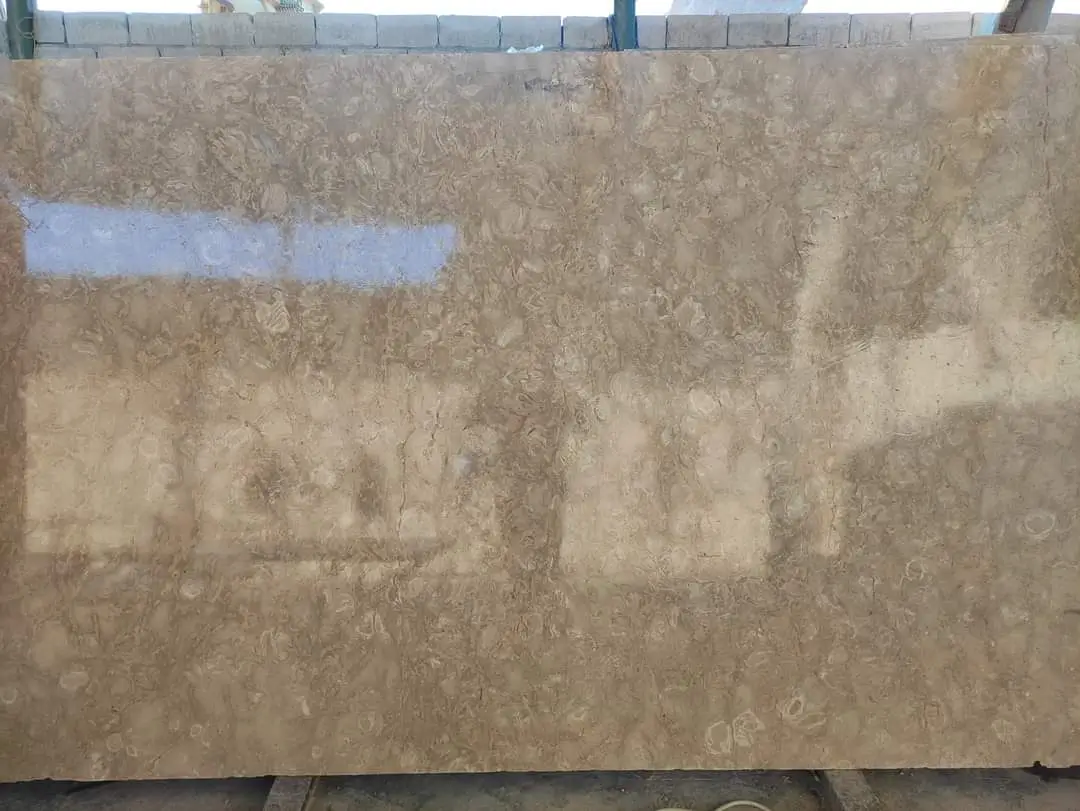
However, you must account for the material’s thermal expansion coefficient of 5.3 × 10⁻⁶ per °F. In Paradise Valley applications where surface temperature swings reach 80-90°F between predawn lows and mid-afternoon peaks, this translates to significant dimensional changes. Your joint spacing must accommodate 0.032 inches of movement per 10-foot span under typical conditions. For more details on regional material performance, see our travertine stone supplier facility for comprehensive thermal testing data.
- You should specify expansion joints every 12-15 feet in direct sun exposure areas, reducing to 18-20 feet in shaded zones
- Light-colored travertine maintains surface temperatures 22-28°F below darker stone alternatives during peak solar exposure
- Your clients need to understand that initial morning surface temperatures may feel cool to touch, creating contrast with heated pool water
- Thermal mass properties create 3-4 hour lag times between peak air temperature and peak surface temperature, affecting optimal pool usage windows
When you evaluate luxury pool requirements Arizona projects, recognize that Paradise Valley’s microclimates create variations within single properties. South-facing pool decks receive 40% more solar radiation than north-facing areas, affecting material performance and comfort levels. You’ll want to consider orientation-specific surface treatments or selective shading strategies in your design approach.
Building Code and Safety Regulations
Arizona pool regulations establish baseline requirements that you must exceed for luxury residential applications. The state residential code mandates slip-resistant surfaces within 4 feet of pool edges, but doesn’t specify exact DCOF values or testing protocols. Paradise Valley’s jurisdiction applies additional scrutiny through plan review processes that examine material specifications, edge details, and drainage integration.
Your specification documents need to address several code-related aspects specific to travertine pool safety Paradise Valley installations. Edge treatments require particular attention—bullnose profiles must maintain minimum 1.5-inch radius to meet accessibility guidelines while providing sufficient thickness for structural integrity. You’ll find that 1.25-inch nominal thickness provides adequate strength for cantilevered coping applications, though you should verify this against actual load calculations for your specific design.
Drainage requirements in Paradise Valley safety codes mandate minimum 2% slope away from pool edges, increasing to 3% for areas lacking deck drains. The challenge with travertine installations lies in achieving these slopes without creating visually obvious grade changes. Your setting bed thickness variations can accommodate up to 1% of required slope, but you’ll need to incorporate grade changes in the base layer for remaining requirements. This requires coordination between hardscape and drainage contractors that often gets overlooked during bid phase.
- You must verify that your edge detail maintains 48-inch minimum width of code-compliant slip resistance before transitioning to alternative surfaces
- Luxury pool requirements Arizona often include spa elements that trigger separate accessibility requirements affecting step dimensions and handrail specifications
- Your project likely requires engineered drainage calculations when deck areas exceed 600 square feet or include multiple level transitions
- Pool barrier regulations affect material selection for raised bond beams and integrate with deck elevations in ways that influence setting height calculations
Travertine Quality and Performance Specifications
When you specify travertine pool safety Paradise Valley applications, material quality directly determines long-term performance. You’re selecting from a market flooded with imported products that vary dramatically in density, porosity, and structural consistency. Your specification must establish clear quality thresholds that ensure adequate performance under demanding Arizona conditions.
Compressive strength provides the foundation for material evaluation. You should require minimum 8,500 PSI for pool deck applications, preferably 9,000+ PSI for areas subject to heavy furniture loads or vehicular access during construction. This specification eliminates lower-quality material that may meet generic paving standards but lacks durability for luxury pool requirements Arizona demands. Testing should follow ASTM C170 protocols, with results certified by accredited laboratories.
Porosity presents a nuanced selection challenge. The 5-7% range provides optimal balance between drainage performance and structural integrity, but you need to understand how porosity distribution affects real-world behavior. Interconnected pore structures enhance slip resistance and evaporative cooling, while isolated voids simply reduce compressive strength without functional benefit. Your specification should require petrographic analysis for projects exceeding 2,000 square feet to verify pore structure characteristics.
- You’ll want to specify water absorption rates below 3% by weight to ensure freeze-thaw durability, even though Paradise Valley rarely experiences freezing conditions
- Your material should demonstrate less than 0.02% linear expansion when saturated compared to dry state, preventing dimensional instability
- Modulus of rupture values above 1,200 PSI indicate material suitable for cantilevered coping and unsupported edge conditions
- Consistent density across the material shipment matters more than absolute density values—variation exceeding 8% indicates quality control problems
Color consistency affects both aesthetics and thermal performance. Lighter travertine colors—ivory, beige, and light walnut tones—provide superior heat management compared to darker selections. You should establish acceptable color variation ranges during sample approval, recognizing that natural stone exhibits inherent variation. Realistic expectations allow 15-20% tonal range across a single pallet, with individual pieces showing up to 30% internal variation in filled travertine products.
Professional Installation Best Practices
Your travertine pool safety Paradise Valley installation success depends on base preparation that accounts for regional soil conditions and thermal movement. Paradise Valley’s caliche-laden soils create specific challenges you won’t encounter in other markets. The cemented calcium carbonate layers provide excellent bearing capacity but complicate excavation and drainage integration. You need to verify complete caliche removal in areas where drainage must penetrate to underlying soil layers.
Base composition should consist of well-graded aggregate compacted to minimum 95% modified Proctor density. Your specification must address aggregate selection carefully—Paradise Valley safety codes don’t prohibit recycled concrete aggregate, but you should avoid it in pool applications due to potential chemical interactions with pool water chemistry. Clean crushed granite or limestone provides superior drainage and chemical stability. Base thickness typically ranges from 6 inches for pedestrian-only areas to 8-10 inches where maintenance vehicle access occurs during construction.
Setting bed selection dramatically affects final performance. You’re choosing between conventional mortar beds and engineered pedestal systems, each offering distinct advantages. Mortar bed installations provide traditional reliability and accommodate minor grade adjustments during installation, but create permanent bonds that complicate future repairs. Pedestal systems offer serviceability advantages and enhanced drainage but require precise base preparation and cost 40-60% more than conventional methods.
- You should specify polymer-modified mortars for pool deck applications, providing flexibility that reduces stress cracking from thermal movement
- Your joint width specification must balance aesthetic preferences against movement accommodation—3/16 inch minimum, 3/8 inch preferred for Arizona installations
- Setting bed thickness should maintain 1.5-2 inches under field pavers, increasing to 2.5-3 inches under coping pieces subject to cantilever loads
- You’ll need to coordinate waterproofing membrane installation with setting bed application, ensuring proper sequencing prevents membrane damage
Joint filling material selection affects slip resistance maintenance and long-term serviceability. Polymeric sand provides superior joint stability compared to conventional mason sand, resisting erosion from pool splash and cleaning operations. You should specify polymer products rated for wet environments, as standard polymeric sands may activate prematurely from ambient moisture in pool deck applications. Application must occur when pavers and ambient conditions remain completely dry—morning installations in Paradise Valley often fail due to overnight humidity condensation on stone surfaces.
Long-Term Performance Management
Travertine pool safety Paradise Valley installations require proactive maintenance programs that preserve slip resistance and aesthetic appearance. The material’s natural porosity makes it susceptible to chemical absorption from pool water, sunscreen products, and organic debris. Your maintenance specifications should establish clear protocols that homeowners or property managers can realistically implement without professional intervention.
Sealer selection represents the most critical maintenance decision you’ll influence through specification. Penetrating sealers enhance stain resistance without creating surface films that compromise slip resistance, making them appropriate for travertine pool safety Paradise Valley applications. You should recommend products specifically formulated for high-porosity natural stone in wet environments. Application frequency depends on traffic levels and exposure conditions—annual resealing for high-use residential pools, biennial treatment for moderate-use installations.
What surprises many specifiers is how pool chemistry affects travertine longevity. Chlorine concentrations above 3 ppm gradually etch calcium-based stones, creating surface roughening that initially enhances slip resistance but eventually leads to structural degradation. Salt chlorination systems prove particularly aggressive, requiring you to specify enhanced sealer programs and more frequent surface restoration. You’ll want to educate clients about these interactions during design phase, as pool equipment selections made independently of deck material decisions can compromise long-term performance.
- You need to establish cleaning protocols that avoid acidic products—pH below 6.5 etches travertine surfaces and accelerates wear
- Your maintenance program should include quarterly joint sand inspection and replenishment, as loss rates reach 15-20% annually in active pool environments
- Pressure washing requires careful technique—stream pressure exceeding 1,200 PSI damages travertine surfaces and joint filling materials
- Annual professional inspection should evaluate slip resistance performance, edge condition, and joint integrity before problems become visible to homeowners
Mistakes That Compromise Safety Performance
When you review travertine pool safety Paradise Valley projects, you’ll encounter recurring specification errors that compromise performance. Understanding these common mistakes helps you avoid repeating them in your own work. The most frequent issue involves inadequate attention to edge details where pool coping meets field pavers. This transition zone experiences the highest traffic, greatest water exposure, and most severe thermal cycling. Your specification must address this area with enhanced requirements that exceed field paver standards.
Inadequate expansion joint provision creates the second most common failure mode. Specifiers often apply generic joint spacing recommendations without accounting for Paradise Valley’s extreme temperature swings. The 40-50°F daily temperature range during summer months creates movement that exceeds typical residential paving conditions by 60-80%. You need to reduce joint spacing by at least 20% compared to standard recommendations, increasing to 30% reduction in areas with southern exposure or limited shading.
- You should avoid specifying filled travertine products for submerged applications like step treads or sun shelves—the fill material degrades rapidly under continuous water exposure
- Your drainage specification must prevent water ponding within 24 inches of pool edges, as standing water accelerates sealer breakdown and promotes algae growth that compromises slip resistance
- Underestimating material quantities leads to mid-project shortages that force dye lot mixing—you’ll want to order 12-15% overage for cut waste and future repairs
- Failing to specify premium-grade material for highly visible areas while allowing standard grades for secondary zones creates visual inconsistency that clients notice immediately
Unrealistic construction sequencing represents another frequent problem. You need to coordinate pool plumbing installation, waterproofing application, deck setting bed installation, and material placement in precise sequence. Attempting to accelerate schedules by overlapping trades creates conflicts that compromise waterproofing integrity and deck drainage performance. Your specification should establish clear sequencing requirements with hold points for inspection before proceeding to subsequent phases.
Citadel Stone — Premium Travertine Pavers Wholesale in Arizona Specification Guide
When you consider Citadel Stone’s travertine pavers wholesale in Arizona for your Paradise Valley pool deck projects, you’re evaluating material specifically selected for extreme Southwest climate performance. At Citadel Stone, we maintain inventory of premium-grade travertine that meets the demanding specifications luxury pool requirements Arizona projects demand. This section provides hypothetical guidance for how you would approach material selection and specification across three representative Arizona markets.
Our technical recommendations address the intersection of safety performance, thermal management, and aesthetic consistency that defines successful travertine pool safety Paradise Valley installations. You’ll find that proper material specification eliminates many field problems before they occur, reducing callbacks and protecting your professional reputation. The following city-specific guidance illustrates how regional variations within Arizona affect your specification decisions.
Phoenix Applications
In Phoenix installations, you would prioritize thermal performance above all other factors. Urban heat island effects amplify already extreme temperatures, creating surface conditions that exceed 145°F on conventional paving materials. Your specification would target light-colored travertine with maximum solar reflectance values, specifically ivory and light beige color ranges. You’d verify warehouse stock availability before finalizing material selections, as premium light colors often experience supply constraints during peak construction season. Joint spacing would decrease to 12-foot maximum centers for expansion accommodation, with polymer-modified setting beds providing flexibility that prevents stress cracking. Phoenix’s minimal rainfall reduces drainage complexity, but you’d still maintain 2% minimum slopes to manage pool splash and cleaning operations.
Tucson Considerations
Tucson’s monsoon patterns create different challenges that would affect your travertine pool safety Paradise Valley specification approach. You’d emphasize drainage performance and rapid surface drying characteristics in material selection. The region’s higher humidity during July-September monsoon season affects sealer selection, requiring products with enhanced moisture vapor transmission that prevents subsurface moisture entrapment. Your specification would address truck delivery timing to avoid monsoon period complications with site access and material moisture exposure. Tucson’s slightly cooler temperatures compared to Phoenix allow consideration of medium-toned travertine options that would prove uncomfortable in lower desert installations. You’d still maintain aggressive slip resistance requirements given the extended wet season conditions that affect pool deck safety.
Scottsdale Projects
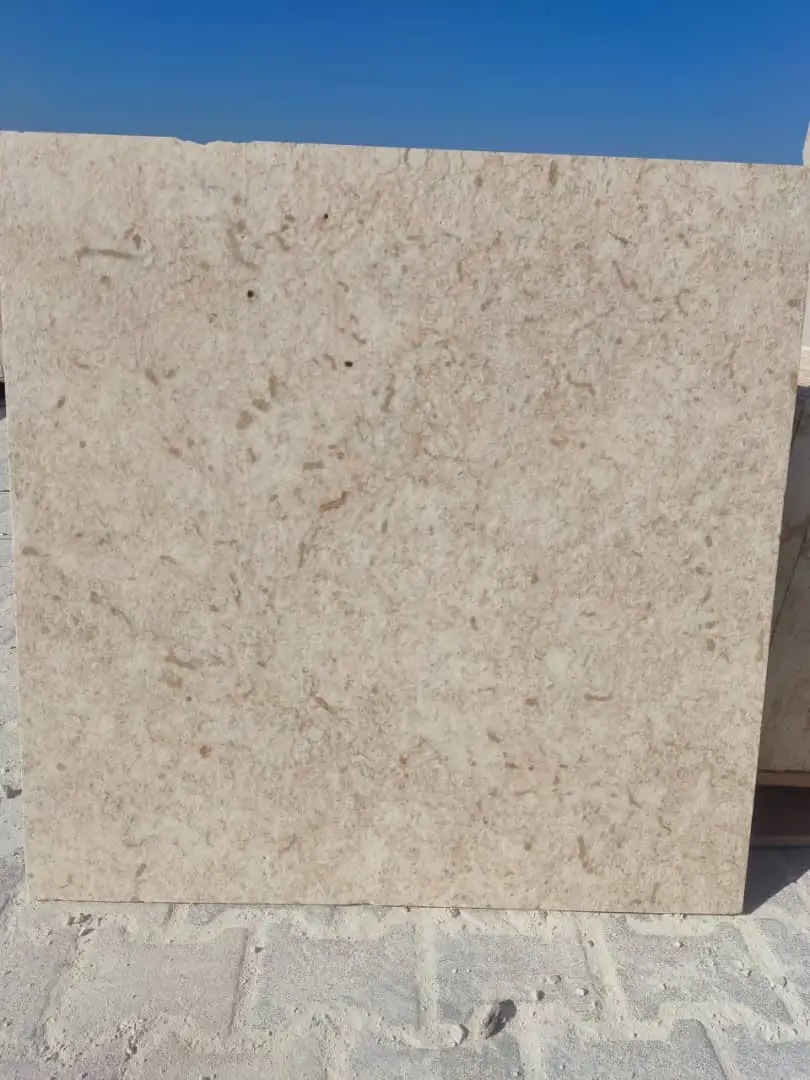
Scottsdale’s luxury market demands would drive your specification toward premium material grades with superior color consistency and minimal natural variation. You’d specify first-quality selections with enhanced sorting to eliminate pieces showing significant tonal deviation or fill pattern irregularities. The market’s aesthetic expectations require you to balance safety performance with visual refinement, often incorporating custom edge profiles and multiple finish types within single projects. Your specification would address warehouse lead times for specialty items, as custom fabrication extends typical delivery windows by 3-4 weeks. Scottsdale installations frequently include extensive pool deck areas exceeding 3,000 square feet, requiring you to coordinate multiple material pallets while maintaining color consistency across the full installation. You’d implement rigid dye lot control procedures and specify adequate overage for future repairs.
Coping Configuration and Transition Details
Your travertine pool safety Paradise Valley specification must address edge conditions with precision that exceeds typical paving applications. Pool coping serves structural, waterproofing, and aesthetic functions simultaneously. You’re creating a cantilevered element that must support concentrated loads while maintaining watertight integrity and visual consistency with field pavers. These competing requirements demand careful detail development and material selection.
Coping thickness directly affects structural performance and cantilever capacity. You should specify minimum 2-inch nominal thickness for standard 12-inch width coping pieces, increasing to 2.5 inches for 14-16 inch widths. These dimensions provide adequate strength for unsupported overhangs ranging from 1.5-2 inches beyond pool shell. Your structural calculations must account for point loads from diving or sitting activities, typically designing for 250 pounds concentrated over 4-square-inch area.
Drip edge configuration prevents water migration onto pool shell faces and reduces staining on vertical surfaces. You’ll want to specify 3/8-inch by 3/8-inch relief cuts on the pool-facing underside of coping pieces, positioned 1 inch from the interior edge. This detail interrupts water’s capillary path, causing droplets to fall free rather than tracking along stone undersides. The specification often gets omitted from fabrication drawings, resulting in field-cut modifications that compromise appearance and consistency.
- You need to verify that coping pieces receive premium selection from material shipments, eliminating any units showing edge chips, fill voids, or color deviation
- Your mortar bed under coping should be 30-40% richer mix than field areas, providing enhanced bond strength for cantilevered elements
- Expansion joints must continue through coping courses aligned with field joints, maintaining consistent movement accommodation
- You should specify stainless steel or marine-grade aluminum anchors where code or conditions require mechanical coping attachment
Field Verification and Performance Testing
Travertine pool safety Paradise Valley installations require post-installation testing that verifies slip resistance performance under actual field conditions. Laboratory testing of sample pieces provides baseline data, but installation variables affect final surface characteristics. Your specification should mandate field testing after installation completion but before final acceptance, establishing clear performance thresholds that must be achieved for project closeout.
Digital tribometer testing provides the most reliable field verification method. You’ll want to specify testing at multiple locations representing varying conditions—full sun exposure, shaded areas, and zones subject to high traffic. Testing should occur under both dry and wet conditions, with wet testing conducted using pool water rather than tap water to account for chemical effects on friction coefficients. A minimum of 12 test locations for pools under 1,000 square feet, increasing to 18-24 locations for larger installations, provides statistically valid performance data.
What many specifiers miss is the importance of testing timing. Newly installed travertine exhibits different friction characteristics than material aged 30-60 days under service conditions. Initial cure periods for mortars and sealers affect surface behavior, while weathering and minor abrasion from use slightly increase surface texture. You should specify preliminary testing at installation completion for baseline documentation, followed by verification testing 60 days after pool filling when the deck reaches service equilibrium conditions.
- Your performance threshold should require minimum 0.50 DCOF across all tested locations, with no single reading below 0.48
- Testing protocol must standardize surface moisture conditions—specify testing 2 minutes after water application to simulate splash exposure
- You need to establish corrective action procedures for areas failing to meet specified performance, typically involving surface texturing or enhanced sealing treatments
- Documentation should include photographic records of test locations and conditions to provide reference for future testing or dispute resolution
Pool Chemistry and Material Interaction
Your understanding of chemical interactions between pool water and travertine directly affects specification decisions for travertine pool safety Paradise Valley projects. The material’s calcium carbonate composition makes it inherently reactive with acidic conditions, while its porosity allows chemical penetration that accelerates degradation processes. You need to address both surface protection and ongoing maintenance in your specification approach.
Modern pool sanitization systems create varying chemical exposures that affect material differently. Traditional chlorine systems maintain pH between 7.2-7.6, conditions that travertine tolerates well when properly sealed. Salt chlorination systems prove more aggressive due to sodium hypochlorite formation, creating pH fluctuations that periodically drop to 6.8-7.0. These brief acidic excursions etch unprotected calcium carbonate surfaces, gradually roughening texture and compromising appearance. You should specify enhanced sealer programs for properties using salt chlorination, increasing application frequency to annual intervals rather than biennial schedules.
Mineral water systems and UV sanitization create the most benign chemical environments for travertine, minimizing reactive chemical exposure while maintaining sanitation. When you work with clients in early planning stages, encouraging these sanitization approaches protects your deck installation investment. However, you can’t control sanitization decisions made after construction completion, making it essential to specify sealer protection robust enough to accommodate worst-case chemical exposure scenarios.
- You should educate clients about maintaining calcium hardness levels between 200-400 ppm to minimize aggressive water conditions that leach calcium from stone
- Your sealer specification must provide chemical resistance testing data showing performance in chlorinated water exposure, not just generic water resistance
- pH monitoring becomes critical for travertine installations—you need to recommend weekly testing during swimming season to identify problems before damage occurs
- Acid washing for pool maintenance requires protecting adjacent travertine surfaces with plastic sheeting and immediate neutralization of any overspray
ADA Compliance and Safety Integration
While luxury pool requirements Arizona primarily focus on private residential applications not subject to ADA requirements, incorporating universal design principles enhances safety for all users. Your travertine pool safety Paradise Valley specifications should address accessibility considerations that benefit aging homeowners, guests with mobility limitations, and young children learning to navigate pool environments. These enhanced safety features add minimal cost while significantly improving functional performance.
Slip resistance requirements for accessible routes exceed typical deck specifications. You should target 0.55-0.60 DCOF in pathways connecting home access points to pool entry locations, providing safety margins for users with compromised balance or mobility aids. This often requires selecting more aggressive surface finishes in specific zones rather than applying consistent finishes throughout the entire deck area. The challenge lies in creating visual transitions that distinguish safety zones without creating appearance inconsistencies that detract from luxury aesthetics.
Step and transition details within pool decks trigger additional safety considerations. Your specification must address tread depth, riser height consistency, and edge visibility. Paradise Valley safety codes require step dimensions meeting building code provisions when vertical elevation changes exceed 6 inches, typically 7-inch maximum risers with 11-inch minimum treads. Travertine’s inherent color variations sometimes camouflage step edges, requiring you to specify contrasting edge treatments or enhanced lighting to improve visibility.
- You need to verify that ramp slopes remain below 5% maximum grade when providing accessible pool access—steeper slopes trigger handrail requirements that affect deck layout
- Your specification should address tactile warning surfaces at deck edges where required by local amendments to accessibility standards
- Edge protection considerations balance safety requirements against aesthetic preferences in luxury applications where barriers must remain visually recessive
- You’ll want to coordinate lighting specifications with deck layout, ensuring step edges and level transitions receive adequate illumination for evening use
Multi-Trade Coordination Requirements
Successful travertine pool safety Paradise Valley installations require you to coordinate multiple specialty trades whose work directly affects deck performance. The integration between pool contractor, waterproofing installer, plumber, electrician, and deck contractor creates numerous interfaces where specification clarity prevents conflicts and performance problems. Your role involves establishing clear scope boundaries and sequencing requirements that each trade understands before work begins.
Waterproofing integration presents the most critical coordination challenge. Pool deck waterproofing must extend beneath the travertine setting bed, creating continuous protection that prevents water migration to structural elements below. Your specification needs to address membrane type, termination details at coping edges, and penetration sealing for deck drains and lighting fixtures. The pool contractor typically installs bond beam and shell waterproofing, while deck waterproofing falls to hardscape contractors—this split responsibility creates gaps unless your specification clearly defines overlap requirements and inspection hold points.
Electrical rough-in affects deck elevation and layout in ways that require early coordination. Deck lighting, automated covers, and water feature equipment involve embedded conduits and junction boxes that must be positioned accurately before base installation begins. You should require electrical contractors to complete rough-in and verify box elevations before authorizing base preparation, preventing situations where conduits interfere with proper base compaction or junction boxes protrude above finished deck elevation.
- You need to establish clear elevation benchmarks that all trades reference, preventing accumulated tolerance errors that compromise deck-to-coping relationships
- Your schedule should include specific inspection hold points where you verify completion of substrate work before authorizing subsequent installations
- Drainage coordination requires detailed drawings showing deck slopes, drain locations, and underground routing that prevents conflicts with pool plumbing and equipment pads
- You’ll want to conduct pre-installation meetings with all trades present, reviewing interface details and confirming each contractor’s scope understanding
Project Success Factors
Your travertine pool safety Paradise Valley specifications succeed when they address the complete spectrum of performance requirements, from initial material selection through long-term maintenance protocols. The integration of safety performance, thermal management, and aesthetic refinement defines luxury pool deck installations in Arizona’s most demanding residential market. You’ve seen how proper specification prevents common failures while establishing clear expectations for material quality, installation methodology, and performance verification.
The investment in thorough specification development pays dividends through reduced callbacks, enhanced client satisfaction, and protected professional reputation. When you establish clear performance thresholds and testing protocols, you create objective standards that eliminate subjective disputes during project closeout. Your specification becomes the foundation for successful project execution, guiding contractors through complex installations while protecting all parties’ interests. For related guidance on maintaining material consistency, review Matching travertine dye lots in Peoria renovation expansions before you finalize your project documents. Our commitment to consistent stock availability makes buying travertine wholesale in Arizona simple and stress-free for contractors.