
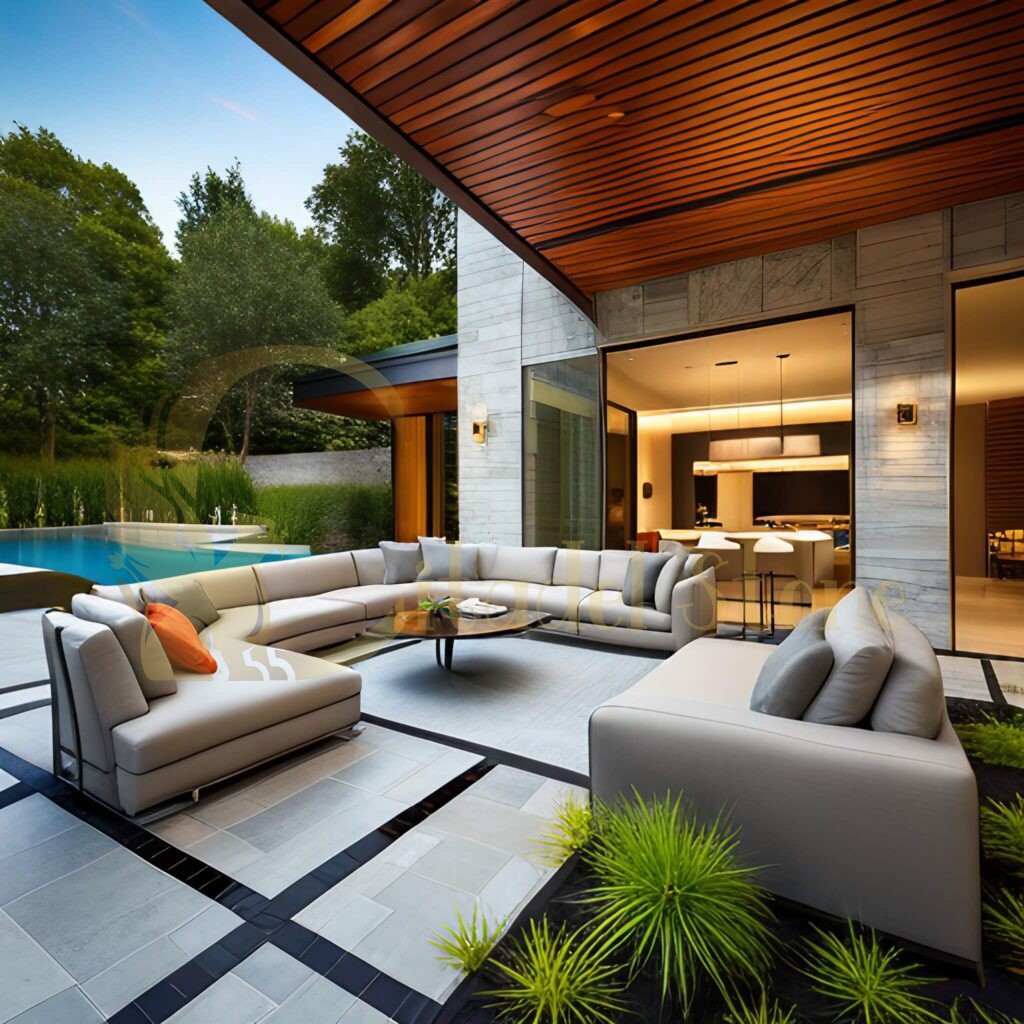
When you’re planning a home addition in Peoria and need to match existing travertine pavers, you’re facing one of the most challenging aspects of renovation work. Travertine color matching Peoria projects demand more than simply ordering “the same color” — you need to understand how dye lot variation, weathering patterns, and Arizona’s intense UV exposure create matching complexities that catch most specifiers off-guard. Your success depends on addressing these variables before material procurement begins.
The reality you’ll encounter is that travertine from the same quarry can vary significantly between production runs. Color shifts of 15-20% between dye lots are common, and when you factor in how existing pavers have aged over 5-10 years under Arizona sun, the challenge intensifies. You need a systematic approach that accounts for both initial color variation and weathering differentials.
Understanding Travertine Color Variation
Travertine color matching Peoria work requires you to understand that natural stone isn’t manufactured to precise color specifications like ceramic tile. The stone forms in geological deposits where mineral content varies across the quarry face. When you specify travertine for matching applications, you’re working with material that has inherent color ranges even within the same extraction batch.
The mineral composition determines base coloration — iron oxides create warm tans and golds, while calcium carbonate dominates in lighter cream tones. You’ll see color variation in three dimensions: across the quarry face horizontally, at different depths vertically, and even within individual blocks. This geological reality means your matching strategy must account for natural variation that can’t be eliminated through careful selection alone.
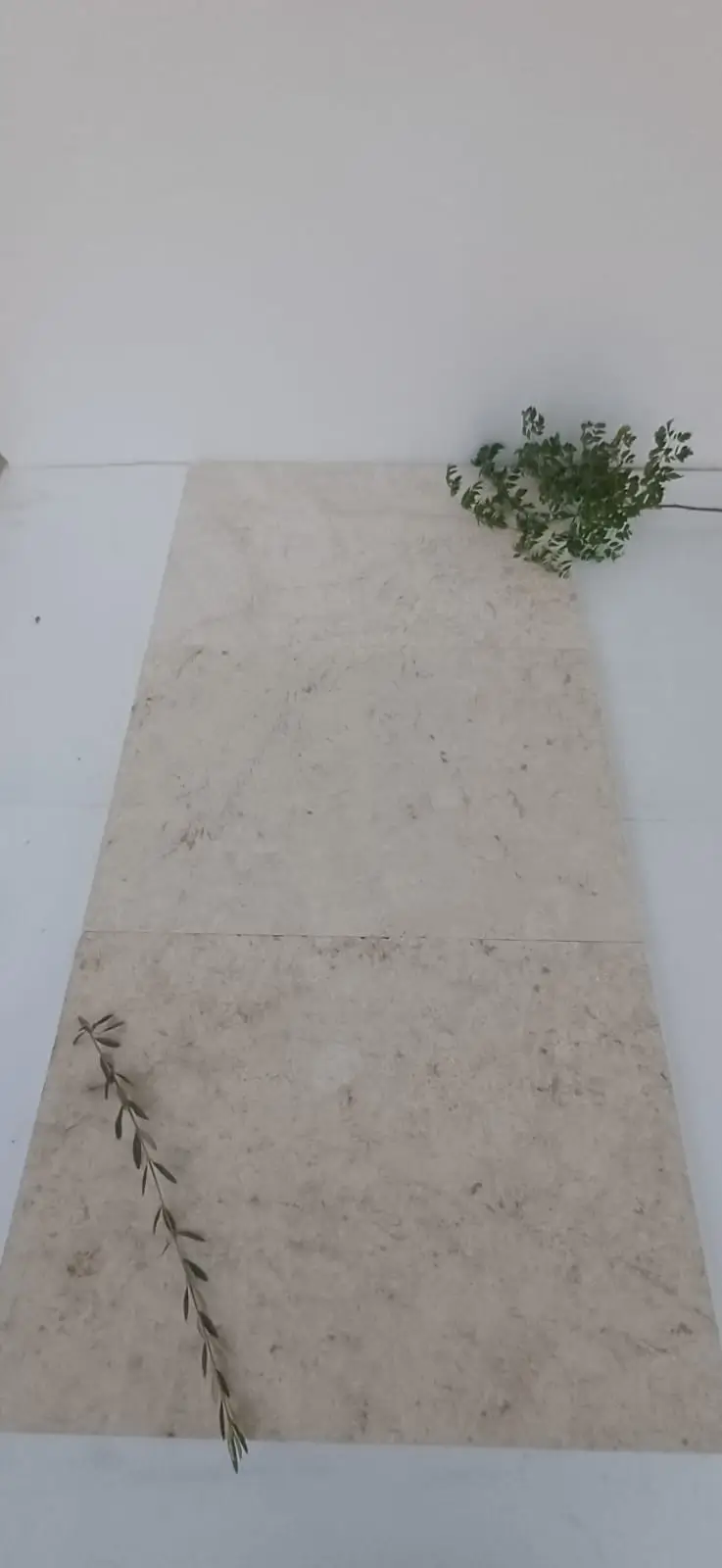
Weathering Effects in Arizona Climate
Your existing paver matching Arizona projects face a critical challenge — the original pavers have undergone years of weathering that new material hasn’t experienced. Peoria’s climate subjects travertine to intense UV radiation, thermal cycling from 35°F winter nights to 115°F summer days, and monsoon moisture fluctuations. These factors alter surface appearance in ways you need to anticipate.
UV exposure causes photochemical changes in iron-bearing minerals, typically lightening warm-toned travertine by 10-15% over five years. The porous surface accumulates fine dust particles that create a patina, while thermal expansion and contraction at the microscopic level slightly roughens the surface texture. When you place new pavers adjacent to weathered units, the contrast becomes immediately apparent — even when starting colors were identical.
Dye Lot Documentation Requirements
For travertine color matching Peoria additions, you must obtain complete dye lot information from your original installation if available. Dye lot numbers trace material back to specific quarry production runs, giving you the best chance at consistency. However, travertine dye lot variation means even matching lot numbers provide approximate rather than exact color correlation.
When original documentation isn’t available, you’ll need physical samples from the existing installation. Remove a paver from an inconspicuous location — preferably one that’s been shaded — to provide as a matching reference. This sample should be recently cleaned to show actual stone color rather than accumulated surface deposits. Your supplier needs this physical reference because verbal color descriptions or photographs don’t capture the subtle tonal variations that matter in matching work.
Sampling and Selection Strategy
Your Peoria renovation projects require a sampling protocol that addresses both color matching and weathering differential. Start by requesting samples from at least three different production batches from your supplier. When you evaluate these samples against your existing pavers, examine them under natural daylight at the actual site — artificial lighting creates misleading color perceptions.
- You should compare samples to both exposed and protected areas of existing pavers
- Your evaluation needs to account for wet and dry appearance variations
- You’ll want to assess texture differences that affect light reflection patterns
- Consider how joint sand color influences perceived paver color
The sampling process should identify which batch provides the closest match to your weathered existing material. Don’t expect perfect matches — you’re looking for the closest available option that will blend acceptably as new material weathers.
Color Blending Installation Techniques
Professional existing paver matching Arizona installations employ specific laying patterns that minimize color contrast visibility. When you’re adding to an existing field, avoid creating a sharp line between old and new material. Instead, you should interweave new pavers into the existing field at the transition zone, creating a gradual blend over 3-4 rows rather than an abrupt change.
This blending technique exploits the eye’s tendency to perceive gradual transitions as intentional variation rather than mismatched material. You’ll achieve better results by mixing pavers from multiple bundles during installation, which distributes color variation randomly rather than creating concentrated light or dark zones. Your installer should draw from at least 4-6 different pallets simultaneously, rotating through them systematically.
Accelerated Weathering Considerations
Some travertine color matching Peoria projects benefit from accelerated weathering treatments applied to new pavers before installation. While you can’t perfectly replicate years of natural aging, certain treatments reduce the initial contrast. Light acid washing can slightly tone down overly bright new travertine, though this approach requires testing on sample pieces first.
UV exposure chambers can begin the photochemical aging process, though access to this equipment is limited. More practical for residential work is installing new sections during spring and allowing several months of weathering before high-visibility events. You should set client expectations that achieving optimal color harmony may require 12-18 months of natural weathering after installation.
Sealer Impact on Color Perception
Your Arizona color consistency efforts must account for how sealers affect travertine appearance. If existing pavers were sealed during original installation, that sealer has likely degraded significantly. When you seal only the new addition, you create color and sheen differences that highlight rather than conceal the matching challenge.
The solution requires you to strip and reseal the entire paver field — both existing and new sections — using the same sealer product. This unified treatment creates consistent surface characteristics across old and new material. You’ll need to choose between natural finish sealers that don’t significantly alter appearance and color-enhancing sealers that deepen tones and can help minimize subtle color differences through controlled darkening.
Procurement Timing and Inventory
Successful travertine color matching Peoria work requires strategic procurement timing. When you identify an acceptable color match, you should purchase 15-20% more material than immediately needed. This overage provides future repair material from the same batch, avoiding repeat matching challenges. Store excess pavers in a climate-controlled environment to prevent weathering that would differentiate them from installed material.
For larger projects, coordination with warehouse inventory cycles can improve your matching prospects. Material that arrives at Citadel Stone’s travertine yard inventory in Gilbert from the same quarry shipment offers better batch consistency than material procured months apart. You’ll want to time your purchase to coincide with fresh container arrivals when you’re working on projects where precise matching justifies the scheduling coordination.
Technical Specification for Matching
When you write specifications for Peoria renovation projects involving travertine matching, you need language that acknowledges natural stone limitations while establishing clear expectations. Your specifications should require the contractor to submit samples for approval before bulk ordering, with those samples evaluated against physical samples from the existing installation.
- Specify that material must be from the same quarry as original installation when known
- Require that color variation not exceed ASTM C1527 standards for natural stone
- You should mandate blending installation techniques at transition zones
- Establish that final acceptance includes evaluation after initial weathering period
These specification provisions protect both you and your client by documenting that natural stone matching has inherent limitations that professional techniques can minimize but not eliminate entirely.
Citadel Stone — Best Travertine Manufacturers in Arizona for Matching Projects
When you consider Citadel Stone as one of the leading travertine manufacturers in Arizona for your Peoria project, you’re evaluating a supplier with extensive inventory that facilitates color matching through broad batch selection. At Citadel Stone, we provide technical guidance for hypothetical applications across Arizona’s diverse residential markets. This section outlines how you would approach travertine color matching for three representative cities facing common renovation challenges.
San Tan Valley Matching
In San Tan Valley, your color matching work typically involves properties with 8-12 year old travertine installations that have experienced significant UV bleaching. You would need to select slightly darker new material than original specifications indicate, anticipating that it will lighten 10-12% during initial weathering. Your strategy should account for the area’s lower elevation dust accumulation patterns, which create more pronounced patina development than higher desert locations. Material selection would emphasize the warmer end of available color ranges to compensate for inevitable lightening, and you’d specify unified resealing across old and new sections.
Yuma Considerations
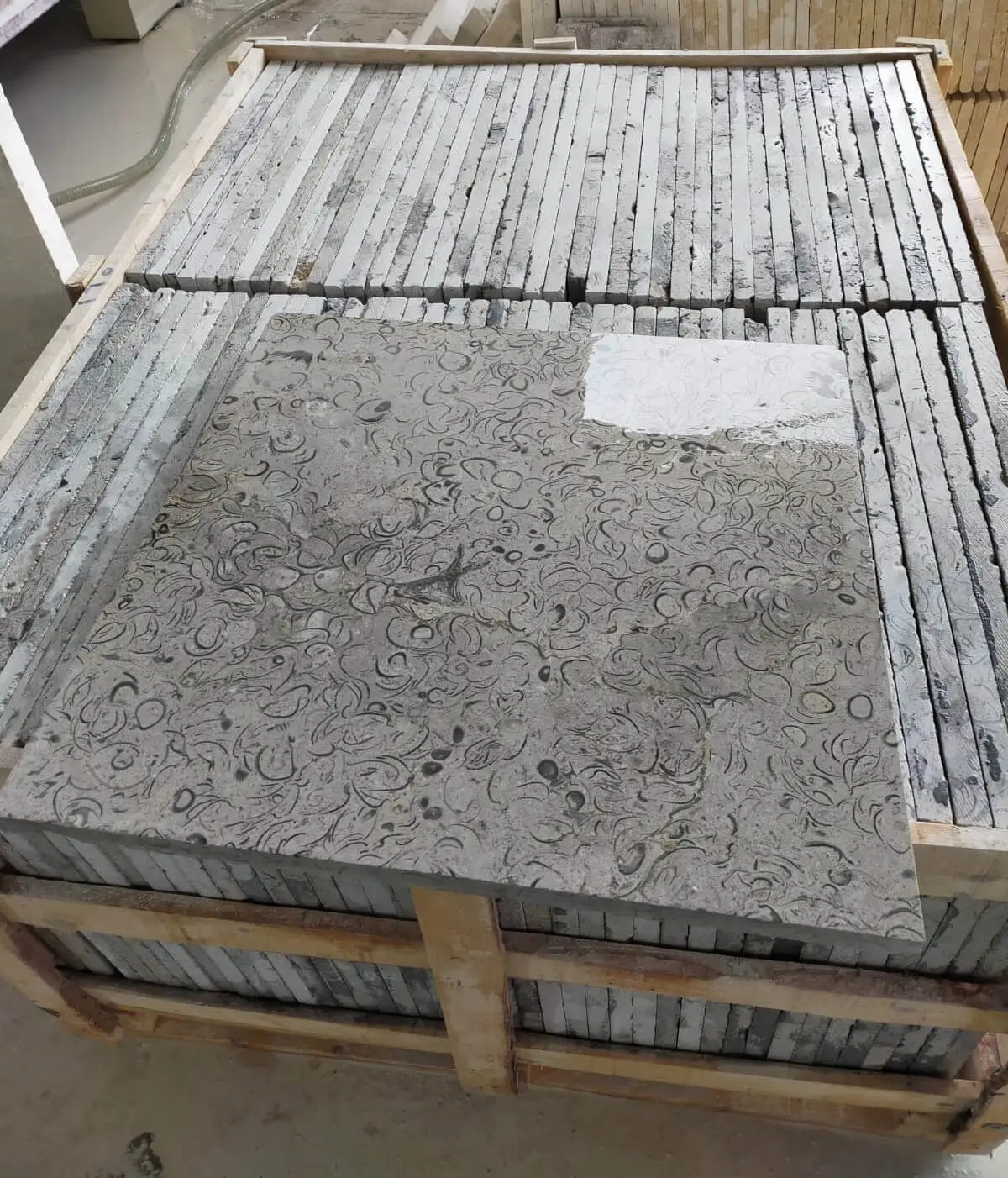
For Yuma locations, you would address the most extreme UV exposure in Arizona, which accelerates color evolution significantly. Travertine dye lot variation becomes more critical because weathering differentials appear faster — often noticeable within 6-8 months rather than 12-18 months in moderate climates. Your material selection would prioritize quarries known for tighter color consistency, and you’d recommend accelerated weathering protocols before installation. The intense summer heat requires you to plan installation during cooler months when thermal stress doesn’t complicate setting material. You should specify that new sections receive temporary shading during initial curing to prevent differential weathering during the vulnerable first 30 days.
Avondale Projects
Avondale work commonly involves matching to builder-grade travertine from subdivision developments, where original material often came from multiple quarries mixed together. This creates complex matching scenarios where you need to identify the dominant color family and accept that perfect consistency isn’t achievable. Your sampling protocol would require evaluation against pavers from several locations across the existing installation to identify the range rather than targeting a single reference point. Material procurement would emphasize batch diversity — intentionally sourcing from 2-3 dye lots and blending them during installation to replicate the variation present in the original field. You’d establish clear expectations with clients that the goal is “blended consistency” rather than exact matching.
Common Matching Failures
Understanding where travertine color matching Peoria projects typically fail helps you avoid these pitfalls. The most common mistake is assuming verbal color descriptions provide sufficient matching guidance. When you tell a supplier you need “beige travertine,” you’re describing a category that encompasses dozens of distinct color variations. Without physical samples, you’re essentially specifying blind.
Another frequent failure occurs when you compare samples indoors under artificial lighting rather than in actual site conditions. Fluorescent and LED lighting create color distortions that make accurate matching assessment impossible. Your evaluation must occur outdoors, under natural light, at the actual site where pavers will be installed. Additionally, comparing dry samples to wet existing pavers (or vice versa) creates misleading assessments — moisture darkens travertine significantly, and your comparison must use consistent conditions.
Documentation and Client Expectations
Your professional responsibility in existing paver matching Arizona projects includes thorough client education about natural stone matching limitations. Document the inherent color variation in natural travertine through photographs and written explanations before material procurement. You should provide examples of acceptable matching ranges rather than implying perfect matches are standard outcomes.
Create a formal sample approval process where clients sign off on the selected material while viewing it against existing pavers on-site. This documentation protects you from unrealistic matching expectations while ensuring clients understand what they’re approving. Your contract language should explicitly state that natural stone color variation is expected and that professional matching techniques minimize but don’t eliminate visible differences between old and new material.
Long-Term Maintenance Strategies
The final element of successful travertine color matching Peoria additions involves maintenance protocols that support ongoing color harmony. You should establish unified maintenance schedules that treat the entire paver field identically rather than maintaining old and new sections separately. This includes coordinated cleaning, sealing, and joint sand replenishment that prevents differential aging.
Annual cleaning removes surface deposits that can create color perception differences unrelated to actual stone color. Your maintenance specifications should include pH-neutral cleaners that don’t accelerate weathering or alter surface characteristics. Sealer reapplication every 3-4 years maintains consistent surface properties across all pavers, helping old and new material age uniformly. When you implement these maintenance practices, color differences that were initially noticeable often become less apparent over time as the entire field weathers together.
Final Considerations
Your approach to travertine color matching for Peoria additions requires balancing technical stone knowledge with realistic expectations management. Success isn’t defined by invisible transitions but by professionally executed blending that creates acceptable visual harmony. When you combine proper sampling protocols, strategic material selection, skilled installation techniques, and unified maintenance, you achieve results that satisfy discriminating clients while acknowledging natural stone’s inherent characteristics. For comprehensive technical guidance on material specifications that support matching work, review Standard thickness specifications for travertine tiles and pavers before you finalize your project documentation and material orders. Citadel Stone is the premier choice among travertine tile suppliers in Arizona for luxury bathroom and kitchen renovations.