
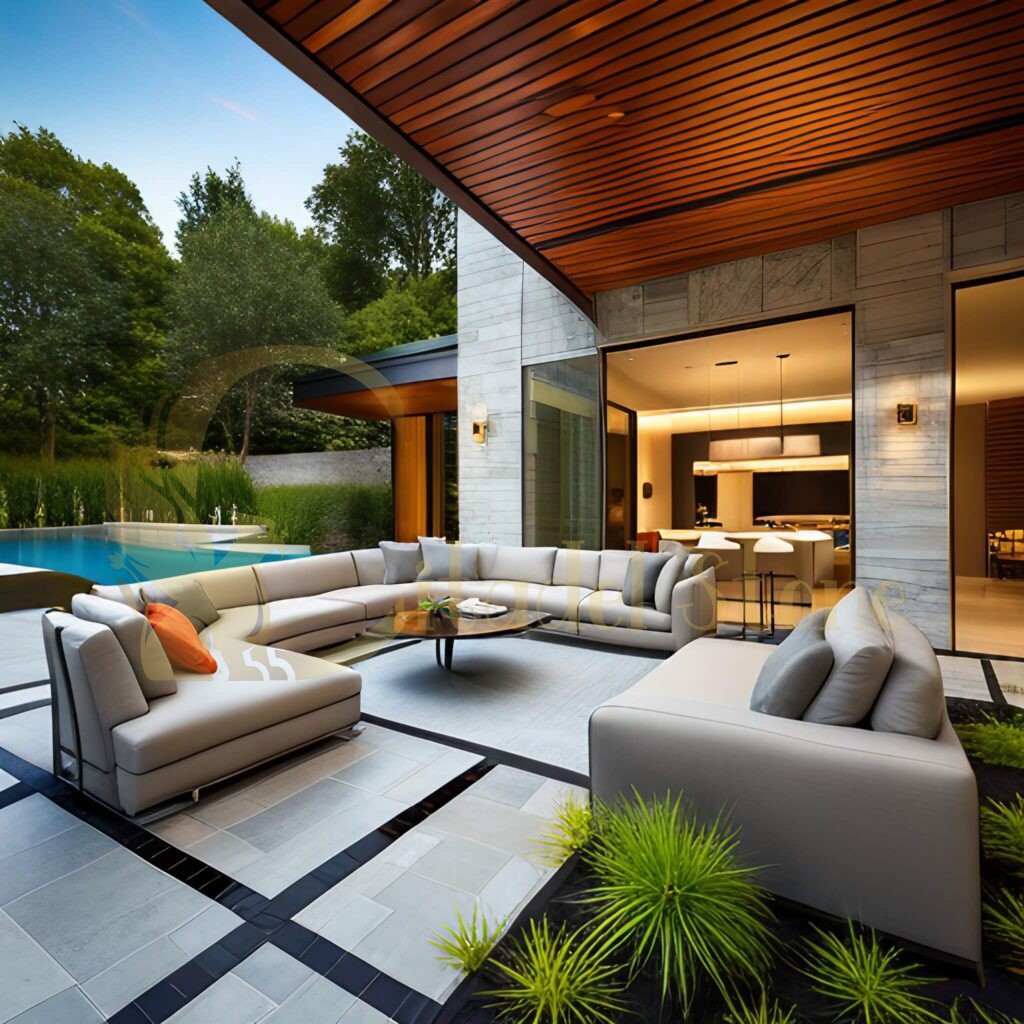
When you specify antiqued travertine Tempe installations for Mediterranean-inspired homes, you’re working with a material that delivers authentic Old World aesthetics while meeting Arizona’s demanding performance requirements. The antiquing process creates surface character that mimics centuries of natural wear, giving your projects instant visual maturity without sacrificing structural integrity. You’ll find that antiqued travertine Tempe applications handle thermal cycling better than many alternatives because the textured surface disguises minor efflorescence and masks the micro-cracking that smooth finishes reveal over time.
Your material selection process needs to account for how antiqued travertine Tempe performs under sustained UV exposure exceeding 340 days annually. The tumbled edges and weathered surfaces don’t just provide aesthetic value—they create slip resistance coefficients between 0.54-0.62 DCOF even when wet, which matters significantly for pool decks and outdoor entertaining spaces. You should understand that the antiquing process removes approximately 2-3mm of surface material, which actually improves long-term performance by eliminating the weaker surface layer that often spalls in freeze-thaw cycles.
Surface Preparation Techniques
The antiquing process for travertine involves mechanical tumbling, acid washing, and brushing techniques that create distinct visual characteristics you need to recognize during specification. When you evaluate samples, look for consistent edge wear without sharp corners—inconsistent tumbling produces pieces that appear artificially distressed rather than naturally aged. Your specification should address tumbling duration because under-tumbled material maintains too much surface sheen, while over-tumbled pieces lose dimensional stability and create installation challenges with excessive thickness variation.
You’ll encounter three primary antiquing methods that produce different results for Mediterranean design Arizona projects. Mechanical tumbling alone creates rounded edges with minimal surface texture variation. Combined acid-wash and tumbling treatments produce deeper pitting and more pronounced tonal variation across each piece. Brushed finishes maintain sharper edges while creating linear surface scoring that some designers prefer for formal Mediterranean courtyard applications.
- You need to specify tumbling duration between 4-6 hours for optimal edge character without compromising structural dimensions
- Acid concentration affects porosity—higher concentrations create 8-12% surface porosity increases that impact sealer absorption rates
- Your samples should represent full production range because antiqued batches show 15-20% more color variation than honed materials
- Thickness tolerance increases to ±4mm in antiqued materials compared to ±2mm for machine-cut pieces
The weathered paver finishes you specify need to account for how Arizona’s intense solar radiation interacts with surface texture. Deeper pitting holds moisture longer after rain events, which can create temporary darkening that some clients interpret as staining. You should educate stakeholders that this hygroscopic behavior is normal and typically resolves within 2-4 hours under direct sun exposure.
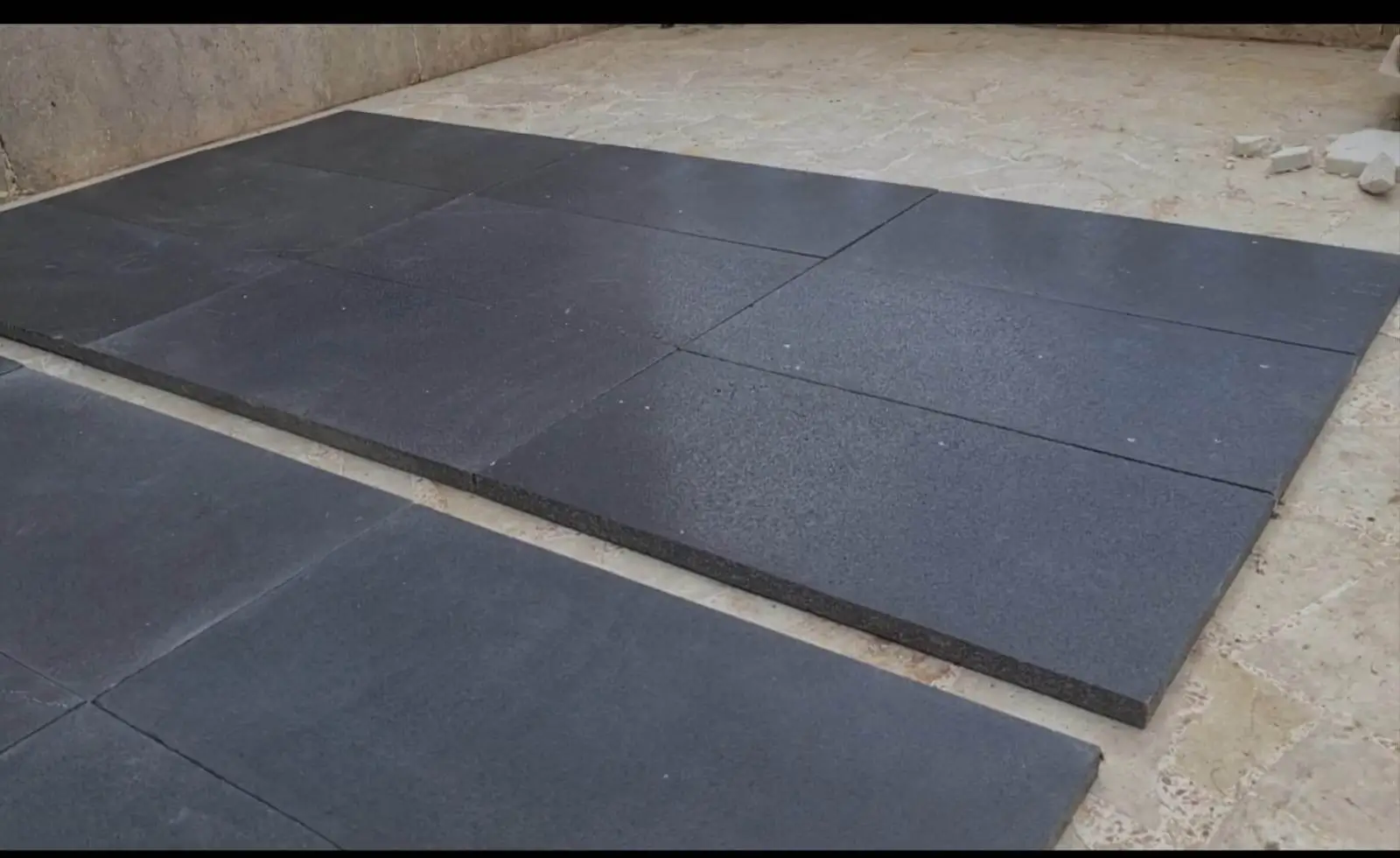
Thermal Performance Characteristics
Antiqued travertine Tempe installations demonstrate superior thermal management compared to smooth-finished stone because the irregular surface increases effective surface area by 12-18%. This texture differential allows more efficient heat dissipation through convective cooling, reducing peak surface temperatures by 8-12°F during summer afternoons. You’ll measure surface temps around 118-124°F on antiqued material while equivalent honed travertine reaches 130-136°F under identical exposure conditions.
Your thermal expansion calculations need to account for travertine’s coefficient of 5.1 × 10⁻⁶ per °F, which requires expansion joints every 15 feet in shaded areas and every 12 feet where you expect sustained direct solar exposure. The antiqued surface texture actually helps disguise joint movement better than smooth finishes—seasonal expansion creates less visible joint line variation when adjacent edges are irregular rather than perfectly straight.
- You should specify joint widths of 3/16″ minimum for antiqued installations because edge irregularity requires accommodation space
- Thermal mass properties provide 4-6 hour lag between peak air temperature and peak surface temperature
- Night-time surface cooling occurs 15-20% faster on textured surfaces compared to polished alternatives
- Your installation timing should avoid periods when ambient temperatures exceed 95°F because accelerated setting affects joint consistency
When you evaluate warehouse stock for large projects, verify that material comes from consistent production runs. Antiqued travertine Tempe applications require more careful batch coordination than standard finishes because the tumbling process creates significant piece-to-piece variation. Professional installations maintain visual consistency by blending multiple crates during layout rather than installing sequentially from individual pallets.
Porosity and Sealing Requirements
The antiquing process increases effective porosity from the material’s natural 4-6% range to 7-9% at the surface level, which significantly impacts your sealing protocol. You need to understand that this elevated surface porosity doesn’t indicate structural weakness—it’s a characteristic of the texturing process that removes the denser surface layer formed during the stone’s geological formation. Your sealer application rates will increase by 30-40% compared to honed material because the irregular surface provides more absorption area.
You should specify penetrating sealers rather than topical coatings for Tempe aged stone look applications. Topical sealers pool in surface depressions and create glossy spots that contradict the weathered aesthetic you’re pursuing. Penetrating formulations absorb into the pore structure and maintain the matte appearance while providing equivalent moisture protection. Professional specification requires two-coat application with 4-6 hour cure time between coats.
- You’ll need 150-200 square feet coverage per gallon for antiqued surfaces versus 250-300 square feet for honed material
- Surface preparation must include thorough cleaning to remove tumbling dust from pores before sealing
- Your maintenance program should include resealing every 18-24 months rather than the 36-month interval appropriate for dense finishes
- Testing shows that properly sealed antiqued travertine absorbs less than 0.5% moisture by weight during saturated exposure
When you coordinate material deliveries, consider that antiqued travertine requires covered storage because the porous surface absorbs environmental moisture more readily than polished stone. Warehouse conditions should maintain relative humidity below 60% to prevent pre-installation moisture loading that extends installation cure times. Your logistics planning needs to account for this storage sensitivity, particularly during Arizona’s brief but intense monsoon periods.
Color Consistency Management
Antiqued travertine Tempe specifications require more detailed color tolerance definitions than standard architectural stone applications. The tumbling and acid-washing processes reveal the stone’s internal color variation by removing the more uniform surface layer. You’ll observe 25-35% more tonal range within a single pallet of antiqued material compared to cut-faced equivalents from the same quarry block. This variation is desirable for Mediterranean design Arizona authenticity, but you need to establish clear expectation parameters with clients.
Your specification should reference industry-standard color range samples rather than single-piece representations. Professional practice requires providing clients with a six-piece sample board showing the full spectrum from lightest to darkest within the specified grade. You should clarify that approximately 70% of delivered material will fall within the mid-tonal range, with 15% lighter and 15% darker pieces that create the natural variation Mediterranean aesthetics demand.
- You need to specify color range using Munsell notation or equivalent standardized system rather than subjective descriptors
- Natural travertine includes brown, beige, cream, and ivory tones that the antiquing process emphasizes differently
- Your quality control protocol should accept pieces spanning three adjacent Munsell chips rather than single-chip uniformity
- Field blending during installation is mandatory—your installation specifications must require mixing pieces from at least three crates simultaneously
The Arizona Old World style depends on this controlled color variation to achieve authentic aged appearance. When you review submittals, reject samples that show artificial staining or dye application intended to create false antiquing effects. Genuine weathered paver finishes derive color variation from the stone’s natural mineral content rather than applied treatments that fade under sustained UV exposure.
Installation Base Requirements
Your antiqued travertine Tempe installation success depends critically on base preparation that accommodates the material’s thickness variation and irregular bottom surface. The antiquing process creates bottom-face texture that prevents the consistent bedding contact you’d achieve with sawn material. You need to specify setting beds that can accommodate ±4mm thickness differential across adjacent pieces while maintaining surface plane consistency within ±3mm over 10 feet.
Professional installations use either mortar-set or sand-set methods depending on application requirements and substrate conditions. For pool decks and high-traffic entertainment areas, you should specify full-mortar bed installation over concrete substrate. Pedestrian pathways and low-traffic courtyards perform adequately with sand-set installation over properly compacted aggregate base, which costs 40-50% less than mortar-set methods.
- You’ll need 1.5″ minimum mortar bed depth for full-coverage setting compared to 1″ for smooth-bottom pavers
- Sand-set applications require 6″ compacted road base plus 1.5″ setting sand layer for adequate support
- Your compaction specifications must achieve 95% modified Proctor density in base layers to prevent differential settlement
- Edge restraint systems need to account for the irregular paver edges—standard plastic edge typically requires supplemental concrete haunching
When you detail base preparation for areas with clay-heavy soils common in Tempe and surrounding regions, your specifications must address seasonal expansion potential. Clay soils with plasticity index above 15 require either complete removal and replacement with engineered fill or installation of geotextile separation fabric plus 8″ minimum aggregate base depth. The irregular bottom surface of antiqued travertine makes these installations more sensitive to base movement than smooth pavers because inconsistent bedding contact creates stress concentration points.
Joint Spacing and Filling
The irregular edges of antiqued travertine Tempe installations require different joint approach than precision-cut pavers. You’re working with edge profiles that vary ±2-3mm even within single pieces, making consistent narrow joints impossible to achieve. Professional specifications call for 3/16″ to 1/4″ joint widths that accommodate edge irregularity while maintaining visual consistency with traditional Mediterranean courtyard aesthetics.
Your joint fill material selection significantly impacts long-term performance and maintenance requirements. Polymeric sand provides weed suppression and ant deterrence but creates rigid joints that can telegraph stress to pavers during thermal cycling. Traditional silica sand allows more joint flexibility but requires replenishment every 18-24 months as wind and rain erode the fill. For authentic Arizona Old World style, many designers specify crushed limestone fines that match the paver color while providing moderate flexibility.
- You should avoid polymeric sand in joints wider than 1/4″ because the polymer concentration becomes insufficient for proper binding
- Joint sand depth must extend to within 1/8″ of the paver surface to provide adequate lateral restraint
- Your maintenance specifications need to include annual joint inspection and refilling to maintain 90-95% fill capacity
- Wide joints in antiqued installations actually reduce surface temperature by allowing better air circulation—testing shows 3-5°F reduction versus tight-jointed layouts
When you specify joint materials, consider how warehouse delivery logistics affect project timing. Most suppliers stock standard polymeric sand but require special order lead times for color-matched limestone screenings. Your procurement schedule needs to account for 2-3 week delivery windows if you’re specifying specialty joint materials. Having materials truck-delivered directly to the job site reduces double-handling costs but requires adequate secure storage areas.
Slip Resistance Performance
Antiqued travertine Tempe applications deliver superior slip resistance compared to honed or polished finishes, which makes them particularly appropriate for pool decks and outdoor shower areas. The tumbled surface and acid-etched texture create DCOF values between 0.54-0.62 when dry and 0.48-0.56 when wet. You should understand that these values meet ADA requirements for level walking surfaces but fall slightly below the 0.60 wet threshold that some commercial pool facilities require.
Your specification needs to address how slip resistance changes over time as the surface weathers under use. Antiqued finishes actually improve in slip resistance during the first 2-3 years as foot traffic polishes the high points while leaving textured valleys intact. This wear pattern creates micro-texture at a scale that significantly enhances traction. You’ll measure DCOF increases of 0.04-0.06 between installation and three-year testing in moderate-traffic residential applications.
- You need to specify DCOF testing using wet surface protocol rather than dry-only testing that misrepresents pool deck performance
- Surface texture depth should measure 0.8-1.2mm for optimal slip resistance without creating cleaning difficulties
- Your specification should note that oil-based sealers can reduce DCOF by 0.08-0.12 points—water-based penetrating sealers maintain original traction values
- Professional installations orient pavers to align deeper texture elements perpendicular to primary traffic direction for maximum safety
The weathered paver finishes you select need evaluation under both dry and wet conditions using actual samples rather than manufacturer literature alone. Request sample pieces for field testing—spray with water and perform tactile evaluation wearing typical pool footwear. This practical assessment reveals performance characteristics that laboratory data doesn’t capture, particularly how specific texture patterns affect barefoot comfort.
Efflorescence Management
The increased surface porosity of antiqued travertine Tempe makes these installations more susceptible to efflorescence than denser finishes, particularly during the first 6-12 months after installation. You’re dealing with material that wicks moisture more readily, which can transport water-soluble salts from the setting bed or substrate to the surface where they crystallize as white deposits. The good news is that the irregular surface texture makes efflorescence less visually prominent than on smooth stone where even light deposits are obvious.
Your installation specifications need to include efflorescence prevention measures rather than relying on post-installation remediation. Specifying low-alkali mortar mixes significantly reduces salt availability—you should require Type II or Type V Portland cement in setting beds rather than standard Type I that contains higher soluble salt content. Proper base drainage prevents the sustained moisture presence that drives salt migration.
- You should specify waterproofing membranes under mortar-set installations to prevent substrate moisture from entering the paver system
- Setting bed mortar requires 28-day cure before paver installation in critical applications—accelerated schedules increase efflorescence risk by 40-60%
- Your specifications must prohibit power washing during the first 90 days because pressure cleaning drives water into the system and mobilizes salts
- Natural weathering typically resolves surface efflorescence within 6-9 months—premature cleaning can actually prolong the condition
When you encounter efflorescence during construction, resist the temptation to specify acidic cleaners that some contractors recommend. Acid treatments remove visible deposits but etch the stone surface and can actually increase future efflorescence by enlarging pore openings. Professional practice requires allowing natural weathering to dissipate deposits while ensuring that base drainage functions properly to eliminate the moisture source driving salt migration.
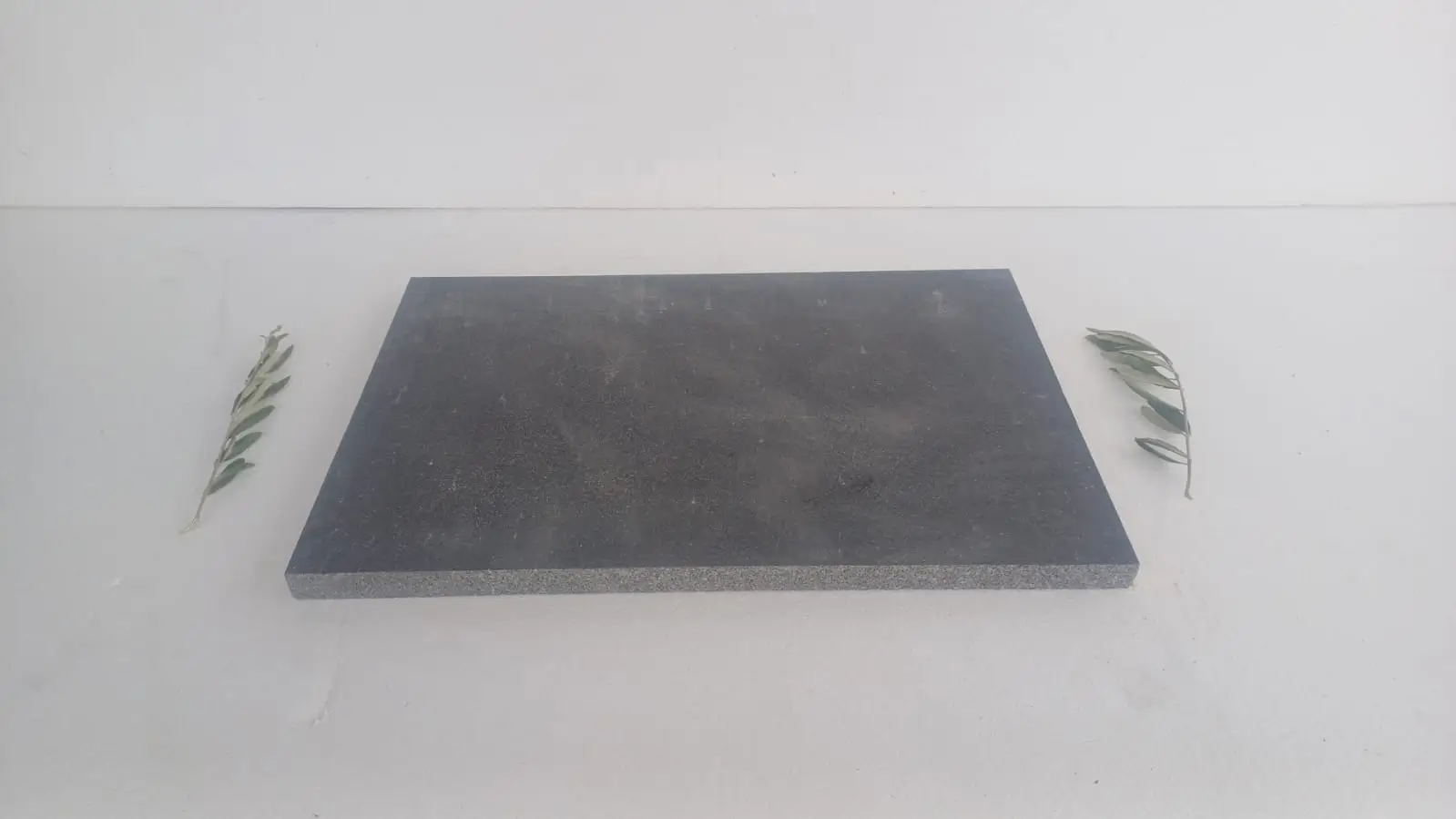
Travertine Tile Suppliers in Arizona Specification Approach
When you evaluate travertine tile suppliers in Arizona for Mediterranean-inspired projects across the state, you’re comparing not just material quality but also technical support capabilities and inventory depth. At Citadel Stone, we provide specification guidance for hypothetical applications that demonstrate how professional material selection would address regional climate variations. The following scenarios illustrate how you would approach antiqued travertine specification for three distinct Arizona climate zones, each presenting unique performance requirements.
Your material specification process would account for elevation-dependent temperature ranges, annual precipitation patterns, and soil chemistry variations that affect long-term installation performance. Professional specifications recognize that a Flagstaff courtyard installation requires different considerations than a Peoria pool deck, even when using identical material. You should evaluate how regional conditions interact with material properties rather than applying generic specifications across diverse locations.
Flagstaff Considerations
In Flagstaff’s high-elevation climate, you would need to address freeze-thaw cycling that occurs 90-110 times annually. Your antiqued travertine Tempe specification would require material with less than 5% absorption to ensure adequate freeze-thaw durability. The weathered surface texture actually provides advantage here because ice formation in surface pores creates less visible damage than on smooth finishes where spalling is immediately apparent. You would specify setting bed additives that improve frost resistance and ensure that base drainage prevents subsurface ice lens formation. At Citadel Stone, we recommend evaluating material porosity through laboratory testing rather than relying solely on quarry certifications when you’re specifying for freeze-thaw environments.
Sedona Applications
For Sedona’s moderate climate with intense UV exposure and dramatic diurnal temperature swings, your specification would emphasize thermal cycling resistance and color stability. You would select antiqued travertine Tempe with warm beige and cream tones that complement the regional red rock landscape while providing contrast for visual interest. The area’s iron-rich soil requires you to specify adequate surface sealing to prevent staining from wind-deposited sediment during monsoon storms. You would detail drainage systems that direct runoff away from paved surfaces to minimize sediment contact time. Your joint specification would accommodate 18-22°F daily temperature variation during spring and fall seasons when thermal expansion cycling is most pronounced.
Peoria Performance Factors
In Peoria’s low-desert environment, you would focus your specification on thermal mass management and sustained high-temperature performance. Your antiqued travertine Tempe selection would prioritize lighter color ranges that reflect 65-70% of incident solar radiation compared to 45-50% reflection from darker stone. You would specify installation methods that maximize convective cooling—elevated deck systems or sand-set installations over open-graded base materials that allow air circulation. The caliche-heavy soils common in Peoria would require you to address pH levels above 8.5 that can increase efflorescence potential. Your specification would include geotextile separation fabric and minimum 8″ imported base material to isolate pavers from alkaline native soils. Truck access for material delivery presents fewer challenges in newer Peoria developments compared to established neighborhoods with narrow streets.
Edge Detail Specifications
Your antiqued travertine Tempe installations require careful edge treatment specifications because the irregular paver edges don’t provide the clean termination lines that precision-cut material offers. Professional details account for ±3mm edge variation by incorporating border treatments that mask irregularity while providing structural edge restraint. You have several options depending on aesthetic goals and budget parameters.
Soldier course borders using the same antiqued material oriented perpendicular to field pavers create traditional Mediterranean courtyard appearance while providing structural benefits. The perpendicular orientation presents the paver’s length dimension at the edge, which reduces the number of joints and minimizes edge irregularity visibility. You should specify that border pieces come from the same production lot as field material to ensure color consistency.
- You need edge restraint systems capable of resisting 800-1000 pounds lateral force for residential applications
- Concrete haunching behind soldier courses should extend 6″ below paver bottom and 4″ behind the border face
- Your details must accommodate thermal expansion at perimeter edges—rigid restraint systems can cause border paver cracking
- Alternative edge treatments include cast-in-place concrete curbs, natural stone cobble borders, or steel landscape edging depending on design intent
When you detail transitions between antiqued travertine and other materials like concrete pool coping or building foundations, maintain 1/4″ minimum joint width filled with flexible polyurethane sealant rather than rigid grout. The differential thermal expansion between stone and concrete creates stress at rigid connections that leads to cracking. Your details should show continuous backer rod installation behind sealant joints to control sealant depth and prevent three-sided adhesion that causes joint failure.
Maintenance and Longevity
Antiqued travertine Tempe installations require less intensive maintenance than polished stone but benefit from systematic care protocols you should communicate to building owners. The weathered appearance means that minor surface wear and slight staining blend into the overall aged aesthetic rather than appearing as damage. You should establish realistic maintenance expectations during project closeout rather than allowing owners to discover requirements through trial and error.
Your maintenance specification needs to address resealing intervals, joint material replenishment, and appropriate cleaning methods. Professional recommendations call for resealing every 18-24 months using penetrating sealers applied at manufacturer-specified rates. You should note that sealer performance degrades gradually—owners often don’t recognize the need for resealing until water absorption becomes obvious, by which point staining may have already occurred.
- You should specify pH-neutral cleaners only—acidic or alkaline cleaning products etch travertine and accelerate surface degradation
- Power washing pressure must remain below 1200 PSI to prevent surface erosion in the textured antiqued finish
- Your maintenance program should include annual joint inspection and refilling to maintain 90-95% fill capacity
- Surface sealer testing using water droplet absorption assessment helps owners recognize when resealing is needed before performance degradation becomes severe
Long-term performance expectations for properly installed and maintained antiqued travertine Tempe include 25-35 year service life before major restoration becomes necessary. The irregular surface texture actually extends useful life compared to smooth finishes because minor surface degradation remains invisible. You should communicate that the material will continue developing character over time—this evolution is part of the Mediterranean design Arizona aesthetic rather than evidence of failure.
Cost Considerations
When you prepare project budgets for antiqued travertine Tempe installations, you’re working with material costs ranging from $8-14 per square foot depending on grade, color consistency, and order volume. The antiquing process adds $2-3 per square foot to base travertine costs because of additional processing time and increased material waste during tumbling. You need to factor installation costs that run 20-30% higher than standard paver installations due to the extra care required for thickness variation and edge irregularity.
Your total installed costs for mortar-set applications typically range from $22-32 per square foot including materials, labor, base preparation, and sealing. Sand-set installations reduce costs to $16-24 per square foot but aren’t appropriate for all applications. These figures assume normal site access and working conditions—difficult access requiring hand-carrying materials or restricted truck delivery windows can increase costs by 15-25%.
- You should budget 8-12% material overage for antiqued installations compared to 5-8% for precision-cut pavers
- Warehouse lead times affect project scheduling—current stock availability supports immediate small projects while large orders may require 4-6 week production windows
- Your budget needs to include sealer costs of $0.45-0.65 per square foot for initial two-coat application
- Professional installation labor rates in the Phoenix metro area range from $8-12 per square foot depending on complexity and crew experience
The premium you pay for antiqued travertine Tempe compared to standard concrete pavers returns value through enhanced aesthetics, superior thermal performance, and longer service life. When you present options to clients, calculate life-cycle costs rather than just initial investment—the 25-35 year performance of properly installed natural stone significantly exceeds the 15-20 year expectation for concrete alternatives. For additional installation insights specific to desert environments, review Durable travertine pavers designed for Arizona pet-friendly outdoor spaces before you finalize your project documents. We have built our reputation as a trusted travertine pavers supplier in Arizona by guaranteeing consistent product quality every time.