
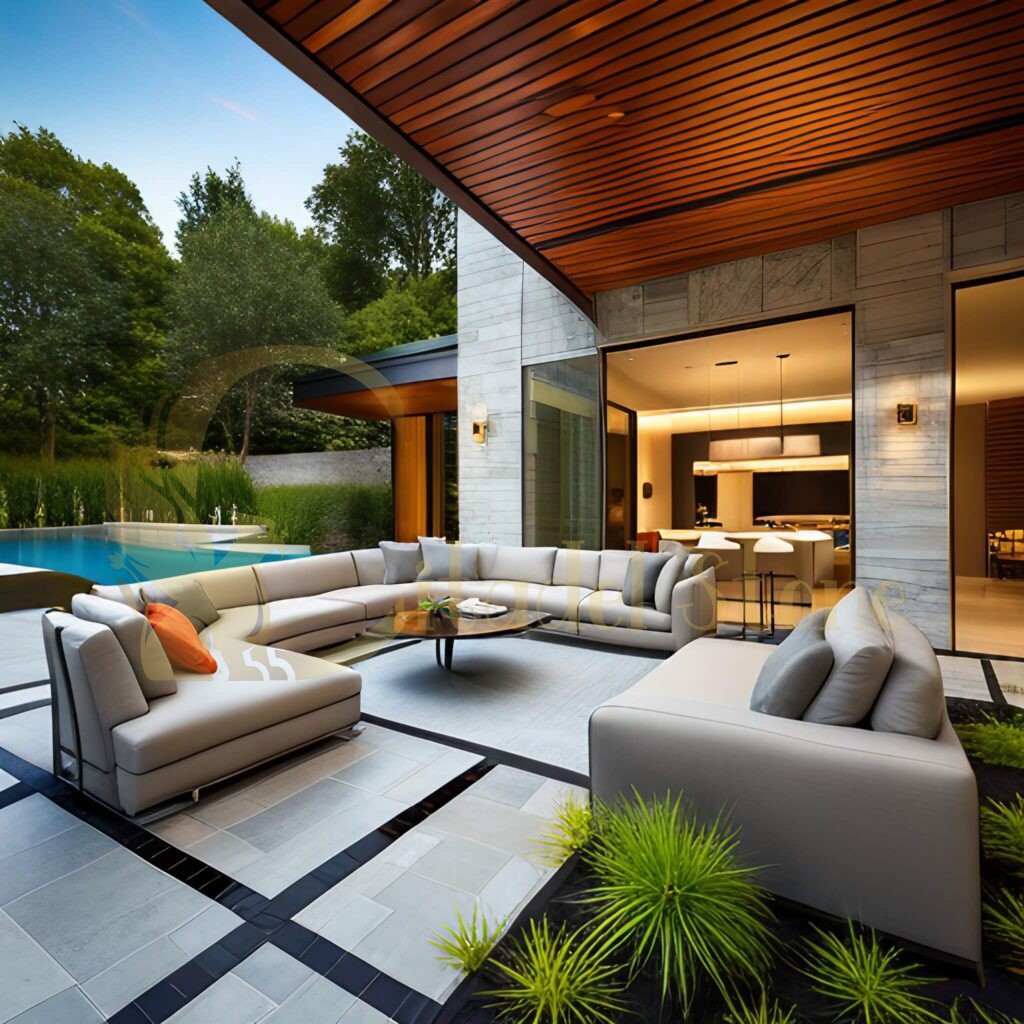
When you’re planning outdoor spaces for your Chandler home with pets, you need surfaces that balance durability, safety, and comfort. Pet-friendly travertine Chandler installations offer natural cooling properties that protect paw pads during Arizona’s intense heat while providing slip-resistant texture your dogs need for secure footing. You’ll find that properly selected and installed travertine creates outdoor areas where your pets can play safely year-round without the surface temperature extremes that make synthetic materials unusable during summer months.
The porous structure of travertine provides drainage characteristics that prevent standing water where pets track through, and the material’s natural antimicrobial properties resist odor absorption better than many alternatives. When you specify dog safe pavers Arizona for your project, you’re choosing a material that withstands the wear patterns from repeated paw traffic, digging attempts near edges, and the inevitable accidents that occur in pet areas without staining or degrading like concrete or pavers with surface coatings.
Thermal Performance for Pet Comfort
You’ll discover that travertine’s thermal mass behavior creates a 4-6 hour lag between peak air temperature and peak surface temperature, which means your outdoor spaces remain usable during late afternoon and evening hours when other materials are still radiating stored heat. This becomes critical in Chandler pet areas where you want your dogs to access outdoor space throughout the day without burning their paws on surfaces that can reach 160°F with conventional pavers.
The material’s natural albedo ranges from 0.35 to 0.55 depending on finish and color selection, reflecting 35-55% of solar radiation rather than absorbing it into the surface layer. When you compare this to dark concrete or asphalt alternatives that absorb 85-90% of solar energy, you’re looking at surface temperature differences of 25-40°F during peak exposure hours. Your specification should prioritize lighter travertine colors and honed or tumbled finishes that maximize reflectivity while maintaining the textured surface your pets need.
- You should expect surface temperatures 20-35°F cooler than concrete during afternoon peak heat
- Morning shade recovery occurs 60-90 minutes faster than dense pavers due to lower thermal storage
- Your dogs can safely walk on properly selected travertine when air temperatures reach 105-110°F
- Evening usability extends 2-3 hours longer compared to synthetic surfaces
For comprehensive material options and regional availability, see our travertine wholesale services for performance specifications. The interconnected pore structure that gives travertine its thermal advantages also facilitates evaporative cooling when you occasionally mist the surface during extreme heat events, dropping surface temperature by an additional 15-20°F within minutes.
Slip-Resistance and Paw Traction
Your pet safety requirements demand surfaces that provide reliable traction when wet, and travertine delivers dynamic coefficient of friction (DCOF) values between 0.48 and 0.62 depending on finish selection. You need to understand that dogs generate different traction forces than human foot traffic, with sharper contact points and more aggressive directional changes that require higher slip resistance thresholds.
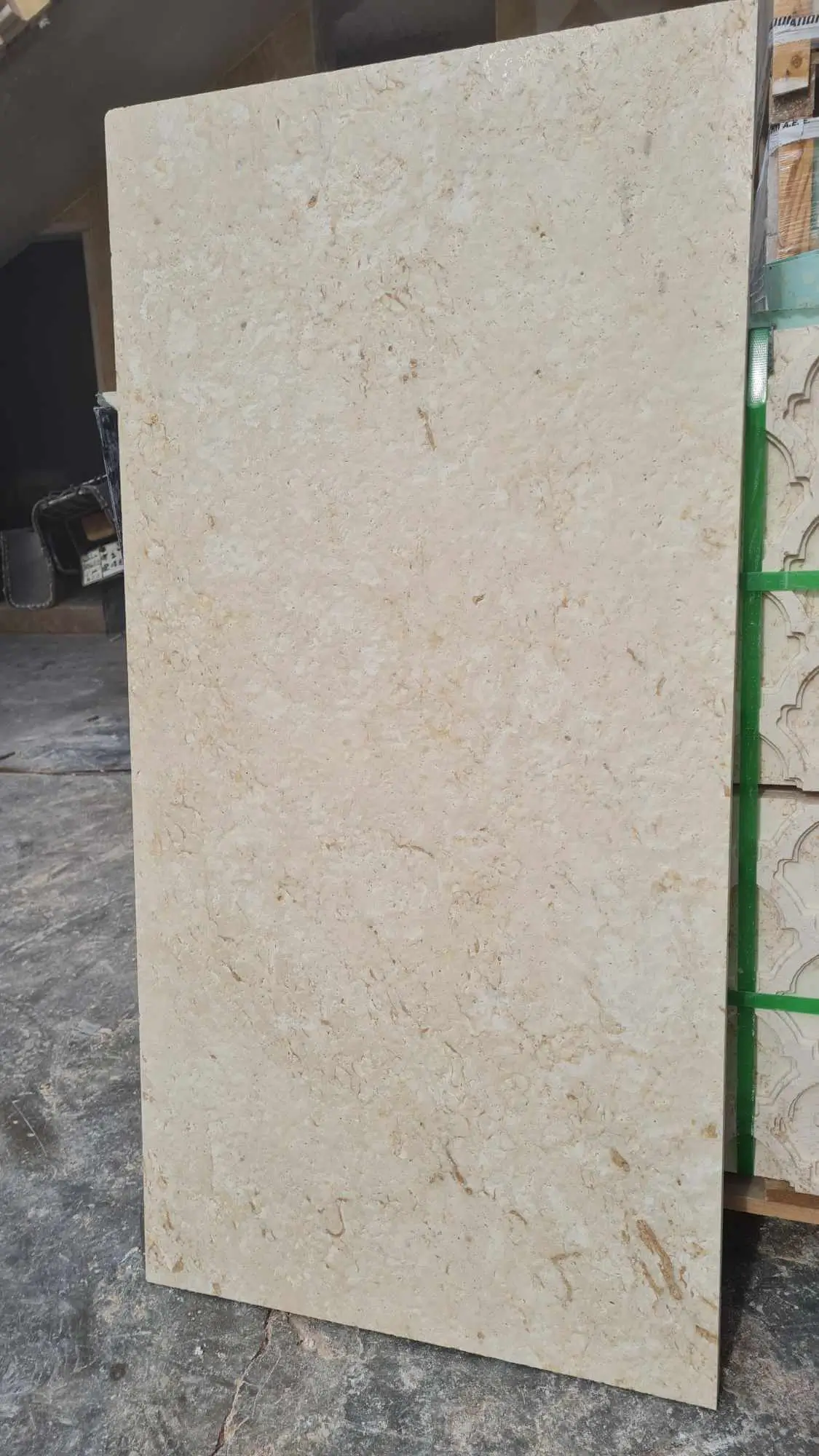
The natural pitting and texture variation in travertine creates micro-level surface irregularities that enhance grip without creating abrasive conditions that damage paw pads. When you specify tumbled or chiseled edge finishes, you’re maximizing these traction characteristics while avoiding the overly smooth surfaces of polished stone that become hazardous when moisture is present. Dog safe pavers Arizona specifications should target DCOF values above 0.50 for areas where pets run and play regularly.
- Tumbled travertine provides optimal traction with DCOF ratings of 0.55-0.62 in wet conditions
- You’ll achieve superior grip compared to glazed pavers or sealed concrete that drop to 0.35-0.42 when wet
- Natural texture variations accommodate dogs ranging from small breeds to large working dogs
- Surface roughness remains consistent over 15-20 year service life without degradation
What separates professional specifications from basic installations is understanding how surface texture interacts with different moisture conditions. Your Arizona installations will primarily encounter moisture from irrigation overspray, pet water bowls, and occasional cleaning rather than rainfall, but you still need to verify wet traction performance meets safety thresholds for active pets.
Porosity and Drainage Characteristics
When you evaluate travertine for pets, the 5-8% porosity range provides critical drainage capabilities that prevent surface water accumulation where dogs walk and rest. This interconnected pore structure allows moisture to permeate through the material rather than pooling on the surface, which reduces slip hazards and eliminates standing water that attracts insects or creates muddy conditions.
You should specify travertine with porosity in the 6-7% range for optimal performance in Chandler pet areas, balancing drainage capability with structural integrity. Below 5% porosity, you’ll encounter drainage issues similar to dense concrete, while above 8% the material becomes more susceptible to staining from pet accidents and requires more frequent sealing maintenance. Your base preparation needs to complement this porosity with drainage layers that channel moisture away from the installation.
The material’s capillary structure wicks moisture downward through gravity and evaporates it through surface area exposure, creating a self-drying effect that keeps pet areas usable within 20-30 minutes after cleaning or irrigation events. When you design dog safe pavers Arizona installations, this rapid drying characteristic prevents the damp surface conditions that promote bacterial growth and odor retention.
Edge Durability and Dig Resistance
Your installation’s most vulnerable areas are edges and transitions where dogs instinctively dig or scratch, and travertine’s compressive strength of 8,000-12,000 PSI provides resistance to this concentrated force application. You’ll find that properly installed travertine maintains edge integrity better than segmented pavers that shift under directional pressure or concrete that chips and spalls when pets excavate along borders.
The challenge you face in pet areas isn’t surface wear from paw traffic but rather focused edge damage from digging behavior, particularly where travertine meets planted areas or lawn transitions. You need to detail these transitions with edge restraints that extend 4-6 inches below finish grade and specify thicker travertine tiles (minimum 1.25 inches) along dig-prone perimeters to resist displacement from repetitive scratching.
- You should install edge restraints with mechanical anchoring every 18-24 inches in pet areas
- Your specification must account for undermining potential where persistent diggers target transitions
- Travertine thickness should increase to 1.5-2 inches along fence lines and planting borders
- Edge pieces require adhesive bonding to base layer in high-risk zones
What professional specifiers recognize is that travertine’s monolithic character prevents the joint separation issues common with smaller pavers when dogs dig repeatedly at the same locations. Your larger format tiles reduce joint count and create fewer weak points where digging can compromise installation integrity.
Stain Resistance and Maintenance
When you maintain pet-friendly travertine Chandler installations, you’re working with a calcite-based material that responds to pet accidents differently than synthetic surfaces. The natural alkalinity of travertine (pH 8-9) provides some inherent resistance to odor absorption, but you’ll need proper sealing protocols to prevent organic staining from urine and other biological materials that contact the surface regularly.
You should specify penetrating sealers rather than topical coatings for pet areas, as surface films wear unevenly under paw traffic and create slip hazards when partially degraded. Penetrating sealers fill the pore structure 2-4mm below the surface, blocking stain penetration while maintaining the natural texture and breathability your installation requires. Your maintenance program needs to include resealing every 18-24 months in high-use pet areas compared to 36-48 months for general applications.
The material’s light color variations naturally camouflage minor discoloration better than uniform concrete or dark pavers where every stain creates obvious contrast. When you select ivory or beige travertine tones, you’re choosing colors that mask the inevitable surface variations from outdoor pet use while maintaining the cooling properties lighter materials provide.
Joint Spacing for Pet Areas
Your joint specifications for Chandler pet areas require tighter tolerances than standard installations because dogs’ claws can catch in wider joints, creating discomfort and potential injury during active play. You need to maintain joint spacing between 1/8 and 3/16 inches maximum, using polymeric sand that locks firmly to prevent displacement from digging or scratching behavior along joint lines.
The thermal expansion coefficient of travertine (5.3 × 10⁻⁶ per °F) determines your maximum tile size before expansion joints become necessary, but in pet applications you’re balancing expansion requirements against minimizing joint count where claws can penetrate. You’ll achieve optimal results with 16×24 inch or 12×24 inch tile formats that reduce joints while staying within manageable expansion parameters for Arizona’s 60-80°F annual temperature swings.
- You should specify polymeric sand rated for minimum 4,000 PSI compressive strength
- Your joint fill must cure to hardness that resists digging and scratching displacement
- Expansion joints are required every 20 feet in full sun exposure areas
- Joint depth should reach 100% of travertine thickness for proper sand interlock
What catches many specifiers off-guard is how dogs target loose joint sand as digging initiation points, progressively widening joints until tile edges become exposed and vulnerable to damage. You need joint compounds that cure to near-concrete hardness while maintaining some flexibility for thermal movement.
Comparative Performance Analysis
When you evaluate pet surface options, you’re comparing travertine against concrete, flagstone, and synthetic pavers across multiple performance criteria. Travertine outperforms concrete in thermal comfort by 25-40°F during peak heat, provides superior drainage compared to solid concrete surfaces, and delivers comparable durability at lower installed cost than premium flagstone alternatives.
You’ll find that dog safe pavers Arizona made from travertine offer better long-term value than synthetic pavers that degrade under UV exposure and lose slip resistance as surface textures wear. The 20-30 year service life of properly installed travertine exceeds the 12-18 year expectancy of colored concrete pavers that fade and spall in Arizona’s climate, making the material selection decision about lifecycle cost rather than initial installation expense.
Your comparative analysis should weight thermal performance heavily in Arizona applications, as surface temperatures directly determine usability during 4-5 months of peak summer heat. Materials that remain 15-20°F cooler than alternatives extend daily usable hours by 3-4 hours, which translates to significantly improved outdoor access for pets throughout the year.
Base Preparation Requirements
You need base specifications that support the material’s weight and traffic loads while providing the drainage performance pet areas require. Your typical base section should include 4-6 inches of compacted Class II road base over native soil, topped with 1 inch of bedding sand that accommodates minor leveling adjustments during installation.
The compaction requirements you specify must reach 95% modified Proctor density to prevent settlement that creates low spots where water accumulates. When you’re installing in Chandler’s native soils, you’ll frequently encounter caliche layers that require excavation and replacement with engineered fill to achieve proper drainage gradients and stable substrate conditions.
- You should verify base gradient maintains minimum 2% slope away from structures
- Your base material must provide permeability exceeding 15 inches per hour
- Compaction testing is required at mid-depth and finish grade elevations
- Base thickness increases to 8-10 inches in areas with heavy clay content soils
What professional installers recognize is that inadequate base preparation causes 70-80% of installation failures in pet areas, where drainage deficiencies create subsurface saturation that leads to efflorescence, settling, and premature joint deterioration. You can’t compensate for poor base work with premium surface materials.
Installation Timing and Conditions
Your installation schedule for pet-friendly travertine Chandler projects needs to avoid summer months when ambient temperatures exceed 105°F and surface temperatures make material handling dangerous. You’ll achieve best results installing during October through April when temperatures range from 65-85°F and allow proper curing of bedding mortars and joint compounds without accelerated moisture loss.
The setting materials you use cure through hydration reactions that require moisture retention for 48-72 hours, but Arizona’s low humidity (often 10-20% during installation season) causes rapid surface drying that weakens bonds. You need to specify misting protocols that maintain surface moisture without flooding joints, particularly during the first 24 hours after installation when curing is most critical.
When you schedule installations, you should account for 3-5 day cure periods before allowing pet access to new surfaces. Premature traffic disrupts setting materials and can displace tiles before adhesive bonds reach full strength, creating the joint separation and edge lifting issues that compromise long-term performance.
Sealing Protocols for Pet Applications
You need sealing specifications that protect travertine from pet-related staining without creating surface films that reduce slip resistance or trap subsurface moisture. Your sealer selection should prioritize penetrating siloxane or silane products that chemically bond within the pore structure rather than coating the surface with acrylic or urethane films.
The application timing you specify must allow travertine to cure completely after installation, typically 30-45 days in Arizona’s dry climate, before sealer application. Premature sealing traps construction moisture and setting material residues that cause efflorescence and bonding failures once the installation is subjected to thermal cycling and pet use.
- You should specify two-coat sealer applications with 4-6 hour cure time between coats
- Your sealer must provide water repellency without reducing surface DCOF below 0.50
- Resealing intervals need to occur every 18-24 months in active pet areas
- Surface preparation requires cleaning and pH neutralization before each sealer application
What differentiates professional specifications is understanding that sealers don’t make travertine stain-proof but rather stain-resistant, buying you time to clean pet accidents before they penetrate into the material’s pore structure. You need realistic client expectations about maintenance requirements in pet applications.
Common Specification Mistakes
When you review failed pet-area installations, you’ll identify recurring specification errors that compromise performance. The most common mistake is undersizing travertine thickness, specifying 3/4 inch material where 1.25-1.5 inch tiles are necessary to resist the concentrated loads and edge forces pets generate during active use.
You’ll encounter installations that failed because specifiers chose polished or honed-smooth finishes that provide inadequate traction when wet, prioritizing aesthetics over the functional slip resistance dog safe pavers Arizona require. The surface finish you select determines whether your installation succeeds or creates liability concerns from pets slipping during normal use.
- Inadequate edge restraint that allows perimeter tiles to shift under digging pressure
- Incorrect joint sand specification using standard mason sand instead of polymeric compounds
- Insufficient base drainage leading to efflorescence and subsurface instability
- Wrong sealer type creating slippery surfaces or trapping moisture below tiles
Your specification review process should verify that every detail addresses pet-specific loads and use patterns rather than simply adapting standard paving details. The installation that works for pedestrian plazas won’t necessarily perform in areas where dogs run, dig, and generate concentrated forces that exceed typical foot traffic.
Citadel Stone Travertine Stone Arizona Applications
When you consider Citadel Stone’s Travertine Stone Arizona for your Chandler project, you’re evaluating premium natural stone designed specifically for desert climate performance and pet-friendly applications. At Citadel Stone, we provide technical guidance for installations across Arizona’s diverse urban and suburban environments where outdoor pet areas require materials that balance durability, thermal comfort, and long-term value. This section outlines how you would approach specification decisions for three representative Valley cities with distinct microclimates and installation considerations.
Your material selection process should account for regional temperature variations, soil conditions, and typical residential lot configurations that influence installation details. The hypothetical scenarios below demonstrate how professional specifications adapt core travertine performance characteristics to local conditions while maintaining the pet-safety criteria that drive material selection.
Yuma Heat Considerations
In Yuma’s extreme desert climate where summer temperatures regularly exceed 115°F, you would specify light-colored tumbled travertine with maximum reflectivity to keep surface temperatures within the 130-140°F range that remains marginally safe for brief pet contact during peak heat. Your installation would require afternoon shade structures over primary pet pathways, as even optimal travertine selections reach temperatures that necessitate protected routes during June through August. The region’s minimal humidity means you’d achieve rapid surface drying after cleaning, but you would need to account for intense UV exposure that accelerates sealer degradation, requiring resealing intervals at the shorter 18-month cycle.
Mesa Soil Interactions
Your Mesa specifications would address the area’s expansive clay soils that create subsurface movement affecting base stability. You would detail base sections with 8-10 inches of engineered fill replacing native clay to depths of 14-18 inches, providing stable substrate that won’t heave during moisture fluctuations. The travertine selection would prioritize 1.5-inch thickness to resist differential movement, and you’d specify flexible joint compounds that accommodate minor base shifts without cracking. At Citadel Stone, we recommend addressing soil conditions during initial planning rather than attempting remediation after installation failures occur.
Gilbert Residential Applications
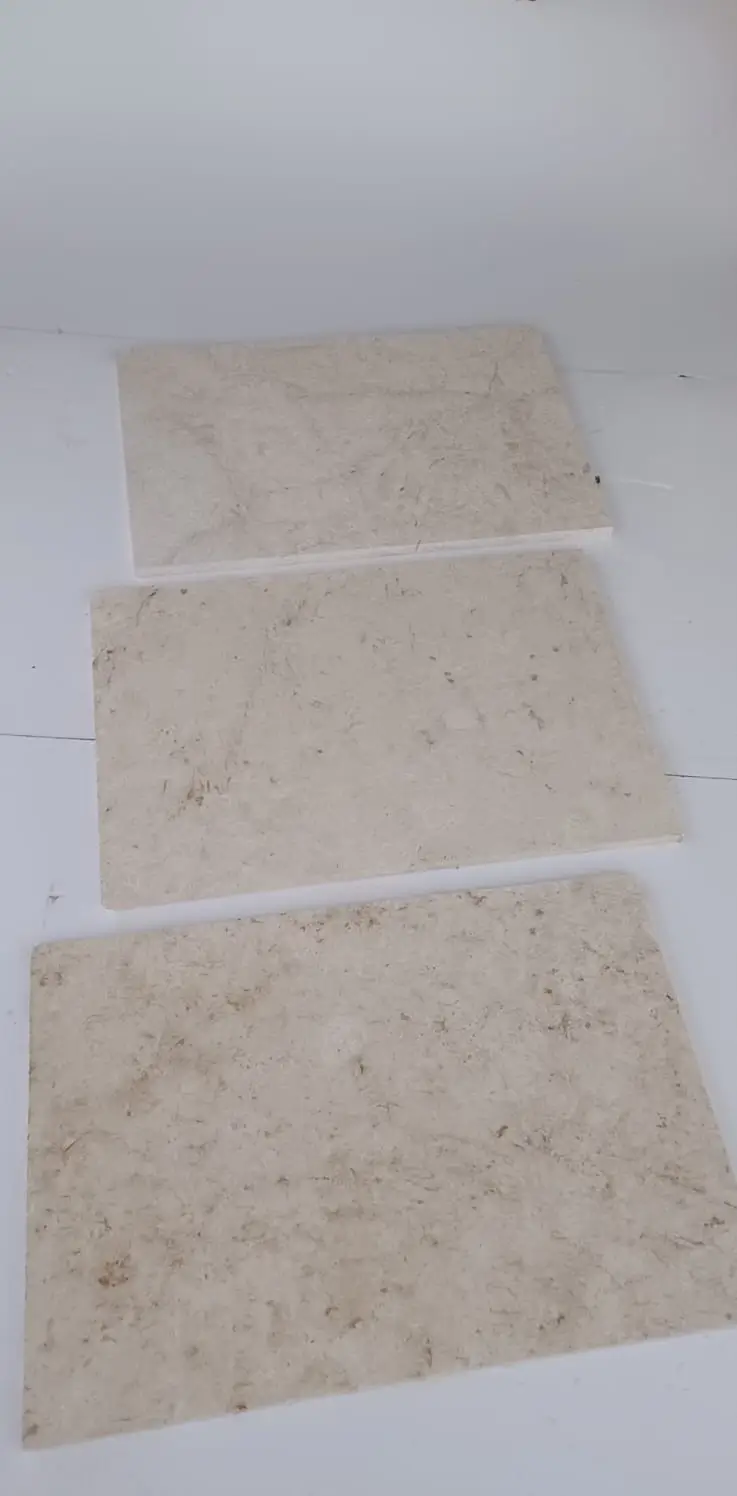
In Gilbert’s planned communities with typical 7,500-10,000 square foot lots, you would design pet areas that integrate with existing hardscape and landscaping while providing dedicated zones for dog activity. Your specifications would include travertine installations of 300-500 square feet connecting to covered patios, creating shaded transition areas where pets move between climate-controlled and outdoor spaces. The design would incorporate subtle drainage gradients directing runoff to planted areas rather than toward structures, and you’d detail edge transitions using the same travertine as vertical curbs that define pet zones while resisting dig damage along borders.
Professional Specification Framework
Your complete specification package for pet-friendly travertine Chandler installations should include material performance criteria, installation standards, and maintenance protocols that address the unique demands pets place on outdoor surfaces. You need documentation that communicates thermal performance requirements, slip resistance thresholds, joint specifications, and sealing protocols in language contractors can execute and inspectors can verify.
The specification format you use should separate material standards from installation requirements, allowing you to maintain consistent performance criteria while adapting base preparation and setting details to site-specific soil conditions and access constraints. You’ll find that well-structured specifications reduce field questions by 60-70% and virtually eliminate the material substitution requests that compromise pet-safety characteristics.
- You should reference ASTM C1528 for slip resistance with minimum DCOF 0.50 in wet conditions
- Your material specifications must define acceptable porosity range of 5.5-7.5% for drainage performance
- Installation standards need to address compaction testing frequencies and acceptance criteria
- Maintenance requirements should specify sealer types, application intervals, and surface preparation methods
When you develop comprehensive specifications, you’re creating accountability frameworks that ensure your design intent translates to field execution. The gaps between design assumptions and installed reality cause most performance failures in pet applications where material selection alone doesn’t guarantee success without proper installation rigor. For additional installation insights, review Effective polymeric sand application for preventing weed growth before you finalize your project documents. Our robust logistics network makes us the most efficient travertine distributors in Arizona for statewide shipping.