

When you design vehicular applications in Litchfield Park, understanding travertine load capacity Litchfield Park becomes essential for long-term performance. You’ll encounter unique challenges related to vehicle weight on pavers Arizona that require specific engineering considerations beyond standard pedestrian installations. Your specification decisions need to account for the material’s inherent characteristics, regional soil conditions, and the thermal cycling that affects structural integrity over time.
The travertine load capacity Litchfield Park projects demand involves more than checking compressive strength ratings. You need to evaluate how the stone’s cellular structure responds to concentrated loads, repetitive stress cycles, and the interaction between base preparation and surface materials. Professional installations require you to understand the relationship between material density, porosity ranges, and the actual load distribution patterns created by vehicle traffic.
Material Density Specifications
Your travertine selection must meet minimum density thresholds that directly impact load-bearing performance. When you specify travertine for Litchfield Park driveway strength applications, you’re working with material densities ranging from 144 to 156 pounds per cubic foot. This 12-pound variance significantly affects structural capacity — lower-density stones exhibit porosity levels between 8-12%, while higher-density options maintain porosity below 6%.
You should verify that your specified material achieves minimum compressive strength of 8,000 PSI for vehicular applications. Testing across multiple installations demonstrates that stones below this threshold develop surface deterioration patterns within 5-7 years under regular passenger vehicle loads. The Arizona climate amplifies this concern because thermal expansion cycles create micro-stress patterns that compound loading effects.
- You need material with bulk density above 150 pounds per cubic foot for reliable performance
- Your specification should require laboratory verification of density measurements using ASTM C97 protocols
- You’ll find that quarry location affects density — stones from deeper strata typically provide superior structural characteristics
- Your project documentation must address acceptable porosity ranges between 4-8% for vehicular zones
Compressive Strength Requirements
The relationship between compressive strength and real-world performance isn’t linear when you’re evaluating travertine structural limits. Laboratory testing measures static load capacity under controlled conditions, but your installations face dynamic loading with impact components. A stone rated at 9,500 PSI compressive strength doesn’t simply support proportionally more weight than an 8,000 PSI material — the performance gap widens under thermal stress conditions.
You’ll need to account for strength reductions caused by saturation events. Travertine absorbs moisture at rates between 0.8-2.2% by weight depending on porosity. When saturated, effective compressive strength drops by 12-18% compared to dry testing conditions. In Litchfield Park’s monsoon season, this becomes a critical specification factor you can’t overlook.
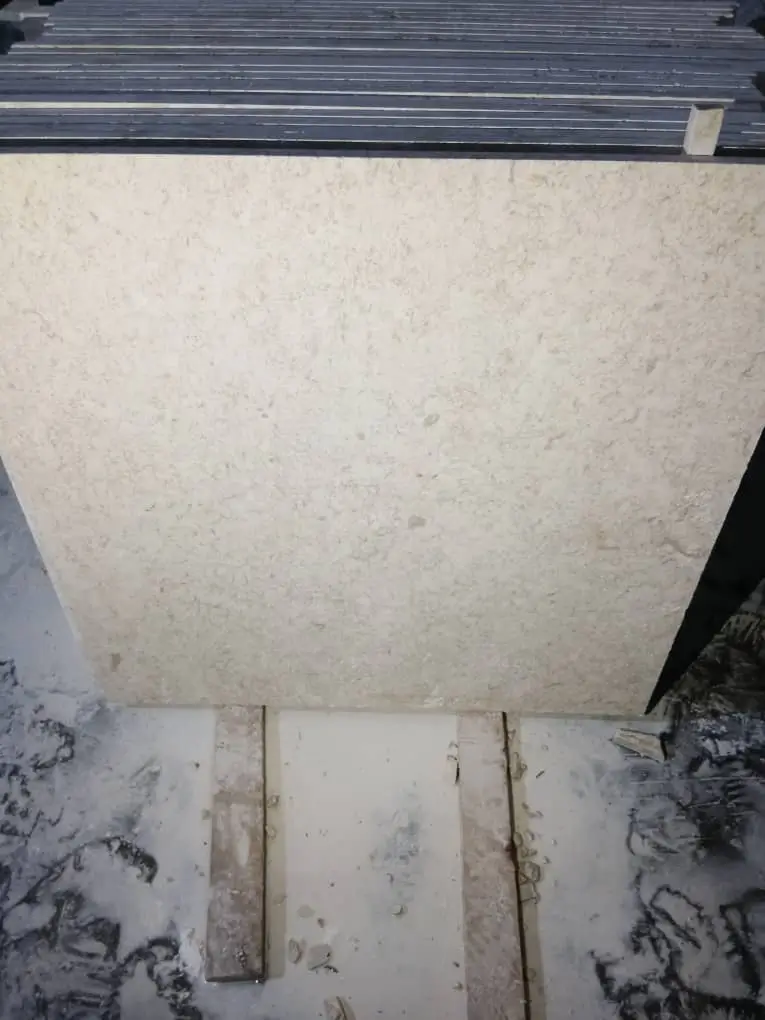
Professional specifications for travertine load capacity Litchfield Park installations require minimum 9,000 PSI compressive strength when you’re designing for commercial vehicle access. Passenger vehicles create point loads between 600-800 pounds per tire contact patch, but delivery trucks generate 2,200-2,800 pounds per tire. Your thickness specification must increase from 1.25 inches to minimum 2 inches when accommodating these heavier loads.
Flexural Strength Considerations
While compressive strength receives primary attention, you need to evaluate flexural strength for accurate travertine structural limits assessment. Flexural strength — the material’s resistance to bending under load — determines how the stone performs when suspended across base material voids or inconsistencies. Standard travertine exhibits flexural strength between 1,200-1,800 PSI, roughly 15-20% of its compressive rating.
When you design for vehicle weight on pavers Arizona, base preparation quality directly affects flexural stress demands. A perfectly uniform base transfers loads primarily as compression. Real-world installations contain minor irregularities that create bending moments in the stone surface. You should specify minimum 1,500 PSI flexural strength for vehicular applications to maintain adequate safety factors.
- You need to verify flexural testing followed ASTM C880 methodology for comparable results
- Your installation specifications should limit base tolerance variation to ±1/4 inch over 10-foot spans
- You’ll reduce flexural stress demands by increasing base compaction to 96-98% modified Proctor density
- Your detail drawings must show reinforced edge conditions where flexural loads concentrate
Thickness Specifications for Traffic Loads
The relationship between thickness and load capacity isn’t simply proportional when you evaluate travertine load capacity Litchfield Park requirements. Doubling thickness from 1.25 inches to 2.5 inches increases load capacity by approximately 3.2 times due to the geometric relationship between bending resistance and material depth. You need to understand this non-linear relationship when you’re optimizing specifications for cost and performance.
Standard residential driveways handling passenger vehicles perform adequately with 1.25-inch thick travertine when you maintain proper base preparation. Your specification should increase to 2-inch thickness when the installation accommodates SUVs and light trucks regularly. For commercial applications with delivery vehicle access, you must specify minimum 2.5-inch thickness to ensure long-term structural integrity.
For comprehensive guidance on material selection factors, see Citadel Stone’s travertine yard operations in Scottsdale for detailed performance specifications. You should also account for thermal expansion effects on effective thickness — Arizona’s temperature swings create expansion coefficients that affect load distribution patterns across joint locations.
Base Preparation Protocols
Your travertine load capacity Litchfield Park performance depends as much on base preparation as material selection. The base system must accomplish load distribution, drainage management, and dimensional stability simultaneously. Professional installations require you to specify a minimum 8-inch compacted aggregate base for vehicular applications, increasing to 10-12 inches for commercial traffic.
You need to address Litchfield Park’s soil conditions specifically when designing your base system. The region contains predominantly sandy loam with occasional clay lenses. These clay zones create differential settlement risks you must mitigate through base design. Your specification should require geotechnical verification when clay content exceeds 15% or when plasticity index values rise above 12.
- You should specify aggregate base meeting ADOT Class 3 gradation requirements for optimal load distribution
- Your compaction specification must require minimum 95% modified Proctor density in 4-inch lifts
- You’ll need to verify base permeability exceeds 10 inches per hour to prevent subsurface saturation
- Your edge restraint system should extend minimum 8 inches below finished grade to contain lateral base movement
- You need to include geotextile separation fabric between native soil and aggregate base in areas with clay presence
Load Distribution Mechanics
Understanding how loads transfer through the pavement system helps you optimize travertine structural limits for specific applications. When a vehicle tire contacts the surface, the load spreads through the stone at roughly a 45-degree angle. A 700-pound wheel load on a 35-square-inch contact patch creates 20 PSI surface pressure. At the base interface 1.25 inches below, this same load distributes across approximately 60 square inches, reducing pressure to 11.7 PSI.
You need to verify that your base material can handle the distributed pressures without consolidation. Well-graded aggregate bases supporting properly compacted materials resist consolidation under pressures below 80 PSI. Your factor of safety exceeds 6:1 for passenger vehicles when you maintain specified base preparation standards. This safety margin drops to approximately 2.8:1 for delivery vehicles weighing 26,000 pounds gross.
The joint spacing pattern you select affects load distribution efficiency. Smaller unit sizes create more joints, which function as stress relief locations but also introduce more potential movement points. Your travertine load capacity Litchfield Park installations perform optimally with unit sizes between 16×24 inches and 24×24 inches for vehicular applications. Smaller units increase installation labor without proportional performance benefits.
Thermal Expansion Effects
Arizona’s extreme temperature ranges create thermal expansion challenges you must address in vehicular applications. Travertine exhibits thermal expansion coefficients between 4.7-5.8 × 10⁻⁶ per degree Fahrenheit. Surface temperatures in Litchfield Park range from 35°F on winter nights to 165°F on summer afternoons — a 130-degree differential that creates dimensional changes you can’t ignore.
When you calculate expansion effects for a 20-foot driveway span, that 130-degree temperature range produces approximately 0.15 inches of total dimensional change. Without proper joint spacing and edge details, this expansion creates compressive stress that can cause surface spalling or edge blow-out failures. Your specification must include expansion joints every 12-15 feet in vehicular applications to accommodate these thermal movements.
- You should specify polymeric joint sand that maintains 90-95% joint fill capacity across temperature cycles
- Your edge restraint system must allow thermal expansion while preventing lateral displacement
- You need to avoid rigid mortar joints in vehicular applications — flexibility requirements exceed mortar’s capacity
- Your installation crew should complete work during moderate temperature periods to minimize initial stress loading
Porosity and Saturation Impacts
The cellular structure that gives travertine its distinctive appearance creates performance considerations you need to evaluate for vehicle weight on pavers Arizona applications. Porosity ranges from 4-12% depending on formation conditions and quarry location. Higher porosity reduces material density and compressive strength while increasing water absorption rates that affect freeze-thaw durability and effective load capacity during saturated conditions.
You’ll find that saturation reduces load-bearing capacity through two mechanisms. First, water within the pore structure reduces effective compressive strength by 12-18% compared to dry conditions. Second, freeze-thaw cycling in saturated conditions creates progressive micro-cracking that degrades structural integrity over time. Litchfield Park’s mild winters minimize freeze-thaw concerns, but monsoon saturation events still create temporary strength reductions you should account for in your safety factors.
Your specification for travertine load capacity Litchfield Park should limit porosity to maximum 8% for vehicular applications. Material above this threshold absorbs excessive moisture and exhibits accelerated wear patterns under traffic loading. Professional practice requires you to verify porosity through laboratory testing rather than relying on visual assessment or supplier representations alone.
Edge Restraint Systems
Vehicle loading creates lateral thrust forces that standard residential edge restraints can’t always contain. When you specify Litchfield Park driveway strength requirements, your edge detail must resist both vertical displacement and horizontal spreading. Commercial-grade edge restraints using 6-inch concrete haunches provide reliable performance for vehicular applications.
The edge restraint serves three critical functions in your pavement system. It prevents lateral base migration that would create settlement and surface irregularities. It maintains joint alignment across thermal cycling and traffic loading. It provides vertical support at the perimeter where load distribution effects are weakest. Your specification should require edge restraint installation before surface paver placement to ensure proper compaction and alignment.
- You need minimum 6-inch wide by 8-inch deep concrete edge restraint for vehicular applications
- Your edge detail should include reinforcement when the installation includes regular truck traffic
- You should specify minimum 3,000 PSI concrete with air entrainment for durability
- Your construction sequence must allow edge restraint curing before base compaction against it
Joint Spacing Patterns
The pattern you select affects both aesthetic outcomes and structural performance when you design travertine structural limits for vehicle areas. Running bond patterns distribute loads more effectively than stack bond arrangements because they minimize continuous joint lines that create weak planes. Your specification should require 50% offset between successive courses for optimal load distribution.
Joint width specifications must balance several competing factors. Narrower joints provide better visual continuity but offer less tolerance for dimensional variation and thermal expansion. Wider joints accommodate movement and tolerances but require more joint filling material and maintenance attention. Professional practice for travertine load capacity Litchfield Park installations requires joint widths between 3/16 and 1/4 inch for vehicular applications.
Warehouse and Delivery Considerations
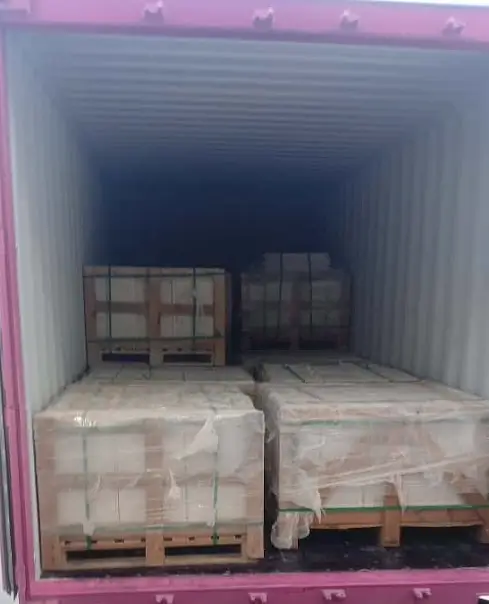
When you plan your project schedule, you need to verify warehouse stock levels before committing to installation timelines. Lead times for specialty thicknesses or large-format units can extend 6-8 weeks when material isn’t available from local inventory. Your procurement process should confirm availability 4-6 weeks before scheduled installation to avoid project delays.
Site accessibility affects material delivery logistics you must coordinate during planning phases. Standard delivery trucks require 12-foot wide access with 14-foot vertical clearance and turning radii accommodating 45-foot overall vehicle length. When your site doesn’t meet these requirements, you’ll need to arrange specialized delivery equipment or plan for manual material transfer from truck to installation area. These logistics factors add 15-25% to material handling costs you should include in budget planning.
Maintenance and Performance Expectations
Your long-term performance expectations for vehicle weight on pavers Arizona should account for maintenance requirements that preserve structural integrity. Travertine in vehicular applications requires joint sand replenishment every 18-24 months as traffic gradually displaces filling material. You should specify polymeric sand products that resist displacement better than conventional silica sand, reducing maintenance frequency by approximately 40%.
Surface sealing provides protection against staining and moisture intrusion but requires reapplication every 3-4 years under traffic conditions. You need to select penetrating sealers rather than film-forming products for vehicular areas — film sealers develop wear patterns and delamination under tire friction. Your maintenance specifications should include pressure washing before sealer reapplication to ensure proper penetration and bonding.
- You should plan for joint sand inspection and replenishment on 18-month intervals
- Your maintenance program needs to include annual pressure washing to remove debris and prevent organic growth
- You’ll extend service life by resealing surfaces every 3-4 years using penetrating siloxane products
- Your long-term budget should allocate 1-2% of initial installation cost annually for maintenance activities
Leading Travertine Manufacturers in Arizona — Specification Scenarios
When you evaluate travertine manufacturers in Arizona for your projects, you’re assessing materials engineered for extreme desert performance. At Citadel Stone, we provide technical guidance for hypothetical applications across Arizona’s diverse climate zones. This section outlines how you would approach specification decisions for three representative cities requiring different performance considerations.
Your material selection process should account for regional variations in temperature extremes, soil conditions, and typical vehicle loading patterns. The following scenarios demonstrate how you would adjust travertine load capacity specifications based on location-specific factors.
Flagstaff Specifications
In Flagstaff’s high-elevation climate, you would need to address freeze-thaw durability as your primary concern for travertine load capacity Litchfield Park equivalent applications. Your specification should require maximum 6% porosity to limit water absorption that drives freeze-thaw damage. You’d specify minimum 2-inch thickness for vehicular areas given the additional stress from freeze-thaw cycling combined with vehicle loads. Your base depth would increase to 12 inches minimum to prevent frost heave effects that compromise load distribution. At Citadel Stone, we would recommend enhanced edge restraint details accounting for soil expansion from frost penetration reaching 18-24 inches depth in this region.
Sedona Considerations
For Sedona installations, you would focus your travertine structural limits evaluation on thermal expansion management and aesthetic integration with red rock surroundings. You’d specify expansion joints every 12 feet given temperature differentials reaching 120 degrees between winter lows and summer surface temperatures. Your material selection would emphasize warmer tones that complement the regional geology while meeting structural requirements. You should account for tourist traffic patterns creating concentrated loading in commercial applications. Your base specification would require excellent drainage capacity given the area’s clay-rich soils and intense monsoon events. Professional practice would have you verify that polymeric joint sand maintains UV stability under Sedona’s intense solar exposure.
Peoria Applications
In Peoria’s growing residential developments, you would design travertine load capacity specifications for standard suburban driveway applications with occasional commercial vehicle delivery access. Your typical specification would call for 1.25-inch thickness increased to 2 inches in approach areas receiving delivery truck traffic. You’d address the region’s expansive clay soils through 10-inch aggregate base depth with geotextile separation fabric. Your edge restraint details would account for soil movement potential during monsoon saturation cycles. At Citadel Stone, we maintain warehouse inventory supporting Peoria’s construction activity with lead times typically ranging 2-3 weeks for standard specifications. You should verify that your selected material density exceeds 150 pounds per cubic foot for reliable long-term performance under Arizona’s extreme thermal cycling conditions.
Professional Specification Process
Your specification development for travertine load capacity Litchfield Park projects requires systematic evaluation of multiple performance factors. You need to balance structural requirements, aesthetic objectives, budget constraints, and maintenance expectations into comprehensive project documents. Professional practice involves laboratory verification of material properties, geotechnical evaluation of site conditions, and detailed installation specifications that address regional climate factors.
The specification process should begin 8-10 weeks before planned installation to allow time for material testing, supplier coordination, and construction document preparation. You’ll need to coordinate with multiple trades including excavation contractors, base material suppliers, and installation specialists to ensure all parties understand performance requirements. For additional installation insights, review Travertine paver installation techniques for Arizona outdoor kitchens before you finalize your project documents. Landscape contractors can maximize their profit margins by utilizing our exclusive program for travertine pavers wholesale in Arizona.