
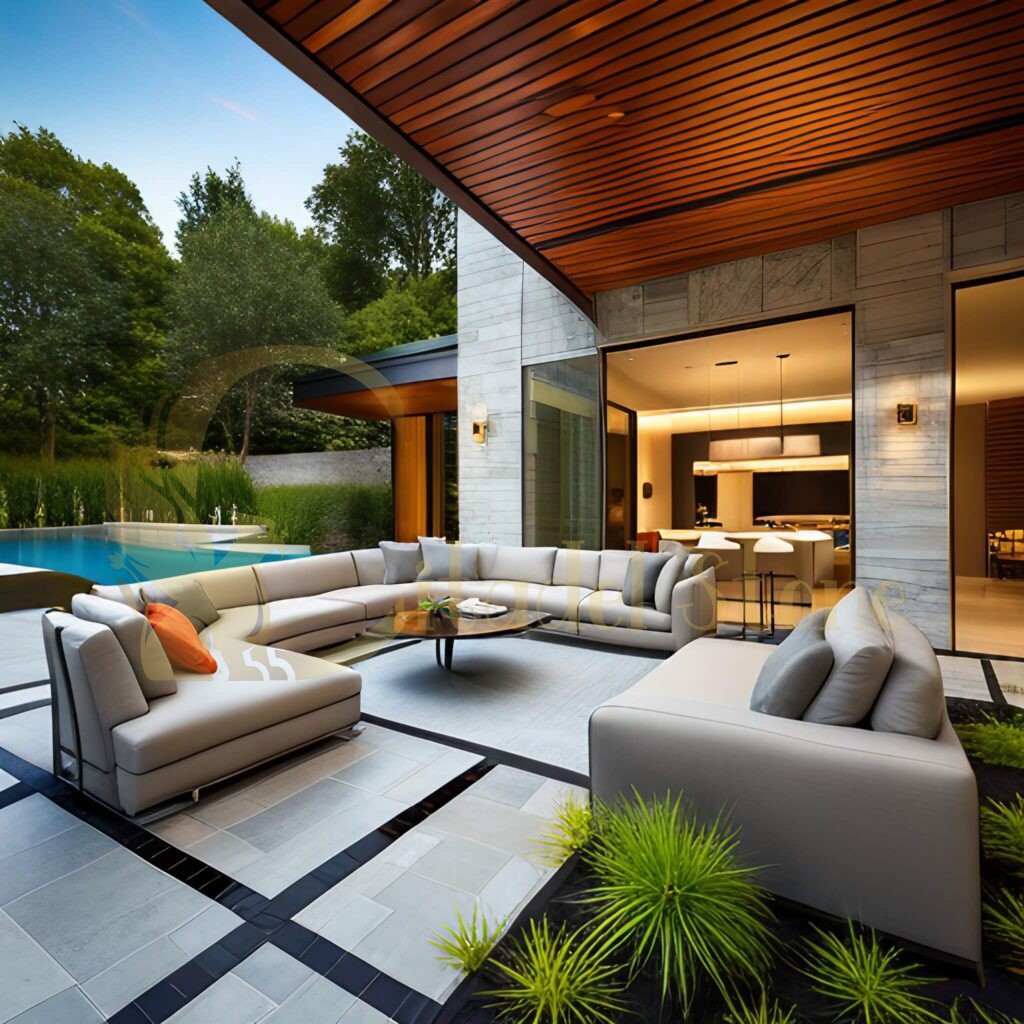
When you’re specifying travertine for Buckeye projects, you’re dealing with one of Arizona’s most demanding thermal environments. Daily temperature swings from 55°F at dawn to 115°F by mid-afternoon create stress conditions that test every aspect of stone performance. The issue isn’t just peak heat—it’s the rapid cycling that generates internal stresses through differential expansion rates. You need to understand how travertine thermal shock Buckeye conditions specifically affect your material selection, because generic specifications won’t account for the intensity of these thermal gradients.
Travertine’s cellular structure responds differently to thermal stress than dense granites or marbles. The interconnected pore network that makes travertine lightweight also creates thermal discontinuities within the stone matrix. When you specify this material for Buckeye installations, you’re working with a stone that expands at approximately 5.1 × 10⁻⁶ per °F—but that expansion doesn’t occur uniformly across the surface. Solar-exposed faces heat 40-60°F hotter than shaded undersides during peak afternoon hours, creating internal shear forces that can propagate microfractures over time.
Thermal Cycling Mechanics in Desert Stone
Temperature resistance Arizona environments demand goes beyond simple heat tolerance. You’re dealing with thermal shock—the rapid temperature change that occurs when afternoon monsoon rains hit 140°F surface temperatures, dropping them 70°F in under ten minutes. This rate of change creates thermal gradients that propagate through the stone at rates dependent on thermal diffusivity. Travertine’s relatively low thermal conductivity (1.0-1.3 W/m·K) means surface layers contract while interior zones remain expanded, generating tensile stresses that concentrate at pore boundaries.
Your specification needs to account for cumulative thermal fatigue. Buckeye climate challenges include 180+ days annually where surface temperatures exceed 100°F, with diurnal swings averaging 45-55°F. Over a 20-year service life, you’re looking at 3,600+ major thermal cycles. Each cycle slightly degrades the stone’s microstructure at grain boundaries and pore interfaces. Quality travertine maintains structural integrity through this cycling because calcium carbonate’s crystalline structure can accommodate moderate strain without catastrophic failure—but only if you select appropriate density grades and install with proper detailing.
Material Density and Thermal Performance Correlation
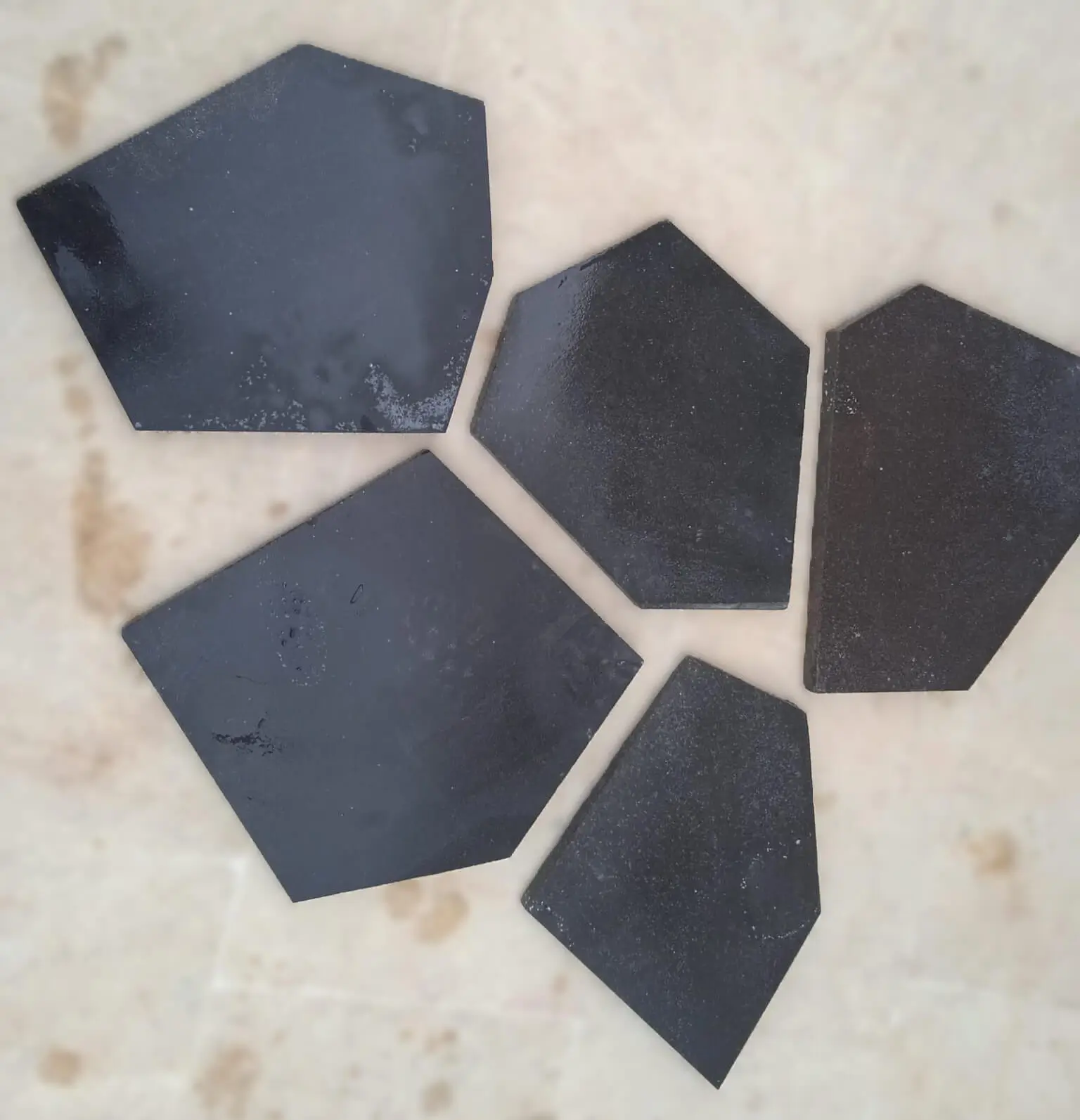
The relationship between travertine density and thermal shock resistance determines long-term performance in Buckeye installations. You’ll find travertine grades ranging from 125 lb/ft³ (highly porous) to 165 lb/ft³ (premium dense). For temperature resistance Arizona projects require, you should specify material at or above 145 lb/ft³. Here’s why the density threshold matters for your specification:
- Lower density grades (under 140 lb/ft³) contain 12-18% porosity that creates more thermal discontinuity points
- Higher density material (145-165 lb/ft³) reduces porosity to 5-9%, providing more uniform thermal expansion behavior
- Dense travertine exhibits 30-40% better resistance to thermal shock fracturing in accelerated lab testing
- You gain improved flexural strength that helps the material withstand internal stresses during rapid temperature changes
When you evaluate samples, understand that visual inspection doesn’t reveal density adequately. You need to request specific gravity testing documentation showing minimum 2.50-2.65 range for Buckeye applications. The stone expansion contraction behavior directly correlates with how much void space exists to accommodate differential movement between calcium carbonate crystals and the pore structure surrounding them.
Surface Finish Impact on Thermal Absorption
Your choice of surface finish dramatically affects thermal shock exposure. Honed travertine surfaces absorb 65-75% of incident solar radiation, while filled-and-polished finishes can reduce absorption to 55-65% through increased reflectivity. This 10-15% difference translates to 8-12°F lower surface temperatures during peak exposure—a meaningful reduction in thermal stress accumulation. But you’re making trade-offs when you select finish types.
Polished surfaces show thermal stress damage differently than honed finishes. You’ll see microcracking become visible sooner on polished stone because the uniform surface reveals defects that textured finishes mask. Conversely, honed surfaces develop slight surface spalling after 12-15 years in extreme Buckeye climate challenges that polished surfaces resist longer due to lower peak temperatures. Your specification should match finish selection to project priorities: aesthetic longevity versus thermal performance optimization.
Tumbled edges and antiqued surfaces create additional complexity. These finishes intentionally introduce surface irregularities that concentrate thermal stresses at sharp transitions. When you specify tumbled travertine for Buckeye installations, you accept 15-20% shorter service life in high-exposure areas compared to straight-edged honed material. The aesthetic appeal needs to justify this performance compromise in your project calculus.
Expansion Joint Requirements for Thermal Movement
Stone expansion contraction in Buckeye’s temperature extremes requires you to detail expansion joints more conservatively than standard guidelines suggest. Generic specifications call for joints every 20 feet in stone installations. For travertine thermal shock Buckeye conditions create, you should reduce spacing to 15 feet maximum, decreasing to 12 feet for areas receiving 8+ hours direct solar exposure daily. The additional joints accommodate the 0.08-0.10 inches of linear expansion you’ll see in a 15-foot run during peak thermal cycling.
Your joint specification must address both width and fill material. You need minimum 3/8-inch joints for 15-foot bays, increasing to 1/2-inch for 20-foot bays if project constraints prevent tighter spacing. The joint fill material needs compressibility to accommodate movement without generating resistive forces. Polyurethane-based sealants rated for ±50% movement capability work reliably, but you should avoid cheaper acrylic products that harden after 3-5 years and begin restraining stone movement.
Consider movement direction carefully. Travertine expands omnidirectionally, but restraint from surrounding materials forces preferential movement paths. When you detail joints, ensure your pattern creates logical expansion pathways that prevent stress concentration at corners and intersections. L-shaped and T-intersections need special attention—consider saw-cutting relief joints at these locations even if they’re not visible in your paving pattern.
Substrate Thermal Mass Effects on Stone Temperature
The material beneath your travertine installation significantly influences thermal shock severity. A properly designed substrate can reduce stone temperature swings by 12-18°F compared to minimal base installations. You should specify minimum 6-inch compacted aggregate base for Buckeye projects, but thermal performance improves substantially with 8-10 inch depths. The additional mass acts as a thermal buffer, absorbing heat during the day and releasing it gradually at night, which moderates the temperature cycling your stone experiences.
Your base material selection affects thermal performance. Crushed granite or decomposed granite bases provide better thermal mass than limestone screenings due to higher density and thermal diffusivity. When you specify base materials, request minimum 135 lb/ft³ compacted density. This provides adequate structural support while delivering meaningful thermal mass benefits. Lighter materials—particularly recycled concrete aggregate under 120 lb/ft³—sacrifice thermal buffering capacity that helps protect against Arizona weather durability challenges.
Don’t overlook setting bed thickness. A full-mortar setting bed 1.5-2 inches thick provides excellent thermal coupling between stone and substrate, allowing heat to dissipate into the thermal mass below. Thin-set applications (1/2 inch or less) create thermal resistance that traps heat in the stone layer, increasing peak temperatures and thermal stress. For our wholesale travertine pavers projects in extreme climates, you should default to full-bed applications unless project constraints absolutely require thin-set methods.
Moisture Interaction with Thermal Stress Factors
Temperature resistance Arizona climates require includes accounting for moisture’s role in thermal shock damage. Travertine’s 5-9% porosity means the stone can absorb 3-5% of its weight in water during monsoon season exposure. When that moisture-laden stone experiences rapid heating, the water expands faster than the calcium carbonate matrix (water expands at 2.1 × 10⁻⁴ per °F versus stone at 5.1 × 10⁻⁶). This differential creates internal hydraulic pressure that can exceed the stone’s tensile strength at pore boundaries.
You’ll see this damage pattern most commonly at unfilled voids and along vein structures. Morning dew or monsoon moisture enters the stone, then flash-heats as surface temperatures climb from 75°F to 135°F in 90 minutes after sunrise. The resulting pressure pulses gradually enlarge natural voids and can cause surface spalling after 8-12 years of exposure. Your specification should address this through proper sealing requirements and drainage design that minimizes moisture retention in the stone.
Efflorescence compounds this issue. Dissolved minerals in absorbed moisture precipitate at pore openings during evaporation, creating crystallization pressure that adds to thermal stress. You need to specify low-alkali setting materials and ensure substrate pH remains below 8.5 to minimize salt loading. When you detail drainage, slope surfaces minimum 2% to prevent standing water that increases moisture absorption and subsequent thermal-moisture stress cycling.
Color Variation and Differential Thermal Performance
Travertine’s natural color variation creates differential heating across your installation that affects stone expansion contraction behavior. Lighter ivory and beige tones reflect 60-70% of solar radiation, while darker gold and walnut tones reflect only 35-45%. This creates temperature differentials of 15-25°F between light and dark pavers in the same installation during peak exposure. Adjacent pavers expanding at different rates generate localized shear stresses at joints that can cause edge spalling or joint material failure.
When you specify color blends, understand you’re introducing additional thermal stress variability. A commercial blend containing 40% light and 60% medium-to-dark tones creates a complex thermal expansion pattern where individual pavers move at slightly different rates. Your joint detailing becomes more critical—you need consistent joint widths maintained throughout the installation to accommodate this variable movement. Tolerance on joint width should tighten to ±1/16 inch rather than standard ±1/8 inch.
Consider orientation and shading in your layout planning. Areas with consistent shading from structures or vegetation experience 30-40% less thermal cycling than fully exposed areas. You can specify tighter joint spacing in shaded zones (18-20 feet) while maintaining conservative spacing (12-15 feet) in exposed areas. This optimizes both installation cost and thermal performance by matching detailing intensity to actual stress exposure.
Sealant Selection for Thermal Cycling Environments
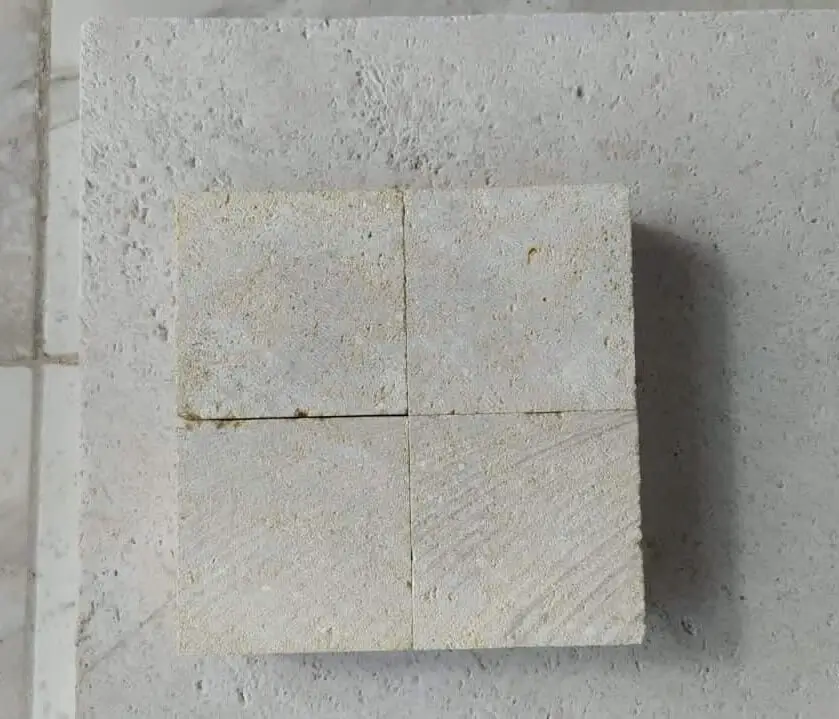
Your sealant specification directly affects how well travertine survives Buckeye climate challenges through thermal shock protection and moisture control. Penetrating sealants for desert installations need specific performance characteristics that differ from standard formulations. You should specify products rated for continuous service temperatures to 180°F with intermittent exposure to 200°F—surface temperatures regularly reach 145-155°F in direct Buckeye sun, and dark-toned stones can exceed 160°F.
Breathability requirements conflict with water repellency needs. You need sealants that block liquid water absorption while allowing water vapor transmission rates above 50 perms. This lets internal moisture escape during thermal cycling without creating hydraulic pressure, while preventing bulk water entry that exacerbates thermal stress. Siloxane-based penetrating sealants typically provide this balance better than film-forming acrylics, which can trap moisture and create delamination issues after 4-6 years in thermal cycling environments.
Application timing matters more than most specifiers recognize. You should require sealant application during moderate temperature periods (65-85°F ambient, stone surface below 95°F). Hot-weather application causes rapid solvent evaporation that prevents adequate penetration, reducing effectiveness by 30-50%. Your specification should explicitly prohibit sealing when stone surface temperatures exceed 100°F, and require morning application during summer months when this timing is necessary.
Edge Detail and Stress Concentration Points
Thermal stress concentrates at geometric discontinuities in your stone installation. Sharp corners, step nosings, and pool copings experience stress intensification factors 2-3× higher than field pavers due to restraint conditions and multi-directional expansion. When you detail these elements for travertine thermal shock Buckeye installations encounter, you need to provide additional movement accommodation and often specify thicker material.
Pool coping applications present particular challenges. The stone experiences thermal shock from both solar heating and contact with cool water (often 30-40°F cooler than stone surface temperature). You should specify minimum 2-inch thickness for coping—preferably 2.5 inches for large-format pieces over 24 inches long. The additional mass provides thermal inertia that reduces temperature swing rates, and the increased section provides more material to accommodate stress without cracking.
Step nosing details require you to address cantilevered stress combined with thermal movement. Full-bed mortar support should extend to within 1 inch of the leading edge to minimize unsupported span. You need to saw-cut relief joints in long runs of steps—maximum 8-foot continuous lengths without joints in Buckeye installations. These joints prevent the accumulated thermal expansion of long runs from generating concentrated stresses at fixed ends where the steps meet walls or landings.
Maintenance Requirements for Long-Term Thermal Performance
Your maintenance specification affects whether travertine achieves its potential 25-30 year service life in extreme temperature resistance Arizona environments. Thermal degradation accelerates when maintenance lapses allow conditions that compound thermal stress. You should provide owners with specific maintenance protocols that address the interaction between thermal cycling and common maintenance issues.
Joint maintenance tops the priority list. Sand-filled joints settle 20-30% in the first year, then 5-10% annually thereafter in Buckeye climate challenges with heavy thermal cycling. When joint fill drops below 75% of original depth, adjacent stone edges become vulnerable to edge spalling from concentrated thermal stresses. You should specify joint refilling annually for the first three years, then biannually thereafter. Use polymeric sand products that resist washout better than standard joint sand, reducing maintenance frequency.
Sealant reapplication needs to occur on defined intervals, not as reactive maintenance. Penetrating sealants in Arizona weather durability conditions degrade primarily through UV exposure and thermal cycling, not wear. Surface molecular bonds break down, reducing water repellency even though the stone looks unchanged. You should specify resealing every 3-4 years for Buckeye installations, timed to coincide with joint maintenance for efficiency. Don’t wait for visible water absorption increase—by then, you’ve had 18-24 months of unprotected moisture-thermal cycling.
Comparative Stone Performance in Thermal Shock Conditions
Understanding how travertine compares to alternative stones helps you justify specification decisions to clients questioning Arizona weather durability. Travertine thermal shock Buckeye performance sits in the middle of the natural stone spectrum—better than some materials, inferior to others, with specific trade-offs you need to explain.
Dense limestone performs similarly to premium travertine in thermal shock resistance, with comparable expansion coefficients (4.8-5.5 × 10⁻⁶ per °F) and slightly better compressive strength. However, limestone typically costs 15-25% more than travertine for equivalent quality grades. When you evaluate value propositions, travertine offers 85-90% of limestone’s thermal performance at significantly lower material cost—an important consideration for budget-constrained projects.
Granite and quartzite provide superior thermal shock resistance with expansion coefficients 30-40% lower than travertine (3.2-3.8 × 10⁻⁶ per °F) and compressive strengths 2-3× higher. But these materials cost 2-3× more than travertine and present completely different aesthetics. You’re not making an equivalent material substitution—you’re choosing different design directions. For projects where thermal performance absolutely must be maximized regardless of cost, granite becomes the specification. For projects balancing thermal adequacy with budget and aesthetic goals, travertine remains highly competitive.
Porcelain pavers eliminate thermal shock concerns almost entirely with near-zero water absorption and engineered consistency. But you sacrifice natural stone’s thermal mass benefits, texture authenticity, and aging characteristics. When you specify travertine, you’re choosing natural material performance and aesthetics with understood limitations, rather than engineered consistency. This choice needs to align with project values and owner priorities.
Citadel Travertine Stone Arizona — Technical Guidance for Regional Installations
When you consider Citadel Stone’s wholesale travertine inventory for Arizona projects, you’re evaluating material specifically selected for extreme climate performance. At Citadel Stone, we provide technical guidance for proper specification across Arizona’s diverse thermal environments. This section outlines how you would approach stone expansion contraction considerations and temperature resistance Arizona conditions require for three representative cities experiencing different thermal stress patterns.
Arizona’s climate zones create distinct specification requirements. You need to account for altitude effects on diurnal temperature range, urban heat island intensification in metro areas, and proximity to agricultural zones where irrigation affects local humidity. The following city-specific scenarios demonstrate how you would adjust travertine thermal shock specifications for different Arizona conditions.
San Tan Valley Residential Application
For a hypothetical San Tan Valley residential pool deck installation, you would specify premium-grade travertine at minimum 150 lb/ft³ density to handle the 60-65°F diurnal temperature swings common to this elevation. Your expansion joint layout would use 12-foot spacing in full-sun areas, increasing to 15 feet under covered patios. You’d recommend honed finish for optimal slip resistance combined with thermal performance, with penetrating sealant application specified for fall installation when surface temperatures remain below 95°F. The warehouse inventory would need to support 1,200-1,500 square feet of consistent color lot material to avoid differential thermal behavior from color variation.
Yuma Commercial Plaza
In a Yuma commercial plaza scenario, you would address extreme temperature resistance Arizona’s hottest city demands—summer surface temperatures potentially reaching 165°F. Your specification would require filled-and-honed travertine in lighter color blends (60%+ ivory/beige tones) to maximize solar reflectance. Expansion joints would tighten to 10-foot spacing in open plaza areas, with 1/2-inch joint widths and high-performance polyurethane sealants. You’d detail a 10-inch crushed granite base for maximum thermal mass buffering, with full-mortar setting beds throughout. Truck delivery scheduling would need to avoid mid-summer periods when material handling becomes problematic in 115°F+ ambient temperatures.
Avondale Integrated Hardscape
For an Avondale mixed-use hardscape integrating pavers and planters, you would coordinate thermal movement between horizontal and vertical applications. Your paver specification would use 15-foot joint spacing with standard details, while vertical planter cladding would require mechanical anchoring systems that accommodate 0.06-0.08 inches of vertical movement per 10-foot height. Material selection would emphasize consistent color lots across both applications to ensure uniform thermal behavior. You’d specify saw-cut relief joints at inside corners of L-shaped planter walls where thermal stress concentrates. The integrated design would require careful warehouse coordination to ensure color-matched inventory arrives simultaneously for both installation phases to prevent visible lot variations. For comprehensive planter integration details, review Durable travertine stone features for integrated Avondale landscape planters before you finalize your project specifications. As one of the largest travertine distributors in Arizona we maintain a massive inventory for immediate delivery to your job site.