
When you plan travertine water features Tempe installations, you’re working with a material whose porous structure creates unexpected advantages around fountain basins and pool edges. Travertine’s natural porosity — typically 3-7% by volume — provides slip resistance that increases when wet, opposite to what you encounter with polished granite or marble. Your specification decisions need to account for thermal mass behavior in Arizona’s extreme heat, where surface temperatures can reach 160°F on pavement but drop 25-30 degrees around active water features due to evaporative cooling effects.
You should understand that travertine water features Tempe projects face unique challenges from alkaline water chemistry and mineral deposits. Tempe’s municipal water supply carries 300-450 ppm total dissolved solids, creating efflorescence patterns within 6-18 months unless you specify proper sealing protocols. The calcium carbonate composition of travertine reacts differently to Arizona’s hard water than other natural stones — you’ll see accelerated surface etching in high-splash zones unless you apply penetrating sealers at 60-70% solids content.
Material Characteristics Under Water Exposure
Your fountain design Arizona projects require you to evaluate how interconnected pore structures behave under continuous moisture. When you examine travertine around water installations, you’ll notice the material maintains surface porosity that channels moisture laterally rather than allowing deep penetration. This characteristic means your base preparation becomes critical — you need vapor barriers beneath fountain surrounds to prevent subsurface saturation that leads to efflorescence migration.
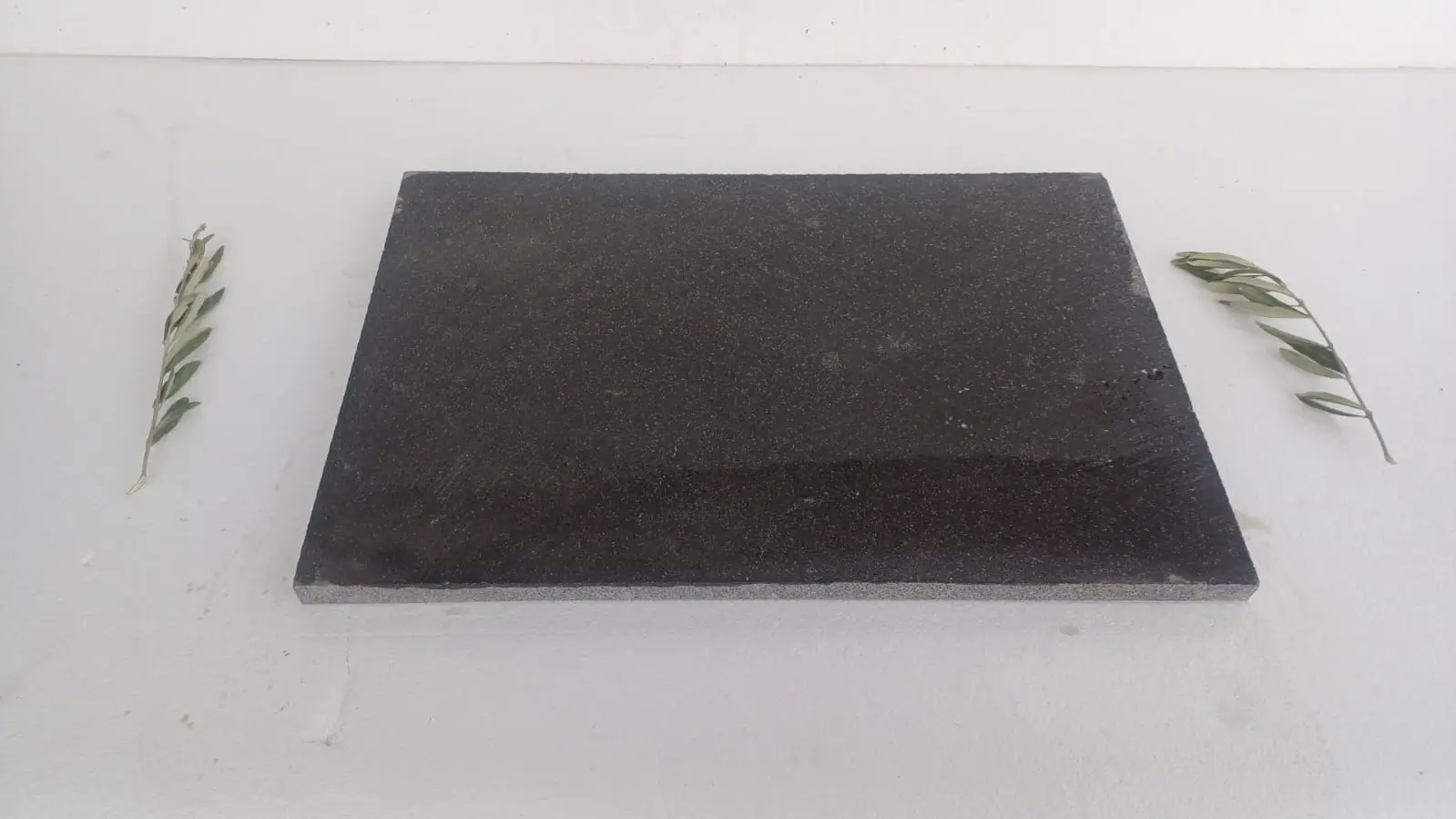
The thermal expansion coefficient of travertine measures 5.1 × 10⁻⁶ per °F, which creates specific installation requirements around rigid fountain structures. You’ll need expansion joints every 12-15 feet in Tempe landscape water elements, with increased frequency where pavers meet concrete fountain basins. Temperature differentials between shaded water zones and direct sun exposure can reach 40-50°F, generating stress that causes joint failure if you don’t plan adequate movement accommodation.
- You should specify honed or tumbled finishes for slip resistance ratings above DCOF 0.50 when wet
- Your sealer selection must address both water repellency and alkaline resistance for Tempe applications
- You need to account for mineral deposit accumulation in splash zones requiring quarterly maintenance access
- Your coping details should extend 2-3 inches beyond fountain edges to manage overflow patterns
Thermal Performance in Desert Fountain Applications
When you design Tempe landscape water elements with travertine surrounds, you’re leveraging thermal mass properties that moderate surface temperatures through evaporative cooling. Field measurements show travertine surfaces within 18 inches of active water features maintain temperatures 30-35°F cooler than identical pavers in full sun at equivalent distances. This creates barefoot-comfortable zones that extend your usable outdoor space during summer months when standard pavement becomes too hot for contact.
You’ll find that travertine water features Tempe installations demonstrate unique heat dissipation patterns based on paver thickness and water proximity. Three-centimeter pavers reach thermal equilibrium faster than five-centimeter units, but thicker materials maintain cooler temperatures longer after sunset. Your specification should consider how fountain operation schedules affect surrounding paver temperatures — continuous water flow during peak heat hours (11 AM to 4 PM) reduces surface temperatures by 40-45°F compared to dry pavement.
- You need warehouse inventory confirmation for consistent color lots across 800-1,200 square foot fountain surrounds
- Your thermal modeling should account for radiant heat reflection from adjacent walls affecting water feature microclimates
- You should specify light-colored travertine selections that reflect 65-70% of solar radiation in exposed areas
- Your installation crew needs to monitor substrate temperatures below 95°F during setting to prevent premature mortar curing
Water Chemistry and Stone Surface Interactions
Arizona decorative features using travertine around water require you to understand how mineral content affects long-term appearance. Tempe’s water chemistry includes calcium, magnesium, and silica compounds that precipitate on porous surfaces when water evaporates. You’ll observe white mineral deposits forming at splash lines and overflow edges within 3-6 months of installation unless you implement preventive measures during specification.
The calcium carbonate composition of travertine creates both advantages and vulnerabilities in fountain design Arizona applications. When you select travertine around water features, you’re choosing material chemically similar to the dissolved minerals in Arizona water — this means deposits bond more aggressively to travertine than to granite or basalt. Your maintenance specifications need to address mineral removal using pH-neutral cleaners rather than acidic solutions that etch calcium-based stone.
You should work with an established travertine supplier who understands regional water chemistry challenges. Professional specifications include penetrating sealers applied at 200-250 square feet per gallon to fill surface voids without creating impermeable films that trap subsurface moisture. You’ll achieve better results when you apply sealers 48-72 hours after installation, allowing initial moisture to evaporate while maintaining optimal penetration rates.
- You need to specify calcium-silicate based grouts that match travertine’s expansion characteristics rather than standard Portland cement grouts
- Your water feature design should incorporate overflow edges that direct runoff away from travertine surfaces
- You should plan for biannual sealer reapplication in high-splash zones where water contact exceeds 6 hours daily
- Your detail drawings must show proper drainage slopes of 2% minimum away from fountain basins
Edge Detail Specifications for Water Features
When you detail travertine water features Tempe coping and edge conditions, you’re addressing the most vulnerable zone where water, thermal stress, and mechanical loads converge. Your edge profile selection affects both aesthetics and performance — bullnose edges shed water more effectively than square edges, reducing standing water that accelerates mineral deposit formation. You’ll need to specify edge fabrication tolerances within ±1/16 inch to ensure consistent reveals around fountain perimeters.
Coping installations around Tempe landscape water elements require you to consider cantilever support and structural backing. Travertine coping units should extend 1.5-2 inches beyond fountain walls with continuous mortar support along 100% of the back edge. You’ll encounter failure modes within 2-4 years when installers use spot-bonding techniques that leave voids where water infiltrates and freeze-thaw damage occurs during Tempe’s occasional winter temperature drops below 32°F.
- You should specify minimum 2-inch thickness for cantilevered coping to prevent stress fractures under foot traffic
- Your structural engineer needs to verify that fountain walls can support coping dead loads plus 150 pounds point loading
- You need to detail stainless steel pins or mechanical anchors every 18-24 inches for coping units exceeding 4 feet in length
- Your waterproofing membrane must extend 6 inches under coping units to prevent water migration into fountain structures
Joint Treatment in Continuously Wet Environments
Your Arizona decorative features require specialized joint treatment when travertine surrounds active water sources. Standard polymeric sand performs poorly in fountain surrounds where continuous moisture prevents proper polymer activation and curing. You’ll achieve better results with epoxy-based joint fillers or fine-grade sanded grouts that resist washout and provide flexibility for thermal movement in desert climates.
When you specify joint materials for fountain design Arizona projects, you need to balance water resistance with vapor permeability. Completely impermeable joint compounds trap subsurface moisture that migrates laterally, causing efflorescence to emerge through travertine faces rather than joints. Professional specifications use semi-permeable joint fillers that allow controlled moisture vapor transmission while blocking liquid water penetration and mineral-laden runoff.
- You should maintain 3/16-inch joint spacing around fountain perimeters, increasing to 1/4 inch where temperature differentials exceed 35°F
- Your joint depth needs to reach 80-100% of paver thickness to accommodate long-term settlement and thermal movement
- You need to specify UV-resistant joint materials rated for continuous water exposure without degradation for 8-10 years
- Your installation sequence should complete fountain structure waterproofing before paver setting to prevent contamination of joint spaces
Base Preparation for Water Feature Surrounds
When you prepare bases for travertine water features Tempe installations, you’re creating drainage infrastructure that must handle both irrigation overspray and fountain overflow. Your base system needs permeability rates that exceed surface water delivery by 3-4 times — typically requiring 4-6 inches of open-graded aggregate base over compacted subgrade. You’ll encounter ponding and subsurface saturation within 18-24 months when you use dense-graded bases that restrict vertical drainage.
Base preparation around Tempe landscape water elements requires you to consider how fountain operation affects adjacent soil moisture. Continuous water features can increase surrounding soil moisture content by 15-20% within a 10-foot radius, affecting base compaction stability and creating differential settlement. Your geotechnical specifications should address how water table fluctuations impact bearing capacity and require perimeter drainage systems that intercept subsurface flow.
- You need to verify that base aggregate passes less than 5% material through a No. 200 sieve to maintain drainage capacity
- Your compaction specifications should achieve 95% modified Proctor density in zones beyond 3 feet from fountain edges
- You should install perforated drain lines at base elevation around fountain perimeters connecting to positive drainage outlets
- Your vapor barrier placement requires careful sequencing to separate fountain waterproofing from paver base drainage systems
Color Selection Considerations Near Water
Your travertine around water color choices affect both thermal performance and visual aging patterns. Light ivory and beige travertine selections reflect solar radiation more effectively than walnut or chocolate tones, reducing surface temperatures by 15-20°F in direct sun exposure. When you specify light colors for Arizona decorative features, you’re also selecting materials where mineral deposits and algae staining show more prominently, requiring more frequent maintenance intervention.
Color variation acceptance becomes critical when you source materials for fountain design Arizona projects exceeding 500 square feet. Travertine’s natural formation creates inherent color variation ranging 20-30% within single quarry runs. You’ll need truck deliveries from consistent production lots to avoid obvious color banding around fountain perimeters. Your specifications should require physical samples from actual warehouse inventory rather than catalog images that don’t represent current material availability.
Installation Timing and Environmental Conditions
When you schedule travertine water features Tempe installations, you’re balancing optimal setting conditions against Arizona’s extreme seasonal temperature swings. Your installation window should avoid summer months when ambient temperatures exceed 105°F and substrate temperatures reach 130-140°F. These conditions cause rapid mortar water evaporation that prevents proper hydration and bonding, leading to hollow spots and delamination within 12-18 months.
Winter installations in Tempe landscape water elements offer temperature advantages but create curing challenges when overnight lows drop below 40°F. You’ll need to specify cold-weather setting materials or provide thermal protection for 48-72 hours post-installation when temperatures fall outside the 50-90°F range. Professional scheduling targets spring and fall installation periods when consistent temperatures between 65-85°F optimize both material handling and curing conditions.
- You should plan material deliveries to minimize on-site storage duration that exceeds warehouse protection standards
- Your installation crew needs adequate shade structures and water access for substrate cooling in summer conditions
- You need to specify morning installation hours (6 AM to 11 AM) during hot months when substrate temperatures remain manageable
- Your project schedule must include 7-10 day curing periods before fountain water system activation and testing
Maintenance Access Integration
Your Arizona decorative features require thoughtful maintenance access planning that doesn’t compromise aesthetic objectives. When you design travertine water features Tempe surrounds, you need removable sections for pump access, filter maintenance, and water chemistry equipment. Properly detailed access panels use the same travertine pavers as surrounding areas, maintaining visual continuity while providing necessary functionality.
Access panel specifications for fountain design Arizona projects require you to balance weight limitations with structural stability. Individual travertine pavers over mechanical access should not exceed 60-70 pounds for single-person removal without equipment. You’ll need to detail lifting mechanisms — either recessed handles or threaded insert provisions — that allow maintenance personnel to remove panels without damaging adjacent pavers or joint materials.
- You should locate access panels in lower-traffic zones where repeated removal won’t accelerate wear patterns
- Your structural framing under access areas needs to support concentrated loads without differential settlement
- You need to specify gasket materials that maintain water-resistant seals through 20-30 removal cycles
- Your maintenance documentation should include panel location drawings and lifting procedures for facility management teams
Pump Equipment and Vibration Isolation
When you integrate mechanical equipment with travertine around water installations, you’re addressing vibration transmission that can cause accelerated joint deterioration and paver movement. Fountain pumps generate operational vibrations between 1,200-3,600 RPM that transmit through rigid connections into surrounding hardscape. Your equipment specifications need vibration isolation pads or spring mounts that reduce transmission by 85-90%, protecting travertine installations from mechanical stress.
Equipment placement decisions for Tempe landscape water elements affect both performance and maintenance access. You should locate pumps and filtration systems in separate equipment vaults rather than directly beneath fountain basins where vibration and heat affect surrounding travertine. Professional designs incorporate 2-3 inch isolation gaps filled with flexible joint materials between equipment structures and decorative paving to prevent vibration coupling.
Citadel Stone: Best Travertine Yard in Arizona for Water Features
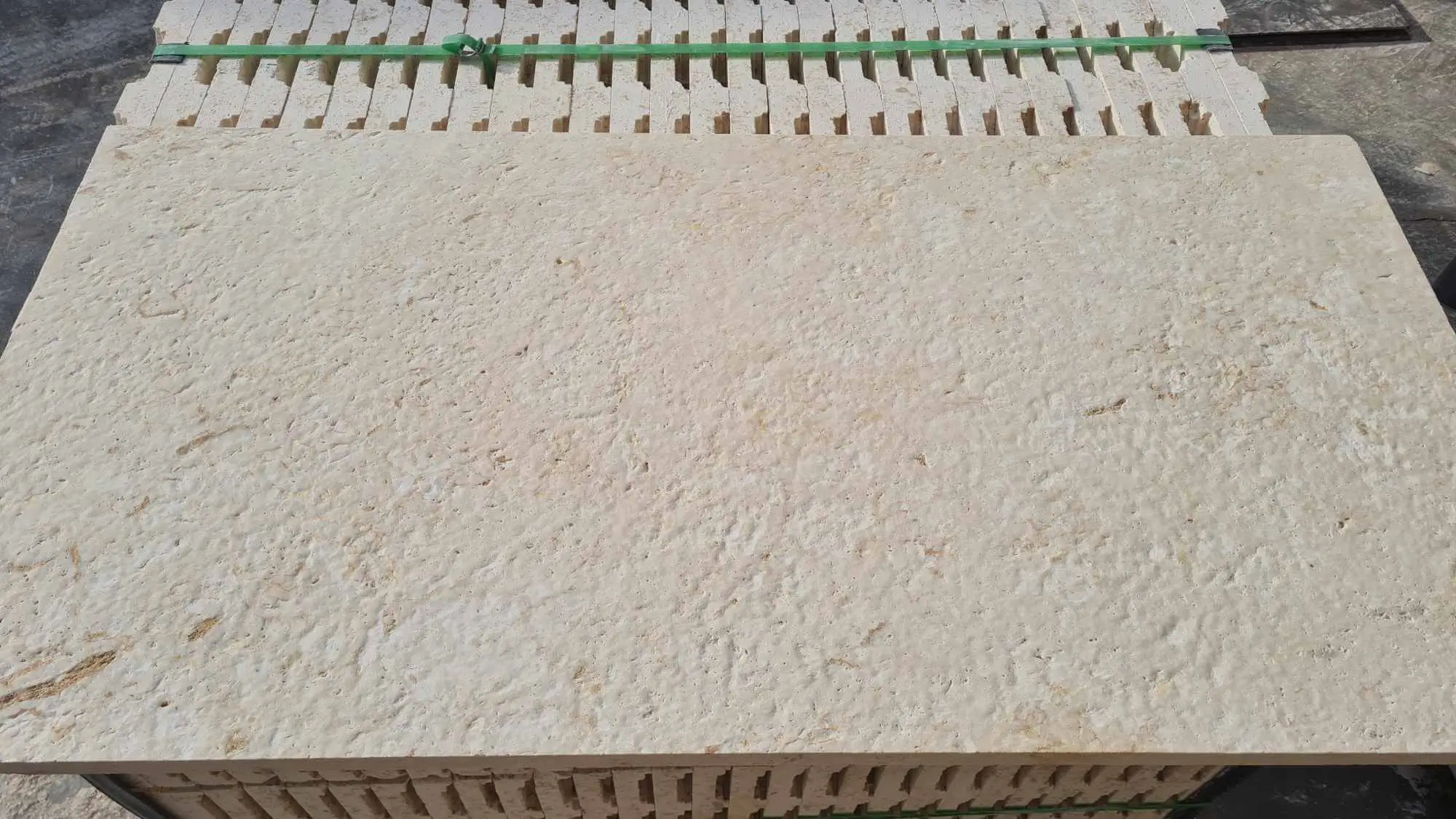
When you evaluate Citadel Stone’s travertine yard in Arizona for your water feature project, you’re considering materials specifically selected for desert climate fountain applications. At Citadel Stone, we maintain inventory of honed and tumbled travertine finishes that provide optimal slip resistance for wet environments. This section presents hypothetical specification guidance for three representative Arizona cities, demonstrating how you would adapt material selection and installation details to regional climate variations.
Flagstaff Freeze Protection
In Flagstaff’s high-elevation climate, you would need to specify travertine water features with enhanced freeze-thaw resistance addressing 120-140 annual freeze cycles. Your material selection should emphasize lower porosity grades below 5% by volume, reducing water absorption that causes spalling when temperatures drop below 20°F. You’d also specify fountain designs with complete water drainage systems that eliminate standing water during winter months, preventing ice formation that generates expansion pressures exceeding travertine’s tensile strength. Your installation details would include deeper bases extending below the 24-inch frost line typical for Flagstaff’s 7,000-foot elevation.
Sedona Color Coordination
When you plan fountain surrounds in Sedona’s red rock landscape context, you would select warm walnut and noce travertine tones that complement rather than compete with the natural sandstone environment. Your color specification would address how Sedona’s intense UV exposure at 4,500 feet elevation affects travertine appearance over 5-10 years, with lighter tones showing less visible fading than darker selections. You’d need to account for Sedona’s tourist-focused applications requiring higher slip resistance standards and more frequent maintenance protocols. Your design approach would integrate native vegetation around fountain perimeters, creating transitions between built water features and high-desert plant communities.
Peoria Residential Scale
For Peoria’s residential water feature applications, you would specify modular fountain designs using travertine pavers in 12×12 and 16×16-inch formats that homeowners can maintain without specialized equipment. Your material quantities would typically range from 200-400 square feet for courtyard fountain surrounds, requiring careful warehouse coordination to ensure single-lot color consistency across the smaller project scale. You’d address Peoria’s alkaline soil conditions with enhanced base preparation including geotextile separation layers preventing clay migration into aggregate bases. Your specifications would accommodate DIY-friendly installation details while maintaining professional performance standards for desert climate durability and water chemistry resistance.
Common Specification Mistakes
When you write specifications for travertine water features Tempe projects, you’ll want to avoid several common errors that create field problems and budget overruns. The most frequent mistake involves specifying standard paving details without modifications for continuous water exposure — you need separate specifications addressing waterproofing, drainage, and sealing requirements specific to fountain surrounds. You should also avoid generic “natural stone” language that doesn’t address travertine’s unique characteristics regarding porosity, calcium carbonate composition, and alkaline water interactions.
Another critical error occurs when you specify material quantities without accounting for cutting waste around curved fountain edges. Rectangular pavers around circular or serpentine water features generate 15-25% waste compared to 8-10% for straight installations. Your quantity calculations need to reflect actual field cutting requirements, and you should verify warehouse stock levels include adequate overage for your specific fountain geometry.
- You shouldn’t specify polished finishes for wet areas where slip resistance drops below acceptable DCOF 0.42 minimums
- You need to avoid referencing sealer products by brand without verifying current availability and compatibility testing
- You should not permit installation when substrate temperatures exceed 100°F without explicit thermal management protocols
- You must not specify uniform joint widths without addressing thermal expansion requirements at fountain structure interfaces
Long-Term Performance Expectations
Your travertine water features Tempe installations should deliver 20-30 year service life when you properly address material selection, installation quality, and maintenance protocols. You’ll observe the first performance indicators within 18-24 months — mineral deposit patterns, joint material retention, and sealer effectiveness become apparent during this initial period. Professional specifications anticipate these early-stage observations and include remedial maintenance procedures that prevent minor issues from becoming structural problems.
You should set realistic expectations about appearance evolution over time. Travertine around water develops patina characteristics including subtle color deepening and textural changes from mineral exposure. These natural aging patterns differ from deterioration — you’re observing the stone’s interaction with its environment rather than failure. Your maintenance specifications need to distinguish between aesthetic evolution requiring minimal intervention and actual performance degradation requiring corrective action.
- You can expect joint material requiring replenishment every 5-7 years in high-water-contact zones
- You should plan for sealer reapplication on 3-5 year cycles depending on water chemistry and exposure intensity
- You need to anticipate individual paver replacement affecting 2-3% of total installation over 20-year service periods
- You’ll observe fountain basin waterproofing requiring renewal before travertine surrounds show structural wear
Final Considerations
When you finalize specifications for fountain design Arizona projects using travertine, you’re balancing aesthetic objectives with technical performance requirements specific to desert water features. Your specification documents should address material characteristics, installation details, and maintenance protocols as integrated systems rather than separate considerations. You need to coordinate with fountain equipment suppliers, waterproofing contractors, and landscape architects to ensure all project elements support long-term travertine performance around water features. For additional installation insights, review Polymeric sand versus grout for Arizona paver joints before you finalize your project documents. Shower niches feature Citadel Stone’s waterproof travertine remnants in Arizona bathroom leftovers.