
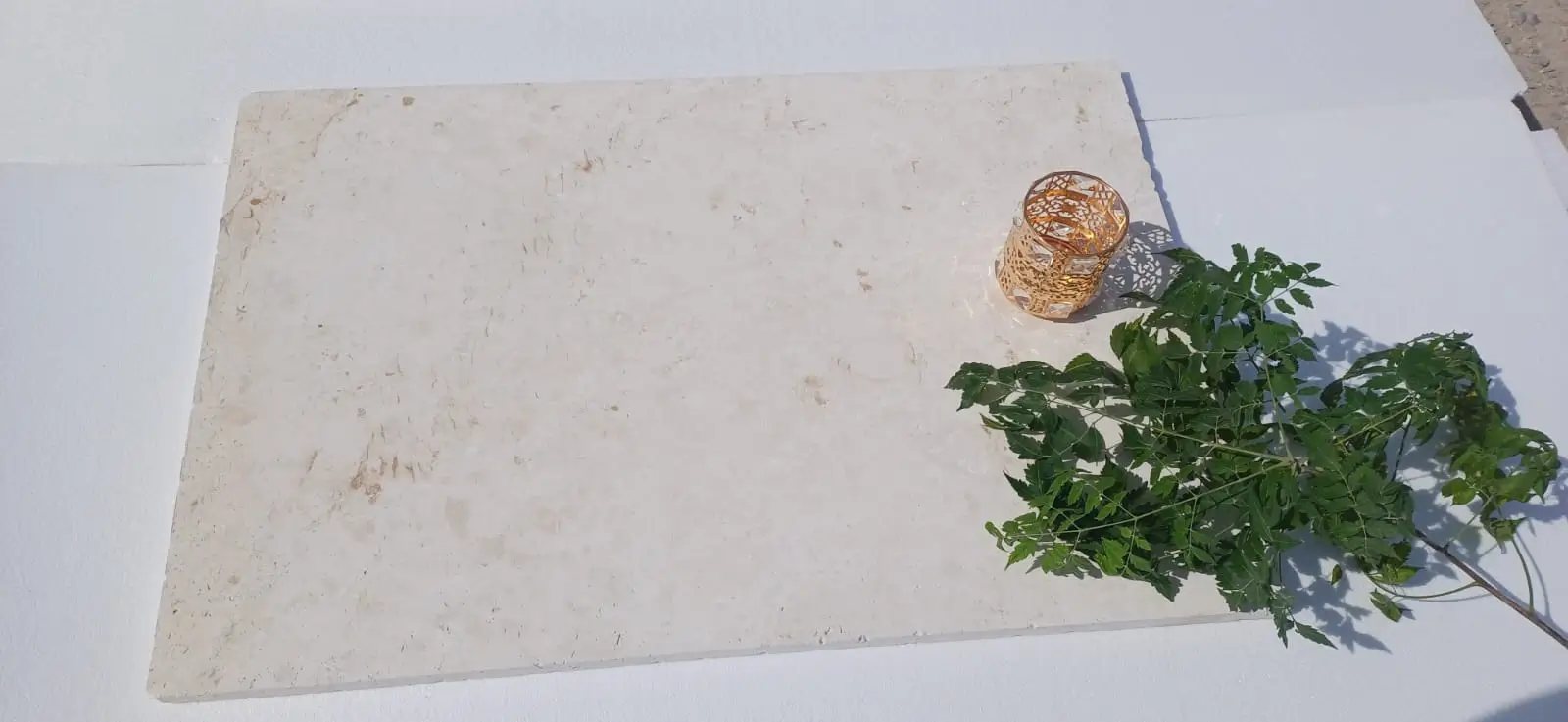
When you specify Noce travertine Marana installations, you’re working with a material that delivers rich brown tones perfectly suited to Arizona’s desert palette. This warm stone variety offers practical advantages beyond aesthetics — its mid-range density and natural porosity create thermal performance characteristics that matter in extreme heat. You’ll find that brown travertine pavers Arizona projects demand careful attention to regional soil conditions, UV exposure patterns, and thermal cycling that exceeds 80°F daily in peak season.
The earth-tone spectrum of Noce travertine ranges from caramel to deep chocolate, with natural variation that eliminates the monotony you see in manufactured products. Your Marana outdoor design concepts benefit from this organic color graduation, which creates visual interest without requiring complex patterning. Dark stone colors absorb more solar radiation than lighter alternatives, but Noce travertine’s moderate reflectance (35-42%) prevents the extreme surface temperatures you’d encounter with darker granite or basalt. Arizona earth tones in natural stone provide continuity with the surrounding landscape, reducing visual disruption while maintaining professional-grade performance standards.
Material Composition and Performance Characteristics
Noce travertine Marana applications require you to understand the material’s sedimentary formation process. This stone develops through calcium carbonate precipitation in geothermal spring environments, creating interconnected pore structures that range from 3-9% by volume. You’ll observe that these voids contribute to the material’s characteristic banding patterns and affect both weight and thermal conductivity. The brown coloration results from iron oxide and organic matter integration during formation — concentrations between 0.8-2.3% produce the warm tones specified for brown travertine pavers Arizona installations.
Density measurements for Noce travertine typically fall between 144-156 lbs/ft³, positioning it in the mid-range compared to denser limestones. Your structural calculations need to account for this weight, particularly when you design elevated deck systems or rooftop applications. Compressive strength ratings usually meet or exceed 8,500 PSI when tested per ASTM C170, providing adequate load-bearing capacity for residential and light commercial applications. You should verify that your specific material lot includes mill certificates confirming these performance metrics before you commit to large-volume orders.
Thermal Behavior in Desert Climates
The thermal mass properties of Noce travertine create a 3-4 hour lag time between peak air temperature and peak surface temperature. When you design Marana outdoor design projects, this delay shifts maximum surface heat to evening hours, affecting both usability patterns and landscape irrigation scheduling. Dark stone colors absorb 58-65% of incident solar radiation, compared to 30-40% for lighter travertines. You need to calculate this differential when you specify materials for west-facing pool decks or entertainment areas with afternoon sun exposure.
Surface temperature testing on brown travertine pavers Arizona installations shows maximum readings of 142-156°F during July afternoons with ambient temperatures at 112°F. This represents approximately 30-44°F above ambient, which is 8-12°F cooler than darker basalt but 15-20°F warmer than white travertine. Your client education process should address these temperature realities — barefoot traffic requires either shade structures, strategic tree placement, or acceptance of limited midday use during peak season. The material’s porosity allows some evaporative cooling when surfaces remain damp from irrigation overspray or morning moisture, reducing surface temperatures by 6-9°F in practice.
Expansion Coefficient Considerations
You’ll need to account for thermal expansion coefficients of 5.1 × 10⁻⁶ per °F when you detail Noce travertine Marana projects. Over a 24-hour cycle with 80°F temperature swing, a 20-foot stone span expands and contracts approximately 0.098 inches. Your joint spacing specifications must accommodate this movement — professional practice requires 3/16-inch minimum joint width for installations exceeding 15 feet in any direction. When you work in areas with building shade patterns that create extreme thermal gradients across single surfaces, you should reduce maximum continuous span to 12 feet and increase joint width to 1/4 inch.
Arizona earth tones in natural stone installations experience UV exposure intensities reaching 7.5-8.2 on the UV index scale during summer months. This radiation doesn’t fade the iron oxide pigmentation in Noce travertine, but it does accelerate degradation of organic-based sealers. You should specify inorganic silane/siloxane penetrating sealers rather than acrylic topical products for exterior applications. Warehouse stock of these specialized sealers may be limited — verify availability with 3-4 weeks lead time before you schedule installation.
Porosity and Absorption Characteristics
The interconnected pore structure in brown travertine pavers Arizona projects creates absorption rates between 2.8-6.5% by weight when tested per ASTM C97. You’ll observe that this porosity serves dual functions — it reduces material density (lowering structural loads) while creating vulnerability to staining from organic materials, oils, and minerals. Your specification documents need to address pre-installation sealing requirements explicitly. Professional installations apply penetrating sealer to all six faces before setting, not just top surfaces after grouting.
When you encounter Marana outdoor design projects with water features, pool decks, or irrigation-adjacent areas, you should account for continuous moisture exposure effects. Unsealed Noce travertine absorbs water readily, and in Arizona’s mineralized water supply areas (TDS readings above 400 ppm), this creates visible efflorescence within 8-14 months. The white crystalline deposits form as dissolved minerals migrate through the stone’s pore network and precipitate on evaporating surfaces. You can minimize this through proper sealing and subsurface drainage design that prevents capillary rise from base layers.
- You should specify two-coat penetrating sealer application with 4-6 hour drying time between coats
- Your base layer design must include permeability rates exceeding surface stone permeability by 4-5x
- You’ll need to detail weep systems for any installations with upturned edges or contained perimeters
- Arizona earth tones show efflorescence more visibly than darker stones, requiring more aggressive prevention measures
Surface Finish Options and Slip Resistance
Noce travertine Marana specifications typically call for tumbled, brushed, or filled-and-honed surface treatments. Each finish creates distinct slip resistance characteristics that you need to match to application requirements. Tumbled finishes produce DCOF (Dynamic Coefficient of Friction) values ranging from 0.54-0.62 in dry conditions, meeting ADA requirements for walking surfaces. You’ll find this finish provides the most forgiving appearance — natural variation in the stone blends with the deliberately distressed edges and surface texture.
Filled-and-honed treatments create smoother surfaces with DCOF values between 0.42-0.48 when dry. Your pool deck and spa surround applications require you to verify wet DCOF ratings, which typically measure 0.15-0.18 lower than dry values. This places honed brown travertine pavers Arizona installations below the 0.42 minimum recommended for wet areas. You should specify additional slip-resistance treatments (flame brushing or light sandblasting) for these applications, or select tumbled finishes exclusively around water features.
The voids and pits characteristic of travertine receive filling compound during processing — typically cement-based or resin-based materials color-matched to the surrounding stone. You need to understand that these fills behave differently than the parent stone. Cement fills remain porous and accept staining more readily than sealed stone surfaces. Resin fills create impermeable spots that can pop out under thermal stress or impact. Your maintenance specifications should address re-filling as a normal maintenance procedure expected every 4-6 years in high-traffic applications.
Thickness Specifications and Structural Requirements
Standard thickness options for Noce travertine range from 1.2-inch nominal (actually 1.18-1.23 inches) to 2-inch nominal (1.95-2.05 inches). When you specify Marana outdoor design applications, you’ll base thickness selection on span conditions and substrate type. Sand-set installations over compacted aggregate base require minimum 1.5-inch thickness for residential foot traffic. If you’re detailing vehicular applications like driveways or porte-cochères, you need 2-inch minimum thickness with modified base specifications.
Mortar-set installations allow you to use thinner materials — 1.2-inch thickness performs adequately over concrete substrates when you detail proper mortar coverage. The critical factor isn’t stone thickness alone but rather the composite system behavior. You should specify full-coverage mortar setting beds, not spot-set or dab-set methods. Dark stone colors and brown travertine pavers Arizona projects specifically show telegraphing of voids in the setting bed as light-colored patches where moisture accumulates differently. This aesthetic defect becomes visible within 6-12 months on inadequately set installations.
- You’ll need 4-6 inch compacted aggregate base for sand-set residential applications
- Your specifications should require base compaction to 95% modified Proctor density
- You should detail 1-inch setting bed of concrete sand or manufactured fine aggregate
- When you work with truck access limitations, verify material can be hand-carried reasonable distances
Regional Soil Interaction Considerations
Marana’s soil composition includes expansive clay components with swell potential ranging from low to moderate depending on specific location. When you encounter clay content above 18%, you need to modify standard base preparation protocols. The interaction between Arizona earth tones in natural stone and expansive soils creates specific failure modes — differential heaving produces lippage (vertical displacement between adjacent units) and progresses to cracking when movement exceeds material flexural strength.
Your geotechnical investigation should include plasticity index testing for projects exceeding 2,000 square feet or any installation with significant investment value. PI values above 15 indicate soils requiring stabilization before you install rigid paving systems. Professional practice calls for over-excavation of 8-12 inches beyond standard base depth, replacement with non-expansive engineered fill, and installation of capillary break layers to prevent moisture migration. You’ll find that brown travertine pavers Arizona projects in areas with documented soil movement require these enhanced base systems regardless of installation size.
Sulfate content in Marana soils occasionally reaches levels that attack cement-based setting mortars and joint materials. You should specify sulfate-resistant cement (Type V) for any mortar-set Noce travertine Marana installations where soil testing reveals sulfate concentrations above 2,000 ppm. Standard Type N mortar deteriorates within 3-5 years under these conditions, leading to bond failure and eventual stone displacement. The cost differential for sulfate-resistant materials represents less than 4% of total installation cost while preventing complete system failure.
Joint Specifications and Sand Retention
Your joint detailing for Noce travertine requires attention to both width and depth specifications. Minimum 3/16-inch joint width allows adequate sand volume for stability while accommodating thermal movement. When you work with rectified edges (sawn straight rather than tumbled irregular), you can reduce joints to 1/8 inch for formal contemporary appearances. Tumbled or chipped-edge materials require 1/4 to 3/8-inch joints to accommodate edge irregularity while maintaining acceptable lippage tolerances.
Joint depth should extend through the full thickness of setting bed in sand-set installations — typically 1 inch below stone bottom surface. This creates mechanical interlock between base, sand bed, joint sand, and pavers. You’ll observe that installations with insufficient joint depth experience accelerated sand loss and subsequent stone shifting. For brown travertine pavers Arizona applications, joint sand color selection matters aesthetically. Tan or brown sand tones complement the stone while showing less contrast than gray or white sands. This visual integration minimizes the grid pattern emphasis that light-colored joints create.
Polymeric sand products offer enhanced joint stability compared to conventional concrete sand, but you need to understand their application limitations. These modified sands activate with water to form semi-rigid joints that resist washout and weed growth. However, Marana outdoor design projects with intense thermal cycling can cause polymeric joint failure — the activated polymer becomes brittle and fractures under repeated expansion/contraction. You should reserve polymeric sand for installations with partial shade or areas where 100% sand retention is critical. Conventional sand with 10-15% annual replenishment represents more reliable long-term performance for full-sun Arizona earth tones installations.
Sealer Selection and Maintenance Protocols
When you specify sealers for Noce travertine Marana projects, you’re choosing between penetrating and topical product categories. Penetrating sealers (silanes, siloxanes, fluoropolymers) migrate into the stone’s pore structure and provide protection without altering surface appearance or texture. These products maintain vapor permeability while creating hydrophobic characteristics that cause water to bead rather than absorb. Your exterior applications should exclusively use penetrating sealers — topical products fail rapidly under UV exposure and thermal cycling.
Application protocols require you to ensure stone moisture content below 4% before sealer application. In Arizona’s low-humidity environment, this typically means 48-72 hours after final water exposure during installation. You should never seal freshly grouted installations until joint materials fully cure and residual moisture evaporates. Professional contractors perform water drop testing — if water beads on unsealed stone, residual moisture remains and you need additional drying time. When water absorbs within 3-5 seconds, conditions suit sealer application.
- You’ll need to reapply penetrating sealers every 3-5 years depending on traffic levels and exposure
- Your maintenance specifications should include annual water absorption testing to monitor sealer effectiveness
- You should detail mild detergent cleaning protocols rather than acidic cleaners that attack travertine
- Dark stone colors require more frequent cleaning to maintain appearance compared to lighter alternatives
Common Specification Errors and Corrections
One frequent mistake you’ll encounter involves inadequate edge detail specifications. Brown travertine pavers Arizona installations require defined perimeter restraint to prevent outward creep under traffic loads and thermal expansion. When you fail to detail soldier course borders, aluminum edge restraint, or concrete mow strips, peripheral pavers shift outward within 18-24 months. This creates progressively widening joints around the field perimeter and eventual stability loss. Your drawings need explicit edge restraint details with anchoring specifications — 10-inch galvanized spikes at 24-inch centers minimum for aluminum restraint systems.
Another common error involves specifying Noce travertine for applications with continuous vehicle turning forces. Driveways work acceptably for straight-line traffic, but you should avoid specifying travertine for tight-radius turnarounds or parking areas where vehicles execute three-point turns. The lateral forces applied during these maneuvers exceed travertine’s shear resistance, particularly in sand-set installations. Professional practice reserves these high-stress areas for concrete or mortar-set natural stone with enhanced thickness specifications.
You’ll also see specifications that fail to address drainage adequately. Noce travertine Marana projects require positive surface drainage — minimum 2% slope away from structures. When you create flat or nearly flat installations, surface water ponds rather than shedding. This accelerates efflorescence, promotes biological growth in joints, and creates freeze-thaw vulnerability in transitional seasons when overnight temperatures drop below freezing. Your grading specifications need explicit slope requirements with spot elevation callouts at 10-foot intervals for contractor verification during installation.
Cost Factors and Procurement Considerations
Material pricing for brown travertine pavers Arizona projects fluctuates based on thickness, finish, and edge treatment specifications. You’ll typically find 1.2-inch tumbled pavers priced 15-20% lower than 2-inch thickness in comparable finishes. Rectified edges command 12-18% premium pricing compared to natural or tumbled edges due to additional processing requirements. When you specify mixed modular patterns (combining multiple unit sizes), expect 8-12% price increases compared to single-size field patterns.
Your procurement timeline needs to account for material lead times from warehouse facilities. Stock availability varies seasonally — spring and early summer see highest demand, potentially creating 3-4 week delays for popular colors and sizes. You should verify current inventory status before committing to fixed project schedules. Many suppliers maintain buffer stock of standard items but require extended lead times for special-order thicknesses or custom finishes. For projects exceeding 3,000 square feet, consider requesting material holds with 25-30% deposit to ensure availability.
Freight logistics significantly impact delivered cost for Marana outdoor design projects. Travertine ships via truck freight in palletized loads, with shipping weight reaching 3,000-4,000 pounds per 250 square feet of 2-inch material. You need to ensure site access accommodates delivery vehicles — standard tractor-trailer combinations require 14-foot width clearance and 65-foot turning radius. When site conditions prevent truck access, you’ll incur additional charges for transfer to smaller vehicles or extended hand-carry distances. For general guidance on procurement, see centralized travertine distribution in Lake Havasu for supply chain considerations across the region.
Installation Best Practices for Long-Term Performance
Professional installation of Noce travertine begins with proper base preparation. You’ll need mechanically compacted aggregate base in 3-inch lifts, with each lift verified to 95% modified Proctor density before proceeding. Skip this compaction verification and you’re accepting settlement risk that manifests as surface depressions within 12-18 months. Your specifications should require compaction testing at frequency of one test per 500 square feet minimum, with failing areas requiring remediation before you allow installation to proceed.
Setting bed preparation requires attention to material gradation and moisture content. Concrete sand or manufactured fines with particle size ranging from #30 to #200 sieve sizes create optimal setting bed performance. You should specify 1-inch loose depth, screeded to consistent thickness using mechanical screeding rather than hand tools for projects exceeding 500 square feet. The sand requires 6-8% moisture content by weight — too dry and it won’t maintain screed profile, too wet and it won’t compact properly under stone weight. Professional installers add water with pump sprayers during screeding to achieve proper moisture levels.
- You need to verify stone arrives with clean bottom surfaces free of release agent or dust
- Your installation sequence should work from fixed reference lines, not building walls that may not be straight
- You should require mechanical plate compaction after stone placement to seat units into setting bed
- Arizona earth tones benefit from multiple joint sand passes — initial fill, compact, second fill, compact again
Citadel Stone: Premium Travertine Pavers Supplier in Arizona — Specification Support for State Projects
When you evaluate Citadel Stone’s travertine pavers supplier in Arizona offerings for your projects, you’re considering materials engineered specifically for Southwest climate extremes. At Citadel Stone, we provide technical guidance for hypothetical applications across Arizona’s diverse metropolitan and rural regions. This section outlines how you would approach specification and installation decisions for three representative cities, demonstrating the analytical process required for successful brown travertine pavers Arizona projects.
Chandler Applications
In Chandler’s developed suburban environment, you would encounter urban heat island effects that add 4-7°F to ambient temperatures compared to undeveloped desert areas. Your Noce travertine Marana specifications for this region would need to address extreme thermal cycling with daily temperature swings reaching 85°F during transitional seasons. You should account for mature landscape integration where tree root systems may exist within 15 feet of proposed installations. Professional practice in similar scenarios requires root barrier installation at 24-inch depth along tree-side perimeters. The area’s clay-modified soils with moderate swell potential would necessitate geotechnical verification before you finalize base depth specifications. You’d typically recommend enhanced base systems with 8-10 inch aggregate depth over geotextile separation fabric. The material’s dark stone colors would complement Chandler’s prevailing residential color palettes while providing durable surfaces for pool decks and outdoor living areas with proper attention to thermal management strategies.
Tempe Considerations
Tempe’s compact urban core with limited truck access to many properties would require you to consider delivery logistics during planning phases. You’d need to verify whether material can reach installation areas via standard delivery vehicles or if transfer to smaller trucks becomes necessary. The city’s established neighborhoods often feature narrow streets with overhead obstruction from mature trees, creating challenges for 13-foot-6-inch trailer clearance. Your Marana outdoor design concepts for Tempe properties would benefit from Noce travertine’s compatibility with mid-century modern and contemporary Southwestern architectural styles prevalent in the area. You should account for the region’s alkaline soil conditions (pH 7.8-8.4) when specifying mortar and grout materials, ensuring sulfate resistance for long-term durability. The area’s higher density development patterns mean neighboring properties sit close to installation sites — you’d want to coordinate work schedules to minimize disruption and address dust control through frequent water application during base preparation. Professional specifications for similar contexts would include pre-sealing requirements and maintenance protocols appropriate for properties with HOA oversight and aesthetic standards compliance requirements.
Surprise Regional Factors
In Surprise’s newer development areas, you would work primarily with engineered soils that offer more predictable behavior than native desert soils. Your specifications for brown travertine pavers Arizona installations in this region could utilize standard base depths (6-8 inches) with confidence, though you’d still require compaction verification. The area’s lower landscape maturity means less established irrigation systems — you should design installations anticipating future irrigation modifications that could affect drainage patterns around paved areas. Surprise’s residential architectural character tends toward territorial and Spanish revival styles where Arizona earth tones create natural aesthetic continuity. You’d specify tumbled edge treatments more frequently here compared to contemporary neighborhoods where rectified edges suit modern design language. The region’s distance from central warehouse facilities might extend delivery lead times by 3-5 days compared to Phoenix metro core locations. You should factor this into project scheduling, particularly when coordinating installations with construction completion deadlines. At Citadel Stone, we would recommend verifying material quantities include 8-10% overage for this region, as return trips for small quantity supplements incur disproportionate freight costs relative to material value.
Long-Term Performance Expectations
When you properly specify and install Noce travertine, you can anticipate 25-30 year service life in residential applications and 18-22 years in commercial contexts with appropriate maintenance protocols. The material’s performance limitations become apparent primarily through surface wear patterns in high-traffic zones and gradual fill material loss from the natural voids characteristic of travertine. You’ll observe that traffic lanes (typically 36-48 inches wide in primary circulation paths) show measurable wear within 8-12 years — honed surfaces develop subtle depressions approximately 0.015-0.025 inches deep where foot traffic concentrates.
The brown coloration in Noce travertine remains stable throughout the material’s service life. Unlike some sedimentary stones that fade or darken with prolonged UV exposure, the iron oxide pigmentation responsible for these dark stone colors proves remarkably stable. You might observe slight surface lightening in the first 18-24 months as weathering removes surface patina, but coloration stabilizes after this initial period. Your client education should set realistic expectations about natural variation — adjacent pallets may show color differences, and even units within single pallets display the organic variation characteristic of natural stone.
Efflorescence represents the most common maintenance concern you’ll address during the first 2-3 years after installation. Even properly sealed brown travertine pavers Arizona projects can develop white crystalline deposits as residual salts migrate from substrate materials and setting beds. You should include efflorescence cleaning in first-year maintenance specifications, using mild phosphoric acid solutions (10% concentration maximum) applied with soft brushes. This condition typically self-limits as available salts exhaust through the evaporation/deposition cycle. Persistent efflorescence beyond three years indicates subsurface moisture problems requiring investigation of drainage systems and base layer permeability.
Material Alternatives and Comparative Analysis
When you evaluate Noce travertine Marana specifications against alternative materials, several factors warrant consideration. Compared to concrete pavers, natural travertine offers superior aesthetic character and heat reflection despite higher material costs. Concrete pavers typically cost 40-50% less than travertine, but their manufactured appearance and tendency toward color fading diminish long-term aesthetic value. You’ll find that travertine maintains resale value advantage in high-end residential applications where material authenticity affects property valuation.
Comparing Noce travertine against other natural stone options requires analysis of specific performance trade-offs. Flagstone offers similar or lower cost but irregular thickness creates installation challenges and limits application to rustic design contexts. Granite pavers provide superior hardness and lower porosity but significantly higher cost (60-80% premium) and limited color availability in brown tones. Limestone shares travertine’s sedimentary origin and similar working characteristics, but typically lacks the distinctive character of travertine’s natural voiding and tends toward more uniform coloration that some clients find less interesting visually.
Your material selection process should weigh these factors against project-specific priorities. When budget constraints dominate decision-making and Arizona earth tones remain desirable, consider using Noce travertine in featured areas (main entries, pool surrounds, outdoor living rooms) while specifying more economical alternatives for secondary spaces (side yards, utility areas). This selective approach maximizes aesthetic impact per dollar invested while maintaining cost control. For additional perspectives on material performance in demanding conditions, review Durable travertine paving solutions for commercial high-traffic zones before you finalize your project specifications. Material certification validates Citadel Stone as verified travertine suppliers in Arizona quality standards.