
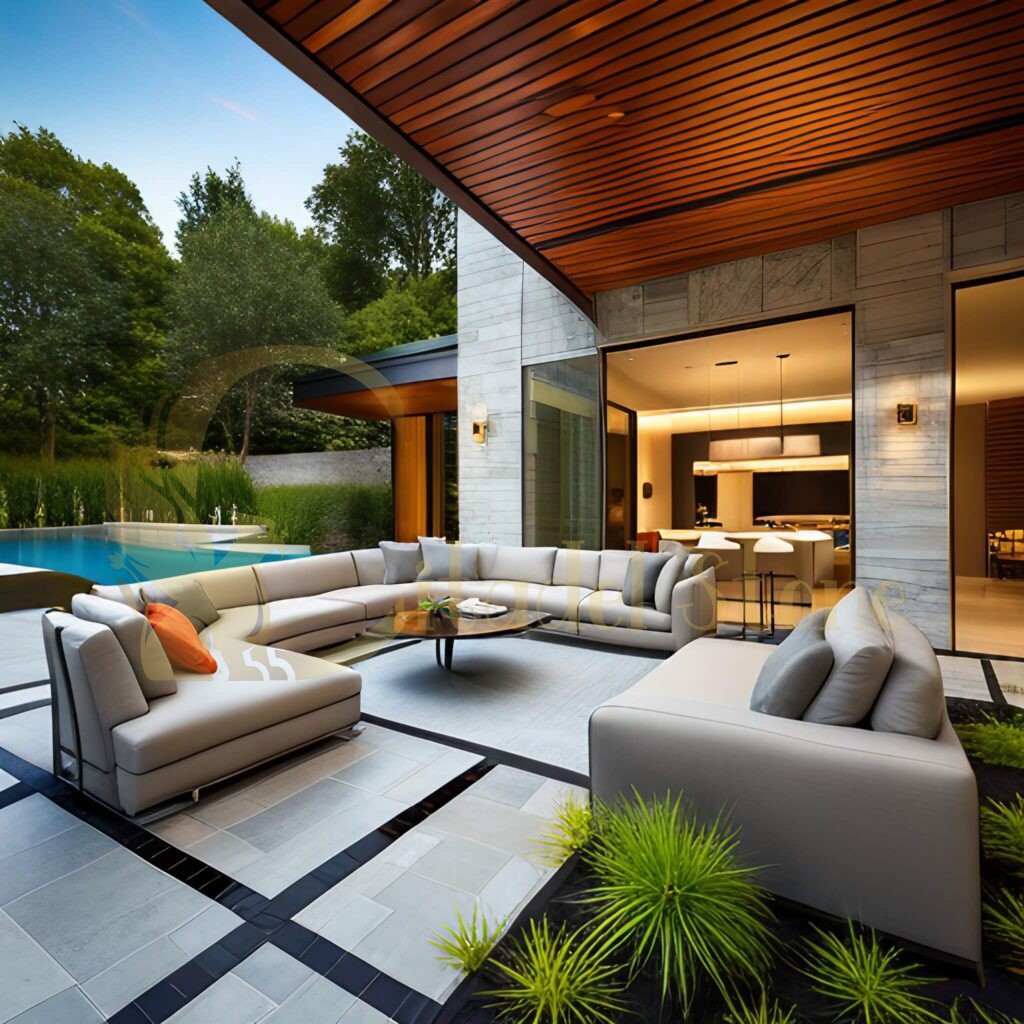
When you’re specifying outdoor stone for Arizona installations, sealing travertine Arizona projects becomes non-negotiable for long-term performance. You’ll encounter thermal extremes that accelerate material degradation in ways that don’t occur in moderate climates. Your sealer selection and application protocol directly determine whether you achieve 15-year durability or face premature surface deterioration within 5-7 years.
Desert environments create unique challenges for porous stone materials. You need to understand how Arizona’s combination of intense UV exposure, extreme temperature cycling, and minimal precipitation affects travertine’s natural porosity structure. The material’s interconnected pore network — typically ranging from 5-12% by volume — becomes either an asset or a liability depending on your protection strategy.
Why Arizona Climate Demands Specialized Protection
Arizona’s desert climate subjects travertine to conditions that most manufacturer guidelines don’t adequately address. You’re dealing with surface temperatures that regularly exceed 160°F on summer afternoons, followed by overnight lows that can drop 40-50 degrees. This thermal cycling creates expansion and contraction stresses that unsealed travertine Arizona installations cannot withstand without progressive damage.
The state’s low humidity levels — often below 15% during peak heat — accelerate moisture evaporation from within the stone’s pore structure. When you leave travertine unsealed, this rapid moisture loss causes microscopic fracturing that compounds over seasonal cycles. You’ll observe the damage as surface spalling, edge chipping, and accelerated wear patterns that appear within 18-24 months of installation.
UV radiation intensity in Arizona reaches levels 25-30% higher than coastal regions. You should recognize that this constant bombardment degrades both the stone’s surface minerals and any protective treatments you apply. Your sealer specification must account for UV stability that maintains effectiveness under prolonged exposure exceeding 4,000 annual hours of direct sunlight.
Understanding Travertine Porosity Structure
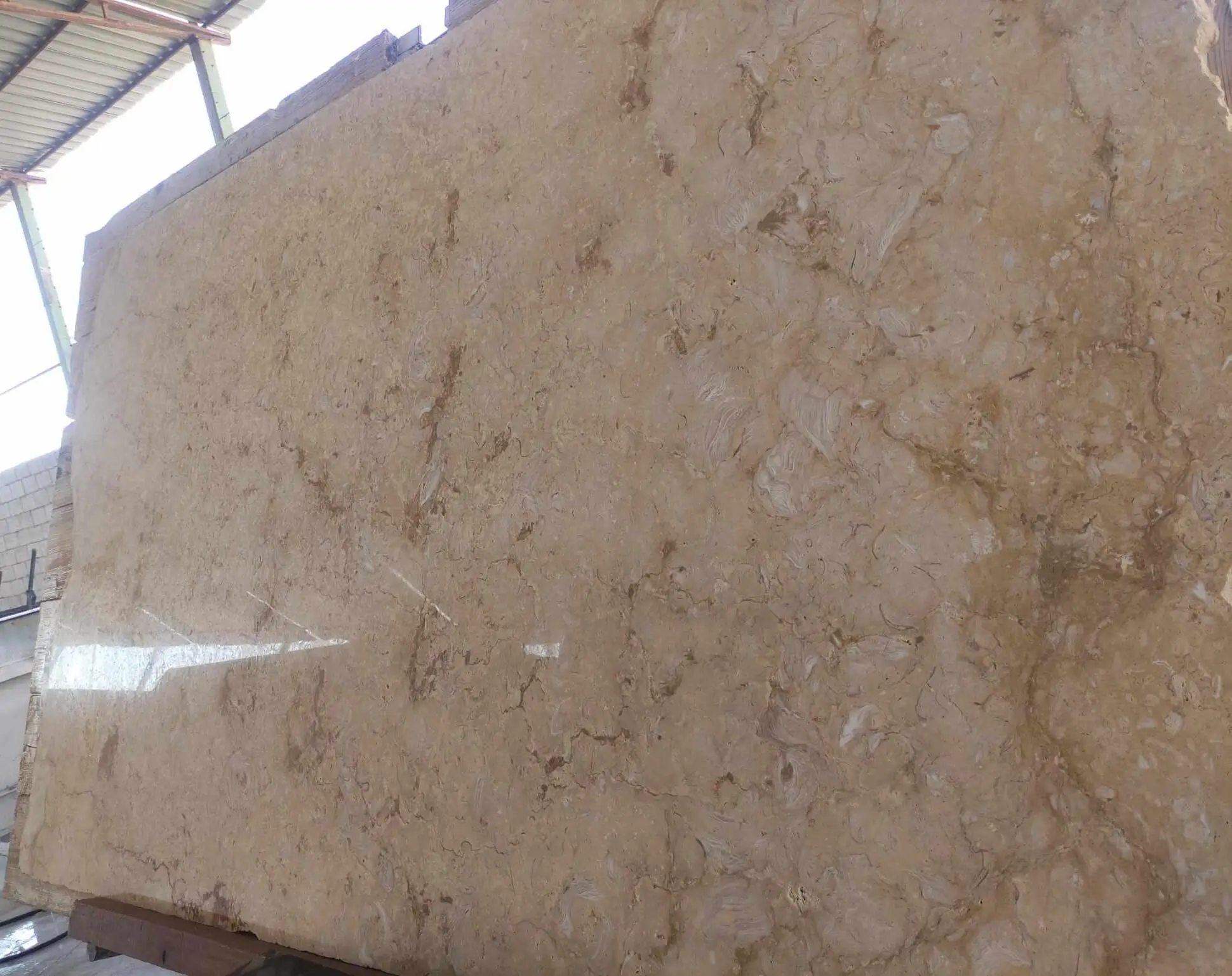
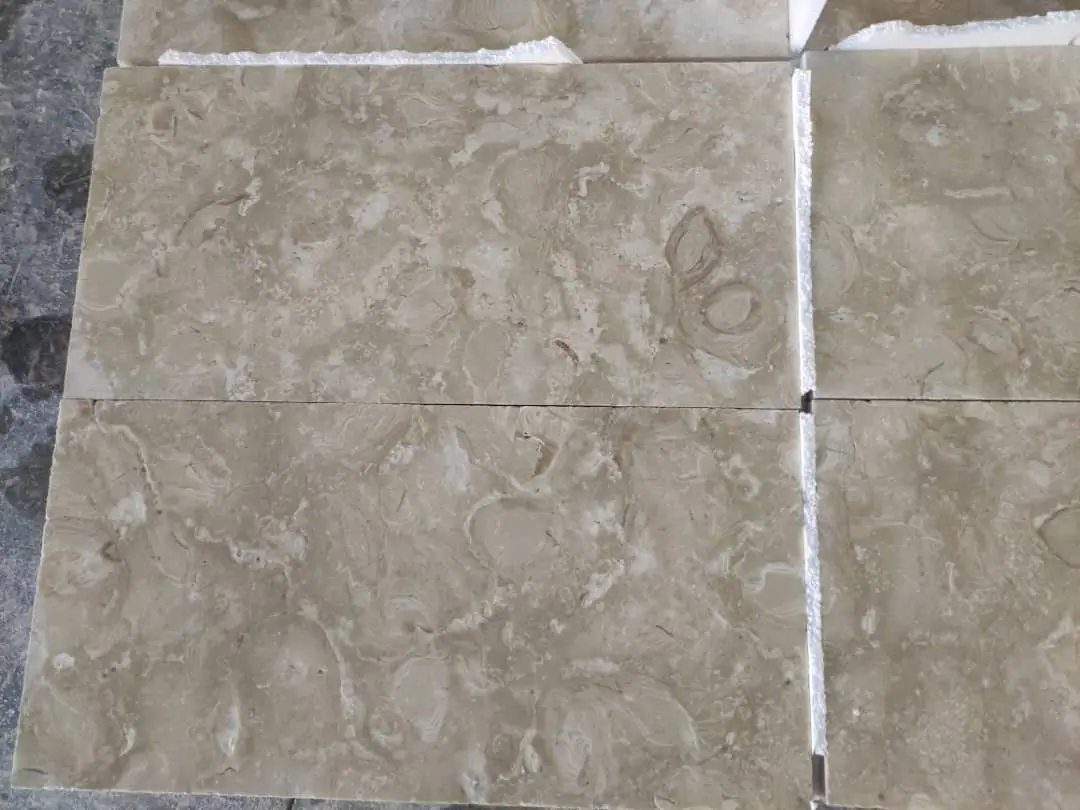
Travertine’s geological formation creates a distinctive pore architecture that you need to understand before selecting protective treatments. The material forms through calcium carbonate precipitation at hot springs, resulting in interconnected voids that range from microscopic capillaries to visible vuggy structures. Your sealing strategy must address this complete pore spectrum.
Field testing across commercial installations reveals that untreated travertine absorbs 3-8% of its weight in water during saturation testing. When you’re working in Arizona, this porosity becomes problematic during monsoon season events. Rapid water absorption followed by intense evaporation creates salt transport mechanisms that manifest as efflorescence — the white crystalline deposits you’ll see emerging 6-12 months post-installation.
The stone’s capillary network also allows contaminant penetration that simple surface cleaning cannot address. You’ll encounter staining from organic debris, mineral deposits from irrigation water, and atmospheric pollutants that penetrate 2-4mm below the surface. Without proper sealing travertine Arizona applications, these stains become permanent discolorations requiring costly remediation.
Sealer Chemistry Options for Desert Performance
You have three primary sealer chemistry categories to evaluate for travertine sealer Phoenix installations, each offering distinct performance characteristics. Your selection depends on balancing penetration depth, vapor permeability, UV resistance, and longevity requirements. Professional specifications require you to understand how each chemistry performs under Arizona’s extreme conditions.
Penetrating silane-siloxane sealers provide molecular-level protection by bonding within the stone’s pore structure. When you apply these formulations properly, they create hydrophobic barriers 3-5mm deep while maintaining vapor transmission rates above 85%. This breathability becomes critical in Arizona applications where subsurface moisture must escape without creating pressure that causes surface spalling. You should expect 3-5 year service life before reapplication becomes necessary.
Acrylic-based topical sealers form surface films that enhance color depth and provide immediate water repellency. However, you’ll find that Arizona’s UV exposure degrades these formulations rapidly — typically within 18-24 months. The film-forming nature also traps subsurface moisture, which creates delamination failures when you’re working in areas with irrigation or monsoon water infiltration. These products work better for vertical applications than horizontal paving exposed to direct sun and foot traffic.
Fluoropolymer sealers represent premium chemistry that delivers superior UV stability and extended service life. When you specify these formulations for desert stone protection applications, you’re investing in treatments that maintain effectiveness for 7-10 years. The higher material cost becomes justified when you factor reduced maintenance frequency and superior stain resistance. Your specification should verify that fluoropolymer content exceeds 40% by weight for commercial-grade performance.
Application Timing and Temperature Constraints
Sealing travertine Arizona projects requires you to work within narrow temperature windows that ensure proper sealer penetration and curing. You cannot simply follow manufacturer guidelines developed for moderate climates — Arizona’s temperature extremes demand modified application protocols that experienced installers understand but generic specifications often miss.
Surface temperature constraints become your primary limiting factor. You need substrate temperatures between 50-85°F during application and initial cure periods. In practice, this means you’re working early morning hours (6-10 AM) during summer months or midday (10 AM-3 PM) during winter. When substrate temperatures exceed 90°F, you’ll experience flash evaporation that prevents adequate penetration, leaving surface residue that creates hazy appearances requiring costly removal.
Ambient humidity also affects cure chemistry, though Arizona’s dry air creates opposite problems from humid climates. You should maintain relative humidity above 20% during application — occasionally requiring light misting of surrounding areas to prevent excessively rapid solvent evaporation. The accelerated evaporation rate in desert conditions means your working time decreases by 30-40% compared to coastal installations, requiring smaller batch applications and faster spreading techniques.
Monsoon season (July-September) presents specific challenges for Arizona paver maintenance schedules. You must verify 72-hour weather windows with zero precipitation probability before starting sealer applications. Unexpected moisture during cure periods causes whitening, reduced penetration, and bonding failures that necessitate complete sealer removal and reapplication. Your project timeline should build in weather contingency buffers that account for Arizona’s unpredictable summer storm patterns.
Substrate Preparation Requirements
Your sealing success depends more on proper surface preparation than sealer quality. You’ll achieve optimal penetration and bonding only when substrate conditions meet specific cleanliness, dryness, and pH requirements. Rushing preparation steps to meet project deadlines creates the majority of sealer failures observed in commercial installations.
- You must remove all efflorescence, mineral deposits, and residual mortar haze before sealer application
- Your substrate moisture content should measure below 4% using calibrated moisture meters
- You need to verify pH levels between 7-9 across the entire installation surface
- You should complete all joint sand stabilization before applying sealer to prevent contamination
- Your cleaning protocol must conclude with pH-neutral rinse to remove alkaline cleaner residues
New travertine installations require 14-21 day cure periods before you can apply sealers. This waiting period allows residual construction moisture to escape and initial efflorescence to bloom and be removed. You’ll encounter pressure to accelerate timelines, but premature sealing traps subsurface moisture and salts that cause delamination and recurring efflorescence emerging through the sealed surface. For travertine weatherproofing success, patience during this cure window proves essential.
Previously sealed surfaces need complete existing sealer removal before reapplication. You should use appropriate chemical strippers or mechanical abrasion methods depending on original sealer chemistry. Applying new sealer over degraded old sealer creates interface failures and uneven penetration that manifests as blotchy appearance and inconsistent protection. When you evaluate existing installations, probe testing helps determine whether old sealer requires removal or if you can apply compatible topcoats.
Application Methodology and Coverage Rates
Professional sealer application requires you to control multiple variables simultaneously — application method, coverage rate, penetration time, and residue removal. You’ll achieve specified performance only when all factors align correctly. Generic “apply liberally and wipe excess” instructions prove inadequate for commercial installations requiring documented warranty compliance.
Flood-coat application using low-pressure sprayers provides optimal penetration for travertine sealer Phoenix projects. You should apply sealer until the surface maintains visible wetness for 3-5 minutes, indicating pore saturation. Underapplication — the most common field error — leaves inadequate protection that fails prematurely. Your coverage rates typically range from 100-150 square feet per gallon for first coats, increasing to 200-250 square feet per gallon for second coats as porosity becomes sealed.
Two-coat systems deliver superior performance compared to single heavy applications. You need 2-4 hour recoat windows between applications, allowing first-coat penetration while maintaining surface activity for second-coat bonding. When you’re working in Arizona heat, these recoat windows contract to 60-90 minutes as accelerated evaporation affects surface conditions. Your crew scheduling must account for these compressed timelines that require continuous workflow without extended breaks.
Residue removal timing requires experienced judgment that balances penetration time against working time. You should begin back-rolling or buffing when surface wetness transitions to tacky feel — typically 8-12 minutes after application in Arizona conditions. Starting too early pulls sealer from pores, reducing protection. Waiting too long allows surface curing that makes residue removal difficult, creating glossy patches and uneven appearance. Temperature, humidity, and stone porosity all affect this timing window that separates successful applications from problematic ones.
Color Enhancement Versus Natural Finish
You face an aesthetic decision that significantly impacts long-term appearance — whether to specify color-enhancing sealers or natural-finish formulations. This choice affects not just initial appearance but maintenance requirements and refinishing options throughout the installation’s service life. Your client education process should include sample boards demonstrating both options under dry and wet conditions.
Color-enhancing sealers deepen travertine’s natural tones by 30-40%, creating richer appearance that many clients prefer. However, you need to understand that this enhancement comes from filling surface porosity with sealer that has higher refractive index than air. When the sealer wears or degrades, you’ll observe color fading that requires reapplication to maintain appearance. This creates perpetual maintenance commitment — once enhanced, the installation must be maintained in enhanced condition or undergo complete sealer removal for transition back to natural finish.
Natural-finish penetrating sealers provide protection without visible color change. You’ll find these formulations easier to maintain because wear patterns remain less obvious and reapplication blends invisibly with existing coverage. For commercial installations where maintenance budgets fluctuate or long-term ownership remains uncertain, natural finishes offer flexibility that enhanced finishes cannot match. Your specification should consider 10-15 year appearance management strategy, not just initial installation aesthetics.
The choice also affects slip resistance characteristics. Color-enhancing sealers often reduce coefficient of friction by 0.08-0.12 compared to natural finishes. When you’re specifying pool decks, entries, or other areas where wet-surface traction matters, this reduction may require you to select honed or textured travertine finishes to maintain adequate slip resistance after sealer application. Professional liability considerations make this specification detail critical for Arizona paver maintenance protocols.
Maintenance Protocol Development
Your sealer specification remains incomplete without documented maintenance protocols that property owners can implement. You’ll find that installations fail more often from neglected maintenance than from sealer chemistry inadequacies. Professional practice requires you to deliver written maintenance programs that specify cleaning methods, resealing frequency, and condition assessment criteria.
Routine cleaning for sealed travertine uses pH-neutral cleaners applied with soft-bristle brushes or auto-scrubbers. You should prohibit acidic cleaners that etch calcium carbonate and degrade sealer bonding, as well as alkaline degreasers that saponify some sealer chemistries. Your protocol should specify weekly cleaning for commercial applications, biweekly for residential. Pressure washing remains acceptable when you limit pressure below 1,200 PSI and maintain 12-inch minimum distance to prevent sealer erosion.
Resealing frequency depends on traffic levels, UV exposure, and original sealer chemistry. You can expect 3-5 year intervals for penetrating sealers in moderate-traffic residential applications, decreasing to 18-24 months for high-traffic commercial installations. When you evaluate resealing timing, perform water-drop testing across multiple locations — if water absorption occurs within 5 minutes rather than beading for 30+ minutes, resealing becomes necessary. Your maintenance program should include annual condition assessment that documents sealer performance degradation trends.
Stain response procedures require immediate action for organic materials, oils, and acidic substances. You need to absorb liquid spills immediately using clean cloths, then clean affected areas with appropriate spot cleaners. Many property owners mistakenly allow spills to dwell, assuming sealed surfaces provide indefinite protection. You should educate clients that sealers slow absorption rather than preventing it entirely — response time windows range from 30 minutes to 4 hours depending on sealer quality and contaminant chemistry.
Common Specification Errors
Professional specifications for sealing travertine Arizona applications must address details that generic templates omit. You’ll encounter recurring errors that create performance failures, warranty disputes, and client dissatisfaction. Understanding these pitfalls allows you to develop specifications that contractors can successfully execute and that deliver documented performance outcomes.
- You cannot specify single-coat applications and expect adequate protection in Arizona’s extreme climate
- Your specifications must define acceptable substrate moisture content and testing methodology
- You need to require sample board preparation demonstrating final appearance under wet and dry conditions
- You should mandate minimum spread rates rather than allowing contractor discretion
- Your timeline must include adequate cure periods between installation and sealing
- You need warranty language that addresses sealer maintenance requirements and reapplication responsibility
Specifications that reference product brand names without approved equals create procurement problems when warehouse stock levels don’t align with project timelines. You should specify sealer chemistry and performance characteristics, then list 3-5 acceptable manufacturers. This approach maintains quality standards while providing flexibility that prevents project delays when specific products show extended lead times from supplier distribution networks.
Failing to address existing condition documentation creates disputes when sealed surfaces reveal underlying installation defects. You need pre-sealing photo documentation, lippage measurements, and joint condition assessment completed before sealer application. The sealing process makes defects more visible by enhancing color variation and highlighting lippage through light reflection patterns. When you don’t document pre-existing conditions, you may face liability claims for problems the sealing revealed rather than caused.
Cost Analysis and Value Engineering
When you evaluate sealing costs for travertine weatherproofing projects, you should analyze total lifecycle expense rather than initial application pricing. Material costs range from $0.45-$1.20 per square foot depending on sealer chemistry, while professional labor adds $0.80-$1.50 per square foot. However, these first-cost figures don’t reflect the complete economic picture that drives specification decisions.
Premium fluoropolymer sealers costing $0.90-$1.20 per square foot for materials deliver 7-10 year service life. You’ll spend approximately $2.00-$2.70 per square foot installed. Standard silane-siloxane sealers at $0.45-$0.65 per square foot require reapplication every 3-5 years, with installed costs around $1.25-$2.15 per square foot. Over a 15-year period, you’re comparing 2 premium applications ($4.00-$5.40 total) against 3-5 standard applications ($3.75-$10.75 total). The premium chemistry provides cost advantages and reduced maintenance disruption for projects with 10+ year ownership timelines.
You also need to factor unsealed baseline costs for comparison. Unsealed travertine requires aggressive cleaning every 6-12 months to remove embedded staining, costing $0.25-$0.40 per square foot per service. Surface degradation necessitates refinishing or replacement 40-60% sooner than sealed installations. When you calculate present value of these ongoing costs plus premature replacement, sealing delivers 200-300% return on investment over 20-year analysis periods. Your value engineering should present these lifecycle comparisons rather than optimizing first-cost only.
Best Citadel Stone travertine tile suppliers in Arizona Guidance
At Citadel Stone, we provide technical guidance for property owners, architects, and contractors evaluating travertine applications across Arizona’s diverse climate zones. As experienced travertine tile suppliers in Arizona, we understand how regional variations in temperature, precipitation, and soil conditions affect material specification and protection requirements. This section outlines how you would approach sealing decisions for three representative cities, demonstrating the conditional analysis required for optimal performance.
When you consider premium travertine tile dealer in Mesa materials for your project, you’re evaluating stone that must withstand conditions ranging from extreme Sonoran Desert heat to higher-elevation temperature moderation. Your sealing specification should account for these regional differences that affect sealer chemistry selection, application timing, and maintenance protocols. The following city-specific analyses demonstrate assessment methodology you would apply to your particular project location.
Chandler Installation Considerations
In Chandler’s low-desert environment, you would encounter summer surface temperatures exceeding 165°F on travertine installations with southern exposure. Your sealer selection should prioritize UV stability and thermal cycling resistance for this climate. You’d typically specify fluoropolymer chemistry for horizontal applications receiving direct sun exposure, while penetrating siloxanes might suffice for shaded vertical surfaces. Application timing would concentrate in October-November and February-March windows when substrate temperatures remain within optimal 50-85°F range. You should account for Chandler’s minimal annual precipitation (8-9 inches) that reduces moisture-related concerns but increases dust accumulation requiring quarterly cleaning protocols. Your maintenance program would emphasize UV degradation monitoring with condition assessments every 18 months rather than the 24-month intervals appropriate for more moderate climates.
Tempe Urban Heat Factors
Tempe’s urban heat island effect would amplify thermal stress on your travertine installation compared to surrounding areas. You’d observe substrate temperatures 12-18°F higher than rural locations at similar elevations, particularly in commercial districts with extensive hardscape and limited vegetation. Your sealing specification would need to address accelerated sealer degradation from sustained high temperatures that compress typical 5-year service life to 3.5-4 years for standard chemistries. You should plan application scheduling around ASU academic calendar if working near campus, as foot traffic restrictions affect project timelines. The city’s irrigation-heavy landscaping culture means you’d encounter more moisture exposure than precipitation data suggests — your sealer must provide adequate hydrophobic protection against sprinkler overspray while maintaining breathability for subsurface moisture escape. You would typically recommend enhanced maintenance frequency with biannual condition assessment and spot resealing of high-wear areas between full reapplication cycles.
Surprise Residential Applications
Surprise’s predominantly residential character and newer development patterns would influence your sealing approach toward pool deck and patio applications. You’d focus on slip-resistance preservation as primary performance criterion, requiring you to verify that enhanced sealers maintain minimum 0.50 DCOF ratings when wet. The area’s master-planned communities often mandate specific appearance standards, so your sample board preparation becomes critical for HOA approval processes. You should anticipate pool water chemistry effects on sealed surfaces — chlorine and pH fluctuations accelerate sealer degradation in splash zones requiring localized resealing every 18-24 months even when field areas remain protected. Surprise’s slightly higher elevation (1,160 feet) versus Phoenix creates marginally lower temperatures that extend application season windows by 2-3 weeks on both ends compared to lower-desert locations. Your specification would address color consistency across phased installations common in large residential developments where material lots may vary between construction stages.
Warranty Considerations
Sealer warranties create complex obligations that you must understand before specifying products or application contractors. Manufacturer material warranties typically cover sealer defects and performance failure, while applicator labor warranties address application errors and workmanship issues. You need both warranty types to achieve comprehensive protection, and you should verify that warranty terms align with project performance requirements and ownership timelines.
Material warranties range from 3-15 years depending on sealer chemistry and manufacturer reputation. You’ll find that premium formulations justify higher costs partly through extended warranty coverage that reduces long-term owner risk. However, these warranties contain maintenance requirements that, if not followed, void coverage. Your specification must include maintenance protocol documentation and owner education to preserve warranty validity. Quarterly cleaning, annual condition assessment, and prompt stain response typically appear as mandatory conditions.
Applicator warranties usually run 1-3 years and cover delamination, uneven appearance, and premature wear caused by improper application technique. You should require contractors to provide written warranties separate from manufacturer coverage, with clear claim procedures and response timeframes. The warranty should specify color consistency standards, acceptable appearance variation, and performance criteria including water beading duration and stain resistance testing methodology. When you don’t define these criteria precisely, warranty enforcement becomes disputed interpretation rather than objective assessment.
Environmental and VOC Compliance
Arizona’s air quality regulations affect sealer product selection, particularly for projects in Maricopa County and other non-attainment areas. You must verify that specified sealers comply with volatile organic compound (VOC) limits that restrict solvent content in architectural coatings. Current regulations cap most sealers at 400-600 grams per liter VOC content, though some jurisdictions impose stricter 250 g/L limits during summer ozone season.
Water-based sealer formulations provide automatic VOC compliance while offering improved applicator safety and easier cleanup. However, you’ll find that water-based penetrating sealers deliver 20-30% less penetration depth than solvent-based equivalents, potentially reducing service life and stain protection. Your specification decision should weigh regulatory compliance and environmental considerations against performance requirements. For projects requiring maximum durability, you might specify compliant solvent-based formulations applied during winter months when VOC restrictions relax.
Disposal requirements for sealer waste and stripping residues create additional compliance obligations. You cannot allow sealer runoff to enter storm drains or natural drainage channels. Your application specification should require containment berms, vacuum recovery systems, or absorbent materials to capture all waste. Contractors need documented disposal at approved facilities with manifests proving regulatory compliance. These requirements add $0.15-$0.30 per square foot to project costs that value-engineering often overlooks but that create liability exposure when ignored.
Performance Verification
Your sealing specification should include objective performance testing that verifies contractor compliance with application standards. Visual inspection alone cannot confirm adequate penetration, proper coverage rates, or expected service life. You need quantifiable test methods that provide documentation for warranty activation and owner acceptance.
Water absorption testing using measured droplets provides simple field verification of sealer effectiveness. You should specify that water droplets maintain beading for minimum 30 minutes on sealed surfaces before absorption begins. Testing at 10 locations per 1,000 square feet captures coverage variation and identifies areas requiring additional sealer application. This testing should occur 48-72 hours after final sealer application to allow complete curing before assessment.
Color consistency verification requires comparison against approved sample boards under consistent lighting conditions. You would establish acceptable color variation limits — typically ±5% in colorimeter readings or visual matching under daylight conditions. When you don’t quantify acceptable variation, subjective disagreements emerge that delay project completion and create payment disputes. Your sample board should represent both dry and wet appearance since moisture darkening affects sealed travertine differently than unsealed material.
Slip resistance testing becomes mandatory for commercial applications and pool decks where safety codes specify minimum friction coefficients. You should verify DCOF ratings of 0.42 minimum for dry conditions and 0.50 minimum for wet pedestrian traffic areas. Testing occurs post-sealing using calibrated tribometers, with documentation required for building department approval and ADA compliance verification. Enhanced sealers that reduce friction below code minimums necessitate alternative surface finishes or sealer chemistry changes identified through this verification process.
Final Guidance
Successful sealing travertine Arizona installations requires you to integrate climate analysis, material science, application methodology, and lifecycle planning into comprehensive specifications. You cannot rely on manufacturer generic guidelines developed for moderate climates — Arizona’s thermal extremes, UV intensity, and unique moisture patterns demand customized approaches that account for regional conditions and specific application contexts.
Your specification development should begin with clear performance objectives that address appearance, durability, maintenance requirements, and budget constraints. When you define success criteria precisely, you can evaluate sealer chemistry options, application methods, and contractor qualifications against measurable standards. This systematic approach produces installations that meet owner expectations and deliver documented performance over 15-20 year service lives.
Professional practice requires you to balance competing priorities — initial cost versus lifecycle expense, aesthetic enhancement versus natural appearance, maximum protection versus breathability requirements. These decisions depend on project-specific factors including ownership timeline, maintenance capability, traffic exposure, and environmental conditions. You should develop decision matrices that weigh these variables systematically rather than defaulting to familiar solutions that may not optimize outcomes for particular applications. For comprehensive installation planning, review Installation pricing factors for travertine pavers in Arizona before you finalize your project specifications. Three-generation expertise establishes Citadel Stone as experienced travertine stone suppliers in Arizona heritage.