

When you specify radiant heat stone flooring Arizona installations, you’re balancing thermal conductivity with heat retention in one of the nation’s most demanding climates. Your material selection determines whether your radiant heating system delivers comfortable warmth efficiently or struggles against thermal resistance that drives operating costs skyward. You need to understand how stone properties interact with hydronic or electric heating elements before you commit to specifications that affect 20-year performance outcomes.
The relationship between stone density, porosity, and thermal mass creates trade-offs that most generic specifications overlook. You’ll encounter materials that conduct heat rapidly but fail to retain warmth during temperature swings, while others store thermal energy effectively but require extended heating cycles that increase energy consumption. Your climate zone within Arizona determines which properties matter most — Flagstaff installations face freeze-thaw considerations absent in Peoria projects, while Sedona’s elevation creates microclimates that demand nuanced specification approaches.
Thermal Conductivity Fundamentals for Radiant Systems
Stone thermal conductivity measures how quickly heat transfers through material thickness, expressed in BTU/(hr·ft·°F) or W/(m·K). When you evaluate radiant heat stone flooring Arizona applications, you’re looking at conductivity values ranging from 1.2 to 3.5 W/(m·K) depending on mineral composition and density. Limestone typically measures 1.3-1.7 W/(m·K), while granite reaches 2.2-2.9 W/(m·K) — this variance translates to 40-50% differences in heat transfer rates that directly impact your heating system sizing and response times.
Your specification needs to account for how conductivity interacts with slab thickness. A 12mm tile with high conductivity delivers surface warmth faster than a 20mm paver with identical thermal properties, but the thinner material loses heat more rapidly when heating systems cycle off. You’ll find the optimal balance in 15-18mm thickness ranges for most residential applications, where conductivity benefits outweigh thermal bridging concerns. Commercial installations with continuous heating demand may justify thicker materials that provide thermal buffering during demand cycling.
What catches specifiers off-guard is how installation method affects effective conductivity. When you use thick-set mortar beds exceeding 25mm, you’re adding thermal resistance that negates the stone’s inherent conductivity advantages. Thin-set installations with polymer-modified mortars at 3-6mm thickness minimize this resistance layer, improving system response times by 20-30% compared to traditional mud-bed applications. Your heating systems performance depends as much on substrate assembly as stone selection.
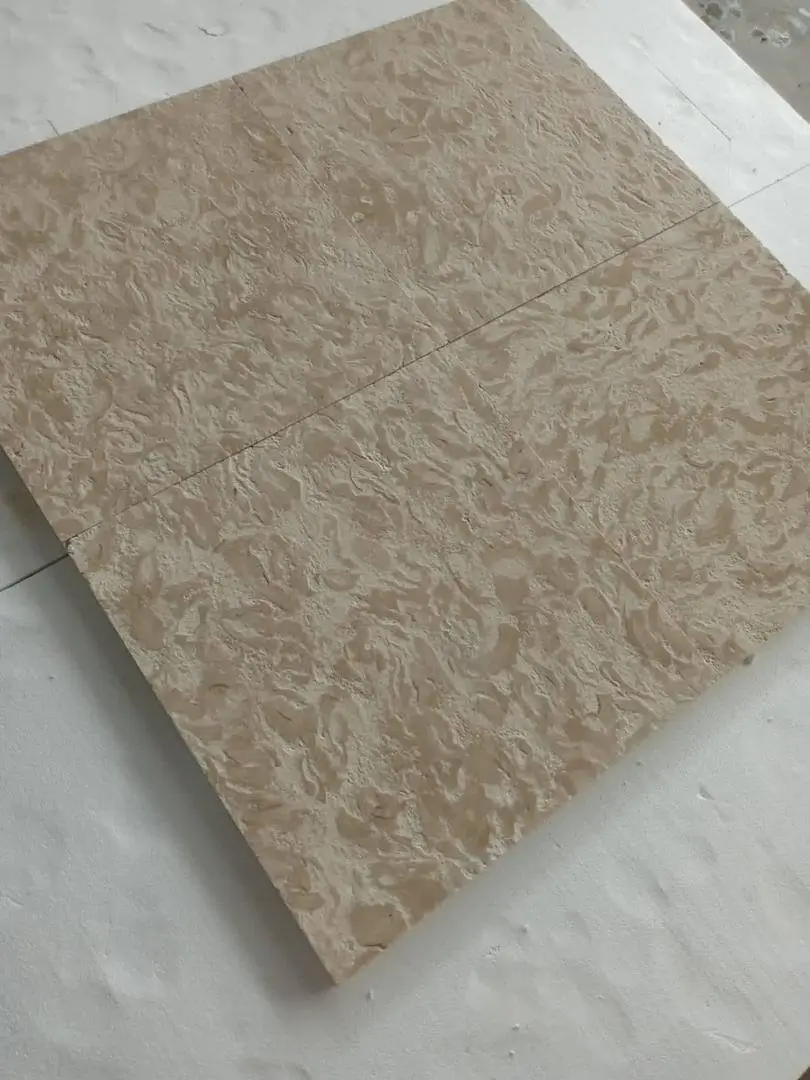
Material Density and Heat Retention Characteristics
Density drives thermal mass behavior that determines how your radiant heat stone flooring Arizona system performs during temperature fluctuations. Dense stones ranging from 2,400-2,700 kg/m³ store significant thermal energy, creating lag times between heating cycles and surface temperature changes. You’ll observe 2-4 hour delays in high-density installations, which can be advantageous or problematic depending on occupancy patterns and climate control strategies.
Consider how thermal mass interacts with Arizona’s diurnal temperature swings. In regions experiencing 30-40°F daily temperature variations, high thermal mass materials maintain more stable interior temperatures by buffering outdoor temperature changes. Your heating system runs more efficiently when stone mass absorbs excess heat during peak solar gain periods and releases it gradually during evening temperature drops. This passive thermal regulation can reduce heating system runtime by 15-25% in shoulder seasons when outdoor temperatures oscillate across comfort thresholds.
The trade-off emerges in buildings with intermittent occupancy. When you need rapid temperature recovery in spaces used sporadically, high thermal mass becomes a liability. Materials requiring 3-4 hours to reach target surface temperatures frustrate occupants expecting immediate warmth. Lower-density stones in the 2,000-2,200 kg/m³ range respond faster but provide less thermal buffering. Your occupancy profile should drive this specification decision more than generic performance claims.
Porosity Impact on Heating Efficiency
Stone porosity creates air pockets that act as thermal insulators, reducing effective conductivity in ways laboratory data often misrepresents. When you specify radiant heat stone flooring Arizona projects, you need to understand that published thermal conductivity values typically assume zero porosity conditions. Real-world materials with 3-8% porosity exhibit 10-20% lower effective conductivity depending on pore size distribution and interconnectedness.
Interconnected porosity matters more than total porosity percentage. Materials with isolated pore structures maintain better thermal performance than stones with connected pore networks that allow air movement. You can verify this through water absorption testing — stones absorbing less than 0.5% by weight generally have isolated pores that minimally affect thermal properties. Absorption rates exceeding 2% indicate interconnected porosity that degrades thermal performance and creates moisture-related complications when combined with radiant heating.
- Limestone with 4-6% porosity typically shows 12-15% conductivity reduction from published values
- Dense granite with less than 1% porosity maintains conductivity within 5% of laboratory measurements
- Sandstone exceeding 8% porosity can exhibit 25-30% thermal performance degradation
- Sealed surfaces reduce porosity impact but add thermal resistance from sealer layer thickness
Your sealing strategy needs careful consideration. Topical sealers add 0.1-0.3mm thickness with thermal resistance that can offset porosity benefits. Impregnating sealers penetrate pore structures without adding surface layers, maintaining thermal properties while protecting against moisture penetration. For radiant heating applications, you should specify penetrating sealers that don’t compromise the thermal interface between stone and occupied space.
Installation Substrate Requirements for Optimal Performance
Your substrate assembly determines whether radiant heat stone flooring Arizona installations achieve design performance or disappoint occupants with uneven heating and excessive energy consumption. The thermal resistance path from heating element to finished surface includes concrete slab, insulation layers, heating tubes or cables, mortar bed, and stone thickness — each component adds resistance that affects system efficiency and response characteristics.
When you design substrate assemblies, you need to prioritize downward insulation that prevents heat loss into structural slabs. Extruded polystyrene insulation at 25-50mm thickness below heating elements reduces downward heat loss by 60-75%, directing thermal energy toward occupied spaces. You’ll find that systems without adequate underslab Insulation Performance waste 30-40% of heating energy into structural mass that provides no occupant benefit. This specification detail affects Lifecycle Costs more than stone selection in most installations.
The mortar bed connecting heating elements to stone requires specific properties. You should specify polymer-modified thin-set mortars with thermal conductivity above 0.7 W/(m·K) — standard mortars typically measure 0.5-0.6 W/(m·K), creating unnecessary thermal resistance. High-conductivity mortars cost 15-20% more than standard products but improve system response time and reduce temperature differentials across floor surfaces. Your installation crew needs to maintain consistent 3-6mm bed thickness, as variations create hot and cold spots that become apparent within the first heating season.
Heating Systems Compatibility and Design Integration
Hydronic and electric radiant systems create different thermal profiles that interact uniquely with stone properties. When you specify hydronic systems with 12-16mm PEX tubing at 150-200mm spacing, you’re creating linear heat sources that require stone conductivity to distribute warmth laterally. Electric cable or mat systems provide more uniform heat distribution at the heating plane but generate higher surface temperatures that can stress some stone types.
Your tube spacing decisions directly affect surface temperature uniformity. Closer spacing reduces lateral heat transfer requirements, allowing lower-conductivity stones to perform acceptably. You’ll achieve adequate uniformity with 200mm spacing when using high-conductivity materials above 2.0 W/(m·K), but spacing must tighten to 150mm or less for stones below 1.5 W/(m·K). This specification detail affects installation labor and material costs significantly — tighter spacing increases tubing length by 25-35% with corresponding impacts on circulation pump sizing and pressure drop calculations.
Electric systems offer installation simplicity but create challenges with dense stone materials. The concentrated heat output from resistance cables can generate surface temperatures exceeding stone thermal stress thresholds during startup cycles. You need to specify gradual temperature ramp rates — no more than 2-3°F per hour — to prevent thermal shock in materials with low thermal expansion coefficients. Control systems with adaptive start algorithms prevent the aggressive heating cycles that damage stone installations during cold starts after extended shutdowns.
For projects requiring detailed material specifications, Citadel Stone’s masonry products inventory in Mesa provides comprehensive technical data for thermal applications.
Thermal Expansion Considerations in Arizona Climates
Stone thermal expansion coefficients range from 4.0 × 10⁻⁶ to 8.5 × 10⁻⁶ per °F depending on mineral composition. When you combine radiant heat stone flooring Arizona installations with ambient temperature swings, you’re creating expansion scenarios that exceed typical flooring applications by 40-60%. A 20°F differential between heated and unheated states generates 0.010-0.015 inches of expansion per 10 feet of floor length — movement that concentrates at perimeter joints and penetration details.
Your joint design must accommodate both thermal expansion and standard movement requirements. You should specify compressible joint materials at 8-12mm width around floor perimeters, increasing to 15-20mm at large-format transitions and penetrations. Rigid grout in perimeter joints creates stress concentrations that lead to corner cracking within 2-3 heating seasons. Silicone or polyurethane sealants with 25% minimum movement capability provide the flexibility required for thermal cycling without compromising visual continuity.
- Limestone expansion coefficients of 4.5-6.0 × 10⁻⁶ per °F require 10mm perimeter joints for 15-foot spans
- Granite coefficients of 5.0-7.5 × 10⁻⁶ per °F demand 12mm joints for equivalent spans
- Temperature differentials in radiant floors typically range 15-25°F above ambient in Arizona climates
- Seasonal temperature swings add 10-15°F variation to baseline expansion calculations
What often surprises specifiers is how subfloor restraint affects expansion behavior. When you install stone over concrete slabs with inadequate bond-breaking layers, friction restraint prevents free movement and creates internal stresses that manifest as random cracking. You need uncoupling membranes or slip sheets at the stone-substrate interface for installations exceeding 300 square feet or spanning more than 20 feet in any direction. This detail adds minimal cost but prevents expensive remediation of expansion-related failures.
Surface Temperature Regulation and Comfort Parameters
Radiant floor surface temperatures require careful control to balance thermal comfort with stone durability. When you design radiant heat stone flooring Arizona systems, you’re targeting surface temperatures between 75-85°F for occupied spaces — warm enough for barefoot comfort but below thresholds that cause thermal discomfort or material stress. Your control strategy determines whether you maintain this narrow range consistently or experience temperature excursions that compromise performance.
Stone surface temperature lags water temperature in hydronic systems by 8-12°F depending on slab assembly thermal resistance. You need to account for this differential when programming supply water temperatures and control setpoints. Outdoor reset controls that modulate water temperature based on ambient conditions provide superior comfort and efficiency compared to fixed-temperature systems. Your control curves should target 95-110°F supply water for most Arizona heating seasons, increasing to 120°F only during extreme cold events in elevated regions.
The thermal sensation occupants experience depends on surface temperature, air temperature, and radiant asymmetry. When you maintain floor surfaces at 78-82°F, you can reduce air temperature setpoints by 2-3°F while maintaining equivalent comfort levels. This thermostat strategy reduces heating system loads by 8-12% because you’re heating less air volume to lower temperatures. However, surface temperatures exceeding 85°F create discomfort for occupants in direct contact with floors — a Home Safety Checklist consideration for households with young children or elderly residents who spend time on floor surfaces.
Energy Efficiency and Operating Cost Analysis
Your material selection affects operating costs through thermal conductivity, heat capacity, and surface emissivity characteristics. High-conductivity stones deliver heat to occupied spaces with lower temperature differentials between heating elements and surface, reducing energy losses through substrate assemblies. You’ll observe 8-15% energy savings with high-conductivity materials compared to low-conductivity alternatives when controlling to equivalent surface temperatures.
Lifecycle Costs extend beyond operating energy to include installation complexity, maintenance requirements, and replacement considerations. Dense, durable stones justify higher initial costs through 30-40 year service lives with minimal maintenance. Lower-cost alternatives requiring refinishing or replacement at 15-20 years often exceed lifecycle costs of premium materials when you account for removal, disposal, and reinstallation expenses that can reach 150-200% of new material costs.
When you evaluate energy performance, consider how thermal mass interacts with time-of-use utility rates. High thermal mass installations can leverage off-peak heating periods, storing energy during low-rate hours and releasing it during peak periods. This load-shifting strategy reduces operating costs by 20-30% in markets with significant rate differentials. Your control system needs predictive capabilities that anticipate occupancy and rate changes, preheating thermal mass during optimal periods rather than reacting to instantaneous demand.
- Annual heating costs for well-designed radiant systems typically range $0.80-1.40 per square foot in Arizona climates
- High-conductivity stones reduce heating system runtime by 12-18% compared to low-conductivity alternatives
- Thermal mass load-shifting can reduce energy costs by $0.15-0.25 per square foot annually with time-of-use rates
- Installation costs for radiant-compatible stone assemblies add $8-15 per square foot to standard flooring costs
Moisture Management in Radiant Floor Assemblies
Radiant heating systems accelerate moisture migration from concrete substrates, creating vapor drive that can damage stone installations lacking adequate moisture barriers. When you specify radiant heat stone flooring Arizona projects, you need vapor retarders below heating elements and moisture testing protocols before stone installation. Concrete slabs retain construction moisture for 12-18 months in Arizona’s low-humidity environment — shorter than humid climates but still sufficient to cause installation failures if moisture content exceeds stone and adhesive tolerances.
Your moisture testing should verify concrete moisture content below 4.5% by weight or relative humidity below 75% at slab depth before proceeding with stone installation. You’ll find that radiant heating can be used to dry slabs before flooring installation, but this process requires 30-60 days of controlled heating with adequate ventilation to remove mobilized moisture. Attempting to accelerate drying with aggressive heating creates surface drying while subsurface moisture remains, giving false test results that lead to subsequent adhesive failures.
The vapor retarder location matters critically in radiant assemblies. You should place vapor barriers below insulation layers, not between heating elements and stone. Barriers above insulation trap moisture between concrete and heating system, creating corrosion conditions for metal components and degrading insulation performance. Polyethylene sheet at 6-10 mil thickness below insulation provides adequate vapor control while allowing the heating system and stone to dry to interior air if construction moisture remains in the assembly.
Maintenance and Long-Term Performance Expectations
Radiant heat stone flooring Arizona installations require different maintenance protocols than conventional flooring due to thermal cycling effects on sealers and joint materials. You should establish maintenance schedules that address thermal stress impacts on protective treatments and movement joints. Sealers that perform adequately on non-heated floors may degrade 30-50% faster under thermal cycling, requiring reapplication every 18-24 months instead of 36-48 month intervals typical for standard installations.
Your maintenance program should include annual joint inspections focusing on perimeter details and penetrations where thermal movement concentrates. Flexible sealants in these locations experience compression and extension cycles that cause adhesive fatigue over time. You’ll need to replace perimeter sealants every 5-7 years to maintain movement capability and prevent moisture intrusion that can damage substrate assemblies. This preventive maintenance costs substantially less than repairing water-damaged substrates or replacing failed heating elements.
Surface cleaning protocols need modification for heated floors. You should avoid flooding cleaning methods that introduce excessive moisture into assemblies maintained above ambient temperature. Steam cleaning and wet mopping force moisture into substrate assemblies where elevated temperatures accelerate vapor drive into underlayment materials. Damp cleaning with immediate drying provides adequate sanitation without moisture complications. For stubborn soiling, you can temporarily disable heating systems 24 hours before intensive cleaning to reduce vapor drive during moisture exposure.
Citadel’s Expertise in Hardscape Stone in Arizona Climate Applications
At Citadel Stone, we provide technical guidance for radiant heat stone flooring Arizona applications across the state’s diverse climate zones. When you evaluate hardscape stone in Arizona for heated floor installations, you’re considering materials engineered for extreme temperature performance and thermal cycling durability. This section outlines specification approaches for three representative cities, demonstrating how climate factors influence material selection and installation methodology.
Arizona’s climate diversity requires regional specification adjustments. You would account for freeze-thaw exposure in elevated regions, extreme heat in low desert areas, and UV intensity variations affecting surface temperature extremes. Your project location determines which performance factors dominate specification decisions and how you balance competing requirements for thermal conductivity, expansion behavior, and environmental durability.
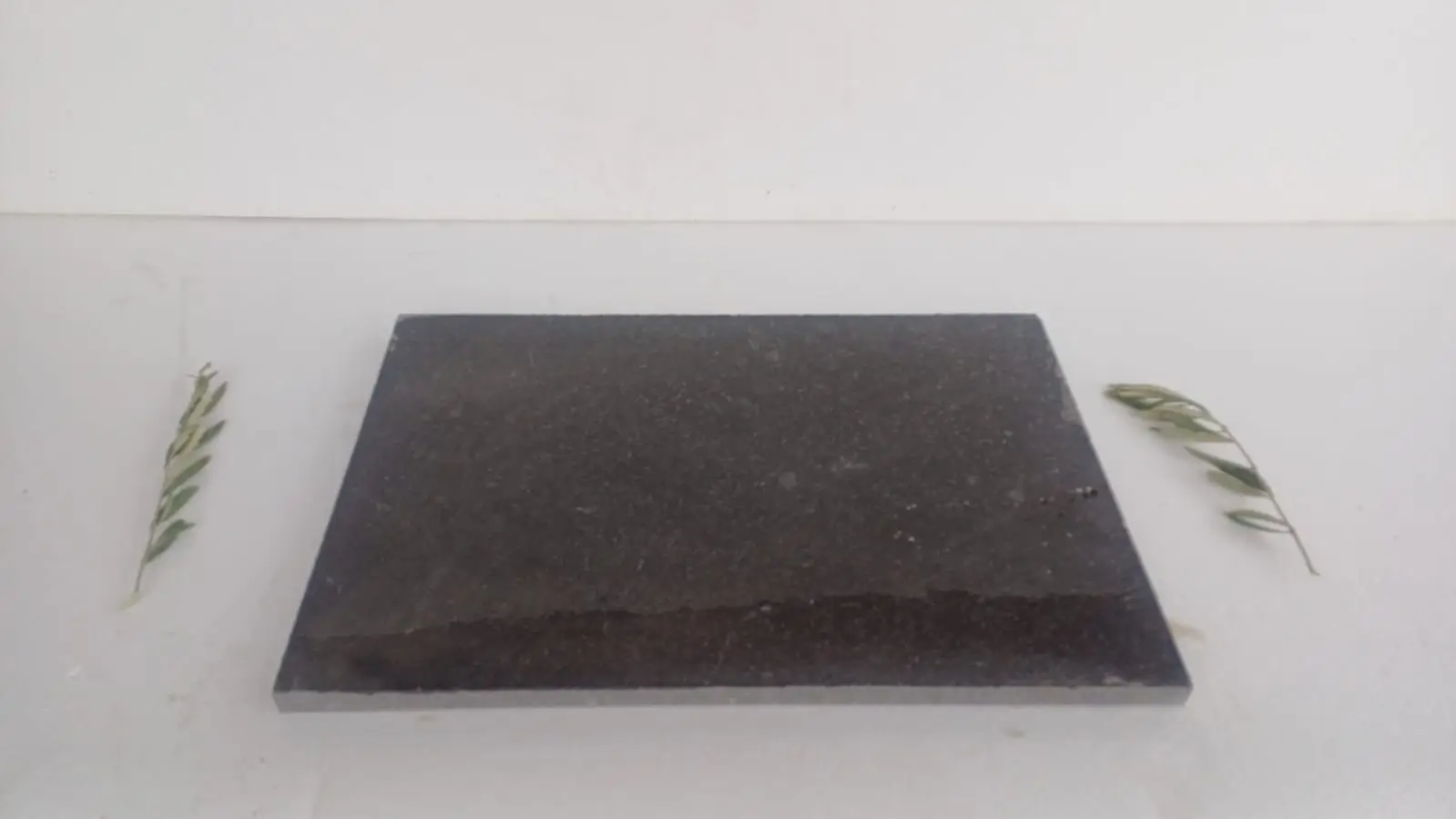
Flagstaff Applications
In Flagstaff’s 7,000-foot elevation climate, you would specify materials addressing freeze-thaw cycling that occurs 80-100 times annually. Your radiant heat stone flooring Arizona selection would prioritize low-porosity stones with water absorption below 0.5% to prevent freeze damage during heating system interruptions. You’d need to verify compressive strength exceeds 10,000 PSI and thermal conductivity remains above 1.8 W/(m·K) for adequate heat delivery in spaces requiring 70°F temperature lifts from unheated conditions. When you design control systems for Flagstaff installations, you should specify anti-freeze protection in hydronic systems and ensure heating systems maintain minimum 45°F temperatures during unoccupied periods to prevent substrate freezing.
Sedona Performance
Sedona’s moderate 4,500-foot elevation creates microclimates where you would balance heating requirements with UV exposure in spaces featuring large glazing areas. Your radiant heat stone flooring Arizona specifications would address thermal mass benefits for passive solar gain management while ensuring adequate conductivity for supplemental heating during winter months. You should specify materials with thermal expansion coefficients below 6.0 × 10⁻⁶ per °F to accommodate the 40-50°F diurnal temperature swings common in shoulder seasons. When you plan Sedona installations, you’d verify that stone selections maintain color stability under intense UV exposure that can fade or discolor some materials within 3-5 years in high-exposure locations.
Peoria Considerations
In Peoria’s low desert climate, you would specify radiant heat stone flooring Arizona materials emphasizing thermal conductivity and heat retention for the limited heating season typical of Phoenix metro locations. Your installations would focus on materials delivering rapid temperature response for intermittent heating demand rather than continuous operation common in colder climates. You should specify stones with moderate thermal mass that reach comfortable surface temperatures within 45-60 minutes of heating system activation. When you design Peoria projects, you’d account for extreme summer heat that can drive substrate temperatures above 85°F before heating systems activate, requiring control interlocks that prevent unnecessary heating when slab temperatures already exceed setpoints from solar gain through building envelope.
Professional Specification Process and Documentation
Your specification documents need to address thermal performance criteria alongside standard physical properties. You should include minimum thermal conductivity values, maximum thermal expansion coefficients, and porosity limits appropriate for radiant applications. Generic stone specifications omit these thermal properties, leaving installers and suppliers uncertain about performance requirements. When you provide explicit thermal criteria, you eliminate ambiguity that leads to material substitutions that compromise system performance.
Coordination between mechanical and architectural specifications prevents conflicts that surface during construction. You need to verify that radiant system design temperatures, flow rates, and control strategies align with stone thermal properties and installation details. When mechanical engineers design systems assuming generic conductivity values without consulting actual material specifications, you’ll encounter installations where heating capacity proves inadequate or surface temperatures exceed comfort thresholds. Your specification process should mandate submittals demonstrating thermal compatibility before material procurement.
- Specify minimum thermal conductivity values in W/(m·K) for all radiant floor stone selections
- Include maximum thermal expansion coefficients appropriate for anticipated temperature ranges
- Require water absorption testing verification at less than 0.5% for freeze-thaw climates
- Mandate compressive strength minimums of 8,000 PSI for residential, 10,000 PSI for commercial applications
- Detail joint spacing, material type, and installation procedures for thermal movement accommodation
Mock-up requirements provide verification that specified assemblies achieve performance expectations before full-scale installation. You should require 100-square-foot mock-ups for projects exceeding 1,000 square feet, with heating system activation and thermal imaging verification of temperature uniformity. These mock-ups reveal installation issues, material performance concerns, and control system calibration needs that allow corrections before problems replicate across entire floors. The cost of comprehensive mock-ups rarely exceeds 2-3% of total flooring costs but prevents failures that can require 100% replacement.
Common Specification Errors and Prevention Strategies
The most frequent specification error involves ignoring thermal properties entirely, treating radiant floor stone selection as purely aesthetic. When you specify materials based solely on appearance, color, or finish without verifying thermal conductivity and expansion characteristics, you’re accepting performance risks that may not surface until heating systems activate. You need to establish minimum thermal performance criteria early in design development, before aesthetic selections constrain options to materials with inadequate thermal properties.
Inadequate movement joint details create failures in otherwise well-specified installations. You should recognize that standard tile joint specifications don’t accommodate thermal expansion from radiant heating combined with structural movement. Your details need to differentiate between field joints that can use rigid grout and perimeter joints requiring flexible sealants with verified movement capability. When you specify identical materials for all joints without distinguishing thermal movement locations, you’re setting up crack and delamination failures within the first 2-3 heating seasons.
Overlooking substrate preparation requirements causes more installation failures than material selection errors. You need to verify concrete flatness to FF35 minimum before radiant system installation, as substrate irregularities concentrate in thin mortar beds causing bond failures and heating element damage. When you allow installers to proceed over substrates with humps and depressions exceeding 3/16 inch in 10 feet, you’re accepting elevated failure risk. Your quality control protocols should include substrate verification before heating systems begin installation, preventing costly demolition of completed radiant assemblies that can’t support stone flooring.
Future Performance and Technology Integration
Your specification decisions today determine adaptation capabilities for future technology integration. Smart home systems increasingly interface with radiant heating controls, requiring compatible control platforms and sensor integration. When you specify proprietary control systems with limited connectivity, you constrain future automation possibilities. You should favor open-protocol controls supporting common communication standards, allowing integration with building management systems, occupancy sensors, and utility demand response programs that may become available during the installation’s service life.
Climate change projections suggest Arizona heating degree days may decrease 10-15% over 30-year building lifecycles, while extreme weather events increase in frequency. Your radiant heat stone flooring Arizona specifications should consider how system modifications might be required as heating demands shift. Designing systems with excess capacity for current conditions may prove wasteful if heating loads decrease, while undersizing creates comfort deficiencies if extreme cold events become more common. You need to balance these uncertainties through modular design that allows heating capacity adjustments without complete system replacement.
For architectural projects requiring precision fabrication integration, review CNC precision stone fabrication technology for architectural applications to understand how advanced manufacturing capabilities enhance installation quality and dimensional accuracy. Your professional specification process requires balancing thermal performance requirements with budget constraints, lead times, and installer capabilities to achieve projects that satisfy both immediate functionality and long-term durability expectations. From custom architectural cuts to standard blocks Citadel Stone offers the finest stone masonry products in Arizona.