
When you design slope stabilization rock gardens Arizona projects on steep terrain, you face engineering challenges that go beyond aesthetic considerations. Your hillside site demands structural solutions that prevent erosion while creating visually compelling landscapes. The combination of intense solar exposure, monsoon-driven soil saturation, and freeze-thaw cycling in elevated regions requires you to select materials and construction methods that address both gravitational forces and thermal stress.
You’ll discover that successful steep-slope installations depend on understanding soil mechanics specific to Arizona’s diverse geological zones. Clay-heavy soils in Tempe expand differently than decomposed granite substrates in Scottsdale, and your design must account for these variations. The slope angle determines whether you need engineered retaining elements or can rely on strategic rock placement with appropriate root-zone integration.
Geological Considerations for Steep Terrain Design
Your site analysis begins with slope gradient measurement and subsurface composition evaluation. Slopes exceeding 3:1 (horizontal to vertical) require structural intervention beyond simple planting schemes. You need to assess existing soil cohesion, seasonal water movement patterns, and bedrock proximity before specifying materials or construction sequences.
Arizona’s geological diversity means you’ll encounter caliche layers, expansive clays, volcanic tuff, and alluvial deposits—sometimes on the same project site. Each substrate responds differently to moisture infiltration and root penetration. When you identify caliche within 18 inches of finish grade, your excavation approach changes significantly. This concrete-like layer prevents drainage and root development, requiring mechanical removal or strategic perforation at 24-inch intervals.
Slope stabilization rock gardens Arizona installations succeed when you match stone size and placement density to calculated shear forces. Your structural rock elements should penetrate below the active erosion zone, typically 14-22 inches in monsoon-affected areas. The relationship between individual stone mass and slope angle follows predictable engineering principles—steeper slopes require proportionally larger anchor stones to resist gravitational displacement during saturation events.
Material Selection Criteria for Hillside Applications
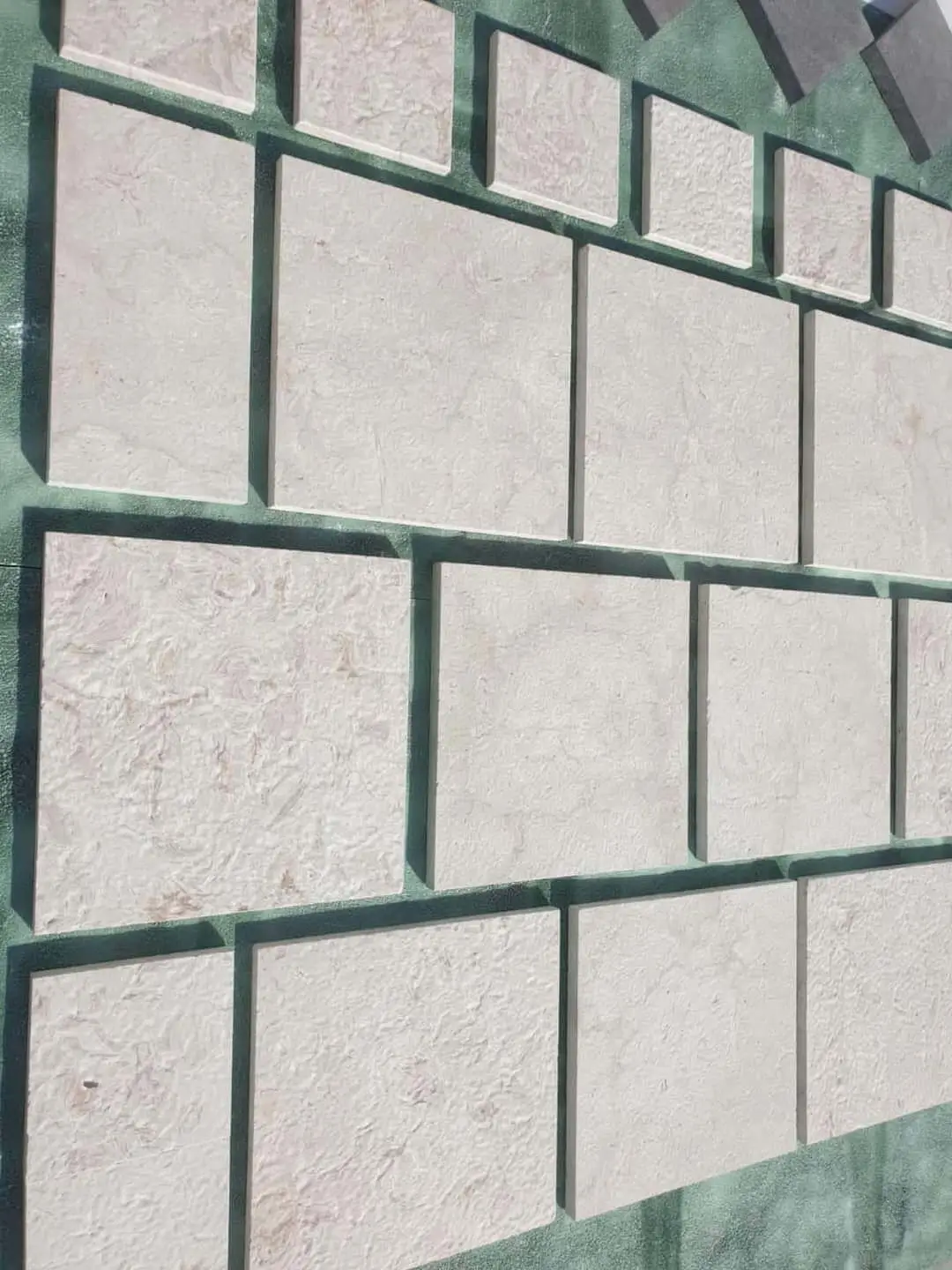
You should evaluate stone materials based on durability characteristics that extend beyond compressive strength ratings. The porosity range determines freeze-thaw resistance in elevated installations above 4,500 feet, where temperature cycling exceeds 40 annual events. Materials with interconnected pore structures below 6% maintain structural integrity through repeated expansion cycles, while higher porosity stones experience accelerated deterioration.
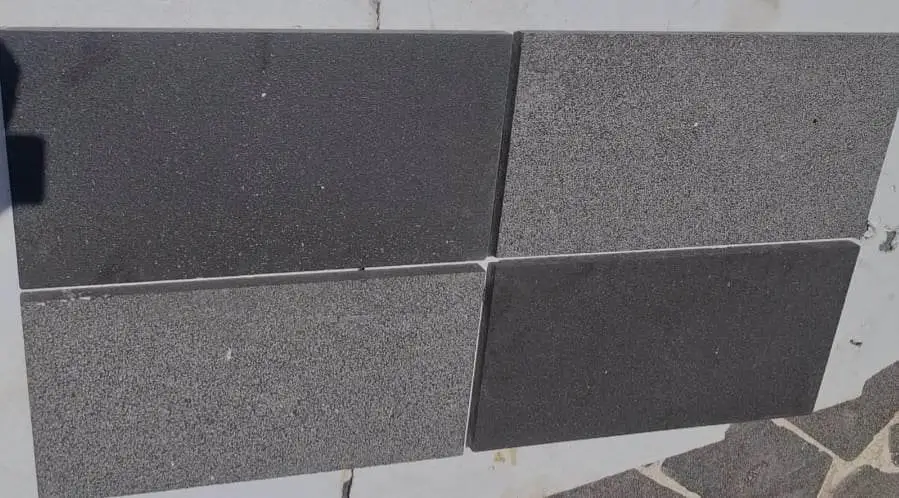
Thermal mass properties affect both plant survival and long-term structural performance in slope stabilization rock gardens Arizona projects. Darker stones absorb and retain solar radiation, creating microclimate zones that extend 18-26 inches from exposed surfaces. You’ll find this thermal influence benefits cold-sensitive alpine gardening selections during winter months but creates moisture stress during summer peak-heat periods. Your material color selection should balance aesthetic goals with plant-zone temperature management.
- You need to verify dimensional consistency within ±15% variance for structural courses
- Your anchor stones should weigh minimum 200 pounds for slopes exceeding 2:1 ratio
- Flat-bedded sedimentary materials provide superior stacking stability compared to rounded river rock
- Angular edges increase inter-stone friction coefficients by 30-40% over smooth surfaces
- You should specify materials sourced from elevations within 2,000 feet of installation altitude for thermal compatibility
Drainage Engineering Fundamentals
Your hillside design requires subsurface drainage systems that intercept water before slope-face saturation occurs. The critical failure point in most steep installations happens when pore pressure within soil masses exceeds cohesive strength—typically during monsoon events delivering 2+ inches in 90-minute periods. You need to engineer drainage that removes water faster than precipitation introduces it.
French drain installations on slope faces follow different performance criteria than level-grade applications. You should position perforated pipe at the interface between native soil and imported structural fill, with minimum 2% grade directing flow to collection points. The aggregate envelope surrounding drainage pipe must maintain permeability 4-5 times greater than adjacent soil to function effectively. When you specify 3/4-inch crushed stone for drainage zones, you’re creating preferential flow paths that protect structural integrity.
Surface water management in slope stabilization rock gardens Arizona installations requires strategic grade manipulation that directs runoff without creating concentrated flow channels. You’ll prevent erosion by designing multiple dispersed flow paths rather than single drainage courses. Rock placement creates velocity-reduction zones that encourage infiltration while preventing sheet-flow acceleration. Your design should incorporate grade breaks every 12-16 vertical feet on extended slopes to interrupt momentum accumulation.
Structural Installation Methodology
When you begin construction sequencing, your excavation depth must reach stable substrate capable of supporting imposed loads. Loose fill and organic-rich topsoil layers compress under weight, creating settlement failures that appear 8-16 months post-installation. You should excavate to mineral soil or bedrock, then build upward with properly compacted structural fill.
Your base course establishment determines long-term stability more than any other construction phase. The lowest stone tier requires embedment depth equal to 40-50% of visible height, creating below-grade anchoring that resists gravitational slippage. You’ll achieve optimal results by excavating individual stone pockets rather than continuous trenches, allowing precise positioning and maximum native-soil contact.
Backfill material selection affects both drainage performance and root-zone development. You need granular soils with sufficient fines content (8-12%) to support plant establishment while maintaining permeability above 2 inches per hour. Pure sand drains effectively but lacks nutrient retention and cohesion. Clay-heavy backfill holds moisture and nutrients but creates waterlogging conditions during monsoon periods. Your optimal mix combines 60% crushed granite fines, 25% compost, and 15% native soil.
- You should compact backfill in 6-inch lifts to 85-90% maximum density
- Your stone courses must tilt 2-4 degrees into the slope face for gravitational stability
- Each structural tier should overlap lower courses by minimum 8 inches horizontally
- You need to verify inter-stone contact points every 18-24 inches along course length
Plant Integration for Erosion Control
Your vegetation selection serves structural functions beyond aesthetic contribution in slope stabilization rock gardens Arizona designs. Root systems create biological reinforcement that binds soil particles and increases cohesive strength. Deep-rooted alpine gardening species penetrate 24-40 inches, creating anchorage networks that resist surface sloughing during saturation events.
The timing of plant installation relative to construction completion affects survival rates and establishment speed. You’ll achieve superior results by planting during seasonal transitions—late September through November in lower elevations, April through June above 5,000 feet. These windows provide moderate temperatures and increasing moisture availability that reduce transplant shock. When you install during summer peak-heat periods, expect 30-40% mortality even with aggressive irrigation protocols.
Plant pocket design within rock structures requires adequate root-zone volume and drainage characteristics. You should provide minimum 18-inch depth and 24-inch diameter for shrub installations, increasing to 30-inch depth for small tree species. The pocket’s bottom must connect to subsurface drainage systems or permeable substrates—standing water at root depth causes anaerobic conditions and fungal disease within 3-4 weeks.
Thermal Stress Management Considerations
Arizona’s extreme temperature differentials create expansion and contraction cycles that affect stone stability and joint integrity in slope stabilization rock gardens Arizona installations. Surface temperatures on south-facing slopes regularly exceed 160°F during summer months, while winter nights drop below freezing at elevation. This 180-degree annual range generates movement that accumulates over multiple seasons.
You need to accommodate thermal expansion through strategic joint spacing and flexible backfill materials. Rigid cement-based mortars fail under repeated expansion cycles, developing fractures that admit water and accelerate deterioration. When structural requirements demand mortared joints, you should specify polymer-modified formulations with elongation capacity exceeding 5%. These flexible mortars absorb movement without fracturing, maintaining weather-tight seals through temperature extremes.
Rock color selection influences surface temperature by 40-60 degrees during peak solar exposure. Light-colored limestone and granite surfaces reflect radiation, maintaining temperatures 15-20% cooler than dark basalt or volcanic stone. For additional material options suited to thermal management, see our stone masonry products facility for comprehensive specifications. Your selection should consider both plant-zone temperature effects and human contact surfaces where applicable.
Long-Term Maintenance Protocols
Your maintenance program begins immediately after installation completion and continues through establishment periods extending 24-36 months. Initial irrigation requirements exceed long-term needs by 60-70%, supporting transplant recovery and backfill consolidation. You should implement deep-watering cycles that encourage root penetration rather than frequent shallow applications that promote surface rooting.
Structural inspections should occur seasonally during the first three years, focusing on settlement indicators and drainage performance. You’ll identify problems early by monitoring stone displacement, soil erosion patterns, and vegetation stress symptoms. Minor adjustments during establishment prevent major failures later—repositioning a shifted stone during year one takes 30 minutes, while repairing slope failure after structural collapse requires complete reconstruction.
- You need to verify drainage outlet function after each monsoon season
- Your inspection should document any stones exhibiting rotation or forward movement
- Backfill settlement exceeding 2 inches requires supplemental material addition
- You should remove volunteer vegetation with tap roots that could displace structural elements
- Joint material replenishment maintains inter-stone stability and prevents water infiltration behind facing stones
Common Design Failures and Prevention
The most frequent structural failure in hillside installations occurs when designers underestimate hydrostatic pressure during saturation events. Slope stabilization rock gardens Arizona projects face monsoon precipitation that saturates soil profiles in hours, creating pore pressures that overcome frictional resistance. You prevent this failure mode by engineering subsurface drainage that intercepts water before critical pressure accumulation occurs.
Inadequate stone sizing represents another common specification error. Visual scale considerations often lead to stone selections too small for structural requirements. You should calculate minimum stone mass based on slope angle and vertical height—a 4-foot slope at 1.5:1 ratio requires anchor stones weighing 250-300 pounds minimum. Undersized materials shift during the first major precipitation event, creating cascading failures as displaced stones impact lower courses.
Foundation preparation shortcuts produce delayed failures that appear years after installation. When you build on uncompacted fill or fail to reach stable substrate, settlement occurs gradually as underlying soils consolidate. The visible symptoms—leaning walls, separated joints, surface cracking—typically emerge 18-30 months post-construction, after seasonal moisture cycling completes initial consolidation phases.
Citadel Stone: Premium Building Supplies Stone in Arizona — Professional Specification Guidance for Arizona
When you consider Citadel Stone’s building supplies stone in Arizona for your hillside project, you’re evaluating materials engineered for extreme climate performance and structural applications. At Citadel Stone, we provide technical guidance for slope stabilization rock gardens Arizona installations across the state’s diverse elevation zones. This section outlines how you would approach specification decisions for three representative cities, each presenting distinct geological and climate challenges.
Your material selection process should account for regional variations in temperature extremes, precipitation patterns, and soil composition. Arizona’s geographic diversity means installations in low-desert basins face different performance requirements than mountain-zone projects above 5,000 feet. You need to match stone characteristics to site-specific conditions while maintaining design cohesion and structural integrity.
Chandler Valley Specifications
In Chandler’s low-desert environment, you would address extreme heat and alkaline soil conditions that affect both structural performance and plant survival. Summer ground temperatures exceed 140°F on exposed slopes, creating thermal stress that requires you to specify materials with proven dimensional stability through repeated expansion cycles. Your design would incorporate lighter-colored stones to reduce surface temperatures and create viable plant pockets. The clay-heavy soils common in established Chandler neighborhoods exhibit significant expansion characteristics, requiring you to engineer drainage systems that prevent subsurface saturation and maintain consistent moisture levels.
Tempe Hillside Considerations
Tempe’s urban heat island effect and varied topography would require you to design slope stabilization rock gardens Arizona installations that address both thermal management and erosion control on the area’s characteristic buttes and hillsides. You would select materials with thermal mass properties that moderate temperature extremes while providing structural stability on slopes approaching 2:1 ratios. The decomposed granite substrates underlying much of Tempe’s elevated terrain offer excellent drainage but limited cohesion, requiring you to specify larger anchor stones and more aggressive vegetation integration. Your structural solutions would need to accommodate the freeze-thaw cycling that occurs during winter months at higher elevations within city boundaries.
Surprise Desert Applications
In Surprise’s northwest valley location, you would design for intense solar exposure and minimal natural shade, conditions that create challenging environments for both materials and vegetation. Your specifications would emphasize heat-reflective stone selections and strategic placement that creates protected plant zones. The area’s relatively uniform topography means you would typically work with manufactured slopes rather than natural hillsides, requiring attention to proper base preparation and compaction standards. Surprise’s lower elevation results in minimal freeze-thaw concerns, allowing you to focus design effort on drainage engineering and thermal management that support long-term structural integrity and plant establishment.
Irrigation System Integration
Your slope-face irrigation design must deliver water efficiently while preventing erosion and system damage from shifting soils. Drip emitter systems provide targeted delivery that minimizes water waste and reduces saturation-related instability. You should position lateral lines behind structural stone courses, protecting components from UV degradation and mechanical damage while maintaining access for seasonal adjustments.
Emitter spacing and flow rates require calibration to slope angle and soil type. Steeper slopes need closer emitter spacing (12-16 inches) to prevent downslope water migration before infiltration occurs. You’ll achieve uniform coverage by increasing emitter count rather than flow rate—multiple low-volume emitters distribute water more evenly than fewer high-volume sources. Your system design should incorporate pressure compensation to maintain consistent output across elevation changes inherent in hillside installations.
Irrigation scheduling for slope stabilization rock gardens Arizona projects differs from level-grade landscapes due to gravity-driven drainage and increased evaporation on exposed faces. You need to extend run times by 30-40% compared to flat areas while reducing frequency to encourage deep root development. When you implement this approach, plants develop drought-resistant root systems that provide superior erosion control and reduce long-term water consumption.
Seasonal Performance Factors
Arizona’s dramatic seasonal transitions create distinct performance periods that affect maintenance requirements and structural behavior in slope stabilization rock gardens Arizona installations. Summer monsoon season introduces intense precipitation that tests drainage engineering and structural stability. You should inspect systems before monsoon onset (typically late June) to verify drainage outlets remain clear and structural elements show no displacement from spring activities.
Winter freeze-thaw cycles in elevated regions create expansion pressures within saturated soils and stone pore structures. You need to ensure autumn drainage inspections remove any blockages that could trap water in freeze-prone zones. The expansion force generated by ice formation exceeds 2,000 PSI—sufficient to displace inadequately anchored stones or fracture materials with interconnected pore networks exceeding 8% porosity.
Spring growth periods create root expansion that can gradually shift smaller stones and fill joints. This biological movement generally enhances stability as root networks develop, but you should monitor plantings positioned directly behind structural stones. When woody stems exceed 2-inch diameter within 6 inches of stone backs, you may need to relocate plants to prevent progressive displacement. Your spring inspections should document vegetation development and identify any adjustments needed before summer stress periods.
Regulatory Compliance Requirements
Your hillside design must satisfy local grading ordinances and erosion control regulations that vary by jurisdiction. Most Arizona municipalities require engineered plans for slopes exceeding specific height and angle thresholds—typically 4 feet vertical height at grades steeper than 2:1. You need to verify local requirements during preliminary design phases to avoid costly redesign later.
Stormwater management regulations increasingly affect residential hillside construction, requiring you to demonstrate that post-construction runoff doesn’t exceed pre-development rates. Your slope stabilization rock gardens Arizona installation may need to incorporate retention elements that temporarily store water during peak precipitation events. These requirements often mandate calculations performed by licensed engineers, adding professional fees to project budgets.
HOA architectural review processes in master-planned communities may impose aesthetic restrictions affecting material selection and design approaches. You should obtain design guidelines and submit preliminary concepts before finalizing specifications. Some communities restrict stone types, colors, or placement patterns based on established design themes. Early coordination prevents specification conflicts that delay approvals and project starts.
Budget Optimization Strategies
Your cost-effective design balances material quality with labor efficiency while maintaining structural requirements. Stone material costs vary significantly based on source location, size sorting, and finish processing. You’ll reduce expenses by specifying local materials rather than imported varieties, though you must verify local stones meet performance criteria for your specific application. The labor component in slope installations typically exceeds material costs by 1.5-2.5 times, making construction efficiency a priority consideration.
Phased construction approaches allow you to distribute costs across multiple budget cycles while establishing critical structural elements first. You would install primary stabilization features and drainage systems during initial phases, adding refinement details and complete planting schemes as budgets permit. This strategy maintains slope stability throughout the construction period while providing flexibility for value-engineering adjustments based on actual installation experiences.
- You can reduce excavation costs by working with existing grade where possible
- Your material specifications should allow reasonable size variance to improve availability
- Warehouse stock verification prevents delays that increase labor costs through crew downtime
- You should coordinate delivery timing to minimize material handling and storage requirements
- Seasonal construction scheduling during moderate weather reduces irrigation demands during establishment
Environmental Sustainability Practices
Your environmentally responsible design minimizes resource consumption while creating habitat value and supporting local ecosystems. Native and adapted plant selections reduce irrigation requirements by 50-70% compared to conventional landscapes while providing food sources and shelter for indigenous wildlife. You should prioritize species with documented performance in natural slope environments similar to your project conditions.
Material sourcing decisions affect environmental impact through transportation energy and habitat disruption at extraction sites. You’ll reduce carbon footprint by specifying regionally quarried stone from operations with documented reclamation programs. Local materials typically travel less than 100 miles from source to site, while imported varieties may accumulate 500+ transportation miles. This difference translates to measurable environmental cost that you can quantify when pursuing green building certifications.
Water conservation strategies extend beyond plant selection to include soil amendment practices that improve moisture retention and reduce runoff. When you incorporate compost at 20-25% by volume in planting zones, you increase water-holding capacity while improving nutrient availability and soil structure. These amendments reduce irrigation frequency while supporting robust plant establishment that provides superior erosion control and long-term sustainability.
Professional Implementation Guidance
Your successful slope stabilization rock gardens Arizona project requires coordinating multiple technical disciplines and construction trades. You should assemble a qualified team during planning phases, including professionals with demonstrable hillside experience. The design complexity and structural requirements typically exceed DIY capability—professional installation ensures compliance with engineering principles and regulatory requirements while reducing liability exposure.
Site-specific conditions may reveal challenges not apparent during preliminary evaluation. You need contractors experienced in adaptive problem-solving who can modify approaches based on field discoveries while maintaining design intent. The relationship between substrate conditions, drainage performance, and structural stability requires experienced judgment that comes from installing similar projects across varied conditions. For related winter maintenance considerations, review Eco-friendly deicing methods that protect natural stone hardscapes before you finalize specifications for elevated installations subject to freezing conditions. If you are looking for specific types of building stone for sale in Arizona our knowledgeable staff can help match your design requirements.