
When you evaluate lightweight stone veneer systems Arizona installations against traditional full-bed methods, you’re making a decision that affects structural loading, installation timelines, and long-term performance. The distinction between these two approaches goes beyond mere aesthetics — it fundamentally changes how you engineer support structures, calculate cost projections, and plan project schedules. Understanding these differences allows you to specify the right system for your specific application requirements.
Your choice between lightweight stone veneer systems Arizona installations and full-bed applications determines whether you need reinforced structural support or can work with standard framing. This isn’t a minor consideration. Lightweight systems typically weigh 8-12 lbs per square foot, while full-bed installations range from 35-50 lbs per square foot. That weight differential translates directly into foundation requirements, framing specifications, and ultimately project costs. You’ll find that the engineering calculations for vertical applications change dramatically based on which system you select.
Material Composition and Structural Characteristics
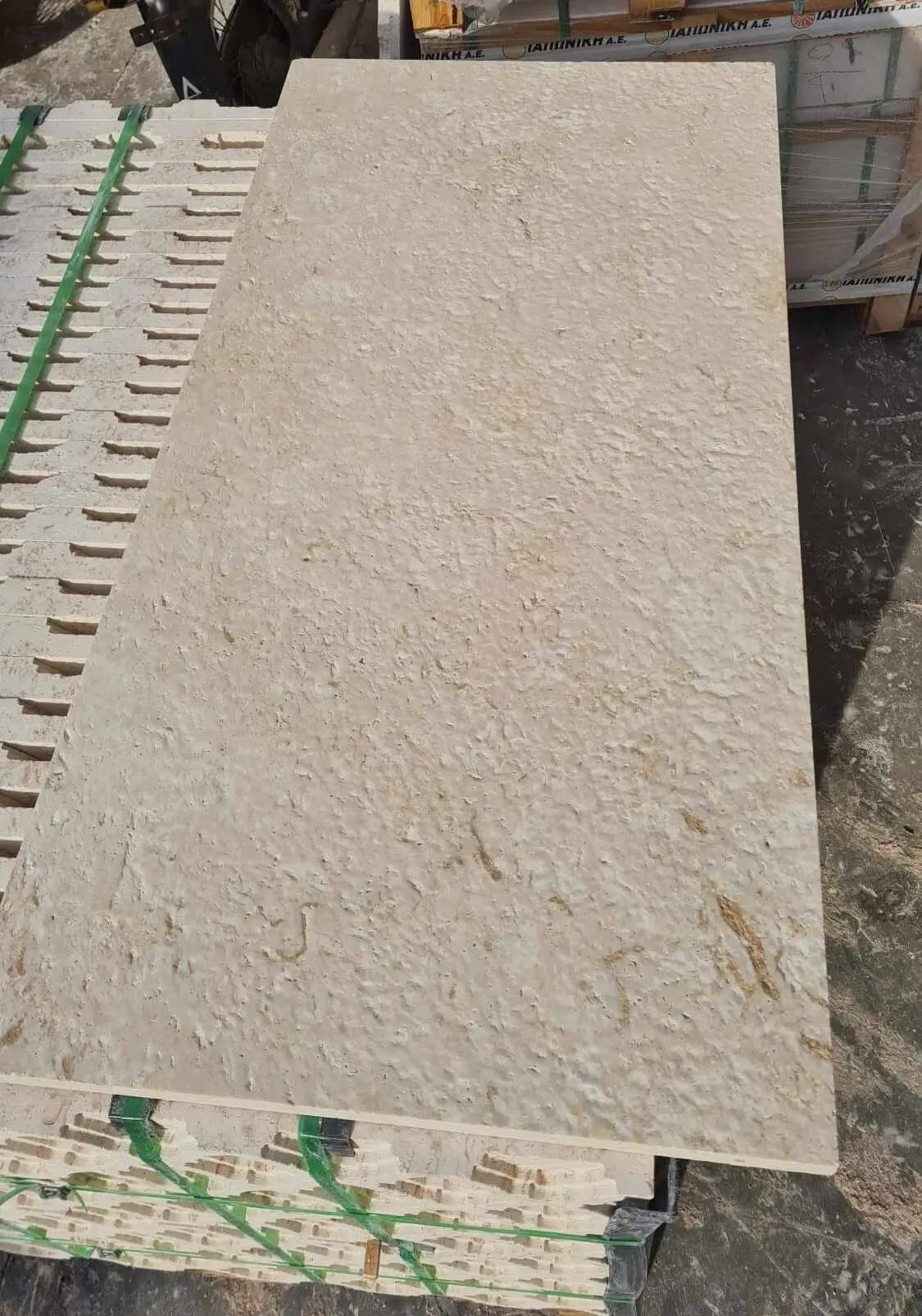
Lightweight stone veneer systems Arizona products utilize thin-cut natural stone sections bonded to lightweight backing materials, typically high-strength concrete or composite substrates. The stone facing ranges from 1/4″ to 3/4″ thick, compared to full-bed natural stone at 2″ to 4″ thickness. This manufacturing process maintains the authentic appearance and texture of natural stone while dramatically reducing weight and installation complexity.
You need to understand that lightweight systems aren’t just “thinner stone.” The backing material provides structural integrity that thin stone alone wouldn’t possess. When you examine cross-sections, you’ll see engineered composites designed to resist moisture penetration, provide consistent dimensional stability, and create reliable mounting surfaces. The stone facing is mechanically bonded and often reinforced with fiber mesh embedded in the backing material.
- Stone facing thickness ranges from 1/4″ to 3/4″ depending on application requirements
- Backing materials provide compressive strength ratings of 3,500-4,500 PSI
- Total system weight runs 8-12 lbs per square foot for vertical applications
- Thermal expansion coefficients match conventional masonry at 4.5-5.3 × 10⁻⁶ per °F
- Moisture absorption rates stay below 5% by weight for quality systems
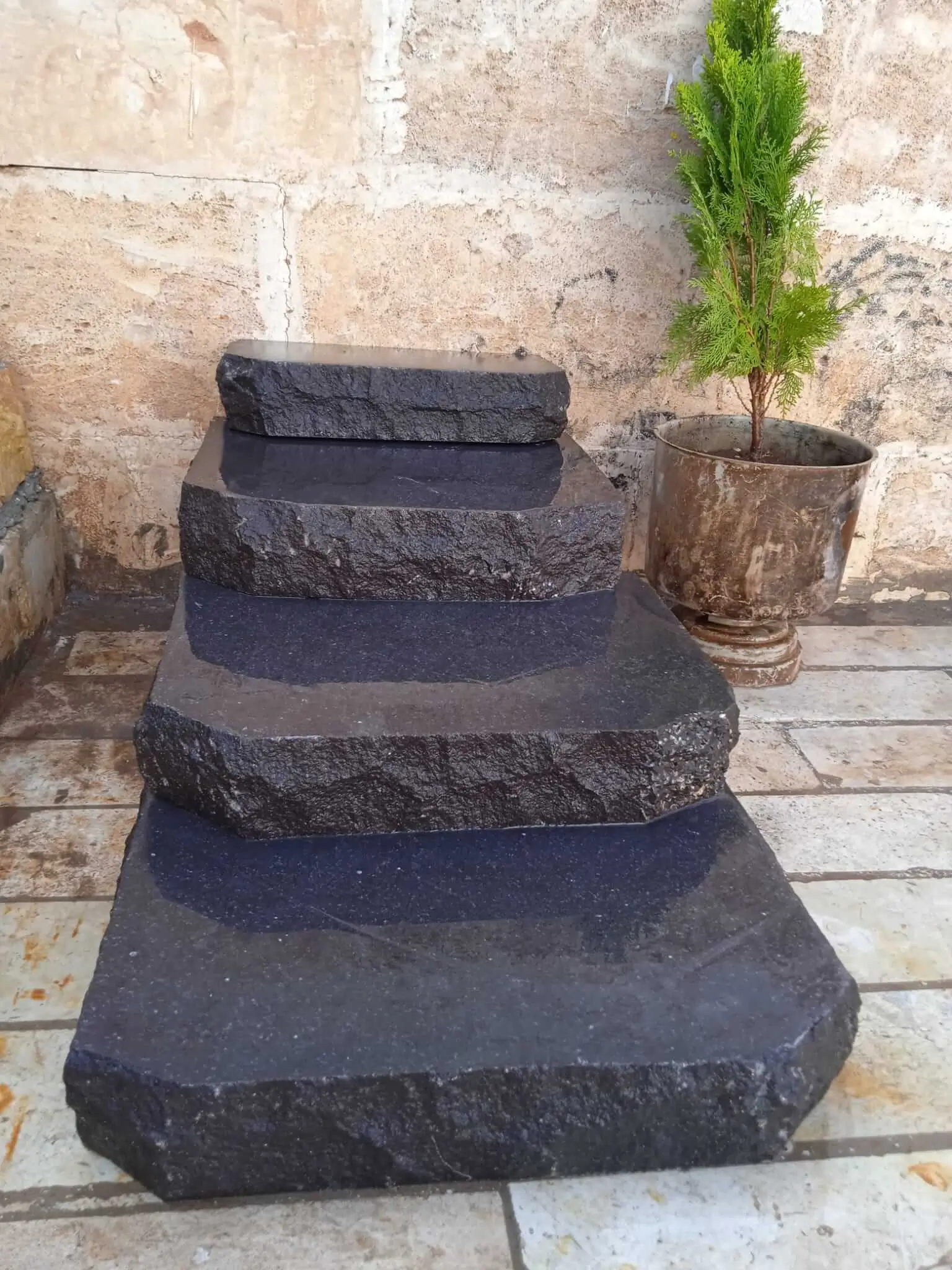
Full-bed installations use solid stone units with natural dimensional variation. You’re working with material that’s been quarried, cut to approximate dimensions, and delivered with inherent thickness variance of ±1/4″ to ±1/2″. This variance requires skilled masons who can adjust mortar bed thickness to maintain consistent coursing. The installation methods follow traditional masonry practices that have proven durability over centuries, but demand significantly more labor and structural support.
Installation Methods and Labor Requirements
Your installation methods for lightweight stone veneer systems Arizona applications differ fundamentally from traditional approaches. Lightweight systems attach directly to properly prepared wall substrates using polymer-modified thin-set mortars or mechanical fastening systems. You don’t need metal lath, scratch coats, or the multi-day curing cycles that full-bed installations require. The installation timeline compresses from weeks to days for comparable square footage.
When you install lightweight systems, you’re applying material to wood framing, metal studs, concrete block, or poured concrete after ensuring the substrate meets flatness tolerances of ±1/4″ in 10 feet. The substrate must be structurally sound, clean, and properly sealed. You’ll apply thin-set mortar with a notched trowel, similar to tile installation, then press veneer units into place with slight twisting motion to ensure full contact. Joint spacing remains consistent at 3/8″ to 1/2″, then you’ll pack joints with mortar or specialized pointing compound.
Full-bed installation methods require you to construct substantial backing systems before you ever touch stone. For vertical applications, you’ll install expanded metal lath over moisture barriers, apply scratch coat mortar, allow 24-48 hour cure time, then set individual stones in 1″ to 2″ mortar beds. Each stone requires careful positioning, temporary support until mortar sets, and attention to coursing alignment. Your labor costs run 3-4 times higher than lightweight systems for equivalent coverage.
Structural Requirements and Engineering Considerations
The structural requirements for lightweight stone veneer systems Arizona installations allow you to apply stone finishes to buildings that couldn’t support traditional masonry. Standard wood frame construction with properly spaced studs (16″ on center) and adequate sheathing supports lightweight systems without reinforcement. You don’t need masonry ledges, additional footings, or structural steel supports that full-bed installations demand.
When you engineer for full-bed stone installations, you must account for dead loads of 35-50 lbs per square foot transferred to foundation systems. This requires masonry ledges cast into concrete foundations or structural steel angle supports at each floor level for multi-story applications. Your foundation design must accommodate these concentrated loads, often requiring wider footings and increased reinforcement. The cost implications extend well beyond the stone itself — you’re modifying the entire structural system.
- Lightweight systems require no additional structural support for standard framing
- Full-bed installations demand foundation ledges or structural steel angle supports
- Seismic considerations favor lightweight systems in high-activity zones
- Wind load calculations show reduced lateral forces on lightweight applications
- Thermal bridge effects decrease with lightweight systems due to reduced mass
You should verify local building code requirements before finalizing your system selection. Some jurisdictions mandate engineering stamps for any adhered masonry system over certain heights or in specific wind zones. The reduced weight of lightweight stone veneer systems Arizona products often allows you to avoid these additional engineering requirements, streamlining permit approval and reducing soft costs.
Cost Analysis and Budget Implications
Your material costs for lightweight stone veneer systems Arizona installations typically run 40-60% of full-bed natural stone pricing per square foot. This differential reflects reduced material volume, simplified manufacturing, and lower transportation costs. But the true cost advantage emerges when you factor installation labor, structural requirements, and project timeline compression. Total installed costs for lightweight systems often reach just 35-45% of full-bed alternatives.
When you analyze project budgets, you need to account for all cost components, not just material pricing. For warehouse or commercial applications requiring extensive stone coverage, the savings compound significantly. Consider a 2,000 square foot vertical stone application: lightweight systems might cost $28-38 per square foot installed, while full-bed installations run $65-95 per square foot. That’s a potential savings of $74,000-$114,000 on material and labor alone.
You must also factor the structural cost differential into your analysis. Full-bed installations requiring foundation modifications, steel support angles, and reinforced framing can add $15-25 per square foot to project costs before you install the first stone. Lightweight systems eliminate these expenses entirely for standard applications. Your total project costs reflect these compound savings, making lightweight stone veneer systems Arizona specifications financially attractive for budget-conscious projects.
Don’t overlook the timeline advantages when you evaluate costs. A typical commercial facade that requires 6-8 weeks for full-bed installation might complete in 2-3 weeks with lightweight systems. This timeline compression reduces general contractor overhead, minimizes weather exposure risks, and accelerates occupancy schedules. For revenue-generating properties, earlier occupancy translates directly to improved project returns. You should calculate these soft costs when comparing system alternatives.
Application Guidelines for Vertical Installations
Vertical applications represent the primary advantage for lightweight stone veneer systems Arizona products. You can apply these systems to building facades, interior accent walls, fireplace surrounds, and columns without structural modifications. The key requirement is proper substrate preparation and appropriate moisture management. Your success depends on following manufacturer specifications for substrate conditions, adhesive selection, and installation sequencing.
When you prepare substrates for lightweight stone veneer, you must ensure the surface is structurally sound, clean, and properly sealed. For exterior applications, you’ll install weather-resistant barriers (building paper or housewrap) over sheathing, then attach cement board or similar substrate to provide a suitable bonding surface. The cement board must be fastened according to manufacturer specifications, typically 8″ on center for walls and 6″ on center for ceilings. You should verify the substrate remains flat within tolerance before beginning stone installation.
- Your substrate must meet flatness tolerances of ±1/4″ in 10 feet
- You need to install proper flashing at the base of vertical applications
- Weep screeds or vented base channels must be provided for moisture drainage
- You should maintain minimum 2″ clearance above grade or roof surfaces
- Your adhesive selection must match substrate type and environmental exposure
For full-bed installations on vertical surfaces, you’re following traditional masonry practices with metal lath, scratch coats, and mortar bed application. The process requires multiple trades and extended cure times between installation phases. You can’t rush these cure cycles without compromising bond strength and long-term performance. When you schedule full-bed installations, you need to build in contingency time for weather delays, since wet conditions prevent proper mortar curing.
Horizontal Applications and Performance Limitations
Lightweight stone veneer systems Arizona products face significant limitations in horizontal load-bearing applications. While you can use these systems for decorative horizontal surfaces with minimal traffic, they don’t possess the compressive strength or abrasion resistance for driveways, patios, or high-traffic commercial floors. The thin stone facing and composite backing aren’t engineered to withstand repeated impact loading or vehicular traffic.
When you need horizontal stone surfaces that support traffic loads, full-bed natural stone remains the appropriate specification. Properly installed natural stone pavers on compacted aggregate base and sand setting bed provide decades of service under demanding conditions. You’re working with solid stone units 1.5″ to 3″ thick that distribute loads to engineered base layers. The installation methods ensure proper drainage, accommodate thermal movement, and allow individual unit replacement without affecting surrounding materials.
You should understand that attempting to use lightweight veneer systems for applications beyond their design parameters leads to premature failure. The thin stone facing can delaminate under impact loads, the backing material can fracture under point loading, and the overall system lacks the mass and thickness to perform as traditional pavers. For projects requiring both vertical and horizontal stone surfaces, you’ll likely specify lightweight systems for walls and full-bed materials for ground-level applications.
Moisture Management and Drainage Design
Your moisture management strategy differs significantly between lightweight stone veneer systems Arizona installations and full-bed applications. Lightweight systems rely on proper substrate preparation, weather-resistant barriers, and drainage planes behind the veneer to prevent moisture infiltration. You’re creating a drainage cavity system that allows any moisture penetrating the stone facing to drain downward and exit through weep screeds at the base.
When you detail lightweight system installations, you must provide a clear drainage path from top to bottom of the installation. This typically involves installing cement board over drainage mat or creating an air gap using appropriate spacers. The weather-resistant barrier serves as the true moisture barrier, while the stone veneer provides aesthetic finish and some weather protection. You should never assume the stone facing itself creates a waterproof assembly — it doesn’t.
Full-bed installations incorporate moisture management through traditional masonry techniques. You’ll install through-wall flashing at base conditions, above openings, and at shelf angles. The mortar joints between stones are packed solid and tooled to shed water. The mass of the stone and mortar system provides some water storage capacity that allows drying between weather events. Your design must account for this moisture storage and ensure proper flashing directs any penetrating moisture back to the exterior.
- You must install weather-resistant barriers behind lightweight veneer systems
- Your drainage plane should maintain minimum 1/4″ air gap behind veneer
- You need to provide weep screeds or vented base channels at bottom of installations
- You should install through-wall flashing at all penetrations and terminations
- Your sealant joints must be maintained on 5-7 year cycles to prevent water infiltration
Thermal Performance and Energy Considerations
The reduced mass of lightweight stone veneer systems Arizona products affects thermal performance characteristics compared to full-bed installations. Lightweight systems provide minimal thermal mass benefit, functioning primarily as cladding rather than thermal storage. You won’t see the temperature moderation effects that solid stone masses provide. This matters less in commercial buildings with continuous mechanical systems, but affects passive solar design strategies for residential applications.
When you design for energy performance, full-bed stone installations offer thermal mass advantages in appropriate climates. The stone absorbs heat during peak temperature periods and releases it during cooler periods, moderating indoor temperature swings. For Arizona applications, this works best on north-facing walls or shaded exposures. South and west-facing full-bed stone installations can actually increase cooling loads by storing daytime heat and radiating it inward during evening hours. You need to model these effects for your specific project conditions.
Lightweight systems simplify insulation installation by reducing thermal bridging concerns. You can install continuous insulation behind lightweight veneer without the structural complications that full-bed installations create. The lightweight attachment system doesn’t penetrate insulation layers significantly, maintaining thermal barrier integrity. When you’re pursuing high-performance building standards, this advantage often outweighs the lost thermal mass benefits, particularly in cooling-dominated climates like Arizona. For additional related products, see our stone hardscape collection for exterior paving and hardscape materials suitable for horizontal applications.
Durability and Maintenance Requirements
Your long-term maintenance requirements differ between lightweight stone veneer systems Arizona installations and traditional full-bed stone. Lightweight systems require periodic inspection of sealant joints, verification of secure attachment, and cleaning to maintain appearance. The composite backing material is less susceptible to freeze-thaw damage than natural stone, but the stone facing remains subject to weathering, staining, and potential delamination if moisture penetrates the backing.
When you maintain full-bed stone installations, you’re primarily concerned with mortar joint integrity, stone surface sealing, and drainage system function. Repointing mortar joints typically occurs on 20-30 year cycles depending on exposure conditions and original mortar quality. The solid stone units themselves can last indefinitely with proper maintenance — you’ll find 100+ year old stone facades performing well when basic maintenance has been executed. Your maintenance focus centers on preventing water infiltration and maintaining proper drainage.
You should establish inspection protocols appropriate to your installation type. For lightweight systems, annual inspection of sealant joints and periodic verification of secure attachment prevents major problems. Look for signs of water infiltration, efflorescence, or veneer units pulling away from substrates. Early detection allows minor repairs before extensive remediation becomes necessary. Full-bed installations benefit from similar inspection cycles, with particular attention to mortar joint condition and flashing integrity at critical locations.
Seismic and Wind Load Performance
The reduced mass of lightweight stone veneer systems Arizona products provides significant advantages in seismic zones. Lower mass means reduced inertial forces during seismic events, decreasing the likelihood of veneer detachment or structural damage. Building codes recognize this advantage through simplified attachment requirements and reduced engineering scrutiny for lightweight systems. When you design in moderate to high seismic zones, lightweight systems often represent the only practical stone veneer option.
Your wind load calculations show similar advantages for lightweight systems. The reduced weight creates lower moment forces at attachment points, allowing standard fastening systems to resist design wind loads. For full-bed installations, wind loads combined with dead loads require substantial structural support, particularly for high-profile building locations or coastal exposures. You need to engineer these support systems carefully, often requiring structural steel angles or reinforced masonry ledges at closely spaced intervals.
- Lightweight systems reduce seismic loads by 70-80% compared to full-bed stone
- Your attachment spacing requirements decrease with lightweight systems
- Wind load calculations favor lightweight systems in high-wind zones
- You can apply lightweight systems to greater heights without additional support
- Seismic separation joints require less width with reduced mass systems
Aesthetic Considerations and Design Flexibility
When you evaluate aesthetic outcomes, high-quality lightweight stone veneer systems Arizona installations can match full-bed appearance for most applications. The stone facing is genuine natural stone, providing authentic color variation, texture, and weathering characteristics. At typical viewing distances, you won’t distinguish between properly installed lightweight systems and traditional full-bed stone. The key is selecting products with appropriate stone facing thickness and natural edge profiles rather than obvious manufactured edges.
Your design flexibility increases with lightweight systems in several respects. You can apply stone finishes to curved surfaces, complex geometries, and areas where structural loading prohibits full-bed stone. Interior applications become economically viable when lightweight systems eliminate the need for structural reinforcement. You can create stone accent walls, fireplace surrounds, and feature columns without major structural modifications. This flexibility expands stone use beyond traditional applications.
Full-bed installations provide superior results when you need specific custom sizing, hand-selected stone matching, or installation patterns requiring individual stone shaping. The solid stone units allow field cutting, shaping, and fitting that lightweight products can’t accommodate without exposing the backing material. For high-end residential or signature commercial projects where stone authenticity matters at close inspection distances, full-bed installations justify their premium costs. You need to match system selection to project visibility and quality expectations.
Citadel Stone Specifications for building supplies stone in Arizona
When you consider building supplies stone in Arizona from Citadel Stone, you’re evaluating products engineered specifically for extreme desert climate conditions. At Citadel Stone, we provide both lightweight veneer systems and full-bed natural stone products that address the unique performance requirements Arizona projects demand. This section outlines how you would approach material specification for three representative Arizona cities, considering climate factors, application requirements, and performance expectations specific to each location.
Arizona’s climate zones range from low-elevation desert with extreme heat to high-elevation areas with significant freeze-thaw cycles. You need to account for intense solar radiation, minimal precipitation, alkaline soils, and dramatic diurnal temperature swings when you specify stone materials. The guidance below presents hypothetical specification scenarios that demonstrate how you would adapt building supplies stone in Arizona selection to regional conditions. These examples provide decision frameworks for your actual project planning.
San Tan Valley Residential Specification
In San Tan Valley, you would encounter extreme summer temperatures regularly exceeding 110°F combined with alkaline soil conditions that affect foundation stability and material performance. For a hypothetical residential facade project, you would likely specify lightweight stone veneer systems to minimize structural loading on typical wood-frame construction. Your material selection would prioritize light-colored stones with high solar reflectance to reduce heat absorption. You would need to address thermal expansion with appropriate joint spacing, typically 3/8″ joints with compressible backer rod and polyurethane sealant rated for ±50% movement capability. The substrate preparation would include radiant barrier sheathing to minimize heat transfer through the wall assembly. You should account for seasonal dust storms in your sealant selection, choosing formulations that maintain adhesion despite particulate contamination during application.
Yuma Commercial Application
Your specification approach for Yuma commercial projects would need to address the most extreme heat conditions in Arizona, with summer temperatures consistently above 105°F and intense solar radiation year-round. For a hypothetical retail center facade, you would evaluate lightweight stone veneer systems Arizona products with proven performance in desert climates. The stone facing would need UV stability verification to prevent color degradation under intense sun exposure. You would specify polymer-modified adhesives with temperature tolerance ratings of 180°F+ to prevent bond failure during peak surface temperature conditions. Your moisture management details would account for minimal rainfall but occasional intense monsoon events, requiring proper flashing and drainage despite the arid climate. At Citadel Stone, we would recommend premium-grade sealants with silicone or polyurethane chemistry that maintains flexibility across the 60-70°F diurnal temperature range typical of Yuma summers. You should verify warehouse availability for your selected materials well in advance, as truck delivery schedules to Yuma locations may require 7-10 day lead times.
Avondale Mixed-Use Development
For hypothetical mixed-use developments in Avondale, you would need to balance aesthetic requirements with cost constraints typical of multi-family residential construction. Your specification would likely combine lightweight stone veneer systems for vertical applications on upper floors with full-bed natural stone pavers for ground-level pedestrian areas and building entries. The vertical lightweight systems would reduce structural costs while providing upscale appearance. You would specify neutral color stones that coordinate between vertical and horizontal applications, creating visual continuity despite different installation systems. Your horizontal applications would require full-bed pavers with minimum 8,000 PSI compressive strength and slip resistance ratings of DCOF 0.50 or higher for outdoor pedestrian areas. The Phoenix metropolitan proximity means you could access warehouse inventory with shorter truck delivery windows, typically 3-5 business days. You should coordinate your vertical and horizontal stone selections early in the design process to ensure compatible materials remain available throughout the construction timeline.
Making the Right Specification Decision
Your specification decision between lightweight stone veneer systems Arizona installations and full-bed stone depends on multiple project-specific factors. No single approach suits all applications. You need to evaluate structural capacity, budget constraints, aesthetic requirements, application type, and timeline considerations to determine the optimal system for your project. The technical information and cost analysis provided throughout this article should inform your decision-making process.
When you prioritize budget efficiency, timeline compression, and design flexibility for vertical applications, lightweight systems deliver superior value. The reduced structural requirements, simplified installation, and compressed schedules make these systems particularly appropriate for commercial facades, residential accent walls, and renovation projects where existing structures can’t support additional dead loads. You’ll achieve authentic stone appearance at 35-45% of traditional installation costs while maintaining acceptable durability for most applications.
For projects demanding maximum durability, authentic solid stone construction, or horizontal load-bearing applications, you should specify full-bed natural stone despite higher costs. The superior longevity, proven performance over decades, and unmistakable solid stone quality justify premium pricing for signature projects. Your horizontal applications particularly benefit from full-bed materials that withstand traffic loads and provide indefinite service life with proper maintenance. The decision ultimately reflects your project’s quality tier, budget capacity, and specific performance requirements. For detailed information about proper substrate preparation and moisture control, review Moisture content testing protocols for natural stone installations before you finalize your installation specifications. Landscaping professionals rely on Citadel Stone for a consistent supply of top-tier stone landscaping materials in Arizona.