

When you source building stone in Arizona, your site visit to the quarry determines whether you get material that performs for decades or fails within five years. You need to verify dimensional consistency, surface finish quality, and structural integrity before committing to purchase orders. Your inspection protocol should address factors quarries won’t volunteer — hidden fissures that appear months after installation, porosity variations that affect sealing requirements, and density inconsistencies that compromise load-bearing capacity.
Arizona’s extreme thermal cycling creates unique performance demands you won’t encounter in moderate climates. The 50-70°F daily temperature swings between winter nights and summer days impose stress cycles that reveal material weaknesses. You’ll want to examine how stone responds to rapid heating and cooling, because laboratory specifications don’t capture real-world thermal shock behavior. Smart quarry inspection protocols Arizona professionals use focus on climate-specific durability markers that predict long-term performance.
Understanding Arizona Stone Sourcing Challenges
Arizona’s geology produces diverse stone types with dramatically different performance characteristics. You’re working with material formed under specific conditions that affect porosity, compressive strength, and thermal mass behavior. When you visit quarries across the state, you’ll see sandstone formations with 8-15% porosity alongside dense limestone at 3-5% porosity. These differences matter when you specify material for applications with freeze-thaw exposure or high-traffic loading.
Your procurement process needs to account for quarry location and material consistency within the deposit. Stone properties vary significantly even within the same quarry face. Upper layers often exhibit different weathering characteristics than deeper deposits, affecting color stability and surface durability. You should request samples from multiple depth levels during your quality assessment to identify stratification issues that could compromise project uniformity.
Transportation logistics from remote quarry sites add complexity to your timeline planning. Most Arizona quarries operate in areas with limited truck access during monsoon season, when flash flooding closes haul roads for days. You’ll need to verify warehouse inventory levels at distribution points and confirm delivery schedules account for seasonal access restrictions. Lead times from quarry to job site typically range from three to six weeks, but weather delays can extend this by 30-40% during July through September.
Pre-Visit Preparation Documentation
Before you schedule your quarry visit, you need comprehensive documentation that establishes baseline expectations. Request quarry reports covering the last 24 months of production, including ASTM C170 compressive strength data, C97 absorption and bulk specific gravity results, and C880 flexural strength measurements. These reports reveal consistency patterns and outlier batches that indicate quality control issues. Your vendor assessment begins with how readily the quarry provides this technical data — reluctance signals potential problems.
You should obtain detailed geological surveys showing deposit depth and estimated reserves. This information tells you whether the quarry can supply your project volume without switching to different formation layers mid-contract. When deposits transition between geological layers, you’ll see color shifts, density changes, and altered weathering characteristics that create visual inconsistency across installation phases. Inspection standards require you to verify adequate reserve volume from consistent strata before finalizing orders exceeding 500 square feet.
Certification documentation must include third-party testing from accredited laboratories, not just quarry in-house results. You’ll want to see certifications dated within the previous six months, because stone properties can vary with seasonal extraction conditions and quarry face advancement. Pay attention to testing sample selection methodology — samples should represent random pulls from production runs, not cherry-picked best-case specimens. Professional vendor assessment protocols demand documentation of sampling procedures to ensure test results reflect actual delivered material.
Visual Inspection Techniques On-Site
Your on-site visual assessment begins at the active quarry face, where you can observe material in its natural state before processing. Look for consistent color distribution across the face — abrupt color changes indicate geological boundaries that will translate into aesthetic problems. You should examine bedding plane orientation and verify the quarry cuts perpendicular to bedding for optimal strength. Stone cut parallel to bedding planes exhibits 25-35% lower flexural strength and increased delamination risk.
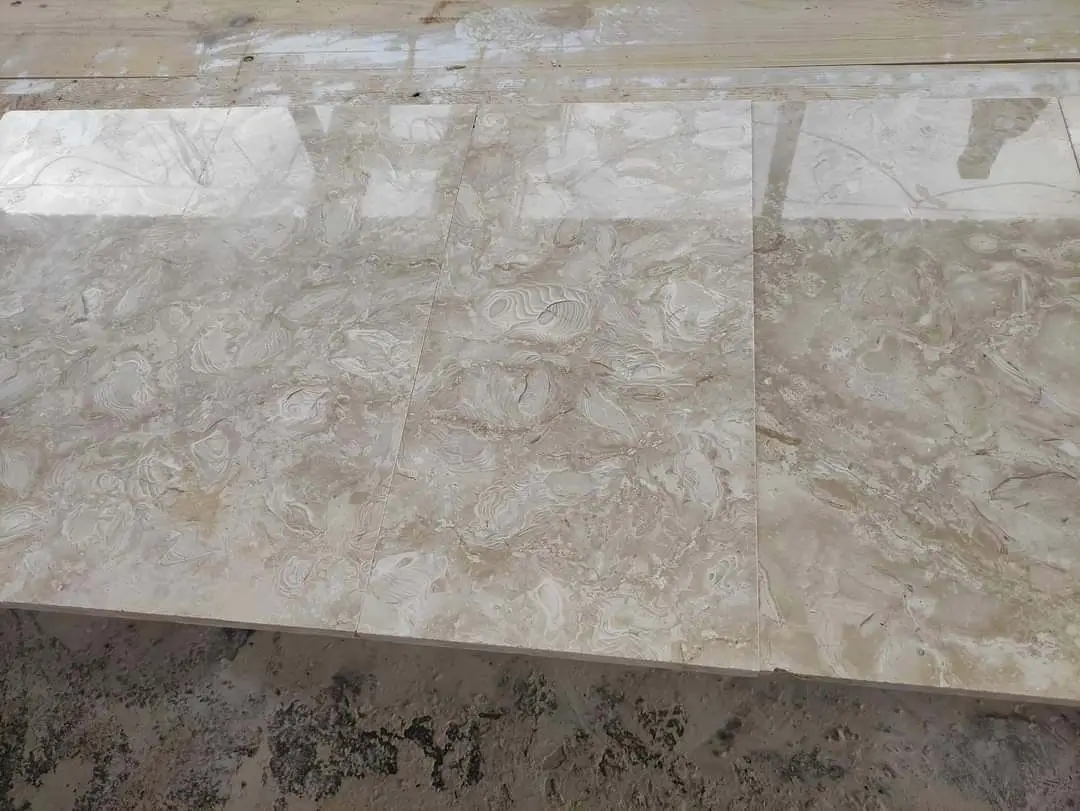
Examine multiple blocks from current production for surface characteristics. Run your hand across freshly cut faces to detect texture variations that indicate inconsistent mineral composition. You’ll feel density differences as subtle variations in surface hardness. Use a 10x loupe to inspect for micro-fissures, fossilized organic inclusions, and mineral vein patterns. These features affect how stone accepts sealers and responds to weathering. For Citadel Stone’s building stones available, this level of scrutiny ensures you receive material that meets professional grade standards.
Check for iron oxide deposits and mineral staining that telegraph future discoloration problems. Small rust-colored spots on fresh-cut faces will expand and intensify after installation as moisture exposure triggers oxidation reactions. You need to assess whether these characteristics add desirable visual interest or represent defects requiring rejection. Arizona limestone frequently contains iron-bearing minerals that create warm color tones, but concentrations above 3-4% by volume produce problematic staining patterns within 18-24 months of installation.
Dimensional Tolerance Verification
You must verify dimensional consistency across production batches using calibrated measuring tools, not quarry-provided specifications. Bring precision calipers capable of 0.01-inch resolution and measure at least 30 random pieces from current inventory. Your quarry inspection protocols Arizona projects require should test thickness variance, length accuracy, and width consistency. Industry tolerances allow ±1/8 inch for cut stone dimensions, but premium applications demand ±1/16 inch or tighter.
Measure diagonal dimensions to detect rectangular distortion. Stone pieces with out-of-square corners create installation problems that multiply across large areas, producing visual misalignment and requiring excessive joint compensation. You should record measurements in a systematic grid pattern across each piece — edge, center, and opposite edge — because thickness often tapers from fabrication errors. Variations exceeding 3/32 inch across a single piece indicate inadequate sawing precision or warped raw blocks.
Test flatness using a certified straightedge at least 48 inches long. Place the straightedge across multiple orientations on each piece and use feeler gauges to measure gaps. Acceptable flatness standards require gaps no greater than 1/16 inch across 36-inch spans for honed finishes, tightening to 1/32 inch for polished surfaces. When you detect flatness issues, examine whether they result from inherent stone warping or processing defects. Material that warps naturally will continue moving after installation, creating lippage problems that grinding cannot permanently correct.
Structural Integrity Testing Methods
- You should perform on-site sonic testing using a calibrated rebound hammer to assess compressive strength non-destructively across random samples
- Your testing protocol needs to include wet and dry measurements because moisture content affects rebound values by 12-18%
- You’ll want to test at least 20 locations per batch to identify outliers indicating weak zones or internal defects
- Testing procedures require you to mark weak areas for destructive testing when rebound values fall below expected thresholds
- Vendor assessment standards demand quarries provide access to testing equipment and allow independent verification
Conduct simple fracture resistance tests by applying controlled impact stress to sample corners and edges. Use a standard geology hammer with consistent strike force to test chip resistance. High-quality building stone should resist corner damage from moderate impacts, while weak material chips easily or fractures along hidden planes. You’re testing for internal structural integrity that paper certifications don’t reveal.
Examine quarry blocks under varying moisture conditions. Spray sections with water and observe absorption patterns and color changes. Uniform wetting indicates consistent porosity, while blotchy absorption reveals density variations that create maintenance challenges. Your inspection standards should include moisture testing because Arizona’s arid climate produces rapid wet-dry cycles that stress materials differently than humid environments. Stone that retains moisture in localized areas develops efflorescence, biological growth, and accelerated weathering in those zones.
Porosity and Absorption Field Assessment
You need to conduct field absorption tests that supplement laboratory data with real-world verification. Bring calibrated electronic scales and measure dry weight, then submerge samples for 24 hours and record saturated weight. Calculate absorption percentage using the formula: ((saturated weight – dry weight) / dry weight) × 100. Arizona building applications should use stone with absorption below 7.5% for exterior installations and below 5% for freeze-thaw exposure areas.
Your quality assessment must examine pore structure characteristics, not just total absorption values. Stone with interconnected pore networks drains effectively and resists freeze-thaw damage better than material with isolated pores that trap water. You can evaluate pore connectivity by monitoring how quickly water evaporates from saturated samples. Material that dries within 6-8 hours in Arizona’s low humidity indicates good drainage characteristics, while samples remaining wet beyond 12 hours suggest problematic pore isolation.
Test absorption rates at different depths within sample pieces. Core drill to extract samples from surface zones and interior sections, then compare absorption characteristics. Significant variation between surface and interior indicates weathering effects or density stratification that will produce performance inconsistencies. Professional quarry inspection protocols Arizona specifiers follow require depth-variable testing for pieces exceeding 2 inches thick, because thin surface testing doesn’t represent bulk material behavior.
Thermal Performance Considerations
Arizona’s extreme thermal environment demands you evaluate stone thermal properties during quarry visits. You should understand thermal expansion coefficients because material expanding and contracting creates joint stress and potential cracking. Most limestone expands at 5.3 × 10⁻⁶ per °F, while granite expands at 4.7 × 10⁻⁶ per °F. This seemingly small difference produces significant movement across large installations. Your specification must account for thermal expansion through appropriate joint spacing.
Examine how stone handles rapid temperature changes by observing morning warming behavior at the quarry. Material exposed to overnight cooling and morning solar heating demonstrates real-world thermal shock response. Look for surface checking, micro-cracking, or spalling on long-weathered quarry faces. These natural exposure tests predict how material performs after installation. Stone exhibiting thermal stress damage at the quarry will fail faster in finished applications.
You’ll want to assess thermal mass characteristics for projects where temperature moderation matters. Dense stone with low porosity stores heat effectively, creating 3-4 hour thermal lag times that reduce afternoon peak temperatures. This property benefits residential hardscaping where cooler evening surfaces extend outdoor usability. Your procurement process should include thermal performance discussions with quarry operators who understand how geological properties affect heat storage and release rates in Arizona conditions.
Color Consistency and Long-Term Stability
Color variation between batches represents one of the most common quality disputes in stone procurement. You need to establish acceptable variation ranges before committing to orders. Request samples from at least three different production runs or quarry locations to see natural color range. Arizona limestone typically varies 15-20% in base color tone, with greater variation in veining and mineral deposits. Your inspection standards should document acceptable color bounds using calibrated photography in standardized lighting.
Test color stability under UV exposure by comparing fresh-cut faces to weathered quarry surfaces. Material naturally exposed for 2-3 years shows how color evolves after installation. Some Arizona stone darkens with age, while other types bleach lighter under sustained sun exposure. You should understand these aging patterns because what looks acceptable fresh from cutting may become problematic after 18 months outdoors. Professional quarry inspection protocols Arizona architects use include side-by-side aging comparisons to set realistic long-term appearance expectations.
Evaluate mineral composition effects on color permanence. Iron-bearing minerals oxidize and intensify over time, while calcium carbonate remains stable. Your vendor assessment needs to identify mineral content that drives color evolution. Quarries should provide petrographic analysis showing mineral percentages and expected weathering behavior. You’re investing in material performance across decades, so understanding color trajectory matters as much as initial appearance.
Surface Finish Quality Standards
- You must verify surface finish consistency meets specification requirements for honed, polished, or natural cleft textures
- Your quality assessment should measure surface roughness using calibrated profilometers that quantify texture objectively
- You need to inspect for saw marks, grinding inconsistencies, and polish variations that create visual defects
- Testing protocols require examining finish durability by simulating wear on sample pieces through controlled abrasion
- Inspection standards demand you identify whether finish quality remains consistent across entire production runs or degrades over time
Examine how surface finish affects slip resistance for your specific application. Honed finishes typically provide DCOF ratings from 0.48 to 0.55, while polished surfaces drop to 0.38-0.42. You should conduct field slip testing using a portable tribometer to verify quarry-provided ratings. Arizona’s dust accumulation on smooth surfaces further reduces slip resistance by 0.08-0.12 DCOF, requiring you to factor maintenance realities into finish selection.
Test finish penetration depth on honed or polished surfaces. Some quarries apply surface treatments that enhance appearance temporarily but wear away within months. You can identify these treatments by examining finish consistency at fractured edges and comparing to polished faces. Legitimate surface finishes extend at least 2-3mm into the material, while temporary enhancements penetrate less than 0.5mm. Your procurement process should reject material with non-durable surface treatments that misrepresent long-term appearance.
Documentation and Photography Protocols
You need comprehensive photographic documentation from every quarry visit to support future quality disputes and batch matching. Use calibrated color reference cards in all photos to enable accurate color comparison later. Photograph the quarry face, stockpiled blocks, processed pieces, and detail shots of surface characteristics. Your inspection records should include GPS coordinates of photo locations so future visits can document the same areas for consistency tracking.
Create detailed written notes documenting observations that photographs can’t capture — surface texture feel, weight impressions, drilling behavior, and quarry personnel comments. You should record ambient conditions during inspection because lighting, moisture, and temperature affect visual assessment. Professional quarry inspection protocols Arizona projects require include standardized forms that ensure consistent documentation across multiple site visits and different inspectors.
Collect physical samples from inspected batches and label them with quarry location, extraction date, and unique identifiers. Store samples in controlled conditions away from UV exposure so they serve as permanent references. You’ll use these samples for future batch comparisons and to resolve questions about specification compliance. Your vendor assessment files should maintain sample libraries spanning multiple years to track quarry consistency and identify long-term trends in material quality.
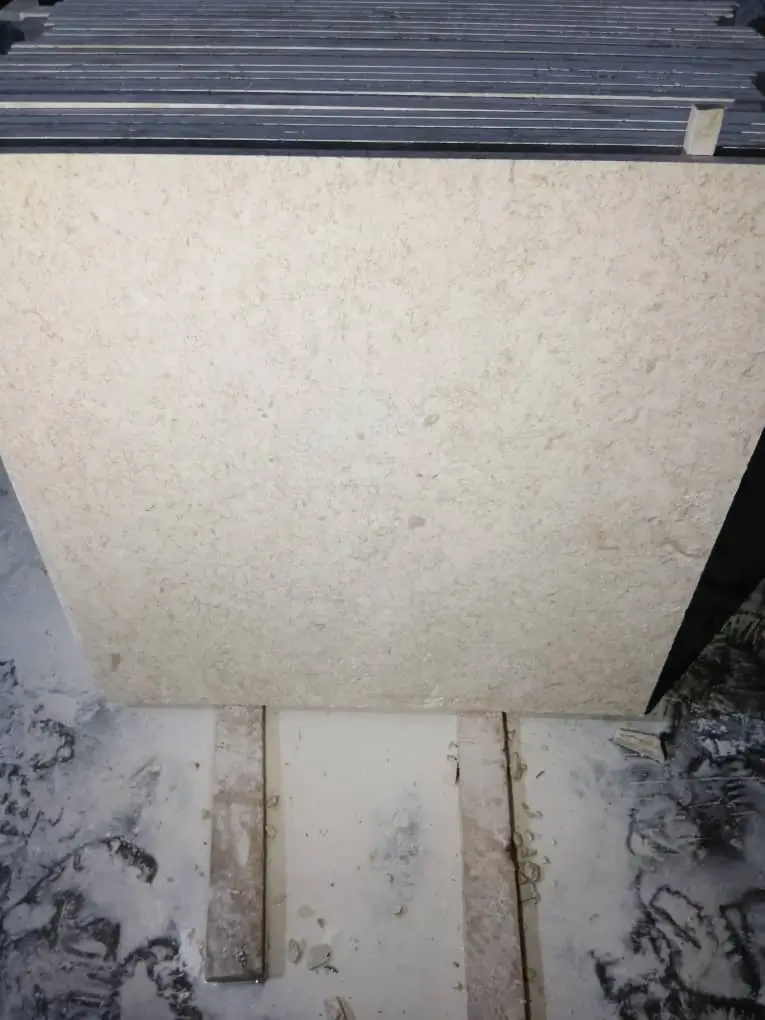
Best Building Stones for Sale in Arizona: Citadel Stone Specifications Across Regions
When you consider building stones for sale in Arizona from Citadel Stone, you’re evaluating premium materials designed specifically for Southwest desert performance. At Citadel Stone, we provide technical guidance for hypothetical applications across Arizona’s diverse climate zones. This section outlines how you would approach procurement and specification decisions for three representative cities, demonstrating the quality assessment and vendor assessment protocols that ensure successful outcomes.
Yuma Extreme Heat
In Yuma, you would encounter the most intense thermal conditions in Arizona, with summer surface temperatures exceeding 165°F on dark stone. Your quality assessment would prioritize light-colored limestone with high solar reflectance to minimize thermal gain. You’d specify material with thermal expansion coefficients below 5.5 × 10⁻⁶ per °F and verify absorption rates under 6% to prevent moisture-related thermal shock. The procurement process would emphasize warehouse inventory verification because Yuma’s extreme summer temperatures limit safe installation windows to October through April. You would need stone demonstrating proven resistance to UV degradation, with quarry inspection protocols Arizona professionals use confirming no color fading after three years natural exposure. Your vendor assessment would include verifying the quarry provides material with compressive strength exceeding 9,000 PSI to handle thermal stress cycling.
Mesa Urban Applications
Your Mesa specifications would address urban heat island effects that amplify base temperatures by 8-12°F compared to surrounding desert. You’d focus your quality assessment on thermal mass properties that moderate afternoon peak temperatures through delayed heat release. The procurement process would require stone with 140-160 lb/ft³ density to provide adequate thermal storage. Your inspection standards would verify surface finish slip resistance meets DCOF 0.50 minimum for commercial pedestrian areas. You would test porosity characteristics to ensure rapid drainage after monsoon events, because standing water accelerates efflorescence development in Mesa’s alkaline soils. Quarry inspection protocols Arizona projects follow would confirm consistent color batching across minimum 10,000 square foot orders to maintain aesthetic uniformity in visible public installations. You’d specify material thickness of 2.5-3 inches for commercial loading requirements, with vendor assessment confirming dimensional tolerances within ±1/16 inch.
Gilbert Residential Standards
Gilbert applications would emphasize aesthetic appeal combined with practical durability for residential environments. Your quality assessment would evaluate natural color variations that add visual interest without compromising cohesive appearance. You’d conduct procurement focused on material with honed finishes providing 0.52-0.58 DCOF for pool deck safety. The inspection standards would verify edge detail quality because residential applications showcase stone borders and feature elements where fabrication precision becomes visible. You would test sealing compatibility during quarry visits, applying field samples of penetrating sealers to verify absorption behavior matches project maintenance plans. Your vendor assessment would confirm warehouse stock levels support phased delivery schedules aligned with residential construction timelines. Quarry inspection protocols Arizona residential specifiers use would include testing corner durability through impact resistance checks, because delivered material must survive typical residential handling without damage. You’d specify absorption rates below 5.5% to minimize sealing frequency while ensuring adequate porosity for proper substrate bonding.
Quality Verification and Final Acceptance
Your final acceptance inspection should occur at the distribution warehouse before material ships to the job site. You need to verify delivered stone matches quarry samples and meets all specification requirements. Randomly select at least 5% of pieces for detailed measurement, visual inspection, and comparison to approved samples. This catch-point prevents substandard material from reaching your project where rejection becomes exponentially more expensive.
Conduct moisture content testing on warehouse stock to ensure material has properly dried after wet processing. Stone with moisture content exceeding 4% should not be installed until adequate drying occurs. You can use resistance-based moisture meters for quick field testing, though more accurate assessment requires weight-based measurements. Your inspection standards should establish maximum acceptable moisture levels based on installation method and substrate requirements.
Review all shipping documentation and confirm batch numbers match quarry certifications. You should verify test reports correspond to actual delivered material, not generic product specifications. Professional procurement requires traceability from quarry face through processing to final delivery. When you maintain detailed documentation throughout this chain, you protect against quality substitutions and establish clear responsibility for any performance failures. For additional installation insights, review crane rigging techniques for heavy stone installation projects before you finalize your project logistics. Our team sources only the finest stone materials in Arizona guaranteeing longevity and aesthetic appeal for your architectural designs.