
When you specify batch matched stone supply Arizona for large-scale commercial projects, you’re committing to a level of aesthetic uniformity that defines professional excellence. Color consistency across thousands of square feet isn’t just about visual appeal—it affects client satisfaction, project closeout timelines, and your reputation. You need to understand that natural stone varies by quarry lift, extraction timing, and even atmospheric conditions during fabrication. This guide provides the verification procedures and material selection protocols that separate successful installations from costly do-overs.
Your project’s success depends on establishing batch protocols before purchase orders leave your desk. You’ll encounter color shifts that become obvious only after installation, when adjacent pallets reveal tone differences of 15-20% despite identical product codes. The challenge intensifies in Arizona’s intense sunlight, where subtle quarry variations become pronounced under UV exposure. You should implement verification procedures at three critical checkpoints: pre-purchase sampling, warehouse inspection, and job-site acceptance.
Understanding Natural Stone Color Variation
Natural stone color inconsistency stems from geological formation variables you can’t control but must account for in your specifications. When you evaluate batch matched stone supply Arizona options, you’re working with material formed over millennia under changing mineral conditions. Iron oxide concentrations shift within the same quarry face, creating color bands that range from cream to rust-orange within a 50-foot vertical section.
The material you specify today might come from a quarry lift 40 feet deeper than last month’s extraction, introducing new mineral compositions. You need to understand that “consistent” in natural stone means controlled variation within acceptable tolerance ranges, not absolute uniformity. Professional specifications define these ranges using Munsell color notation or digital colorimetry with Delta-E values below 6.0 for adjacent pieces.
Your specification should address three color variation factors:
- You must account for inherent quarry variation across different extraction lifts
- Your material selection needs to consider how wet versus dry conditions affect apparent color
- You should specify viewing distance requirements that determine acceptable variation thresholds
- Your verification procedures must include lighting conditions that match final installation environment
Batch Verification Procedures Before Purchase
You’ll avoid 80% of color consistency problems by implementing pre-purchase verification protocols that most specifiers skip. When you request samples for batch matched stone supply Arizona projects, you need physical samples from the actual production run, not showroom standards that may represent ideal conditions from years past. Suppliers maintain display samples that show optimal coloring, but your job-site material comes from current quarry operations with different characteristics.
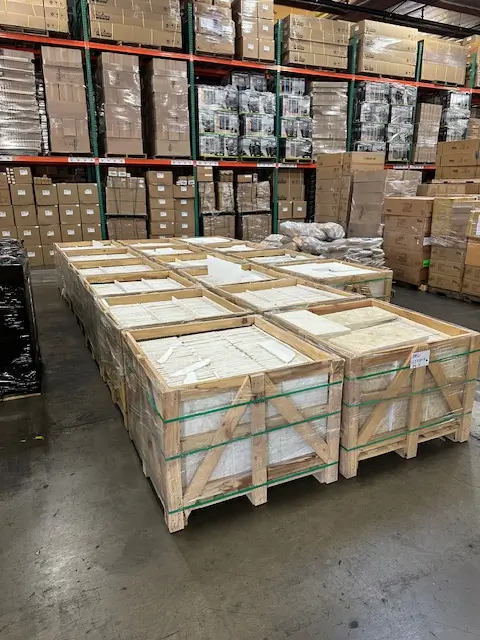
Your verification process should require the supplier to provide six to eight samples pulled randomly from the proposed batch. You need samples taken from different pallets, different positions within pallets (top, middle, bottom), and different production dates if the order spans multiple fabrication runs. This sampling method reveals the true variation range you’ll encounter during installation.
Conduct your sample evaluation under three lighting conditions: direct sunlight at solar noon, indirect daylight in shade, and artificial lighting matching your project’s environment. Natural stone appearance shifts dramatically with lighting angle and color temperature—what looks uniform under warehouse fluorescents may show obvious banding in Arizona’s high-angle summer sun.
At Citadel Stone, we recommend establishing a master sample set that becomes your contractual reference standard. You should photograph these samples under standardized conditions with color calibration targets, creating documentation for warehouse inspection and job-site acceptance protocols. This master set defines the acceptable variation range in binding terms.
Material Selection Criteria for Large Projects
Material selection for projects exceeding 5,000 square feet requires different protocols than residential applications. You can’t rely on visual approximation when you’re coordinating 15-20 pallets that need to blend seamlessly across an installation timeline spanning weeks. Your selection criteria must balance aesthetic uniformity requirements against the reality of natural stone variation.
Dense, fine-grained materials exhibit more consistent coloring than porous, coarse-grained options. When you specify batch matched stone supply Arizona for commercial plaza applications, you’ll find that materials with less than 3% porosity show tighter color consistency because mineral distribution remains more uniform during formation. The trade-off is reduced slip resistance and higher thermal mass, which matters in pedestrian areas.
You should prioritize materials from established quarries with documented color consistency data across multiple years. Newer quarries or recently opened quarry sections introduce unknown variables—you’re essentially beta testing their geological consistency on your client’s budget. Established sources provide historical color range documentation that predicts current batch characteristics.
Your material selection checklist should include:
- You need to verify the supplier can source your entire order from a single quarry face or lift
- Your specifications must require color range documentation from the last 12 months of production
- You should establish Delta-E tolerance values appropriate for viewing distance and lighting conditions
- Your project timeline needs to accommodate warehouse holding of full order quantities for pre-installation inspection
Warehouse Inspection Protocols
The warehouse inspection represents your last opportunity to reject material before installation costs compound color problems into financial disasters. You should conduct this inspection when full order quantities have arrived and before trucking to job sites begins. Split deliveries from multiple warehouse locations introduce batch consistency risks you can’t assess until everything is together.
Your inspection protocol requires opening and examining at least 20% of pallets, with samples pulled from top, middle, and bottom positions. You’ll find that material at pallet bottoms often shows different moisture content and apparent color compared to top pieces, even though actual color remains consistent when fully dry. This moisture effect disappears post-installation but causes acceptance disputes if you don’t account for it.
Lay out representative samples in groups of 20-30 pieces under natural lighting conditions, arranging them as they would appear in final installation. You’re looking for pieces that fall outside your established master sample range—outliers that will create visible disruption in the field. Most batches contain 5-8% outlier pieces that need culling or reassignment to less visible areas.
When you identify batch matched stone supply Arizona material that exceeds tolerance ranges, you have three options: reject the entire shipment, negotiate partial replacement of outlier pallets, or accept with price adjustment. Your decision depends on project timelines, budget flexibility, and whether outliers can be strategically placed in secondary zones where color variation matters less.
Digital Colorimetry Standards
Professional verification procedures increasingly rely on digital colorimetry that removes subjective visual assessment. You can use spectrophotometers to measure L*a*b* color values and calculate Delta-E differences between samples and master references. This quantitative approach provides defensible documentation when disputes arise.
Delta-E values below 3.0 indicate color differences barely perceptible to trained observers under controlled lighting. Values between 3.0 and 6.0 represent noticeable differences that may be acceptable depending on viewing distance and installation pattern. When you encounter Delta-E values exceeding 6.0, you’re looking at color shifts obvious to any observer—these exceed professional tolerance for batch matched stone supply Arizona applications.
Your measurement protocol should establish specific surface conditions for consistency. Measure dry samples that have equilibrated to room temperature for at least 24 hours. Surface moisture, temperature variations, and even hand oils from handling affect spectrophotometer readings by Delta-E values of 1.5-2.0, enough to skew acceptance decisions.
The equipment investment for this verification method runs $3,500-$8,000 for professional-grade spectrophotometers, but you’ll recover costs by avoiding a single major color rejection. You’ll also build client confidence through documented, objective quality control that transcends “it looks fine to me” subjective assessments.
Job-Site Acceptance Procedures
Your job-site acceptance procedure begins before the first truck arrives. You need to establish a designated inspection area with consistent natural lighting where material undergoes final verification against master samples before installation begins. This staging area prevents the costly situation where installers have already set 500 square feet before someone notices a color problem.
At Citadel Stone, we advise implementing a daily random inspection protocol where you pull samples from each delivery for comparison against your master set. You’re not reinspecting entire shipments—you’re spot-checking to verify that warehouse-approved material hasn’t been substituted or that subsequent deliveries maintain consistency with initial batches. This takes 15-20 minutes daily but prevents problems that take weeks to resolve.
You should photograph representative sections of installed material at three stages: immediately post-installation while still damp, after initial drying (24-48 hours), and after final cleaning and sealing. These photos document color progression and provide evidence if disputes arise about whether installed material matches approved samples. Arizona’s low humidity means material dries quickly, often revealing color characteristics masked during wet installation.
Your acceptance documentation should include:
- You need dated photographs showing material under consistent lighting conditions throughout installation
- Your records must include pallet identification numbers correlated to specific installation zones
- You should maintain chain-of-custody documentation linking job-site material to warehouse inspection results
- Your final acceptance report needs to address any approved deviations from specification standards
Aesthetic Uniformity Versus Natural Variation
The tension between aesthetic uniformity expectations and natural stone’s inherent variation defines most specification challenges. When you specify batch matched stone supply Arizona for commercial projects, you’re mediating between clients who envision showroom perfection and material reality that includes controlled variation. Professional project management means setting accurate expectations before purchase commitments lock in budgets.
You’ll encounter clients who reference porcelain or engineered stone as their uniformity standard—materials with 2-3% total color variation across entire production runs. Natural stone variation typically ranges 12-18% even within carefully selected batches, because you’re working with geological accidents of formation rather than industrial precision. Your specification conversations need to establish this difference clearly.
The viewing distance principle provides practical guidance for acceptable variation. Material viewed from 15-20 feet (typical for plaza applications) permits color variation that would be unacceptable at 3-5 feet (typical for interior feature walls). You should specify tolerance ranges scaled to actual viewing conditions, not theoretical ideals that don’t match how the project functions.
Strategic installation patterns can minimize apparent color variation. When you work with batch matched stone supply Arizona material showing moderate variation, you can implement blended installation where pieces from different pallets mix throughout the field rather than installing pallet-by-pallet. This scatters variation across the entire surface, preventing the obvious color blocking that occurs when one pallet differs noticeably from adjacent pallets.
Supplier Capabilities and Limitations
Not all suppliers can deliver the batch consistency large-scale Arizona projects demand. You need to verify supplier capabilities before specification commitments become contractual obligations. Key questions reveal whether a supplier has systems for maintaining batch matched stone supply Arizona standards or whether they’re aggregating material from multiple sources without consistency controls.
Ask suppliers to document their quarry relationships and whether they maintain dedicated production runs for large orders. Suppliers working directly with quarry operators can often secure material from specific lifts or faces, ensuring geological consistency. Distributors aggregating from multiple sources face greater challenges maintaining color uniformity because they’re mixing material with different formation histories.
Warehouse holding capacity matters more than most specifiers realize. You want suppliers who can receive and store your entire order before any material ships to job sites. This allows comprehensive inspection of full quantities and prevents the nightmare scenario where the first 60% looks perfect but final deliveries introduce new color characteristics. Suppliers with limited warehouse space often ship partial orders from different production batches, introducing consistency risks.
Lead time transparency separates professional suppliers from those who promise unrealistic delivery schedules. When you hear “we can ship in two weeks” for a 15,000-square-foot order, you should question whether that material is actually being sourced from consistent batches or whether the supplier is aggregating whatever stock they can locate. Realistic lead times for batch-consistent material typically run 6-10 weeks for large commercial orders.
Common Specification Mistakes
The most expensive specification mistake is failing to require physical samples from actual production runs. When you accept supplier assurances that “it will all match the catalog” without verifying batch matched stone supply Arizona material from current inventory, you’re gambling on consistency the supplier may not be able to deliver. Catalog photos represent ideal examples, not typical production ranges.
Another frequent error is specifying color tolerance without defining measurement conditions. “Uniform color” means nothing without standards for lighting, viewing distance, wet versus dry conditions, and acceptable Delta-E values. Your specifications need quantifiable standards that both parties understand identically, preventing the subjective disputes that delay project closeout and payment.
You should avoid specifications that lock in single suppliers without verification of their consistency capabilities. Sole-source specifications make sense only after you’ve confirmed the supplier can deliver batch consistency across your required quantities. Otherwise, you’re trapped if quality problems emerge—you can’t pivot to alternatives without redesign and client approval processes that blow schedules.
Budget-driven material selection often overlooks the hidden costs of poor batch consistency. When you select the lowest-cost option without verifying consistency protocols, you risk field rejection scenarios where removal and replacement costs exceed the entire original material budget. The $2-per-square-foot savings in material cost becomes meaningless when you’re facing $15-per-square-foot removal and reinstallation.
Climate-Specific Considerations for Arizona
Arizona’s extreme climate intensifies color consistency challenges in ways that don’t apply in moderate environments. You need to account for UV exposure that reaches 400-450 watts per square meter during summer, accelerating any photosensitive color changes in stone minerals. Material that shows acceptable consistency in warehouse conditions may develop visible color shifts after six months of Arizona sun exposure.
Thermal cycling in desert climates affects some stone types’ surface characteristics. When you specify batch matched stone supply Arizona material for outdoor applications, you’re subjecting it to surface temperature swings of 100°F or more between predawn lows and mid-afternoon peaks. Some minerals respond to this thermal stress with micro-fracturing that lightens surface appearance over 2-3 years, making initially consistent batches look progressively different.
The intense, high-angle sunlight in Arizona reveals color variations that remain subtle in diffuse northern light. You’ll find that batch differences barely noticeable in Seattle become obvious in Phoenix because the sun angle and intensity create sharper shadows and higher contrast. Your tolerance standards need to account for this visibility enhancement—what passes as consistent in moderate climates may fail in desert conditions.
For resources on related material specifications and outdoor landscaping stone supplies appropriate for Arizona’s demanding environment, consider how regional climate factors should influence your verification procedures. You can’t apply standards developed for moderate climates without adjustment for desert-specific challenges.
Documentation and Contractual Protection
Your contractual documents need specific language protecting against batch consistency failures. Generic terms like “professional quality” or “industry standard” provide no protection when disputes arise. You should include master sample identification, Delta-E tolerance values, and specific remedies if delivered material exceeds variation limits.
Establish a three-party approval process documented in writing: you approve samples, your client approves samples, and supplier confirms ability to match approved samples across full order quantity. This documentation chain creates shared responsibility and clear recourse if consistency problems emerge. Without documented approvals from all parties, disputes devolve into he-said-she-said arguments with no resolution path.
Your specification should address the inspection schedule and acceptance criteria at each verification checkpoint. When you document that warehouse inspection revealed Delta-E values of 4.2 and client accepted this variation, you’re protected if they later claim inconsistency. Conversely, documented rejection at warehouse protects you from supplier claims that field conditions caused color differences.
Include hold-harmless language that protects you from delays caused by batch consistency failures. When you’ve specified verification procedures that the supplier agreed to but failed to meet, resulting project delays shouldn’t fall on your schedule or budget. Professional specifications allocate risk to parties who control the relevant factors—material consistency is supplier responsibility.
Citadel Stone Building Stone for Sale in Arizona — How We Would Specify for Arizona
When you evaluate Citadel Stone’s building stone for sale in Arizona for large-scale commercial applications, you’re considering material selected specifically for batch consistency in demanding desert environments. At Citadel Stone, we provide technical guidance for hypothetical applications demonstrating how professional specifications would address color uniformity across Arizona’s diverse project requirements. This section outlines how you would approach batch verification and material selection for three representative cities facing different installation challenges.
Chandler Commercial Plaza
In Chandler’s rapidly developing commercial corridors, you would specify batch matched stone supply Arizona protocols addressing 8,000-square-foot plaza installations with extended timelines. Your specifications would require Delta-E values below 5.0 for this viewing distance, with material sourced from a single quarry lift to ensure geological consistency. You’d implement phased delivery coordination with warehouse staging, allowing inspection of full quantities before installation begins. The climate factors here include intense summer UV exposure and thermal cycling between 65°F winter lows and 115°F summer peaks, requiring you to verify color stability under accelerated weathering tests before purchase approval.
Tempe University District
Tempe projects near Arizona State University would require you to balance aesthetic uniformity with budget constraints typical of institutional work. Your material selection would emphasize batch consistency verification procedures including spectrophotometric measurement of samples from 15% of pallets. You’d specify installation pattern protocols that blend material from multiple pallets throughout the field, minimizing visible variation through strategic placement. The high foot traffic in university applications means you need to prioritize materials with documented abrasion resistance, ensuring that wear patterns don’t reveal color inconsistencies masked in new material. You would establish acceptance criteria addressing both initial color consistency and projected appearance after 5-7 years of heavy use.
Surprise Municipal Infrastructure
In Surprise’s expanding municipal infrastructure projects, you would encounter specifications requiring 10,000+ square feet of material with strict color uniformity for public visibility applications. Your verification procedures would include pre-purchase sample approval by both city officials and your design team, with master samples maintained as contractual references throughout the project. You’d coordinate warehouse inspection timing with city project managers, ensuring transparency in quality control processes. The material selection criteria would address Surprise’s temperature extremes and the visibility requirements of civic spaces where color inconsistency becomes a public issue. You would specify truck delivery schedules that accommodate municipal site access restrictions while maintaining batch integrity through consolidated shipments from single warehouse holdings.
Long-Term Performance Monitoring
Your responsibilities don’t end at project closeout—professional practice includes establishing long-term monitoring protocols for color consistency performance. You should document initial color characteristics comprehensively, creating baseline data for evaluating whether batch matched stone supply Arizona material maintains uniformity over 3-5 year periods. Some color shifts are normal weathering, while others indicate problems with material selection or installation methods.
Establish a monitoring schedule at 6 months, 18 months, and 36 months post-installation. You’re looking for differential weathering where some sections change appearance faster than others, suggesting inconsistent material density or porosity within the batch. This information feeds back into your specification refinement for future projects, helping you identify suppliers and material types with superior long-term consistency.
Photograph representative sections under identical lighting and viewing conditions at each monitoring interval. This documentation provides quantitative evidence of color stability and helps distinguish between acceptable natural weathering and problematic inconsistency. You’ll find that clients value this ongoing attention, seeing it as commitment to performance rather than just initial compliance.
The monitoring data you collect across multiple projects becomes valuable institutional knowledge. When you can demonstrate that specific suppliers and materials maintain consistency over 5+ years across diverse installations, you’ve developed specification standards based on real performance rather than marketing claims. This experience-based knowledge separates senior professionals from those relying solely on product literature.
Project Management Integration
Batch consistency verification needs integration into overall project management workflows, not treatment as an isolated quality control task. Your project schedule should include specific milestones for sample approval, warehouse inspection, and job-site acceptance, with float time accommodating potential material rejection and replacement. Most projects allocate 2-4 weeks for this verification workflow, which sounds excessive until you face a consistency failure with no schedule buffer.
You’ll need coordination protocols between design teams, procurement staff, and installation contractors. Everyone needs to understand the verification procedures and their roles in executing them. When installers start setting material before your job-site acceptance inspection, you’ve lost control of quality outcomes regardless of how good your specifications were.
Budget planning should include costs for sampling, inspection travel, and potential material replacement. You’re typically looking at 1.5-2.5% of material costs for comprehensive verification procedures, but this investment prevents rejection scenarios that can exceed 15-20% of total project cost. Professional clients understand this cost-benefit relationship when you present it with specific risk mitigation value.
Your communication protocols need to keep clients informed throughout verification processes without alarming them about routine quality control steps. You should present warehouse inspection and sampling as standard professional practice, not special measures suggesting problems. This builds confidence in your thorough approach while setting realistic expectations about the verification timeline.
Next Steps
When you’re ready to implement these verification procedures on your next large-scale project, start by developing your master sample protocol and establishing relationships with suppliers who understand batch consistency requirements. You need partners who view verification as quality assurance rather than questioning their capabilities. Professional suppliers welcome thorough inspection because it protects both parties from costly disputes.
Your specification templates should incorporate the quantitative standards, inspection protocols, and acceptance criteria detailed in this guide. You’ll refine these templates project by project as you learn which verification procedures provide the most value for your specific project types and client relationships. The initial investment in developing comprehensive specifications pays dividends across dozens of subsequent projects.
Consider investing in colorimetry equipment if your practice includes regular large-scale stone specifications. The objective measurement capability transforms verification from subjective judgment to documented fact, strengthening your professional credibility and client relationships. You’ll also find that suppliers take verification more seriously when they know you’re measuring with calibrated instruments rather than visual approximation.
Professional development in material science, specifically understanding how geological formation affects stone characteristics, will strengthen your ability to predict and specify for color consistency. When you can explain to clients why certain stone types maintain better batch uniformity based on their formation history, you’re demonstrating expertise that justifies your role in the project team. For specialized applications requiring enhanced performance characteristics, review Blast resistant stone facade systems meeting federal security standards for additional specification considerations. Airport terminals use Citadel Stone’s commercial stone building materials in Arizona transportation-grade products.