
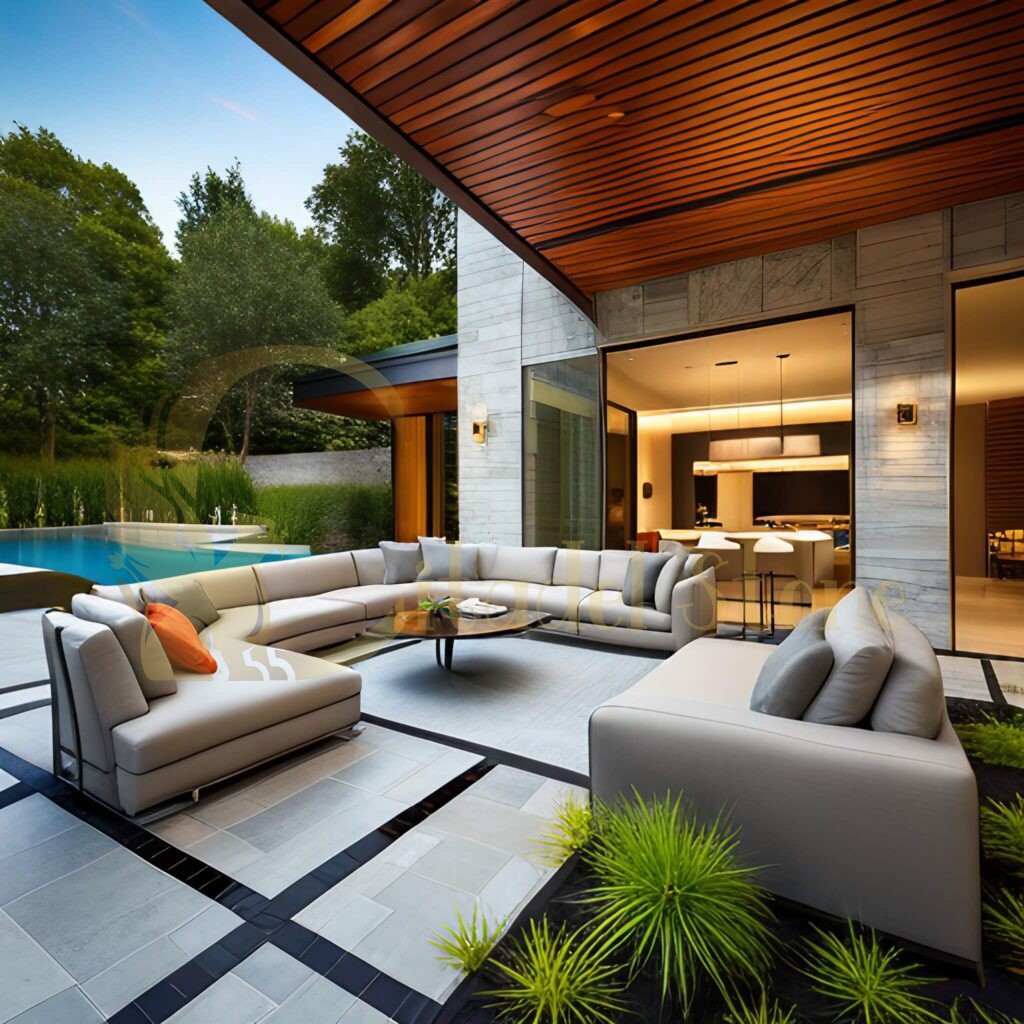
When you specify protective stone coatings Arizona for commercial and residential masonry, you’re addressing one of the desert’s most persistent maintenance challenges. Surface protection extends far beyond aesthetics — you’re investing in long-term asset preservation against UV degradation, thermal cycling, biological growth, and vandalism. Your coating selection determines whether you’ll achieve 15-year performance or face reapplication within 36 months.
Arizona’s extreme climate creates unique demands you won’t find in temperate regions. You’ll encounter temperature swings exceeding 50°F within 24 hours, UV indices that regularly hit 11+, and monsoon moisture followed by bone-dry conditions. These factors stress protective coatings in ways standard product literature doesn’t address. You need to understand how coating technology responds to desert-specific conditions before you commit to specification.
Penetrating Versus Film-Forming Systems
Your first specification decision involves choosing between penetrating sealers and film-forming coatings. Penetrating systems absorb into stone porosity, creating protection from within the substrate. Film-forming products create a surface barrier layer. Each approach offers distinct advantages you should match to project requirements and environmental exposure.
Penetrating protective stone coatings Arizona work best when you need breathability and natural appearance retention. These systems don’t alter surface texture or create sheen. You’ll find them ideal for historic preservation where maintaining original character matters. The limitation: penetrating sealers provide minimal surface protection against graffiti and require more frequent reapplication than film-forming alternatives.
Film-forming systems deliver superior surface protection and vandalism prevention capabilities. When you apply these coating technology solutions, you create a sacrificial barrier that absorbs damage rather than allowing contaminants to penetrate stone porosity. Your maintenance team can remove graffiti without damaging underlying masonry. The trade-off involves visible sheen and reduced vapor permeability.
Solvent-Based Versus Water-Based Formulations
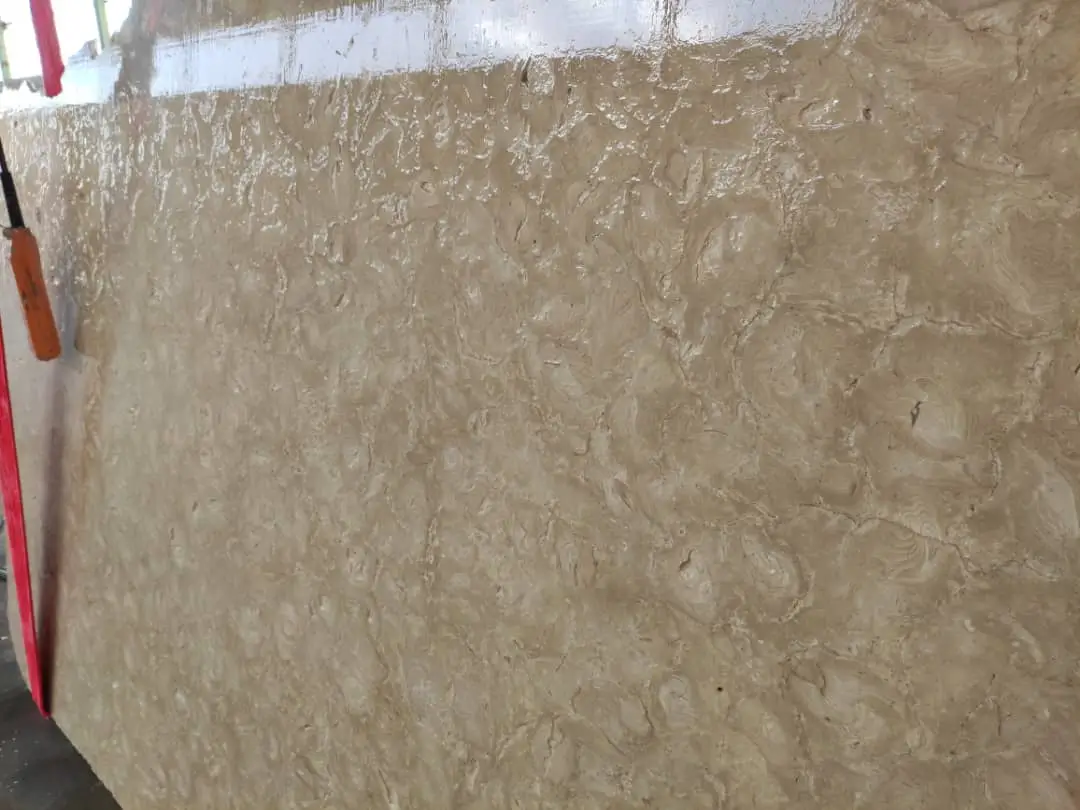
You need to evaluate carrier chemistry because it directly affects application parameters, cure characteristics, and long-term durability. Solvent-based protective stone coatings Arizona penetrate deeper into porous substrates and cure faster in low-humidity environments. Water-based formulations offer reduced VOC emissions and easier cleanup, but they require different application protocols in desert conditions.
Solvent-based systems excel in Arizona’s low-humidity environment. You won’t encounter the cure-inhibiting moisture issues that plague humid climates. Application windows extend from dawn through mid-afternoon because evaporation rates favor rapid solvent flash-off. Professional applicators achieve consistent results across seasonal temperature variations. When you coordinate warehouse deliveries during peak construction season, verify that your selected product tolerates Arizona’s storage temperature extremes — summer warehouse conditions regularly exceed 120°F.
Water-based systems require more careful application timing. You should plan installation during moderate temperature periods when substrate temperatures remain below 85°F. Morning applications work best because you need adequate cure time before afternoon temperature spikes. The advantage: water-based protective stone coatings Arizona meet increasingly strict VOC regulations and reduce installer exposure concerns.
Anti-Graffiti Performance Specifications
Your vandalism prevention strategy depends on understanding the difference between sacrificial and permanent anti-graffiti systems. Sacrificial coatings absorb graffiti and get removed during cleaning, requiring reapplication after each incident. Permanent systems create a slick surface that prevents paint adhesion, allowing removal without coating loss.
- You should specify sacrificial systems for high-porosity limestone and sandstone where penetrating taggers pose the greatest risk
- Your permanent coating selection works best on dense granite and polished surfaces where paint adhesion would otherwise create removal challenges
- Coating technology for sacrificial applications typically requires 3-5 mil dry film thickness to provide adequate protection layers
- You need to verify that permanent systems maintain effectiveness through minimum 15 cleaning cycles before performance degradation
When you evaluate protective stone coatings Arizona for public-facing installations, request third-party test data demonstrating removal effectiveness against spray paint, markers, and etching compounds. Surface protection performance varies significantly between manufacturers. You’ll find that products claiming “anti-graffiti” properties don’t always deliver when confronted with aggressive solvents and acid-based markers.
Thermal Cycling and UV Stability
Arizona’s temperature extremes create coating stress you won’t see in moderate climates. Dark masonry surfaces reach 165°F during summer afternoons, then cool to 75°F overnight. This 90°F swing occurs daily for months. Your selected protective stone coatings Arizona must accommodate thermal expansion and contraction without delamination or microcracking.
You should verify UV stability through accelerated weathering data. Arizona receives 85-90% of possible sunshine annually. UV exposure degrades polymer chains in inadequately stabilized coatings, leading to chalking, yellowing, and loss of water repellency. Professional specifications require minimum 2,000-hour QUV testing demonstrating less than 10% gloss reduction and no visible chalking.
The interaction between thermal cycling and UV exposure accelerates degradation. When surface temperatures exceed 150°F, UV damage intensifies. You need coating technology formulated with high-concentration UV absorbers and hindered amine light stabilizers. Generic formulations developed for temperate climates fail within 3-5 years under Arizona conditions. For guidance on selecting durable structural building stone materials in Glendale that work with protective systems, verify compatibility testing between substrate and coating.
Moisture Management Considerations
You might assume moisture isn’t a concern in desert environments, but monsoon season creates specific challenges for protective stone coatings Arizona. Intense rainfall can deliver 2-3 inches within hours, followed by rapid evaporation. Your coating system must manage this moisture cycling without trapping water behind impermeable barriers.
Breathability becomes critical when you specify maintenance solutions for exterior masonry. Water vapor transmission rates should remain above 20 perms to prevent subsurface moisture accumulation. Film-forming coatings that create impermeable barriers trap construction moisture and periodic rainfall penetration. You’ll see efflorescence, spalling, and delamination when vapor can’t escape.
- Your specifications should require vapor permeability testing per ASTM E96
- You need to account for directional moisture flow — coatings must allow outward vapor transmission while blocking inward liquid water penetration
- Surface protection systems applied to recently constructed masonry require minimum 28-day cure periods to avoid trapping construction moisture
- You should verify that warehouse-stored coatings haven’t been compromised by extreme heat exposure that can alter polymer chemistry
Substrate Compatibility Requirements
Different stone types require different protective stone coatings Arizona. What works for dense granite fails on porous limestone. You need to match coating chemistry to substrate characteristics — porosity, mineral composition, and surface finish all affect system performance.
High-porosity substrates like Arizona flagstone and regional limestone absorb excessive coating volume when you don’t account for penetration depth. Your material calculations should factor 200-400% higher coverage rates compared to manufacturer literature based on non-porous substrates. This isn’t just about cost — inadequate coating thickness leaves stone vulnerable despite apparent complete coverage.
Calcareous stones require pH-neutral coating technology. Alkaline substrates react with acidic coating components, causing adhesion failure and color shift. You should verify chemical compatibility through test panel applications on actual project stone, not laboratory samples. Regional quarry variations create mineral content differences that affect coating performance.
Application Method Impact
Your specified application method determines coating penetration, uniformity, and ultimate performance. Spray application delivers fastest coverage but requires skilled technique to avoid holidays and ensure adequate mil thickness. Roller application provides better control on vertical surfaces but can create lap marks on smooth finishes.
You’ll achieve optimal results with two-coat systems that build film thickness gradually. First coat penetrates and primes the substrate. Second coat creates the protective barrier layer. Single-coat applications rarely deliver manufacturer-claimed performance because surface protection depends on achieving minimum dry film thickness. You should specify wet film thickness targets of 4-6 mils per coat to achieve 2-3 mil dry thickness.
Temperature during application affects everything. When substrate temperatures exceed 100°F, solvent flash-off occurs too rapidly for proper penetration and leveling. You’ll see surface bubbling, poor adhesion, and premature failure. Your installation specifications must require substrate temperature monitoring and establish application windows between 50°F and 85°F for optimal cure.
Reapplication Intervals and Lifecycle Costs
Initial protective stone coatings Arizona cost represents only 20-30% of total lifecycle expense. You need to calculate reapplication frequency and associated labor costs to determine true system value. A coating requiring reapplication every 3 years costs significantly more over 15 years than a premium product lasting 10+ years despite higher initial price.
- You should establish performance benchmarks defining when reapplication becomes necessary — typically 30% reduction in water repellency or visible coating degradation
- Your maintenance program needs to include annual inspections documenting coating condition through water absorption testing
- Vandalism prevention effectiveness degrades before visible coating failure, requiring more frequent renewal in high-risk locations
- You’ll minimize long-term costs by selecting coating technology with documented 10+ year performance in comparable Arizona installations
Common Specification Mistakes
You’ll avoid costly problems by understanding where protective stone coatings Arizona specifications typically fail. The most common error involves selecting products based solely on initial cost without evaluating lifecycle performance. You get what you pay for — budget coatings require reapplication 2-3 times more frequently than premium systems.
Another frequent mistake: failing to specify surface preparation requirements. Coating performance depends entirely on substrate cleanliness. You need to require pressure washing to remove efflorescence, biological growth, and previous coating residue. Surface protection systems applied over contaminated substrates delaminate within months regardless of coating quality.
Ignoring cure time requirements causes premature failure. Water-based systems need 72 hours minimum before moisture exposure. Solvent systems require 24-48 hours. You should specify protection from foot traffic, irrigation, and precipitation during cure periods. Projects that rush occupancy before adequate cure compromise long-term performance.
Testing and Quality Verification
Your specification should mandate field testing to verify coating performance. Water absorption tests conducted 7 days post-application confirm adequate coverage and proper cure. You’ll perform simple tests using spray bottles — properly coated surfaces shed water completely with no darkening or absorption.
For critical installations, you need to require test panels demonstrating coating appearance and performance before full application. Mock-ups reveal how protective stone coatings Arizona interact with actual project stone under field conditions. You’ll identify potential issues with sheen level, color shift, and coverage requirements before committing to complete installation.
Professional specifications include retention samples stored in controlled conditions for future comparison. When you evaluate coating performance after 3-5 years, reference samples show original appearance. This documentation supports maintenance decisions and warranty claims if performance falls short of manufacturer representations.
Citadel Stone — Best Stone Building Supplies in Arizona: Technical Guidance for Protective Coating Systems
When you evaluate protective stone coatings Arizona through Citadel Stone’s stone building supplies in Arizona, you’re accessing technical expertise specific to desert masonry challenges. At Citadel Stone, we provide specification guidance for hypothetical applications across Arizona’s diverse climate zones. This section outlines how you would approach coating technology selection for three representative cities, demonstrating maintenance solutions tailored to regional conditions.
Arizona’s geographic diversity creates distinct coating performance requirements. Northern high-desert locations experience freeze-thaw cycling absent in southern regions. Urban heat islands intensify thermal stress. You need to adjust your surface protection specifications based on site-specific environmental factors. The following city scenarios illustrate decision-making frameworks for optimizing vandalism prevention and long-term durability.
Yuma Specification Approach
In Yuma, you would prioritize UV stability and thermal performance above other factors. Summer temperatures regularly exceed 110°F, with surface temperatures reaching 170°F on dark masonry. Your protective stone coatings Arizona selection would emphasize products with documented performance in extreme heat. You’d specify solvent-based systems because low humidity favors rapid cure and deep penetration. The coating technology you recommend would include high-concentration UV stabilizers to prevent degradation under intense solar exposure. For vandalism prevention on public installations, you would select sacrificial systems that withstand multiple cleaning cycles without compromising stone integrity. Your maintenance solutions would include biennial inspections to verify water repellency remains effective despite thermal stress.
Mesa Performance Criteria
Mesa’s urban environment creates different challenges you’d address through coating selection. The urban heat island effect amplifies already extreme temperatures. You would recommend surface protection systems with enhanced breathability to manage moisture from irrigation overspray common in residential landscapes. Your protective stone coatings Arizona specifications would balance vandalism prevention requirements for commercial properties with aesthetic considerations for upscale residential applications. You’d suggest film-forming systems for downtown commercial facades where graffiti poses ongoing risk, while recommending penetrating sealers for residential hardscape maintaining natural stone appearance. The coating technology you specify would account for substrate variations — Mesa projects often combine multiple stone types requiring compatible coating chemistry across different porosity levels.
Gilbert System Selection
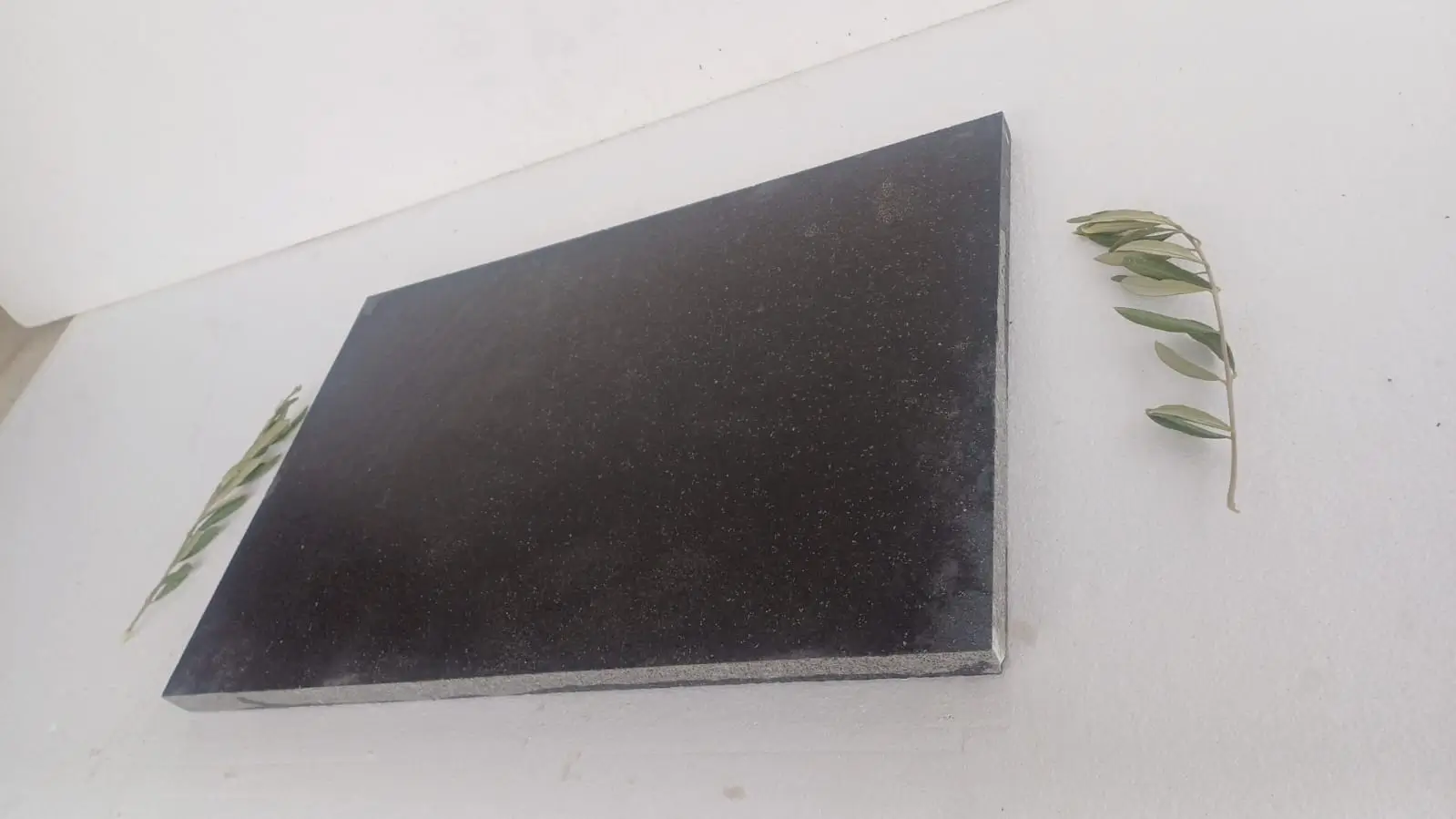
For Gilbert installations, you would emphasize long-term performance and reduced maintenance frequency. Rapid residential development creates demand for maintenance solutions requiring minimal ongoing intervention. Your protective stone coatings Arizona recommendations would focus on premium systems with 10+ year reapplication intervals. You’d specify water-based formulations meeting strict VOC requirements while delivering durability comparable to solvent systems. The coating technology you recommend would provide vandalism prevention for community walls and entry monuments while maintaining natural stone aesthetics important to neighborhood character. You would advise property managers to establish inspection protocols verifying coating effectiveness before visible degradation occurs, preventing costly stone damage from delayed maintenance. Your specifications would include detailed surface preparation requirements ensuring optimal coating adhesion and performance longevity.
Professional Implementation Strategies
Your successful protective stone coatings Arizona installation depends on contractor qualification and quality control. You should require applicators demonstrate experience with specified products and Arizona-specific conditions. Generic coating contractors often lack understanding of desert environment challenges. Professional installation teams adjust technique based on real-time temperature, humidity, and substrate conditions.
You need to establish clear acceptance criteria before application begins. Define measurable performance standards — water absorption limits, minimum cure periods, and appearance uniformity requirements. Your construction documents should include reference standards and testing protocols. This framework protects both owner interests and contractor obligations.
- You must coordinate coating installation with other trades to prevent contamination during cure periods
- Your project schedule should avoid coating application during extreme temperature periods exceeding 105°F
- Surface protection systems require truck access for equipment delivery, particularly spray rigs for large-scale applications
- You should verify adequate ventilation for solvent-based products in enclosed areas despite desert heat requiring closed buildings
Emerging Coating Technologies
You’ll see significant advances in protective stone coatings Arizona performance through nano-technology integration. Nano-particle formulations penetrate deeper while creating superior water repellency. These coating technology innovations maintain breathability while enhancing surface protection. Early adopters report 30-40% longer service intervals compared to conventional systems.
Self-cleaning coatings incorporate photocatalytic properties that break down organic contaminants under UV exposure. In Arizona’s intense sunlight, these systems demonstrate accelerated cleaning action. You reduce biological growth and atmospheric soiling without manual intervention. The technology remains expensive, but lifecycle cost analysis shows favorable returns for high-visibility installations requiring pristine appearance.
Hybrid systems combining penetrating and film-forming characteristics offer advantages you won’t achieve with single-chemistry products. You get deep substrate protection with surface barrier properties. These maintenance solutions address the limitation of traditional systems that force you to choose between breathability and vandalism prevention. Professional specifications increasingly incorporate hybrid technology for demanding applications.
Regulatory Compliance Considerations
Your protective stone coatings Arizona specifications must address increasingly strict VOC regulations. Water-based formulations help you meet environmental requirements without sacrificing performance. You should verify that selected products comply with current EPA standards and anticipate future regulatory tightening. Some municipalities enforce stricter limits than federal requirements.
Safety data sheets require careful review before specification. You need to understand installer safety requirements, required ventilation, and disposal protocols. Surface protection products containing hazardous air pollutants face additional restrictions. Your specifications should reference appropriate safety standards and require contractor compliance documentation.
LEED projects demand specific coating characteristics. You’ll need to document VOC content, recycled content, and regional manufacturing. Coating technology qualifying for LEED credits typically costs 15-25% more than conventional products, but the premium supports project certification goals. You should verify manufacturer environmental product declarations provide required documentation.
Final Considerations
When you develop comprehensive protective stone coatings Arizona specifications, you’re investing in long-term asset preservation. The difference between adequate and superior performance lies in matching coating technology to specific environmental challenges and project requirements. You can’t rely on generic product literature — Arizona conditions demand specialized knowledge and proven field performance.
Your specification process should include thorough evaluation of substrate characteristics, environmental exposure, maintenance capabilities, and lifecycle costs. Surface protection systems represent significant investment. You protect that investment through careful product selection, qualified installation, and ongoing performance monitoring. Vandalism prevention and maintenance solutions work only when specified correctly and installed professionally.
Professional practice requires you to stay current with evolving coating technology and emerging performance data. What represented best practice five years ago may not deliver optimal results today. For additional guidance on masonry preservation techniques, review Traditional mortar matching techniques for historic masonry preservation before you finalize protective treatment specifications for historic installations. Garden walls incorporate Citadel Stone’s decorative hardscape stone in Arizona landscape architecture.