
When you specify slate materials for Arizona projects, understanding suction rate testing becomes critical for predicting field performance. Slate suction rate testing Arizona protocols measure how quickly dry slate absorbs water when surface contact occurs — this metric directly affects adhesion strength, efflorescence risk, and long-term durability. You’ll find that slate water absorption characteristics vary significantly between quarry sources, making pre-installation testing essential for commercial and high-value residential applications.
Your specification process should account for Arizona’s extreme climate conditions where daytime temperatures exceed 115°F and relative humidity drops below 10%. These environmental factors accelerate moisture evaporation from slate surfaces, creating suction conditions that differ substantially from temperate regions. When you evaluate slate materials, you need to understand how slate absorption measurement protocols translate to real-world installation scenarios across Phoenix’s urban heat island zones and Tucson’s high-desert environments.
Slate Water Absorption Fundamentals
Slate water absorption occurs through interconnected pore structures within the metamorphic stone matrix. When you examine slate under magnification, you’ll observe microfractures and foliation planes that create pathways for moisture infiltration. The absorption rate depends on pore size distribution, mineral composition, and the degree of metamorphism the slate experienced during formation. Higher-grade metamorphic slate typically exhibits lower porosity and reduced absorption rates compared to lower-grade materials.
Your understanding of slate permeability testing helps you predict how the material responds during installation. Slate suction rate testing Arizona standards measure initial surface absorption within the first 60 seconds of water contact — this initial rate determines whether you need to pre-wet the substrate or adjust mortar consistency. Professional installations require you to balance substrate moisture content with slate absorption characteristics to prevent premature setting or weakened bond strength.
- You should verify that slate water absorption remains below 0.25% by weight for freeze-thaw climates
- Your specification must address absorption anisotropy where foliation planes absorb moisture faster than perpendicular surfaces
- You need to account for how surface finish affects absorption — honed surfaces typically show 15-20% higher initial suction than cleft surfaces
- Testing protocols require you to measure absorption on all six faces since quarry sawing exposes different foliation orientations
The relationship between absorption rate and bond strength becomes critical in Arizona’s thermal cycling conditions. When you install slate over concrete substrates, differential thermal expansion creates stress at the bond interface. Slate with excessive absorption pulls moisture from mortar too quickly, preventing proper hydration and reducing long-term adhesion. You’ll achieve optimal results when slate suction rate testing Arizona protocols confirm initial absorption rates between 0.8 and 1.2 grams per square inch per minute.
ASTM Testing Standards for Slate
ASTM C121 establishes the primary standard for slate absorption measurement in North American applications. When you reference this standard, you’re following protocols that measure water absorption after 48-hour immersion in room-temperature water. The test requires you to dry slate samples to constant weight at 140°F, weigh them precisely, immerse them completely for the specified duration, then reweigh after surface water removal. You calculate absorption as the percentage weight increase relative to dry weight.
For Arizona installations, you should supplement ASTM C121 with initial rate of absorption testing following modified brick testing protocols. This approach measures how much water the slate surface absorbs in the first 60 seconds — the period that most affects mortar bond development. You’ll need laboratory equipment that maintains consistent water temperature at 70°F and measures weight changes to 0.01-gram precision. Professional testing requires at least five samples per slate lot to account for natural material variation.
Slate moisture testing reveals that Arizona’s extreme heat affects absorption behavior in ways standard testing doesn’t capture. When slate surface temperatures reach 140°F during summer installation, the material’s absorption rate increases by 30-40% compared to laboratory conditions. You need to account for this thermal effect when you interpret test results and develop installation protocols. For guidance on related material performance characteristics, see Citadel Stone wholesale slate materials for comprehensive specification data.
Suction Rate Measurement Procedures
Professional slate suction rate testing Arizona procedures require controlled laboratory conditions to produce repeatable results. You start by cutting representative samples measuring 4 inches square by the slate’s actual thickness — using full-thickness samples ensures you’re measuring absorption through the complete material profile. After cutting, you must dry samples in a 140°F oven until successive weighings 24 hours apart show less than 0.1% weight change, confirming the slate has reached constant dry weight.
The testing apparatus consists of a shallow water bath maintained at 70°F with depth sufficient to submerge the slate face by exactly 1/8 inch. You place the dried slate sample face-down in the water and start a precision timer simultaneously. After exactly 60 seconds, you remove the slate, blot surface water with a damp sponge using three passes, then immediately weigh the sample. The weight increase in grams divided by the surface area in square inches gives you the initial rate of absorption (IRA) in grams per square inch per minute.
- You should test at least five samples per production lot to establish statistical validity
- Your testing protocol must maintain water temperature within ±2°F throughout the procedure
- You need to use the same surface orientation that will contact mortar during installation
- Testing requires you to complete weighing within 15 seconds of water removal to prevent evaporative weight loss
When you evaluate slate absorption measurement results, you’re looking for consistency across samples as much as absolute values. Coefficient of variation above 25% indicates the slate lot contains significant material inconsistency — this variability can cause differential bond strength and appearance issues in the installed application. You should reject lots showing high variability or specify additional quality control measures during installation.
Interpreting Absorption Test Results
Slate suction rate testing Arizona results fall into three practical categories that determine installation approach. Low-suction slate (IRA below 0.5 g/in²/min) requires minimal substrate moisture adjustment but may need longer mortar setup time to achieve adequate bond. Medium-suction slate (IRA 0.5-1.5 g/in²/min) represents the optimal range for standard thin-set mortar applications with conventional installation techniques. High-suction slate (IRA above 1.5 g/in²/min) demands pre-wetting procedures or modified mortar formulations to prevent premature moisture loss from the adhesive.
Your interpretation must account for how Arizona’s climate amplifies suction effects during installation. When ambient temperature reaches 95°F and relative humidity drops to 15%, evaporation from both the slate surface and the mortar bed accelerates dramatically. Slate that tests at 1.2 g/in²/min under laboratory conditions may behave like 1.8 g/in²/min material in field conditions. You’ll need to adjust installation procedures based on real-time environmental monitoring, not just laboratory test results.
The relationship between slate water absorption and efflorescence risk requires careful analysis. Higher absorption rates increase the volume of moisture that can transport soluble salts from substrates through the slate to the surface. When you specify slate with IRA above 1.0 g/in²/min for Arizona installations, you must verify that concrete substrates have cured at least 90 days and substrate moisture content remains below 4% to minimize efflorescence potential.
Climate-Specific Testing Considerations
Arizona’s extreme thermal environment creates testing requirements beyond standard ASTM protocols. You should conduct supplemental testing at elevated temperatures that simulate field conditions during peak installation season. This involves heating slate samples to 130°F before conducting absorption measurements — you’ll discover that thermal expansion opens microfractures and increases absorption rates by 25-35% compared to room-temperature testing. These elevated-temperature results provide more accurate predictions of field behavior during summer installations.
Slate permeability testing under thermal cycling conditions reveals long-term durability characteristics critical for Arizona applications. You subject samples to 50 freeze-thaw cycles (even though Arizona rarely freezes) followed by absorption testing to measure whether microcracking has increased permeability. While Arizona doesn’t experience freeze-thaw damage, the thermal cycling test identifies slate with inherent structural weaknesses that would also fail under extreme daily temperature swings from 45°F to 115°F.
- You need to verify absorption remains stable after 100 thermal cycles between 40°F and 140°F
- Your testing should measure absorption rate changes after UV exposure equivalent to 5 years of Arizona sunlight
- You should evaluate how surface sealers affect absorption characteristics under elevated temperature conditions
- Testing protocols require you to measure absorption anisotropy on cleft surfaces where foliation orientation varies
When you warehouse slate materials in Arizona’s heat, absorption characteristics can change over time. Slate stored in unconditioned warehouses where temperatures reach 130°F may experience mineral alteration that affects pore structure. You should retest materials that have been in warehouse storage exceeding six months during summer to verify absorption properties haven’t shifted outside specification limits.
Mortar Selection Based on Absorption
Your mortar selection process depends directly on slate suction rate testing Arizona results. Low-suction slate (IRA below 0.5 g/in²/min) works best with polymer-modified thin-set mortars that provide extended open time and mechanical keying rather than relying solely on absorption-based bond. These mortars typically contain higher polymer content (5-8% by weight) and maintain workability for 30-40 minutes after application, accommodating the slower moisture transfer into low-absorption slate.
Medium-suction slate materials allow you to use standard thin-set mortars formulated for natural stone applications. These mortars achieve optimal performance when the slate draws moisture at rates that promote proper hydration without premature drying. You’ll find that medium-suction slate provides the most forgiving installation conditions, allowing 15-20 minute open time and developing 80% of final bond strength within 24 hours under normal conditions.
High-suction slate requires specialized installation approaches to prevent bond failure. You have three options: pre-wet the slate back surface 5-10 minutes before installation, use high-water-content mortar formulations, or apply a primer coat that reduces initial absorption. Each approach has trade-offs. Pre-wetting adds labor time and requires careful moisture control — too much water creates slip problems, too little proves ineffective. High-water-content mortars extend drying time and may promote efflorescence. Primers add material cost but provide the most consistent results across varying field conditions.
Field Testing Procedures
While laboratory testing provides precise data, you should conduct field verification before starting large-scale installations. Field testing involves simplified procedures that confirm warehouse-stored materials match original test results and help you optimize mixing ratios for actual site conditions. You’ll need a portable scale accurate to 1 gram, a container of clean water, a timer, and absorbent cloths for surface drying.
The field test procedure follows laboratory protocols in abbreviated form. You select three representative slate pieces from different cartons, wipe surfaces clean, and allow them to equilibrate to ambient temperature for at least two hours. After weighing each piece, you submerge just the back surface in water for exactly 60 seconds, remove and blot with consistent pressure, then reweigh immediately. The weight gain percentage relative to dry weight gives you a field absorption index that you compare to laboratory results.
Slate moisture testing in field conditions also helps you establish proper substrate moisture levels before installation begins. You should verify that concrete slabs show less than 4% moisture content using calcium chloride tests and that ambient conditions during installation maintain relative humidity above 20%. When humidity drops below 20% and temperature exceeds 95°F, you need to implement additional moisture retention measures regardless of slate absorption characteristics.
Common Testing Mistakes
The most frequent error in slate suction rate testing Arizona applications involves using samples that don’t represent installed orientation. When you test the cleft face but install with the sawn face against mortar, your results don’t predict actual field behavior. Sawn faces typically show 30-40% higher absorption than cleft faces due to opened pore structures from sawing. You must test the specific surface that will contact the adhesive bed during installation.
- You should avoid testing samples immediately after cutting — stone dust in pores artificially increases absorption
- Your drying protocol must reach true constant weight — insufficient drying causes erroneously low absorption results
- You need to prevent evaporation during weighing by completing measurements within 15 seconds
- Testing requires you to maintain consistent blotting pressure — excessive pressure removes absorbed water, not just surface water
Temperature control failures during testing create significant result variations. When water temperature drifts above 75°F, absorption rates increase because warmer water has lower viscosity and penetrates pores more easily. You’ll see 8-12% absorption increase for every 10°F temperature rise above standard conditions. Conversely, testing in cold conditions (below 65°F) produces artificially low results that don’t represent Arizona installation environments.
Sample size errors compromise test validity. Using samples smaller than 3 inches square introduces edge effects where lateral absorption from sample edges contributes disproportionately to total weight gain. You need samples large enough that surface absorption dominates the measurement. For slate thinner than 1/2 inch, minimum sample size should be 4 inches square; for slate exceeding 1 inch thickness, 6-inch-square samples provide better accuracy.
Citadel Stone — Best Slate Wholesale in Arizona: Specification Guidance
When you evaluate Citadel Stone’s slate wholesale materials for Arizona applications, you’re considering premium metamorphic stone with documented performance characteristics suited to extreme desert conditions. At Citadel Stone, we provide comprehensive technical data including slate suction rate testing Arizona protocols, thermal expansion coefficients, and long-term durability projections. This section outlines how you would approach specification development for three representative Arizona cities, each presenting distinct environmental challenges that affect material selection and installation methodology.
Your specification process for Arizona slate installations requires balancing absorption characteristics with thermal performance and aesthetic requirements. You would need to verify that selected materials meet minimum performance thresholds while accommodating project-specific constraints including budget, timeline, and maintenance expectations. The following city-specific guidance demonstrates how climate factors influence specification decisions in major Arizona markets.
Phoenix Installation Parameters
In Phoenix applications, you would encounter the most extreme thermal conditions in Arizona where summer surface temperatures on dark slate can exceed 165°F. Your specification would need to address slate absorption measurement results showing that elevated surface temperature increases absorption rates by 30-35% above laboratory values. You would typically specify slate with IRA between 0.6-1.0 g/in²/min tested at room temperature, knowing field conditions amplify this to 0.85-1.4 g/in²/min during installation. Urban heat island effects in central Phoenix areas would require you to adjust mortar open time expectations downward by 25-30% compared to manufacturer specifications developed in temperate climates. You should verify warehouse availability before committing to project schedules since summer demand peaks when installation conditions prove most challenging.
Tucson Specification Approach
Tucson projects would present unique challenges from alkaline soil conditions that affect substrate preparation and efflorescence potential. You would need slate water absorption testing supplemented by salt crystallization resistance verification following EN 12370 protocols. Your specification would address how Tucson’s slightly higher humidity (compared to Phoenix) extends mortar working time by approximately 10-15%, allowing you to specify materials with IRA up to 1.2 g/in²/min without requiring pre-wetting procedures. The caliche layer common in Tucson substrates would require you to specify enhanced drainage provisions since this impermeable soil stratum can trap moisture beneath paving installations, creating long-term efflorescence risk with higher-absorption slate materials.
Scottsdale Material Considerations
Scottsdale’s high-end residential market would typically demand slate materials with superior aesthetic consistency alongside documented performance characteristics. You would specify slate permeability testing to verify absorption uniformity across production lots since visual appearance variations often correlate with absorption inconsistencies. Your testing protocol would include elevated-temperature absorption measurements at 130°F to simulate actual field conditions in luxury outdoor living spaces. Scottsdale projects would benefit from slate with IRA between 0.5-0.9 g/in²/min, providing optimal balance between bond reliability and resistance to heat-induced surface stress. You would coordinate truck delivery schedules to avoid peak heat hours, typically specifying morning deliveries before 9 AM when material and substrate temperatures remain manageable for proper installation procedures.
Absorption and Freeze-Thaw Resistance
Although Arizona rarely experiences freeze-thaw cycles at lower elevations, you should understand the relationship between slate water absorption and freeze-thaw durability for northern Arizona applications above 5,000 feet elevation. Water absorbed into slate pore structures expands approximately 9% upon freezing. When absorbed water exceeds the critical saturation point (typically 85-90% of total pore volume), expansion forces exceed the slate’s tensile strength, causing spalling and delamination.
Slate suction rate testing Arizona protocols indirectly indicate freeze-thaw resistance potential. Materials with IRA below 1.0 g/in²/min typically show total absorption below 0.20% by weight after 48-hour immersion — these levels rarely reach critical saturation even in prolonged wet conditions. You should specify slate with absorption below 0.25% for Flagstaff and Prescott applications where winter temperatures routinely drop below 20°F. These northern locations experience 60-80 annual freeze-thaw cycles, requiring materials that meet ASTM C1028 requirements for freeze-thaw durable slate.
- You need to verify slate survives 100 freeze-thaw cycles per ASTM C666 without strength loss exceeding 20%
- Your specification should require absorption testing after freeze-thaw cycling to confirm pore structure remains stable
- You should evaluate whether surface sealers reduce absorption sufficiently to prevent critical saturation
- Testing protocols require you to measure absorption on all faces since some orientations may show higher vulnerability
Sealer Effects on Absorption
When you apply penetrating sealers to slate surfaces, you’re modifying the pore structure and necessarily affecting absorption characteristics. Most penetrating sealers reduce initial rate of absorption by 40-60%, transforming high-suction slate into medium-suction material from an installation perspective. However, you need to understand that sealing the face doesn’t address back-surface absorption where mortar bonding occurs unless you seal all surfaces before installation.
Your decision to seal slate before or after installation affects slate moisture testing interpretation. Pre-installation sealing of the back surface improves bond reliability with high-absorption materials but adds labor cost and requires complete drying before mortar application. Post-installation sealing addresses surface absorption and stain resistance but doesn’t modify the bond interface characteristics. For Arizona applications, you typically seal only the face surface after installation to reduce maintenance requirements while allowing the back surface to bond normally.
Sealer selection should account for how absorption reduction affects long-term moisture management. When you reduce surface absorption by 70% or more with film-forming sealers, you’re creating a vapor barrier that can trap moisture within the slate or substrate. This proves problematic in Arizona where intense solar heating drives moisture toward the surface — trapped moisture can cause sealer delamination and appearance defects. You should specify breathable penetrating sealers that reduce liquid absorption while maintaining vapor permeability above 0.5 perms.
Absorption Measurement Equipment
Professional slate suction rate testing Arizona procedures require specific equipment to produce reliable, repeatable results. You’ll need a precision balance capable of measuring to 0.01-gram resolution with capacity sufficient for your largest test samples — typically 2,000-gram capacity serves most applications. The balance must maintain accuracy across the temperature range in your testing environment, which can be challenging in Arizona where laboratory temperatures may reach 85°F during summer.
Your testing apparatus should include a temperature-controlled water bath maintaining 70°F ±2°F throughout the testing period. Simple setups use insulated containers with laboratory thermometers and manual temperature adjustment, while professional testing facilities employ recirculating water baths with digital temperature controllers. You need depth control to ensure consistent 1/8-inch water contact with the slate surface — adjustable platforms or calibrated spacers accomplish this requirement.
- You should calibrate weighing equipment monthly using certified reference weights
- Your water bath requires filtration to prevent mineral deposits that could affect surface wetting
- You need a controlled-humidity drying oven maintaining 140°F ±5°F for sample preparation
- Testing protocols require you to use deionized water to eliminate mineral content variables
Timing accuracy becomes critical since 60-second absorption measurements show significant variation with even 5-second timing errors. You should use digital timers with 1-second resolution, starting them simultaneously with water immersion. Professional procedures employ automated immersion systems that lower samples into water at controlled rates and extract them precisely at 60 seconds, eliminating human timing variability. For field testing, smartphone timer applications provide sufficient accuracy when you coordinate start/stop actions carefully.
Documentation and Quality Control
Your quality control program for slate installations should include comprehensive documentation of all slate absorption measurement testing. This documentation serves multiple purposes: verifying material compliance with specifications, troubleshooting performance issues if they arise, and providing liability protection if disputes occur. You need to record sample identification, test date, technician name, equipment calibration status, environmental conditions, and complete numerical results for each sample tested.
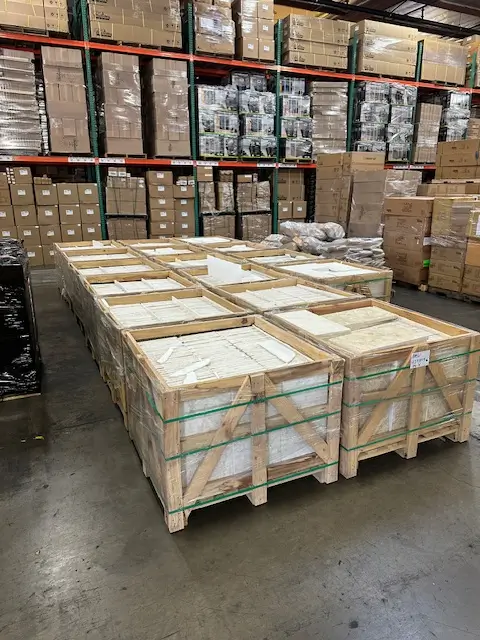
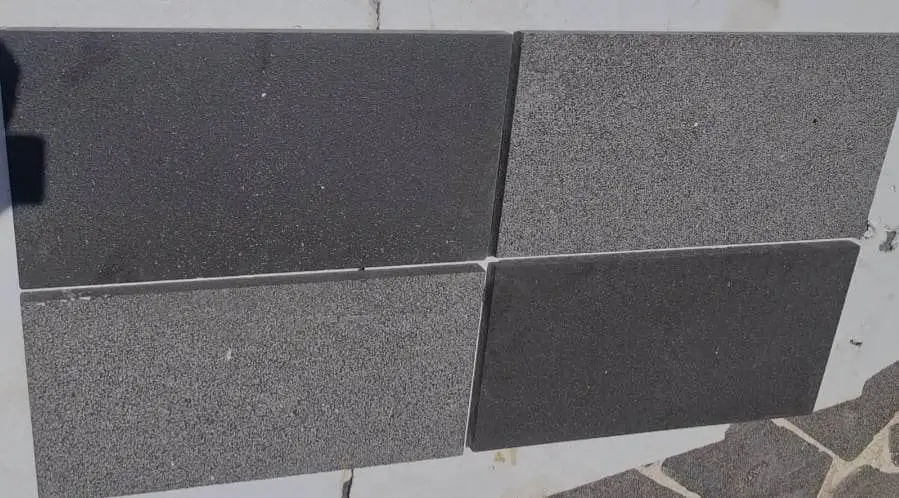
Professional documentation includes photographic records of test samples showing material appearance, foliation orientation, and surface characteristics. When you photograph samples before testing, you’re creating visual correlation between absorption performance and material appearance that helps with field identification of similar materials. These photos become particularly valuable when you’re evaluating mixed lots or when warehouse inventory includes slate from multiple quarry sources with varying characteristics.
Statistical analysis of test results provides insight into material consistency that simple average values can’t reveal. You should calculate mean, standard deviation, and coefficient of variation for each sample set. Coefficient of variation above 25% indicates concerning material inconsistency that warrants additional sampling or potential lot rejection. When you track these statistics across multiple lots over time, you develop baseline expectations that help identify anomalous materials requiring investigation.
Final Considerations
Your comprehensive approach to slate suction rate testing Arizona applications requires integration of laboratory testing, field verification, and climate-specific adjustments to standard protocols. Professional specifications account for how extreme heat amplifies absorption effects, creating installation challenges unique to desert environments. You should establish testing programs that verify material performance under conditions matching actual installation environments, not just laboratory standards developed for temperate regions.
The relationship between slate water absorption and long-term performance extends beyond immediate installation concerns. Your specification decisions affect maintenance requirements, appearance retention, and service life expectations over 20-30 year performance horizons. When you invest time in thorough testing and proper material selection, you’re preventing costly remediation work and ensuring client satisfaction throughout the installation’s functional life. Additional material characteristics relate to Natural mineral streaking patterns in Arizona slate formations that influence both absorption behavior and aesthetic qualities. Outdoor entertaining areas incorporate Citadel Stone’s elegant slate slabs for yard surfaces.