

When you specify slate for Arizona projects, you’re often focusing on heat resistance and UV durability—but what happens when salt exposure enters the equation? Whether you’re dealing with pool chemicals, water softener discharge, or landscape irrigation containing dissolved salts, understanding slate salt exposure durability Arizona becomes critical for long-term performance. Arizona’s desert environment creates unique challenges that differ significantly from traditional coastal salt exposure scenarios.
Salt damage in Arizona doesn’t arrive on ocean breezes. Instead, you’ll encounter it through irrigation systems pulling from aquifers with total dissolved solids (TDS) levels ranging from 400-1,200 ppm, pool backwash containing 3,000-6,000 ppm chlorides, and water softener brine discharge that can spike to 12,000+ ppm. Your slate selection must account for these concentrated, localized exposures rather than the diffuse atmospheric salt deposition you’d see in true coastal environments.
Understanding Salt Exposure Mechanisms in Desert Climates
Desert salt exposure operates through fundamentally different mechanisms than slate coastal performance scenarios. You need to recognize that Arizona’s low humidity and intense evaporation rates create salt concentration cycles that can actually exceed coastal severity in localized areas. When irrigation water containing 800 ppm TDS evaporates from slate surfaces, the dissolved salts remain and concentrate with each successive watering cycle.
The physics working against your installation are straightforward but relentless. Water containing dissolved salts penetrates slate’s natural pore structure through capillary action. Arizona’s 10-15% average humidity means this moisture evaporates rapidly, leaving crystallized salts within the stone’s pores. As these crystals grow, they exert expansive pressure—subflorescence occurring below the surface causes the most structural damage, while efflorescence appearing on the surface indicates active salt migration.
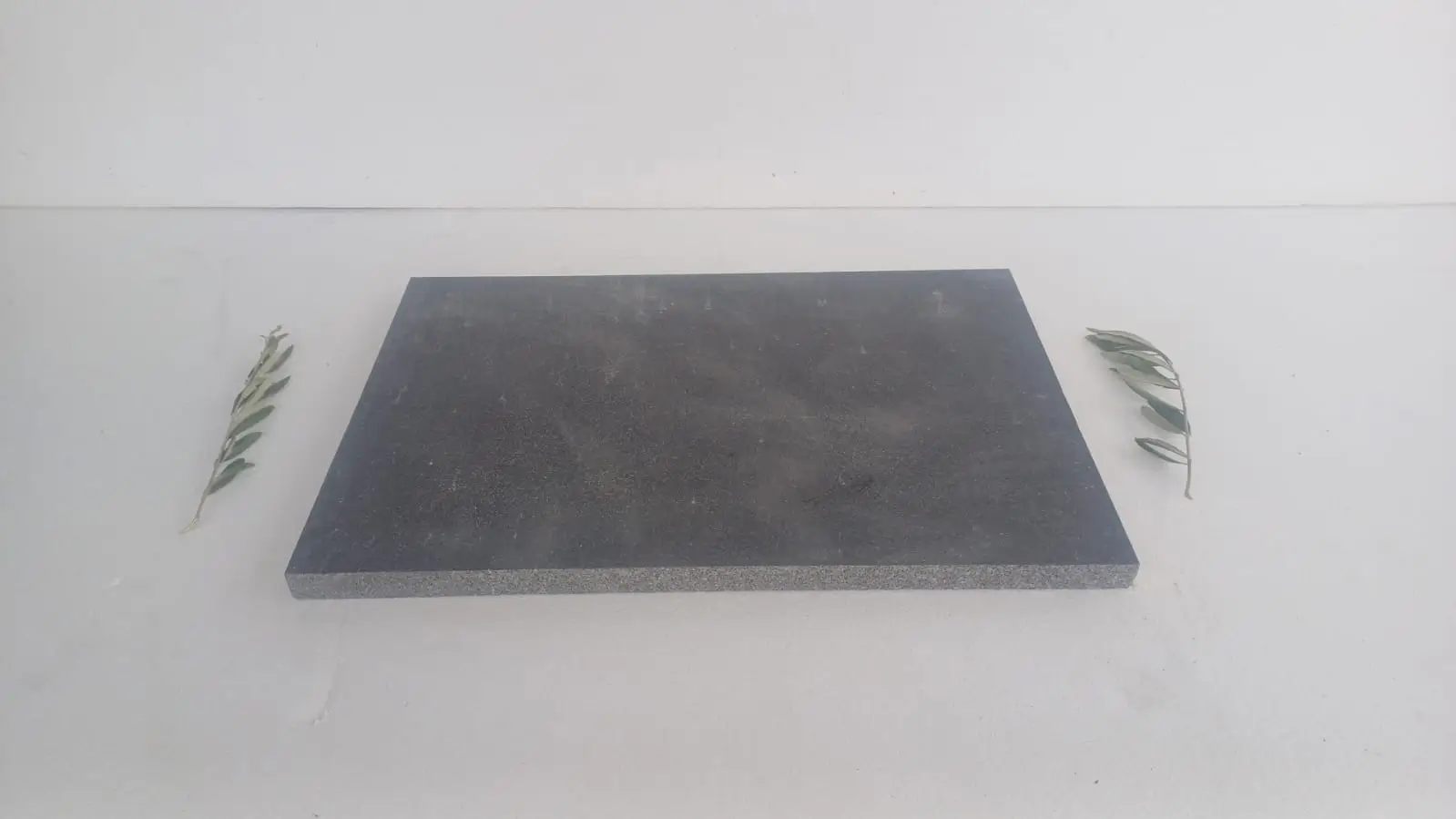
Slate salt exposure durability Arizona depends heavily on the stone’s porosity characteristics. You’re looking for slate with interconnected porosity below 0.8% for high-salt environments. Above that threshold, you’ll see accelerated deterioration as salt solutions penetrate deeper into the stone matrix. The relationship between pore size distribution and salt crystallization pressure determines whether your installation lasts 15 years or requires remediation after 5.
Material Selection Criteria for Salt-Resistant Applications
Your specification process must address three critical material properties that determine slate marine environment performance in Arizona conditions. First, evaluate the stone’s absorption coefficient—you need values below 0.4% by weight for areas with regular salt exposure. Laboratory testing measures this under controlled conditions, but field performance depends on how installation methods affect actual porosity.
Mineralogical composition matters more than most specifiers realize. Slates with higher quartz content (40-60%) demonstrate superior slate salt resistance compared to those dominated by phyllosilicate minerals. Quartz grains provide structural integrity that resists the mechanical stress of salt crystallization. When you review petrographic analysis reports, look for minimal calcite content—calcium carbonate reacts with sulfate salts to form gypsum, which occupies 120% more volume than the original mineral and causes catastrophic spalling.
- You should verify compressive strength exceeds 12,000 PSI for salt-exposed applications
- Your material needs flexural strength above 9,000 PSI to resist crystallization pressure
- You must confirm acid resistance testing shows less than 2% weight loss after exposure
- Your selected slate should demonstrate freeze-thaw durability even in non-freezing climates
The freeze-thaw correlation reveals something most people miss: slates that pass 100+ freeze-thaw cycles without degradation also resist salt crystallization damage. Both mechanisms involve internal expansive forces within the pore structure. Arizona doesn’t experience significant freeze-thaw cycles, but this testing data predicts slate seaside durability under salt stress conditions. You’re essentially using freeze-thaw performance as a proxy for salt crystallization resistance.
Irrigation Water Chemistry and Long-Term Performance
Arizona’s groundwater chemistry creates salt exposure conditions that vary dramatically across the state. When you analyze water reports from municipal sources or private wells, you’ll find TDS levels ranging from 250 ppm in some mountain communities to over 1,400 ppm in areas with deep aquifer dependency. Your slate installation timeline needs to account for this variability because it directly affects long-term durability projections.
The composition of dissolved salts matters as much as total concentration. Sodium chloride, while problematic, causes less structural damage than sodium sulfate or magnesium sulfate. Sulfate salts undergo hydration-dehydration cycles that generate significantly higher crystallization pressures—up to 2,000 PSI within confined pores. You should request water quality reports that break down specific ion concentrations, not just TDS readings.
For projects using reclaimed water irrigation, you’re dealing with elevated sodium levels that affect slate coastal performance characteristics differently than natural groundwater. Reclaimed water typically contains 400-600 ppm sodium, along with residual chlorides from treatment processes. The sodium absorption ratio (SAR) becomes relevant here—high SAR water promotes sodium salt accumulation that’s particularly damaging to slate with phyllosilicate-rich composition.
Your specification should mandate irrigation system design that minimizes direct slate contact with salt-laden water. Drip irrigation eliminates surface wetting entirely, while properly aimed spray heads reduce the affected area. When you calculate water budgets for landscape zones adjacent to slate installations, factor in that each gallon of 800 ppm TDS water deposits approximately 6.7 pounds of salt per 1,000 gallons applied. Over an irrigation season, this accumulates to significant salt loading.
Pool Deck Applications and Chemical Exposure
Pool deck installations present the most severe salt exposure scenario you’ll encounter in Arizona. Chlorinated pool water contains 2,500-4,000 ppm dissolved solids when properly maintained, but splashing, backwash, and circulation system leaks expose slate to much higher concentrations. The wet-dry cycling on pool decks amplifies salt crystallization damage because Arizona’s climate allows rapid evaporation that concentrates salts before they can be rinsed away.
Slate salt exposure durability Arizona testing should simulate pool deck conditions specifically. Standard salt spray testing designed for coastal exposure doesn’t replicate the concentrated, repeated wetting you see in pool applications. You need accelerated testing that cycles between saturation with 4,000 ppm chloride solution and complete drying at 115°F surface temperature—conditions that mirror actual summer pool deck environments.
The salt content in pool water interacts with other chemicals in ways that accelerate slate deterioration. Calcium hypochlorite shock treatments temporarily elevate chloride concentrations to 8,000+ ppm. Cyanuric acid stabilizers create acidic conditions (pH 6.8-7.2) that enhance salt penetration into slate pores. When you evaluate our natural slate wholesale options for pool applications, you’re balancing these chemical exposures against the stone’s natural buffering capacity.
- You should specify slate with absorption rates below 0.35% for pool deck applications
- Your installation must include subsurface drainage capable of handling 15 gallons per hour per linear foot
- You need penetrating sealers specifically formulated for salt and chlorine resistance
- Your maintenance protocol must include quarterly deep cleaning to remove salt accumulation
Water Softener Discharge Effects on Slate Installations
Arizona’s hard water—typically 12-22 grains per gallon—means most residential and commercial properties use water softeners. The regeneration cycle discharges brine solution containing 12,000-15,000 ppm sodium chloride directly into landscape drain lines. When this discharge contacts slate hardscaping, you’re exposing the material to salt concentrations 15-20 times higher than seawater.
Slate marine environment damage from softener discharge happens faster than any other salt exposure scenario. The combination of extreme concentration, regular weekly or bi-weekly cycles, and consistent discharge paths creates localized deterioration patterns. You’ll see this as white efflorescence streaks following drainage routes, surface spalling within 18-30 months, and structural delamination along bedding planes after 3-5 years in severe cases.
Your site planning must identify softener discharge locations during the design phase. Routing these drain lines away from slate installations prevents the problem entirely. When existing conditions make this impossible, you need to specify collection systems that dilute brine discharge with landscape irrigation water at a 1:10 ratio minimum before any slate contact occurs. This drops effective exposure to 1,200-1,500 ppm, which falls within manageable ranges for properly selected slate.
The temporal pattern of softener discharge matters for slate salt resistance evaluation. Unlike continuous low-level exposure from irrigation, softener discharge delivers concentrated pulses that don’t allow equilibration time. The slate experiences shock loading that drives salt solution deep into the pore structure before surface evaporation occurs. Your risk assessment needs to account for this pulsed exposure pattern rather than assuming steady-state conditions.
Sealer Selection and Application Protocols
Sealing slate exposed to salt conditions in Arizona requires different products than you’d use for standard installations. You’re not just protecting against moisture penetration—you need to prevent salt solution entry while still allowing vapor transmission. Completely impermeable sealers trap moisture and salts that inevitably enter through joints and substrate, accelerating subsurface damage.
Penetrating silane-siloxane sealers offer the best balance for slate seaside durability applications in desert environments. These chemically bond to the stone matrix, creating hydrophobic properties that reduce liquid water absorption by 85-95% while maintaining 60-75% vapor permeability. You’ll get salt solution exclusion without creating a vapor barrier that concentrates moisture at the substrate level.
- You should apply sealer to absorption refusal, typically requiring 2-3 coats at 150-200 sq ft per gallon
- Your application must occur when substrate temperature is between 60-85°F for proper penetration
- You need to verify coverage by conducting water drop tests showing beading for minimum 6 months
- Your maintenance schedule must include reapplication every 3-5 years depending on exposure intensity
Film-forming topical sealers create surface barriers that initially repel salt solutions effectively but fail catastrophically once breached. Arizona’s UV intensity degrades these surface films within 18-24 months, creating microcracks that allow salt entry while preventing evaporative drying. When the seal fails—and it will—you’ve created conditions worse than unsealed slate.
Installation Techniques for Salt-Exposed Environments
Your installation methodology directly impacts slate salt exposure durability Arizona performance regardless of material quality. The subsurface drainage system becomes critical because you can’t prevent all salt-laden water from reaching the slate—you need to evacuate it before concentration occurs. Standard 4-6 inch aggregate base layers aren’t sufficient for high-salt applications.
Enhanced drainage installations for salt-prone areas require 8-12 inch engineered base layers with specific gradation. You’re creating a capillary break that prevents wicking from subgrade while providing rapid lateral drainage. The base should achieve permeability of 50+ inches per hour, which demands clean angular aggregate in the 3/4 to 1.5 inch range. Fines content must stay below 3% to maintain drainage capacity as salt accumulation occurs over time.
Joint spacing affects salt crystallization damage more than most installers realize. Tighter joints (3/16 inch) limit individual salt crystal size but increase the total joint length where salt concentration occurs. Wider joints (3/8-1/2 inch) allow larger crystal formation but provide better drainage and easier maintenance access. For slate coastal performance in Arizona conditions, you’ll achieve optimal results with 1/4 inch joints filled with modified polymer sand that resists salt-induced degradation.
The setting bed composition determines how salt solutions interact with your installation. Mortar setting beds create impermeable barriers that trap salts at the slate-mortar interface, causing delamination within 5-8 years in high-exposure areas. Sand-set installations allow vertical drainage but provide no lateral stability. Modified thin-set mortars specifically formulated for salt exposure offer the best compromise—you get mechanical bonding with sufficient porosity for drainage and salt accommodation.
Maintenance Protocols for Salt-Exposed Slate
Slate marine environment maintenance in Arizona focuses on salt removal before crystallization damage occurs. You need scheduled washing protocols that physically flush accumulated salts from surface pores and joints. The frequency depends on exposure intensity—weekly for pool decks, monthly for irrigation-exposed hardscaping, and quarterly for minimal-contact areas.
Pressure washing removes surface salt but can drive dissolved salts deeper into the stone if done incorrectly. You should use fan tips maintaining 12-18 inch distance at 1,500-2,000 PSI maximum. Higher pressures damage slate surface texture and create microfissures that increase future salt penetration. The water temperature matters too—warm water (90-110°F) dissolves accumulated salts more effectively than cold water, reducing the mechanical force needed.
Your cleaning solution selection impacts long-term slate salt resistance maintenance. Acidic cleaners dissolve salt deposits quickly but attack carbonate minerals in the slate matrix and accelerate weathering. pH-neutral surfactant solutions remove salts through encapsulation and suspension without chemical attack on the stone. For heavy salt buildup, you’ll need poulticing techniques that draw salts out of the stone rather than just cleaning the surface.
- You should establish baseline salt accumulation patterns within the first 6 months after installation
- Your maintenance crew needs training to identify early efflorescence indicating active salt migration
- You must document cleaning frequency and methods to correlate with performance outcomes
- Your protocol should include annual deep extraction cleaning using commercial poultice products
Comparative Material Performance in Salt Conditions
When you evaluate slate salt exposure durability Arizona against alternative materials, the comparison reveals specific application niches where slate excels or struggles. Granite and dense limestone typically outperform slate in extreme salt environments due to lower porosity and more homogeneous structure. However, slate offers advantages in thermal performance and aesthetic versatility that justify its use when properly specified and maintained.
Porcelain pavers marketed for salt resistance achieve superior performance through near-zero absorption (0.05% typical). However, you sacrifice the thermal properties that make natural stone valuable in Arizona. Porcelain surface temperatures run 15-25°F hotter than slate under identical conditions, creating unusable pool decks and patios during summer months. Your material selection involves trading salt resistance for thermal comfort unless you’re willing to invest in continuous sealing maintenance for slate.
Within slate varieties, performance variation depends on geological origin and metamorphic grade. Higher-grade slates from regions subjected to greater pressure and temperature during formation typically exhibit lower porosity and superior slate seaside durability. Vermont slate consistently outperforms most imported varieties in standardized salt testing, but availability and cost considerations often push specifications toward alternatives. You need to request origin-specific testing data rather than relying on generic “slate” specifications.
The economic analysis extends beyond initial material cost. Slate requiring sealer reapplication every 3-4 years adds $0.75-1.25 per square foot in ongoing maintenance cost. Poultice treatments for salt extraction add another $1.50-2.00 per square foot every 5-7 years for high-exposure areas. When you calculate 20-year lifecycle costs, properly maintained slate in salt environments costs 35-45% more than the initial installation price, which changes value propositions compared to alternative materials.
Best Slate Walling Stone Suppliers Arizona — Professional Specification Guidance
When you consider Citadel Stone’s slate walling stone suppliers network for Arizona projects facing salt exposure, you’re evaluating materials that balance thermal performance with chemical resistance appropriate for desert applications. At Citadel Stone, we provide technical specification guidance for hypothetical installations across Arizona’s diverse microclimates. This section outlines how you would approach material selection and installation parameters for three representative municipalities experiencing different salt exposure scenarios.
Your specification decisions for slate in Arizona salt environments require matching material properties to local water chemistry and usage patterns. The state’s geographical diversity means projects 60 miles apart face substantially different salt exposure risks. Understanding these regional variations helps you develop targeted specifications that optimize performance without over-engineering solutions for moderate-exposure sites.
Chandler Pool Applications
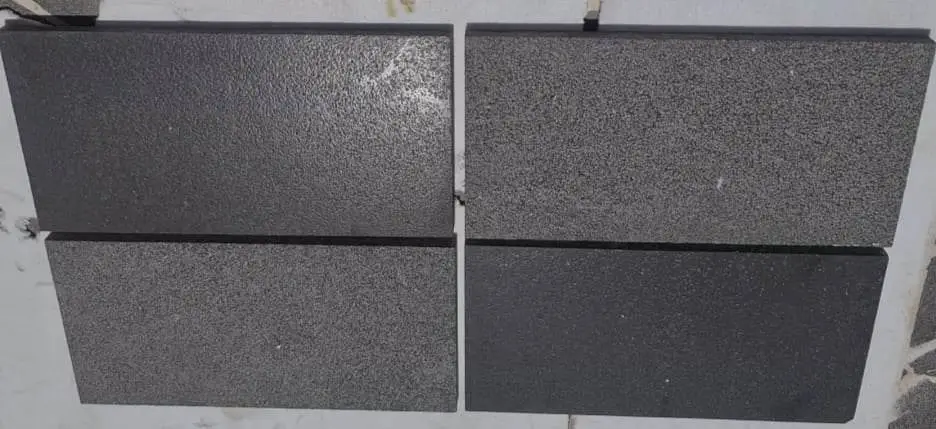
In Chandler’s residential developments, you would specify slate for pool deck applications where municipal water TDS averages 420-580 ppm and pool chemical exposure dominates the salt loading. Your material selection would prioritize absorption rates below 0.38% with mandatory silane-siloxane sealing before pool startup. The enhanced drainage base layer would extend 18 inches beyond the pool coping to capture backwash and splash zone exposure. You’d recommend Vermont slate or equivalent high-grade material with documented resistance to 5,000+ ppm chloride exposure in accelerated testing. Joint spacing at 1/4 inch using polymer-modified sand specifically rated for pool chemical resistance would complete the installation specification. Maintenance protocols would require monthly pressure washing during swim season to prevent salt crystallization damage during Chandler’s 115°F+ summer conditions.
Tempe Commercial Hardscaping
For Tempe commercial plaza projects, you would address moderate salt exposure from irrigation systems drawing water with 650-800 ppm TDS typical of the Salt River Project canal system. Your slate coastal performance specification would focus on material with 0.45-0.55% absorption, representing good but not exceptional porosity control. The cost-benefit analysis for commercial applications would likely favor mid-grade slate with biennial sealing rather than premium low-absorption material. You’d specify subsurface drainage designed for 35 inches per hour permeability to handle monsoon events while evacuating salt-laden irrigation water. Installation over engineered aggregate base with geotextile separation would prevent subgrade contamination affecting long-term drainage capacity. Your maintenance recommendation would include quarterly salt extraction cleaning focusing on areas receiving concentrated irrigation exposure, particularly near spray head locations and drainage swales.
Surprise Residential Considerations
In Surprise residential applications, you would account for groundwater TDS ranging from 850-1,100 ppm in private wells common to developing areas plus water softener discharge affecting approximately 70% of properties. Your specification would prioritize site planning that routes softener brine discharge away from slate installations, treating this as equally important as material selection. For slate walling stone suppliers material used in vertical applications like garden walls and seat walls, you’d recommend through-wall flashing and weep systems preventing salt-laden water accumulation behind the stone face. The combination of moderately high irrigation water salts and potential softener discharge would push your material specification toward lower absorption slate (0.35% maximum) with aggressive initial sealing. You would establish maintenance expectations with property owners emphasizing that Surprise’s water chemistry requires more intensive salt management than areas with better source water quality, including potential annual poultice treatments.
Diagnostic Testing and Performance Monitoring
When you suspect salt damage in existing slate installations, diagnostic testing identifies the damage mechanism and guides remediation strategies. Visual inspection reveals surface indicators—white crystalline deposits, surface scaling, or delamination along bedding planes—but subsurface damage assessment requires more sophisticated methods. You need to distinguish between aesthetic efflorescence requiring only cleaning and structural subflorescence causing irreversible damage.
Salt content analysis involves extracting core samples and measuring soluble salt concentrations using conductivity testing. You’re looking for salt loading levels within the stone matrix itself, not just surface deposits. Values above 0.5% soluble salts by weight indicate active salt accumulation requiring intervention. This testing establishes baseline conditions for new installations in high-risk areas and tracks accumulation rates over time for existing projects.
Ultrasonic pulse velocity testing detects subsurface deterioration before visible symptoms appear. Sound waves travel through intact slate at 3,500-4,500 meters per second depending on density and metamorphic grade. Velocity reductions of 15-20% indicate internal microcracking from salt crystallization pressure even when surfaces appear sound. You can use this non-destructive testing to identify damaged areas requiring replacement before catastrophic failure occurs.
- You should establish testing protocols within 12 months of installation to create baseline data
- Your monitoring program needs to include annual conductivity measurements in high-exposure zones
- You must correlate salt accumulation rates with irrigation water chemistry and weather patterns
- Your diagnostic program should identify damage progression rates to optimize maintenance timing
Remediation Approaches for Salt-Damaged Installations
Salt-damaged slate requires intervention strategies matched to damage severity and economic constraints. Minor efflorescence responds to aggressive cleaning using pH-neutral detergents followed by thorough rinsing. You’re physically removing salt deposits before they penetrate deeper or cause crystallization damage. This works when you catch the problem early—within the first 2-3 years of salt exposure before structural damage occurs.
Advanced poulticing techniques address subsurface salt accumulation causing subflorescence. You apply absorbent clay-based poultices saturated with deionized water to the slate surface and allow 24-48 hour dwell time. The poultice draws dissolved salts out of the stone through osmotic action and capillary forces. After removal, you’ll see dramatic salt concentrations in the dried poultice material. Multiple applications at 30-day intervals are often necessary to reduce salt loading to acceptable levels below 0.3% by weight.
Electrokinetic remediation represents cutting-edge technology for severe salt contamination. Low-voltage direct current (12-24V) drives charged salt ions out of the stone matrix toward strategically placed electrodes. You’re essentially reversing the capillary and diffusion processes that introduced salts into the slate. This technique works on installed materials without removal, though it requires specialized equipment and expertise rarely available outside research applications. Commercial viability remains limited, but you should monitor developments in this technology for future large-scale remediation projects.
Replacement becomes necessary when slate salt exposure durability Arizona has been exceeded and structural integrity is compromised. Delamination along bedding planes, through-thickness cracking, and loss of compressive strength above 25% indicate that the stone has reached end of service life. Your economic analysis needs to compare ongoing maintenance costs for damaged material against replacement with properly specified slate or alternative materials. Often you’ll find that partial replacement of high-exposure zones combined with improved drainage and maintenance protocols extends overall installation life more cost-effectively than complete replacement.
Critical Specification Language for Contract Documents
Your contract documents need precise specification language that transfers salt exposure requirements to contractors and suppliers. Vague terms like “suitable for salt exposure” or “durable in harsh conditions” don’t provide enforceable performance criteria. You need quantified specifications that define acceptance testing and establish clear responsibility for material selection.
Absorption specifications should state: “Slate shall demonstrate water absorption not exceeding 0.40% by weight when tested according to ASTM C121. Supplier shall provide certified test results from independent laboratory for the specific material lot proposed for this project. Testing performed on different quarry runs or geological zones does not satisfy this requirement.” This language eliminates disputes about whether generic product specifications apply to actual delivered material.
For salt resistance verification, you might specify: “Material shall demonstrate less than 5% strength reduction and zero visible deterioration after 50 cycles of salt crystallization testing per ASTM C88 using sodium sulfate solution. Testing shall be performed on samples from the actual material lot within 90 days of delivery.” This provides objective pass-fail criteria and timeline for verification before installation proceeds.
- You should require origin-specific petrographic analysis identifying mineralogical composition
- Your specifications must mandate absorption testing on actual project materials, not generic data
- You need to include warranty language specifically addressing salt exposure performance expectations
- Your documents should establish maintenance requirements as conditions of warranty coverage
Final Considerations
Slate salt exposure durability Arizona applications demand comprehensive understanding of material properties, exposure mechanisms, and long-term maintenance requirements. You’re specifying for conditions that combine desert heat, low humidity rapid evaporation cycles, and localized concentrated salt exposure that can exceed coastal severity in specific situations. Success requires matching slate porosity and mineralogy to site-specific water chemistry and usage patterns.
Your specification process should begin with water quality analysis identifying TDS levels, specific ion composition, and delivery mechanisms. This data drives material selection toward appropriate absorption thresholds and sealer requirements. Installation methodology focusing on enhanced subsurface drainage prevents salt accumulation at the slate-substrate interface where the most damaging crystallization occurs. Maintenance protocols must include regular salt removal before crystallization pressure causes structural damage.
The economic reality of slate in salt-exposed Arizona environments involves higher lifecycle costs than standard installations. When you account for biennial sealing, periodic poultice treatments, and potential partial replacement, the 20-year cost can reach 140-150% of initial installation expense. This doesn’t disqualify slate from consideration—it simply establishes realistic budget expectations and highlights the importance of proper initial specification to minimize long-term costs.
Professional installations balance aesthetic preferences, thermal performance requirements, and salt exposure realities through informed material selection and robust installation details. Your projects succeed when you establish clear performance expectations, specify appropriate materials for actual site conditions, and implement maintenance programs that address salt accumulation before damage occurs. For comprehensive maintenance strategies, review Slate Acid Rain Resistance Arizona before you finalize your project specifications. Infinity edges use Citadel Stone’s precise blue slate suppliers in Arizona coping.