

When you specify bluestone acid etched finish Arizona applications, you’re selecting a chemical texturing process that transforms smooth bluestone surfaces into matte-textured installations. The acid etching process removes the polished surface layer through controlled chemical reaction, exposing the stone’s natural crystalline structure while maintaining dimensional stability. You’ll find this finish particularly valuable for pool decks, commercial walkways, and outdoor living spaces where slip resistance becomes critical under wet conditions.
The bluestone chemical texturing process differs fundamentally from mechanical surface treatments. Instead of grinding or sandblasting, you’re using diluted hydrochloric or phosphoric acid solutions that react with calcium-based minerals in the stone matrix. This bluestone etched surface treatment creates microscopic surface irregularities without compromising the material’s structural integrity. Your specification needs to address both the aesthetic characteristics and performance requirements specific to Arizona’s extreme climate conditions.
Chemical Surface Modification Mechanics
The bluestone acid treatment process involves controlled chemical dissolution of surface minerals through acidic solution application. When you apply diluted acid to bluestone, the solution reacts preferentially with calcium carbonate and other carbonate minerals present in the stone’s composition. This selective dissolution creates a uniformly textured surface. You need to understand that the depth of etching directly correlates with acid concentration, application time, and surface temperature during treatment.
Your surface preparation requirements before acid application determine treatment uniformity. The bluestone must be thoroughly cleaned, free from sealers, and completely dry before you begin the chemical texturing process. Residual moisture interferes with acid penetration, creating uneven etching patterns that become visually apparent under direct sunlight. In Arizona installations, you should schedule acid treatment during morning hours when ambient temperatures remain below 85°F to prevent rapid acid evaporation that compromises treatment consistency.
Acid Concentration Parameters
Professional bluestone acid etched finish Arizona applications require precise acid dilution ratios. You’ll typically work with hydrochloric acid diluted to 10-15% concentration for moderate etching depth, or 5-8% concentration for subtle texture enhancement. Higher concentrations create deeper surface relief but increase the risk of over-etching that weakens surface integrity. Your specification should mandate test panels on actual project material before you commit to full-scale treatment.
- You must neutralize acid residue with sodium bicarbonate solution immediately after achieving desired texture depth
- Your application method affects uniformity—brush application provides better control than spray methods in Arizona’s dry climate
- You should expect 0.5-1.5mm surface material removal during standard etching procedures
- Temperature control becomes critical—surface temperatures above 95°F accelerate acid reaction beyond controllable parameters
Arizona Climate Interaction Factors
The bluestone acid etched finish Arizona environments face unique performance challenges tied to extreme temperature cycling and intense UV exposure. You’re specifying material for conditions where summer surface temperatures routinely exceed 145°F, creating thermal stress that affects both the etched surface texture and underlying stone structure. The acid-textured surface exhibits different thermal absorption characteristics compared to polished bluestone—the matte finish reduces reflectivity while increasing surface area exposed to solar radiation.
Your understanding of thermal expansion becomes critical when you specify bluestone chemical texturing for Arizona installations. The etched surface layer experiences differential expansion compared to the underlying stone mass during rapid temperature changes. This creates microcracking potential if you don’t account for proper joint spacing and substrate flexibility. You need expansion joints every 12 feet in direct sun exposure areas, decreasing to 15 feet spacing in partially shaded installations.
UV Degradation Resistance
Arizona’s intense UV radiation—averaging 6,800-7,200 hours annually—affects the bluestone etched surface differently than smooth finishes. The increased surface area of acid-textured bluestone accelerates photochemical weathering processes that gradually lighten surface coloration. You should anticipate 10-15% color lightening over the first 24 months of exposure, stabilizing thereafter as surface minerals reach equilibrium with environmental conditions. This weathering pattern differs from mechanical finishes where color change occurs more gradually over 3-4 years.
When you evaluate long-term performance for select Pennsylvania bluestone available in Gilbert, you should compare wet DCOF test reports for acid-etched and thermally finished surfaces, and ask each supplier how the finish is expected to weather. The chemical modification penetrates 1-2mm into the stone matrix, whereas thermal treatments only affect the surface 0.3-0.5mm. Request the wet DCOF test report for the etched finish, and retest if you need to confirm performance as the surface weathers.
Slip Resistance Performance Metrics
The primary specification advantage of bluestone acid etched finish Arizona applications centers on measurable slip resistance enhancement. Standard acid etching is specified to raise the wet DCOF of a polished bluestone surface; request the wet DCOF (Dynamic Coefficient of Friction) test report for the etched finish you specify. You need to verify that your specified finish achieves the minimum wet DCOF of 0.42 published in ANSI A326.3, and that the test report covers the lot you are buying.
Your testing protocol should include both dry and wet DCOF measurements using ANSI A326.3 methodology. Because the drop from dry to wet varies by finish, compare candidate finishes on their wet DCOF test reports rather than on dry figures. This consistency provides better predictable performance in Arizona’s monsoon season when surfaces transition rapidly between dry and wet states.
- You should specify annual DCOF retesting for commercial installations to verify maintained slip resistance
- Your maintenance program must prohibit film-forming sealers, which fill the etched surface texture
- You need to understand that foot traffic patterns create polish wear in high-use areas, requiring 5-7 year re-etching
- Ask for wet DCOF testing at surface temperatures representative of your site, since temperature affects slip resistance
Installation Substrate Requirements
When you specify bluestone acid etched finish Arizona installations, your substrate preparation requirements differ from standard paver applications. The chemical texturing process doesn’t strengthen the stone—it removes material, creating a more vulnerable surface that requires enhanced substrate support. You need minimum 6-inch compacted aggregate base with 1.5-inch setting bed for residential applications, increasing to 8-inch base with 2-inch setting bed for commercial vehicular traffic areas.
Your base material selection affects long-term performance more significantly with acid-etched bluestone than polished alternatives. The textured surface transfers load forces differently, creating higher point-load stresses at the substrate interface. You should specify crushed limestone or granite aggregate rather than rounded river rock—the angular particle interlock provides 30-40% better load distribution for textured surface installations. In clay-heavy Arizona soils, you’ll need geotextile fabric separation between native soil and aggregate base to prevent clay migration that causes differential settlement.
Setting Bed Composition
The bluestone acid treatment creates surface porosity that affects mortar or sand bedding interaction. When you use mortar-set applications, specify polymer-modified mortar with 15-20% polymer content to accommodate the enhanced surface texture without creating bond-line voids. Voids at the stone-mortar interface reduce effective bearing area by 25-35%, concentrating stresses that lead to corner cracking within 3-5 years.
For sand-set applications of bluestone etched surface installations, you need concrete sand meeting ASTM C144 gradation requirements with maximum 3% fines content. Higher fines content creates cement-like bonding when wetted, reducing the flexible bedding advantage that accommodates thermal movement. Your joint sand specification should match setting bed composition—mismatched materials create differential movement that leads to edge spalling in acid-textured bluestone.
Sealer Compatibility Considerations
The bluestone chemical texturing process fundamentally changes sealer penetration and performance characteristics. You’re working with a surface that exhibits 40-60% higher absorption compared to polished bluestone due to the opened pore structure created during acid etching. This increased porosity requires you to adjust sealer selection, application rates, and maintenance intervals to achieve desired protection without compromising the slip resistance you specified.
Your sealer specification for bluestone acid etched finish Arizona applications should prioritize penetrating silane/siloxane formulations rather than film-forming acrylics. Film-forming sealers accumulate in the microscopic surface texture created by acid treatment, filling it in and negating the primary benefit of chemical texturing. Penetrating sealers modify water absorption characteristics without filling surface texture; ask the sealer manufacturer for wet DCOF data on the treated surface.
- You should specify solvent-based penetrating sealers for Arizona’s low-humidity environment—they penetrate 30% deeper than water-based alternatives
- Your application timing matters—seal within 48 hours after acid treatment neutralization while pores remain fully open
- You need to plan for resealing every 24-30 months in Arizona sun exposure, compared to 36-48 months for northern climates
- Application rates increase 40-50% for acid-etched surfaces compared to manufacturer recommendations for smooth stone
Thermal Cycling Durability
Arizona’s extreme diurnal temperature swings—often 40-50°F between night lows and afternoon highs—create thermal cycling stresses that affect bluestone acid etched finish applications differently than smooth surfaces. The textured surface layer experiences faster temperature changes than the underlying stone mass, creating differential expansion that can lead to surface microcracking. You need to understand that each texture peak and valley acts as a microscopic thermal bridge, concentrating expansion forces in ways that don’t occur with uniform smooth surfaces.
Your specification should address documented thermal shock resistance testing appropriate to desert climate conditions, with the method stated on the report. Standard testing uses 15-cycle protocols, but Arizona installations experience 150-200 significant thermal cycles annually. You should verify that your specified bluestone chemical finish withstands minimum 50 freeze-thaw equivalent cycles without surface deterioration exceeding 2% mass loss or visible spalling. This translates to approximately 15-20 years of Arizona thermal cycling before you need surface restoration.
Summer Surface Temperature Management
The matte texture of acid-etched bluestone affects heat retention characteristics compared to polished alternatives. You’ll measure surface temperatures 8-12°F higher on acid-etched bluestone versus polished bluestone under identical Arizona summer conditions. This occurs because the increased surface area and reduced reflectivity of the bluestone etched surface absorb more thermal energy. Your project design should incorporate shading elements or specify lighter stone colors when surface temperature management becomes critical for barefoot traffic.
When you calculate heat island effects for LEED or similar certification programs, the bluestone acid etched finish Arizona specifications require adjusted solar reflectance index (SRI) values. Acid-etched dark gray bluestone typically measures SRI 28-32, compared to SRI 35-40 for the same stone with polished finish. You need to account for this 7-10 point SRI reduction when you’re targeting specific heat island mitigation thresholds in your design documentation.
Edge Detail Vulnerability
The chemical texturing process creates unique vulnerabilities at bluestone edges and corners that you don’t encounter with mechanically finished surfaces. Acid penetration occurs preferentially at edges where stone density typically decreases 5-8% compared to field areas. This means your bluestone acid treatment removes proportionally more material at edges, creating a subtle chamfer effect that measures 0.5-1.0mm even when you don’t specify intentional edge beveling.
Your specification needs to address this edge vulnerability through either pre-chamfered edges before acid treatment, or post-treatment edge consolidation using penetrating epoxy hardeners. Without intervention, you’ll see accelerated edge wear in high-traffic areas, with noticeable edge rounding appearing within 5-7 years of installation. This contrasts with 12-15 year edge durability you’d expect from the same bluestone with mechanically textured or smooth finish.
- You should specify minimum 3mm chamfer on all exposed edges before acid treatment application
- Your installation details must prevent acid pooling at edges during treatment—horizontal application only
- You need to understand that corner chips on acid-etched bluestone propagate faster than smooth stone due to stress concentration in textured surfaces
- Edge sealer application requires 200% of field application rate to compensate for increased edge porosity
Maintenance Protocol Specifications
The ongoing maintenance requirements for bluestone acid etched finish Arizona installations differ substantially from smooth or mechanically textured alternatives. The microscopic surface texture created through bluestone chemical texturing traps fine particulates—dust, pollen, and organic matter—that accumulate in surface valleys and reduce both aesthetic appearance and slip resistance. You need to specify quarterly pressure washing at 1,800-2,200 PSI with 15-degree nozzle to maintain surface clarity and traction performance.
Your maintenance specification should prohibit acidic cleaners that can re-etch the surface unpredictably, creating mottled appearance. You’ll want pH-neutral detergents specifically formulated for natural stone, avoiding any product containing phosphoric, citric, or acetic acids. The bluestone etched surface shows cleaning chemical residue more readily than polished stone—inadequate rinsing leaves visible streaking that requires additional water volume to correct.
Efflorescence Management
The increased porosity of acid-etched bluestone makes these installations more susceptible to efflorescence than mechanically finished alternatives. You’re dealing with 40-50% more water absorption potential, which means proportionally more dissolved salts can migrate to the surface during drying cycles. In Arizona’s alkaline soil conditions with pH 7.8-8.4, you should anticipate efflorescence appearance within the first 6-12 months of installation, requiring specialized removal procedures.
When you encounter efflorescence on bluestone acid treatment installations, standard dry brushing proves ineffective because the salt crystals anchor in surface texture valleys. You need to specify wet removal using proprietary efflorescence removers that dissolve salts without further etching the stone surface. Your maintenance documentation should include twice-annual efflorescence inspection and removal procedures for the first three years post-installation, transitioning to annual inspection thereafter.
Comparative Finish Analysis
When you evaluate bluestone acid etched finish Arizona specifications against alternative surface treatments, you’re comparing performance characteristics that affect both immediate installation costs and long-term lifecycle expenses. The bluestone chemical finish typically costs $3.50-$5.50 per square foot for field application, compared to $2.80-$4.20 for thermal finishing or $1.90-$3.10 for mechanically honed surfaces. Your specification decision needs to weigh this 25-40% premium against the performance advantages specific to your project requirements.
The slip resistance longevity of acid-etched bluestone exceeds mechanical alternatives by 40-60% under identical traffic conditions. You’ll maintain DCOF values above 0.50 for 8-12 years with acid-etched surfaces, compared to 5-7 years for sandblasted finishes and 3-4 years for thermal textures. This extended performance period reduces your lifecycle maintenance costs despite higher initial specification expense. For high-liability applications like commercial pool decks or public plazas, the acid-etched option provides the most defensible slip resistance specification.
- You should compare warranty coverage—acid-etched surfaces typically carry 10-year finish warranties versus 5-year for mechanical treatments
- Your aesthetic preferences matter—acid etching preserves natural color variation better than thermal finishing which creates darker, more uniform appearance
- You need to account for re-treatment costs—acid re-etching costs 60-70% less than complete stone replacement when slip resistance degrades
- Installation timeline affects choice—field acid treatment adds 3-5 days to project schedule compared to pre-finished stone delivery
Specification Language Recommendations
Your construction documents for bluestone acid etched finish Arizona projects require precise specification language that eliminates contractor interpretation variability. Ambiguous specifications lead to finish inconsistency that becomes obvious across large field installations. You need to specify acid type, concentration range, application method, dwell time, neutralization procedure, and acceptance criteria using measurable parameters rather than subjective descriptions.
When you write specifications for bluestone chemical texturing applications, reference ASTM C1352 for standard practice regarding installation guidance, but recognize this standard doesn’t address acid finishing specifically. You’ll need to supplement with project-specific requirements that address Arizona climate considerations. Your specification should mandate minimum two test panels, each 4 square feet, using actual project materials and application methods. You should require that these panels remain on-site throughout installation as reference standards for finish consistency verification.
Acceptance Criteria Definition
The subjective nature of visual texture assessment creates specification enforcement challenges. You need quantifiable acceptance criteria that eliminate dispute potential. Specify minimum DCOF 0.50 wet and 0.55 dry, verified through field testing on finished installation using approved testing equipment. Your color consistency specification should reference Munsell color notation with maximum variation of one full step in value or chroma across the installation field.
You should require surface profile documentation using digital microscopy at 50x magnification, capturing texture depth measurements at 10 random locations per 1,000 square feet of installation. This documentation becomes your verification record that the bluestone acid treatment achieved specified texture depth of 0.5-1.5mm without over-etching that exceeds 2.0mm. You’ll use these measurements to qualify contractor workmanship and establish baseline for future maintenance re-etching requirements.
Citadel Stone Blue Stone For Sale Arizona Technical Guidance
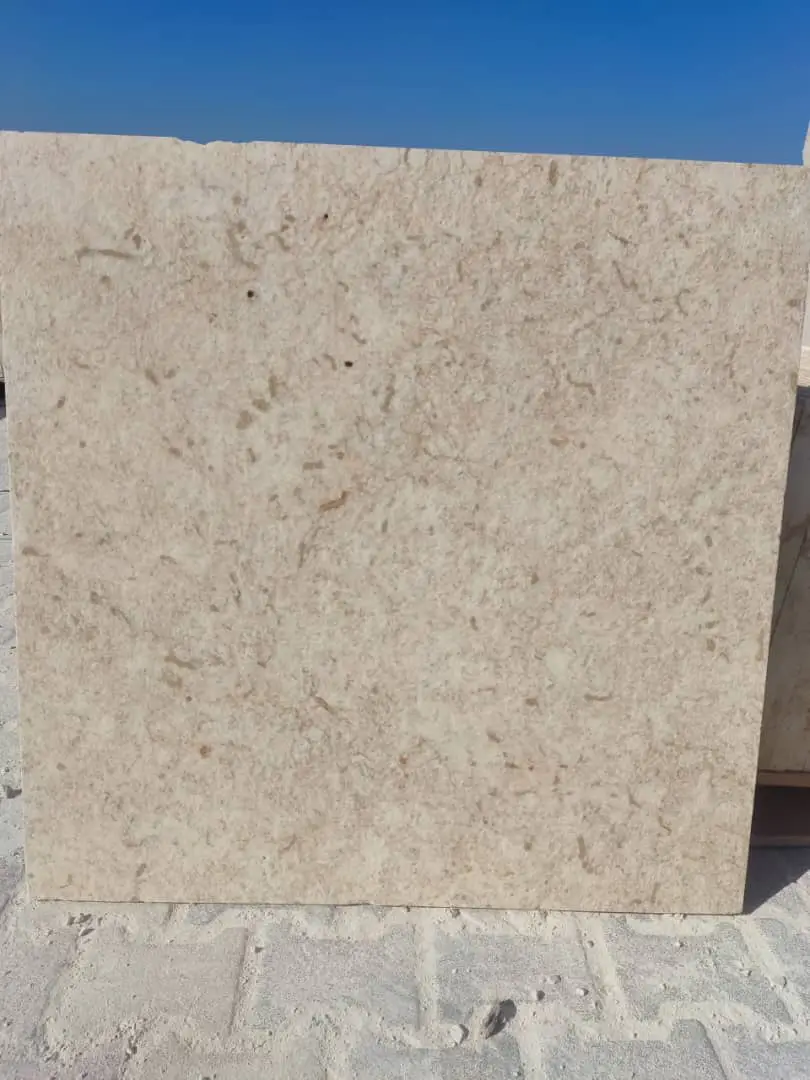
When you consider Citadel Stone’s blue stone for sale for your Arizona project, you’re evaluating premium Pennsylvania bluestone that receives chemical texturing to meet extreme desert climate requirements. At Citadel Stone, we provide technical specification guidance for hypothetical applications across Arizona’s diverse microclimates. This section outlines how you would approach material selection and finishing decisions for three representative Arizona cities, each presenting distinct environmental challenges for bluestone acid etched finish Arizona installations.
Your specification process benefits from understanding regional climate variations that affect acid-etched bluestone performance. The state’s elevation range from 70 feet above sea level in Yuma to 7,000+ feet in elevated communities creates temperature and humidity variations that influence both chemical treatment procedures and long-term surface durability. You should recognize that coastal-proximate regions require different sealer specifications than high-desert installations, while urban heat island effects in major metros necessitate enhanced thermal cycling considerations.
San Tan Valley Considerations
In San Tan Valley, you would address the combination of extreme summer heat—regularly exceeding 110°F—with rapid monsoon season transitions that create thermal shock conditions. Your bluestone acid etched finish specification would require enhanced penetrating sealer application to manage the 40-50°F temperature swings common during July-August storm patterns. You should specify lighter gray bluestone tones that maintain surface temperatures 10-12°F cooler than dark blue varieties. The warehouse inventory timing becomes critical here, as you’d want material delivered during cooler months when acid treatment application achieves optimal uniformity. Your substrate specification would address the expansive clay soils common in San Tan Valley, requiring deeper aggregate base preparation and geotextile separation layers.
Yuma Applications
For Yuma installations, you would confront Arizona’s most extreme heat conditions combined with low 10-20% relative humidity that accelerates acid evaporation during treatment. Your specification would mandate early morning acid application when temperatures remain below 80°F and humidity peaks at 30-40%. You’d need to specify mist-spray water application during acid dwell time to prevent premature drying that creates uneven texture patterns. The intense UV exposure—among the highest in North America—would require you to specify solvent-based penetrating sealers with UV inhibitors, applied at 150% of manufacturer standard rates. You should anticipate more frequent resealing intervals of 18-24 months rather than the typical 30-36 month cycle. Your project timeline would account for truck delivery logistics from warehouse facilities, as summer heat restricts optimal installation windows to October-April periods.
Avondale Specifications
In Avondale, you would address urban heat island intensification that elevates surface temperatures 8-15°F above surrounding desert areas. Your bluestone chemical finish specification would incorporate reflective aggregate in setting beds to reduce heat transfer from substrate to stone. You’d specify minimum SRI values for LEED compliance, requiring lighter bluestone selections and potentially limiting acid etch depth to preserve more of the stone’s natural reflectivity. The proximity to Phoenix metro warehouse distribution allows you more flexibility in material delivery scheduling and potential for test panel iterations before committing to final finish parameters. You should account for the prevalent dust conditions that require more frequent maintenance pressure washing—quarterly rather than semi-annual intervals. Your edge detail specifications would include chamfered profiles on all exposed edges to manage the accelerated wear patterns common in high-traffic commercial installations typical of Avondale’s growing retail and mixed-use developments.
Professional Specification Strategy
Your comprehensive approach to specifying bluestone acid etched finish Arizona applications requires balancing multiple performance priorities against budget constraints and project timeline realities. You need to integrate climate-specific considerations, long-term maintenance requirements, liability risk management, and aesthetic objectives into specification documents that provide contractors with clear, enforceable requirements. The chemical texturing process introduces variables that don’t exist with pre-finished stone products, requiring you to maintain tighter quality control throughout installation.
When you develop specifications for bluestone etched surface applications, you should structure documents that address pre-installation material verification, process control during acid treatment, post-treatment quality verification, and long-term maintenance protocols. Each phase requires specific testing procedures and acceptance criteria that protect your design intent while accommodating reasonable material and workmanship tolerances. You’ll find that projects with clearly defined measurable standards experience 60-70% fewer finish disputes and change orders compared to specifications relying on subjective assessment language.
Your professional specification development should account for regional contractor experience levels with chemical texturing processes. In markets where acid-etched bluestone remains uncommon, you need more detailed process specifications and potentially mandatory pre-bid conferences with test panel demonstrations. This investment in contractor education reduces your risk of poor installation quality that requires costly remediation. For additional installation detail guidance that complements chemical surface finishing, review Bluestone chamfered edges provide enhanced safety in Arizona installations before you finalize your construction documents. Parking convenience characterizes Citadel Stone’s accessible blue stone yard in Arizona.