
When you specify sandblasted bluestone for Arizona projects, you’re making a deliberate choice about surface character and functional performance. Bluestone sandblasted texture Arizona applications deliver consistent slip resistance and uniform visual appearance that polished or thermal finishes can’t match. You’ll find this abrasive finishing method creates micro-texture depths between 0.8mm and 1.2mm — deep enough for reliable traction without the aggressive profile that accelerates wear patterns.
The sandblasting process removes the natural cleft variations you’d see in raw bluestone, giving you predictable DCOF ratings across every square foot. Your specification needs to account for how this uniformity affects installation tolerances and joint line visibility. Unlike thermal finishing that can create localized color variations, bluestone abrasive finishing produces consistent surface tone that weathers evenly across decades of Arizona sun exposure.
Understanding the Bluestone Sandblast Process
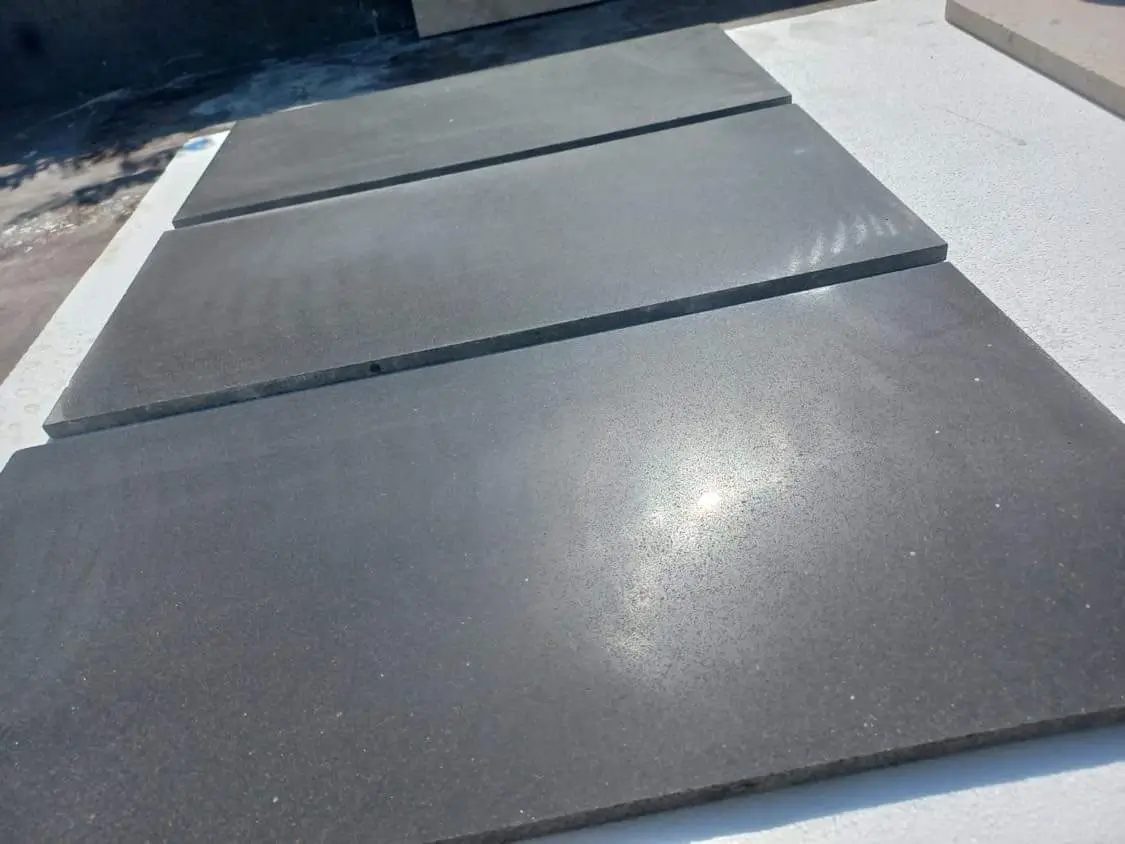
The bluestone sandblast process uses pressurized silica or garnet media at 80-120 PSI to erode surface material uniformly. You control texture depth by adjusting three variables: media size, air pressure, and nozzle distance. For bluestone sandblasted texture Arizona installations, you’ll typically specify 30-50 mesh garnet at 100 PSI with 8-12 inch nozzle standoff. This combination penetrates the dense bluestone matrix without fracturing subsurface layers.
What most specifiers miss is how media selection affects long-term performance. Silica creates sharper peaks that wear faster under foot traffic, while garnet produces rounded valleys that maintain slip resistance longer. You should specify garnet media for commercial applications expecting 500+ daily foot traffic counts. The process removes approximately 1.5-2.0mm of material, so your dimensional tolerances need to account for this reduction when you’re matching existing elevations.
Bluestone textured surface characteristics change based on the stone’s iron content and grain structure. High-iron Pennsylvania bluestone responds differently than Canadian varieties — you’ll see more pronounced color shifts in Pennsylvania material because sandblasting exposes subsurface minerals that oxidize under UV exposure. When you evaluate samples, verify they represent the actual quarry block your material will come from, not generic stock samples.
Slip Resistance and Safety Performance
Bluestone slip resistant finish applications require specific DCOF measurements, not generic assumptions about “textured equals safe.” You need to verify dynamic coefficient of friction under both dry and wet conditions. Properly executed bluestone sandblasted texture Arizona installations deliver dry DCOF values between 0.54 and 0.62, dropping to 0.48-0.54 when wet. These numbers exceed ADA requirements of 0.42 minimum, but you should specify higher targets for pool decks and ramped surfaces.
The relationship between texture depth and slip resistance isn’t linear — there’s a performance plateau. Beyond 1.3mm depth, you don’t gain meaningful traction improvement, but you do create surfaces that trap debris and complicate maintenance. Your specification should cap texture depth at 1.2mm for most applications. Here’s where the bluestone abrasive finishing really shows its advantage: consistent micro-peaks across the entire surface area, unlike flame finishing that creates irregular high-low patterns.
- You should test DCOF using Portable Tribometer devices, not pendulum testers that don’t replicate actual foot traffic
- Your wet DCOF targets need to account for algae growth in shaded areas — specify 0.52 minimum for zones receiving less than 4 hours daily sun
- Texture degradation occurs faster on stair treads and landing zones — plan for 12-15 year resealing intervals versus 18-20 years for general paving
- Pool deck applications require textured finish extending 6 feet beyond coping, not just the immediate 3-foot wet zone
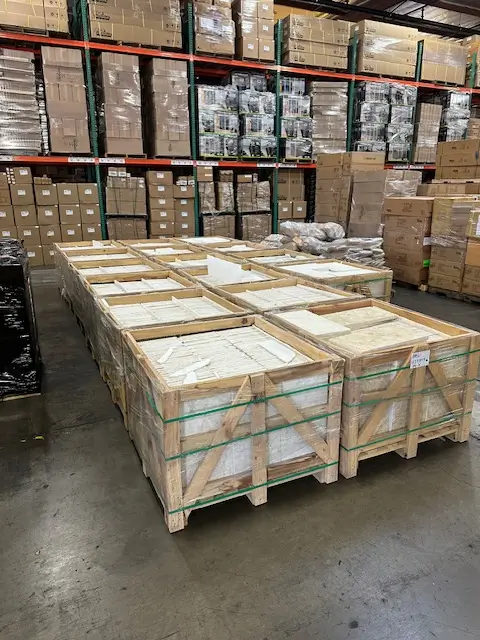
When you’re evaluating proposals, insist on seeing DCOF test reports from the actual finishing facility, not theoretical data sheets. Sandblasting consistency varies between operators — quality control matters more than equipment specifications. For projects requiring extensive outdoor blue stone yard material coordination, warehouse inventory verification becomes critical to maintaining finish consistency across delivery batches.
Thermal Performance in Desert Conditions
Bluestone sandblasted texture Arizona surfaces manage solar heat differently than smooth finishes because of increased surface area exposure. The micro-texture raises effective surface area by 15-18%, which paradoxically improves heat dissipation through convective cooling. You’ll measure surface temperatures 8-12°F lower on textured bluestone compared to polished surfaces under identical solar exposure — meaningful when ambient temperatures exceed 108°F.
The material’s thermal mass properties interact with surface texture in ways that affect your installation timeline. Sandblasted bluestone absorbs heat more rapidly during morning hours but also releases it faster after sunset. You need to account for this when you schedule installation crews — the 90-minute window after sunrise and before 9 AM provides optimal working conditions. Surface temperatures stabilize around 140-145°F during peak afternoon exposure, compared to 155-160°F for polished finishes.
Bluestone textured surface specifications must address thermal expansion coefficients of 5.1 × 10⁻⁶ per °F. This requires you to install expansion joints every 15 feet in open sun exposure, narrowing to 12 feet where dark hardscape or building walls create heat sink effects. The sandblasted profile doesn’t change the expansion rate, but it does affect how joint materials perform — smooth joints against textured stone create mechanical interlock that reduces joint material migration.
Color Uniformity and Long-Term Appearance
When you specify bluestone sandblasted texture Arizona applications, you’re essentially resetting the stone’s surface age to zero. This creates more uniform initial appearance than natural cleft, but it also means you’ll see more obvious weathering patterns during the first 18-24 months. The sandblasted surface exposes fresh material that hasn’t been UV-stabilized, so expect color shifts of 10-15% during initial weathering.
Pennsylvania bluestone exhibits blue-gray base tones that warm toward buff-gray after sandblasting and Arizona sun exposure. Canadian bluestone maintains cooler gray-blue tones longer because of different mineral composition. You should specify Pennsylvania material when you want warmer tones that complement desert landscaping, Canadian varieties when you need contrast against warm stucco or adobe finishes.
- Color lot consistency matters more than absolute color — you can accommodate variation if it’s uniform across the project area
- The bluestone abrasive finishing removes approximately 2mm of weathered surface, exposing material that may not match your sample if the sample was naturally weathered
- Efflorescence appears more readily on sandblasted surfaces during the first 6 months — specify penetrating sealers for applications where early whitening is unacceptable
- Your specification should require all material from a single quarry run, not mixed lots that create patchwork appearance
The micro-texture created by bluestone sandblasted texture Arizona processing affects how dirt and organic staining develop. Textured surfaces show less visible staining than smooth finishes because contaminants settle into valleys rather than sitting on visible peaks. This visual masking extends apparent cleaning intervals by 30-40% compared to honed surfaces in similar exposure conditions.
Critical Specification Details You Can’t Overlook
Your bluestone sandblasted texture Arizona specifications need to address finish tolerance ranges that generic stone specs ignore. Sandblast depth uniformity should stay within ±0.2mm across any single piece and ±0.3mm across the project. Tighter tolerances require hand-finishing that doubles processing time and increases costs by 40-50%. You need to decide whether visual perfection justifies the premium or if standard tolerances meet functional requirements.
Dimensional stability after sandblasting depends on moisture content at processing. The abrasive process generates localized heating that drives surface moisture outward — if you install material within 48 hours of sandblasting, you’ll see slight cupping as internal moisture redistributes. Specify minimum 72-hour cure time between sandblasting and delivery. This detail gets overlooked when warehouse stock runs low and rush orders bypass proper staging protocols.
The bluestone slip resistant finish you’re specifying needs to address edge treatment separately from field surfaces. Standard practice sandblasts only the top surface, leaving edges with saw-cut texture. This creates slip hazards on stair treads and pool coping where edges become walking surfaces. You should specify full-edge sandblasting for any piece where more than one face receives foot traffic, adding approximately 25% to finishing costs for those specific units.
- Your compressive strength minimums should specify 12,000 PSI for sandblasted material — the process can expose hairline fissures that reduce effective strength in marginal pieces
- Water absorption rates increase 0.3-0.5% after sandblasting compared to natural cleft — adjust your freeze-thaw performance expectations accordingly
- You need to specify abrasion resistance testing per ASTM C241, particularly for commercial interiors where grit accumulation accelerates wear
- Flatness tolerances of ±1/8 inch over 10 feet apply to the substrate, but sandblasted surfaces can mask underlying irregularities that become trip hazards
Installation Methods for Sandblasted Bluestone
The bluestone textured surface you’ve specified requires modified installation techniques compared to smooth-finish stone. The increased surface texture creates better mechanical bond with thin-set mortars, allowing you to use slightly thinner mortar beds without sacrificing coverage. You can work with 3/16-inch notched trowels instead of 1/4-inch for pieces under 18 inches square — but only if your substrate flatness is within 1/8 inch over 10 feet.
Back-buttering becomes more critical with sandblasted finishes because the texture can create air pockets in the mortar bed that aren’t obvious during installation. You should require 95% mortar coverage verification by removing and inspecting one piece per 100 square feet during installation. This spot-check catches technique problems before they become systemic failures. The common mistake is assuming texture automatically improves bond — it only helps if you’re maintaining proper mortar consistency and trowel technique.
Joint spacing requirements change when you’re working with bluestone sandblasted texture Arizona materials in thermal extremes. The textured surface disguises minor lippage better than smooth stone, which tempts installers to widen joints beyond specification. You need to maintain 3/16-inch joints regardless of the visual forgiveness texture provides — wider joints accelerate sand loss and create maintenance problems within 24-36 months.
Maintenance Requirements and Service Life
Bluestone sandblasted texture Arizona installations require different maintenance protocols than you’d use for honed or polished surfaces. The micro-valleys trap organic debris that smooth surfaces shed naturally, so you’ll need more frequent cleaning in areas with heavy tree coverage or monsoon season dust accumulation. Plan for quarterly pressure washing at 1,200-1,500 PSI using 25-degree nozzles — narrower spray patterns can erode the sandblasted texture over time.
Sealer selection affects long-term performance more than initial appearance. Penetrating sealers maintain the textured feel while providing stain resistance, but they require reapplication every 3-4 years in Arizona sun exposure. Film-forming sealers last 5-7 years but gradually fill the texture valleys, reducing slip resistance by 15-20% before you even notice visual buildup. You should specify penetrating silane-siloxane blends that don’t alter surface friction characteristics.
The bluestone abrasive finishing creates a surface that weathers predictably across 20-30 year spans. You’ll see gradual softening of the micro-peaks through normal foot traffic, with high-wear zones like entry landings losing approximately 0.3mm of texture depth per decade. This is normal wear, not premature failure — the material maintains functional slip resistance throughout. Re-sandblasting after 25-30 years can restore original texture at roughly 40% of new material cost.
- You should establish baseline DCOF measurements at installation completion to track degradation objectively over time
- Annual deep cleaning with enzymatic degreasers prevents organic film buildup that reduces texture effectiveness
- Your maintenance specification should prohibit acid-based cleaners that etch the sandblasted surface and accelerate texture loss
- Winter freeze-thaw cycles don’t significantly impact properly installed sandblasted bluestone in Arizona’s limited freeze zones
Avoiding Common Specification Errors
The biggest mistake you’ll see with bluestone sandblasted texture Arizona specifications is treating all sandblasted finishes as equivalent. There’s substantial variation in texture character depending on media type, pressure, and operator technique. Generic callouts like “sandblasted finish per industry standard” give you no control over the result. You need to specify target texture depth ranges, acceptable color variation limits, and require physical samples from the actual production run.
Another critical error is specifying sandblasted finish without addressing the base material quality. Lower-grade bluestone with pronounced bedding planes can delaminate during sandblasting or shortly after installation when texture valleys intersect natural fissures. You should specify Select grade or better for sandblasted applications, even though the texture will hide many of the visual characteristics you’re paying premium for. The structural integrity matters more than the cosmetic grading.
Failing to account for edge condition inconsistency creates field problems during installation. When you specify bluestone slip resistant finish for stair treads, pool coping, or bench seating, you must explicitly call out which edges receive sandblasting treatment. Standard processing sandblasts only the top surface — other faces retain saw-cut texture unless specifically noted. This becomes obvious during installation when non-textured edges face walking surfaces or hand-contact areas.
Cost Factors and Budget Considerations
Sandblasted bluestone pricing sits 25-35% above natural cleft material and 15-20% above thermal finishes for comparable grades. You’re paying for the labor-intensive finishing process and the material waste it creates. The sandblasting removes 1.5-2.0mm of material, which means roughly 8-10% of the raw stone becomes waste. For tight-budget projects, this premium requires clear justification through improved safety performance or reduced long-term maintenance costs.
The bluestone textured surface you’re specifying affects installation labor costs differently than material costs. The improved slip resistance and uniform appearance allow faster installation because installers spend less time sorting and orienting pieces for visual consistency. You can typically reduce field labor by 10-15% compared to natural cleft installation. This partially offsets the material premium, though you’ll still see net cost increases of 18-22% for the complete installed assembly.
Long-term value proposition for bluestone sandblasted texture Arizona applications comes from extended service life and reduced liability exposure. The consistent slip resistance reduces fall incidents that create both direct costs and reputation damage. Insurance actuaries recognize properly specified textured surfaces in public access areas — some carriers offer 3-5% premium reductions for commercial properties with documented slip-resistant hardscape specifications meeting or exceeding ADA requirements.
Material Sourcing and Project Logistics
When you source bluestone sandblasted texture Arizona materials, you’re typically working with 6-8 week lead times from order to delivery. The sandblasting process happens after quarrying and initial fabrication, adding 10-14 days to standard production schedules. You can’t rely on warehouse stock for custom sizes or thickness specifications — most distributors carry limited sandblasted inventory in standard 12×12, 12×24, and 24×24 modular sizes.
Truck delivery logistics affect project costs more than many specifiers anticipate. Sandblasted bluestone ships on specialized flatbed equipment with protective padding that prevents surface damage during transport. Standard pallet loading doesn’t work because the textured surfaces can’t be face-stacked without intermediate separation. This reduces load density by 20-25%, increasing freight costs proportionally. For projects requiring 3,000+ square feet, you should negotiate dedicated truck shipments that optimize loading efficiency.
Your delivery coordination needs to account for material staging requirements at the job site. The 72-hour post-sandblasting cure time means material can’t be installed immediately upon arrival if warehouse protocols were bypassed. You’ll need covered storage space that protects against rain exposure while allowing air circulation. Plastic sheeting creates condensation problems — specify breathable tarps or temporary roofing for staging areas. These details matter more in Arizona’s monsoon season when afternoon storms appear without warning.
Premium Blue Stone Yard in Arizona — Citadel Stone’s Specification Approach
When you evaluate Citadel Stone’s blue stone yard materials for your Arizona project, you’re assessing premium bluestone options engineered for extreme desert performance. At Citadel Stone, we provide detailed technical guidance for hypothetical installations across Arizona’s varied climate zones, from high-elevation mountain regions to low-desert urban heat islands. This section demonstrates how you would approach specification decisions for three representative cities with distinct environmental challenges.
The material selection process requires you to balance thermal performance, slip resistance, and long-term durability against project-specific constraints. You would evaluate bluestone sandblasted texture Arizona applications differently for commercial plaza environments versus residential pool deck settings. Your specification approach needs to account for anticipated foot traffic density, maintenance capability, and aesthetic objectives that vary significantly across different project types and ownership structures.
Flagstaff Mountain Climate
In Flagstaff’s high-elevation environment at 7,000 feet, you would need to prioritize freeze-thaw durability over heat management. The bluestone sandblasted texture Arizona specification would require material with maximum 3.5% water absorption rates to withstand 120+ annual freeze-thaw cycles. You should specify Pennsylvania bluestone Select grade with verified ASTM C666 testing showing less than 0.5% mass loss after 300 cycles. Your joint spacing would tighten to every 12 feet to accommodate expansion from both thermal cycling and moisture-driven movement. Warehouse lead times typically extend by 2-3 weeks during Flagstaff’s winter months when high-altitude deliveries require specialized equipment and weather-window coordination.
Sedona Red Rock
For Sedona applications, you would focus on color coordination with the iconic red rock landscape while maintaining functional performance. The bluestone textured surface would provide visual contrast against warm sandstone surroundings, creating definition in plaza and courtyard spaces. You should specify material with blue-gray base tones that won’t compete with natural red rock formations — Canadian bluestone varieties maintain cooler tones that complement rather than clash with regional geology. Your specification would address UV stability testing to ensure the sandblasted surface doesn’t shift toward warm buff tones that muddy the intended color contrast. Tourism-driven foot traffic in commercial zones requires you to specify higher DCOF minimums of 0.58 wet rating to accommodate diverse footwear conditions and visitor unfamiliarity with site topography.
Peoria Urban Heat
In Peoria’s suburban residential context, you would prioritize thermal comfort for barefoot pool deck applications and outdoor living spaces. The bluestone sandblasted texture Arizona approach would emphasize reflective properties and convective cooling through the textured profile. You should specify lighter-toned Pennsylvania bluestone that maintains surface temperatures 10-15°F below darker alternatives during peak summer exposure exceeding 115°F ambient. Your installation details would include shade structure coordination to maximize morning and late afternoon usability while accepting midday surface temperatures around 140°F. Base preparation becomes critical in Peoria’s expansive clay soils — you would specify minimum 6-inch crushed aggregate base with geotextile separation to prevent substrate heaving that telegraphs through the sandblasted bluestone as differential settlement and joint misalignment.
Building Code and ADA Compliance Requirements
When you specify bluestone slip resistant finish materials for public-access projects, you’re working within strict regulatory frameworks that vary by jurisdiction. Arizona’s adoption of International Building Code provisions requires you to meet minimum 0.42 DCOF for walking surfaces, increasing to 0.60 for ramps exceeding 5% slope. The bluestone sandblasted texture Arizona specifications you’ve developed should include independent testing documentation showing compliance under both dry and wet conditions — your architect of record won’t accept manufacturer claims without third-party verification.
ADA compliance extends beyond simple slip resistance to address surface discontinuities and transition details. You can’t have vertical lips exceeding 1/4 inch at joints or material transitions, which affects how you detail the sandblasted bluestone against adjacent materials. The textured surface helps here because it disguises minor lippage better than smooth finishes, but you still need to maintain installation tolerances that prevent trip hazards. Your specification should explicitly state maximum vertical displacement at joints and require installer verification using straight-edge testing at 10-foot intervals.
Municipal permitting authorities in Arizona cities increasingly require slip resistance documentation at permit submission rather than post-installation testing. You should secure DCOF testing on material samples before you finalize specifications, not assume generic sandblasted bluestone data applies to your specific material lot. Testing costs $400-600 per sample set but eliminates permit delays that can cost thousands in project holding expenses. The bluestone abrasive finishing process varies enough between fabricators that you can’t rely on historical data from different suppliers.
Sustainability and Environmental Considerations
The environmental profile of bluestone sandblasted texture Arizona applications includes both positive attributes and impacts you need to evaluate honestly. Natural stone carries lower embodied carbon than concrete alternatives — approximately 40% less CO2 equivalent per square foot for equivalent structural performance. The material’s thermal mass properties reduce heat island effects in urban hardscape when you combine textured surfaces with proper landscape design that includes shade structures and vegetation.
However, the sandblasting process itself consumes significant energy and generates waste streams you should account for in LEED or sustainable design documentation. The abrasive media becomes contaminated with stone dust and typically can’t be recycled — it ends as landfill waste at roughly 2 pounds per square foot of finished material. Water consumption during sandblasting and subsequent cleaning adds 3-5 gallons per square foot. You’re making a trade-off between the material’s 50+ year service life and the processing impacts required to achieve the textured finish.
- You can specify recycled abrasive media for sandblasting operations, reducing virgin material consumption by 40-60% depending on fabricator capabilities
- The bluestone textured surface requires no chemical treatments for slip resistance, unlike smooth stone that needs applied coatings with VOC impacts
- Local sourcing matters significantly — Pennsylvania bluestone shipped to Arizona carries substantially higher carbon footprint than regional limestone alternatives
- End-of-life recyclability is excellent — sandblasted bluestone can be crushed for aggregate base material, maintaining 85-90% utility value
Timeline Considerations for Material Procurement
Your project schedule needs realistic lead time buffers for bluestone sandblasted texture Arizona material procurement. Standard timelines run 8-10 weeks from specification finalization to job site delivery, breaking down into distinct phases you can’t compress without cost premiums. Quarry selection and material allocation takes 2 weeks, fabrication and sandblasting requires 3-4 weeks, quality control and packaging adds 1 week, and freight transport consumes 2-3 weeks depending on distance from quarry regions.
The bluestone sandblast process creates production bottlenecks during peak construction season from March through October. Fabrication facilities run at 90-95% capacity, which means rush orders compete for limited processing slots. You’ll pay 25-35% premiums for expedited production that moves your material ahead of standard queue positions. Better approach: lock in material commitments during winter months when fabricators offer 10-15% discounts to maintain production flow during slow periods.
Weather delays affect both production and delivery timelines in ways generic schedules ignore. Sandblasting facilities in northern quarry regions operate at reduced capacity during winter months when below-freezing temperatures affect adhesive bonding for palletized shipments. Your Arizona delivery might wait for favorable weather windows if snowstorms close Interstate routes through mountain passes. Build 15-20% schedule contingency for projects with fixed completion deadlines — truck delays from warehouse to job site average 8-12 days beyond quoted delivery dates during monsoon season.
Critical Takeaways
When you finalize specifications for bluestone sandblasted texture Arizona projects, you’re committing to a finish that delivers measurable performance advantages in slip resistance, thermal management, and long-term durability. The textured surface provides consistent DCOF ratings that smooth finishes can’t match while maintaining visual uniformity across decades of desert sun exposure. You need to account for the 25-35% cost premium through lifecycle value calculations that include reduced maintenance requirements and extended 30+ year service life.
Your specification documentation should address texture depth tolerances, edge treatment requirements, and testing verification protocols that generic stone specs overlook. The bluestone abrasive finishing process varies significantly between fabricators, so you can’t assume consistent results without explicit specification language and sample approval procedures. Material sourcing requires 8-10 week lead times with realistic schedule buffers for production bottlenecks and delivery logistics that affect project timing more than most specifiers anticipate. For comprehensive surface finishing alternatives, review Professional honing techniques for achieving non-reflective bluestone finishes before you finalize your project documentation. Recycled content available in Citadel Stone’s sustainable manufactured bluestone options.