
When you specify blue stone fabrication custom Arizona services, you’re entering territory where standard cuts and stock dimensions won’t meet your project requirements. Custom fabrication demands precision equipment, experienced operators, and material knowledge that goes beyond basic paver installation. You need to understand how specialized cutting affects material performance, what equipment capabilities determine feasibility, and which fabrication tolerances your project can accommodate.
Arizona’s architectural landscape increasingly demands unique bluestone applications—curved pool coping, radius steps, custom water features, and geometric hardscape patterns that require specialized shaping. Your fabrication partner needs waterjet cutting systems for intricate patterns, CNC bridge saws for dimensional precision, and edge-profiling equipment that maintains structural integrity while achieving aesthetic specifications. The difference between adequate fabrication and professional custom work shows up immediately in fit quality and long-term performance.
Fabrication Capabilities: Specialized Equipment Requirements
Your blue stone fabrication custom Arizona project depends entirely on equipment capabilities at the fabrication facility. Professional operations maintain waterjet systems capable of 0.005-inch tolerance cutting, which you’ll need for intricate inlay patterns or curved architectural details. CNC bridge saws provide the dimensional accuracy required for large-format slabs where tolerance stacking across multiple pieces creates compounding errors in standard manual cutting operations.
The material’s compression strength of 14,000-18,000 PSI allows aggressive cutting speeds, but you need to verify your fabricator understands how blade speed affects edge quality. When you push cutting speeds beyond recommended parameters, micro-fracturing occurs along cut edges—invisible during fabrication but evident within 18-24 months as weathering exposes compromised material. You should specify edge inspection protocols that include magnification verification of cut quality.
- You’ll require waterjet cutting for radius work tighter than 36-inch minimum bend radius
- Your dimensional tolerance specification should reflect equipment capability—professional CNC operations achieve ±0.010-inch across 6-foot spans
- Edge profiling options include bullnose, ogee, and custom profiles, but you need to verify each profile’s structural implications for your application
- Thickness variation in source material affects achievable tolerance—you should request material inspection before committing to tight dimensional specifications
Professional fabrication facilities maintain dedicated quality control stations with laser measurement systems. You can’t achieve consistent results without measurement verification at multiple fabrication stages. When you’re coordinating blue stone fabrication special orders for commercial installations, request fabrication sequencing that allows interim inspection before final profiling operations.
Custom Cutting Specifications: Precision Requirements
Your specification documents need to address cutting tolerance expectations clearly, because standard architectural tolerance assumptions don’t translate directly to natural stone fabrication. You’ll encounter variation in source material that affects achievable precision—density variations within individual slabs create differential cutting resistance that skilled operators compensate for in real-time during fabrication operations.
When you specify blue stone fabrication custom Arizona work, you’re balancing aesthetic requirements against structural performance. Reducing material thickness below manufacturer recommendations compromises flexural strength—professional specifications maintain minimum 1.25-inch thickness for unsupported spans exceeding 24 inches. You need to calculate load requirements and support spacing before finalizing thickness reduction requests.
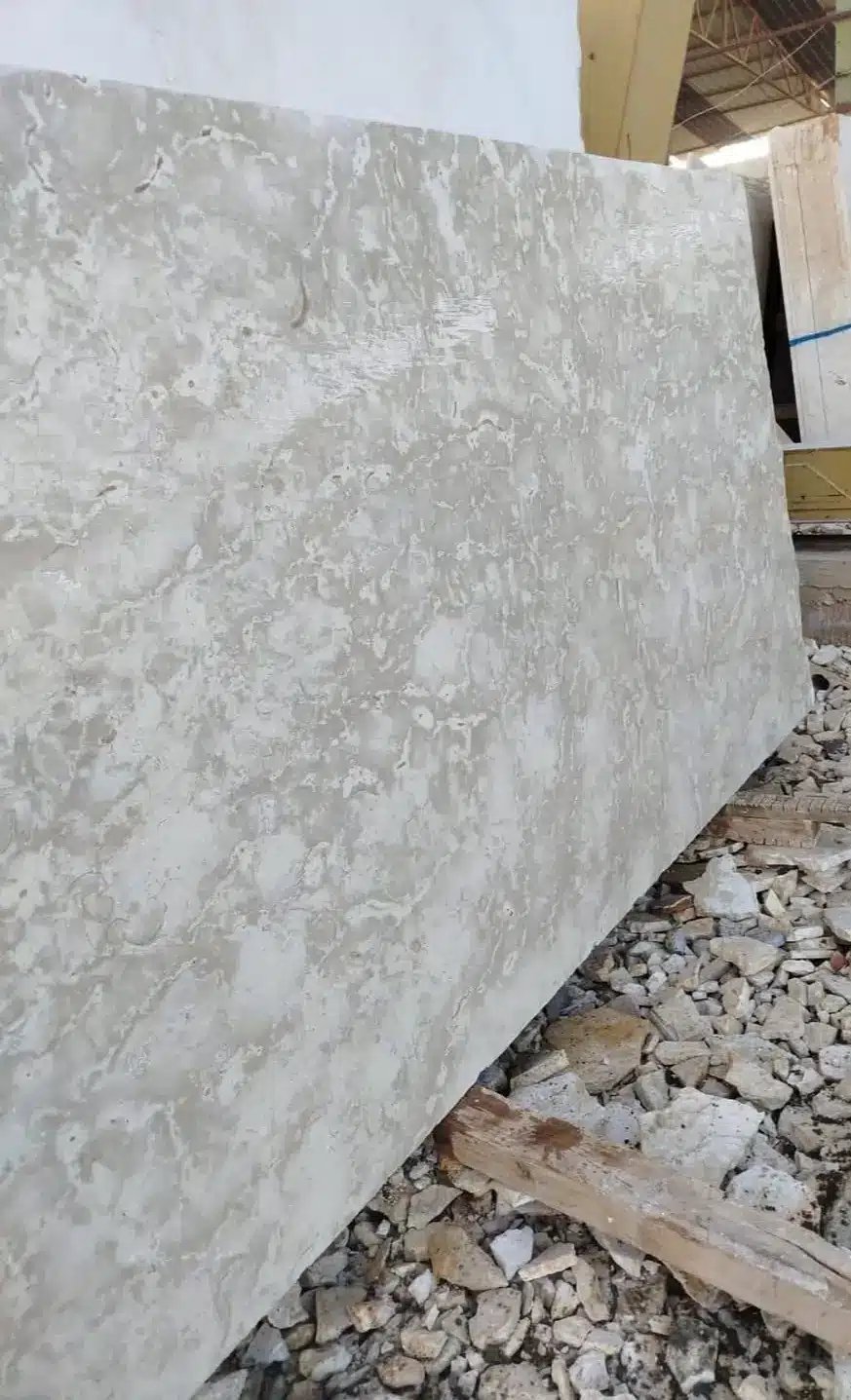
Edge finish selection impacts both aesthetics and safety performance. Polished edges achieve DCOF slip resistance values 0.08-0.12 lower than honed edges—a specification detail that becomes critical in pool deck applications where you’re already managing wet-surface traction requirements. Your edge specification should address both visual consistency and functional performance metrics.
- You should specify cut-edge inspection that verifies absence of micro-fracturing using 10x magnification minimum
- Your fabrication drawings need to indicate which edges receive field exposure versus protected installation positions
- Radius specifications require minimum bend radius callouts—tighter curves demand progressive material removal that increases fabrication time and cost exponentially
- When you’re coordinating complex patterns, you need fabrication sequencing that allows test assembly before final installation to verify dimensional coordination
Professional fabricators maintain climate-controlled facilities where material acclimatizes to stable temperature before cutting operations begin. You can’t achieve specified tolerance when material experiences thermal expansion during fabrication. This consideration becomes critical for blue stone fabrication unique projects where dozens of precisely-matched pieces must coordinate across large installations.
Edge Profiling Options: Structural Considerations
When you select edge profiles for your Arizona bluestone installation, you’re making decisions that affect structural performance beyond aesthetic appearance. Bullnose profiles reduce effective thickness by 0.375-0.500 inches at the edge radius, which you need to account for in structural calculations. Standard 1.5-inch material with full bullnose effectively performs as 1.0-1.125 inch material at the most vulnerable stress point.
Your edge profile specification interacts with installation method in ways that affect long-term performance. Mortar-set installations provide continuous support that compensates for reduced edge thickness, while sand-set applications concentrate loading at discrete support points where reduced material cross-section creates failure risk. You should coordinate edge profile selection with your structural consultant before finalizing blue stone fabrication special orders that include extensive profiling.
Ogee and custom decorative profiles create visual interest but introduce stress concentration points that you need to evaluate. Each directional change in profile geometry creates potential fracture initiation points under thermal cycling stress. Arizona’s temperature variations—surface temperatures reaching 155-165°F in summer, dropping to 35-45°F on winter nights—generate expansion-contraction cycles that exploit profile geometry weaknesses over time.
- You need to specify radius dimensions for bullnose profiles—tighter radii reduce effective material thickness more aggressively
- Your installation substrate must provide adequate support density when you’ve reduced edge thickness through profiling operations
- Thermal cycling affects profiled edges differently than straight cuts—you should increase expansion joint frequency by 15-20% in installations with extensive edge profiling
- When you coordinate blue stone fabrication custom cutting that includes profiling, verify fabricator maintains dedicated profiling wheels in excellent condition to prevent micro-fracturing
Professional specifications address profile consistency across multiple pieces. You can’t achieve visual uniformity when profile dimensions vary by more than ±0.030 inches across an installation. Request sample piece approval that establishes profile reference standards before production fabrication begins. For projects requiring extensive custom work, consider visiting our bluestone stone yard facility to review profile samples and verify fabrication capabilities match your specification requirements.
Waterjet Cutting Applications: Pattern Complexity
Your project’s pattern complexity determines whether conventional cutting methods suffice or whether you need waterjet fabrication capabilities. Geometric patterns with curves, organic shapes, or dimensional precision exceeding bridge saw capabilities require waterjet systems that maintain cutting accuracy while following complex path geometries. You’ll achieve detail resolution down to 0.060-inch feature dimensions with professional waterjet equipment.
Waterjet cutting introduces different material considerations than blade cutting. The abrasive slurry cutting process generates minimal heat, eliminating thermal stress concerns that affect blade cutting operations. However, you need to understand that waterjet cutting creates different edge characteristics—the kerf width varies slightly with material density changes, and exit-side edge quality differs from entry-side quality in materials exceeding 2-inch thickness.
- You should specify which surface serves as presentation face for waterjet cutting operations—entry side achieves superior edge quality
- Your pattern files need to account for kerf width compensation, typically 0.035-0.045 inches for standard abrasive cutting
- Blue stone fabrication unique projects with intricate inlay work require test cutting verification before production runs begin
- When you’re coordinating multi-piece patterns, establish reference datum points that allow precise field assembly
Material thickness affects waterjet cutting speed significantly. You’ll see production rates decrease by 40-50% when cutting 3-inch material compared to 1.5-inch material, which affects project scheduling and fabrication costs. Professional fabricators provide cutting time estimates based on pattern complexity metrics—total linear cutting footage, number of direction changes, and tightest radius dimensions all factor into realistic timeline projections.
Specialized Shaping Services: Three-Dimensional Work
When your project demands three-dimensional bluestone elements—curved coping, sculpted water features, or architectural relief details—you’re entering specialized fabrication territory where equipment capabilities and operator expertise determine feasibility. Five-axis CNC machines provide the precision needed for complex curved surfaces, but you need to verify your fabricator maintains this equipment level and employs operators experienced in three-dimensional stone machining.
Your blue stone fabrication custom Arizona specifications for 3D work require detailed digital modeling before fabrication begins. CAD file preparation determines machining path efficiency and final surface quality. You can’t achieve intended geometry when toolpath programming doesn’t account for material grain orientation and density variations. Professional fabricators review digital models with you before committing to production, identifying potential fabrication challenges or design modifications that improve manufacturability while maintaining design intent.
Curved pool coping represents the most common specialized shaping request in Arizona residential and commercial projects. You need to specify curve radius, cross-sectional profile, and edge treatment while understanding how these variables interact with structural requirements. Reducing coping thickness to achieve desired visual proportions may compromise structural capacity to resist diving board loading or heavy planter installations common in resort pool deck applications.
- You’ll require minimum 2.5-inch thickness for curved coping with radius below 10 feet when supporting concentrated loads
- Your curved element specifications should indicate convex versus concave orientation—machining considerations differ significantly
- Three-dimensional work requires material selection that minimizes natural veining variations which become visually prominent on curved surfaces
- When you coordinate blue stone fabrication specialized work involving curves, specify surface finish that accommodates slight tool path visibility without compromising aesthetic intent
Material Selection: Fabrication Considerations
Your material selection affects fabrication feasibility more significantly than most specifiers recognize. Bluestone density variations across quarry sources create different machining characteristics—denser material machines cleanly but increases tool wear and cutting time, while more porous selections cut faster but present greater edge fracture risk during aggressive fabrication operations.
Pennsylvania bluestone typically exhibits density ranging from 150-165 pounds per cubic foot, with variations within this range affecting fabrication behavior. When you’re planning blue stone fabrication unique projects requiring extensive custom work, you should request material samples for test cutting verification. This reveals actual machining behavior and allows fabrication parameter optimization before committing to large-volume material procurement.
Color consistency matters more in custom fabrication projects than standard paver installations. When you’re creating feature elements or pattern work where pieces install adjacently, color variation becomes visually prominent. You need to specify selection protocols that ensure pieces within each project area come from consistent quarry blocks rather than mixing material from different production lots.
- You should verify material batch consistency by requesting quarry block identification for your project’s material allocation
- Your specifications need to address acceptable color variation range—professional standards typically allow ±10% color shift within single installations
- Thermal characteristics vary with density—denser selections exhibit slightly higher thermal conductivity which affects surface temperature in Arizona installations
- When you’re coordinating extensive custom work, establish material hold protocols at the fabrication facility to prevent mixing batches mid-project
Natural stone characteristics include variation that you can’t eliminate through specification language. Professional specifications acknowledge this reality while establishing acceptable variation ranges that balance material authenticity with project aesthetic requirements. You achieve best results when you review actual material samples rather than relying on small specification samples or digital representations.
Tolerance Specifications: Achievable Precision
When you establish dimensional tolerance requirements for your bluestone fabrication project, you’re working within capabilities constrained by both equipment precision and natural material variability. Professional CNC operations achieve ±0.010-inch tolerance across 6-foot dimensions, but this assumes material with consistent density and minimal natural fracturing. You can’t expect this precision level consistently when working with natural stone that contains inherent geological variation.
Your tolerance specifications need to distinguish between critical dimensions that affect fit and assembly versus non-critical dimensions where standard architectural tolerance suffices. For blue stone fabrication custom cutting where pieces must align precisely—geometric patterns, inlay work, or multi-piece feature elements—you should identify critical dimensions explicitly in fabrication drawings. This allows fabricators to concentrate precision verification efforts where specifications demand tightest control.
- You’ll achieve realistic expectations by specifying ±0.030-inch tolerance for standard architectural work and ±0.015-inch for critical fit dimensions
- Your specifications should acknowledge that natural stone characteristics may prevent achievement of tolerance tighter than ±0.020-inch in some material selections
- Thickness tolerance typically runs ±0.125-inch for standard material; you can request tighter control with material selection restrictions and premium pricing
- When you’re coordinating complex assemblies, establish which piece serves as dimensional reference and tolerance all mating pieces relative to this master component
Professional fabricators communicate tolerance limitations during specification review rather than discovering constraints during production. You should insist on pre-fabrication consultation where your fabricator reviews drawings and identifies potential tolerance challenges. This conversation often reveals design modifications that improve manufacturability while maintaining design intent and can save significant rework costs later.
Installation Interface: Coordination Requirements
Your fabrication specifications must coordinate with installation requirements to ensure custom pieces function as intended in field conditions. The most precisely fabricated components fail when installation substrate preparation doesn’t provide adequate support or when field conditions vary from assumptions made during fabrication planning. You need to establish clear communication protocols between fabrication and installation teams.
When you’re managing blue stone fabrication special orders that include custom shaping, create detailed installation drawings that show substrate preparation requirements, support point locations, and setting bed specifications. Custom pieces often concentrate loading at specific points rather than distributing loads uniformly—your installation details need to address this through appropriate substrate reinforcement or support density increases.
Field measurement verification before fabrication commitment prevents costly rework. You should require field dimension verification by the fabrication team for critical custom work, especially where pieces must fit within existing construction or coordinate with architectural features already installed. Template creation using physical patterns or laser scanning technology provides dimensional accuracy that eliminates field-fit problems.
- You need to coordinate fabrication sequencing with installation schedule—custom pieces often require longer lead times than installers anticipate
- Your installation specifications should address setting bed requirements specific to custom piece geometry rather than relying on standard paver installation details
- Handling requirements for custom pieces differ from standard material—you should specify lifting point locations and support requirements during transportation and staging
- When you coordinate large custom elements, verify site access allows delivery truck access and material staging areas can accommodate custom piece dimensions
Professional project management includes mock-up requirements for complex custom work. You establish assembly procedures, verify dimensional coordination, and identify potential field problems in controlled conditions rather than discovering issues during final installation. Mock-up costs represent insignificant investment compared to field rework expenses for custom fabricated material.
Quality Control: Verification Protocols
Your blue stone fabrication unique projects demand rigorous quality control that extends beyond standard material inspection. Custom work requires dimensional verification at multiple fabrication stages—after rough cutting, after precision machining, and after final finishing operations. You can’t rely on final inspection to catch problems that should have been identified earlier in the fabrication sequence.
Professional fabricators maintain documented quality control protocols that include measurement records, inspection photographic documentation, and material certification. You should require these records as deliverables with your custom fabrication work. This documentation proves specification compliance and provides reference for future maintenance or expansion projects requiring material matching.
- You need to specify inspection point requirements in your fabrication contract—identify which operations require hold points where fabricator cannot proceed without your approval
- Your quality requirements should address edge quality standards including acceptable chip dimensions and micro-fracture detection methods
- Color consistency verification protocols need definition—specify whether color matching occurs under natural daylight or controlled lighting conditions
- When you’re managing complex projects, consider hiring independent inspection services to verify fabrication quality before material leaves the facility
Digital measurement documentation using photogrammetry or laser scanning provides verification records that support dimensional compliance claims. You should request this documentation for critical custom work where field-fit problems would create significant project delays. Professional fabricators view comprehensive quality documentation as project success insurance rather than administrative burden.
Lead Time & Logistics: Planning Considerations
When you schedule blue stone fabrication custom Arizona projects, you’re working with lead times significantly longer than standard material procurement. Custom fabrication requires engineering review, fabrication planning, material allocation from warehouse inventory, and production scheduling before cutting operations even begin. You need to build 6-8 week minimum lead times into project schedules for even moderately complex custom work.
Your procurement timeline needs to account for approval cycles that custom work requires. Professional fabricators won’t proceed with production cutting until you’ve approved shop drawings and sample piece fabrication that verifies interpretation of specification requirements matches design intent. This approval cycle adds 2-3 weeks to lead times when you factor in sample fabrication, shipping, review time, and revision cycles.
Material availability affects lead times when your specifications require particular color selections or dimensional parameters. Stock material in warehouse inventory provides faster turnaround than material requiring special quarry orders. You should verify material availability early in project planning rather than discovering constraints during procurement that force specification changes or extended lead times.
- You’ll need to coordinate delivery scheduling with installation readiness—premature delivery creates site storage challenges while delayed delivery stops installation crews
- Your logistics planning should address transportation requirements for oversized custom pieces that exceed standard truck bed dimensions
- Seasonal demand patterns affect fabrication facility scheduling—summer months typically see reduced capacity as fabricators address backlogged spring projects
- When you coordinate multiple custom elements, establish fabrication sequencing that allows progressive installation rather than requiring simultaneous arrival of all pieces
Professional project managers maintain contingency buffer in schedules rather than planning to minimum lead times fabricators quote. Weather delays, approval cycle extensions, and unexpected fabrication challenges occur frequently enough that you need 15-20% schedule buffer for custom fabrication work. This buffer prevents project delays from becoming critical path problems.
Cost Considerations: Budget Planning
Your budget planning for custom bluestone fabrication needs to account for cost factors beyond material pricing. Fabrication charges vary based on complexity metrics—linear cutting footage, number of profiled edges, three-dimensional machining requirements, and tolerance specifications all affect pricing. You can’t estimate custom work costs using simple square footage calculations that work for standard paver installations.
When you’re developing budgets for blue stone fabrication specialized work, request detailed fabrication cost breakdowns that separate material costs from fabrication labor, equipment time, and finishing operations. This transparency allows you to evaluate cost-reduction opportunities by modifying specifications that drive fabrication complexity without compromising essential design features.
Waste factors increase with pattern complexity and custom cutting requirements. Standard rectangular cutting might generate 5-8% waste, while intricate curved patterns or geometric inlay work can produce 25-35% waste depending on nesting efficiency. Your material procurement quantities need to account for this waste reality rather than ordering to exact calculated area requirements.
- You should establish not-to-exceed budget values with contingency allowances for specification refinements that often emerge during fabrication planning
- Your cost estimates need to include shipping charges for custom work, which typically exceed standard material delivery costs due to special handling requirements
- Quality control inspection costs represent separate budget line items for complex projects requiring third-party verification
- When you’re coordinating extensive custom fabrication, establish payment milestone schedules tied to fabrication completion stages rather than standard material delivery payment terms
Professional budget development includes life-cycle cost analysis that evaluates custom fabrication investment against long-term performance benefits. Custom-fabricated installations often achieve superior durability compared to field-modified standard material because fabrication quality control exceeds what’s achievable in field cutting operations. You should evaluate total cost of ownership rather than focusing exclusively on initial procurement costs.
Blue Stone Fabrication Custom Arizona: Citadel Stone Technical Guidance
When you evaluate Citadel Stone’s blue stone fabrication custom Arizona capabilities for your project, you’re considering specialized services designed for demanding architectural applications. At Citadel Stone, we provide technical guidance for hypothetical custom fabrication scenarios across Arizona’s diverse project requirements. This section outlines how you would approach specification decisions for three representative cities where custom bluestone work presents distinct technical challenges.
Arizona’s climate extremes demand careful consideration of how custom fabrication affects material performance. You need to account for thermal cycling effects on custom-profiled edges, understand how reduced thickness impacts structural capacity under concentrated loads, and verify that fabrication tolerances accommodate thermal expansion behavior in desert environments.
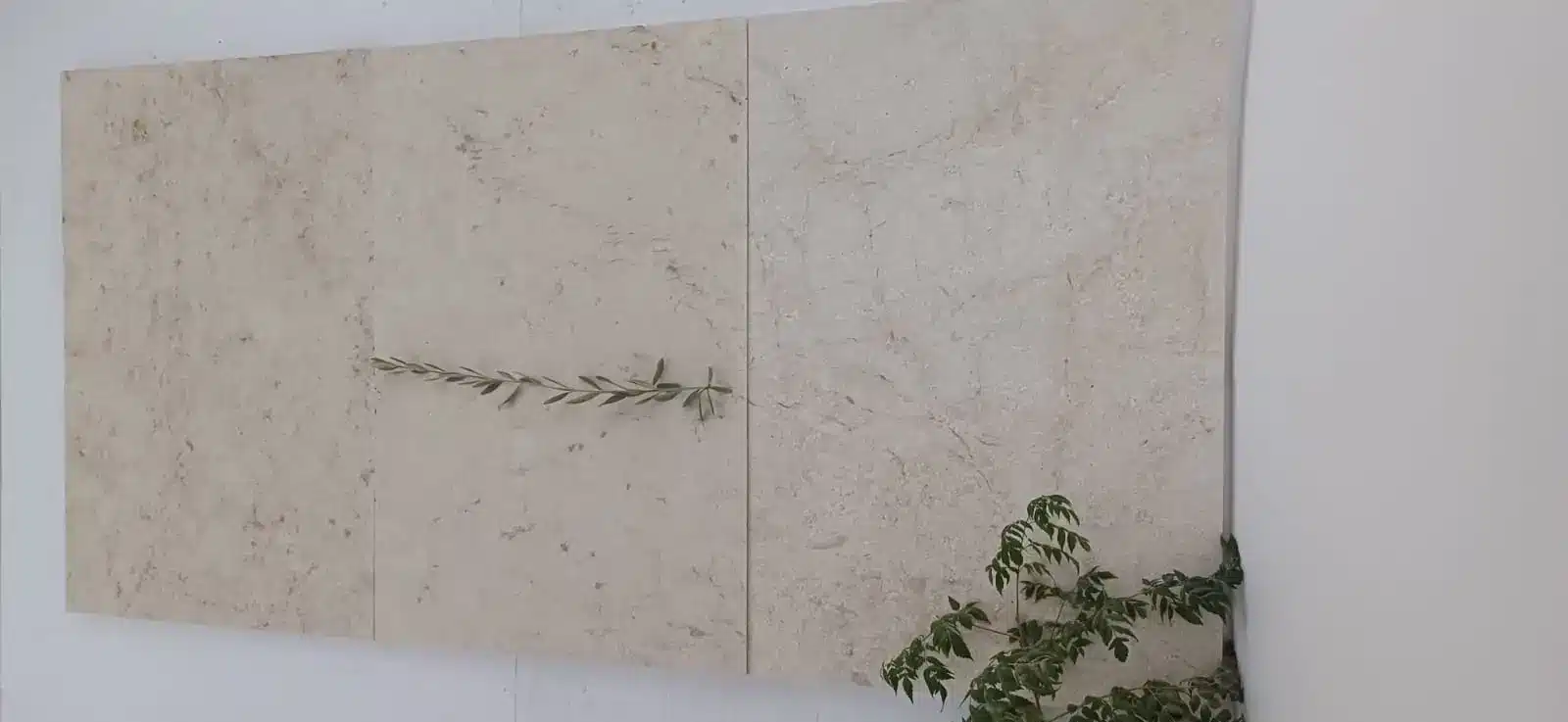
Yuma Custom Applications
In Yuma installations requiring custom fabrication, you would need to address extreme temperature conditions where summer surface temperatures regularly exceed 160°F. Your custom edge profiling specifications should maintain minimum 1.25-inch effective thickness to prevent thermal stress fracturing in profiled areas. For resort pool deck applications common in Yuma’s hospitality sector, you would specify curved coping with 3-inch minimum thickness supporting diving platforms and specify honed edge finishes achieving minimum 0.50 DCOF slip resistance for wet-surface safety compliance.
Mesa Precision Requirements
Mesa commercial plaza projects typically demand geometric pattern work requiring tight dimensional tolerances. You would coordinate waterjet cutting for intricate medallion designs common in corporate campus entries, specifying ±0.015-inch tolerance for pattern piece interfaces. Your material selection would emphasize consistent color batches from single quarry blocks to maintain visual uniformity across large pattern installations. For outdoor dining plaza applications, you would specify custom edge profiling with radiused bullnose achieving 0.375-inch radius for pedestrian safety while maintaining structural capacity for commercial furniture loading scenarios.
Gilbert Residential Specialization
Gilbert luxury residential projects frequently incorporate custom water features and architectural accents requiring three-dimensional fabrication capabilities. You would specify carved relief panels for entry statement walls, fountain basins with complex curved geometries, and custom step treads with integrated lighting channels. Your specifications would address surface finish requirements balancing aesthetic intent with Arizona’s dust accumulation realities—specify 180-grit honed finish minimum to minimize visible dust collection while maintaining slip resistance for outdoor stair applications. Material thickness for cantilevered custom elements would maintain 3.5-inch minimum supporting recommended 150-pound concentrated load capacity.
Technical Specifications: Professional Standards
Your technical specifications for custom bluestone fabrication need to reference applicable industry standards while addressing project-specific requirements that standards don’t fully cover. ASTM C1528 provides slip resistance testing protocols, but you need to specify whether testing occurs on as-fabricated surfaces or after sealer application common in Arizona installations. ASTM C615 addresses limestone specifications including bluestone, but doesn’t address how custom fabrication operations affect material properties.
Professional specifications distinguish between performance requirements and prescriptive methods. You achieve better results by specifying performance outcomes—dimensional tolerance requirements, edge quality standards, surface finish specifications—rather than dictating fabrication methods. This allows experienced fabricators to apply appropriate techniques while maintaining accountability for specified results.
- You should reference ASTM standards as baseline requirements while noting project-specific criteria that exceed standard provisions
- Your specifications need to address sample approval requirements including number of samples, evaluation criteria, and approval authority
- Quality assurance testing protocols require definition—specify testing frequency, acceptance criteria, and non-conformance resolution procedures
- When you develop specifications for complex custom work, include fabricator qualifications requirements that verify experience with comparable project scope
Documentation requirements support project quality objectives. You should specify submittal requirements including shop drawings, material certifications, fabrication sequence plans, and quality control records. Professional specifications establish clear acceptance criteria for each submittal type rather than generic approval language that creates ambiguity during project execution.
Project Execution: Success Factors
Successful custom bluestone fabrication projects share common characteristics that you can replicate through careful planning and execution management. Early fabricator involvement during design development prevents specification conflicts that emerge when fabrication capabilities don’t align with design intent. You should engage fabrication expertise before finalizing construction documents rather than discovering constraints during bidding or procurement.
Communication protocols between design team, fabrication facility, and installation contractor prevent coordination failures. You need to establish clear responsibility assignments for field measurement verification, template creation, installation substrate preparation, and quality verification at multiple project stages. Regular progress meetings with all parties participating prevent assumptions that lead to costly rework.
Your project success depends on realistic schedule development that accounts for approval cycles, fabrication lead times, and installation learning curves that custom work requires. Professional project managers build contingency buffer into schedules rather than planning to optimistic minimum durations. This buffer accommodates inevitable complications without creating critical delays.
When you manage custom fabrication projects, maintain detailed documentation throughout execution including approved shop drawings, material certifications, dimensional verification records, and photographic documentation of completed work. This record provides reference for future maintenance, supports warranty claims if performance issues emerge, and documents specification compliance for owner acceptance. For additional insights on fabrication technology applications, review Advanced precision cutting systems for bluestone manufacturing operations before you finalize your project specifications. Trade pricing makes Citadel Stone competitive bluestone wholesale rates leader.