
When you specify natural stone for Arizona projects, understanding flagstone slate distinction Arizona becomes critical to your material selection process. You’ll encounter fundamental differences in geological formation, physical properties, and long-term performance characteristics that directly impact your specification decisions. Flagstone represents a functional categorization based on how stone splits into flat layers, while slate identifies a specific metamorphic rock with distinct mineralogical composition and structural properties.
Your specification accuracy depends on recognizing that flagstone slate distinction Arizona involves more than surface appearance. Flagstone encompasses multiple stone types—including sandstone, limestone, and quartzite—that exhibit natural bedding planes allowing horizontal splitting. Slate, conversely, forms through metamorphic processes that create aligned mineral structures resulting in exceptionally consistent cleavage planes. When you evaluate our natural flagstone inventory for your Arizona installation, you need to understand how these geological differences translate to performance variations in extreme desert conditions.
The flagstone material identification process requires you to assess formation characteristics that affect durability. You should examine grain structure, mineral composition, and bedding plane orientation before finalizing your material selection. Arizona’s temperature extremes—ranging from 20°F winter nights to 120°F summer days—create thermal cycling stresses that expose weaknesses in improperly specified materials. Your understanding of flagstone property differences determines whether your installation achieves 20-year performance or requires remediation within 8-10 years.
Geological Formation Fundamentals
Flagstone slate distinction Arizona begins with understanding formation processes that create dramatically different material characteristics. Flagstone forms through sedimentary deposition or low-grade metamorphism that preserves bedding planes—the horizontal layering created during original sediment accumulation. When you examine flagstone samples, you’ll notice these bedding planes allow stone to split along predictable horizontal paths, creating the flat pavers you specify for walkways and patios.
Slate formation requires substantially higher metamorphic pressures and temperatures that reorganize mineral structures into parallel alignment. This process, called foliation, creates cleavage planes unrelated to original bedding. You’ll find slate splits with remarkable consistency perpendicular to the direction of metamorphic pressure, producing uniform thickness across large surface areas. The flagstone stone comparison reveals slate’s superior dimensional consistency—thickness variation typically remains within ±2mm across full slabs, while flagstone thickness can vary 8-15mm.
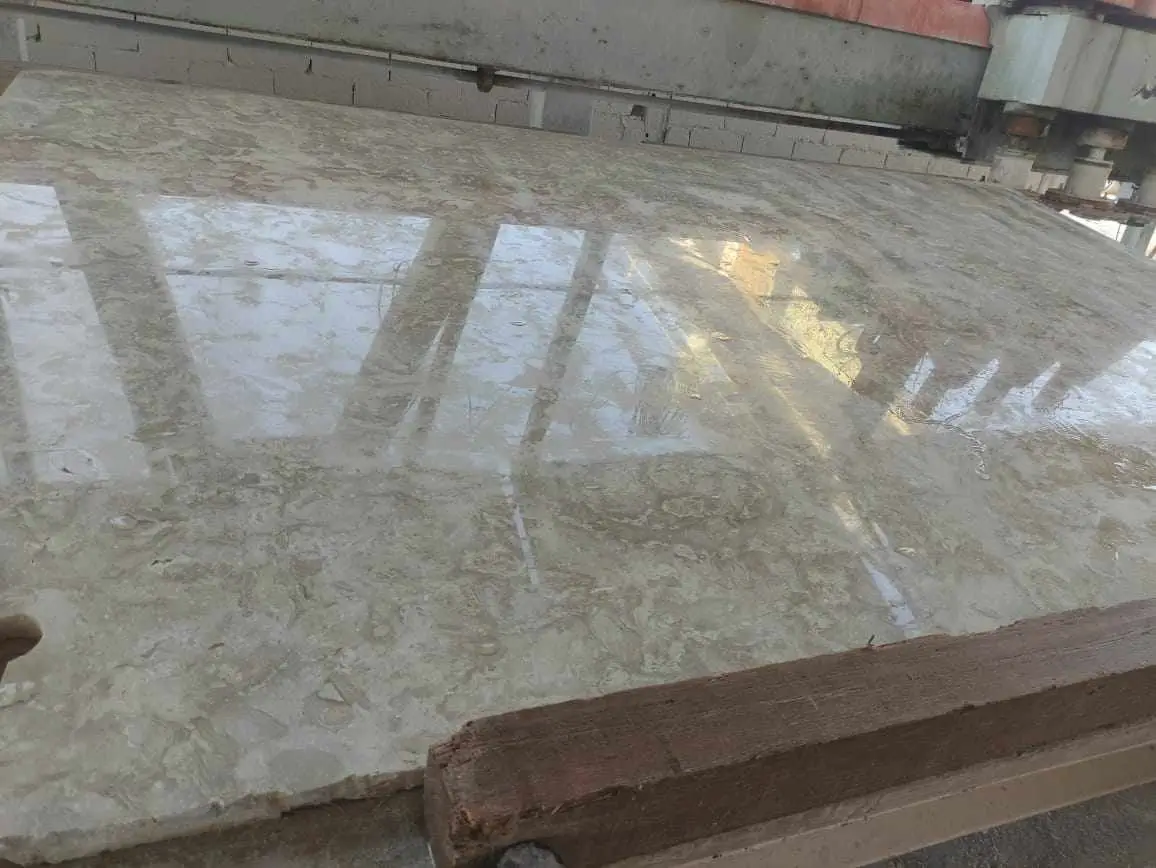
Your material selection must account for mineral composition differences that affect long-term stability. Sedimentary flagstones contain quartz, feldspar, and clay minerals bound by calcite or silica cement. Slate’s metamorphic transformation converts clay minerals into mica, chlorite, and quartz aligned in parallel sheets. This mineral reorganization gives slate its characteristic smooth texture and metallic sheen that flagstone typically lacks. When you specify for Arizona’s alkaline soils and intense UV exposure, these mineralogical differences determine efflorescence susceptibility and color stability over decades.
Density and Porosity Variations
Flagstone property differences become immediately apparent when you measure density and porosity—two interconnected characteristics that govern moisture behavior and structural performance. Flagstone density ranges from 130 to 165 pounds per cubic foot depending on parent rock type, while slate consistently measures 168-180 pounds per cubic foot due to its compact metamorphic structure. You need to account for this density variation when calculating structural loads for elevated installations or rooftop applications.
Porosity creates the most significant performance divergence in Arizona environments. Flagstone type characteristics include porosity ranges from 3% to 12%, with sandstone flagstones typically exhibiting 6-10% porosity and limestone flagstones ranging 4-8%. Slate’s metamorphic compression reduces porosity to 0.2-1.5%, creating a virtually impervious surface. When you evaluate materials for pool decks or areas with irrigation exposure, this porosity difference determines freeze-thaw durability and staining resistance.
- You should specify low-porosity materials (under 4%) for installations receiving regular water exposure
- Your specification must address sealer requirements based on porosity measurements from actual material samples
- You need to verify absorption rates through ASTM C97 testing rather than relying on generic product literature
- You’ll find porosity affects not just water absorption but also salt intrusion and efflorescence potential in alkaline soils
The interconnected pore structure in higher-porosity flagstones allows capillary water migration that slate’s tight structure prevents. When you design Arizona installations, you should recognize that soil moisture can wick upward through porous flagstone bases, creating persistent dampness that promotes efflorescence. Slate installations show minimal wicking, maintaining dry surfaces even when base layers retain moisture. Your drainage design must compensate for this porosity-driven behavior difference.
Thermal Performance Characteristics
Thermal expansion coefficients reveal critical flagstone slate distinction Arizona performance differences. Flagstone thermal expansion ranges from 4.8 to 6.2 × 10⁻⁶ per °F depending on mineral composition, while slate measures 5.8 to 6.4 × 10⁻⁶ per °F due to mica content. You need to calculate expansion joint spacing based on these coefficients combined with Arizona’s extreme temperature ranges. A 15-foot flagstone span experiencing 100°F temperature variation expands approximately 0.11 inches—enough to generate significant stress without proper joint accommodation.
Heat retention characteristics affect both installation timing and long-term user comfort. Darker slate colors absorb 75-85% of solar radiation, creating surface temperatures 40-50°F above ambient air temperature during peak Arizona summer conditions. Lighter flagstone varieties—particularly sandstones and limestones—reflect 45-60% of solar radiation, maintaining surface temperatures 25-35°F above ambient. When you specify materials for barefoot traffic areas, this thermal performance difference determines usability during summer months.
Thermal conductivity measurements show slate conducts heat approximately 15-20% more efficiently than most flagstones due to its aligned mineral structure. You’ll notice slate surfaces heat and cool more rapidly in response to ambient temperature changes, while flagstone’s lower conductivity and higher porosity create moderate thermal lag. This affects installation scheduling—you can work with flagstone during warmer morning hours when slate surfaces would already be too hot for optimal setting compound curing.
Compressive and Flexural Strength
Structural performance differences emerge clearly when you compare compressive strength values. Slate consistently achieves 12,000-18,000 PSI compressive strength, while flagstone ranges from 6,000 to 14,000 PSI depending on type. Sandstone flagstones typically measure 6,000-9,000 PSI, limestone flagstones reach 8,000-12,000 PSI, and quartzite flagstones approach slate values at 12,000-15,000 PSI. You should verify compressive strength through ASTM C170 testing when specifying for high-load applications.
Flexural strength—the material’s resistance to bending stress—creates more dramatic performance separation. Slate’s layered structure provides flexural strength of 9,000-15,000 PSI when measured perpendicular to cleavage planes. Flagstone flexural strength ranges from 1,200 to 4,500 PSI, with significant variation based on bedding plane orientation relative to applied stress. When you specify thin-set installations over concrete substrates, these flexural strength differences determine minimum thickness requirements and maximum unsupported spans.
- You need minimum 1.5-inch thickness for flagstone pavers on sand-set bases to prevent breakage under concentrated loads
- Your slate installations can utilize 0.75-1.0 inch thickness on properly prepared rigid substrates
- You should increase flagstone thickness to 2.0-2.5 inches for vehicular applications while slate performs adequately at 1.5 inches
- You’ll find edge support requirements differ dramatically—flagstone requires continuous edge restraint while slate tolerates cantilevered edges up to 4 inches
The relationship between density, porosity, and strength reveals why flagstone material identification matters for structural applications. Higher-density, lower-porosity materials generally provide superior compressive and flexural performance. When you evaluate Arizona installations subject to thermal stress, vehicle loads, or thin-set applications, selecting flagstone varieties that approach slate’s density and strength characteristics ensures adequate long-term performance.
Surface Texture and Slip Resistance
Flagstone slate distinction Arizona surface characteristics directly impact safety performance and aesthetic outcomes. Slate’s metamorphic foliation creates naturally smooth cleavage surfaces with DCOF (Dynamic Coefficient of Friction) values ranging 0.42-0.52 when dry and 0.38-0.45 when wet. Flagstone surface texture varies considerably based on parent rock and splitting method, with DCOF measurements spanning 0.50-0.68 dry and 0.42-0.58 wet. You need to specify surface finish requirements that ensure compliance with ADA guidelines requiring minimum 0.42 DCOF for accessible routes.
Natural cleft surfaces—the texture created when stone splits along natural planes—differ substantially between materials. Flagstone cleft surfaces typically exhibit more pronounced texture variation with 0.125-0.375 inch relief across surface areas. Slate cleft surfaces show tighter texture control with 0.060-0.150 inch variation, creating more uniform visual appearance. When you specify for areas requiring consistent surface plane, slate provides superior predictability. For rustic applications where texture variation enhances aesthetic appeal, flagstone offers greater visual interest.
Surface modification methods affect flagstone property differences in slip resistance and appearance. Thermal finishing, sandblasting, and bushhammering increase surface roughness and improve wet slip resistance by 15-25%. You should recognize that these treatments affect different materials inconsistently—slate responds predictably to thermal treatment due to uniform mineral composition, while flagstone results vary based on localized mineral distribution and bedding plane orientation. Your specification should require pre-installation mockups when surface modification is specified for flagstone applications.
Color Stability and Weathering
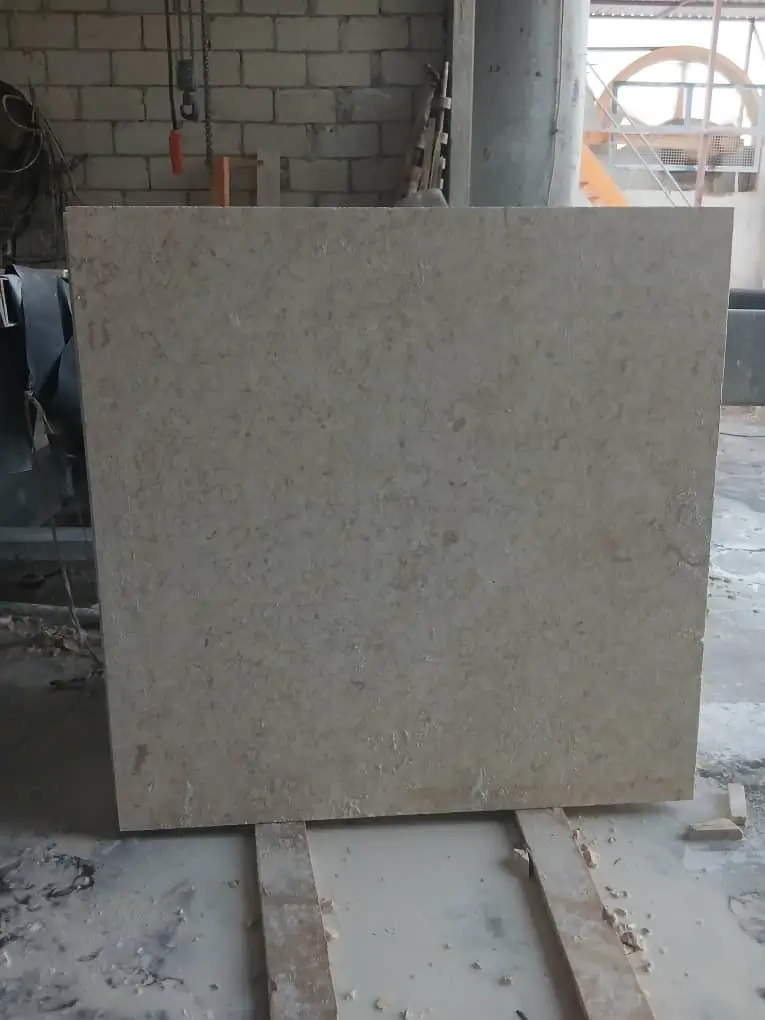
Long-term color stability represents a critical flagstone stone comparison factor in Arizona’s intense UV environment. Slate derives color from metallic oxides and carbon compounds locked within its metamorphic structure—these pigments show exceptional UV stability with minimal fading over decades. Flagstone color sources vary by type: iron oxides in sandstones, organic matter in limestones, and mineral composition in quartzites. You’ll find sandstone flagstones fade 15-30% within 5-8 years of Arizona sun exposure, while limestone and quartzite varieties maintain color more consistently.
Surface weathering patterns differ based on mineral stability and porosity. Slate’s low porosity prevents moisture penetration that accelerates weathering, maintaining surface integrity for 30-50 years in Arizona conditions. Higher-porosity flagstones experience surface grain loosening as moisture cycles dissolve binding cement and freeze-thaw action (in Arizona’s high-elevation regions) dislodges particles. You should anticipate 0.5-1.5mm surface recession over 20 years for sandstone flagstones, while slate surfaces remain essentially unchanged.
- You need to specify sealed surfaces for flagstone installations in high-visibility applications where color consistency matters
- Your maintenance program should include resealing flagstone every 3-5 years to minimize weathering and color shift
- You should recognize that some flagstone varieties develop attractive patina as weathering occurs, which may be desirable for certain design aesthetics
- You’ll find slate requires minimal maintenance beyond periodic cleaning, with no sealing necessary for color preservation
Efflorescence susceptibility creates another color stability concern. Water-soluble salts within porous flagstones or underlying soils migrate to surfaces through capillary action, leaving white crystalline deposits that obscure natural color. Slate’s impermeability prevents this migration. When you specify flagstone type characteristics for Arizona’s alkaline soils, you must address efflorescence prevention through proper base preparation, edge sealing, and drainage design that minimizes water infiltration.
Installation Methodology Differences
Installation approach requirements reflect fundamental flagstone property differences in dimensional consistency and structural capacity. Slate’s uniform thickness allows tight-tolerance installations with 0.125-0.25 inch mortar beds or thin-set adhesive applications. Flagstone thickness variation necessitates thicker mortar beds (0.75-1.5 inches) that accommodate dimensional irregularities while maintaining level finished surfaces. You need to account for this in elevation planning—flagstone installations typically add 2.5-3.5 inches to finish floor elevation, while slate adds 1.5-2.0 inches.
Base preparation requirements differ based on material strength and flexibility characteristics. Slate installations over concrete substrates require smooth, planar surfaces with maximum 0.125 inch variation in 10 feet to prevent point loading that could crack thin slabs. Flagstone’s greater thickness and lower flexural strength tolerates rougher substrate conditions—you can specify flagstone over concrete with 0.25 inch variation in 10 feet without performance concerns. Sand-set installations reverse this tolerance relationship: flagstone requires 6-8 inch aggregate bases compacted to 95% density, while slate demands 8-10 inch bases due to thin profile and higher point-load risk.
Joint spacing recommendations account for thermal expansion and dimensional variation. You should specify 0.375-0.50 inch joints for slate installations in Arizona environments, allowing adequate expansion accommodation without creating visually dominant joint lines. Flagstone installations typically utilize 0.50-0.75 inch joints that accommodate both thermal movement and the greater dimensional irregularity inherent in the material. When you design flagstone material identification patterns with irregular joint spacing (random flagstone patterns), you gain aesthetic flexibility while ensuring adequate expansion capacity.
Cost Analysis and Value Considerations
Material cost differences reflect processing complexity and source availability. Slate typically costs $8-15 per square foot for standard grades in Arizona markets, with premium selections reaching $18-25 per square foot. Flagstone pricing ranges more broadly—$4-9 per square foot for regional sandstone and limestone varieties, up to $12-18 per square foot for specialty quartzite or imported flagstones. You need to evaluate total installed cost rather than material cost alone, as installation labor significantly impacts project economics.
Installation labor costs favor slate’s dimensional consistency. Experienced crews install slate at rates of 120-180 square feet per day including substrate preparation and grouting. Flagstone installation proceeds more slowly—80-120 square feet per day—due to thickness variation that requires continuous adjustment and thicker mortar beds demanding longer working time. When you calculate project budgets, flagstone labor premiums of 25-35% often offset material cost savings, particularly for complex layouts requiring precise elevation control.
- You should factor maintenance costs into lifecycle value analysis—flagstone resealing every 3-5 years adds $1.50-2.50 per square foot per application
- Your long-term cost projections must account for potential flagstone surface deterioration requiring replacement in 15-20 years versus slate’s 40-50 year service life
- You need to consider that slate’s initial cost premium often proves economical over 20-year analysis periods when maintenance and replacement factors are included
- You’ll find warehouse inventory for flagstone varieties typically exceeds slate availability in Arizona markets, potentially affecting lead times and project scheduling
Value considerations extend beyond financial analysis to performance reliability. Slate delivers predictable, consistent results with minimal site variation or installation surprises. Flagstone installations introduce greater uncertainty—material variation within shipments, bedding plane orientation affecting strength, and porosity differences impacting sealing requirements. When you specify for high-stakes projects where performance predictability justifies cost premiums, slate provides superior risk management. For applications where material variation contributes to desired aesthetic character and budget constraints are paramount, flagstone offers compelling value.
Citadel Stone Natural Flagstone Arizona Applications
When you consider Citadel Stone’s natural flagstone for your Arizona projects, you’re evaluating premium materials sourced specifically for desert climate performance. At Citadel Stone, we provide technical guidance for hypothetical applications across Arizona’s diverse regions, from low-desert valleys to high-elevation plateaus. This section outlines how you would approach specification decisions for three representative cities, addressing the flagstone slate distinction Arizona performance factors that determine long-term installation success.
Your material selection process should account for regional microclimates that create distinctly different performance requirements. Low-desert areas experience extreme thermal cycling and intense UV exposure that test color stability and thermal expansion accommodation. High-elevation regions introduce freeze-thaw considerations uncommon in valley locations. You need to match flagstone type characteristics to site-specific environmental stresses, ensuring your specified material tolerates the most severe conditions anticipated over project service life.
Phoenix Commercial Applications
In Phoenix, you would encounter extreme heat island effects in commercial hardscape applications where dark pavement and building mass amplify ambient temperatures. Your flagstone material identification process should prioritize light-colored varieties—buff sandstones and cream limestones—that reflect 50-60% of solar radiation. You need to specify expansion joints every 12-15 feet in large plaza installations, accounting for 110°F+ surface temperatures during summer months. At Citadel Stone, we would recommend flagstone property differences evaluation focusing on thermal performance and slip resistance for pedestrian safety in both dry and irrigated conditions. You should verify that your selected material achieves minimum 0.50 DCOF wet measurements.
Tucson Residential Installations
Tucson’s slightly higher elevation and monsoon moisture patterns require you to address both thermal performance and seasonal water exposure. You would specify flagstone with 4-6% porosity for patio applications, balancing drainage capability with stain resistance. Your installation design should incorporate 2% minimum slope away from building foundations, preventing moisture accumulation that drives efflorescence in Tucson’s caliche soils. The flagstone stone comparison process should evaluate color options that complement Sonoran Desert architecture while maintaining surface temperatures suitable for barefoot traffic. You need to account for warehouse lead times when planning seasonal construction schedules, as material availability fluctuates with regional demand cycles.
Scottsdale Pool Deck Specifications
Scottsdale luxury residential projects demand you balance aesthetic refinement with functional performance in pool deck applications. You would specify sealed flagstone surfaces with enhanced slip resistance—minimum 0.55 DCOF wet—to ensure safety in constantly wet conditions. Your material selection should emphasize low-porosity varieties (under 5%) that resist chlorine absorption and organic staining from landscaping. The flagstone type characteristics evaluation process must address salt system compatibility if alternative sanitization is specified. You should recommend continuous edge restraint around pool perimeters, preventing migration from deck traffic and water pressure. At Citadel Stone, we would advise detailing that incorporates 0.50-0.75 inch joints filled with polymer-modified mortar that flexes with thermal movement while maintaining watertight integrity.
Flagstaff Freeze-Thaw Durability
Flagstaff’s high-elevation climate introduces freeze-thaw cycling that low-desert applications never experience. You would need to specify flagstone with maximum 3% porosity and verified freeze-thaw durability through ASTM C1026 testing showing less than 1% strength loss after 100 cycles. Your installation methodology should address subsurface drainage more rigorously than valley applications, incorporating 8-10 inch aggregate bases that prevent subsurface ice formation. The flagstone material identification process must eliminate marginal materials that perform adequately in Phoenix but fail within 5-8 years under Flagstaff conditions. You should verify that truck delivery access accommodates winter weather constraints that may limit material receiving windows during project timelines.
Mesa Municipal Projects
Mesa municipal specifications require you to address high-traffic durability and long-term maintenance economy. You would specify thicker flagstone profiles—minimum 1.75-2.0 inches—for pedestrian plaza applications anticipating 50-year service life with minimal maintenance intervention. Your flagstone property differences analysis should emphasize compressive strength exceeding 10,000 PSI and flexural strength above 3,000 PSI to withstand concentrated loads from street furniture and occasional maintenance vehicle access. You need to detail continuous concrete edge restraint and specify polymer-modified sand joint fill that resists erosion from pressure washing and monsoon runoff. At Citadel Stone, we would recommend establishing approved equals based on physical testing rather than visual matching, ensuring performance consistency across multiple material shipments that large-scale municipal projects require.
Tempe University Campus
Tempe campus hardscape projects demand you balance budget constraints with performance longevity and aesthetic quality that represents institutional values. You would evaluate flagstone stone comparison data focusing on lifecycle cost rather than initial material expense. Your specification should address maintenance protocols appropriate for institutional facilities management—sealed surfaces, accessible cleaning procedures, and repair methodologies that maintain appearance consistency as isolated units require replacement over decades. The flagstone slate distinction Arizona performance evaluation must account for extremely high foot traffic, skateboard impact, and bicycle tire wear that residential specifications don’t address. You should specify flagstone type characteristics that include minimum Mohs hardness of 6.5-7.0, ensuring surface durability under intensive abrasion conditions typical of high-traffic pedestrian environments.
Specification Language Recommendations
Professional specifications require precise language that captures flagstone slate distinction Arizona performance requirements while providing contractors clear installation guidance. You should structure specifications using three-part CSI format that separates general requirements, products, and execution. Your product section must define acceptance criteria based on measurable physical properties rather than subjective appearance descriptions. Include ASTM test method references that allow verification of compliance through independent laboratory testing.
When you write performance specifications for flagstone, address these critical parameters explicitly:
- Compressive strength minimum values per ASTM C170 testing
- Water absorption maximum percentages per ASTM C97 protocol
- Flexural strength requirements per ASTM C880 for applicable installation types
- Slip resistance minimums per ANSI A326.3 testing in both dry and wet conditions
- Thickness tolerances and dimensional variation limits
- Color range acceptance through approved sample submission
Your execution section should address installation methodology specific to material characteristics. Flagstone material identification during receiving must include procedures for rejecting non-conforming materials before installation begins. You need to specify mortar or adhesive types compatible with stone porosity and expected thermal movement. Detail joint spacing, joint depth, and joint fill materials that accommodate thermal expansion while preventing water infiltration. Include curing requirements, protection procedures, and final cleaning methods that preserve stone appearance without causing damage.
Quality Control and Testing
Robust quality control protocols ensure your specified flagstone property differences translate to actual field performance. You should require contractors to submit material samples from proposed sources before procurement, accompanied by current laboratory test reports documenting compliance with specified physical properties. Don’t accept outdated test data—quarry conditions change and material characteristics vary within geological formations. Specify that testing must have occurred within 12 months of project material procurement.
Field quality control begins during material receiving. You need to establish inspection procedures that verify delivered materials match approved samples in color, texture, and dimensional characteristics. Implement statistical sampling protocols for large projects—inspect minimum 10% of material by piece count or 20% by area, whichever provides more comprehensive coverage. Your inspection criteria should address thickness consistency, surface finish quality, edge condition, and presence of defects like significant cracks, spalls, or geological flaws that compromise structural integrity.
Installation quality control requires monitoring of base preparation, setting materials, and installation methodology. You should verify base compaction through nuclear density testing or dynamic cone penetrometer readings that confirm specified density achievement. Inspect mortar or adhesive coverage—flagstone backs must receive minimum 80% coverage to prevent hollow spots that lead to breakage. Monitor joint spacing consistency using gauge tools, ensuring thermal expansion accommodation throughout the installation. Final inspection should include slip resistance field testing in representative areas, particularly for surfaces exposed to water where safety performance is critical.
Common Specification Errors
Specification failures often stem from insufficient attention to flagstone slate distinction Arizona material behavior differences. You’ll encounter problems when specifications treat all flagstone as equivalent, ignoring the dramatic performance variation between sandstone, limestone, and quartzite varieties. Generic specifications stating “natural flagstone” without defining physical property requirements invite contractor substitution based on cost rather than performance. You need to establish clear acceptance criteria that prevent unsuitable materials from reaching your project.
Inadequate thermal expansion accommodation represents another frequent specification failure. You might specify joint spacing appropriate for moderate climates without adjusting for Arizona’s extreme temperature ranges. This oversight leads to compression failures at restraining edges, surface tenting, or joint mortar extrusion within the first year post-installation. Your specifications must explicitly address expansion joint frequency, edge restraint details, and joint material selection that accommodates anticipated movement.
- You should avoid specifying thin-set installation methods for flagstone varieties with significant thickness variation—this guarantees lippage problems and potential breakage
- Your specifications must not omit sealer requirements for porous flagstone in staining-prone applications like kitchen outdoor counters or barbecue surrounds
- You need to specify concrete substrate moisture limits before flagstone installation—omitting this causes adhesion failures and efflorescence
- You’ll create problems if specifications don’t address color lot consistency for large projects requiring multiple material shipments
Insufficient attention to base preparation specifications causes long-term settlement and surface irregularity. You can’t rely on contractor standard practices—you must explicitly specify aggregate type, gradation, lift thickness, and compaction density requirements. Include testing frequency and acceptance criteria that allow verification before flagstone installation begins. Your specifications should address site-specific soil conditions, particularly expansive clays common in Arizona valleys that require deeper base sections or soil modification to prevent seasonal movement affecting finished surfaces.
Maintenance and Lifecycle Performance
Long-term performance reflects the cumulative impact of material selection, installation quality, and maintenance execution. You should develop maintenance programs appropriate to flagstone type characteristics and installation environment. Sealed flagstone surfaces require resealing every 3-5 years in Arizona’s UV-intense environment to maintain stain resistance and color preservation. Your maintenance specifications should identify appropriate sealer types—penetrating sealers for porous flagstones, topical sealers only for dense materials where penetration is impossible.
Routine maintenance includes removal of debris that traps moisture against stone surfaces, promoting efflorescence and biological growth. You need to specify cleaning methods that effectively remove soiling without damaging stone or joint materials. Pressure washing at excessive pressures (above 1,500 PSI) can erode softer flagstones and blast out joint sand. Your maintenance program should specify maximum cleaning pressures and techniques appropriate to installed materials. Address joint sand replenishment frequency—annual inspection and refilling maintains interlock that prevents edge chipping and individual stone movement.
Periodic inspection identifies developing problems before they require expensive remediation. You should establish inspection protocols that examine joint condition, check for surface cracking or spalling, assess efflorescence presence, and verify drainage system function. Early intervention—resealing an individual flagstone showing moisture absorption before the entire installation requires treatment—minimizes lifecycle costs. Your maintenance documentation should include material-specific procedures that recognize flagstone property differences between various stone types, ensuring maintenance techniques appropriate to actual installed materials rather than generic stone care procedures.
Final Considerations
Your professional mastery of flagstone slate distinction Arizona physical property comparisons directly influences project success and client satisfaction. Material selection represents just one component of successful installations—you must integrate appropriate specification language, quality control protocols, and maintenance planning that recognize how geological differences translate to field performance variations. The comprehensive approach treats material specification as a system encompassing supply chain management, installation methodology, and lifecycle stewardship rather than isolated product selection.
When you develop specifications for Arizona projects, account for regional environmental extremes that test material limitations more severely than moderate climates. Temperature ranges exceeding 100°F between winter nights and summer days, intense UV radiation, alkaline soils, and monsoon moisture cycling create conditions that expose weaknesses in both material properties and installation details. Your specifications must address these stresses explicitly, incorporating the margins of safety that ensure installations perform reliably throughout expected service lives. For comprehensive guidance on related material selection factors, review Geological composition differences between flagstone and limestone in Arizona before you finalize your project specifications and material procurement decisions. Safety equipment included in Citadel Stone’s comprehensive flagstone paving and building supplies in Arizona.