

When you specify flagstone sandstone comparison Arizona projects, you’re entering territory where visual similarities between stone types can create specification confusion and procurement challenges. You need to distinguish between flagstone materials that share color palettes, textural characteristics, and sedimentary origins but deliver dramatically different performance profiles across Arizona’s extreme climate zones. Your ability to identify flagstone stone differences determines whether your installation achieves 25-year durability or requires remediation within eight years.
The flagstone sandstone comparison Arizona market presents unique complications because regional quarries produce materials with overlapping aesthetic properties but divergent structural characteristics. You’ll encounter sedimentary stones with nearly identical warm earth tones and stratified textures, yet their porosity ranges span 3% to 14%, their compressive strengths vary from 6,000 to 18,000 PSI, and their thermal stability differs by factors that directly impact joint integrity and surface weathering patterns. Professional flagstone identification requires you to evaluate mineralogical composition, grain structure, bedding plane orientation, and cement matrix characteristics rather than relying solely on visual assessment.
Your specification process needs to address how different flagstone materials respond to Arizona’s 140°F surface temperatures, UV radiation intensity exceeding 7,000 Langley annually, and dramatic diurnal temperature swings that create thermal cycling stress. The flagstone material comparison you conduct must account for thermal expansion coefficients ranging from 4.8 × 10⁻⁶ to 7.2 × 10⁻⁶ per °F, porosity levels that determine freeze-thaw resistance in northern Arizona elevations, and surface hardness variations that affect slip resistance and long-term wear patterns. Understanding flagstone type distinction becomes critical when you balance aesthetic preferences against performance requirements and budget constraints in commercial and residential applications.
Sedimentary Stone Classification Framework
Flagstone encompasses multiple sedimentary stone types distinguished by grain size, mineralogy, and cementation processes that occurred during lithification. You’re working with a broad category that includes sandstone, limestone, quartzite, and shale-based materials, each delivering distinct performance characteristics despite sharing the common attribute of splitting along bedding planes into relatively flat paving units. The flagstone sandstone comparison Arizona professionals conduct requires understanding that “flagstone” describes the stone’s form factor rather than a specific geological classification.
Sandstone flagstone represents the most common category in Arizona applications, characterized by quartz-dominant grain composition with particle sizes ranging from 0.0625 mm to 2 mm diameter. You’ll find that sandstone varieties exhibit porosity levels between 5% and 12%, compressive strengths from 8,000 to 14,000 PSI, and flexural strengths between 1,200 and 2,400 PSI. The cement matrix binding these grains typically consists of silica, calcium carbonate, or iron oxide compounds that determine color, hardness, and weather resistance. When you evaluate flagstone identification criteria, sandstone’s grain visibility and gritty surface texture provide initial distinguishing characteristics.
- You should verify mineral composition through petrographic analysis for critical applications
- Grain size distribution affects surface texture and slip resistance characteristics
- Cement matrix type determines long-term weather resistance and stain susceptibility
- Bedding plane orientation influences splitting quality and thickness consistency
- Your specification must address whether material is sedimentary sandstone or metamorphic quartzite
Limestone flagstone presents a calcium carbonate-based alternative with significantly different performance attributes. You’re specifying material with 2% to 8% porosity, higher compressive strengths often exceeding 12,000 PSI, but greater susceptibility to acid etching from rainfall with pH below 6.5. The flagstone stone differences between limestone and sandstone become apparent in surface finish options—limestone accepts polished and honed treatments that sandstone cannot achieve due to grain structure. Your projects in Arizona benefit from limestone’s thermal mass properties and heat reflectivity, but you need to account for potential efflorescence in areas with alkaline soil conditions or poor drainage.
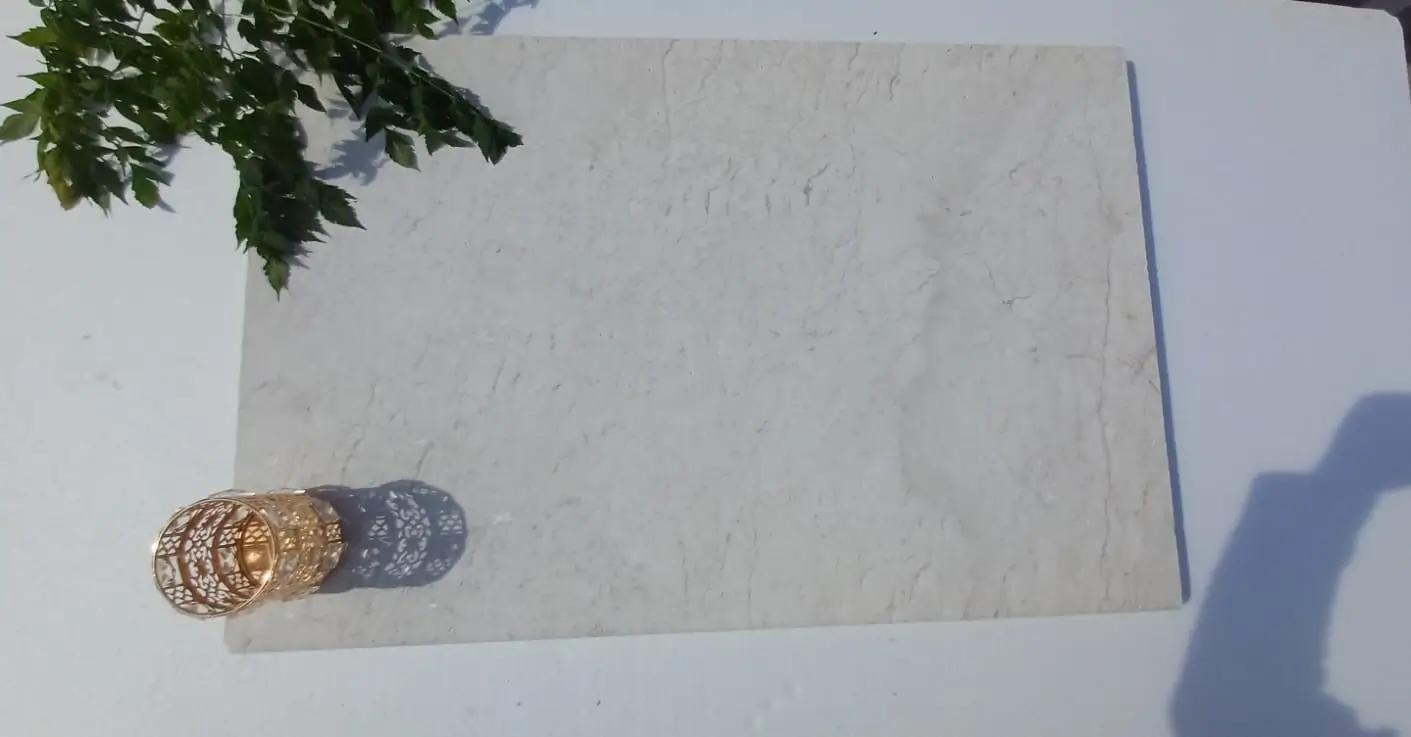
Visual Identification Techniques for Field Assessment
When you conduct flagstone identification during material selection or quality verification, you need systematic visual assessment protocols that distinguish similar stone types without laboratory testing. Your field evaluation should begin with surface texture examination under direct sunlight, where grain structure becomes clearly visible. Sandstone displays individual quartz grains as distinct particles creating a slightly rough, granular surface even when honed, while limestone presents a more uniform, smooth texture with fossil inclusions or crystalline calcite structures visible upon close inspection.
Color patterns provide secondary identification criteria when you understand their geological origins. The warm earth tones common in Arizona flagstone materials result from iron oxide content, but the distribution patterns differ between stone types. You’ll observe that sandstone exhibits color variation following bedding planes and grain boundaries, creating subtle striations and irregular patterns. Limestone shows more uniform coloration with occasional veining or fossil patterns. The flagstone material comparison process requires you to recognize that color alone doesn’t reliably indicate stone type, since both sandstone and limestone can display similar buff, tan, and rust color ranges depending on their specific mineral content.
- You can perform a simple scratch test using a steel nail to assess surface hardness
- Sandstone typically shows moderate scratching while harder limestone resists better
- Water absorption testing reveals porosity differences within 30 minutes
- Your field assessment should document grain visibility and texture characteristics
- Surface sheen under direct sunlight indicates mineral composition and cement type
Edge profile examination provides critical flagstone type distinction information when you inspect freshly split or cut surfaces. Sandstone edges reveal individual grain structures and sometimes show slight friability where weakly cemented grains detach. Limestone edges present cleaner breaks with more uniform material composition and occasionally display shell fragments or other fossil evidence. You should examine how the material splits along bedding planes—sandstone often shows irregular cleavage following sedimentary layers, while limestone can produce remarkably flat, consistent splits due to its more homogeneous structure.
Mineralogical Composition and Performance Correlation
The mineralogical differences underlying flagstone sandstone comparison Arizona evaluations determine long-term durability, weather resistance, and maintenance requirements. Sandstone consists primarily of quartz grains (60-95% by volume) with feldspar, mica, and lithic fragments as secondary components. The cement matrix bonding these grains varies significantly—silica cement creates the most durable sandstone with compressive strengths approaching 18,000 PSI, while clay or calcium carbonate cements produce softer materials more susceptible to erosion and weathering. When you specify sandstone flagstone, you need to verify the cement composition because this single factor determines whether your installation survives Arizona’s climate for decades or deteriorates within years.
Limestone flagstone consists almost entirely of calcium carbonate (CaCO₃) in the form of calcite or aragonite crystals, often with fossil shell fragments and marine organism remains incorporated during formation. You’re working with material that formed through chemical precipitation or biological accumulation rather than mechanical sediment deposition. This fundamental geological difference explains why limestone responds differently to thermal stress, moisture exposure, and chemical interactions compared to sandstone. Your flagstone stone differences assessment must account for limestone’s reaction with acidic conditions—even mildly acidic rainfall (pH 5.5-6.0) gradually etches limestone surfaces, creating characteristic weathering patterns over 15-20 years that some clients find desirable and others consider deterioration.
Quartzite represents metamorphosed sandstone where original quartz grains have recrystallized under heat and pressure, fusing into an interlocking crystalline structure. When you encounter quartzite marketed as flagstone, you’re specifying premium material with compressive strengths exceeding 20,000 PSI, porosity below 2%, and exceptional weather resistance. The flagstone identification challenge emerges because visual inspection alone cannot reliably distinguish hard, silica-cemented sandstone from quartzite—both display similar appearance and surface characteristics. You need to request compressive strength testing and porosity measurements to verify material classification and ensure your specification delivers expected performance.
Porosity and Absorption Characteristics
Porosity represents the most critical performance indicator in flagstone material comparison evaluations for Arizona applications. You need to understand that porosity percentage directly determines water absorption capacity, freeze-thaw resistance, stain susceptibility, and long-term weathering patterns. Sandstone flagstone typically exhibits interconnected pore structures with 5-12% total porosity, creating pathways for moisture migration that affect multiple performance characteristics. Your specification should establish maximum porosity thresholds based on specific application requirements—pool decks and water feature surrounds require materials below 5% porosity, while general paving applications tolerate 8% porosity.
When you conduct absorption testing following ASTM C97 protocols, sandstone samples typically absorb 2-6% of their dry weight in water during 48-hour immersion testing. Limestone flagstone shows lower absorption rates of 1-4% due to tighter pore structures and higher material density. These differences become critical in flagstone type distinction because absorption capacity directly correlates with freeze-thaw vulnerability in northern Arizona elevations above 5,000 feet. You should require materials with absorption below 3% for applications experiencing more than 25 annual freeze-thaw cycles, ensuring that absorbed moisture doesn’t expand during freezing and create internal fracturing.
- You must verify porosity through laboratory testing rather than relying on visual assessment
- Higher porosity increases staining susceptibility from organic debris and mineral deposits
- Your sealing requirements intensify as material porosity increases above 6%
- Absorption rates affect how quickly surfaces dry after rainfall or irrigation exposure
- Porosity influences thermal conductivity and heat retention characteristics
The pore structure geometry matters as much as total porosity percentage when you evaluate long-term performance. Sandstone with numerous small, isolated pores performs better than material with fewer but larger interconnected voids, even at similar total porosity levels. You can request thin-section petrographic analysis for major projects to assess pore size distribution and connectivity, providing data that predicts real-world weathering patterns more accurately than simple absorption percentages. This level of flagstone identification detail separates professional specifications from generic material selection based solely on appearance and price.
Thermal Performance in Desert Environments
Arizona’s extreme thermal conditions create performance requirements that drive flagstone sandstone comparison Arizona decisions for exterior applications. You’re specifying materials that will experience surface temperatures reaching 140-165°F during summer months, with diurnal temperature swings of 40-50°F creating continuous expansion-contraction cycling. The thermal expansion coefficient becomes your critical specification parameter—sandstone typically exhibits coefficients between 5.8-7.2 × 10⁻⁶ per °F, while limestone ranges from 4.8-6.4 × 10⁻⁶ per °F. These differences seem minor until you calculate actual dimensional changes across 20-foot paving spans exposed to 60°F temperature differentials.
When you design joint spacing and expansion accommodation details, a sandstone patio with 7.0 × 10⁻⁶ thermal coefficient will expand approximately 0.10 inches across a 20-foot dimension during a 70°F temperature increase from morning to afternoon. Your joint spacing must accommodate this movement without creating compressive stress that spalls edges or causes differential heaving. Limestone’s lower thermal expansion coefficient reduces movement to approximately 0.075 inches under identical conditions, potentially simplifying joint design but not eliminating thermal management requirements. The flagstone stone differences in thermal behavior influence long-term joint integrity and whether your installation maintains original appearance or develops progressive edge damage.
Color and surface finish dramatically affect surface temperature through solar reflectance variations. You’ll find that light-colored limestone flagstone reflects 60-70% of solar radiation, maintaining surface temperatures 15-25°F cooler than darker sandstone that absorbs more thermal energy. Your material selection for pool decks, patios, and pedestrian areas should prioritize lighter colors and higher reflectance values for occupant comfort and reduced thermal stress on the material itself. Testing demonstrates that surface temperature differences of 20°F translate to meaningful variations in thermal expansion movement, affecting joint performance and long-term dimensional stability across large installations.
Compressive and Flexural Strength Requirements
Structural performance specifications require you to establish minimum compressive and flexural strength thresholds based on application loading conditions and span requirements. Sandstone flagstone suitable for Arizona applications typically delivers compressive strengths between 8,000-14,000 PSI when tested following ASTM C170 protocols. You need higher values (12,000+ PSI) for vehicular applications or spans exceeding 24 inches between support points. Limestone flagstone often provides superior compressive strength in the 12,000-18,000 PSI range, supporting heavier loads and longer unsupported spans when structural requirements dictate.
Flexural strength becomes critical when you specify flagstone materials for applications involving cantilevers, unsupported edges, or point loading conditions. The flagstone material comparison must address modulus of rupture values that predict how materials resist bending stress and impact loading. Sandstone exhibits flexural strengths between 1,200-2,400 PSI, while denser limestone varieties achieve 2,000-3,200 PSI. Your specification should require flexural testing for pool coping, stair treads, and other applications where concentrated loads or cantilever conditions create bending stress that exceeds simple compressive loading.
- You should request certified test reports documenting both compressive and flexural strength
- Material thickness requirements increase as compressive strength decreases below 10,000 PSI
- Your structural calculations must account for strength reduction from weathering over time
- Bedding plane orientation affects effective strength in installed conditions
- Verify that testing followed ASTM standards appropriate for natural stone evaluation
The relationship between density and strength provides additional flagstone identification criteria when you evaluate material samples. Higher-density materials generally deliver superior strength characteristics—limestone typically ranges 145-165 pounds per cubic foot while sandstone spans 135-155 pounds per cubic foot. You can estimate relative performance by comparing sample weights of identical dimensions, though laboratory testing remains necessary for specification verification. Understanding these strength characteristics ensures your flagstone type distinction process accounts for structural requirements alongside aesthetic preferences.
Surface Finish Options and Texture Variations
Available surface finishes represent significant flagstone stone differences that affect slip resistance, aesthetic appearance, and maintenance requirements. Sandstone’s granular structure limits finishing options—you’re typically working with natural cleft surfaces that retain the stone’s original bedding plane texture, or thermal finishes that slightly roughen the surface through flame treatment. The individual quartz grains resist polishing, preventing you from achieving the smooth, reflective finishes possible with limestone. This limitation actually benefits Arizona applications because textured surfaces provide superior slip resistance and hide wear patterns better than polished finishes.
Limestone flagstone accepts a broader range of surface treatments including honed, polished, and brushed finishes that modify slip resistance and visual appearance. When you specify honed limestone, you’re requesting mechanical grinding that creates a smooth, matte surface with minimal light reflection. Polished limestone delivers high-gloss surfaces appropriate for interior applications but problematic for exterior use due to reduced slip resistance and increased visibility of wear patterns. Your flagstone sandstone comparison Arizona specifications should address surface finish requirements explicitly, recognizing that limestone’s finishing versatility creates both opportunities and potential specification errors if slip resistance requirements aren’t carefully considered.
Slip resistance testing following ANSI A326.3 (wet dynamic coefficient of friction) provides objective performance data when you evaluate different stone types and surface finishes. Natural cleft sandstone typically achieves DCOF values of 0.52-0.62, exceeding the 0.42 minimum threshold for wet walking surfaces. Honed limestone ranges from 0.45-0.55 depending on the specific honing process and limestone variety, while polished limestone falls below acceptable thresholds at 0.35-0.42. You need to specify appropriate surface finishes based on application context—pool decks and water feature surrounds require DCOF values above 0.50, while protected patio areas under roof cover tolerate lower values.
Long-Term Durability and Weathering Patterns
Arizona’s UV radiation intensity, temperature extremes, and low humidity create weathering conditions that distinguish durable materials from those requiring frequent maintenance or premature replacement. Your flagstone material comparison must project 20-30 year performance rather than focusing solely on initial appearance. Sandstone with silica cement matrix demonstrates excellent long-term durability, maintaining structural integrity and surface characteristics with minimal degradation. Materials with clay or calcium carbonate cement show progressive surface erosion, losing 1-2 mm of surface thickness over 15-20 years in exposed Arizona conditions. When you specify sandstone, cement type verification through petrographic analysis predicts long-term performance more accurately than compressive strength testing alone.
Limestone flagstone exhibits different weathering characteristics dominated by surface etching from slightly acidic precipitation and atmospheric carbon dioxide interaction with calcium carbonate. You’ll observe gradual surface texture development over 10-15 years as preferential etching emphasizes fossil structures and crystalline variations. Some design professionals consider this weathering desirable, creating “aged” appearance that enhances rather than detracts from aesthetic value. Others view surface texture changes as deterioration requiring prevention through topical sealing programs. Your flagstone type distinction specifications should address client expectations regarding surface evolution over time, ensuring that selected materials deliver anticipated appearance throughout the project’s design life.
- You need to evaluate how UV exposure affects surface color stability over 15-20 years
- Thermal cycling creates microcracking that progressively reduces compressive strength
- Your maintenance specifications should address cleaning methods that don’t accelerate weathering
- Surface sealing modifies weathering patterns but requires reapplication every 3-5 years
- Edge spalling typically appears after 8-12 years in materials with compressive strength below 10,000 PSI
Freeze-thaw durability becomes critical when you specify materials for northern Arizona projects above 5,000 feet elevation experiencing 25-50 annual freeze cycles. The flagstone sandstone comparison Arizona professionals conduct must include absorption testing and freeze-thaw cycle evaluation following ASTM C666 protocols. Materials with absorption above 3% and interconnected pore structures risk progressive deterioration as absorbed moisture freezes, expands, and creates internal fracturing. You should specify materials proven through laboratory testing to survive 300+ freeze-thaw cycles without structural degradation, ensuring performance throughout decades of seasonal temperature cycling.
Installation Method Considerations
Installation method selection affects long-term performance as significantly as material choice when you design flagstone applications. Sand-set installations over compacted aggregate base provide excellent drainage and thermal stress accommodation, working well with both sandstone and limestone flagstone materials. You need to specify minimum 4-inch compacted base depth for pedestrian applications, increasing to 6-8 inches for vehicular loading. The bedding sand layer should be 1-1.5 inches of concrete sand compacted to 95% standard Proctor density, providing uniform support that prevents differential settlement and edge spalling.
Mortar-set installations bond flagstone directly to concrete substrates using Portland cement or polymer-modified thin-set mortars. Your flagstone identification process must verify that selected materials have sufficiently low porosity (below 5%) and high bond strength to prevent delamination under Arizona’s thermal cycling conditions. The mortar bond creates rigid connections that concentrate thermal stress rather than allowing individual unit movement, increasing risk of surface cracking or bond failure if materials with high thermal expansion coefficients are improperly installed. You should specify isolation joints every 12-15 feet in mortar-set installations to accommodate thermal movement and prevent stress accumulation.
Joint spacing and fill material selection represent critical details in flagstone stone differences specifications. Tighter joints (3/16 to 3/8 inch) create more formal appearances but concentrate thermal stress and complicate joint filling. Your specifications should establish 3/8 to 1/2 inch joints for most applications, providing adequate space for polymeric sand or mortar joint fill while accommodating modest thermal movement. Polymeric sand joints work best with sand-set installations, offering permeability and flexibility that mortar joints cannot match. When you specify mortar joints, you need to ensure that joint mortar flexibility exceeds flagstone thermal expansion to prevent progressive joint cracking.
Cost Factors and Material Availability
Material costs vary significantly based on quarry location, processing requirements, and current market conditions when you develop project budgets. Domestic sandstone flagstone from Arizona, Colorado, and Utah quarries typically ranges $4-9 per square foot for standard 1.5-inch thickness palletized material delivered to warehouse locations. Premium quartzite flagstone with superior durability characteristics commands $8-15 per square foot, while imported limestone varieties span $6-12 per square foot depending on origin and finish specifications. Your flagstone material comparison should account for installed costs rather than material-only pricing, since thinner materials requiring more intensive base preparation or thicker setting beds may ultimately cost more despite lower unit prices.
Lead times from warehouse stock versus quarry-direct shipments affect project scheduling and procurement strategies. You’ll find that standard flagstone colors and thickness ranges typically ship from regional distribution within 1-2 weeks, while custom specifications requiring direct quarry coordination extend lead times to 4-8 weeks. Your project timeline should accommodate these procurement realities, particularly for large installations requiring multiple truckloads. When you coordinate deliveries, warehouse stock verification prevents specification changes or project delays caused by material availability constraints.
- You should request current pricing for specific material selections rather than relying on historical data
- Freight costs vary significantly based on project location and delivery quantity
- Your budget must include wastage factors ranging from 8% to 15% depending on cutting requirements
- Premium materials with superior durability characteristics often deliver better lifecycle cost performance
- Verify whether pricing includes palletization, edge squaring, or other processing costs
The economic analysis extends beyond initial material procurement when you conduct complete flagstone type distinction evaluations. Materials requiring sealing immediately after installation and resealing every 3-5 years incur ongoing maintenance costs that less porous alternatives avoid. Sandstone with clay cement requiring periodic consolidation treatments or limestone susceptible to etching may need professional restoration services within 10-15 years, adding lifecycle costs that higher-quality materials with greater initial investment don’t require. You should develop 20-year cost projections accounting for maintenance, sealing, and potential replacement scenarios when evaluating material alternatives for value-engineering discussions. For comprehensive sourcing options, consider quality natural flagstone available through established regional suppliers.
Professional Specification Development
Comprehensive specifications prevent the material substitution problems and performance issues that arise from incomplete flagstone sandstone comparison Arizona documentation. Your specification sections should establish minimum performance criteria rather than prescribing specific stone types, allowing contractors and suppliers to propose materials meeting functional requirements while maintaining competitive bidding. Include specific requirements for compressive strength (minimum PSI), flexural strength (minimum PSI), absorption percentage (maximum), slip resistance (minimum DCOF), and thermal expansion coefficient (maximum value). This performance-based approach ensures that any approved material delivers required durability and safety characteristics regardless of specific geological classification.
Testing and verification protocols protect your projects from substandard materials reaching job sites. You should require suppliers to submit certified laboratory test results documenting compliance with all specification criteria before material approval. Testing must follow the relevant consensus standards—ASTM C170 for compressive strength, ASTM C99 for modulus of rupture, ASTM C97 for absorption and bulk specific gravity, and ANSI A326.3 for wet DCOF slip resistance. Your specification should identify which party bears testing costs and establish sample sizes adequate for statistical validity. For projects exceeding 5,000 square feet, specify testing from multiple production lots to verify consistency across material quantities.
Color range documentation prevents the selection disputes that occur when clients envision specific appearances that natural stone cannot consistently deliver. You need to establish color acceptance criteria using physical sample panels showing the full range of variation acceptable within the specified stone type. Your specifications should require suppliers to provide representative samples displaying minimum and maximum color variation, allowing clients to approve realistic expectations before procurement. Include language stating that natural stone color variation is inherent and acceptable within the approved range, preventing rejection of compliant material based on unrealistic uniformity expectations.
Premium manufactured flagstone Guidance from Citadel Stone — Specifying for Arizona Conditions
When you evaluate manufactured flagstone for your Arizona projects, you’re considering engineered products designed to replicate natural flagstone appearance while delivering enhanced consistency and performance characteristics. At Citadel Stone, we provide technical guidance for specifying manufactured flagstone across Arizona’s diverse climate zones, from low desert regions experiencing extreme heat to high elevation areas with freeze-thaw cycling. This section outlines specification considerations for three representative cities demonstrating the range of environmental conditions affecting material selection decisions.
Manufactured flagstone products combine Portland cement, aggregates, and mineral pigments in controlled production processes that ensure dimensional consistency and predictable performance characteristics. You would specify these materials when project requirements demand tighter dimensional tolerances than natural stone provides, when specific color matching is critical, or when budget constraints limit natural stone options. The flagstone identification process differs for manufactured products—you’re evaluating compressive strength typically exceeding 4,000 PSI, absorption rates consistently below 5%, and slip resistance values controlled through surface texturing during manufacturing. Your specifications should address whether manufactured products deliver the authentic appearance your design requires, recognizing that material science advances have significantly improved aesthetic realism in recent product generations.
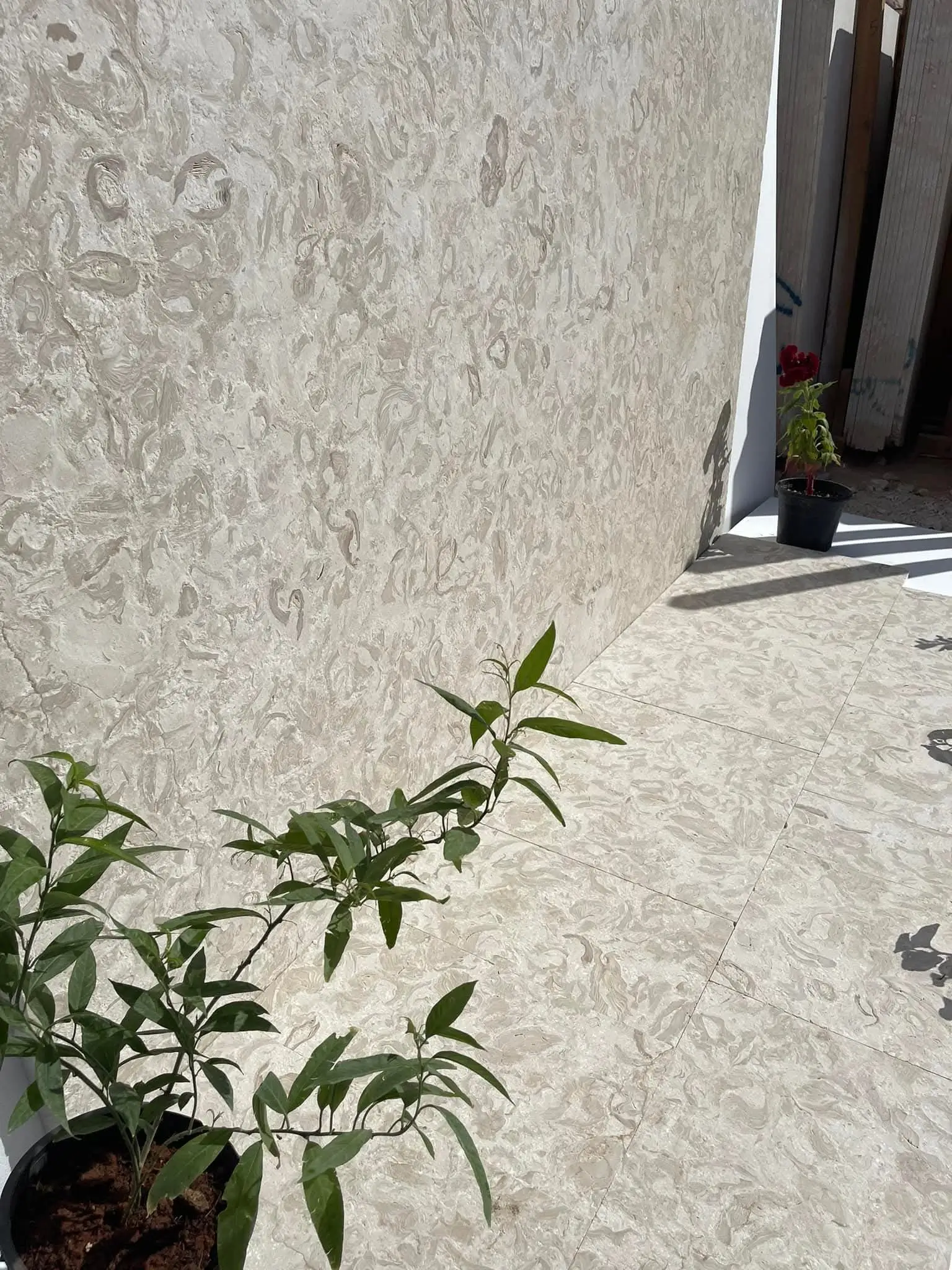
Chandler Desert Applications
In Chandler’s low desert environment, you would prioritize materials with proven thermal performance in sustained 115°F+ ambient conditions creating 155°F surface temperatures. Your specifications should require light-colored manufactured flagstone with solar reflectance index (SRI) values above 35, reducing surface temperature by 18-22°F compared to darker materials. You’d specify products tested for thermal expansion characteristics under extreme heat, ensuring joint spacing accommodates movement without edge spalling. At Citadel Stone, we recommend focusing on slip resistance maintenance as UV exposure and thermal cycling affect surface texture over time. Your material selection would account for Chandler’s minimal freeze-thaw concerns while emphasizing UV stability and heat resistance for 20+ year performance.
Tempe Urban Heat Considerations
Tempe’s urban heat island effects intensify thermal stress beyond what regional climate data suggests, requiring you to adjust specification criteria accordingly. You would specify manufactured flagstone with documented thermal mass properties that moderate surface temperature fluctuations through afternoon heat buildup. Your installation details should address proper drainage given Tempe’s monsoon rainfall patterns delivering intense precipitation that tests surface runoff management. You’d want to verify that selected products maintain slip resistance when wet, particularly around pool decks and covered patios where moisture creates safety concerns. The material specifications you develop would emphasize consistency across large installations typical of Tempe’s commercial and institutional projects, where natural stone color variation might create visual challenges.
Surprise Residential Performance
In Surprise’s rapidly developing residential areas, you would balance performance requirements with cost considerations appropriate for production housing and spec home construction. Your specifications should establish minimum quality thresholds while recognizing builder budget constraints that make manufactured flagstone attractive alternatives to premium natural stone. You’d specify products with sufficient compressive strength for typical residential loading (minimum 3,500 PSI) and absorption below 6% for adequate weather resistance. At Citadel Stone, we advise addressing warehouse inventory availability when coordinating delivery schedules for multiple residential projects, ensuring material consistency across subdivision phases. Your material selection would prioritize products offering reasonable warranties and documented performance in similar Arizona applications, providing builders with confidence in long-term results.
Maintenance Protocols for Long-Term Performance
Maintenance program development prevents the premature deterioration that shortens flagstone installation service life and creates unnecessary replacement costs. Your maintenance specifications should establish routine cleaning protocols using pH-neutral cleaners that don’t accelerate weathering or compromise sealer integrity. Pressure washing at excessive pressures (above 1,500 PSI) erodes softer sandstone surfaces and mortar joints, requiring you to specify maximum pressure limits and proper nozzle distances. You need to educate clients that aggressive cleaning methods cause more damage than the dirt they remove, particularly with sandstone materials exhibiting clay cement matrices susceptible to erosion.
Sealing programs represent optional maintenance strategies that modify surface characteristics and require ongoing commitment to maintain effectiveness. When you specify topical sealers, you’re adding a protective layer that reduces staining and moisture penetration but requires reapplication every 3-5 years as UV exposure degrades sealer chemistry. Your sealing specifications should identify appropriate products for specific stone types—penetrating sealers work best with porous sandstone, while topical sealers suit denser limestone. You must include reapplication schedules and proper surface preparation requirements in maintenance documentation, ensuring that clients understand the ongoing commitment sealing programs require.
- You should establish inspection intervals at 12-month periods for early problem detection
- Joint sand replenishment maintains proper support and prevents edge spalling in sand-set installations
- Your maintenance program must address efflorescence removal using appropriate cleaning methods
- Organic stain prevention requires routine debris removal before decomposition creates permanent discoloration
- Verify that maintenance personnel understand proper cleaning techniques specific to installed material type
Repair protocols address the inevitable damage that occurs during decades of service regardless of material quality or installation craftsmanship. You need to specify procedures for replacing individual damaged units without disturbing adjacent materials, including proper removal techniques and joint reconstruction methods. Your specifications should require that replacement materials match original selections as closely as possible, recognizing that natural stone quarry production changes over years may prevent perfect matching. Include provisions for maintaining surplus material inventory adequate for repairs without requiring minimum purchase quantities that make small repairs economically impractical.
Common Specification Errors and Prevention Strategies
Incomplete performance criteria represent the most frequent flagstone specification error encountered in Arizona projects. When you write specifications listing only stone type and color without establishing compressive strength, absorption, or slip resistance requirements, you’re inviting material substitutions that may not deliver expected performance. Your specifications must include measurable, testable criteria that define acceptable material characteristics independent of supplier marketing descriptions. This approach prevents disputes when delivered materials technically meet nominal descriptions but fail performance expectations.
Inadequate sample approval procedures create the color and texture conflicts that delay projects and create client dissatisfaction. You can’t approve flagstone materials from 4×4 inch samples that fail to represent the full color range and texture variation present in production quantities. Your specification process should require reviewing sample panels of at least 16-20 square feet showing maximum color variation, allowing realistic assessment of installed appearance. Include requirements that approved samples remain available throughout construction for comparison when verifying delivered materials, preventing arguments about whether production materials match approved standards.
The oversight of regional climate differences causes specification errors when you apply generic details across Arizona’s diverse climate zones without adjusting for local conditions. Specifications appropriate for Phoenix’s zero freeze-thaw environment fail in Flagstaff’s conditions with 90+ annual freeze cycles. You need to verify that material porosity and absorption characteristics suit specific installation locations, adjusting requirements based on elevation, precipitation patterns, and temperature extremes. Your specifications should reference local climate data and establish material selection criteria responsive to documented environmental conditions rather than using statewide generic approaches. For detailed installation techniques, review Specialized techniques for cutting precise curves in natural flagstone before you finalize project documentation. Builder networks trust Citadel Stone’s reliable flagstone wholesale in Arizona consistency.