
When you specify flagstone for Arizona projects, you’ll encounter natural voids, fissures, and surface defects that require strategic repair decisions. Flagstone epoxy filling Arizona demands precise material selection, climate-specific application protocols, and an understanding of how thermal cycling affects long-term bond integrity. You need to know when filling enhances structural performance versus when it compromises the authentic character that makes flagstone architecturally valuable.
Natural stone contains inherent imperfections—voids from fossilized organic matter, fissures from geological stress, and surface defects from quarrying. Your repair strategy depends on defect size, location, and whether the stone serves structural or decorative functions. Flagstone epoxy filling Arizona projects succeed when you match repair methods to performance requirements while accounting for temperature extremes that cycle from 20°F winter nights to 120°F summer days.
Understanding Flagstone Void Characteristics
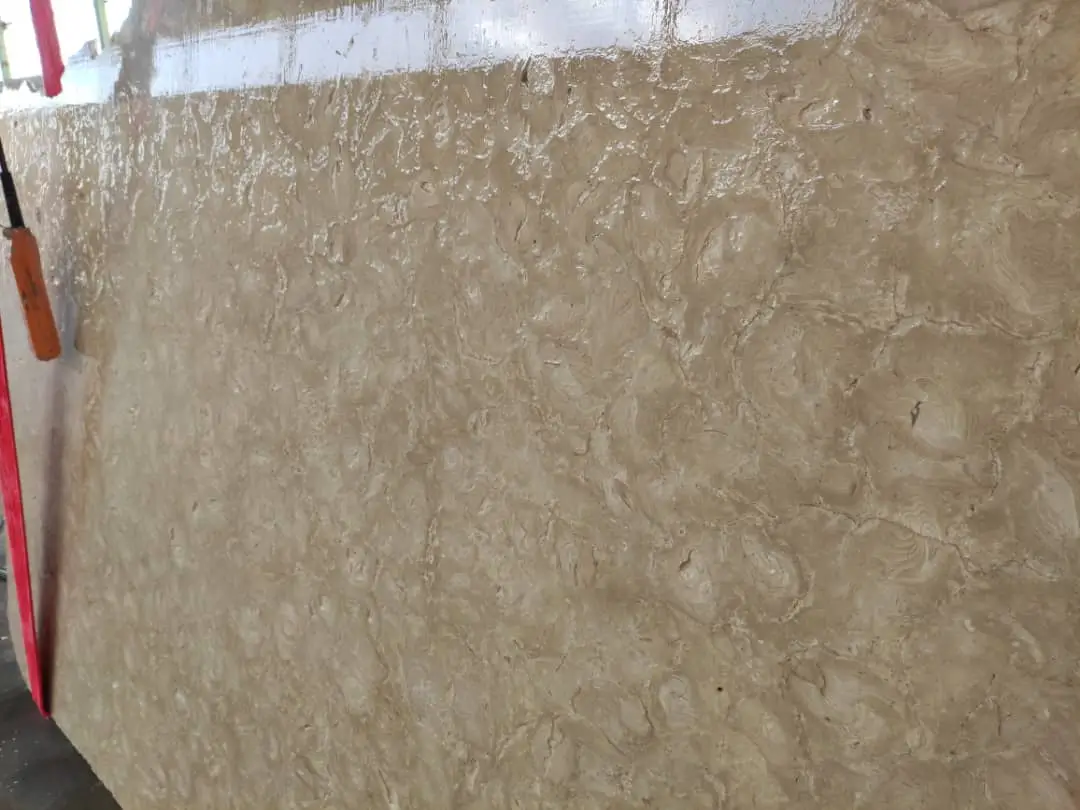
Flagstone exhibits three distinct defect categories that require different repair approaches. You’ll encounter porosity voids (2-8mm diameter), naturally occurring throughout the stone matrix. These result from organic material decomposition during sedimentary formation and typically don’t compromise structural integrity. Your decision to fill these depends on aesthetic preferences and maintenance concerns rather than performance requirements.
Geological fissures represent the second category—linear separations ranging from hairline cracks to 15mm gaps. These develop from tectonic stress during stone formation or thermal shock during quarrying. When you evaluate fissures, you need to distinguish between stable separations (no movement potential) and active cracks that propagate under load or thermal cycling. Active fissures require structural repair; stable fissures need filling primarily for dirt accumulation prevention.
Quarrying damage creates the third defect type—chips, spalls, and edge breaks occurring during extraction and fabrication. You’ll find these concentrated along edges and corners where mechanical stress concentrates. For flagstone void repair, these defects matter most in high-traffic areas where exposed edges accelerate deterioration. Your repair priority should focus on defects exceeding 6mm depth in walkable surfaces.
Epoxy Selection for Arizona Climate
Arizona’s thermal conditions demand epoxy formulations engineered for extreme temperature performance. You can’t use standard epoxies rated to 140°F—surface temperatures on dark flagstone reach 165°F during June through August. Your epoxy specification must verify continuous service temperature ratings of 180°F minimum, with brief excursion capability to 200°F.
Two-part epoxies formulated for stone repair typically use either polyamine or polyamide hardeners. For flagstone fissure treatment in desert climates, you’ll achieve better results with polyamide systems. These offer superior flexibility (critical for thermal expansion accommodation) and slower cure profiles that allow deeper penetration into narrow fissures. Polyamine systems cure harder but become brittle under thermal cycling, leading to repair failures within 3-5 years.
Color matching presents practical challenges that affect long-term aesthetics. You should source epoxies that accept mineral pigments for custom tinting rather than pre-tinted products. Pre-tinted formulations rarely match specific flagstone coloration and don’t account for UV-induced color shift. Professional flagstone surface repair requires you to blend pigments from at least three base colors to approximate natural stone variation. Expect color matching accuracy of 85-90% when wet; dried epoxy typically appears 10-15% lighter than surrounding stone.
Application Temperature Protocols
Substrate temperature controls cure rate, bond strength, and long-term performance for flagstone epoxy filling Arizona installations. You must work within 65-85°F substrate temperature windows, which limits application to early morning hours (5:00-9:00 AM) during summer months. Afternoon applications fail when substrate heat accelerates cure before epoxy fully penetrates voids, creating shallow fills that delaminate within one heating season.
Your temperature monitoring should use infrared thermometers to verify stone surface temperature, not ambient air temperature. Stone thermal mass creates lag—a 95°F morning air temperature corresponds to 110°F stone temperature if the previous day peaked at 118°F. You’ll need to wait until stone temperature drops below 85°F, which may not occur until after midnight during heat waves.
Winter applications require opposite considerations. When you attempt flagstone defect filling below 50°F substrate temperature, cure times extend from 24 hours to 72+ hours, and ultimate bond strength decreases by 20-30%. You should plan winter repairs for south-facing installations that receive direct solar warming, scheduling application for 11:00 AM-2:00 PM when thermal gain peaks. North-facing installations may require supplemental heating or postponement until spring.
Surface Preparation Requirements
Successful flagstone void repair begins with contamination removal that most specifications underemphasize. Arizona flagstone accumulates caliche dust, efflorescence salts, and organic tannins that prevent epoxy adhesion. You need to clean voids using compressed air (minimum 90 PSI) followed by acetone or MEK solvent wipes. Water cleaning seems logical but introduces moisture that requires 48-72 hour drying time before epoxy application.
For flagstone fissure treatment, mechanical preparation using diamond-coated files or rotary tools improves results. You should widen hairline cracks to 2-3mm minimum width and create slight undercut profiles (10-15 degree angle). This provides mechanical keying that supplements chemical adhesion, particularly important in high-traffic areas where shear stress concentrates. Don’t skip this step for time savings—it accounts for 40% of long-term repair durability.
Porosity around defects affects epoxy consumption and requires pre-treatment. When you work with highly porous flagstone (absorption rates above 5%), apply epoxy primer or penetrating sealer to void perimeters 24 hours before filling. This prevents epoxy migration into surrounding stone, which wastes material and creates dark halos around repairs. Your primer coat should extend 10-15mm beyond void edges for adequate migration control.
Filling Technique Variables
Application method varies based on defect geometry and accessibility. For shallow voids (under 8mm depth), you’ll achieve best results with trowel application using plastic or rubber spreaders. Metal trowels work but require careful technique to avoid scratching surrounding stone. You should overfill voids by 0.5-1.0mm to account for cure shrinkage, then sand flush after full cure.
Deep voids and vertical fissures demand injection techniques rather than surface application. You’ll need to use disposable syringes or cartridge guns to force epoxy into narrow openings, working from bottom to top to purge trapped air. For fissures exceeding 50mm depth, inject in 25mm lifts with 2-hour intervals between applications. Single-pour deep fills trap air pockets that create weak zones and moisture accumulation points.
- You should tape void perimeters with blue painter’s tape to prevent smearing on finished surfaces
- Your mixing ratios must follow manufacturer specifications exactly—5% deviation alters cure chemistry significantly
- You’ll need to remove excess epoxy within 30-40 minutes of application, before gel point makes cleanup difficult
- You should avoid filling during monsoon season when humidity exceeds 60%—moisture contamination causes cloudy cures and reduced strength
Structural Versus Cosmetic Repairs
Your repair approach must differentiate between structural flagstone defect filling and cosmetic surface treatment. Structural repairs address defects that compromise load-bearing capacity or allow water penetration that accelerates freeze-thaw damage. These require full-depth filling with high-modulus epoxies (flexural strength minimum 8,000 PSI) and often benefit from mechanical reinforcement using stainless steel pins or carbon fiber rods.
Cosmetic repairs focus on appearance enhancement and dirt accumulation prevention. You can use lower-viscosity epoxies for cosmetic flagstone surface repair, prioritizing flow characteristics and color matching over maximum strength. These applications typically involve surface voids under 6mm depth that don’t penetrate through stone thickness. Your material cost for cosmetic repairs runs 40-50% less than structural formulations.
The distinction matters because over-engineering cosmetic repairs wastes budget and creates maintenance issues. High-modulus structural epoxies cure harder than surrounding flagstone, causing them to stand proud as softer stone erodes over decades. You’ll see this as raised repair spots on 15-20 year old installations. For cosmetic applications, specify medium-modulus formulations that wear at rates approximating natural stone.
Common Application Failures
Three failure modes dominate flagstone epoxy filling Arizona projects, all preventable through proper technique. Delamination failures occur when epoxy separates from stone substrate, typically within 18-36 months. You’ll trace these to inadequate surface preparation (60% of cases), substrate temperature violations during application (30%), or moisture contamination (10%). Prevention requires disciplined adherence to preparation protocols rather than rushed application schedules.
Thermal shock cracking represents the second common failure. Arizona’s diurnal temperature swings create expansion-contraction cycles that stress rigid epoxy fills. You’ll observe crack propagation radiating from repair perimeters, particularly in large fills exceeding 40mm diameter. Your material selection should prioritize flexible formulations (Shore D hardness 70-75) over maximum hardness (Shore D 85+) to accommodate thermal movement without cracking.
For detailed information on maintaining natural stone characteristics during installation, consider reviewing masonry flagstone building materials as you plan comprehensive stone management strategies.
Maintenance and Longevity Expectations
Properly executed flagstone void repair delivers 12-18 year service life before requiring touch-up, significantly longer than rushed or improperly specified repairs that fail within 3-5 years. You should set realistic expectations with clients that epoxy repairs represent semi-permanent solutions requiring periodic maintenance rather than permanent restoration. UV exposure gradually degrades epoxy polymers, causing color shift and surface chalking that necessitates eventual replacement.
Your maintenance protocol should include biennial inspection of filled areas, checking for edge separation, surface cracking, or color deviation. Early intervention when minor edge separation appears (repairable with additional epoxy in 15 minutes) prevents complete delamination that requires full repair removal and replacement. You’ll find that 10-15% of repairs need minor touch-up every 5-7 years regardless of initial quality.
Resealing programs affect epoxy repair longevity significantly. When you apply penetrating sealers to flagstone surfaces, verify compatibility with cured epoxy. Solvent-based sealers can soften some epoxy formulations, causing surface tackiness and dirt attraction. Your sealer specification should use water-based silane/siloxane products that don’t interact with cured epoxy chemistry. Test compatibility on sample repairs before treating entire installations.
Cost Analysis and Material Planning
Material costs for flagstone fissure treatment range from $45-$120 per mixed quart depending on formulation. Professional-grade polyamide systems suitable for Arizona climate typically cost $85-$95 per quart, covering approximately 15-20 square feet of moderate void density (assuming 5-8% void coverage). You should calculate material requirements using actual void measurements rather than total square footage to avoid over-ordering or mid-project shortages.
Labor costs dominate repair economics, typically representing 70-80% of total project expense. Your crew productivity varies dramatically based on void density and accessibility. Expect skilled technicians to fill 25-35 square feet per day for moderate void density, decreasing to 12-18 square feet per day for heavy void conditions or intricate pattern work. Planning schedules should account for temperature windows that restrict working hours during summer months.
- You’ll need to budget 15-20% material waste for mixing errors, cure shrinkage, and cleanup
- Your equipment costs include mixing containers, spreaders, syringes, solvents, and protective gear totaling $200-$300 per project
- You should verify warehouse availability 3-4 weeks before project start—specialized stone epoxies aren’t stocked universally
- You can reduce costs by grouping multiple flagstone defect filling projects to minimize setup time and material waste
Alternative Filling Materials
While epoxy dominates professional flagstone surface repair, alternative materials suit specific applications. Polyester resin costs 40-50% less than epoxy and provides adequate performance for non-structural cosmetic repairs in covered areas protected from direct UV exposure. You’ll find polyester appropriate for courtyard applications under ramadas or arcade ceilings where temperature extremes moderate and UV degradation slows.
Polyurethane-based fillers offer superior flexibility compared to epoxy, making them suitable for flagstone installed over substrates with movement potential—wood decks, elevated concrete slabs with deflection, or areas with documented settlement issues. Your application technique differs from epoxy (faster cure requires immediate cleanup), and color matching proves more challenging. Consider polyurethane for joints and expansion areas rather than surface voids.
Cementitious patching compounds represent the lowest-cost option but deliver inferior performance for flagstone void repair. These work acceptably for large structural voids (over 25mm diameter and 20mm deep) in utilitarian applications where appearance matters less than function. You shouldn’t use cementitious repairs for any visible surface applications—color matching fails completely, and differential thermal expansion causes perimeter cracking within 2-3 years.
Specification Language for Contracts
Your project specifications for flagstone epoxy filling Arizona installations should address material requirements, application standards, and performance expectations explicitly. Generic language like “fill voids as needed” creates disputes and quality issues. You need to define void size thresholds requiring repair (typically all defects exceeding 6mm diameter or depth), acceptable repair materials (by manufacturer and product line), and application temperature limits.
Include substrate preparation requirements in specification language: “Contractor shall clean all voids using compressed air minimum 90 PSI followed by solvent wipe with acetone or MEK. Allow minimum 30-minute drying time before epoxy application. Verify substrate temperature 65-85°F using infrared thermometer immediately before application.” This level of detail prevents shortcuts that compromise results.
Performance standards should specify acceptance criteria: “Filled voids shall be flush with surrounding stone surface ±0.5mm after curing. Color match shall approximate surrounding stone within 15% variance when dry. Repairs shall exhibit no delamination, cracking, or discoloration for minimum 24 months following completion.” You’ll need these measurable standards to enforce quality requirements and process warranty claims if failures occur.
Citadel Stone Flagstone Paving and Building Supplies Arizona Guidance
When you consider Citadel Stone’s flagstone paving and building supplies for your Arizona project, you’re evaluating premium materials quarried and processed for extreme climate performance. At Citadel Stone, we provide technical guidance for hypothetical applications across Arizona’s diverse regions, helping you understand how material characteristics interact with local environmental conditions. This section outlines how you would approach specification decisions for three representative cities, illustrating the considerations that affect flagstone epoxy filling Arizona project success.
Your material selection process should account for regional climate variations that affect both initial installation and long-term repair requirements. Northern Arizona locations experience freeze-thaw cycling absent in southern desert regions, while low-elevation cities present extreme heat challenges that moderate at higher elevations. You’ll need to adjust repair protocols, material formulations, and maintenance schedules based on these microclimatic differences.
Phoenix Heat Considerations
In Phoenix, you would encounter extreme thermal conditions requiring epoxy formulations rated for continuous 180°F service temperatures with brief excursions to 200°F. Your application windows would restrict to early morning hours (5:00-8:00 AM) during May through September when substrate temperatures remain below 85°F. You’d need to account for urban heat island effects in downtown and commercial districts where reflected heat from buildings elevates surface temperatures 10-15°F above open landscape installations. Material specifications would prioritize polyamide hardener systems offering superior thermal flexibility, and you’d plan for accelerated UV degradation requiring inspection intervals of 18-24 months rather than 30-36 months possible in moderate climates.
Tucson Monsoon Factors
Your Tucson applications would require careful scheduling around monsoon season (July-September) when humidity levels exceed 60% and afternoon thunderstorms create application disruptions. You’d need to specify moisture-tolerant epoxy formulations and plan projects for April-June or October-November weather windows. The city’s higher elevation (2,400 feet versus Phoenix’s 1,100 feet) moderates peak temperatures slightly but increases diurnal temperature range, creating more aggressive thermal cycling that stresses repair bonds. You would emphasize flexible medium-modulus epoxies over maximum-strength rigid formulations to accommodate this thermal movement. Tucson’s caliche-rich soils contribute to efflorescence issues, requiring you to specify more aggressive surface preparation protocols including efflorescence removal treatments before epoxy application.
Scottsdale Aesthetic Standards
Scottsdale projects would typically demand premium aesthetic standards where color matching and surface finish quality receive heightened scrutiny. You’d need to allocate additional time for custom color blending, using mineral pigments from multiple base colors to achieve 90%+ color match accuracy. Your specifications would include sample panel requirements showing approved color matching before proceeding with full installation repairs. The city’s luxury residential and resort applications would justify specifying premium polyamide epoxy systems ($95-$120 per quart) over economy formulations, and you’d recommend protective sealing programs beginning 12 months after repair completion to extend service life. Scottsdale’s design review processes in many neighborhoods would require you to document repair techniques and materials for architectural approval before commencing work.
Professional Execution Standards
Your crew training determines repair quality as much as material selection. Technicians need hands-on practice with mixing ratios, application techniques, and troubleshooting before working on client projects. You should establish training protocols using sample flagstone pieces with artificial defects, allowing crew members to develop proficiency with trowel technique, injection methods, and color matching before facing project pressures and time constraints.
Quality control checkpoints throughout application prevent problems that become expensive to correct after cure. You’ll want to implement verification steps: substrate temperature measurement and documentation, mixed epoxy pot life monitoring, void preparation inspection photos, and post-application cleanup verification before leaving each work area. These checkpoints add 10-15 minutes per section but prevent the callbacks and warranty claims that consume hours of remedial work.
Documentation practices protect you from warranty disputes and provide valuable reference for future projects. Your photo documentation should capture before conditions, preparation steps, application process, and final results for each distinct repair area. Include substrate temperature readings, ambient conditions, material batch numbers, and mixing ratios in project records. When questions arise 18 months later about repair performance, you’ll need this documentation to verify protocol compliance and determine whether failures result from application errors or external factors beyond your control.
Final Considerations
Your success with flagstone epoxy filling Arizona projects depends on matching repair strategies to specific defect characteristics, climate conditions, and performance requirements. You’ve learned that substrate temperature control, proper material selection, and thorough surface preparation determine long-term results more than any other factors. Professional execution requires you to resist schedule pressures that compromise temperature protocols or preparation standards—shortcuts save hours initially but create failures requiring days to remediate.
The distinction between structural and cosmetic repairs guides appropriate material selection and application techniques. You should avoid over-engineering cosmetic repairs with structural-grade materials that create long-term maintenance issues as differential hardness causes filled areas to stand proud of eroding stone. Your specifications need to address material requirements, application standards, and performance criteria explicitly to prevent quality disputes and establish measurable acceptance criteria.
Climate-specific considerations affect every aspect of repair planning, from application scheduling to material formulation selection to maintenance interval determination. You’ll achieve best results when you account for regional microclimate variations rather than applying uniform protocols across diverse Arizona environments. For additional insights on preserving stone characteristics during installation and repair processes, review Preserving authentic cleft texture on Arizona flagstone installations before you finalize your project approach. Citadel Stone’s warranties establish it as guaranteed flagstone manufacturers in Arizona quality.