
When you design a paving stone bocce ball court Arizona project, you’re committing to performance requirements that differ significantly from residential patio applications. The material selection process demands attention to surface flatness tolerances, thermal behavior under direct sun exposure, and dimensional consistency across large playing areas. You need to understand that bocce ball courts require substrate preparation and paver specifications that exceed typical landscape hardscape standards — the playing surface must maintain level consistency within 1/4 inch across the entire 60-foot court length.
Your specification decisions affect gameplay quality, long-term maintenance obligations, and player safety. Professional bocce court installations using paving stone game court surfaces Arizona require you to account for thermal expansion coefficients, surface texture uniformity, and color consistency that recreational players expect from tournament-grade facilities. The material choices you make today determine whether your court delivers 20+ years of reliable performance or requires costly remediation within the first five years.
Surface Flatness Requirements for Competition Play
Tournament bocce ball regulations specify surface flatness tolerances that challenge conventional paver installation practices. You’ll need to achieve flatness within 1/4 inch over any 10-foot straightedge measurement, with maximum individual paver lippage not exceeding 1/16 inch at joints. These tolerances demand base preparation accuracy that typically requires laser-guided screed systems rather than manual leveling methods.
When you specify paving stone bocce ball court Arizona installations, your base aggregate must be compacted to 98% Modified Proctor density with minimal moisture content variation. The relationship between base density uniformity and final surface flatness becomes critical — density variations as small as 2-3% create settlement differentials that manifest as surface irregularities within 18-24 months. You should plan for geotechnical testing at multiple court locations rather than relying on single-point soil analysis.
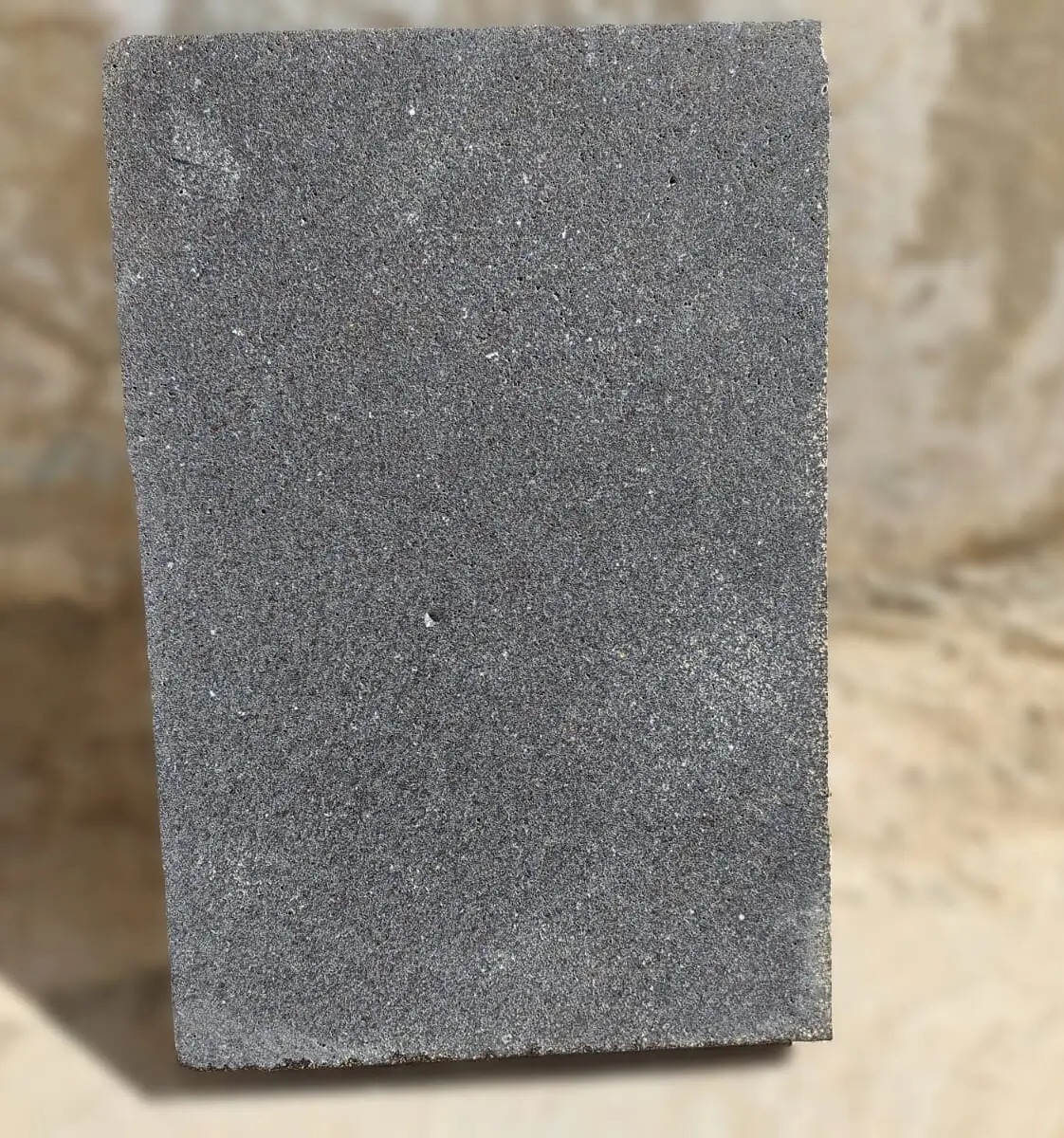
Your paver selection directly impacts achievable flatness tolerances. Material thickness consistency matters more than you might expect — pavers with thickness variation exceeding ±3mm create lippage conditions that become problematic during installation. Professional installations require you to verify thickness tolerance specifications before procurement, particularly when sourcing wholesale paver materials in Peoria for large court projects. The industry standard allows ±5mm thickness variation, but bocce court applications demand tighter tolerances.
- You need base aggregate compaction reaching 98% Modified Proctor density minimum
- Your paver thickness tolerance should not exceed ±3mm for optimal flatness
- You must verify straightedge measurements during installation, not after completion
- Surface flatness testing should occur at multiple orientations across court length
Thermal Performance in Desert Climate Conditions
Arizona’s extreme temperature ranges create thermal performance challenges that affect both material selection and gameplay timing. When you specify paving stone sport area Arizona installations, you’re dealing with surface temperatures that routinely reach 150-165°F during summer afternoons in Phoenix and Yuma locations. This thermal exposure affects material dimensional stability, surface texture durability, and player comfort during extended gameplay sessions.
The thermal mass properties of your selected pavers determine heat retention patterns that extend playing season limitations. Dense pavers with low porosity retain heat 3-4 hours beyond sunset, maintaining surface temperatures above 110°F until 9-10 PM during peak summer months. You’ll find that material porosity between 4-7% provides optimal balance — sufficient thermal mass for temperature moderation without excessive heat retention that limits evening play opportunities.
Color selection dramatically influences surface temperature performance. Light-colored pavers reflect 40-50% more solar radiation than dark materials, resulting in surface temperature reductions of 20-25°F under identical sun exposure conditions. When you design paving stone bocce ball court Arizona projects for locations with summer temperatures exceeding 110°F, specifying materials with Solar Reflectance Index (SRI) values above 45 becomes essential for maintaining playable surface conditions during afternoon hours.
- You should specify pavers with SRI values exceeding 45 for summer playability
- Your material porosity range should target 4-7% for thermal balance
- Light-colored surfaces reduce temperatures by 20-25°F compared to dark pavers
- You need to account for 3-4 hour heat retention extending beyond sunset
Dimensional Stability and Expansion Joint Planning
Thermal expansion affects bocce court installations differently than typical patio applications due to the extended linear dimensions involved. A 60-foot court length experiences thermal expansion ranging from 0.18 to 0.24 inches when temperatures cycle between winter lows and summer highs in Arizona climates. You must design expansion joint placement that accommodates this movement without creating surface irregularities that affect ball roll characteristics.
When you specify paving stone recreational court Arizona installations, expansion joint placement every 15-20 feet becomes mandatory rather than optional. The common mistake involves treating bocce courts like standard patios — inadequate expansion accommodation creates mid-court heaving or joint separation that disrupts gameplay. Your joint design must allow movement while maintaining surface continuity that doesn’t deflect bocce balls during play.
Material selection influences expansion coefficients significantly. Concrete pavers exhibit thermal expansion coefficients ranging from 5.0 to 6.5 × 10⁻⁶ per °F, while natural stone materials vary from 4.0 to 8.0 × 10⁻⁶ per °F depending on mineral composition. You need to calculate expected movement based on your specific material selection and local temperature extremes — generic expansion joint spacing recommendations don’t account for Arizona’s 80-90°F annual temperature swings in many locations.
Surface Texture Consistency and Ball Roll Performance
Bocce ball gameplay demands surface texture uniformity that recreational players often underestimate during design phases. The ball roll distance and directional consistency depend on friction coefficients that vary with surface texture variations. When you specify paving stone playing surface Arizona courts, you’re selecting materials that must maintain texture consistency across hundreds of individual pavers comprising the 10-foot × 60-foot playing area.
Manufacturing process variations create texture differences between production batches that become apparent during installation. You should require pavers from single production runs when possible, particularly for competitive bocce courts where players notice subtle surface variations affecting gameplay. The warehouse inventory verification process should confirm batch consistency rather than assuming mixed-batch materials will provide acceptable uniformity.
Surface finish selection affects both ball roll performance and slip resistance for player safety. Smooth-finished pavers provide consistent ball roll but may create slip hazards when moisture is present. Textured surfaces improve traction but introduce variability in ball speed and direction. You’ll find that lightly textured finishes with consistent aggregate exposure provide optimal balance — enough texture for safety without significant ball roll interference.
- You need single-batch pavers for texture consistency across the court
- Your surface finish should balance ball roll predictability with slip resistance
- Texture variations between batches affect gameplay more than color variations
- You should verify finish consistency during material acceptance, not after installation
Base Preparation Standards Exceeding Typical Hardscape
The base preparation requirements for paving stone bocce ball court Arizona installations exceed conventional patio or walkway standards by substantial margins. You’re constructing a precision playing surface rather than a decorative landscape feature — base preparation tolerances must reflect this performance difference. Professional bocce court installations require base flatness within 1/8 inch over 10 feet, compared to 1/4 inch tolerances acceptable for typical hardscape applications.
Your base aggregate specification should address particle size distribution, compaction characteristics, and drainage performance simultaneously. The optimal base material combines crushed angular aggregate in the 3/4-inch minus range with sufficient fines content (8-12%) to achieve dense compaction without compromising drainage. You’ll encounter problems when base materials contain excessive fines that create drainage restrictions or insufficient fines that prevent adequate compaction density.
Compaction methodology affects long-term surface stability more than initial base depth. You need mechanical plate compactors delivering minimum 5,000 pounds force for aggregate base layers, with vibratory compaction occurring in maximum 3-inch lifts. The common shortcut involves thick-lift compaction that achieves surface density while leaving loose material at depth — this creates delayed settlement that manifests 12-24 months post-installation when you can’t easily remedy the condition.
Material Thickness Selection for Traffic and Stability
Bocce courts experience different loading patterns than vehicular or pedestrian applications, but material thickness selection remains critical for long-term performance. You’re dealing with concentrated loads from players walking the court length repeatedly, combined with maintenance equipment traffic and occasional heavy loads during court preparation activities. When you specify paving stone game court surfaces Arizona projects, minimum thickness requirements differ from residential patio applications.
Professional bocce court installations typically require 60mm (2.375-inch) minimum paver thickness for pedestrian-only courts, increasing to 80mm (3.125-inch) thickness when maintenance equipment access is anticipated. The thickness specification affects both load-bearing capacity and dimensional stability — thicker pavers resist warping and edge chipping that thinner materials experience under repeated loading cycles.
Your thickness selection interacts with base preparation quality in ways that affect overall system performance. Exceptional base preparation may allow reduced paver thickness, while marginal base conditions demand increased thickness for acceptable performance. You should avoid the temptation to compensate for poor base work with thicker pavers — proper base preparation provides better long-term value than material thickness increases attempting to overcome substrate deficiencies.
- You need 60mm minimum thickness for pedestrian bocce courts
- Your specification should increase to 80mm when equipment access occurs
- Thicker pavers resist edge damage and dimensional warping more effectively
- You cannot substitute increased thickness for inadequate base preparation
Color Consistency Across Large Playing Areas
Color variation across bocce court surfaces creates visual distractions that affect player concentration and detract from facility appearance. When you design paving stone recreational court Arizona installations, color consistency becomes more critical than typical landscape applications where natural variation often enhances aesthetic appeal. Tournament players expect uniform surface appearance that doesn’t create visual reference points affecting ball placement judgment.
Manufacturing processes introduce color variations between production runs that become obvious when pavers from different batches are installed adjacent to each other. You should specify materials from single production lots for the entire court surface, ordering 10-15% excess material to ensure repair stock matches original installation color. The cost premium for single-lot material procurement is minimal compared to the visual inconsistency created by mixed-batch installations.
Natural weathering affects different paver colors at varying rates based on mineral composition and surface porosity. Light-colored materials often show less weathering variation than dark pavers that may develop uneven fading patterns. You’ll find that mid-tone earth colors provide best long-term consistency — light enough to moderate surface temperatures while avoiding the dramatic weathering variations that very dark materials sometimes exhibit in high-UV Arizona environments.
Joint Spacing Specifications and Fill Material Selection
Joint spacing uniformity affects both visual appearance and functional performance in paving stone bocce ball court Arizona applications. You need consistent joint widths that accommodate thermal expansion while maintaining the tight spacing that prevents ball deflection during play. Professional installations maintain 2-3mm joint spacing throughout the court, with variation not exceeding ±0.5mm across the playing surface.
Your joint fill material selection influences long-term maintenance requirements and surface stability. Polymeric sand products provide superior joint stabilization compared to conventional sand, reducing erosion and preventing weed establishment. When you specify paving stone playing surface Arizona courts, you should require polymeric sand formulations designed for high-temperature performance — standard products may soften during summer heat, while premium formulations maintain stability at surface temperatures exceeding 150°F.
Joint fill installation methodology affects product performance as significantly as material selection. You must ensure pavers are completely dry before polymeric sand application, with installation occurring when temperatures range between 40-85°F for optimal activation. The common error involves installation during marginal weather conditions that compromise joint fill curing — failed joint stabilization requires complete removal and reinstallation rather than simple repair procedures.
- You should maintain 2-3mm joint spacing with ±0.5mm maximum variation
- Your joint fill specification must address high-temperature stability requirements
- Polymeric sand installation requires specific temperature and moisture conditions
- You need completely dry pavers before joint fill application begins
Drainage Design Considerations for Playing Surface
Proper drainage design ensures bocce courts return to playable condition quickly after precipitation events while preventing surface water accumulation that damages base materials. When you specify paving stone sport area Arizona installations, you’re typically dealing with intense monsoon rainfall that delivers 1-2 inches precipitation in short duration events. Your drainage system must handle these peak flow conditions without surface flooding or base erosion.
Court slope design requires careful balance between drainage performance and gameplay requirements. You need minimum 1% slope for adequate drainage, but slopes exceeding 1.5% create noticeable grade that affects bocce ball roll characteristics. The optimal approach establishes 1-1.25% slope along court length with crown or cross-slope minimal enough to avoid gameplay interference — typically 0.5% maximum cross-slope maintains drainage without affecting ball trajectory.
Your base drainage layer prevents subsurface water accumulation that causes settlement and frost heaving in higher elevation Arizona locations. The drainage layer should consist of 4-6 inches of clean 3/4-inch aggregate placed over properly graded subgrade, with provision for water to exit the court perimeter rather than accumulating beneath the playing surface. Locations with heavy clay soils may require additional drainage provisions including perforated pipe systems that standard installations don’t need.
Edge Restraint Systems for Dimensional Stability
Edge restraint installation determines whether your paving stone bocce ball court Arizona project maintains dimensional integrity throughout its service life. Inadequate edge restraint allows lateral paver movement that creates joint opening, surface settling, and progressive deterioration starting from court perimeter. You need commercial-grade edge restraint systems rather than residential landscape edging products for bocce court applications.
Professional installations utilize spike-and-edge restraint systems with minimum 10-inch spikes driven every 12-18 inches around court perimeter. The restraint profile should extend at least 1 inch above base layer to prevent paver rotation under loading. When you design paving stone game court surfaces Arizona projects, you should specify restraint systems manufactured from high-density polyethylene or aluminum — these materials withstand Arizona’s thermal cycling without becoming brittle or losing retention capacity.
Your restraint installation must occur on firm, undisturbed base material rather than loose aggregate. The common mistake involves installing edge restraint before final base compaction, which allows restraint movement during subsequent base preparation. You should complete all base work first, then install restraint systems on the compacted base perimeter immediately before paver placement begins.
- You need commercial-grade restraint with 10-inch spikes minimum
- Your restraint profile must extend 1 inch above base layer
- Spike spacing should not exceed 12-18 inches around perimeter
- You must install restraint on compacted base, not loose aggregate
Citadel Stone – Premier Bulk Paver Stones in Arizona — Bocce Court Specification Guidance
When you evaluate Citadel Stone’s bulk paver stones in Arizona for your bocce court project, you’re considering materials engineered for the state’s extreme climate performance requirements. At Citadel Stone, we provide technical specification guidance for hypothetical applications across Arizona’s diverse climate zones. This section outlines how you would approach paving stone recreational court Arizona material selection for six representative cities, addressing the specific environmental factors that influence long-term court performance.
Phoenix Heat Specifications
In Phoenix, you would encounter sustained summer temperatures exceeding 110°F for 30-40 days annually, creating surface conditions that reach 160°F during peak afternoon hours. Your material specification should prioritize light-colored pavers with Solar Reflectance Index values above 50 to maintain playable surface temperatures. You would need to account for thermal expansion across the 60-foot court length, requiring expansion joints every 15 feet with 3/8-inch joint width minimum. The urban heat island effect in Phoenix amplifies thermal stress, making high-SRI materials essential rather than optional for summer playability extending into evening hours.
Tucson Monsoon Drainage
Your Tucson installation would need enhanced drainage provisions addressing monsoon precipitation that delivers intense rainfall during July-September periods. You should specify minimum 1.25% court slope with robust base drainage layers incorporating 6 inches of clean aggregate over properly graded subgrade. The clay-rich soils common in Tucson locations require you to verify soil expansion characteristics before base design — expansive soils demand thicker aggregate base layers or soil stabilization measures preventing seasonal movement. You would plan installations for October-May periods when moisture content remains stable and thermal conditions favor optimal construction sequencing.
Scottsdale Aesthetic Standards
Scottsdale applications would emphasize aesthetic consistency meeting the community’s high visual standards for recreational facilities. You should require single-batch paver procurement ensuring color uniformity across the entire court surface without the variation that mixed batches create. Your specification would address both playing surface appearance and perimeter detailing that integrates with surrounding landscape design. Material selection would favor mid-tone earth colors providing thermal performance while maintaining the refined appearance Scottsdale facilities demand — surface temperatures moderate enough for extended play while avoiding the stark appearance that very light pavers sometimes present.
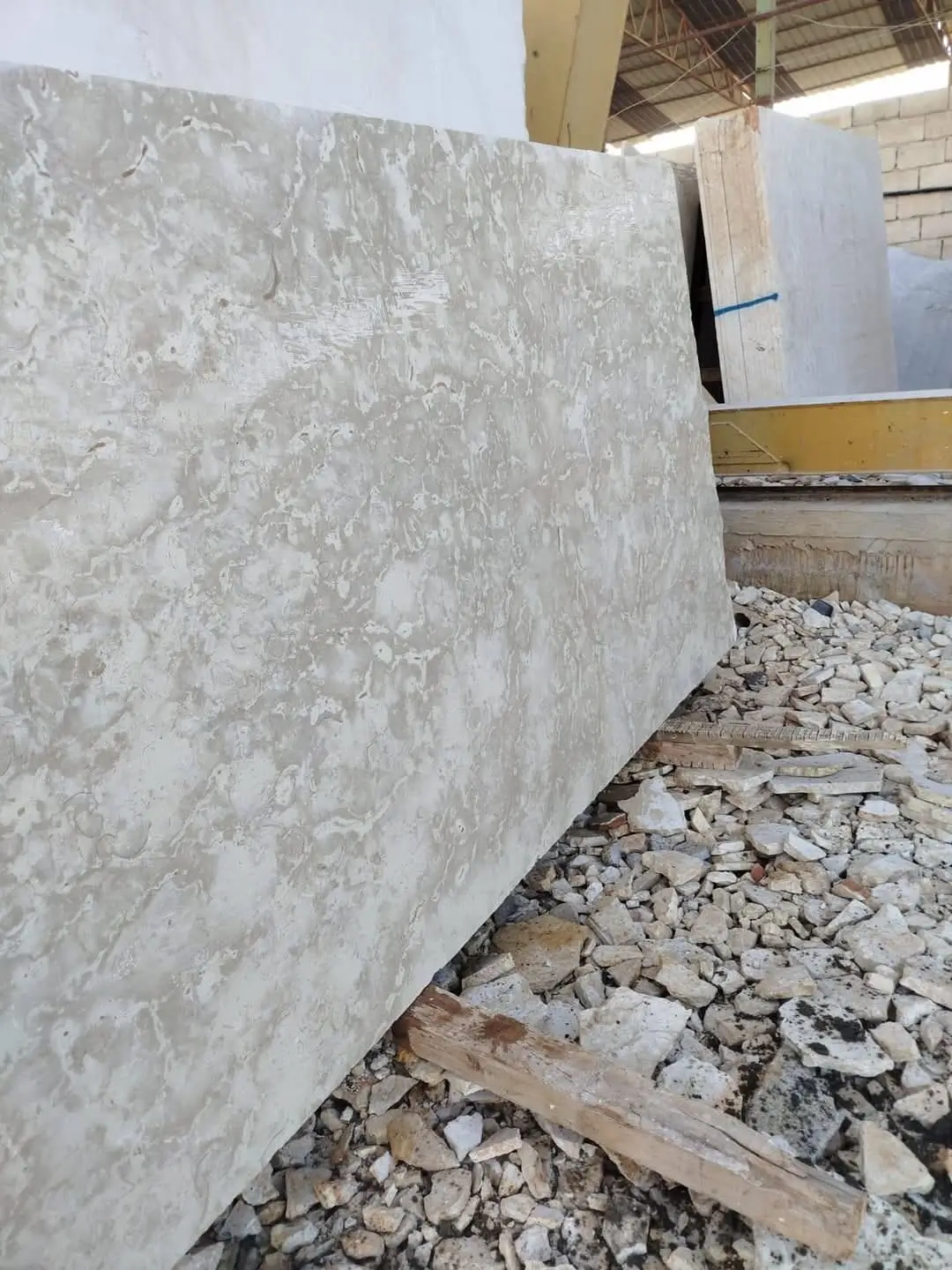
Flagstaff Freeze-Thaw Resistance
Flagstaff’s elevation creates freeze-thaw cycling that other Arizona locations don’t experience, requiring you to specify materials with proven freeze-thaw durability. Your paver selection would need ASTM C1645 compliance with maximum 1% weight loss after 50 freeze-thaw cycles. You would account for moisture management preventing subsurface water accumulation that causes frost heaving during winter months. Base preparation would include enhanced drainage provisions with perforated pipe systems ensuring water exits the court structure rather than remaining in base layers where freezing causes expansion and surface disruption. Material porosity specifications would target 4-6% range — sufficient for drainage without excessive water absorption that accelerates freeze-thaw deterioration.
Sedona Color Integration
Your Sedona project would require paver color selection complementing the area’s distinctive red rock landscape while maintaining functional performance requirements. You should specify earth-tone materials in terracotta or warm tan ranges that harmonize with natural surroundings without attempting to exactly match red rock coloration. The specification would address long-term color stability under high-UV exposure that Sedona’s 4,500-foot elevation creates — UV intensity at this elevation accelerates color fading in materials without adequate pigment stabilization. You would verify that selected pavers maintain color consistency through at least 500 hours accelerated weathering testing simulating Arizona’s intense solar exposure conditions.
Yuma Extreme Temperature Performance
Yuma represents Arizona’s most extreme thermal environment, where you would face summer temperatures exceeding 115°F for extended periods and surface temperatures potentially reaching 170°F on dark pavers. Your material selection would prioritize maximum solar reflectance within acceptable color ranges — light gray or tan pavers with SRI values approaching 60 become necessary for any summer playability. You should account for minimal seasonal temperature variation that prevents the extended spring and fall playing seasons other locations enjoy. Installation timing would target November-February periods when temperatures remain moderate and thermal stress on fresh installations minimizes risk of early joint opening or edge displacement before materials fully stabilize.
Long-Term Maintenance Requirements and Court Longevity
Professional bocce court maintenance extends surface life significantly beyond neglected installations. When you plan paving stone bocce ball court Arizona facilities, you should establish maintenance protocols addressing joint fill retention, surface cleaning, and periodic releveling that prevents minor issues from becoming major problems. Your maintenance program should include quarterly joint fill inspection with sand replenishment maintaining 85-95% fill capacity throughout the playing season.
Annual power washing removes accumulated surface debris and organic material that creates slip hazards and promotes vegetation establishment in joints. You need to schedule washing during mild temperature periods rather than summer months when rapid water evaporation leaves mineral deposits creating surface discoloration. The washing process should use 1,500-2,000 PSI pressure maximum — higher pressures erode joint fill and may damage paver surface textures.
Your long-term maintenance planning should anticipate releveling requirements every 8-12 years as base materials experience minor settlement from repeated moisture cycling and compaction over time. Professional releveling involves removing pavers, regrading base materials to restore original flatness tolerances, and reinstalling pavers with fresh joint fill. This maintenance intervention costs 30-40% of new installation but extends court life an additional 10-15 years when performed properly.
- You should inspect and replenish joint fill quarterly during playing season
- Your annual washing should use 1,500-2,000 PSI maximum pressure
- You need to plan for releveling every 8-12 years maintaining flatness standards
- Maintenance costs typically run 2-3% of installation cost annually
Common Specification Mistakes Affecting Court Performance
The most frequent specification error involves treating bocce courts like standard patio applications without accounting for the precision requirements competitive play demands. You’ll encounter problems when specifications allow standard patio flatness tolerances rather than the tighter requirements bocce gameplay needs. This mistake becomes apparent only after installation when balls don’t roll true and players complain about surface inconsistencies that can’t be corrected without complete reconstruction.
Inadequate expansion joint planning creates mid-court heaving or separation that disrupts gameplay and creates trip hazards. When you design paving stone playing surface Arizona courts, you cannot omit expansion joints or space them according to typical landscape hardscape standards. The 60-foot court length demands expansion accommodation that typical 12-foot × 12-foot patios don’t require — this fundamental difference must inform your expansion joint specifications from the initial design phase.
Your base preparation specifications must address compaction density verification rather than simply specifying aggregate depth. The common mistake involves detailed paver specifications with minimal attention to base preparation standards that determine long-term performance. You should require compaction testing at multiple court locations confirming 98% Modified Proctor density achievement before paver installation begins — this verification cost represents minimal investment compared to addressing base failure after court completion.
Installation Timing and Environmental Conditions
Optimal installation timing significantly affects bocce court construction success in Arizona’s climate extremes. You should schedule installations during October-April periods when temperatures range between 50-85°F and precipitation risk remains minimal. Summer installations face challenges from extreme heat affecting worker productivity, material handling safety, and polymeric sand curing conditions. Winter installations in higher elevation locations must account for freeze risk that damages fresh installations before materials fully stabilize.
Your installation sequence should account for material acclimation periods allowing pavers to reach ambient temperature before placement. Pavers delivered from warehouse storage at 70°F and placed during 105°F afternoons experience thermal shock that may cause micro-cracking or dimensional changes. You should require on-site material storage for 24-48 hours before installation begins, allowing thermal equilibration that minimizes installation stress.
Environmental conditions during joint fill installation affect long-term performance more than many specifiers realize. You need completely dry pavers with installation occurring when temperatures range between 40-85°F and no precipitation is forecast for 24 hours post-installation. The truck delivery scheduling should account for these environmental windows rather than forcing installation during marginal conditions that compromise polymeric sand activation and curing processes.
Project Planning Essentials
Your successful bocce court project requires integrated planning that addresses material selection, base preparation, installation methodology, and long-term maintenance from the initial design phase. When you specify paving stone bocce ball court Arizona installations, you’re committing to precision standards that exceed typical landscape hardscape applications. The performance requirements demand attention to details that recreational patio projects don’t encounter — surface flatness tolerances, thermal expansion accommodation, and color consistency across large areas all require specification precision that generic hardscape documents don’t provide.
Professional procurement should verify warehouse availability of sufficient single-batch materials before project commitments are finalized. You cannot assume material availability at project start or accept mixed-batch substitutions without compromising court performance and appearance. The specification process should include material verification procedures confirming thickness tolerances, color consistency, and finish uniformity before installation begins rather than discovering deficiencies after pavers are placed. For additional guidance on related applications, review Durable paving stones create defined garden borders in Arizona before you finalize your comprehensive site development documents. Complete offerings available through Citadel Stone’s full paver stone materials in Arizona catalog.