
When you take on historic restoration projects in Arizona, you’re facing a unique challenge that goes beyond standard new construction. The state’s architectural heritage spans from Spanish Colonial missions to Territorial-era courthouses and mid-century modern landmarks, each requiring period-appropriate materials that meet both preservation standards and climate demands. Your success depends on understanding how paving stone historic restoration Arizona requires balancing authenticity with performance in one of the nation’s harshest climates.
The thermal extremes, intense UV exposure, and dramatic seasonal shifts that define Arizona’s environment create specific material requirements you won’t encounter in other regions. You need to specify materials that replicate historical appearance while surviving surface temperatures exceeding 160°F, UV degradation that accelerates at 7,000-foot elevations, and freeze-thaw cycles in northern zones. This isn’t about finding vintage materials — it’s about sourcing modern equivalents that match period specifications while delivering contemporary durability.
Understanding Heritage Paving Requirements
Your specification process for paving stone heritage matching Arizona projects starts with comprehensive documentation of existing conditions. You’ll need to analyze original material composition, dimensional tolerances, surface finishes, and installation patterns before selecting replacement materials. The common mistake is assuming visual similarity equals functional compatibility — historical pavers often exhibit material properties that don’t align with modern performance standards.
Period-appropriate materials from the 1880s-1950s typically show compressive strengths between 6,000-9,000 PSI, lower than today’s 12,000+ PSI commercial products. When you’re matching existing installations, you need to consider how differential hardness affects wear patterns and long-term visual consistency. A restoration using modern high-strength pavers alongside softer original materials will show distinct weathering rates within 5-7 years, creating obvious visual discontinuities that compromise historical authenticity.
The porosity characteristics of historical materials present another critical matching challenge. Original pavers often exhibit 8-12% porosity compared to modern products at 3-6%, affecting everything from surface texture to moisture absorption patterns. You’ll find that higher porosity creates the weathered patina characteristic of aged installations, but it also increases efflorescence risk and freeze-thaw vulnerability in Flagstaff and Sedona applications. Your specification must balance aesthetic authenticity with climate-appropriate performance.
Material Selection for Period Accuracy
When you evaluate materials for paving stone period replication Arizona projects, you need to understand the geological sources that defined historical installations. Spanish Colonial-era projects (1690s-1821) predominantly used local limestone and sandstone, while Territorial period (1863-1912) installations introduced fired clay brick and granite. Your material selection should reflect not just visual characteristics but also the regional geology that originally determined material availability.
Historical limestone pavers from Arizona sources exhibit specific characteristics you’ll need to replicate: cream to buff coloration with iron oxide veining, moderate porosity (6-9%), and relatively soft surface hardness (3-4 Mohs scale). Modern limestone equivalents must match these properties while incorporating contemporary treatments that enhance UV resistance and reduce efflorescence potential. You should specify materials with similar calcium carbonate content (92-96%) to ensure weathering patterns develop consistently with adjacent historical elements.
- You need to verify that replacement materials match original dimensional tolerances, typically ±3/8″ for hand-cut historical pavers versus ±1/8″ for modern production
- Your color specifications should account for how Arizona’s intense UV exposure bleaches surface pigments 15-20% lighter within the first 18 months
- You’ll want to ensure porosity ranges align within 2-3% of original materials to maintain consistent moisture absorption and staining patterns
- Surface finish replication requires matching original tooling marks, whether hand-chiseled, flame-finished, or naturally split
The challenge intensifies when you’re working with early 20th-century projects that incorporated materials from distant quarries no longer in operation. Territorial courthouse projects often specified granite from Texas or sandstone from Colorado, creating color and texture profiles you can’t source from original suppliers. Your approach requires identifying modern quarries producing geologically similar materials, then testing samples under accelerated weathering conditions that simulate Arizona’s thermal cycling and UV exposure.
Thermal Performance Considerations
Arizona’s extreme temperature fluctuations create performance demands that historical materials weren’t engineered to withstand over extended timeframes. You’re specifying for environments where surface temperatures swing 80-100°F between night and day, creating thermal stress cycles that exceed what original installations experienced due to urban heat island effects and reduced vegetation coverage. Modern paving stone historic restoration Arizona projects require you to account for thermal expansion coefficients while maintaining period-appropriate joint spacing and pattern work.
Historical installations typically used wider joint spacing (1/2″ to 3/4″) compared to modern standards (3/16″ to 3/8″), partially accommodating thermal movement through sand-filled voids. When you replicate these patterns, you need to verify that selected materials exhibit thermal expansion coefficients compatible with original joint dimensions. Limestone expands at approximately 4.7 × 10⁻⁶ per °F, while sandstone ranges from 6.2-7.8 × 10⁻⁶ per °F — differences that become critical when you’re integrating new materials with existing historical elements.
The thermal mass properties of period materials affect how you approach installation timing and joint filling protocols. Historical pavers with higher porosity and lower density (125-140 lbs/ft³) heat and cool more rapidly than dense modern equivalents (150-165 lbs/ft³), creating differential movement rates at material transitions. You should plan installations during moderate temperature periods (65-85°F) and avoid joint filling when surface temperatures exceed 95°F, as thermal expansion will compress joint sand and lead to 30-40% void loss during subsequent cooling cycles.
Pattern Replication Techniques
Your success with paving stone historical accuracy Arizona projects depends on precise documentation and replication of original laying patterns. Historical installations exhibit subtle irregularities — slight rotational variations, dimensional adjustments, and coursing modifications — that distinguish authentic period work from mechanically precise modern installations. You need to resist the temptation to “improve” historical patterns with contemporary precision; authenticity requires embracing controlled irregularity.
Common historical patterns in Arizona restoration work include running bond (offset 50% or random), herringbone (45° or 90°), and basketweave configurations, each with period-specific dimensional relationships. Spanish Colonial installations often show running bond with 40-60% offset variations rather than strict 50% alignment, reflecting hand-laying techniques and dimensional variability in original materials. When you specify pattern work, you should define acceptable tolerance ranges that permit these historical characteristics rather than requiring rigid geometric precision.
For projects involving contractor paving suppliers, you’ll find that communicating pattern irregularities requires detailed drawings with dimensional tolerance callouts. Your specification documents should include photographic documentation of existing conditions, measured drawings showing actual (not idealized) pattern layouts, and written descriptions of acceptable variation ranges. Installation crews accustomed to modern precision work need explicit guidance that historical replication intentionally incorporates the irregularities that define period authenticity.
Color Matching Weathered Surfaces
The color evolution of paving stone vintage reproduction Arizona materials presents one of restoration’s most challenging aspects. Historical pavers exhibit weathering patinas developed over 50-150 years of UV exposure, moisture cycling, biological growth, and traffic wear — characteristics you cannot fully replicate in new materials without extended aging periods. Your approach requires understanding both the base material coloration and the surface treatments that accelerate patina development.
Natural limestone in Arizona installations typically weathers from cream/buff tones to light gray surfaces with darker gray veining, a process driven by UV bleaching of iron oxide compounds and surface carbonation. You can specify materials pre-treated with accelerated weathering processes, but recognize these treatments simulate only 10-15 years of natural aging. For seamless visual integration, you’ll need to blend new materials throughout the installation area rather than concentrating them in distinct zones where color differences become obvious.
- You should evaluate color samples after exposing them to Arizona sunlight for 90-120 days, as initial quarry colors often shift significantly during early weathering phases
- Your specifications need to address acceptable color variation ranges, typically ±15% lightness value for aged limestone matches
- You’ll want to consider how wet and dry surface appearances differ, as historical materials often show 25-30% darker coloration when moisture-saturated
- Surface biological growth (lichens, algae) contributes to aged appearance but requires 3-5 years to establish on new materials in most Arizona climates
The interaction between base material color and joint sand selection significantly affects overall visual appearance. Historical installations used locally-sourced sand that often contained clay and silt fractions, creating joints that darken and bind more cohesively than modern washed silica sand. When you specify joint materials for paving stone heritage matching Arizona projects, you should test blended sands containing 5-8% fines content to better replicate historical joint appearance and performance.
Structural Compatibility Requirements
When you integrate new materials with existing historical installations, structural compatibility extends beyond surface appearance to include base preparation, bedding methods, and edge restraint systems. Historical installations often rest on compacted soil bases or minimal aggregate layers (2-4 inches), while modern standards require engineered bases of 6-12 inches depending on soil conditions and traffic loads. Your restoration approach must determine whether to match original construction methods or incorporate contemporary base improvements that ensure long-term stability.
The trade-off between historical authenticity and structural performance becomes critical in high-traffic restoration areas. Original installations that have survived 75+ years demonstrate adequate structural capacity for their use conditions, but increased pedestrian loads or vehicular access may exceed original design intent. You need to evaluate whether subsurface improvements can be incorporated without disturbing historical materials, or whether limited-area replacement becomes necessary to achieve required structural performance.
Edge restraint in historical installations typically consisted of larger dimension stone borders, concrete curbing, or compacted soil edges — systems that allow gradual outward creep over decades. Modern plastic or aluminum edge restraints provide superior containment but create visual discontinuities when exposed at grade. Your specification should address whether to replicate original edge conditions (accepting gradual movement) or incorporate concealed modern restraints that maintain historical appearance while improving structural stability.
Weathering and Patina Development
You’ll find that newly installed paving stone period replication Arizona materials initially appear conspicuously different from adjacent aged surfaces, regardless of how carefully you’ve matched color and texture. The surface micro-topography that develops through decades of weathering — minute pitting, selective mineral erosion, and biological colonization — cannot be fully replicated through manufacturing processes. Your project timeline should account for 3-5 year patina development periods before new installations visually integrate with historical contexts.
Accelerated weathering treatments offer partial solutions but require careful evaluation of their long-term performance implications. Acid washing creates surface etching that simulates weathering effects but increases porosity and may accelerate subsequent degradation. Sandblasting produces surface texture variations but can weaken surface integrity in softer materials. You should test any accelerated weathering protocols on sample materials, then expose treated samples to actual site conditions for minimum 6-month periods to verify that artificial aging doesn’t create unintended performance problems.
The biological components of historical patina — lichens, moss, algae — contribute significantly to aged appearance in many Arizona locations, particularly in Flagstaff and Sedona’s higher-elevation, higher-moisture environments. These biological elements require 36-60 months to establish on new materials and cannot be artificially accelerated without creating maintenance problems. Your client communication should establish realistic expectations that complete visual integration develops gradually rather than immediately upon installation completion.
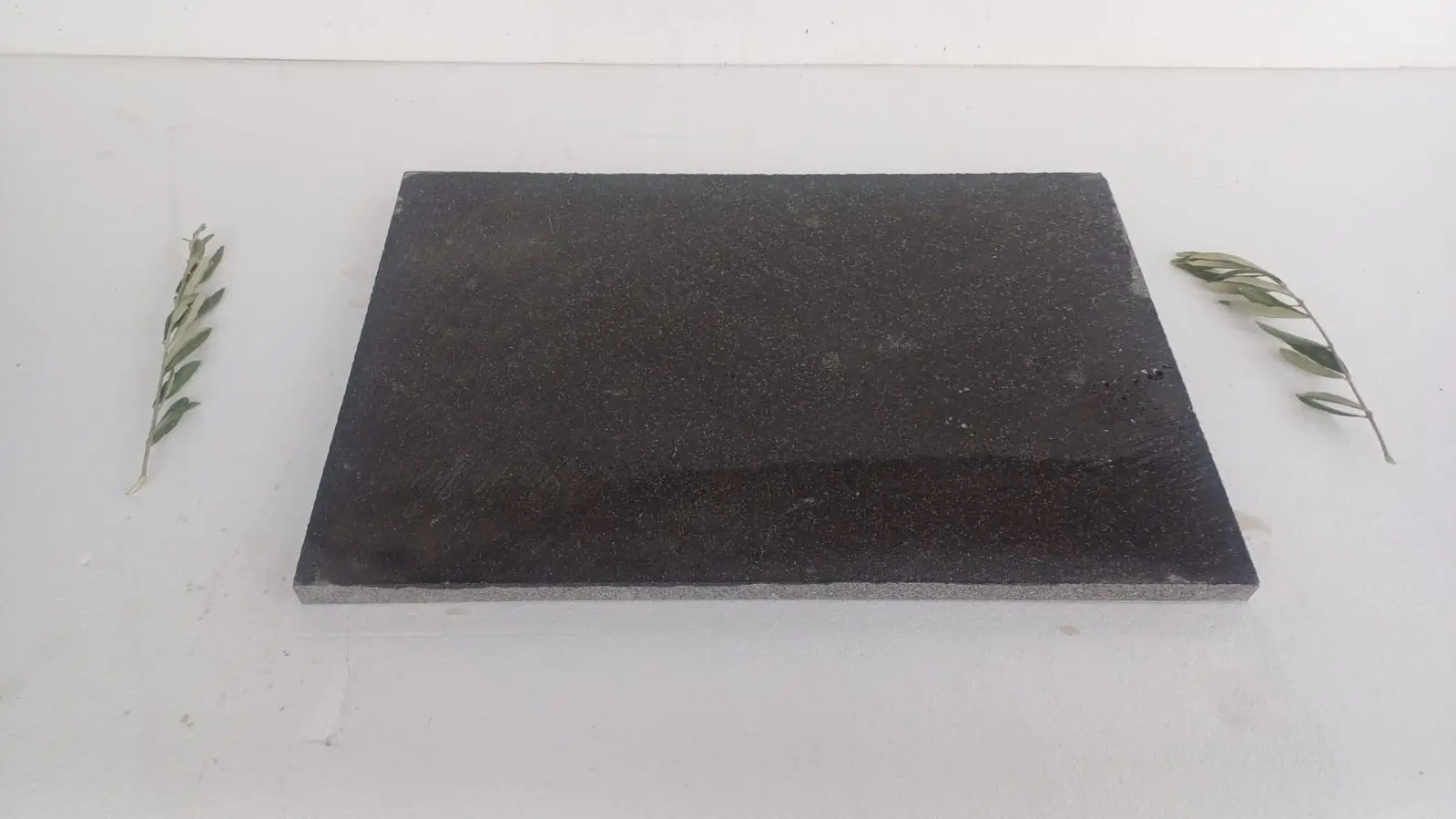
Citadel Stone — Paving Suppliers Arizona Restoration Specifications
When you consider Citadel Stone’s paving suppliers in Arizona for your historic restoration project, you’re evaluating materials specifically selected for compatibility with period construction methods and Arizona’s demanding climate conditions. At Citadel Stone, we provide technical guidance for hypothetical heritage matching applications across Arizona’s diverse architectural and environmental contexts. This section outlines how you would approach material selection and specification development for six representative cities with distinct historical building traditions and climate challenges.
Phoenix Heritage Districts
In Phoenix restoration projects, you would focus on materials compatible with 1890s-1920s Territorial and early 20th-century commercial architecture. The extreme heat demands materials with thermal expansion coefficients below 6.0 × 10⁻⁶ per °F to minimize joint stress in wide courtyards and plaza installations. You’d specify limestone or sandstone with cream to buff coloration matching original regional sources, incorporating UV-stabilized sealers that don’t create surface sheen incompatible with historical appearance. Your base preparation would need to account for expansive clay soils common in central Phoenix, requiring over-excavation and engineered aggregate bases that weren’t part of original installations but ensure long-term stability under modern traffic loads.
Tucson Mission Revival
For Tucson’s Spanish Colonial and Mission Revival contexts, you would prioritize paving stone historical accuracy Arizona through materials replicating hand-cut limestone and fired clay characteristics. The city’s lower elevation and slightly higher humidity compared to Phoenix creates different weathering patterns you’d need to consider in color selection. You’d specify materials with 7-9% porosity to match the moisture absorption characteristics of original installations while incorporating modern efflorescence inhibitors in bedding sand. Joint spacing would replicate the 5/8″ to 3/4″ dimensions typical of 1700s-1800s mission construction, filled with blended sand containing controlled fines content that replicates historical joint appearance and binding characteristics.
Scottsdale Mid-Century Applications
When you approach Scottsdale’s mid-century modern heritage structures, you’d shift focus to materials matching 1950s-1960s architectural aesthetics. These projects often incorporated larger-format pavers (18″ × 18″ to 24″ × 24″) in geometric patterns with precise alignment, requiring materials with tighter dimensional tolerances (±1/8″) than earlier historical periods. You would specify materials with lower porosity (4-6%) matching mid-century production standards, in gray, tan, and earth-tone ranges characteristic of desert modernism. Your installation would incorporate concealed modern edge restraints and structural bases while maintaining the clean lines and precise geometry defining this architectural period.
Flagstaff Freeze-Thaw Zones
At Flagstaff’s 7,000-foot elevation, you’d prioritize paving stone vintage reproduction Arizona materials with proven freeze-thaw durability alongside period authenticity. The combination of historical matching requirements and 100+ annual freeze-thaw cycles demands materials with maximum 5% porosity and minimum 10,000 PSI compressive strength, higher than many original historical materials. You would specify enhanced base drainage systems (12-18″ engineered aggregate) with modern geotextile separation layers that weren’t part of original construction but prevent frost heaving that would compromise historical pattern work. Your material selection would focus on denser limestone varieties or select sandstones that balance period appearance with northern Arizona’s demanding climate conditions.
Sedona Color Coordination
For Sedona restoration work, you’d address the unique challenge of coordinating paving stone heritage matching Arizona materials with the city’s distinctive red rock geological context and strict design guidelines. Historical materials in Sedona often incorporated local sandstone in warm red, orange, and tan ranges that complement natural surroundings. You would specify materials matching these regional color palettes while ensuring they don’t visually compete with dramatic natural backdrops. The area’s moderate climate (compared to Phoenix) and higher moisture levels create favorable conditions for biological patina development, allowing you to specify materials that will naturally weather into visual compatibility within 24-36 months rather than requiring extensive artificial aging treatments.
Yuma Extreme Heat
In Yuma’s extreme heat environment (summer surface temperatures exceeding 165°F), you would prioritize materials with exceptional thermal stability for paving stone historical accuracy Arizona projects. The city’s limited historical building stock primarily dates to early 20th-century territorial and military construction, requiring materials matching simpler pattern work and utilitarian aesthetics. You’d specify lighter-colored materials (cream, light buff) with high solar reflectance to minimize surface temperature development, incorporated with wider joint spacing (3/4″ to 1″) that accommodates aggressive thermal expansion. Your installation timing would be restricted to November-March periods when ambient temperatures allow proper base compaction and joint filling without thermal distortion affecting final pattern geometry and long-term stability.
Documentation and Analysis Protocols
Your restoration specification process requires comprehensive documentation that goes beyond standard architectural photography. You need to create detailed measured drawings showing actual paver dimensions (not nominal sizes), joint widths at multiple locations, pattern variations, and edge conditions. This documentation reveals the dimensional irregularities and installation variations that define historical work, information essential for communicating restoration intent to suppliers and installation contractors.
Material sampling and laboratory testing provide critical data for matching specifications. You should extract samples of existing materials for compressive strength testing, porosity measurement, thermal expansion analysis, and petrographic examination that identifies mineral composition. This testing reveals whether original materials meet, exceed, or fall short of modern performance standards, informing your decisions about whether to match original properties exactly or specify enhanced performance characteristics that ensure long-term durability.
- You need to document existing conditions through measured drawings, photographic records, and written descriptions before beginning material selection
- Your laboratory testing should verify compressive strength, absorption rates, density, and thermal properties of original materials
- You’ll want to create sample mockups testing proposed materials against existing installations under actual site exposure conditions
- Review periods of 6-12 months allow you to evaluate how proposed materials weather relative to historical elements before committing to full procurement
Installation Methodology Considerations
When you develop installation specifications for paving stone period replication Arizona projects, you face decisions about whether to replicate original construction methods or incorporate contemporary techniques that improve performance while maintaining historical appearance. Original installations often used techniques no longer practiced — lime mortar bedding, soil-cement bases, hand-compacted sand setting beds — that contributed to the subtle irregularities characterizing period work.
The trade-off between authenticity and performance becomes particularly acute in high-visibility public spaces where failure risks exceed acceptable levels. You might specify traditional sand-set installation over compacted aggregate base to maintain authentic construction methods in low-traffic heritage gardens, while incorporating modern cement-stabilized bases and mortar-set installation in plaza areas where structural performance and longevity outweigh construction authenticity. Your specifications should clearly delineate which areas receive which installation approaches and explain the reasoning behind these decisions.
Installation crew qualifications significantly impact restoration project success. You need craftspeople who understand both historical construction methods and modern best practices, capable of executing pattern work with appropriate controlled irregularity rather than mechanical precision. Your specifications should require pre-construction mockups demonstrating acceptable pattern replication, color blending, and joint finishing before authorizing full-scale installation. These mockups serve as quality benchmarks throughout construction and provide client approval points before substantial material investment.
Maintenance and Long-Term Performance
Your restoration work requires maintenance planning that addresses both immediate post-installation needs and long-term preservation requirements. Newly installed materials undergo initial settlement and adjustment periods (12-24 months) requiring joint sand replenishment, minor leveling adjustments, and potentially multiple cleaning cycles as construction residues and initial efflorescence emerge. You should prepare clients for these normal adjustment processes rather than presenting restoration as immediately achieving final stable conditions.
Long-term maintenance protocols for paving stone vintage reproduction Arizona installations differ from both modern paving and complete historical preservation approaches. You’re maintaining hybrid installations combining new and aged materials, requiring cleaning methods gentle enough for historical elements while effectively addressing new material characteristics. High-pressure washing, acidic cleaners, and aggressive mechanical cleaning damage historical surfaces, while inadequate maintenance allows biological growth and staining to create visual discontinuities between old and new materials.
The interaction between maintenance practices and patina development requires careful calibration. Over-aggressive cleaning prevents new materials from developing the weathered appearance needed for visual integration, while inadequate maintenance allows excessive biological growth or staining that detracts from heritage aesthetics. Your maintenance specifications should define cleaning frequency, acceptable methods, and visual benchmarks that guide property managers in balancing preservation and presentation objectives.
Regulatory Compliance Requirements
When you work on designated historic properties, your material selections and installation methods require approval from preservation authorities operating at federal, state, and local levels. The Secretary of the Interior’s Standards for Rehabilitation provide overarching guidance emphasizing that restoration work should be visually compatible while remaining distinguishable upon close inspection from original historical fabric. This philosophical approach affects your material specifications — you’re not creating forgeries but rather sympathetic additions that respect historical character.
Local historic preservation ordinances in Arizona cities often impose specific requirements beyond federal standards. Phoenix, Tucson, and Flagstaff maintain historic preservation offices reviewing restoration projects for compliance with district-specific design guidelines. You need to verify local requirements early in your planning process, as some jurisdictions mandate specific material sources, prohibit certain installation techniques, or require archaeological monitoring during subsurface work. These regulatory requirements directly impact project timelines, material procurement strategies, and overall costs.
The documentation requirements for regulatory approval typically include detailed specifications, material samples, installation mockups, and photographic evidence demonstrating compatibility with historical character. You should budget adequate time for review processes that can extend 30-90 days depending on project complexity and jurisdiction. Building these review periods into project schedules prevents delays that could affect material availability, as warehouse stock levels for specialty historical matching materials may not support extended timeline adjustments.
Cost Considerations and Value Engineering
Your budget development for paving stone historical accuracy Arizona projects needs to account for cost premiums inherent in specialty materials and skilled labor requirements. Historical matching materials typically cost 40-75% more than standard commercial products due to specialized production methods, limited production volumes, and extended lead times. You’re not ordering commodity products from warehouse inventory but rather custom or semi-custom materials requiring 8-16 week procurement periods.
The installation labor costs for heritage restoration work exceed standard paving installation by 50-100% due to pattern complexity, precision requirements, and specialized skills. You need craftspeople capable of interpreting historical construction methods and executing controlled irregularity — skills not required in modern commercial work. Your labor budgeting should account for slower production rates (40-60 square feet per day versus 100-150 square feet for standard installations) and higher hourly rates for qualified heritage restoration contractors.
Value engineering opportunities in restoration work require careful evaluation to avoid compromising historical authenticity. You might reduce costs by limiting full historical replication to highly visible primary areas while using simplified compatible materials in secondary zones, but these decisions require preservation authority approval and careful documentation. The long-term cost implications of maintenance requirements and replacement cycles should inform material selection — investing in durable materials that weather appropriately may provide better lifecycle value than less expensive alternatives requiring earlier replacement.
Final Considerations
Your approach to historic paving restoration in Arizona requires balancing multiple competing demands: historical authenticity, climate-appropriate performance, regulatory compliance, budget constraints, and long-term maintenance realities. Success depends on comprehensive planning that addresses these factors systematically rather than prioritizing any single aspect at the expense of others. The most successful restorations achieve visual compatibility with historical contexts while incorporating performance improvements that ensure longevity without compromising heritage character.
The unique combination of Arizona’s architectural heritage and demanding climate creates restoration challenges you won’t encounter in more moderate environments or regions with different historical building traditions. Your material selections must satisfy preservation requirements while surviving thermal extremes, UV exposure, and moisture conditions that accelerate degradation processes. This demands deep understanding of both historical construction methods and contemporary material science, along with willingness to invest in testing and documentation that verifies compatibility before full-scale implementation.
When you partner with specialists experienced in heritage restoration materials and Arizona’s specific environmental demands, you gain access to technical expertise and material sourcing capabilities essential for project success. For additional guidance on related applications, review Impact-absorbing paving stone surfaces for Arizona playground fall protection before finalizing your restoration specifications. Bulk purchasing simplified through Citadel Stone’s streamlined paver stones bulk in Arizona ordering.