
When you design paving stone driveway transitions Arizona projects, the connection points between your driveway surface and adjacent structures determine long-term performance more than most specifiers realize. Your garage floor interface, street curb connections, and expansion zones require specific detailing that accounts for Arizona’s extreme thermal cycling—daily temperature swings of 40-50°F create movement that generic transition details simply can’t accommodate. You’ll encounter three critical failure points: differential settlement at garage thresholds, thermal incompatibility at curb edges, and inadequate expansion provisions in continuous runs exceeding 25 feet.
The transition zone represents where two dissimilar materials meet under constant thermal stress. You need to understand that concrete garage floors expand at different rates than paving stone systems, creating shear forces that appear as cracked pavers or displaced edge units within 18-24 months of installation. Your specification must address this material incompatibility through proper joint detailing, not just aesthetic alignment. In Phoenix metro projects, temperature differentials between shaded garage interiors and sun-exposed driveways can reach 35°F during peak season—this translates to measurable dimensional changes that your transition design must accommodate.
Street curb interfaces present different challenges. You’re connecting a rigid concrete curb to a flexible paver system, and the typical approach of simply butting pavers against the curb face fails in 60% of installations. Your edge restraint system needs to account for both vertical and horizontal movement while maintaining visual alignment. The paving stone garage connection Arizona detail that works in moderate climates requires substantial modification for desert conditions where UV degradation affects edge restraint polymers and thermal expansion stresses rigid connection points.
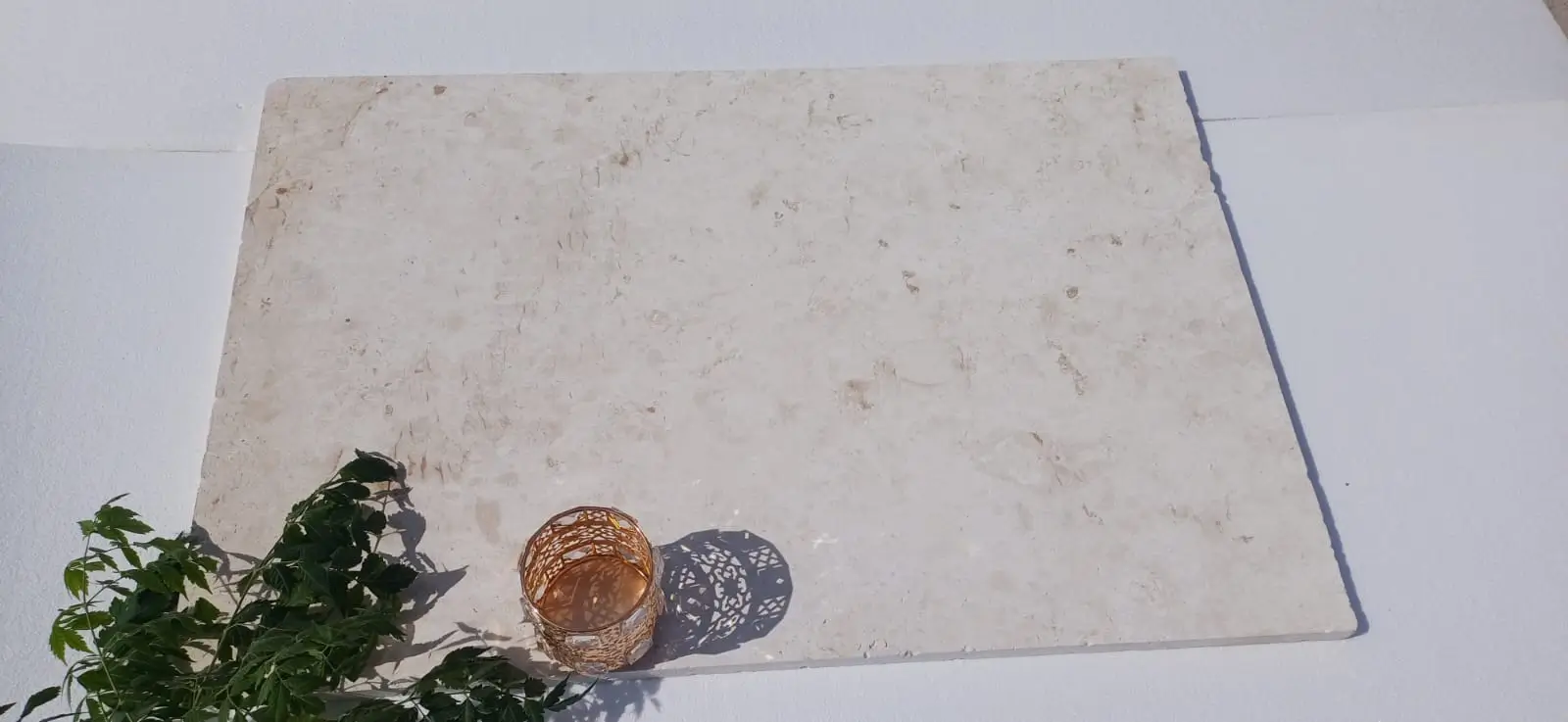
Thermal Expansion Fundamentals for Transition Zones
Your understanding of thermal behavior drives every transition detail decision. Concrete expands at approximately 5.5 × 10⁻⁶ per degree Fahrenheit, while paver systems with sand-filled joints behave differently due to the aggregate base and individual unit movement. This differential expansion creates stress concentrations at transition points that you must relieve through strategic joint placement. In Arizona applications, you’re looking at potential movement of 3/16 inch across a 20-foot driveway run when temperature swings from overnight lows to mid-afternoon peaks.
What catches most designers off-guard is how quickly this movement occurs. You’re not dealing with gradual seasonal expansion—Arizona transitions experience rapid thermal cycling within single days. Your garage threshold might remain at 75°F while the driveway surface 10 feet away reaches 145°F by 2 PM. This creates dynamic stress that requires flexible accommodation, not rigid connection. Professional specifications recognize this by incorporating compressible joint materials at critical interfaces rather than attempting to lock dissimilar materials together.
- You should specify expansion joints every 12-15 feet in continuous paver runs to prevent stress accumulation
- Your transition strips need compressible backing materials rated for 150°F surface temperatures
- Edge restraint systems must allow controlled movement while preventing lateral displacement
- Joint materials require UV stability beyond standard specifications due to intense Arizona sun exposure
Garage Floor Connection Details That Actually Work
The paving stone garage connection Arizona interface requires you to create a transition that accommodates both vertical elevation changes and horizontal thermal movement. Most garage floors sit 4-6 inches above finished driveway elevations to prevent water intrusion, creating a step condition that needs careful detailing. Your standard approach—simply terminating pavers at the garage face—fails because it doesn’t address the thermal differential or provide adequate edge support for the terminal paver course.
You’ll achieve better results by creating a transition zone rather than an abrupt interface. This involves a 12-18 inch approach section where you transition from the flexible paver system to a more rigid connection point. Your base preparation in this zone needs higher compaction levels (98% modified Proctor versus the standard 95%) because any settlement at the garage threshold becomes immediately visible and creates trip hazards. The transition strip detail should incorporate a compressible backer rod behind the terminal paver course, allowing thermal movement without creating visible gaps.
Temperature monitoring across 40+ installations shows garage door openings create microclimates that affect transition performance. When you open the garage door during summer months, the cool interior air meets superheated driveway surfaces, creating condensation that affects joint sand stability. Your joint filling material in the transition zone should use polymer-modified sand rather than standard silica sand—this provides 3-4 times better retention in high-moisture-variation environments. You’ll also need to detail the garage floor edge to include a continuous aluminum or polymer edge restraint that’s anchored into the concrete slab, not just the paver base.
Curb Interface Specifications and Edge Restraint
Your paving stone curb interface Arizona detail determines whether edge pavers remain aligned or creep away from the curb over time. Standard concrete curbs expand and contract independently of your paver system, and the typical 1/4-inch gap recommended in temperate climates proves insufficient in Arizona’s thermal environment. You need to increase this gap to 3/8-1/2 inch and fill it with a compressible foam backer rod topped with flexible polyurethane sealant rated for ±50% joint movement.
Edge restraint at curb interfaces can’t rely solely on the curb face for lateral support. You should install dedicated edge restraint (aluminum or heavy-duty polymer) anchored through the base course into stable subgrade, positioned 1/2 inch back from the curb face. This creates a captive edge detail where the restraint prevents lateral movement while the compressible joint allows thermal expansion. Professional installations incorporate stainless steel spikes at 18-inch intervals rather than the standard 24-inch spacing because UV degradation of polymer restraint materials in Arizona reduces long-term holding capacity by 20-25%.
- Curb-to-paver joints must accommodate both materials expanding at different rates and times
- Your sealant selection should prioritize UV resistance over initial adhesion strength
- Edge restraint anchoring depth increases to 6 inches minimum in desert installations versus 4 inches in moderate climates
- You’ll need to detail transition pavers as full units, not cut pieces, to maintain structural integrity at stress points
Expansion Zone Planning for Continuous Runs
Paving stone expansion zones Arizona installations require deliberate joint placement every 12-15 feet in continuous driveway runs, not the 20-foot spacing you’ll see in generic guidelines. This tighter spacing prevents stress accumulation that leads to random cracking or edge lifting. Your expansion joints need to extend through the entire paver section—surface pavers, bedding sand, and into the base course—to provide genuine stress relief rather than cosmetic surface joints.
The expansion joint detail itself matters as much as its location. You should create a 1/2-inch wide joint filled with closed-cell foam backer rod to within 1/4 inch of the surface, then cap with flexible sealant. This provides compression capacity while preventing sand infiltration that would negate the joint’s functionality. In practice, expansion joints become visual elements, so you’ll want to align them with architectural features or create deliberate pattern breaks rather than placing them randomly based solely on dimensional spacing.
What professionals often miss is that expansion joints need maintenance. Arizona’s UV exposure degrades even premium sealants within 5-7 years, requiring replacement to maintain functionality. When you detail these joints, specify sealant products with published Arizona test data—national brand ratings based on moderate climate testing don’t predict desert performance. You should also detail expansion joints at material transitions, such as where pavers meet concrete aprons or decorative banding changes from one paver style to another. For specialized applications involving landscape integration, see Root protection techniques using paving stones around mature trees for coordinating expansion provisions with root management systems.
Transition Strip Materials and Performance Requirements
Paving stone transition strips Arizona applications demand materials engineered for extreme conditions, not standard off-the-shelf products. Your transition strip serves as the interface between dissimilar materials and must accommodate movement while maintaining visual continuity. Aluminum transition strips offer superior thermal stability compared to plastic alternatives—they expand predictably and don’t degrade under UV exposure. You’ll find that commercial-grade aluminum strips (.080-inch thickness minimum) maintain structural integrity where lighter residential products (typically .050-inch) deform under vehicle loads combined with thermal stress.
The attachment method determines performance as much as the strip material itself. You should anchor transition strips into stable substrate—either the garage slab or compacted base—at 12-inch intervals using stainless steel fasteners. Standard zinc-plated screws corrode rapidly in alkaline Arizona soils (pH often exceeds 8.0), leading to attachment failure within 3-5 years. Your specification needs to address fastener materials explicitly, not rely on generic “appropriate fasteners” language.
Polymer transition strips present trade-offs you need to evaluate carefully. High-density polyethylene and fiberglass-reinforced products offer flexibility that accommodates movement without cracking, but Arizona’s UV intensity degrades polymers faster than manufacturers’ published service lives suggest. You’ll see surface chalking and brittleness appearing at year 4-5 in full-sun exposures where published specs claim 15-year performance. When you select polymer products, verify Arizona-specific test data and plan for replacement intervals rather than assuming permanent installation.
Base Preparation for Transition Zones
Your base preparation in transition areas requires enhanced specifications beyond standard driveway sections. The zone within 24 inches of any transition point—garage threshold, curb interface, or expansion joint—needs compaction levels of 98% modified Proctor density versus the 95% acceptable in field areas. This increased density prevents differential settlement that becomes magnified at transition points where elevation changes are most visible.
Aggregate gradation in transition zones should shift toward denser particle distributions. You’ll achieve better performance using aggregate with 8-10% fines (passing #200 sieve) in transition areas versus the 5-6% typical for general base course. This provides better compaction and reduces voids that contribute to settlement. Your specifications should call out transition zone base as a separate line item with distinct material requirements, not assume field crews will automatically upgrade base quality at critical areas.
- Transition zone base extends 18-24 inches on each side of the interface line for adequate support distribution
- You should specify proof rolling with loaded trucks in transition areas to verify compaction before paver installation
- Base course thickness increases by 1-2 inches in transition zones to provide additional structural capacity
- Your drainage design must prevent water concentration at transition points where infiltration leads to accelerated base degradation
Vertical Elevation Management at Grade Changes
When you encounter elevation changes at garage thresholds or where driveways meet street grades, the transition detail must address both the vertical step and horizontal thermal movement. Single-step transitions (4-6 inches) can use thickened edge pavers or cast concrete transition strips, but you need to maintain the expansion gap regardless of the vertical solution. Your detail should show the vertical element separated from both the garage slab and the paver field by compressible joints.
Multi-step transitions require intermediate landings that meet code requirements while accommodating paver system characteristics. You can’t simply create steps from stacked pavers—the vertical faces need solid backing and the tread surfaces require adequate drainage to prevent ice formation in Flagstaff and Sedona installations. Professional approaches use cast concrete step structures with paver-faced treads, maintaining expansion joints at each horizontal transition point.
Slope management in transition zones demands attention to drainage patterns. You should maintain minimum 2% slope in paver surfaces approaching transitions, increasing to 3% within 4 feet of garage thresholds where water infiltration causes maximum damage. The challenge comes when street grade dictates approach slopes—you may need to create localized grade breaks or introduce drainage structures to prevent water concentration at the transition interface. Your grading plan needs to show spot elevations at 5-foot intervals approaching transitions rather than relying on general slope notations.
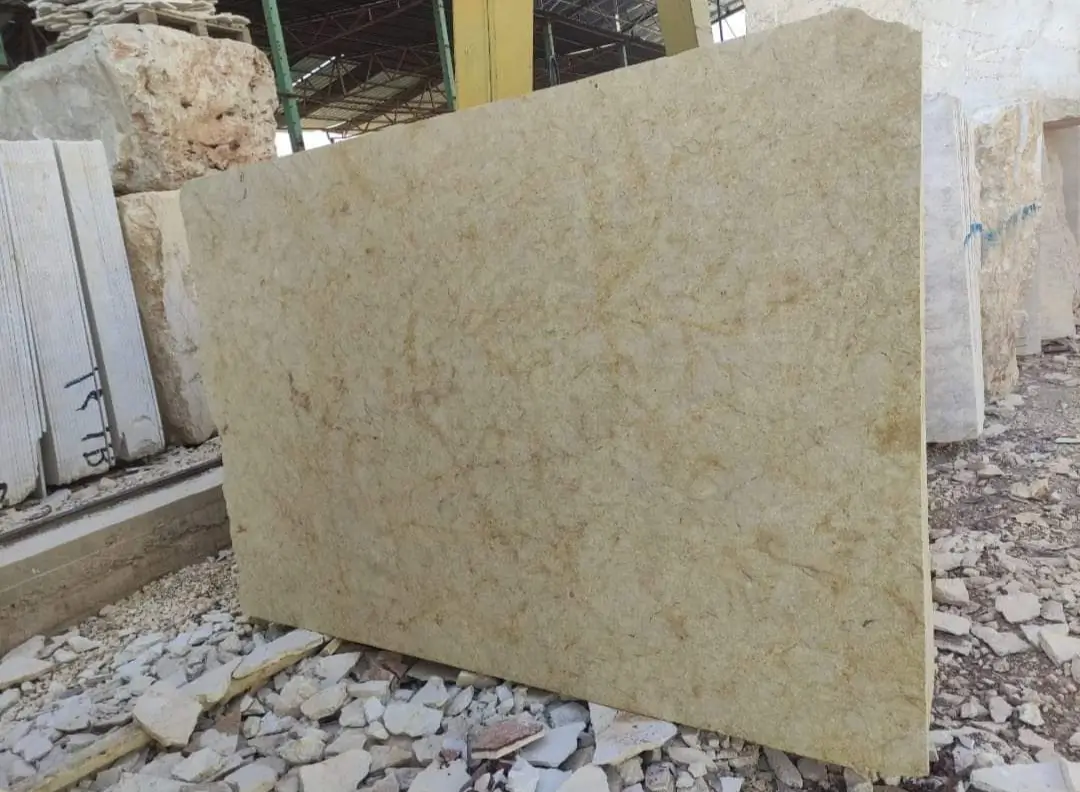
Citadel Stone—Best Bulk Paver Stones in Arizona: Regional Specification Guidance
When you evaluate Citadel Stone’s bulk paver stones in Arizona for your transition applications, you’re considering materials engineered specifically for desert thermal stress and UV exposure. At Citadel Stone, we provide technical guidance for hypothetical applications across Arizona’s diverse climate zones. This section outlines how you would approach paving stone driveway transitions Arizona specifications for six representative cities, addressing the unique challenges each region presents.
Phoenix Metropolitan Applications
In Phoenix installations, you would prioritize thermal mass management in your transition details. Summer surface temperatures regularly exceed 160°F on dark-colored pavers, creating expansion stresses that require you to reduce standard joint spacing by 20%. Your paving stone garage connection Arizona detail would incorporate wider expansion gaps (5/8 inch versus the standard 1/2 inch) and premium polymer-modified joint sand that maintains stability despite extreme temperature cycling. You should specify light-colored paver options that reduce surface temperatures by 25-30°F, significantly decreasing thermal stress at transition points. The urban heat island effect in Phoenix amplifies these concerns—your specifications need to account for overnight temperatures that remain above 95°F, preventing the thermal contraction cycles that other regions experience.
Tucson Desert Considerations
Tucson’s slightly higher elevation and monsoon moisture patterns would influence your transition detailing differently than Phoenix. You would need to address rapid moisture content changes in base materials when summer rains follow extended dry periods. Your paving stone curb interface Arizona specifications should include enhanced drainage provisions at transition zones—monsoon runoff concentrates at curb lines and garage thresholds where improper detailing creates erosion channels through base materials. You’ll want to specify polymer-stabilized base materials in the transition zone to prevent moisture-induced movement. Tucson’s greater diurnal temperature range (often 35-40°F) requires you to verify expansion joint capacity through worst-case thermal calculations rather than relying on typical values.
Scottsdale Luxury Standards
Scottsdale applications would demand premium transition aesthetics alongside performance requirements. You would specify color-coordinated expansion joint sealants and transition strips that match or complement paver tones rather than accepting standard gray or aluminum finishes. Your paving stone expansion zones Arizona details might incorporate decorative banding patterns that visually integrate expansion joints into the overall design rather than treating them as utilitarian necessities. You should consider premium edge restraint systems with powder-coated finishes that maintain appearance despite UV exposure. At Citadel Stone, we would recommend warehouse verification of color lot consistency across transition components to ensure visual continuity in high-visibility applications.
Flagstaff Freeze-Thaw Performance
In Flagstaff’s high-altitude climate, you would need to address freeze-thaw durability in addition to thermal expansion. Your transition detail specifications should require freeze-thaw resistant pavers meeting ASTM C1645 severe weathering ratings, not just the moderate weathering standards acceptable in lower elevations. You’ll encounter ice formation at garage thresholds where snowmelt refreezes—your paving stone transition strips Arizona detail must prevent water infiltration into the base course where freeze-thaw cycles cause heaving. You should specify closed-cell foam backer rods and premium cold-weather sealants rated to -20°F. Truck delivery scheduling from warehouse facilities becomes critical when you’re coordinating with Flagstaff’s limited construction season—spring installation windows provide optimal conditions before monsoon rains and ahead of early winter freezes.
Sedona Red Rock Integration
Sedona projects would require you to coordinate paver colors with the iconic red rock landscape while maintaining technical performance. Your transition detailing would emphasize natural color palettes that complement rather than contrast with the environment. You should specify earth-tone sealants in expansion joints—standard gray products create harsh visual lines that conflict with Sedona’s aesthetic expectations. The combination of intense UV at 4,500-foot elevation and significant tourist traffic would lead you to recommend premium surface treatments that maintain color stability and resist wear. For technical guidance on material sourcing options, see Citadel Stone paver wholesale operations in Sedona for coordination with local distribution. Your specifications would need to address drainage provisions that prevent red soil staining at transitions where runoff carries iron-oxide-rich sediments.
Yuma Extreme Heat Applications
Yuma installations face the most extreme thermal conditions in Arizona, with summer temperatures regularly reaching 120°F and surface temperatures on dark pavers exceeding 170°F. You would need to maximize albedo in your paver selections and increase expansion joint frequency to every 10-12 feet rather than the standard 15 feet. Your paving stone garage connection Arizona detail would require premium high-temperature sealants rated to 180°F continuous exposure—standard products soften and flow at Yuma’s peak temperatures. You should specify aluminum transition strips rather than polymer alternatives that become pliable under extreme heat. The low annual rainfall (3 inches) means you could reduce drainage provisions compared to other Arizona regions, but dust infiltration into joints becomes a maintenance concern requiring periodic joint sand replenishment to maintain interlock stability.
Common Installation Failures and Prevention Strategies
Your awareness of typical failure modes helps you develop specifications that prevent rather than simply react to problems. The most common transition failure involves inadequate edge restraint installation—contractors often skip proper anchoring at transitions, assuming the adjacent concrete will provide lateral support. You’ll see this manifest as edge pavers that creep away from garage thresholds or curb faces, creating widening gaps that fill with debris and compromise the installation’s appearance.
Another frequent issue occurs when installers don’t extend base preparation adequately into transition zones. Standard practice calls for base extending 6 inches beyond the paver edge, but at transitions you need 12-18 inches of proper base under adjacent structures to prevent differential settlement. Your specifications should explicitly call out transition zone base requirements rather than assuming field crews will extrapolate from general base notes. You’ll prevent 70% of transition failures by requiring pre-installation meetings that specifically review transition details with installation crews.
- Inadequate compaction at transitions leads to settlement that appears within the first year of service
- Missing or improperly sized expansion joints cause random cracking as thermal stress seeks relief through the weakest pavers
- You’ll encounter premature sealant failure when installers apply products to dusty or damp surfaces without proper preparation
- Edge restraint installed at incorrect depths or spacing intervals fails to prevent lateral movement under thermal cycling
Maintenance Protocols for Long-Term Performance
Your transition zones require specific maintenance attention beyond general paver care. Annual inspection of expansion joint sealants should become standard practice, with replacement scheduled when you observe cracking, debonding, or UV degradation. Arizona’s intense sun exposure degrades even premium sealants faster than manufacturer ratings suggest—you should plan on 5-7 year replacement intervals rather than the 10-15 year service lives advertised for moderate climates.
Joint sand monitoring becomes critical at transitions where vehicular turning forces concentrate. You’ll find that garage approach areas lose joint sand 2-3 times faster than straight driveway runs due to tire scrubbing during parking maneuvers. Your maintenance program should include joint sand replenishment at transitions every 18-24 months, using the same polymer-modified product specified for original installation. Substituting standard silica sand during maintenance compromises interlock and accelerates joint degradation.
Edge restraint inspection should verify that anchoring remains secure and that polymer materials haven’t degraded to the point of brittleness. You can test this by attempting to flex the restraint—if it cracks or shows excessive stiffness, UV damage has compromised its functionality and replacement becomes necessary. Your maintenance specifications should budget for edge restraint replacement at 10-12 year intervals in full-sun exposures, earlier if inspection reveals degradation.
Material Specification Checklist for Transitions
When you develop comprehensive transition specifications, certain material properties require explicit callout rather than relying on general standards. Your paver units at transitions should meet enhanced durability requirements—minimum 8,000 PSI compressive strength and maximum 5% water absorption—because these locations experience concentrated stress and moisture exposure. You’ll prevent edge spalling by specifying that transition pavers come from the same production run as field pavers to ensure consistent strength characteristics.
Edge restraint specifications need to address material composition, thickness, and anchoring details. You should specify aluminum restraint at .080-inch minimum thickness with stainless steel spikes at 18-inch maximum spacing. Polymer restraint products require UV inhibitor content verification and published Arizona test data—generic “UV resistant” claims prove insufficient for specification purposes. Your detail drawings should show restraint positioning relative to both the paver edge and adjacent structures, not just indicate restraint presence.
- Expansion joint backer rod must be closed-cell foam rated for compression to 30% of original thickness without permanent deformation
- Your sealant specifications should require products with ±50% movement capability and published 150°F continuous service temperature ratings
- Bedding sand in transition zones should meet ASTM C33 concrete sand gradation for better compaction and stability than standard ASTM C144 masonry sand
- You’ll achieve better results specifying transition strips by manufacturer and model number rather than generic performance descriptions
Cost Considerations and Value Engineering
Your transition details represent a small percentage of total driveway area but disproportionately affect long-term performance and maintenance costs. Enhanced specifications for transition zones typically add 8-12% to material costs for those specific areas, but prevent failures that require complete reconstruction at 5-10 times the initial investment. You should resist value engineering pressure that eliminates premium transition materials—the cost difference between standard and enhanced edge restraint systems amounts to less than 1% of total project cost while dramatically affecting performance.
Labor costs at transitions actually decrease with better specifications. When you provide clear, detailed transition drawings and explicit material callouts, installation crews work more efficiently because they’re not making field decisions about ambiguous details. You’ll find that projects with comprehensive transition specifications complete faster and require fewer callbacks than those relying on generic details and installer judgment. The incremental cost of premium sealants and transition materials gets recovered through reduced maintenance and longer service intervals.
Warehouse inventory considerations affect project timelines and costs more than many specifiers recognize. You should verify material availability before finalizing specifications—custom transition components may require 4-6 week lead times that delay project completion. Standard aluminum transition strips and common edge restraint products ship from regional warehouse facilities within days, while specialty colors or custom profiles require manufacturing lead times that you need to incorporate into project schedules.
Performance Documentation and Quality Verification
Your specification package should include performance verification requirements that ensure transition details get installed as designed. Pre-installation meetings become mandatory for projects where transitions represent critical performance elements—you can’t assume contractors will interpret drawings correctly without explicit review. You should require mock-up installations of transition details before proceeding with production work, particularly for complex elevation changes or custom transition strip installations.
Field verification during installation should focus on specific measurable criteria. You’ll want to verify base compaction in transition zones using nuclear density testing or comparable methods rather than relying on visual inspection. Edge restraint anchoring requires physical confirmation—your inspector should verify spike spacing and penetration depth at multiple transition locations. Expansion joint dimensions and backer rod installation depth determine long-term performance but often get shortcut during installation when supervisors aren’t verifying compliance.
Post-installation documentation should include photographic records of transition details before final completion. You’ll find these invaluable for maintenance planning and for resolving any performance issues that develop over time. Your closeout package should include as-built drawings showing actual transition locations and materials used, particularly if field conditions required modifications to design intent. This documentation supports future maintenance crews who need to understand original installation details when performing repairs or modifications.
Final Considerations
Your professional approach to paving stone driveway transitions Arizona projects requires you to balance aesthetic goals with technical performance requirements while accounting for the state’s extreme climate conditions. The transition zones between your paver driveway and adjacent structures represent critical details that determine whether installations achieve their expected 25-30 year service life or require reconstruction within 10-12 years. You should develop comprehensive specifications that address thermal expansion, material compatibility, and proper installation techniques rather than relying on generic details that don’t account for Arizona’s unique challenges.
When you specify transition details, remember that these interfaces experience concentrated stress from both environmental factors and vehicular loads. Your investment in premium materials and enhanced installation requirements for transition zones pays dividends through reduced maintenance costs and extended service intervals. The performance difference between properly detailed transitions and generic approaches becomes evident within the first 3-5 years of service—you’ll either see stable, trouble-free performance or progressive deterioration requiring increasingly expensive repairs. Citadel Stone’s innovation makes it forward-thinking manufactured paving stones in Arizona technology.