
When you specify paving stone pool deck applications Arizona projects demand, you’re navigating a unique intersection of extreme heat performance, chlorine exposure resistance, and barefoot safety requirements that differ significantly from standard hardscape installations. Your material selection decisions affect everything from long-term surface integrity to daily user comfort, making it critical that you understand how chemical exposure, thermal cycling, and water interaction affect performance outcomes over 15-20 year service lives.
The pool deck environment creates conditions you won’t encounter in typical paving applications. You’ll need to account for pH-adjusted water exposure, chlorine concentrations ranging from 1-3 ppm that contact surfaces through splashing and wet foot traffic, and thermal shock events when 115°F surface temperatures drop to 75°F during pool entry periods. These factors combine with Arizona’s intense UV radiation and monsoon moisture cycling to create performance demands that separate professional-grade specifications from generic residential approaches.
Chlorine Exposure Mechanisms Pool Environments Create
You need to understand that chlorine doesn’t just sit on paving surfaces — it penetrates through capillary action into interconnected pore structures that characterize most natural stone materials used in paving stone pool deck applications Arizona installations require. When pool water splashes onto heated surfaces, evaporation concentrates chlorine at surface pore openings, creating localized pH conditions that can reach 11.5-12.0 compared to bulk pool water pH of 7.4-7.6.
Your specification process should account for this concentration effect because it accelerates chemical interaction with calcium-based stone matrices. In limestone and certain travertine varieties, you’ll observe surface etching that becomes visible within 18-24 months when chlorine concentration events occur 4-5 times weekly during swimming season. The etching appears as surface texture changes from honed finishes to slightly roughened profiles that alter slip resistance characteristics over time.
- You should verify stone calcium carbonate content remains below 85% for pool perimeter applications
- Your material testing needs to include 90-day chlorine immersion protocols beyond standard ASTM specifications
- You’ll want to specify surface sealing intervals of 18-24 months rather than standard 36-month cycles
- You need to account for increased maintenance requirements in your project lifecycle cost analysis
The chemical mechanism involves hypochlorous acid formation when chlorine contacts water on stone surfaces. This weak acid (pKa 7.5) exists in equilibrium with hypochlorite ions, and the ratio shifts based on localized pH conditions created by stone buffering capacity. When you select materials with high buffering capacity, you’re actually accelerating surface pH elevation, which paradoxically increases calcium dissolution rates in alkaline conditions. Professional specifications address this by selecting stone types with neutral to slightly acidic buffering characteristics.
Material Porosity and Water Absorption Performance
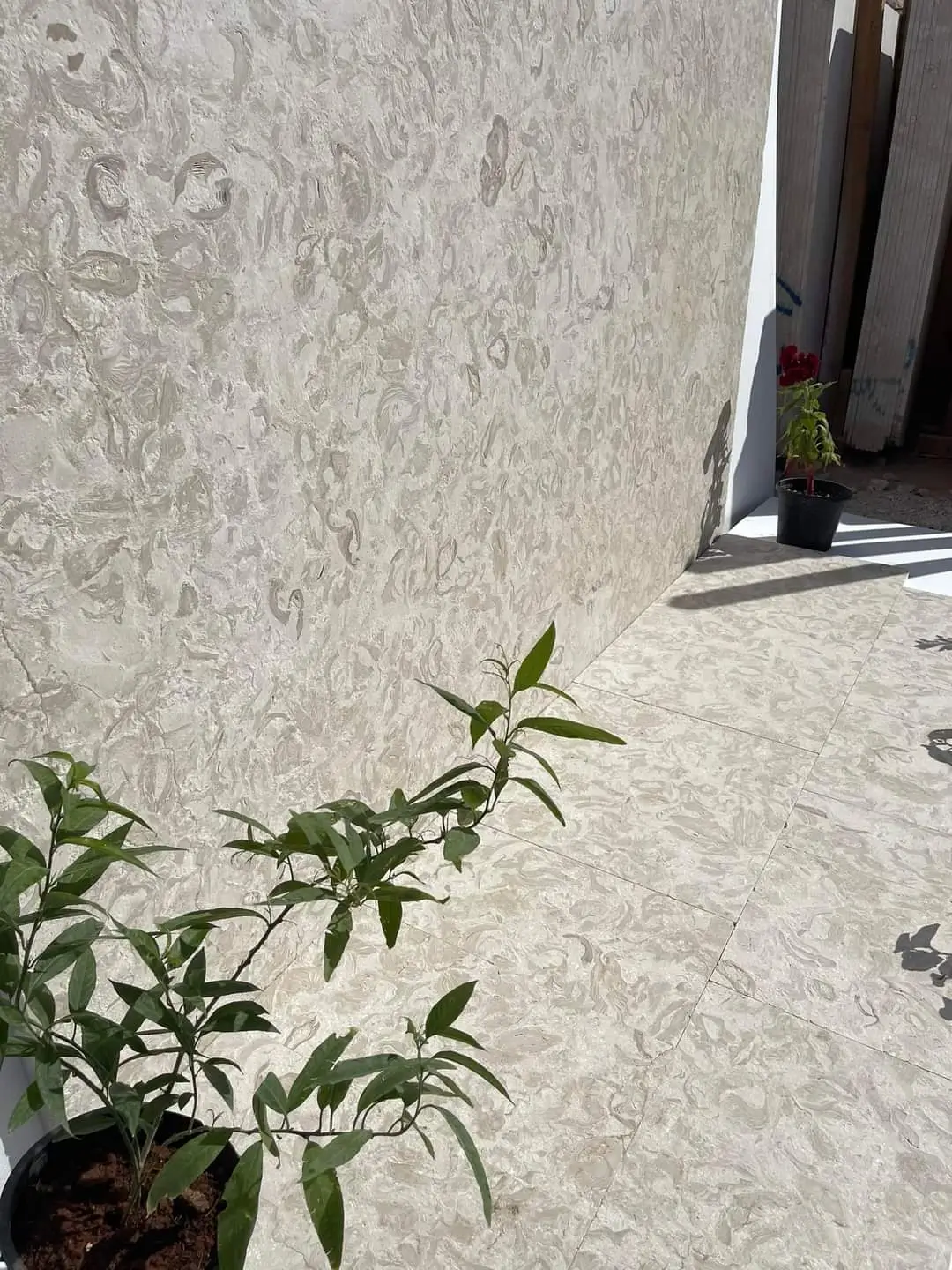
Your paving stone swimming pool areas Arizona projects require materials with specific porosity characteristics that balance competing requirements — you need sufficient porosity for surface drainage and barefoot comfort, but excessive porosity accelerates chlorine penetration and freeze-thaw damage in northern Arizona elevations. The optimal range for paving stone pool deck applications Arizona installations falls between 3.5-6.5% absorption by weight, measured according to ASTM C97 protocols.
You’ll find that absorption percentages alone don’t tell the complete performance story. Pore size distribution matters significantly because materials with interconnected macropores (>50 microns) allow water penetration depths of 8-12mm during typical splash exposure events, while microporous structures (<10 microns) limit penetration to 2-4mm despite similar total absorption percentages. This penetration depth directly affects chlorine interaction volume and subsequent chemical degradation rates.
When you evaluate materials at warehouse facilities, you should request porosity characterization data beyond simple absorption testing. Mercury intrusion porosimetry reveals pore size distribution profiles that predict real-world performance more accurately than absorption percentages. Materials with 60-70% of total porosity in the 10-30 micron range demonstrate optimal performance in paving stone water feature surrounds Arizona applications where constant moisture exposure occurs.
Thermal Expansion and Joint Spacing Requirements
You need to account for thermal expansion coefficients that differ from standard paving applications because pool deck surfaces experience rapid temperature fluctuations you won’t encounter in typical hardscape settings. When swimmers exit pools onto 125°F surfaces, localized cooling creates thermal gradients of 40-50°F within 3-5 minute periods, inducing stress cycles that affect joint integrity over time.
Your joint spacing specifications for paving stone aquatic applications Arizona projects should incorporate expansion coefficients ranging from 4.8-5.5 × 10⁻⁶ per °F depending on stone type and mineral composition. This translates to movement potential of 0.024-0.028 inches per 10-foot span across typical Arizona temperature ranges of 40°F winter mornings to 130°F summer afternoon surface temperatures. You’ll want to specify joint widths of 3/16 inch minimum, increasing to 1/4 inch for installations exceeding 400 square feet.
- You should position expansion joints every 12-15 feet in direct sun exposure areas
- Your specifications need to require polyurethane-based joint sealants rather than standard polymeric sand in wet zones
- You’ll need to detail perimeter isolation joints at pool coping interfaces to accommodate differential movement
- You must account for substrate expansion independently from surface pavement expansion
The interaction between thermal expansion and wet surface conditions creates performance challenges you won’t find documented in standard specifications. When joint sand becomes saturated, its restraint capacity drops by 40-55%, allowing increased pavement movement that accelerates joint degradation. Professional installations account for this by specifying modified joint fill materials with 15-20% higher compressive strength when saturated compared to dry conditions.
Slip Resistance Requirements for Barefoot Safety
When you specify paving stone pool deck applications Arizona safety standards require, you’re working with wet dynamic coefficient of friction (DCOF) requirements that exceed standard paving specifications. Pool deck surfaces need to maintain DCOF values above 0.50 when wet, compared to 0.42 minimums acceptable for covered outdoor areas. Your material selection directly impacts liability exposure and user safety outcomes.
You should understand that surface finish specifications affect slip resistance more than stone type selection. A honed travertine surface delivers DCOF values of 0.48-0.52 wet, while the same material with thermal finishing achieves 0.58-0.64 wet. This 20-25% performance difference comes from microscale surface texture changes that increase contact area and water displacement during foot contact events. For additional paving material guidance, see Citadel Stone’s paving stone yard for surface finish comparisons across material types.
The challenge you’ll encounter is that aggressive surface textures providing superior slip resistance when new will accumulate organic material and mineral deposits that reduce performance over 3-5 year periods. Your maintenance specifications need to address periodic deep cleaning with pH-neutral cleaners and mechanical surface renewal to restore slip resistance characteristics. Testing protocols should verify DCOF maintenance above 0.50 after simulated 5-year exposure including typical cleaning cycles.
Surface Temperature Management for Comfort
You need to address surface temperature performance because Arizona pool decks routinely reach 135-145°F during peak summer afternoons, creating conditions where barefoot contact time drops below 5 seconds before discomfort occurs. Your material selection affects albedo (solar reflectance), thermal conductivity, and thermal mass properties that collectively determine surface temperature outcomes.
Light-colored paving materials with albedo values above 0.55 reflect 55% or more of incident solar radiation, reducing surface temperatures by 15-22°F compared to darker materials with albedo below 0.35. When you specify cream or white travertine for paving stone pool perimeter Arizona installations, you’re achieving albedo values of 0.58-0.65 that translate to surface temperatures of 115-125°F versus 135-145°F for gray or tan materials under identical exposure conditions.
- You should specify minimum albedo values of 0.50 for pool deck applications in Phoenix and Yuma regions
- Your material selections need to account for albedo degradation of 8-12% over 5-year periods due to weathering
- You’ll want to consider thermal conductivity values below 1.8 W/mK for improved barefoot comfort
- You need to evaluate thermal mass benefits that delay peak surface temperature by 2-3 hours after solar noon
The thermal mass effect creates opportunities you can leverage in design strategies. Stone pavers with 50mm thickness and density above 2,400 kg/m³ exhibit thermal lag times of 2.5-3.5 hours, meaning surface temperatures peak around 3:00-4:00 PM rather than at solar noon. This shifts maximum surface temperature away from typical peak swimming periods, improving user comfort during afternoon pool use.
Edge Detail Specifications at Coping Interfaces
Your edge detail specifications at pool coping transitions represent critical performance zones where water drainage, thermal movement, and structural loading converge. You’ll need to address differential movement between cantilevered pool coping elements and surrounding paving stone pool deck applications Arizona installations require, accounting for movement rates that differ by 30-40% due to varying substrate constraints and thermal exposure patterns.
When you detail these interfaces, you should specify isolation joints with compressible backer rod and polyurethane sealant rather than attempting rigid connections that will fail within 2-3 years. The joint width needs to accommodate 1/8 inch movement potential across typical 12-inch coping widths, translating to 3/8-1/2 inch joint specifications that maintain compression capacity across Arizona’s 90°F annual temperature range.
You’ll encounter drainage challenges at these interfaces because water sheeting off coping surfaces concentrates along joint lines, creating saturation conditions that accelerate efflorescence and freeze-thaw damage in high-elevation installations. Your drainage design should incorporate 1/4 inch per foot minimum slope away from coping for the first 24 inches of paving surface, with subsurface drainage provisions that prevent water accumulation in base materials.
Base Preparation and Subsurface Drainage Systems
You need to recognize that paving stone aquatic applications Arizona projects demand base preparation specifications that exceed standard hardscape requirements due to constant moisture exposure and splash zone saturation. Your base design affects long-term pavement stability, drainage performance, and resistance to settlement that creates trip hazards in pool access areas where liability concerns peak.
The base system you specify should incorporate minimum 4-inch compacted aggregate base with maximum 2% fines content to ensure drainage capacity exceeds surface water infiltration rates. You’ll want to verify that base permeability maintains values above 150 inches per hour compared to surface infiltration rates of 8-15 inches per hour through paver joints. This 10:1 permeability ratio prevents subsurface saturation that causes loss of base support and subsequent settlement.
- You should specify geotextile separation fabric between subgrade and aggregate base to prevent contamination
- Your compaction specifications need to achieve 95% modified Proctor density at optimum moisture content
- You’ll need to detail perimeter drainage collection systems that intercept subsurface flow before it reaches pool structures
- You must account for seasonal groundwater fluctuations in Flagstaff and Sedona elevation installations
When you work with clay-heavy soils common in Tucson and Phoenix valleys, your base preparation needs to address 3-5% volume change potential during monsoon saturation cycles. Professional specifications incorporate geogrid reinforcement in the upper 2 inches of aggregate base, providing tensile resistance that maintains interlock stability during substrate movement events that would otherwise cause surface distortion.
Sealer Selection and Application Protocols
Your sealer specifications for paving stone swimming pool areas Arizona chlorine exposure creates need to balance competing requirements — you want surface protection against chemical penetration while maintaining slip resistance and avoiding film-forming products that delaminate under thermal cycling. The performance window for acceptable sealer chemistry narrows significantly compared to standard paving applications.
You should specify penetrating silane/siloxane blend sealers rather than film-forming acrylics for pool deck applications. Penetrating sealers work by lining pore structures with hydrophobic molecular layers that reduce water absorption by 60-75% while maintaining surface texture and slip resistance. Film-forming products create continuous surface barriers that trap subsurface moisture, leading to delamination within 18-30 months under Arizona thermal cycling conditions.
The application timing you specify matters because sealer penetration depth varies with substrate moisture content and temperature. You’ll achieve optimal results when substrate moisture content remains below 4% and surface temperatures range from 60-85°F during application. This typically limits application windows to October-November and March-April in Phoenix metro areas, requiring you to coordinate sealing schedules with project completion timelines and warehouse material delivery sequences.
Common Specification Mistakes in Pool Deck Applications
You’ll want to avoid specification errors that create performance problems appearing 12-36 months post-installation when warranty periods expire and correction costs fall to owners. These mistakes typically stem from applying standard paving specifications to pool deck applications without accounting for unique exposure conditions paving stone water feature surrounds Arizona environments create.
- You should never specify polymeric sand for joints within 6 feet of pool edges where saturation prevents proper curing
- Your specifications must avoid calcium-rich stones like certain limestones in high-chlorine exposure zones
- You need to reject thin pavers below 50mm thickness that lack thermal mass for temperature moderation
- You should prohibit dark-colored materials with albedo below 0.40 in unshaded pool deck areas
- Your details must prevent standing water conditions through positive drainage in all surface areas
The most costly mistake involves inadequate edge restraint specifications at pool perimeters. When you fail to specify reinforced concrete edge restraints with minimum 8-inch depth and 6-inch width, lateral pavement creep occurs under thermal expansion cycling, creating progressive joint widening that appears as 1/4-3/8 inch gaps within 2-3 years. Correction requires complete perimeter removal and reinstallation with proper restraint systems.
Maintenance Protocol Specifications for Long-Term Performance
When you develop maintenance specifications for paving stone pool deck applications Arizona installations require, you’re establishing protocols that determine whether 20-year design life expectations become reality or surface replacement occurs at year 12-15. Your maintenance program affects performance outcomes as significantly as initial material selection and installation quality.
You should specify quarterly cleaning protocols using pH-neutral cleaners (pH 6.5-7.5) that remove organic accumulation and mineral deposits without accelerating chemical degradation of stone surfaces or joint materials. Pressure washing specifications need to limit pressure to 1,200-1,500 PSI with 25-degree spray tips that clean effectively without eroding joint sand or damaging stone surfaces. Higher pressures remove joint material and create recessed joints that trap water and organic matter.
Your sealer renewal specifications should require testing rather than calendar-based reapplication. You’ll verify sealer effectiveness by applying water droplets to multiple surface locations — when absorption occurs within 5-8 minutes rather than beading for 30+ minutes, resealing becomes necessary. This testing-based approach prevents over-application that builds surface films while ensuring protection remains effective. Typical resealing intervals range from 18-30 months depending on exposure severity and traffic levels.
Citadel Stone — Premier Paver Stones in Arizona — Specification Guidance for Arizona Pool Decks
When you evaluate Citadel Stone’s paver stones in Arizona for your pool deck projects, you’re considering premium materials engineered for extreme desert climate performance and aquatic environment exposure. At Citadel Stone, we provide technical specification guidance for hypothetical applications across Arizona’s diverse climate zones, from low-desert Phoenix installations to high-elevation Flagstaff projects. This section outlines how you would approach material selection and specification decisions for six representative Arizona cities where paving stone pool deck applications Arizona performance requirements vary significantly.
Your specification approach needs to account for elevation differences spanning 5,000 vertical feet across Arizona, creating temperature ranges from -10°F winter minimums in Flagstaff to 120°F summer maximums in Yuma. These variations affect freeze-thaw cycling frequency, thermal expansion rates, and moisture management requirements that determine appropriate material selections and installation details.
Phoenix Pool Specifications
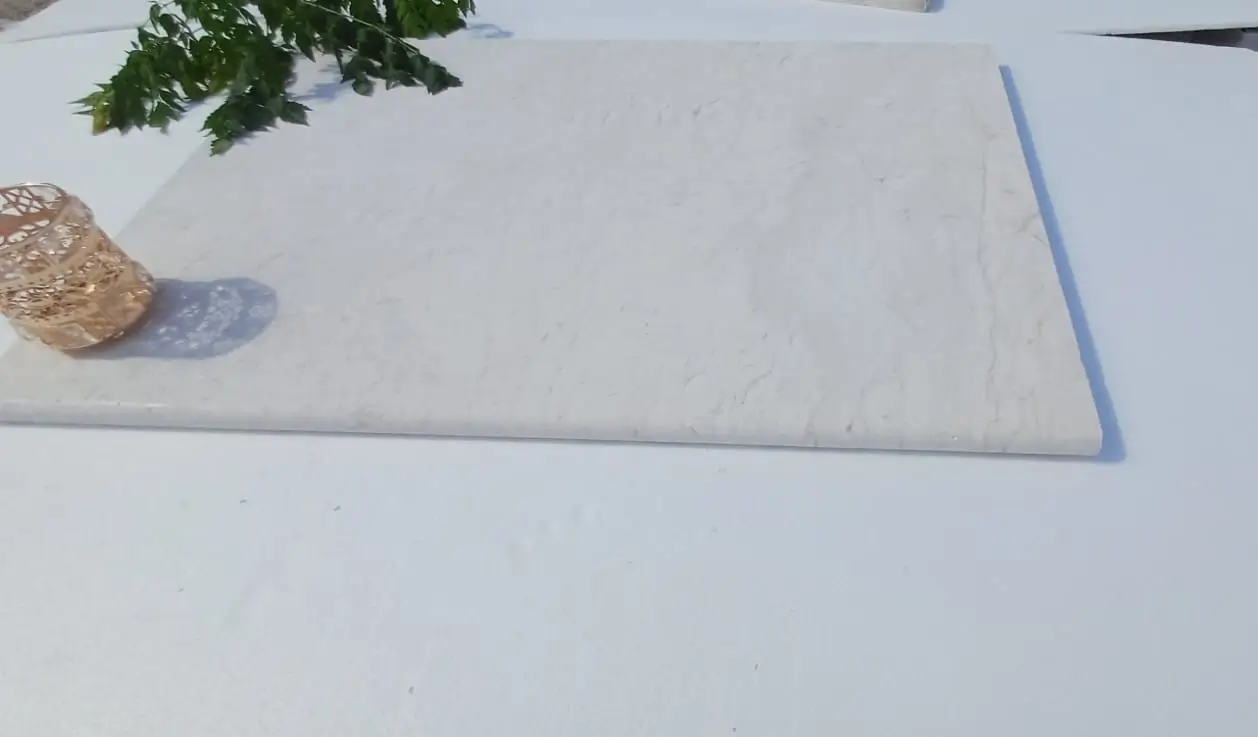
In Phoenix applications, you would specify light-colored travertine or cream limestone with minimum albedo 0.58 to manage surface temperatures that otherwise reach 140°F during June-August peak periods. Your material selections should address thermal cycling across 90°F daily ranges during summer months, requiring expansion joint spacing of 12-15 feet and polyurethane joint sealants that maintain elasticity through 500+ annual thermal cycles. You’ll want to verify warehouse stock availability before committing to project timelines because high-demand summer installation periods can create 3-4 week lead times for premium light-colored materials.
Tucson Desert Applications
Your Tucson specifications would account for alkaline soil conditions with pH values of 7.8-8.4 that accelerate efflorescence in calcium-rich stones. You should specify materials with calcium carbonate content below 80% and incorporate subsurface drainage systems that prevent capillary rise of mineral-laden groundwater into paving base materials. The clay content in Tucson basin soils requires geogrid-reinforced base preparation with 6-inch minimum aggregate depth to accommodate 3-4% volume change during monsoon saturation cycles that concentrate in July-September periods.
Scottsdale Luxury Installations
When you specify paving stone swimming pool areas Arizona luxury market Scottsdale represents, you would emphasize aesthetic consistency alongside performance requirements. Your material selections typically favor premium-grade travertine with color variation limited to 15-20% across the installation, requiring you to coordinate warehouse material inspection and lot selection processes. You should specify honed surface finishes that deliver DCOF values of 0.50-0.54 wet while maintaining the refined appearance high-end clients expect, balanced against thermal finishing that would provide superior slip resistance but coarser visual texture.
Flagstaff Freeze-Thaw Performance
Your Flagstaff specifications would prioritize freeze-thaw resistance because this 7,000-foot elevation location experiences 120-140 annual freeze-thaw cycles that create performance demands absent in lower-elevation Arizona installations. You need to specify materials with maximum 4.5% absorption and verified ASTM C666 performance showing less than 5% strength loss after 300 freeze-thaw cycles. You’ll want to detail subsurface drainage systems that prevent water accumulation in base materials where freeze expansion would cause pavement heaving and joint disruption during December-March winter periods.
Yuma Extreme Heat
In Yuma applications representing Arizona’s most extreme thermal environment, you would specify materials with maximum albedo values and lowest available thermal conductivity to manage surface temperatures during 110°F+ periods that extend 120-140 days annually. Your specifications should require light-colored materials with demonstrated surface temperatures below 125°F under full sun exposure, achieved through albedo values exceeding 0.60. You need to account for truck delivery logistics in summer months when material handling during midday periods becomes impractical due to surface temperatures exceeding safe handling thresholds on delivery vehicles.
Sedona Aesthetic Integration
When you specify paving stone aquatic applications Arizona projects in Sedona’s distinctive red rock landscape context, you would address aesthetic compatibility requirements alongside technical performance criteria. Your material selections typically incorporate warm earth tones — cream, tan, and light gold travertine varieties that complement rather than contrast with surrounding geological features. You should account for elevation effects at Sedona’s 4,500-foot altitude where freeze-thaw cycling occurs 40-60 times annually, requiring materials with absorption below 5.5% and verified durability under moderate freeze-thaw exposure conditions that fall between Phoenix and Flagstaff extremes.
Final Considerations
Your specification process for paving stone pool deck applications Arizona projects demand requires you to integrate chemical resistance considerations, thermal performance requirements, and safety standards that extend beyond typical paving applications. You need to balance competing requirements — materials with sufficient porosity for comfort and drainage while limiting chlorine penetration depths, surface textures providing slip resistance without creating cleaning difficulties, and light colors managing heat while potentially showing staining more readily than darker alternatives.
The performance envelope you’re targeting represents specific material properties and installation details that separate professional specifications from generic approaches. You should verify absorption percentages of 3.5-6.5%, DCOF values above 0.50 wet, albedo minimums of 0.50, and thermal expansion accommodation through proper joint spacing and sealant selection. Your base preparation specifications need to exceed standard requirements through enhanced drainage provisions and reinforcement appropriate for constant moisture exposure paving stone pool perimeter Arizona environments create.
When you coordinate material procurement, installation scheduling, and long-term maintenance planning, you’re establishing the framework that determines whether your paving stone water feature surrounds Arizona installations deliver 20+ year service lives or require premature replacement. For guidance on related high-temperature applications, review Heat-resistant paving materials for outdoor fire feature installations before finalizing project specifications. Citadel Stone’s travertine serves Mediterranean paving stones in Arizona imported elegance.