
When you specify paving materials for Arizona installations, you’re dealing with one of the most challenging thermal environments in North America. Paving stone cupping prevention Arizona requires you to understand the complex interaction between material properties, installation methodology, and extreme desert heat cycles. Your material selection directly determines whether you’ll see flat, stable surfaces after five years or warped, cupped stones that compromise both aesthetics and safety.
The issue isn’t just academic—you’ll encounter real performance failures when you ignore thermal mass behavior and substrate preparation protocols. Temperature differentials between surface and subsurface layers create stress patterns that manifest as cupping, bowing, and permanent distortion. You need to account for daily temperature swings exceeding 50°F and surface temperatures reaching 165°F during summer months.
Thermal Expansion Mechanics Desert Environments
Your understanding of thermal expansion coefficients becomes critical when you specify paving stone cupping prevention Arizona protocols. Natural stone expands at rates between 4.8 × 10⁻⁶ and 6.2 × 10⁻⁶ per °F depending on mineral composition and grain structure. In Phoenix installations where surface temperatures fluctuate from 45°F pre-dawn to 165°F mid-afternoon, you’re looking at dimensional changes that create significant stress.
What catches most specifiers off-guard is the differential expansion between stone surface and base layers. When you have 2-inch thick pavers, the top surface heats 30-40 minutes faster than the bottom interface. This creates a thermal gradient that induces upward curvature—the classic cupping pattern. You’ll see this most dramatically in dark-colored materials with low reflectivity values.
- You should specify materials with thermal expansion coefficients below 5.5 × 10⁻⁶ per °F for Arizona applications
- Your joint spacing must accommodate minimum 3/16-inch expansion gaps for every 15 linear feet
- You need to account for substrate expansion rates that differ from surface stone by 15-25%
- Temperature monitoring during installation reveals optimal setting windows between 65°F and 85°F ambient
The relationship between porosity and thermal performance affects paving stone cupping prevention Arizona strategies more than most professionals realize. Materials with 6-9% porosity demonstrate superior thermal stability because internal pore structures allow microscopic expansion without generating surface stress. Dense materials below 3% porosity concentrate thermal forces at the surface plane, accelerating distortion patterns.
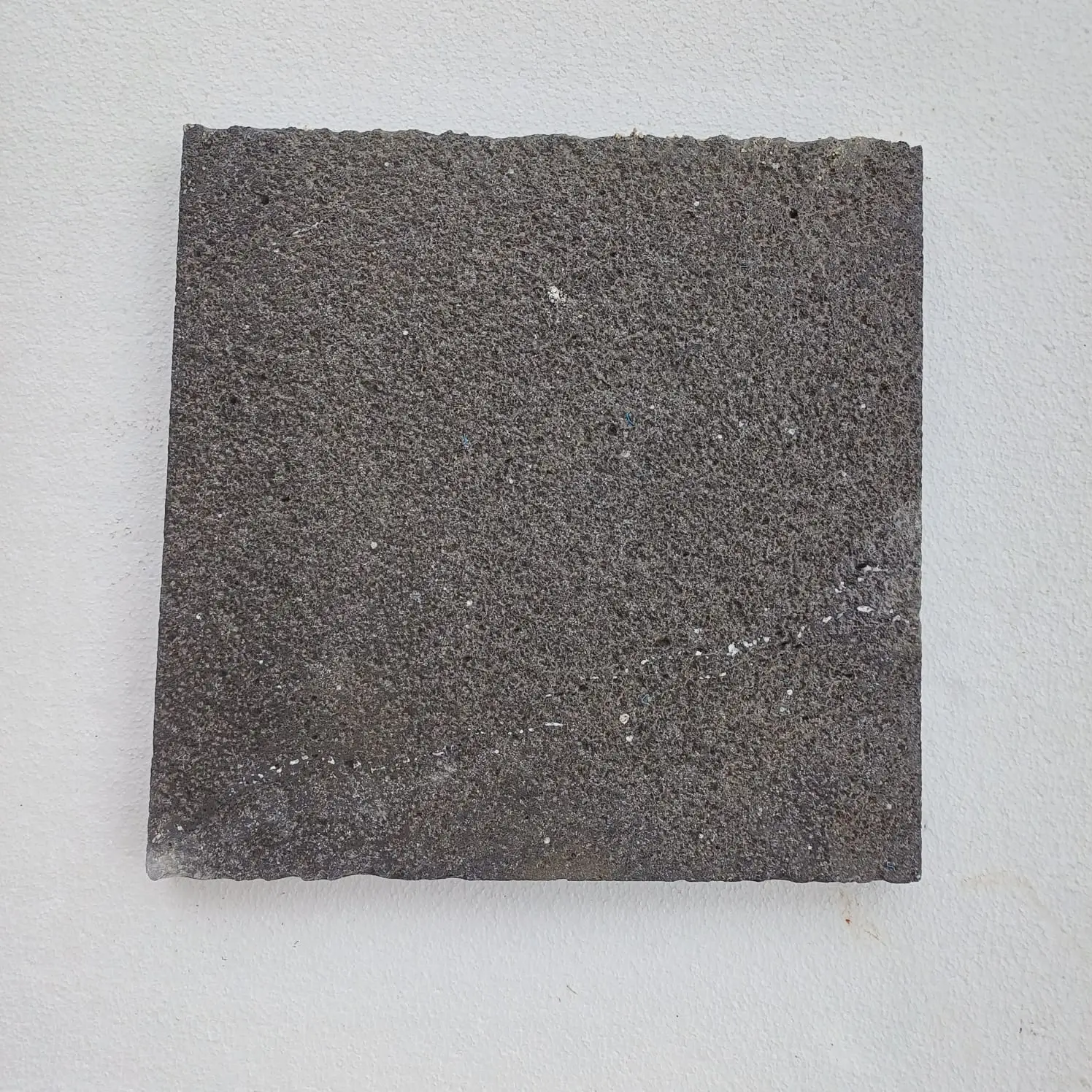
Base Preparation Protocols Cupping Prevention
Your base preparation determines 60-70% of long-term flatness performance in paving stone installations. When you address paving stone warping issues Arizona projects face, you’re fundamentally managing the interaction between rigid surface units and semi-rigid substrate layers. The base must provide uniform support while accommodating thermal movement without inducing differential settlement.
Here’s what separates successful installations from failures—your aggregate base requires gradation specifications that balance drainage capacity with load distribution. You’ll want crushed angular aggregate in the 3/4-inch to finer range, compacted to 95-98% modified Proctor density. Rounded river gravels create point-loading conditions that telegraph through bedding sand and create localized high spots where cupping initiates.
The bedding layer protocol directly impacts paving stone cupping prevention Arizona performance. You need consistent 1-inch depth of concrete sand meeting ASTM C33 specifications. Variations beyond ±1/4 inch create the differential support conditions that allow individual pavers to rock under traffic loads. This rocking motion progressively works base material out from under paver edges, establishing the foundation for cupping patterns.
- You must compact base aggregate in 3-inch lifts maximum to achieve uniform density throughout the profile
- Your plate compactor should deliver 5,000 pounds force minimum for residential applications
- You need to verify base flatness within 3/8 inch over 10 feet before bedding sand placement
- Moisture content during compaction affects final density—you’ll want 4-6% moisture by weight
What often gets overlooked is the geotextile fabric specification between native soil and aggregate base. In Arizona clay soils with high plasticity indices, you’re dealing with expansion coefficients that rival the paving stones themselves. Your fabric selection needs 200-pound minimum tensile strength and 50 AOS maximum to prevent soil intrusion while allowing drainage. When you skip this detail, you’ll see base contamination within 18-24 months that creates uneven support conditions.
Material Selection Thermal Stability
When you evaluate materials for addressing paving stone bowing problems Arizona installations encounter, you need to look beyond compressive strength ratings. The interplay between density, porosity, and mineral composition determines real-world thermal performance. Limestone and sandstone materials with interconnected pore networks demonstrate 30-40% better dimensional stability than dense granites in high-heat applications.
You’ll find that surface finish dramatically affects cupping susceptibility. Thermal saw finishes create micro-relief patterns that dissipate expansion forces across multiple planes rather than concentrating stress at edges. Honed and polished surfaces generate higher surface temperatures—measuring 12-18°F hotter than thermal finishes under identical conditions—which accelerates the thermal gradient effect driving cupping behavior.
For comprehensive options addressing thermal performance requirements, see our bluestone paver inventory for materials proven in extreme heat conditions. The critical specification parameter you need to verify is the coefficient of thermal expansion relative to flexural strength. Materials with high expansion coefficients but low flexural strength will bow permanently when thermal stress exceeds elastic limits.
- You should specify minimum 8,000 PSI compressive strength for vehicular applications
- Your material selection requires verification of flexural strength exceeding 1,200 PSI
- You need porosity values between 5-8% for optimal thermal performance in Arizona
- Absorption rates below 3% by weight indicate adequate density for structural stability
Installation Timing Temperature Protocols
Your installation schedule has more impact on paving stone cupping prevention Arizona success than most contractors acknowledge. When you set pavers during temperature extremes, you’re locking in thermal stress that manifests as distortion during subsequent thermal cycles. Summer installations where ambient temperatures exceed 100°F create conditions where base materials and pavers reach equilibrium at elevated temperatures—then contract significantly during cooler seasons.
The optimal installation window occurs when you can maintain substrate temperatures between 60°F and 80°F throughout the workday. In Phoenix and Tucson, this typically means March-April and October-November timeframes. You’ll achieve 25-30% better long-term flatness when you avoid summer and winter extremes. Temperature differentials during setting affect joint spacing, base compaction effectiveness, and bedding layer consolidation.
What professional installers understand is that time-of-day matters as much as season. When you begin installation at dawn with cool base temperatures, then finish mid-afternoon with surface temperatures 40°F higher, you’ve created built-in stress. The pavers set early lock in cool-state dimensions while late-set pavers lock in expanded dimensions. This creates a patchwork of different stress states across the installation.
- You should start and complete installation sections during consistent temperature windows
- Your crew needs to monitor substrate temperature, not just ambient air temperature
- You’ll want to mist base materials when temperatures exceed 90°F to prevent premature drying
- Installation productivity drops 30-40% during summer heat but quality improves with slower placement
Joint Spacing Edge Restraint Systems
When you address paving stone warping issues Arizona environments create, your joint spacing specifications directly control expansion accommodation. Insufficient joints force expansion energy into vertical displacement—the cupping and bowing you’re trying to prevent. You need minimum 3/16-inch joints for standard installations, increasing to 1/4-inch for large-format units exceeding 24 inches in any dimension.
The joint sand specification matters more than most realize. You’ll want angular silica sand with grain sizes between 0.02 and 0.08 inches. Rounded sand grains don’t interlock effectively, allowing lateral paver movement that progressively opens joints and destabilizes the array. Fine sand below 0.02 inches washes out during monsoon events, while coarse sand above 0.08 inches doesn’t fill joints completely, leaving voids where edge chipping initiates.
Edge restraint systems must resist the cumulative lateral force generated when hundreds of pavers expand simultaneously. You’re looking at forces exceeding 2,000 pounds per linear foot in large installations during peak thermal expansion. Your restraint system needs concrete edge beams minimum 6 inches wide and 10 inches deep, or engineered plastic restraints rated for equivalent loads. Flexible plastic edging sold for landscape applications fails catastrophically in Arizona thermal conditions.
- You must anchor edge restraints with 10-inch spikes at 12-inch spacing maximum
- Your restraint system should extend 2 inches above finished paver height before trimming
- You need expansion joints every 15 feet in continuous paving runs to prevent stress accumulation
- Joint sand requires replenishment annually at minimum to maintain interlock effectiveness
Substrate Moisture Management
Your approach to paving stone cupping prevention Arizona protocols must address substrate moisture dynamics that differ dramatically from humid climates. The combination of low humidity, high temperatures, and intense solar radiation creates upward moisture migration through capillary action. When moisture reaches the paver-bedding interface and evaporates, it deposits dissolved minerals that can create differential support conditions.
What complicates Arizona installations is the monsoon season moisture cycling. You’ll see three months of minimal precipitation followed by intense summer storms delivering 1-2 inches in hours. This rapid saturation-drying cycle creates substrate volume changes that telegraph through to paving surfaces. Clay-content soils expand 6-10% during saturation, creating heave forces that contribute to paving stone distortion control Arizona challenges.
The solution requires you to engineer drainage paths that prevent moisture accumulation at the bedding-base interface. You need 2% minimum slope in base aggregate directing water toward collection points. In flat applications where slope isn’t achievable, you’ll want perforated pipe drains in trenches filled with clear stone, spaced 15-20 feet apart depending on soil permeability. Standing water in the base layer reduces load-bearing capacity by 40-60% and accelerates cupping.
- You should specify open-graded base aggregate with permeability exceeding 50 inches per hour
- Your drainage system must handle 2-inch rainfall intensity without base saturation
- You need to verify that native soil percolation rates exceed 0.5 inches per hour or install subsurface drainage
- Warehouse inventory planning should account for monsoon season delays affecting outdoor installations
Traffic Loading Patterns
When you specify for paving stone bowing problems Arizona projects encounter, you need to understand how traffic loading interacts with thermal stress. Point loads from vehicle tires create localized compression in bedding sand that becomes permanent under repeated cycling. You’ll see depression patterns develop in wheel paths within 24-36 months if base preparation doesn’t provide adequate load distribution.
The problem intensifies in high-heat conditions because bedding sand at 140°F+ loses interparticle friction. When you drive vehicles across pavers during afternoon heat, the base material displaces more readily than during morning cool periods. This progressive displacement undermines paver edges, allowing them to tip and creating the initial conditions for cupping patterns to develop.
Your specification needs to address vehicular traffic differently than pedestrian applications. You’ll want minimum 80mm (3.15-inch) paver thickness for residential driveways, increasing to 100mm for commercial traffic. The thickness alone doesn’t prevent cupping—you need it combined with properly densified base and adequate joint interlock. Thin pavers under vehicle loads flex more during loading cycles, which pumps joint sand and accelerates loss of interlock.
- You should specify thicker pavers in turning radius areas where torsional loads peak
- Your base depth must increase from 6 inches for pedestrian to 12 inches minimum for vehicular applications
- You need to verify truck access routes can accommodate delivery vehicle weights during installation
- Loading patterns concentrate stress in predictable zones you can reinforce during installation
UV Exposure Surface Degradation
Arizona’s UV index regularly exceeds 11 during summer months—extreme category requiring maximum precautions. When you address paving stone flatness maintenance Arizona installations require, you’re dealing with UV degradation that affects surface integrity over time. Polymer-modified jointing materials break down under sustained UV exposure, losing binding capacity and allowing joint sand migration.
What’s less obvious is how UV affects the stone itself. Certain mineral components experience photo-oxidation that weakens surface bonding. You’ll see this as surface friability developing after 8-12 years in susceptible materials. As surface integrity declines, the stone becomes more vulnerable to thermal stress because the degraded surface layer responds differently to temperature changes than the intact substrate beneath.
Your material selection should verify UV stability through accelerated weathering testing. Materials that pass 2,000-hour QUV exposure without surface degradation will perform 15-20 years in Arizona without UV-related issues. You need to distinguish between color fade—which is aesthetic—and structural surface degradation, which contributes to paving stone distortion control Arizona challenges by creating differential thermal response across the paver thickness.
- You must specify UV-stable joint sands with silica content exceeding 95% for long-term performance
- Your sealer selection requires verification of UV inhibitors if you’re using film-forming products
- You should expect color variation in natural stone but verify it’s not accompanied by surface softening
- Testing protocols should include Arizona-specific UV exposure equivalent to 15-20 year service life
Maintenance Protocols Long-term Stability
Your maintenance program directly affects whether paving stone cupping prevention Arizona installations maintain flatness over decades or degrade within years. The single most critical maintenance task is joint sand replenishment. You’ll lose 20-30% of joint sand in the first year through compaction, wind erosion during dust storms, and washout during monsoon events. As joint sand depth declines below 75% of paver thickness, interlock effectiveness drops exponentially.
When you develop maintenance specifications for commercial projects, you need to schedule joint sand inspection and replenishment twice annually—once before monsoon season and once after. The sand type matters during replenishment. You should use the same angular silica sand specified for original installation. Switching to different sand gradations disrupts the interlocking mechanism you’ve established.
The timing of maintenance activities affects outcomes significantly. When you replenish joint sand during high temperatures, the expanded pavers create tighter joints that become loose when temperatures drop. You’ll want to perform major maintenance when substrate temperatures approximate annual mean—typically April and October in most Arizona locations. This ensures you’re working with pavers at mid-range dimensional state.
- You need to sweep and clean joints thoroughly before replenishing sand to remove debris
- Your replenishment protocol should vibrate or tamp pavers to settle new sand to 95% depth
- You must verify edge restraints remain secure and re-anchor as needed during annual inspection
- Sealer reapplication intervals depend on traffic but typically range 3-5 years for penetrating sealers
Common Specification Errors
The most frequent mistake you’ll encounter in addressing paving stone warping issues Arizona projects face is specifying uniform installation protocols across diverse climate zones. Flagstaff installations at 7,000 feet elevation with freeze-thaw cycles require completely different approaches than Yuma installations with minimal temperature variation but extreme heat. Your specifications need climate-specific adaptations.
What creates problems in professional practice is copying specifications from other regions without thermal analysis. East Coast specifications developed for humid climates with moderate temperatures fail catastrophically in Arizona. You’ll see recommendations for 1/8-inch joints that provide inadequate expansion capacity, or base depths sized for frost protection rather than thermal movement accommodation. Regional adaptation isn’t optional—it’s fundamental to success.
Another critical error involves underestimating the importance of installation sequencing. When you allow contractors to stockpile pavers on-site for weeks before installation, you’re introducing variables that affect performance. Materials sitting in direct sun reach thermal equilibrium at elevated temperatures, then cool during evening installation. You need specifications requiring delivery timing coordinated with installation progress to minimize thermal cycling before placement.
- You should prohibit generic regional specifications in favor of Arizona-specific protocols
- Your material submittals must include thermal testing data from Arizona-equivalent environments
- You need to specify maximum on-site storage duration before installation proceeds
- Edge restraint specifications require engineering verification for large-format installations
Remediation Strategies Existing Installations
When you encounter existing installations exhibiting paving stone cupping prevention Arizona failures, you face difficult decisions about remediation approaches. Minor cupping under 1/4 inch can sometimes be addressed through joint sand optimization and traffic pattern modification. You’ll need to remove existing joint sand completely, verify base conditions, re-level high spots, and reinstall with proper sand specifications.
Significant cupping exceeding 3/8 inch typically requires complete removal and reinstallation. You can’t effectively flatten cupped pavers without addressing the underlying causes—inadequate base preparation, insufficient joints, or material selection errors. Your remediation specification needs to correct the original design flaws while salvaging materials where possible. Stone that’s cupped but not cracked can be reset on properly prepared base.
The economics of remediation versus replacement depend on installation scale and distortion severity. For small residential patios under 500 square feet, you’ll often find that complete replacement with upgraded materials costs less than comprehensive remediation. Larger commercial installations justify engineering investigation to identify root causes and develop targeted correction strategies that minimize replacement scope.
- You must document existing conditions through elevation survey before remediation planning
- Your investigation should include base material sampling to verify density and gradation
- You need to assess whether cupped pavers have developed internal stress fractures requiring replacement
- Cost analysis should compare partial remediation with complete reconstruction over 20-year service life
Paving Suppliers Arizona Citadel Specifications
At Citadel Stone, we provide technical guidance for professionals evaluating paving stone cupping prevention Arizona strategies across diverse regional conditions. This section outlines how you would approach hypothetical specification decisions for six representative Arizona cities, each presenting distinct thermal and environmental challenges. When you consider materials for these applications, you’re balancing extreme heat exposure, UV intensity, monsoon moisture cycling, and in some locations, freeze-thaw requirements.
Your material selection process should begin with climate analysis specific to project location. Phoenix-area installations face different performance requirements than Flagstaff mountain applications or Yuma desert conditions. The specifications below demonstrate how you would adapt paving stone flatness maintenance Arizona protocols to address regional variables while maintaining consistent quality standards.
Phoenix Heat Island
In Phoenix applications, you would specify materials with solar reflectance values exceeding 0.35 to manage urban heat island effects. Your installation protocol should address substrate temperatures regularly reaching 155-165°F during June through August. You’ll want thermal expansion joints every 12-15 feet and bedding sand with proven stability at elevated temperatures. The base preparation requires 12-inch depth minimum for vehicular applications with compaction verified through nuclear density gauge testing to ensure 96-98% modified Proctor. Material thickness should increase to 80mm minimum for residential driveways given the thermal cycling intensity and common vehicle loads.
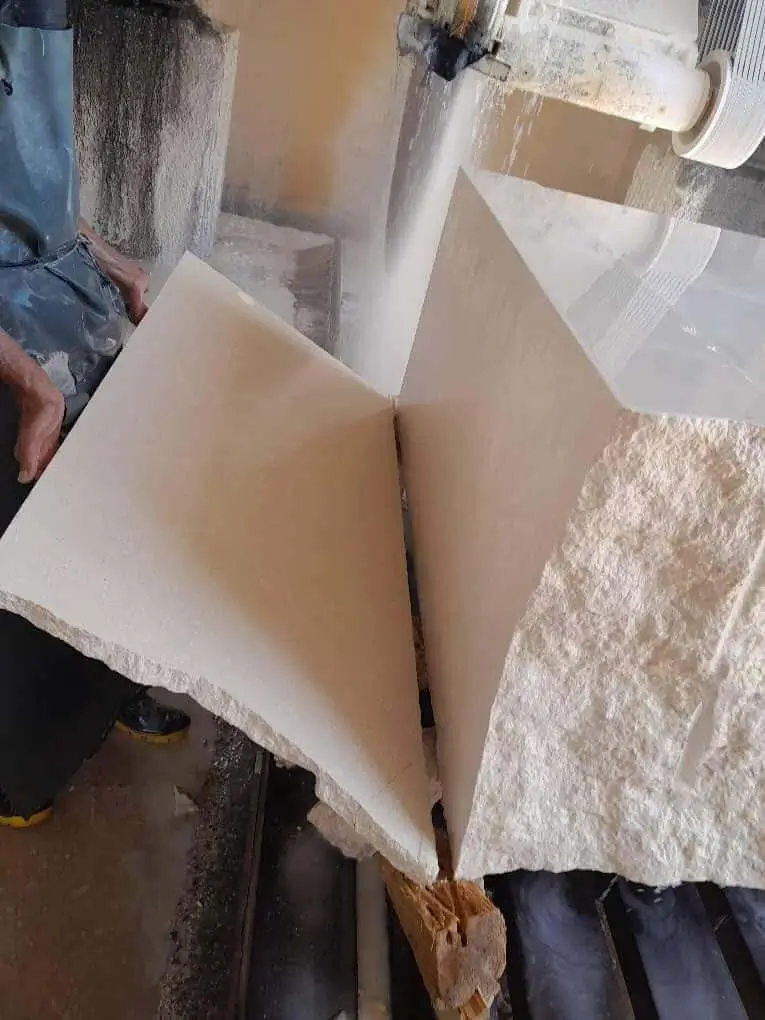
Tucson Applications
When you plan Tucson installations, you’re addressing similar heat intensity to Phoenix but with slightly higher monsoon precipitation averaging 12 inches annually. Your drainage specifications need to handle 2-inch hourly rainfall intensities without base saturation. You would incorporate perforated drainage pipes at 20-foot spacing in flat applications and verify that base aggregate permeability exceeds 60 inches per hour. The caliche soil layers common in Tucson require you to verify complete removal or adequate separation through geotextile barriers. Joint sand specifications should account for wind erosion during spring dust storm season.
Scottsdale Luxury Standards
Your Scottsdale specifications would typically address premium aesthetic expectations combined with extreme thermal performance requirements. You’d specify tighter dimensional tolerances—maximum ±2mm thickness variation versus standard ±3mm—to achieve the refined appearance clients expect. Edge detail becomes critical in high-end applications where you’re integrating with architectural concrete, pool coping, and landscape features. Material selection should emphasize consistent color batching and minimal veining variation. The installation protocol would include laser-guided screed systems for bedding layer to achieve ±1/8-inch flatness over 10 feet. These elevated standards require you to verify contractor qualifications and previous luxury project experience.
Flagstaff Freeze Considerations
In Flagstaff’s mountain climate, you would shift focus from extreme heat to freeze-thaw durability requirements. Your material specification needs absorption rates below 2.5% by weight and verified resistance to 50+ freeze-thaw cycles per ASTM C1645. You’ll want thicker pavers—minimum 80mm for all applications—to provide thermal mass that moderates temperature cycling. Base depth increases to 18 inches to extend below frost line, and you’d specify open-graded base aggregate facilitating rapid drainage. Joint spacing remains critical but for different reasons—you need to accommodate frost heave rather than thermal expansion. The installation window narrows to May through September when ground temperatures support proper compaction.
Sedona Red Rock
When you develop Sedona specifications, you’re balancing aesthetic integration with red rock landscape against technical performance requirements. Material color selection typically emphasizes earth tones that complement natural surroundings while maintaining adequate solar reflectance for thermal performance. You would specify materials with natural cleft or thermal finishes rather than polished surfaces that create visual contrast with organic site character. The elevation at 4,500 feet creates moderate freeze-thaw exposure requiring absorption rates below 3.5% and verified durability through accelerated weathering. Your base preparation follows standard protocols but drainage becomes critical given expansive clay soils throughout the region. Tourist area applications require you to address heavy pedestrian traffic with enhanced joint sand specifications using stabilizing additives.
Yuma Extreme Heat
Your Yuma specifications address the most extreme heat conditions in Arizona with summer temperatures exceeding 120°F and minimal monsoon precipitation. You would specify maximum solar reflectance materials—values above 0.40—to manage surface temperatures that otherwise reach 170°F. The installation protocol should prohibit summer work entirely, restricting placement to November through March when substrate temperatures remain manageable. Joint spacing increases to maximum recommended dimensions—1/4 inch for standard units—to accommodate thermal expansion in materials experiencing 100°F daily temperature swings. Base preparation requires dust control measures during installation given persistent wind conditions. Material selection should emphasize proven performance in Middle Eastern climates with comparable thermal environments.
Professional Implementation
Your successful implementation of paving stone cupping prevention Arizona protocols requires coordinating multiple disciplines throughout project development. You need architects who understand thermal performance implications during design, engineers who can verify base load capacity and drainage adequacy, and contractors with demonstrated expertise in high-performance installations. The specification development process should involve all stakeholders reviewing climate data, material testing results, and site-specific conditions.
When you transition from specification to execution, your quality control protocols determine outcomes. You’ll want third-party testing verification for base compaction, material absorption rates, and joint sand gradation. Field adjustments become necessary as conditions vary from design assumptions—you need specification language that empowers contractors to adapt installation details while maintaining performance standards. The relationship between design intent and field reality requires professional judgment applied consistently.
Your project closeout should include comprehensive documentation of as-built conditions, material certifications, and maintenance protocols. You need to provide building owners with specific guidance on joint sand replenishment schedules, sealer reapplication timing, and drainage system inspection intervals. The information you deliver at project completion directly affects whether the installation maintains design performance throughout its intended service life. For additional installation insights, review Vehicle weight bearing requirements for residential paving stone driveways before you finalize your project documents. Trade pricing benefits professionals through Citadel Stone’s wholesale bluestone pavers in Arizona programs.