
When you evaluate paving stone load capacity Arizona specifications for your next project, you’re making decisions that directly affect performance, longevity, and liability. The distinction between pedestrian walkways and vehicular driveways isn’t just about aesthetics—you need to understand how weight-bearing requirements translate into material selection, thickness specifications, and base preparation protocols. Your installation success depends on matching paving stone strength specifications Arizona standards to actual load conditions, and the margin for error is smaller than most specifiers realize.
Here’s what catches many professionals off-guard: thermal cycling in Arizona climates affects paving stone vehicular rating Arizona performance in ways that static load calculations don’t capture. You’ll encounter temperature swings that create expansion-contraction cycles exceeding 40°F daily during peak seasons. This movement compounds stress from vehicle loads, creating failure modes that don’t appear in laboratory testing. Your specification process needs to account for this interaction between thermal stress and mechanical loading, particularly in exposed driveway applications where surface temperatures routinely exceed 160°F.
Understanding Load Capacity Ratings
Paving stone load capacity Arizona ratings derive from compressive strength testing, but you should recognize that these numbers don’t tell the complete story. When you review product specifications listing 8,000 PSI or 10,000 PSI compressive strength, you’re seeing laboratory values that assume uniform load distribution across the entire surface. In practice, your installations face point loads, dynamic loads, and concentrated wheel weights that create stress concentrations 3-5 times higher than distributed loads.
The testing methodology itself introduces variables you need to understand. ASTM C936 establishes minimum breaking strength requirements for concrete pavers, but the standard allows testing at different moisture contents and curing ages. You’ll find that manufacturers test at optimal conditions, while your field installations experience moisture cycling, incomplete curing during rushed schedules, and temperature extremes during the critical first 28 days. Professional specifications should require strength values with 15-20% safety margins above minimum thresholds to account for real-world conditions.
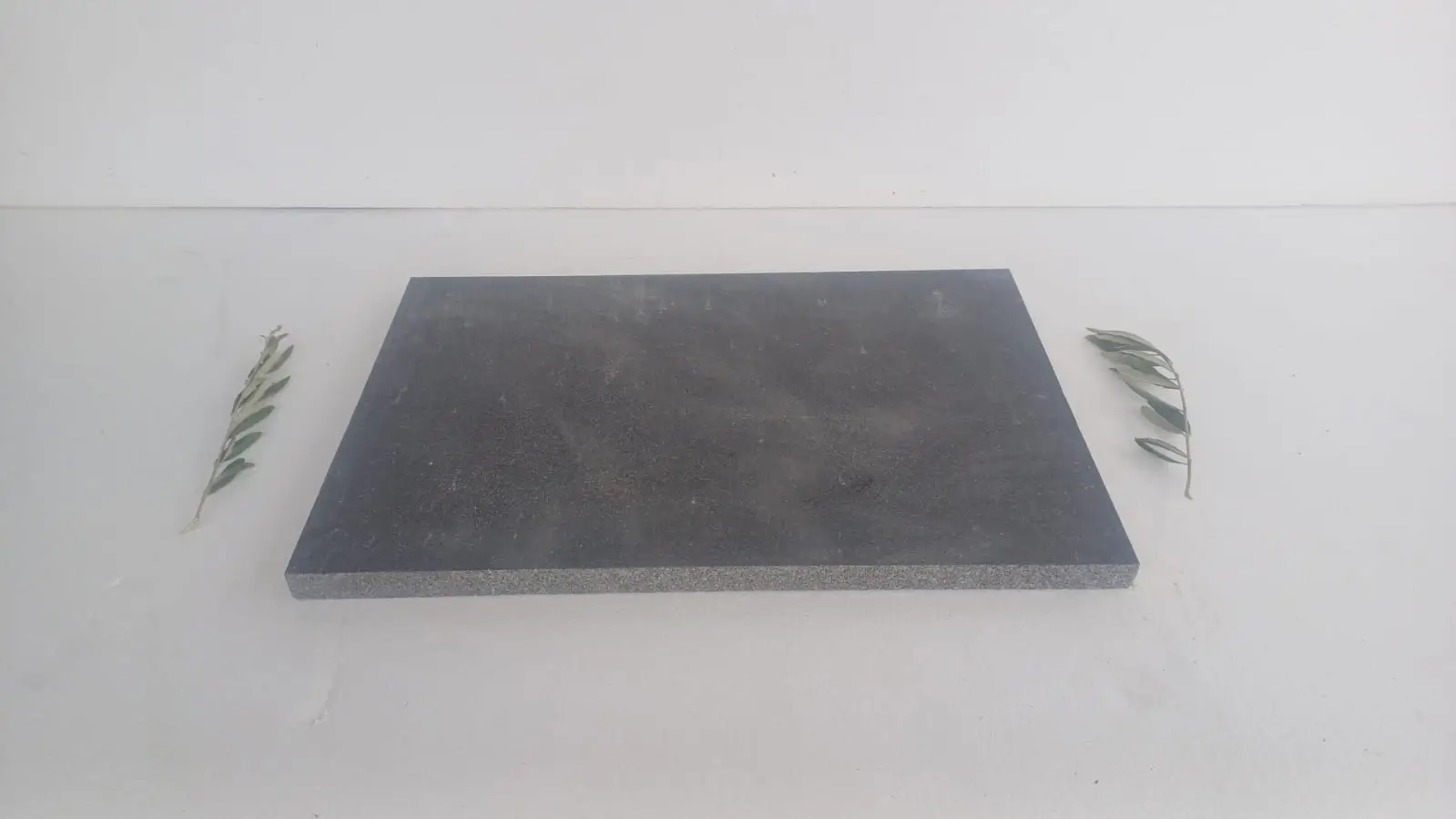
Your understanding of paving stone weight bearing Arizona performance must extend beyond simple compressive strength. Flexural strength—the material’s resistance to bending under load—often determines failure modes in thin pavers more than compression alone. When you specify materials for areas supporting vehicles, you need minimum flexural strength of 600-800 PSI for standard 60mm thickness, increasing to 900-1,100 PSI for 80mm commercial applications. These values ensure the paver can span minor base imperfections without cracking under concentrated wheel loads.
Thickness Requirements for Different Applications
The relationship between thickness and load capacity isn’t linear, and you’ll make costly mistakes if you assume doubling thickness doubles capacity. For pedestrian walkways experiencing foot traffic only, you can typically specify 40-50mm thickness with confidence when installed over properly compacted aggregate base. This thickness provides adequate strength for distributed pedestrian loads averaging 150-200 pounds per square foot, which represents crowded conditions at commercial entrances or public plazas.
When your application transitions to vehicular traffic, thickness requirements increase substantially. For residential driveways supporting passenger vehicles up to 6,000 pounds, you need minimum 60mm thickness as a baseline. This specification assumes vehicles with standard tire contact patches of 25-35 square inches and accounts for dynamic loading during acceleration, braking, and turning maneuvers. The 60mm thickness distributes point loads into the base layer effectively enough to prevent edge chipping and corner fractures that appear within 2-3 years in underspecified installations.
- You should specify 80mm thickness for areas experiencing regular truck traffic or heavy SUVs exceeding 7,500 pounds
- Your commercial applications require 100mm thickness when accommodating delivery vehicles, service trucks, or emergency vehicle access
- You’ll need 120mm or greater thickness for industrial applications with forklift traffic, loaded delivery trucks, or frequent heavy vehicle turning movements
- Your specification must account for vehicle frequency—occasional heavy loads require different design than daily truck traffic
What professionals often overlook is how thickness interacts with edge restraint and joint configuration. You can’t simply increase paver thickness and ignore base preparation or edge confinement. Thicker pavers actually generate higher lateral forces during thermal expansion, requiring more robust edge restraints. Your 80mm driveway installation needs edge restraints capable of resisting 400-600 pounds per linear foot of outward thrust, compared to 200-300 pounds for 60mm residential applications.
Base Preparation and Load Distribution
Your paving stone load capacity Arizona performance depends as much on base preparation as paver thickness. The base layer’s primary function is load distribution—spreading concentrated wheel loads across a wider area before transferring stress to subgrade soils. When you install 60mm pavers over a properly constructed 150mm aggregate base, you’re creating a structural system where the base does 60-70% of the load distribution work. Inadequate base preparation negates even the strongest paver specifications.
The compaction protocol you specify directly affects load-bearing performance. You need minimum 95% modified Proctor density in the base layer for pedestrian applications, increasing to 98% for vehicular applications. These aren’t arbitrary numbers—each 2% reduction in compaction density creates approximately 15% loss in load distribution efficiency. Your installation crew needs to achieve these densities in 50mm lifts maximum, using vibratory plate compactors generating minimum 5,000 pounds force for hand-guided equipment or 10,000 pounds for walk-behind units.
For comprehensive guidance on related paving applications, see Citadel Stone’s bulk paver supply for material options engineered for Arizona’s demanding conditions. You should evaluate how different base gradations affect performance in your specific soil conditions. Arizona soils range from expansive clays with plasticity indices exceeding 30 to granular desert soils with minimal fines content. Your base specification needs to account for this variability—clay subgrades require geotextile separation layers and potentially deeper aggregate sections to prevent pumping and migration.
Vehicle Weight Classifications
Understanding actual vehicle weights helps you specify appropriate paving stone traffic capacity Arizona ratings for different scenarios. Passenger vehicles have increased substantially in weight over the past two decades—modern full-size SUVs and electric vehicles frequently exceed 6,500 pounds, compared to 4,000-4,500 pounds for sedans from the 1990s. When you design residential driveways, you should assume worst-case loads of 7,000-7,500 pounds rather than outdated 5,000-pound planning values.
Commercial vehicle classifications create distinct specification requirements. Light-duty delivery vehicles like UPS trucks or step vans typically weigh 10,000-14,000 pounds when loaded, with rear axle weights reaching 8,000-10,000 pounds. Your specification needs to account for how this weight concentrates through dual rear wheels with contact patches totaling 50-70 square inches. The resulting point loads exceed 140-200 PSI at the paver surface, requiring robust thickness and base design to prevent localized failures.
- You need to verify whether your client expects occasional delivery truck access—this single variable changes thickness requirements by 20-30mm
- Your fire department access lanes require design for 60,000-75,000 pound fire apparatus with front axle loads reaching 20,000 pounds
- You should account for refuse trucks if your residential driveway serves as collection point—rear axle loads approach 22,000 pounds when loaded
- Your commercial loading dock areas experience the most severe conditions—loaded semi-trailers place 34,000 pounds on tandem axles with minimal weight distribution
The dynamic loading factor compounds these static weights significantly. When vehicles brake, accelerate, or turn, you’re dealing with instantaneous loads 1.5-2.5 times static weight. Your specifications for parking areas at slope transitions or intersection approaches need to account for this amplification. The paving stone weight bearing Arizona performance you specify must handle not just vehicle weight, but also the dynamic forces from typical driving maneuvers.
Thermal Stress Interaction with Mechanical Loading
Arizona’s extreme temperature environment creates loading conditions that compound mechanical stress in ways that moderate climates don’t experience. When your paver surface reaches 165°F on a July afternoon in Phoenix, thermal expansion generates compressive stress throughout the field. This pre-stressed condition means the paver is already carrying internal stress before any vehicle loads arrive. Your material selection needs to account for this stress stacking—you can’t simply add thermal stress and mechanical stress linearly.
The coefficient of thermal expansion for concrete pavers averages 5.5 × 10⁻⁶ per °F, while natural stone varies from 4.0-7.0 × 10⁻⁶ depending on mineralogy. When you experience a 140°F temperature differential between winter night lows and summer afternoon peaks, you’re dealing with dimensional change of 0.077% for a 12-inch paver. This translates to 0.009 inches of expansion—seemingly trivial until you recognize that 100 pavers in a row generate cumulative movement of 0.9 inches trying to express through joints and edges.
Your joint spacing specification directly affects how thermal movement interacts with load capacity. Tight joints of 1-2mm provide excellent interlock and load transfer between adjacent pavers, but they restrict thermal expansion movement. When thermal expansion can’t relieve through joints, stress concentrates in the pavers themselves, reducing effective load capacity by 8-12% during peak temperature conditions. You need to balance joint width optimization—3-5mm joints provide better thermal accommodation while maintaining adequate interlock for vehicular applications.
Edge Restraint Requirements
Your paving stone vehicular rating Arizona performance fails at the edges first, not in the field. Edge restraints serve two critical functions: preventing lateral spreading under traffic loads and confining the paver field during thermal expansion. When you specify edge restraint systems, you need to account for outward thrust forces that increase with paver thickness, installation area, and thermal cycling intensity. Inadequate edge restraint creates progressive failure—pavers at the perimeter shift outward 2-3mm during the first season, joints open, interlock degrades, and failure accelerates.
Concrete edge restraints provide the most reliable confinement for vehicular applications. You should specify minimum 4-inch width, 12-inch depth sections anchored with 12-inch spikes at 24-inch centers maximum. This configuration resists the 400-600 pounds per linear foot thrust from 80mm driveway installations experiencing Arizona’s thermal cycling. Plastic edge restraints work adequately for pedestrian applications but lack the rigidity and anchoring capacity for vehicular loads—you’ll see progressive failure in driveway applications within 3-5 years.
- You need to increase spike frequency to 18-inch centers at curves and radius sections where thrust vectors don’t align with restraint orientation
- Your specifications should require continuous concrete haunching behind edge restraints for commercial applications—this doubles effective restraint capacity
- You should detail edge restraint installation before base compaction to ensure proper embedment and resistance to uplift forces
- Your edge treatment at garage door openings requires special attention—thermal expansion creates maximum thrust at this critical transition
Joint Sand Specification and Load Transfer
The joint sand you specify plays a surprisingly significant role in paving stone load capacity Arizona performance. Joint sand provides interlock between adjacent pavers, distributing point loads across 4-6 surrounding units rather than concentrating stress in a single paver. When joints maintain 85-95% sand fill, load transfer efficiency reaches 65-75%. As joint sand erodes or migrates, load transfer degrades proportionally—50% joint fill reduces load distribution efficiency to 35-40%, essentially isolating individual pavers to carry loads independently.
Your joint sand gradation specification affects retention and load transfer capability. You need well-graded sand passing the #8 sieve but retained on #50 sieve for optimal performance. Finer materials like stone dust or polymeric sand with excessive fines content create erosion problems during Arizona’s monsoon events—you’ll lose 30-40% of joint fill during heavy rainfall seasons. Coarser materials don’t provide adequate interlock—#4 to #8 gradations bridge joints without filling void spaces between pavers.
The depth of joint sand penetration determines effective interlock. You should verify installation procedures ensure sand penetrates to within 3-5mm of the base layer. Shallow sand fill—common when contractors don’t adequately vibrate installations—provides interlock only in the upper 25-30% of paver thickness. When vehicle loads apply point stress, the lower 70% of paver thickness can’t transfer loads laterally, creating cantilevered stress conditions that lead to corner fractures and edge spalling.
Common Failure Modes and Specification Adjustments
Understanding how paving stone strength specifications Arizona installations fail helps you write preventive specifications. The most common residential failure mode is corner chipping and edge spalling at driveway approaches and apron areas. This occurs when your thickness specification marginalizes for the application—60mm pavers work adequately for mid-driveway areas but fail at approaches where vehicles enter at angles, creating torsional stress the pavers can’t accommodate. You need to specify 80mm thickness for the approach zone extending 6-8 feet from the street, even when 60mm works for the main driveway field.
Lippage development represents another common failure that’s specification-preventable. When adjacent pavers develop vertical offset exceeding 3mm, the leading edge experiences impact loading from vehicle tires. You’ve essentially created a speed bump that concentrates dynamic loads on a single edge. This condition develops from inadequate base preparation, insufficient compaction, or base aggregate with excessive fines content that allows settlement. Your specification needs to mandate verification of base smoothness to ±5mm over 10-foot straightedge before paver installation begins.
- You should specify increased thickness at turning areas where vehicles create lateral thrust—these zones experience 40% higher stress than straight-line traffic paths
- Your base preparation needs to address soft spots and organic material pockets that create differential settlement—these become failure initiation points within 18-24 months
- You need to detail proper drainage to prevent water accumulation beneath the base—saturated base materials lose 60% of load-bearing capacity
- Your specification must address tree root barriers when installing near existing landscaping—root growth creates heaving forces that overcome even properly designed installations
Rutting in wheel paths indicates base failure rather than paver inadequacy. When you observe ruts developing in the primary traffic lanes, you’re seeing base material displacement rather than paver compression. This failure mode reveals inadequate base compaction, excessive fines content allowing pumping, or insufficient base depth for the soil conditions. You can’t solve this problem by increasing paver thickness—you need to address base specification and compaction protocols.
Specification Differences for Arizona Climate Zones
Arizona’s elevation and geographic diversity create distinct specification requirements across climate zones. When you design for low desert areas like Phoenix, Yuma, or Tucson at elevations below 2,500 feet, you’re addressing extreme heat, minimal freeze-thaw cycling, and intense UV exposure. Your paving stone traffic capacity Arizona specifications in these zones need to prioritize thermal stress accommodation and surface temperature management. Light-colored pavers reduce surface temperatures by 15-25°F compared to dark materials, meaningfully reducing thermal stress and improving usable surface temperatures for pedestrian comfort.
High elevation areas like Flagstaff and Prescott above 5,000 feet introduce freeze-thaw cycling that low desert specifications don’t address. You need to specify minimum 8,000 PSI compressive strength with maximum 5% absorption for freeze-thaw durability. Lower strength materials or higher absorption rates create spalling and surface deterioration when absorbed moisture freezes and expands. Your specification should require ASTM C1645 freeze-thaw testing verification for materials installed above 4,000 feet elevation where annual freeze-thaw cycles exceed 40 events.
Transitional zones between 2,500-5,000 feet like Sedona and Prescott Valley experience both temperature extremes and occasional freeze-thaw events. Your specifications for these areas need to address the full range of environmental stress factors. You should specify materials meeting both thermal cycling requirements and freeze-thaw durability standards—a more demanding combination that requires higher quality materials than either extreme alone. The dual stress environment in these zones justifies premium material selection even for residential applications.
Commercial Versus Residential Requirements
The distinction between commercial and residential paving stone load capacity Arizona specifications extends beyond simple thickness increases. Commercial applications involve higher traffic frequency, heavier vehicle loads, potential liability exposure, and longer expected service life. When you specify for commercial projects, you’re typically designing for 30-50 year service life under continuous heavy use, compared to 20-30 years for residential applications with intermittent loading.
Your commercial specifications need to account for maintenance realities—business owners rarely perform the regular joint sand replenishment and cleaning that homeowners might. You should specify polymeric joint sand for commercial applications despite the cost premium. The polymer-modified sand provides 3-5 times better retention than conventional sand, reducing maintenance frequency from annual to every 4-6 years. This specification adjustment costs 40% more initially but reduces lifecycle maintenance costs by 60-70%.
- You need to specify minimum 10,000 PSI compressive strength for commercial vehicular areas versus 8,000 PSI residential minimum—the strength margin accounts for cumulative loading and reduced maintenance
- Your commercial edge details should include continuous concrete curbs rather than buried edge restraints—the increased cost provides permanent edge confinement that won’t degrade
- You should require professional installation certification for commercial projects—installation quality affects performance more than material quality in many cases
- Your warranty language needs to address realistic expectations—commercial applications under heavy truck traffic can’t carry the same performance guarantees as residential pedestrian areas
Testing and Verification Protocols
Professional specifications include verification testing protocols to confirm materials meet stated paving stone weight bearing Arizona requirements before installation. You should require manufacturers to provide certified test results from independent laboratories showing compliance with ASTM C936 for concrete pavers or ASTM C615 for natural stone. These test reports need to be material-specific and recent—generic product line testing from five years ago doesn’t verify the specific production lot being delivered to your project.
Your specification should include field testing provisions for base preparation. Nuclear density gauge testing provides rapid verification that base compaction meets specified 98% modified Proctor density. You need minimum three tests per 1,000 square feet of installation area, distributed across the base to identify soft spots or inadequately compacted areas. This testing protocol costs $400-600 for typical residential driveways but prevents failures that require $8,000-15,000 reconstruction expenses.
Post-installation verification should include elevation surveys confirming surface flatness within specification tolerances. You should require maximum 3mm variation under a 3-meter straightedge for vehicular applications. Lippage between adjacent pavers must not exceed 2mm—higher offsets create impact loading conditions that accelerate wear and increase failure risk. These verification steps take 1-2 hours for residential projects but document that installation meets professional standards.
Citadel Stone’s Wholesale Paving Slabs in Arizona — Professional Specification Guidance
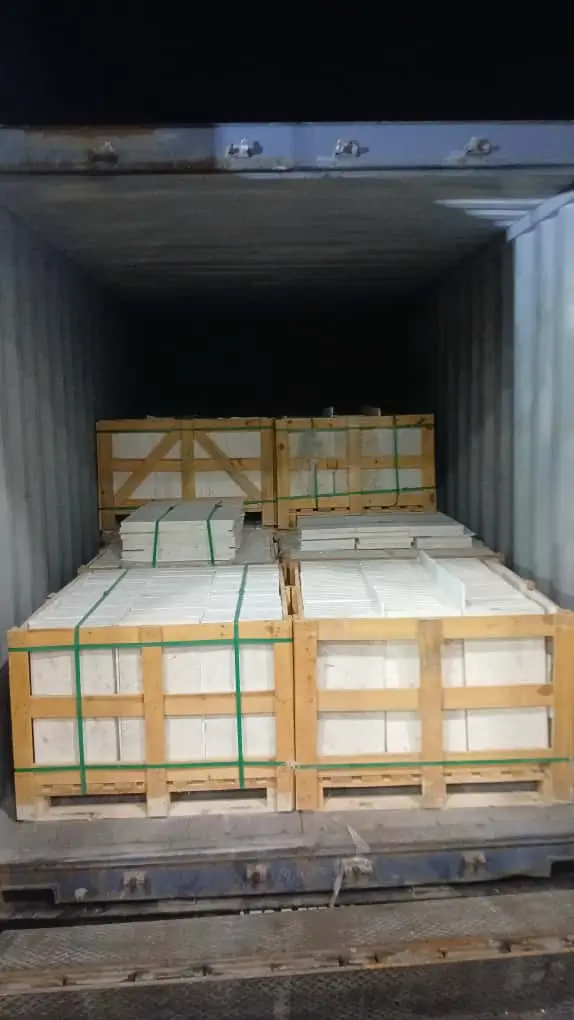
When you evaluate options for engineered paving materials designed specifically for Arizona’s extreme load and climate conditions, you should understand how premium wholesale paving slabs in Arizona from specialized suppliers address the technical requirements discussed throughout this article. At Citadel Stone, we provide specification-grade materials engineered to meet demanding paving stone load capacity Arizona requirements for both vehicular and pedestrian applications. This section presents hypothetical specification scenarios showing how you would approach material selection for representative Arizona cities with diverse climate conditions and application requirements.
Your specification process benefits from understanding how regional conditions affect material performance and installation protocols. You’ll encounter different challenges in low desert environments compared to high elevation areas, and your material selections need to account for these variations. The following city-specific scenarios demonstrate how you would adapt specifications to local conditions while maintaining consistent performance standards.
Phoenix Thermal Considerations
In Phoenix applications, you would need to prioritize thermal management in your paving stone vehicular rating Arizona specifications. Summer surface temperatures reaching 165-175°F create thermal expansion stress that compounds vehicle loading. You should specify light-colored materials with solar reflectance values exceeding 0.40 to reduce surface temperatures by 20-25°F compared to dark pavers. Your joint spacing would increase to 4-5mm to accommodate thermal movement, and you’d specify polymeric joint sand to maintain fill despite thermal cycling. Warehouse inventory timing matters here—you want material delivered during cooler months to avoid thermal stress during initial curing periods.
Tucson Load Requirements
For Tucson installations, you would focus on paving stone strength specifications Arizona standards that address both residential and commercial mixed-use applications common in the area. You’d specify minimum 80mm thickness for driveways serving homes with oversized vehicles and RVs prevalent in the region. Your base preparation would account for caliche layers common in Tucson soils—you need mechanical scarification to 200mm depth to break through caliche and prevent differential settlement. The specification would require verification that truck access to the site accommodates delivery of thicker, heavier pavers without damaging existing improvements.
Scottsdale Premium Applications
When you specify for Scottsdale’s high-end residential market, you would balance aesthetic requirements with rigorous paving stone traffic capacity Arizona performance standards. You’d specify premium materials with compressive strengths exceeding 10,000 PSI to ensure long-term appearance retention under vehicle loads. Your edge details would include decorative concrete borders that provide both visual appeal and structural edge restraint. Installation scheduling would avoid summer months when material handling and worker safety become challenging—you’d coordinate warehouse deliveries for October through April installation windows when temperatures support optimal curing conditions.
Flagstaff Freeze-Thaw Durability
Your Flagstaff specifications would address freeze-thaw cycling that low desert areas don’t experience. You’d require materials meeting ASTM C1645 severe weathering classifications with maximum 5% absorption rates. The paving stone weight bearing Arizona requirements would include minimum 8,500 PSI compressive strength to withstand freeze-thaw stress compounded by vehicle loads. Your base specification would increase to 200mm depth with enhanced drainage provisions—you need to prevent water accumulation that creates frost heave conditions. You’d specify installation completion by mid-September to allow adequate curing before winter freeze cycles begin.
Mesa Residential Standards
For Mesa’s predominantly residential applications, you would develop paving stone load capacity Arizona specifications optimized for standard passenger vehicle loads with occasional truck access. You’d specify 60mm thickness for main driveway areas with 80mm approach zones at street transitions. Your base preparation would address expansive clay soils common in Mesa—you’d require geotextile separation layers and potentially lime stabilization for high-plasticity subgrades. The specification would include provisions for regular joint sand maintenance to preserve interlock and load distribution, with recommended replenishment intervals detailed in closeout documents.
Gilbert Mixed-Use Specifications
When you specify for Gilbert’s mixed residential and commercial developments, you would create tiered paving stone vehicular rating Arizona requirements addressing different use scenarios. Residential driveways would receive 60-80mm specifications, while commercial parking and delivery areas would require 100mm thickness with 10,000+ PSI strength ratings. Your specification would address transition zones between use areas—you need gradual thickness changes rather than abrupt steps that create stress concentrations. You’d coordinate with local building officials to verify that your specifications meet or exceed municipal standards for commercial vehicular pavements, and you’d confirm warehouse inventory can supply the material quantities required for phased development schedules.
Final Considerations
Your professional responsibility when specifying paving stone load capacity Arizona systems extends beyond selecting thickness and strength numbers from product catalogs. You need to understand how thermal stress, vehicle dynamics, base preparation, and installation quality interact to create system performance. The specifications you write should address the complete installation system—pavers, base, edge restraint, joints, and drainage—as an integrated structural assembly rather than isolated components.
The distinction between adequate specifications and professional specifications often comes down to understanding failure modes and writing preventive requirements. You should specify with sufficient conservatism to accommodate field variations, material tolerances, and real-world conditions that laboratory testing doesn’t capture. When you account for thermal stress amplification, dynamic loading factors, and long-term maintenance realities, your specifications might increase project costs by 15-20%, but you’ll prevent failures that cost 300-400% more to remedy.
Your specification decisions affect liability exposure beyond just project performance. When vehicular pavements fail and create trip hazards or accessibility barriers, you face potential legal exposure if specifications didn’t meet professional standards of care. For additional environmental considerations affecting long-term material performance, review Environmental sustainability assessment of paving materials in Arizona climates before you finalize your project documentation. Authentic looks achieved with Citadel Stone’s realistic manufactured bluestone pavers in Arizona porcelain.