
When you evaluate patio stone slip resistance Arizona requirements, you’re making decisions that directly affect occupant safety and your liability exposure. Surface texture ratings determine whether your installation meets ADA accessibility standards and local building codes, particularly around pool decks and public gathering spaces. You need to understand how Arizona’s extreme temperature fluctuations affect surface traction characteristics throughout the year.
Slip resistance performance varies significantly based on material porosity, surface finish treatment, and environmental exposure conditions. Your specification must account for wet and dry conditions, seasonal temperature variations exceeding 80°F differential, and long-term wear patterns that alter surface texture over 15-20 year service life. The relationship between DCOF ratings and real-world performance isn’t as straightforward as product literature suggests.
Understanding Slip Resistance Measurement Standards
You should reference ASTM C1028 and ASTM F2508 when you specify patio stone surface safety Arizona requirements, but recognize these standards measure different friction characteristics. C1028 evaluates static coefficient of friction using the James Machine, while F2508 measures dynamic coefficient using the BOT-3000E device. Your specification needs to address both metrics because they reveal different performance aspects under varying conditions.
The critical distinction involves wet versus dry testing protocols. When you review manufacturer data sheets, you’ll find DCOF ratings typically measured on clean, dry surfaces in laboratory conditions. Real-world Arizona installations encounter dust accumulation, organic debris, pool chemical residue, and seasonal monsoon moisture that reduce surface traction by 0.15-0.25 points below laboratory measurements. You need to account for this performance gap in your specification criteria.
- You should require minimum wet DCOF of 0.50 for residential patio applications
- Your commercial specifications must meet ADA wet DCOF threshold of 0.60 or higher
- You’ll encounter pool deck requirements demanding wet DCOF between 0.65-0.70
- Thermal expansion during Arizona summers can alter micro-texture surface characteristics
- Material porosity between 3-8% affects water drainage and surface friction interaction
Testing frequency matters more than most specifications acknowledge. You should verify slip resistance at installation completion, then re-test at 18-month intervals for commercial applications. Surface wear from foot traffic, UV degradation, and cleaning protocols gradually reduces texture depth by 12-18% over the first five years, which directly impacts long-term patio stone traction standards Arizona performance.
Surface Texture Classification Systems
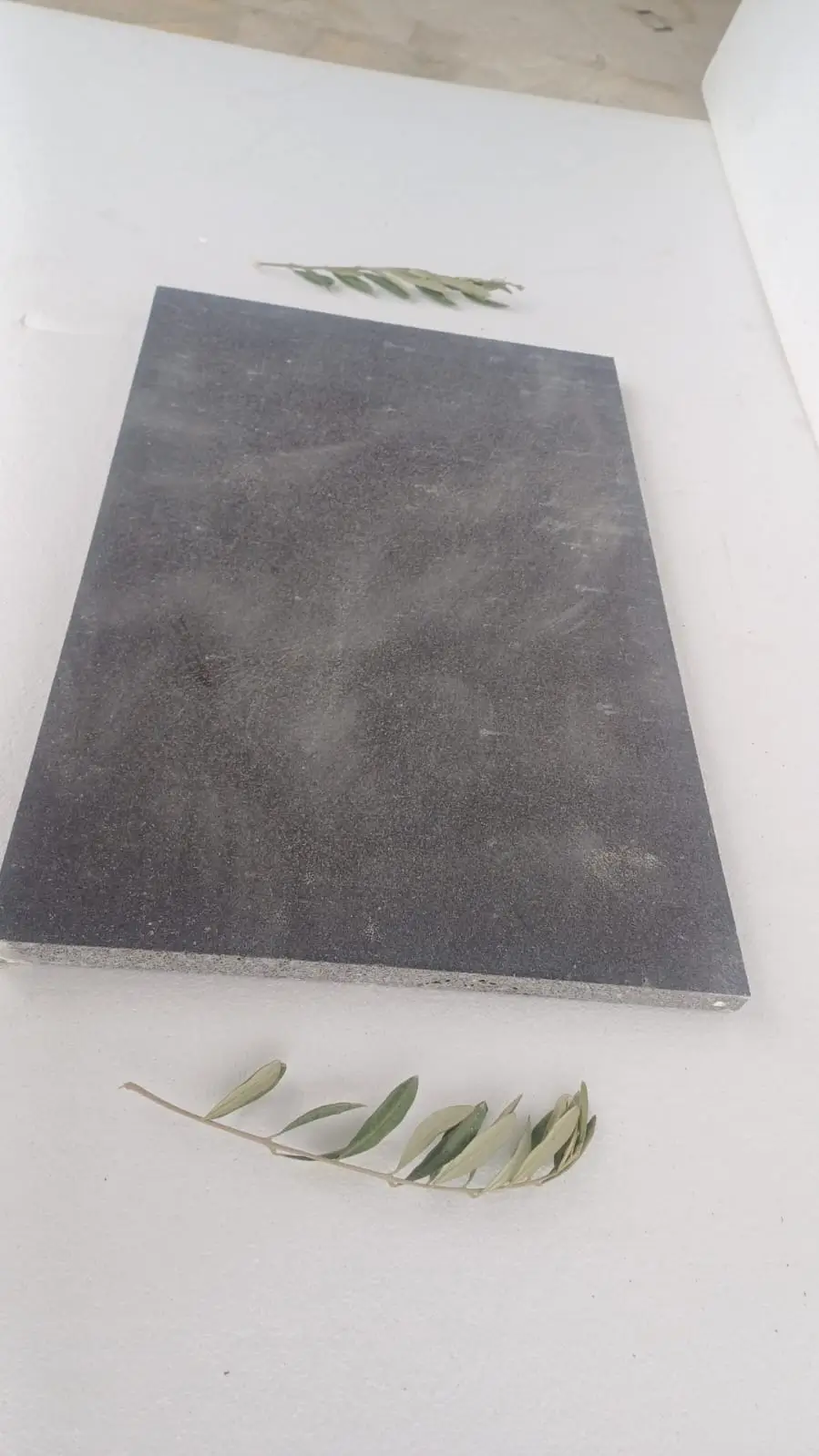
Patio stone texture ratings Arizona classifications range from polished finishes with DCOF values as low as 0.38 to heavily textured surfaces exceeding 0.75 wet coefficient measurements. You need to understand how surface finishing techniques create different micro-topography patterns that determine friction characteristics. The finish you specify directly determines whether your installation meets safety standards and user comfort requirements.
Thermal finishes use high-temperature flame treatment to roughen surface crystalline structures, creating irregular texture patterns with excellent slip resistance. When you specify thermal-finished materials for Arizona applications, you’re selecting surfaces that maintain traction even when wet, but you’ll notice faster accumulation of dirt and organic staining in the textured surface valleys. These finishes work exceptionally well for pool decks and high-traffic commercial installations where safety outweighs maintenance convenience.
Honed finishes provide smooth, matte surfaces with moderate slip resistance ranging from 0.48-0.56 DCOF in wet conditions. You’ll find this finish offers the best balance between aesthetic appeal and functional traction for most residential patio applications. The surface shows less visible wear over time compared to textured finishes, and you can maintain consistent appearance with standard pressure washing protocols every 18-24 months.
- Polished finishes deliver premium aesthetics but require patio stone anti-slip treatments Arizona applications for safety compliance
- Bush-hammered surfaces create uniform dimpled texture with wet DCOF typically between 0.62-0.68
- Natural cleft finishes preserve quarried texture with inherent slip resistance ranging 0.58-0.72
- Sandblasted surfaces offer controlled texture depth with predictable friction coefficients
Your texture selection should account for barefoot traffic patterns around pools and outdoor living areas. Heavily textured surfaces that exceed 0.70 wet DCOF can feel uncomfortable for barefoot use, particularly for children and elderly occupants. You’re looking for the optimal range between 0.55-0.65 wet DCOF for most residential applications, which provides adequate safety without compromising user comfort.
Thermal Effects on Slip Resistance Performance
Arizona’s extreme surface temperatures create conditions that significantly impact patio stone slip resistance Arizona characteristics throughout daily and seasonal cycles. When you measure surface temperatures during July afternoons, you’ll record readings between 155-175°F on dark-colored materials in direct sun exposure. These thermal conditions alter surface moisture evaporation rates and affect the dynamic friction interface between footwear and stone surface.
Thermal expansion and contraction cycles cause micro-cracking in surface crystalline structures over 8-12 year periods, which gradually increases surface roughness and texture depth. You should understand this phenomenon works in your favor for slip resistance maintenance, but it also accelerates surface weathering appearance and increases susceptibility to staining. The trade-off between improved traction and aesthetic degradation requires careful material selection based on your project priorities.
Moisture behavior changes dramatically with surface temperature variations. When you analyze performance during monsoon season, late afternoon rains on sun-heated surfaces create flash evaporation that leaves mineral residue films. These deposits reduce surface friction by 0.08-0.12 DCOF points until you remove them through cleaning protocols. For projects requiring comprehensive guidance on material performance, see our patio stone supply services for detailed specification support across various climate zones.
- You need to account for 18-22°F surface temperature differential between shaded and sun-exposed areas
- Your specification should address thermal shock resistance for materials exposed to sudden cooling from irrigation or rain events
- Coefficient of thermal expansion rates between 5.1-5.8 × 10⁻⁶ per °F affect joint spacing and surface stability
- Dark-colored materials absorb 75-85% of solar radiation versus 35-45% for light-colored alternatives
You’ll encounter reduced slip resistance during the brief periods when surfaces are wet from rain or pool splash-out combined with elevated temperatures. The thin water film on hot surfaces creates temporary hydroplaning conditions that reduce effective DCOF by 0.20-0.28 points for the 8-15 minutes until evaporation occurs. Your patio stone surface safety Arizona specification must account for these worst-case scenarios in high-traffic areas.
Material Composition and Traction Characteristics
Stone composition directly determines base slip resistance before any surface treatment application. When you evaluate different lithologies, you’re assessing mineral hardness, crystal size distribution, and natural porosity that create inherent texture characteristics. Sedimentary stones like sandstone and limestone offer different friction properties compared to igneous materials like granite or basalt.
Limestone varieties with fine-grained calcite crystal structures provide moderate slip resistance in natural cleft or honed finishes, with wet DCOF typically ranging 0.48-0.56 depending on porosity levels. You should verify that limestone selections maintain adequate surface texture after finishing processes, as some dense varieties can polish to slippery surfaces when honed. The advantage of limestone involves consistent performance across temperature ranges and excellent response to anti-slip treatment applications when additional traction is required.
Sandstone materials offer superior natural slip resistance due to granular surface texture and higher porosity ranges between 6-12%. When you specify sandstone for Arizona installations, you’re selecting materials with inherent wet DCOF values between 0.58-0.68 in natural or lightly finished conditions. The challenge involves variable density across quarried blocks, which creates inconsistent wear patterns and potential delamination in lower-quality selections exposed to freeze-thaw cycles at higher elevations.
- Granite provides extremely durable surfaces but requires textured finishing to achieve adequate slip resistance
- Travertine’s naturally porous structure delivers good traction but demands filling treatments for level walking surfaces
- Basalt offers excellent slip resistance in thermal or natural finishes with outstanding durability characteristics
- Slate maintains reliable friction coefficients but can delaminate along bedding planes under thermal stress
Your material selection should balance slip resistance requirements with other performance factors including abrasion resistance, stain susceptibility, and thermal mass properties. You can’t optimize all characteristics simultaneously, so you need to prioritize based on specific project conditions and client expectations for long-term performance.
Anti-Slip Treatment Application Methods
When your base material doesn’t achieve required slip resistance ratings, you’ll need to implement patio stone anti-slip treatments Arizona applications through mechanical or chemical modification methods. These treatments alter surface micro-texture to increase friction coefficient without changing overall appearance or color significantly. Your selection between treatment types depends on material composition, existing finish, and required performance improvement magnitude.
Chemical etching treatments use acidic solutions to selectively dissolve surface minerals and create micro-roughness that increases DCOF by 0.12-0.18 points on limestone and marble materials. You should understand these treatments work best on calcium-based stones and produce minimal effect on silicate materials like granite or quartzite. The etching depth typically ranges 0.015-0.025 inches, which provides 5-8 year durability before re-treatment becomes necessary in high-traffic applications.
Mechanical abrasion methods including shot-blasting or grinding create controlled texture patterns with predictable friction enhancement. When you specify mechanical treatments, you’re adding 0.15-0.25 DCOF points to base material performance, with results lasting 12-15 years under normal residential traffic conditions. These treatments offer more durable solutions compared to chemical applications, but they visibly alter surface appearance and may not suit projects requiring pristine aesthetic finishes.
- You can apply penetrating anti-slip sealers that leave polymer residue in surface pores to increase friction
- Your treatment timing should occur after initial installation and joint filling completion
- Surface preparation requires thorough cleaning to remove construction residue and efflorescence before treatment
- Re-treatment intervals vary from 3-7 years depending on traffic exposure and cleaning protocols
Warehouse stock of pre-treated materials allows you to verify slip resistance before installation rather than relying on field-applied treatments with variable results. You should request certified test data showing post-treatment DCOF values rather than accepting manufacturer claims without third-party verification through ASTM-compliant testing protocols.
Code Compliance and Liability Considerations
Your patio stone slip resistance Arizona specification must satisfy International Building Code requirements, ADA accessibility standards, and local jurisdiction amendments that may impose stricter criteria. You need to document compliance through certified testing data and maintain records demonstrating due diligence in material selection and installation oversight. The liability exposure from slip-and-fall incidents demands conservative specification approaches that exceed minimum code requirements.
IBC Section 1003.2.4 requires walking surface coefficient of friction minimum 0.60 for accessible routes, which applies to commercial installations and multi-family residential common areas. When you design these spaces, you can’t rely on product literature alone — you must obtain laboratory test reports from certified facilities using current ASTM protocols. Your specification should explicitly state required DCOF values for wet conditions, not just dry measurements that don’t reflect real-world hazard scenarios.
ADA Standards for Accessible Design reference slip resistance in advisory notes rather than mandatory requirements, but legal precedent establishes 0.60 wet DCOF as the de facto standard for accessibility compliance. You should apply this threshold to all public-facing installations regardless of strict legal applicability, because demonstrating code-minimum compliance doesn’t protect against negligence claims when industry best practices recommend higher standards.
- You must verify that pool deck surfaces meet or exceed 0.65 wet DCOF for safety and insurance compliance
- Your documentation should include material certifications, test reports, and installation photos showing proper execution
- Slip resistance testing at project completion provides baseline data for future maintenance and re-testing comparison
- Warning signage doesn’t substitute for adequate surface friction in areas with known wet conditions
Insurance carriers increasingly demand documented slip resistance verification for commercial property coverage, particularly for hospitality and multi-family residential projects. You’ll find premium rates and coverage terms directly affected by your ability to demonstrate compliant material selection and proper installation practices through comprehensive project documentation.
Seasonal Performance Variation Factors
Patio stone traction standards Arizona applications must account for seasonal environmental changes that affect surface friction characteristics throughout the annual cycle. When you analyze performance requirements, you’re addressing monsoon moisture, winter freeze events at higher elevations, spring dust storms, and year-round UV exposure that each impact slip resistance through different mechanisms.
Monsoon season from July through September introduces the most significant slip hazard conditions when sudden rainfall creates wet surfaces combined with organic debris accumulation and algae growth in shaded areas. You should specify materials and surface treatments that maintain minimum 0.50 wet DCOF even with biofilm presence, which typically reduces friction by 0.10-0.14 points compared to clean wet conditions. Your maintenance protocols must include periodic pressure washing with approved cleaning solutions to remove biological growth before it compromises surface safety.
Winter conditions at elevations above 4,500 feet create freeze-thaw cycling that affects surface micro-texture and can cause spalling in materials with inadequate freeze-thaw resistance. When you specify for Flagstaff or Sedona locations, you need materials meeting ASTM C1645 Grade SW requirements with maximum 0.50% water absorption to prevent freeze-related deterioration. The surface texture changes from freeze damage typically improve slip resistance initially but lead to structural failure within 8-12 years if base material quality is inadequate.
- You’ll encounter reduced slip resistance when dust accumulation combines with morning dew in spring months
- Your cleaning schedule should intensify during spring allergy season when pollen creates slippery surface films
- Summer heat causes rapid surface drying that concentrates mineral deposits and reduces traction
- Fall leaf accumulation in landscaped areas creates organic decay that generates slippery biofilms
UV degradation affects polymer-based anti-slip treatments more significantly than mechanical texture modifications. When you rely on topical sealers or chemical treatments for slip resistance enhancement, you should plan re-application every 3-4 years in Arizona’s high-UV environment compared to 5-7 year intervals in less extreme climates. Your maintenance budget must account for this accelerated degradation when you calculate total cost of ownership.
Testing Protocols and Verification Methods
You need to implement systematic testing protocols that verify patio stone slip resistance Arizona performance at installation completion and periodic intervals throughout service life. Field testing using portable tribometers provides practical validation of laboratory data and reveals actual performance under site-specific conditions. Your testing program should address both wet and dry conditions across representative areas including shaded sections, sun-exposed zones, and high-traffic pathways.
The BOT-3000E digital tribometer offers the most reliable field testing method, measuring dynamic coefficient of friction through sensor-equipped test foot that simulates walking motion. When you conduct field testing, you should perform minimum five readings per test area and discard outliers before calculating average DCOF values. Test surface preparation requires cleaning to remove loose debris while maintaining normal service conditions — you’re not measuring idealized clean surfaces but rather typical use-state performance.
Testing timing significantly affects results accuracy. You should conduct initial verification testing after joint filling completion but before sealer application, then re-test post-sealing to verify that protective treatments don’t reduce surface friction below specification requirements. Some penetrating sealers reduce DCOF by 0.05-0.08 points, which can push borderline materials below compliance thresholds if you don’t account for this effect in initial material selection.
- You must calibrate testing equipment according to manufacturer protocols before each use session
- Your test locations should include minimum three wet measurements and three dry measurements per zone
- Surface temperature during testing affects results — you should record ambient and surface temperatures with each measurement
- Wet testing requires controlled water application using standardized protocols rather than random spray patterns
Documentation requirements include photographing test locations, recording environmental conditions, noting any surface contamination or unusual conditions, and maintaining calibration certificates for testing equipment. You’ll need this comprehensive documentation for code compliance verification, insurance requirements, and potential liability defense if slip-and-fall incidents occur during building service life.
Maintenance Impact on Long-Term Traction
Your maintenance protocols directly determine whether patio stone surface safety Arizona installations maintain specified slip resistance throughout 20-30 year service expectations. Surface contamination from organic growth, mineral deposits, and wear patterns gradually reduces friction coefficients by 0.15-0.22 points over 5-8 years without proper maintenance intervention. You need to establish cleaning schedules, approved product lists, and inspection protocols that preserve surface texture characteristics.
Pressure washing represents the most effective maintenance method for restoring slip resistance, but improper technique can damage surface texture and accelerate deterioration. When you specify maintenance requirements, you should limit pressure to 1,200-1,500 PSI for sedimentary stones and allow up to 2,000-2,500 PSI for harder igneous materials. The spray angle should remain 15-25 degrees from surface plane rather than perpendicular impact that can erode softer materials and remove texture from treated surfaces.
Cleaning solution selection affects both immediate traction and long-term material durability. You should avoid acidic cleaners on calcium-based stones as repeated use gradually dissolves surface texture that provides slip resistance. Alkaline solutions work better for limestone and marble, while pH-neutral products suit most applications without risking chemical damage. Your specification should explicitly prohibit certain cleaning products and provide approved alternatives that maintain surface integrity.
- You need to schedule deep cleaning at 12-18 month intervals for residential applications
- Your commercial maintenance programs should include quarterly cleaning in high-traffic areas
- Biofilm removal requires specific enzymatic cleaners that break down organic growth without texture damage
- Efflorescence removal demands careful chemical selection based on stone composition and stain severity
Sealer reapplication timing significantly impacts slip resistance maintenance. When you allow sealers to completely wear away before reapplication, you’re exposing bare stone to accelerated staining and biofilm colonization that reduces traction. The optimal approach involves resealing at 70-80% of expected sealer life rather than waiting for complete failure, which maintains consistent surface performance and appearance throughout service life.
Comparative Analysis of Surface Finish Options
When you evaluate finish alternatives for patio stone texture ratings Arizona compliance, you’re balancing slip resistance performance against aesthetic preferences, maintenance requirements, and budget constraints. Each finish type delivers different traction characteristics with corresponding trade-offs in appearance, durability, and cost. Your selection should align with project priorities after analyzing complete performance profiles rather than focusing exclusively on initial DCOF measurements.
Flamed finishes provide the highest slip resistance with wet DCOF typically ranging 0.68-0.76, making them ideal for pool decks and commercial applications where safety is paramount. You’ll pay premium pricing for this finish, typically 18-25% above standard honed surfaces, and you should prepare clients for the rough texture appearance and increased maintenance demands. The deep surface texture traps dirt and organic material that requires more frequent cleaning compared to smoother finishes.
Honed finishes deliver the most versatile performance profile with moderate slip resistance between 0.48-0.56 wet DCOF, refined appearance that suits contemporary design aesthetics, and reasonable maintenance demands. When you specify honed surfaces for general patio applications without pool exposure, you’re selecting the optimal balance for most residential projects. You can enhance slip resistance through chemical treatments if needed, but base performance satisfies building code requirements for standard walking surfaces.
- Polished finishes require anti-slip treatment application to achieve code-minimum traction levels
- Brushed finishes create subtle linear texture with slip resistance between 0.52-0.60 wet DCOF
- Natural cleft preserves quarried texture with excellent inherent traction but variable thickness requires additional installation labor
- Sandblasted surfaces offer controlled texture depth with predictable friction enhancement over honed base finishes
Your finish selection should account for barefoot traffic comfort in outdoor living areas. Finishes exceeding 0.65 wet DCOF often feel uncomfortably rough for barefoot use, particularly for children’s play areas and spa surrounds. You’re looking for the sweet spot between 0.55-0.62 wet DCOF that provides adequate safety without compromising user experience during normal barefoot activities.
Paving Wholesalers in Arizona: Citadel Stone Specification Guidance
When you consider Citadel Stone’s paving wholesalers in Arizona for your slip resistance critical projects, you’re evaluating materials pre-selected for extreme climate performance and surface safety requirements. At Citadel Stone, we provide technical guidance for hypothetical applications across Arizona’s diverse climate zones from low desert to high-elevation environments. This section outlines how you would approach specification decisions for six representative cities with varying slip resistance challenges.
You should account for regional temperature differentials ranging from 140°F summer surface temperatures in Yuma to freeze-thaw cycling concerns in Flagstaff elevations above 6,000 feet. Your material selection would need to address both thermal performance and surface traction maintenance across these extreme condition variations. The following city-specific considerations demonstrate how you would adapt specifications to local environmental factors.
Phoenix Heat Performance
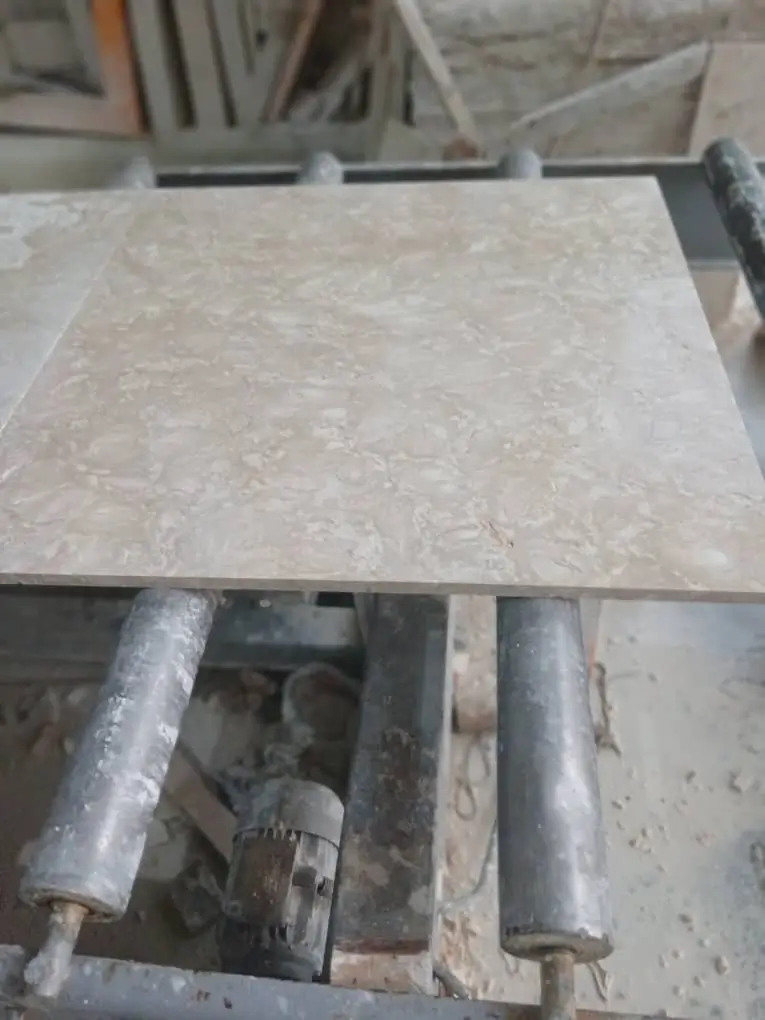
In Phoenix, you would encounter surface temperatures exceeding 165°F during July and August afternoons on dark-colored materials. Your specification would need to address thermal-induced micro-cracking that gradually increases surface texture over 10-15 year periods. You should select lighter-colored materials that reduce surface temperatures by 25-35°F compared to darker alternatives while maintaining adequate slip resistance through honed or lightly textured finishes. Pool deck applications would require textured surfaces with minimum 0.65 wet DCOF to handle the combination of extreme heat and frequent water exposure that characterizes Phoenix outdoor living spaces.
Tucson Monsoon Considerations
Your Tucson installations would need to account for intense monsoon activity that delivers 30% of annual precipitation in concentrated July-September events. You would specify materials with adequate porosity between 4-7% to facilitate rapid drainage while maintaining slip resistance when wet. The dust storms preceding monsoon rains create surface contamination that temporarily reduces traction, so you should plan maintenance protocols including pre-monsoon deep cleaning. Warehouse inventory positioned in the Tucson metro area would allow you to expedite project timelines during optimal spring installation windows before summer heat intensity peaks.
Scottsdale Luxury Applications
When you plan Scottsdale resort-style residential projects, you would balance slip resistance requirements with refined aesthetic expectations from high-end clients. Your specification might favor premium honed finishes with chemical slip enhancement rather than heavily textured surfaces that compromise visual sophistication. You should account for extensive pool deck areas, outdoor kitchen surrounds, and entertainment spaces that demand 0.60+ wet DCOF performance without sacrificing the polished appearance Scottsdale luxury market expects. Material selections would emphasize consistent color and minimal variation to match contemporary desert modernist architectural preferences.
Flagstaff Freeze Protection
Your Flagstaff specifications would prioritize freeze-thaw resistance as the critical performance factor, with slip resistance requirements complicated by ice formation during winter months. You would need materials meeting ASTM C1645 Grade SW with maximum 0.50% absorption rates to prevent freeze damage. Surface texture selection would account for potential ice accumulation that makes slip resistance treatments ineffective during winter conditions. You should specify heated patio systems for high-traffic areas or plan for winter closure of outdoor spaces when freeze events make safe surface traction impossible to maintain regardless of material selection.
Sedona Red Rock Integration
In Sedona, you would specify materials that complement iconic red rock formations while meeting slip resistance standards for tourism-focused commercial applications. Your selections would likely emphasize earth-tone colors with textured finishes that provide adequate traction for high visitor traffic. You should account for elevation-related freeze-thaw concerns at 4,500 feet while addressing intense UV exposure that degrades polymer-based anti-slip treatments faster than lower-elevation locations. Truck access constraints in some Sedona locations would require careful delivery coordination to ensure materials arrive during optimal installation windows without weather-related delays.
Mesa Volume Projects
Your Mesa commercial and multi-family residential projects would benefit from volume pricing on standardized material selections that meet slip resistance codes while controlling budget constraints. You would specify proven performers with established track records rather than experimental materials, focusing on honed finishes with 0.52-0.58 wet DCOF that satisfy building code requirements without premium pricing. Warehouse distribution efficiency in the East Valley would support tight construction schedules typical of production housing and commercial development projects that characterize Mesa’s growth patterns.
Project Specification Best Practices
Your comprehensive patio stone slip resistance Arizona specification should address material selection criteria, surface finish requirements, testing protocols, installation standards, and maintenance expectations in a single coordinated document. You need to eliminate ambiguity through specific performance thresholds, approved product lists, and clear acceptance criteria that prevent disputes during construction and warranty periods. Your specification becomes the contractual foundation that protects all project stakeholders when you include sufficient detail to ensure consistent interpretation.
Material selection language should specify minimum wet DCOF values rather than just referencing finish types, because finish terminology varies between suppliers and regions. When you write “honed finish with minimum 0.52 wet DCOF per ASTM F2508” you’re establishing verifiable performance criteria instead of relying on subjective appearance descriptions. You should require certified test data from approved laboratories rather than accepting manufacturer literature that may represent best-case scenarios rather than typical production lot performance.
Installation requirements must address substrate preparation, setting bed composition, joint spacing, and curing procedures that affect final slip resistance performance. You’ll find that improper installation techniques can reduce material slip resistance by 0.08-0.15 DCOF points even when base material meets specifications. Your installation section should reference industry standards including TCNA Handbook guidelines while adding project-specific requirements for Arizona climate conditions.
- You should specify acceptable surface finish variation tolerances to prevent rejection of normal production variance
- Your testing requirements must define sample frequency, test locations, and acceptance thresholds
- Warranty language should address slip resistance maintenance over specified time periods with clear exclusions
- Maintenance protocols belong in specifications to establish owner responsibilities and preserve performance
Substitution procedures require careful definition to prevent unauthorized material changes that compromise slip resistance performance. When you allow contractor-proposed substitutions, you should require equivalent test data, sample submission, and design team approval before procurement. The substitution clause should explicitly state that cost savings alone doesn’t justify material changes when performance characteristics differ from specified products.
Final Considerations
Your successful patio stone slip resistance Arizona specification requires integrating safety standards with climate performance factors, aesthetic requirements, and long-term maintenance realities. You’ve seen how surface texture ratings interact with thermal conditions, moisture exposure, and material composition to determine real-world traction characteristics that often differ from laboratory test data. The specification process demands conservative approaches that exceed minimum code requirements because liability exposure from slip-and-fall incidents outweighs marginal cost savings from borderline material selections.
You should prioritize materials with proven Arizona performance records over newer products with limited field history, particularly for commercial applications where public safety and insurance considerations drive decision-making. Your slip resistance requirements must account for worst-case scenarios including wet surfaces, organic contamination, and seasonal environmental factors rather than optimistic dry-condition assumptions. Testing verification at project completion provides baseline documentation that protects against future liability claims while establishing maintenance benchmarks for property management teams.
Professional specification development requires you to balance competing priorities including initial cost constraints, long-term performance expectations, maintenance budget limitations, and aesthetic preferences that vary across project types and client sophistication levels. For additional installation insights, review Arizona patio stone installation using herringbone and running bond patterns before you finalize your project documents. Volume discounts make Citadel Stone economical patio slabs wholesale in Arizona choice.