
When you walk into a white limestone stone yard Arizona, you’re evaluating materials that perform very differently than their darker counterparts. You’ll find that the lightest limestone options reflect up to 70% of solar radiation, keeping surface temperatures 25-35°F cooler than gray or charcoal stone in peak summer conditions. This isn’t just about comfort — you need to understand how thermal performance affects your entire specification, from joint spacing to sealer selection to long-term maintenance protocols.
Your material selection decisions at Arizona stone yard white limestone pavers facilities require more than aesthetic preference. You’re balancing porosity ranges between 3-8%, evaluating compressive strengths that span 6,500-12,000 PSI, and accounting for thermal expansion coefficients that directly impact installation details. The trade-offs between honed and polished finishes affect slip resistance by 0.15-0.22 DCOF, which becomes critical in pool deck and high-traffic applications where safety standards aren’t negotiable.
What catches most specifiers off-guard is how light limestone Arizona yards stock materials with dramatically different performance characteristics despite similar appearance. You’ll encounter French limestone with 4-5% porosity, Indiana limestone at 12-15%, and Mediterranean varieties ranging 6-9%. These porosity differences determine everything from freeze-thaw durability in Flagstaff to efflorescence risk in Phoenix. Your specification needs to address these variables explicitly, not rely on generic “white limestone” descriptions that leave performance outcomes to chance.
Thermal Performance Specifications
You need to understand that thermal reflectance and thermal mass behavior are separate performance factors. Light-colored limestone reflects solar radiation effectively, but the material still absorbs and stores heat through its mass. This creates a 3-4 hour lag time between peak air temperature and peak surface temperature. In practice, this means surfaces installed in full sun reach maximum temperature around 4-5 PM, not during the noon peak.
Your installation planning should account for this thermal lag. When you schedule installations during summer months, morning work windows offer more than just cooler air temperatures. The stone itself remains cooler until mid-afternoon, affecting adhesive cure times, worker comfort, and joint sand compaction. Professional crews adjust schedules to exploit this lag, completing setting operations before thermal expansion reaches its daily maximum.
- You should specify thermal expansion joints every 12-15 feet for white limestone in Arizona climates
- Surface temperatures on white limestone range 115-135°F in direct sun versus 150-175°F for dark stone
- Thermal mass properties create 3-4 hour lag between air temperature and surface temperature peaks
- Your joint spacing calculations must account for 5.3-5.8 × 10⁻⁶ thermal expansion coefficient
- Honed finishes absorb 8-12% more heat than polished surfaces due to microscopic texture variations
The relationship between color and thermal performance isn’t linear. You’ll find that cream and ivory tones perform nearly as well as pure white, with only 3-5% difference in solar reflectance. This gives you aesthetic flexibility without sacrificing thermal benefits. However, once you move into beige or tan ranges, reflectance drops 15-20%, and surface temperatures increase proportionally.
Porosity and Moisture Management
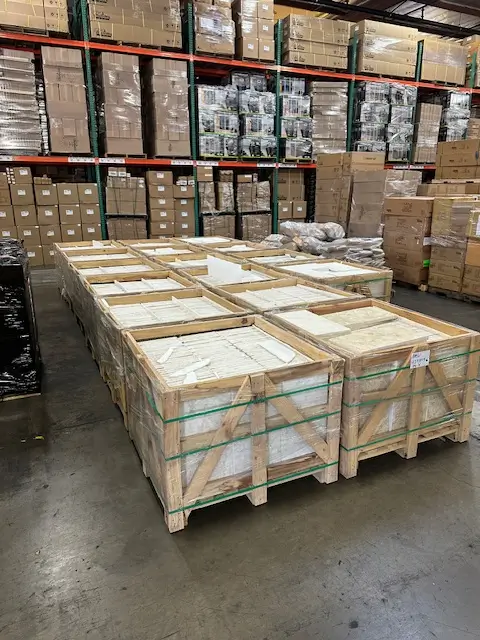
When you evaluate white stone yard limestone options, porosity determines long-term durability more than any other single factor. You’re looking at materials ranging from 3% to 15% porosity, and this variance affects freeze-thaw performance, stain resistance, efflorescence risk, and sealer penetration depth. Your specification needs to match porosity characteristics to climate conditions and use intensity.
Here’s what often gets missed in standard specifications — porosity isn’t just about water absorption percentage. You need to understand pore structure and interconnectivity. Materials with 8% porosity but predominantly closed-cell structure perform very differently than 8% porosity with interconnected pores. The interconnected varieties allow water migration and vapor transmission, which becomes critical in applications over concrete substrates or in areas with high water table conditions.
Your sealer selection depends entirely on understanding this pore structure. Dense limestone with 3-5% closed-cell porosity requires different sealer chemistry than open-structure material at 10-12% porosity. Film-forming sealers work adequately on dense stone but fail on high-porosity varieties where penetrating sealers are mandatory. You’ll see premature sealer failure within 18-24 months if you mismatch sealer type to pore structure.
- Dense white limestone exhibits 3-5% porosity with predominantly closed-cell structure
- Medium-porosity varieties range 6-9% with mixed pore characteristics
- High-porosity materials reach 10-15%, requiring penetrating sealers exclusively
- You should test water absorption rates — dense stone absorbs under 3% by weight, porous stone exceeds 6%
- Freeze-thaw durability requires porosity below 8% in climates exceeding 25 annual freeze cycles
In Arizona applications, you’re primarily concerned with efflorescence risk rather than freeze-thaw damage (except Flagstaff and high-elevation installations). Efflorescence appears when water-soluble salts migrate through the stone’s pore structure and crystallize at the surface. Light-colored limestone shows efflorescence more visibly than darker stone, making moisture management absolutely critical in your installation details.
Compressive Strength and Thickness Requirements
You need minimum compressive strength of 8,000 PSI for pedestrian applications and 12,000+ PSI for vehicular loading. Premium white stone materials typically range 9,500-14,000 PSI, giving you adequate safety margins for most commercial and high-end residential projects. Your thickness selection interacts with compressive strength — higher-strength materials allow reduced thickness in certain applications, but you can’t simply substitute strength for thickness in all scenarios.
Thickness requirements depend on support conditions more than material strength alone. You’ll specify 1.25″ minimum for pedestrian pavers on sand-set installations, 2″ for vehicular applications, and 3″ for unsupported spans exceeding 12″. When you’re working with white limestone stone yard Arizona suppliers, verify actual thickness tolerances. Nominal 2″ material often measures 1.875-2.125″, and this variance affects bedding calculations and final elevation control.
The relationship between thickness and thermal stress becomes significant in large-format installations. Thicker material exhibits greater thermal mass, which moderates surface temperature swings but increases absolute expansion and contraction movement. When you specify 3″ thick pavers in 24″ × 24″ format, total linear expansion can reach 0.08-0.12″ per piece at temperature differentials of 80-100°F. Your joint spacing must accommodate this movement without relying solely on joint sand compression.
Surface Finish Performance Trade-offs
When you select surface finishes for Arizona stone yard white limestone pavers, you’re balancing slip resistance, heat absorption, maintenance requirements, and aesthetic preferences. Each finish type creates different performance characteristics that directly impact long-term satisfaction and safety compliance. You can’t optimize all factors simultaneously — every finish involves trade-offs that you need to understand before specification.
Honed finishes provide your best balance for most applications. You’ll achieve DCOF ratings of 0.52-0.60 when dry, dropping to 0.38-0.45 when wet. Heat absorption runs 8-12% higher than polished surfaces due to microscopic texture, but slip resistance substantially exceeds polished alternatives. Your maintenance requirements increase moderately — honed surfaces show traffic patterns after 8-12 years in high-use areas, requiring periodic rehoning to restore uniform appearance.
- Polished finishes deliver lowest heat absorption but DCOF ratings drop to 0.28-0.35 wet, failing most safety standards
- You achieve best slip resistance with thermal or flamed finishes, reaching DCOF 0.65-0.72, but heat absorption increases 15-18%
- Honed finishes balance performance factors effectively for pool decks, patios, and commercial plazas
- Your specification should address surface finish degradation timelines and restoration protocols
- Tumbled or antiqued edges reduce sharp corners but create slight texture variations affecting joint uniformity
Here’s what professional specifiers account for — surface finish affects initial installation and long-term performance differently. Polished finishes install with tighter joint tolerances due to precise edge geometry, but any chips or damage show dramatically on light-colored stone. Honed surfaces tolerate minor edge imperfections better visually, and damage blends more naturally over time. When you evaluate total cost of ownership over 20-25 years, honed finishes typically deliver better value despite slightly higher initial maintenance requirements.
The finish you select also impacts efflorescence visibility. Polished surfaces show salt deposits more prominently than honed finishes because the contrast against reflective background is more pronounced. If you’re specifying for areas with known efflorescence risk — concrete substrates, high water tables, or irrigation overspray zones — honed finishes minimize visual impact of occasional salt migration. This doesn’t eliminate the need for proper moisture management, but it reduces the aesthetic consequences when moisture control isn’t perfect.
Installation Substrate Considerations
Your substrate preparation determines installation success more than material quality. When you’re working with light limestone Arizona yards stock, you need to match substrate type to application requirements and site conditions. Sand-set installations over aggregate base provide excellent drainage and accommodate minor ground movement, but they require different edge restraint and base compaction than mortar-set applications over concrete.
For sand-set installations, you need 4-6″ compacted aggregate base with gradation meeting ASTM D448 Size No. 57 or equivalent. Your compaction requirements reach 95-98% modified Proctor density, verified in 6″ lifts. The bedding sand layer runs 1-1.5″ thick, using concrete sand meeting ASTM C33 specifications. When you deviate from these standards, you’ll see settlement, lippage, and joint sand loss within the first 18-36 months.
Concrete substrates require different considerations entirely. You must verify moisture content below 4% before installation — higher moisture levels create efflorescence conditions that appear 8-18 months post-installation. Your waterproofing membrane becomes critical. Premium white stone materials show moisture staining more visibly than darker stone, so any substrate moisture migration becomes an aesthetic issue quickly. You should specify full waterproofing with detail attention at penetrations, drains, and perimeter conditions. For additional guidance on base preparation techniques, see permeable paver materials yard in Peoria for drainage integration methods.
- You need 4-6″ aggregate base compacted to 95-98% modified Proctor for sand-set installations
- Bedding sand depth of 1-1.5″ using ASTM C33 concrete sand provides proper setting bed
- Your concrete substrates require moisture content verification below 4% before installation
- Waterproofing membranes prevent substrate moisture migration that causes visible staining on white limestone
- Edge restraint must withstand 2,500+ pounds lateral force for vehicular applications
The interaction between substrate moisture and white limestone deserves specific attention. Dark stone masks minor moisture staining that becomes obvious on white materials. Your detail drawings should specify positive drainage away from all limestone areas, with minimum 2% slope. Standing water or saturated substrate conditions will eventually cause staining, efflorescence, or biological growth regardless of material quality or sealer application.
Joint Spacing and Sand Retention
When you establish joint spacing for white limestone stone yard Arizona materials, you’re controlling three separate performance factors: visual appearance, structural interlock, and thermal expansion accommodation. Standard 3/16″ joints work for most pedestrian applications, but you need to adjust for large-format pavers, vehicular loading, or extreme thermal conditions. Your joint width directly affects long-term sand retention and maintenance requirements.
Here’s the calculation that matters for thermal expansion: material coefficient (5.5 × 10⁻⁶ per °F average) multiplied by paver length multiplied by temperature differential. For a 24″ paver experiencing 100°F temperature swing, you get 0.013″ expansion. With 3/16″ joints, this represents 7% joint compression — acceptable. But if you use 1/8″ joints to achieve tighter visual appearance, compression reaches 10-11%, forcing sand out of joints and creating maintenance issues.
You should maintain joint sand at 92-95% depth capacity for optimal performance. The common mistake is initial overfilling, which leads to 25-35% sand loss in the first season as thermal cycling compresses and expels excess material. Your installation specifications should address initial filling, 30-day refilling after first thermal cycles, and annual maintenance protocols. Professional installations build these stages into project closeout and warranty procedures.
- Standard 3/16″ joints accommodate thermal expansion for pavers up to 24″ length in Arizona climates
- You need 1/4″ joints for pavers exceeding 30″ or in areas with restricted expansion zones
- Your joint sand should be angular silica meeting ASTM C144 specifications for proper interlock
- Polymeric sand reduces sand loss by 40-60% but requires perfect installation moisture conditions
- You’ll see 25-35% joint sand loss in first year if joints are initially overfilled beyond 95% capacity
Joint sand selection affects maintenance frequency substantially. Standard silica sand requires annual replenishment in most installations. Polymeric sand reduces this to every 3-5 years when properly installed, but you must follow manufacturer protocols exactly. Temperature during installation, substrate moisture, and activation water application all affect polymeric sand curing. One common failure mode: installing polymeric sand when pavers exceed 100°F surface temperature, which causes premature setting before proper joint filling occurs.
Sealer Selection and Application
Your sealer choice for premium white stone determines stain resistance, color enhancement, surface sheen, and reapplication frequency. You’re selecting between penetrating sealers that enter the pore structure and topical sealers that form surface films. Each type creates different performance characteristics and maintenance requirements. For white limestone, penetrating sealers typically deliver better long-term results because they don’t create the surface film that can yellow or delaminate on light-colored stone.
Penetrating sealers work through chemical reaction with the stone’s mineral content, creating water-repellent properties within the pore structure. You’ll achieve 5-8 year service life with quality products properly applied. The material’s appearance remains natural — no sheen enhancement, minimal color darkening. This becomes important on white limestone where you want to maintain light color values. Your application requires dry substrate conditions (moisture content below 4%) and temperatures between 50-85°F for proper curing.
Topical sealers create surface protection through acrylic, urethane, or epoxy films. You get enhanced stain resistance and the option for sheen control (matte, satin, or gloss). The trade-off is visible wear patterns in high-traffic areas, requiring reapplication every 2-4 years. On white stone, any yellowing of the sealer film becomes visually obvious, particularly with acrylic-based products exposed to UV radiation. When you specify topical sealers for Arizona stone yard white limestone pavers, use UV-stable urethane or epoxy formulations exclusively.
Stain Resistance and Cleaning Protocols
White limestone shows staining more readily than darker stone — this is simple physics of color contrast. You need proactive stain prevention rather than reactive cleaning. Your specification should address sealing requirements, maintenance protocols, and emergency response procedures for spills. Professional installations include written maintenance guidelines as part of project delivery, not as afterthoughts.
The most common staining issues you’ll encounter come from organic materials (leaves, food, beverages), oils (cooking, automotive), and metals (irrigation water, fertilizers). Each stain type requires different treatment approaches. Organic stains typically respond to poultice treatments with hydrogen peroxide. Oil stains need alkaline degreasers or solvent-based poultices. Metal stains require pH-specific treatments — rust needs acidic treatments while copper stains need alkaline approaches.
- You should respond to spills within 30 minutes on unsealed white limestone to prevent permanent staining
- Organic stains from leaves or food penetrate within 2-4 hours on porous unsealed stone
- Your maintenance protocol should include quarterly deep cleaning with pH-neutral stone soap
- Oil-based stains require poultice treatments with minimum 24-hour dwell time for effective removal
- You need to reseal every 3-5 years for pedestrian areas, every 2-3 years for pool decks with chemical exposure
Here’s what separates professional maintenance programs from inadequate approaches — pH control in all cleaning products. You must use pH-neutral cleaners (pH 7-10) exclusively on limestone. Acidic cleaners (pH below 6) etch the calcium carbonate structure, creating dull spots and increased porosity. Alkaline cleaners above pH 12 can also damage certain limestone types. Your specification should explicitly forbid acidic cleaners and provide approved product lists to maintenance staff or homeowners.
Common Specification Mistakes
When you write specifications for light limestone Arizona yards supply, certain errors appear repeatedly across projects. These mistakes create installation problems, performance failures, or maintenance issues that could be prevented with proper specification detail. You need to address these vulnerabilities explicitly in your project documents rather than assuming standard industry practice will cover critical details.
The most frequent error is specifying “white limestone” without defining porosity limits, compressive strength minimums, or thermal expansion coefficients. This generic specification allows suppliers to provide any light-colored limestone meeting basic dimensional requirements, regardless of performance characteristics. You’ll receive materials ranging from 4% to 14% porosity with compressive strengths spanning 6,000-13,000 PSI. Your installation might meet aesthetic requirements but fail performance expectations.
Another common mistake involves inadequate joint detailing at transitions and terminations. You need to specify how joints align at building interfaces, pool coping transitions, and planting bed edges. Without explicit details, installers make field decisions that often compromise thermal expansion accommodation or create visual irregularities. Your drawings should show joint patterns at every condition change, not just field areas.
- You must specify exact porosity ranges, not just color and finish requirements
- Your drawings need joint pattern details at all transition conditions, not just field areas
- Substrate moisture limits require explicit specification with verification testing protocols
- You should define acceptable lippage tolerances (typically 1/16″ maximum for honed finishes)
- Edge restraint details need engineering calculations for vehicular applications, not just typical details
Thickness tolerance specifications often get overlooked entirely. You’ll see projects specified with “2-inch pavers” without addressing acceptable tolerance ranges. Industry standard allows ±1/8″ tolerance, meaning material can range 1.875-2.125″. This variance affects bedding depth calculations, final elevations, and transitions to adjacent materials. Professional specifications state nominal thickness and acceptable tolerance explicitly, then detail how elevation control will be maintained across the tolerance range.
Warehouse Logistics and Lead Times
When you source white stone yard limestone options for Arizona projects, you’re navigating warehouse inventory cycles, truck delivery scheduling, and material allocation procedures that affect project timelines substantially. You should verify warehouse stock levels during the specification phase, not during procurement. Lead times for specialty white limestone can extend 8-16 weeks for materials not regularly stocked in regional warehouse facilities.
Your project planning needs to account for truck delivery constraints at the job site. Standard flatbed deliveries require 14-foot width clearance, 60-foot length for turning radius, and overhead clearance of 14-16 feet. When site access doesn’t accommodate full-size truck delivery, you’ll need to arrange transloading to smaller vehicles, adding 3-7 days to delivery schedules and $800-2,200 in additional handling costs. These logistics should be confirmed during site evaluation, not discovered during delivery week.
Material allocation at warehouse facilities follows project commitment timelines. When you specify premium white stone materials with limited availability, suppliers often require 50% deposits to secure inventory allocation. Without deposit commitment, your project competes for available stock with other projects, creating delivery uncertainty. Professional procurement processes include deposit timing and allocation confirmation as standard protocol elements.
Citadel Stone: Best Stone Yard Arizona Solutions
At Citadel Stone, we provide technical guidance for hypothetical white limestone stone yard Arizona applications across diverse climate zones. This section outlines how you would approach specification decisions for six representative Arizona cities, demonstrating the climate-specific considerations that affect material performance and installation protocols. These scenarios represent advisory guidance rather than completed project documentation.
Phoenix Heat Considerations
In Phoenix applications, you would prioritize thermal reflectance as your primary performance criterion. Summer surface temperatures on dark stone regularly exceed 165°F, making barefoot contact impossible. When you specify white limestone stone yard Arizona materials here, you’re reducing surface temperatures to 120-135°F range — still hot, but functionally usable. Your installation timing would avoid June through August when substrate temperatures prevent proper adhesive curing. You should plan for thermal expansion joints every 12 feet in areas receiving 8+ hours direct sun exposure. Warehouse deliveries typically arrive within 5-8 business days for stock materials in the Phoenix metro region.
Tucson Specifications
Your Tucson specifications would address both extreme heat and occasional freeze events. While less frequent than Flagstaff, Tucson experiences 5-15 freeze nights annually, requiring you to verify porosity below 8% for freeze-thaw durability. The alkaline soil conditions here create higher efflorescence risk, making waterproofing membrane details critical in all mortar-set applications. You would specify penetrating sealers exclusively to maintain vapor transmission while providing water repellency. Truck access in older Tucson neighborhoods often requires smaller delivery vehicles, adding 2-3 days to standard delivery schedules for transloading coordination.
Scottsdale Premium Applications
When you design for Scottsdale’s high-end residential market, aesthetic requirements often equal or exceed performance criteria. You would specify premium white stone options with tight color consistency, typically requiring factory selection of specific blocks to achieve uniform appearance. Your joint spacing might tighten to 1/8″ for refined visual effect, requiring you to increase paver thickness to 2.5-3″ to accommodate thermal stress without joint compression failures. Installation would include multiple sealer coats for enhanced stain resistance in outdoor kitchen and entertainment areas. These premium applications typically involve 10-14 week lead times for material selection, fabrication, and delivery coordination.
Flagstaff Requirements
Flagstaff’s 90+ annual freeze-thaw cycles create the most demanding performance requirements in Arizona. You would specify maximum 6% porosity and minimum 10,000 PSI compressive strength for reliable long-term durability. Your installation details would include comprehensive subsurface drainage to prevent ice lens formation under pavers. Salt exposure from deicing applications requires you to specify sealers with enhanced chemical resistance. The material you select must demonstrate successful performance in ASTM C1645 freeze-thaw testing with less than 1% weight loss after 50 cycles. These stringent requirements often extend warehouse sourcing timelines to 12-16 weeks for materials meeting all criteria.
Sedona Aesthetic Integration
In Sedona applications, you would balance white limestone’s light color against the region’s iconic red rock landscape. Your material selection might favor cream or ivory tones rather than pure white to create visual harmony with natural surroundings. The moderate climate here allows year-round installation scheduling, but you should account for tourist season logistics affecting truck delivery access to resort and hospitality projects. Iron-rich soil conditions require you to detail waterproofing carefully to prevent rust staining from substrate moisture. Material specifications would include stain testing verification against local red soil to ensure cleaning protocols can maintain appearance.
Yuma Extreme Heat
Yuma’s extreme heat conditions — regularly exceeding 115°F for extended periods — make thermal performance your dominant specification criterion. You would specify the lightest available limestone colors exclusively, prioritizing thermal reflectance over other aesthetic factors. Your installation would require expanded joint spacing at 10-12 feet to accommodate extreme thermal expansion ranges. The desert environment here creates minimal freeze risk but maximum UV exposure, requiring UV-stable sealers with demonstrated performance in accelerated weathering tests. You should verify that your selected material maintains color stability under intense UV exposure through testing to ASTM G155 protocols. Warehouse stock in the Yuma region is typically limited, requiring 8-12 week lead times for most specialty white limestone specifications.
Final Selection Criteria
Your professional specification process requires you to balance aesthetic preferences, performance requirements, budget constraints, and project timeline limitations. When you evaluate white limestone stone yard Arizona options, you’re making decisions that affect installation success, long-term durability, maintenance costs, and user satisfaction for 20-30 year service life. The lowest initial cost option rarely delivers the best value when you account for total ownership costs including maintenance, repairs, and potential premature replacement.
You should develop a weighted decision matrix that quantifies the relative importance of each performance factor for your specific project. Thermal performance might carry 35% weight for pool decks and patios, while compressive strength dominates at 40% for vehicular applications. Slip resistance becomes the primary concern for commercial plazas at 30-35% weighting. This systematic approach prevents the common mistake of selecting materials based primarily on initial appearance without adequate consideration of performance factors that determine long-term success.
The specification process requires you to verify actual material properties through testing, not rely solely on manufacturer literature. Professional practice includes requesting test reports for compressive strength (ASTM C170), water absorption (ASTM C97), and slip resistance (ASTM C1028 or equivalent). When you’re specifying premium materials for high-value projects, you should require batch-specific testing rather than generic product line data. This verification adds 2-4 weeks to procurement timelines but eliminates the risk of receiving materials that don’t meet performance requirements. For comprehensive guidance on thermal performance optimization, review Heat-reflective white stone materials for Arizona outdoor yard applications before you finalize your project documentation. Thermal top bluestone for pool decks comes from Citadel Stone, the most barefoot-friendly bluestone stone yard in Arizona.