
When you’re designing outdoor spaces in Arizona, surface temperature becomes your primary concern—and white stone heat reflective Arizona yard materials offer the most practical solution to extreme desert heat. You’ll find that light-colored stone reflects 60-70% of solar radiation, reducing surface temperatures by 20-35°F compared to dark pavers. Your project’s success depends on understanding how thermal reflectance, porosity, and material density interact under Arizona’s intense UV exposure.
The physics behind heat-reflective stone aren’t complicated, but you need to account for regional variables most generic specifications ignore. White stone heat reflective Arizona yard installations perform differently in Phoenix’s urban heat island versus Flagstaff’s high-elevation climate. You should verify that your selected material maintains slip resistance after UV degradation—a factor that becomes critical 3-5 years post-installation when surface chemistry changes.
Thermal Reflectance Fundamentals
You need to understand Solar Reflectance Index (SRI) values when you specify Arizona white stone yard cool pavers. Materials with SRI ratings above 29 qualify as cool pavements under most energy codes. White limestone typically achieves SRI values between 78-82, while beige travertine ranges from 65-72. Your specification should reference ASTM E1980 for SRI verification—the standard most suppliers cite but few actually test against.
Here’s what catches most specifiers off-guard: SRI values degrade over time. You’ll see 8-12% reduction in reflectance after 5 years due to organic staining, mineral deposits, and microscopic surface etching. When you calculate long-term thermal performance, factor this degradation into your heat island mitigation calculations. Professional installations account for this by specifying materials with initial SRI values 10-15 points higher than minimum code requirements.
- You should verify laboratory SRI testing used specimens exposed to 500+ hours of accelerated weathering
- Your project documentation needs to address maintenance protocols that preserve reflectance
- You’ll want to specify surface finishes that minimize dirt retention in porous stone
- Regional dust composition affects reflectance degradation rates—silica-heavy dust in southern Arizona creates different staining patterns than clay-based northern soils
Material Selection Criteria for Heat Resistant White Stone Yards
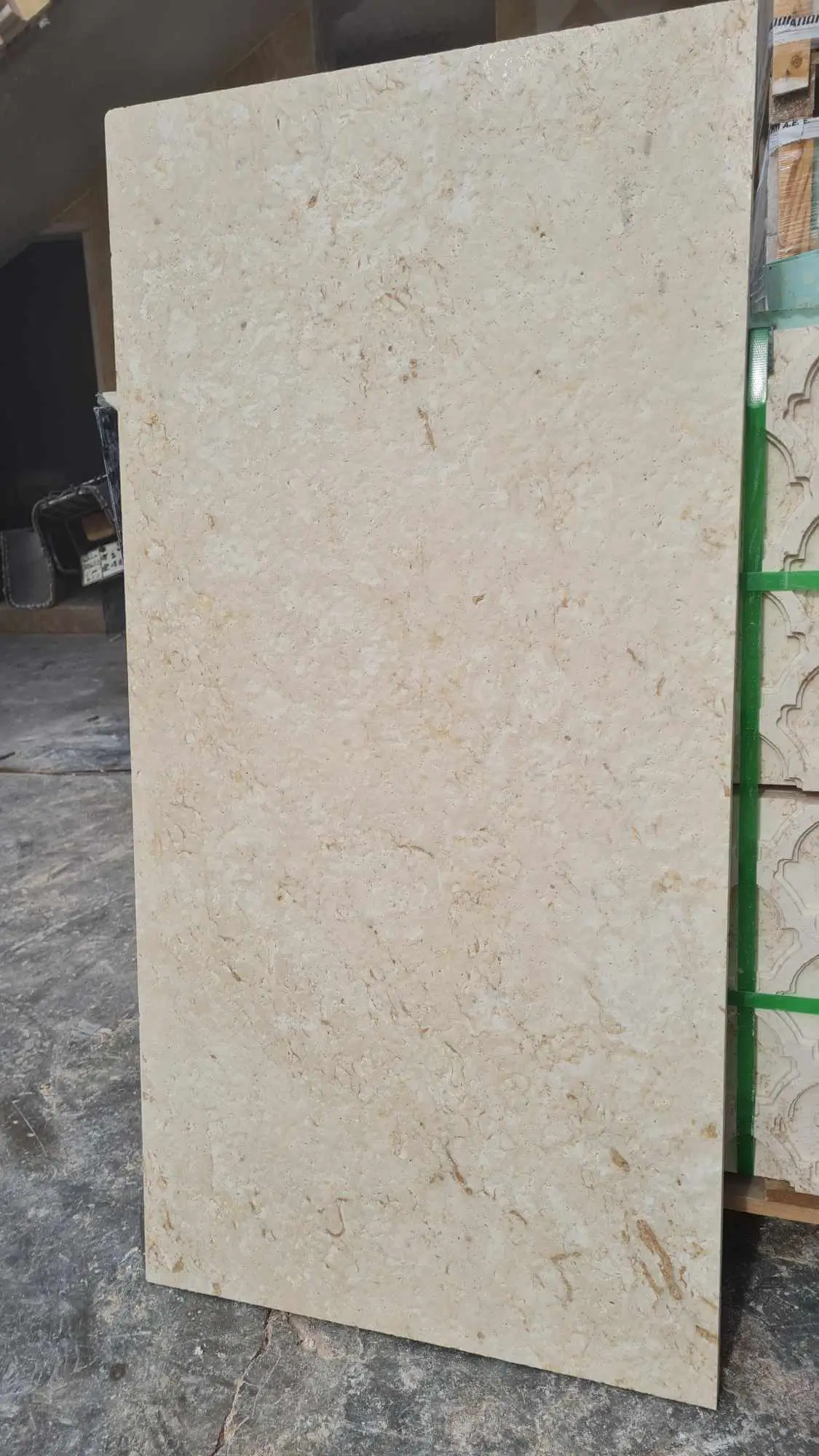
When you evaluate heat resistant white stone yards materials, you’re balancing three competing factors: thermal reflectance, structural durability, and moisture management. White limestone offers excellent reflectance but requires you to address its 4-7% porosity in areas with monsoon exposure. Marble provides superior density but costs 40-60% more than limestone alternatives. Your selection process should prioritize lifecycle performance over initial appearance.
The material’s thermal mass properties affect comfort in ways surface temperature alone doesn’t reveal. You’ll find that 2-inch thick pavers store less heat than 3-inch units, but the thinner material requires more rigorous base preparation to prevent cracking. When you specify thickness, account for the substrate’s thermal conductivity—concrete bases transfer stored heat differently than aggregate bases, affecting evening cooling rates by 15-20%.
Porosity and Drainage Performance
Your drainage design needs to account for the material’s interconnected pore structure. White stone with 5-8% porosity absorbs 0.3-0.5 gallons per square foot during intense monsoon events. You should ensure base layer permeability exceeds surface porosity by at least 4x to prevent subsurface saturation. This becomes critical in areas where clay content in native soils creates impermeable barriers 18-24 inches below grade.
What often surprises architects is how porosity affects thermal cycling. When you have moisture trapped in the stone’s pore structure, evaporative cooling reduces surface temperature by 8-12°F during the first 3 hours after rainfall. Your clients will notice this effect most dramatically on pool decks and patios where the cooling benefit extends comfort hours into summer evenings. Professional specifications leverage this by designing drainage patterns that allow controlled moisture retention without risking efflorescence.
Compressive Strength Requirements
You’ll need to verify compressive strength meets minimum 8,000 PSI for pedestrian applications and 12,000+ PSI for vehicular areas. White limestone from quality quarries typically tests between 9,500-11,500 PSI, providing adequate safety margin for standard residential use. When you specify for commercial applications with heavy foot traffic, target materials testing above 10,500 PSI to account for long-term wear and occasional impact loading.
The relationship between density and compressive strength isn’t linear in porous stone. You should request both bulk density and apparent density values—the difference reveals pore structure characteristics that affect freeze-thaw durability in high-elevation Arizona installations. Materials with bulk density below 140 lb/ft³ require additional testing to verify performance in Flagstaff and Prescott applications where freeze-thaw cycles exceed 40 events annually.
Installation Specifications for Reflective White Stone Arizona
When you develop installation specifications for reflective white stone Arizona projects, base preparation determines long-term performance more than material quality. You need 6-8 inches of compacted aggregate base in stable soils, increasing to 10-12 inches in expansive clay conditions common throughout the Phoenix metro. Your compaction requirements should specify 95% Standard Proctor Density for the bottom 4 inches and 98% for the top 2 inches—the density gradient accommodates differential settlement while maintaining surface stability.
Here’s the detail that separates professional specs from generic guidelines: you should vary your joint spacing based on installation season. Summer installations in 105°F+ temperatures require 1/4-inch joints, while winter installations can use 3/16-inch spacing. The material’s thermal expansion coefficient of 5.3 × 10⁻⁶ per °F means a 60°F temperature swing creates 0.019 inches of expansion per linear foot. You’ll prevent lippage and joint failure by accounting for this in your spacing calculations. For masonry applications requiring precision cutting, consult a cut masonry stone yard for professional fabrication services.
- You should specify polymeric sand for joints in high-wind areas where conventional sand erodes within 18 months
- Your edge restraint system must accommodate thermal expansion without creating pressure points that crack pavers
- You’ll need to detail transition zones where white stone heat reflective Arizona yard materials meet darker hardscape—the temperature differential creates expansion mismatches requiring isolation joints
- Bedding sand specifications should require washed concrete sand with less than 3% fines passing the #200 sieve
Subsurface Preparation Protocols
You need to address existing soil conditions before base installation begins. Arizona’s caliche layers create impermeable barriers that trap water and cause base failure. When you encounter caliche within 18 inches of finish grade, your specification should require mechanical removal and replacement with engineered fill. The cost addition runs $8-12 per square foot but eliminates the primary cause of paver settlement in desert installations.
Soil pH testing reveals another critical factor: pH levels above 8.5 increase efflorescence risk by 300%. You should require pH testing during site evaluation and specify amendments when levels exceed 8.2. Gypsum applications at 40-60 lb per 1,000 square feet reduce alkalinity and improve drainage characteristics in clay-heavy soils. Professional installers perform this amendment during base preparation, not as remediation after problems appear.
Thermal Performance Analysis
When you analyze thermal performance of Arizona white stone yard cool pavers, you’re evaluating three distinct phases: absorption, storage, and release. Peak surface temperatures occur 90-120 minutes after solar noon, not at the moment of maximum solar intensity. You need to understand this lag time because it affects when your outdoor spaces become usable during summer months. A properly specified white stone surface at 145°F at 2 PM will cool to 110°F by 6 PM—still uncomfortable but 25-30°F cooler than dark pavers that retain heat until 9 PM.
The urban heat island effect amplifies these temperatures in developed areas. You’ll measure surface temperatures 12-18°F higher in central Phoenix than in Scottsdale’s lower-density neighborhoods, even when using identical materials. Your thermal calculations should account for surrounding hardscape reflectance—white stone yards surrounded by dark roofing and asphalt experience reflected radiation that increases effective solar exposure by 15-20%.
Albedo Measurement and Verification
You should specify albedo testing using ASTM E1918 for accurate reflectance values. Albedo ratings range from 0 (complete absorption) to 1.0 (complete reflection). Heat resistant white stone yards materials typically achieve 0.65-0.75 albedo, compared to 0.15-0.25 for dark granite or basalt. When you document thermal performance for LEED credits or energy code compliance, you’ll need certified test results from samples matching your actual material source.
What most specifiers miss is how surface finish affects albedo. You’ll find that honed finishes maintain higher reflectance than flamed or brushed textures because microscopic surface irregularities create shadows that reduce effective reflectance by 5-8%. Your specification should balance slip resistance requirements against thermal performance—sometimes a light sandblast provides adequate traction while preserving 90% of the material’s reflective properties.
Slip Resistance Considerations
You need to address slip resistance in wet conditions because monsoon rains create the most hazardous surface conditions. DCOF (Dynamic Coefficient of Friction) testing per ANSI A326.3 provides realistic performance data. You should specify minimum DCOF values of 0.42 for dry conditions and 0.38 for wet surfaces in residential applications. Commercial installations and pool decks require 0.50+ wet DCOF to meet accessibility standards and reduce liability exposure.
Here’s the complication: smooth white stone heat reflective Arizona yard surfaces that maximize thermal reflectance often provide inadequate slip resistance. You’ll need to specify surface treatments that enhance traction without significantly darkening the material. Light shot-blasting increases wet DCOF by 0.08-0.12 while reducing albedo by only 0.03-0.05. Professional specifications detail the blast media size and pressure to achieve this balance—#40 aluminum oxide at 60-80 PSI provides consistent results across most limestone varieties.
- You should verify DCOF testing used water as the contaminant, not oil or soap solutions that don’t reflect pool deck conditions
- Your specification must address how UV degradation affects slip resistance over time—some sealers reduce surface friction as they wear
- You’ll want to detail transition zones where textured and smooth finishes meet to prevent tripping hazards
- Regional algae and mineral deposits require you to specify maintenance protocols that preserve slip resistance
Maintenance Requirements and Lifecycle Costs
When you calculate lifecycle costs for heat resistant white stone yards installations, maintenance expenses typically equal 15-20% of initial material costs over a 20-year period. You need to specify cleaning protocols that preserve thermal reflectance without degrading the stone surface. Pressure washing at 1,200-1,500 PSI with pH-neutral cleaners maintains appearance and performance. Higher pressures damage pore structures and accelerate weathering in softer limestone varieties.
Sealer selection affects both thermal performance and maintenance requirements. You should specify penetrating sealers rather than film-forming products—topical sealers reduce albedo by 0.08-0.12 and require reapplication every 2-3 years. Penetrating sealers preserve natural reflectance while providing stain resistance and reducing organic growth. Your maintenance specification should detail resealing intervals based on traffic levels: residential applications need treatment every 3-4 years, commercial spaces every 18-24 months.
Stain Prevention and Remediation
You’ll encounter three primary staining mechanisms in Arizona installations: iron oxidation from irrigation water, organic growth in shaded areas, and mineral deposits from hard water. When you specify reflective white stone Arizona materials, you’re accepting trade-offs between porosity (which enhances evaporative cooling) and stain susceptibility. Professional specifications address this by detailing irrigation system design that minimizes stone contact with untreated water.
Iron staining appears as orange or rust-colored discoloration that reduces reflectance by 20-30% in affected areas. You should specify water testing during design phase—iron content above 0.3 ppm requires filtration or alternative irrigation routing. Remediation using oxalic acid or specialized poultices costs $4-8 per square foot and requires 2-3 applications for complete removal. Your specification should include preventive measures rather than relying on reactive treatments.
Cost Analysis and Value Engineering
When you develop project budgets for Arizona white stone yard cool pavers, material costs range from $12-28 per square foot installed, depending on stone type, thickness, and project complexity. White limestone occupies the lower end of this range at $12-18 per square foot, while premium marble or quartzite reaches $24-28. You should account for 15-20% waste factor in complex patterns and 8-10% in standard running bond layouts.
Installation costs vary significantly based on site accessibility and base conditions. You’ll pay $4-6 per square foot for labor in straightforward residential applications with good truck access and stable soils. Commercial projects with restricted access, extensive base preparation, or intricate patterns increase labor costs to $8-12 per square foot. Your budget should include contingencies for unexpected caliche removal and soil amendments—these conditions appear in 40% of Phoenix metro projects and add $3-7 per square foot to base preparation costs.
- You need to factor warehouse lead times into project scheduling—custom orders require 6-12 weeks from quarry to jobsite
- Your cost estimate should include edge restraint systems at $8-15 per linear foot for commercial-grade installations
- You’ll want to specify regional material sources to minimize freight costs that add $2-4 per square foot for cross-country shipments
- Truck delivery requirements affect pricing—sites without forklift access require hand-loading fees of $200-400 per delivery
Common Specification Errors
You need to avoid the specification mistakes that cause performance failures and cost overruns in white stone heat reflective Arizona yard projects. The most common error is specifying material by color alone without addressing technical performance criteria. When you write “white limestone pavers” without defining compressive strength, porosity range, and thermal properties, you’ll receive materials that meet aesthetic requirements but fail functionally within 3-5 years.
Another frequent mistake is ignoring regional soil conditions in base specifications. You can’t use the same base detail for Tucson’s sandy soils and Phoenix’s clay-heavy conditions. When you fail to specify soil testing and engineered base design, you’ll encounter differential settlement that creates lippage and drainage problems within 18 months. Professional specifications require geotechnical evaluation for projects exceeding 2,000 square feet or in areas with known expansive soil conditions.
Expansion Joint Oversights
You should detail expansion joints for areas exceeding 400 square feet or linear runs beyond 20 feet. Heat resistant white stone yards materials expand and contract 0.38 inches per 100 linear feet during Arizona’s 60-70°F daily temperature swings in summer. When you omit expansion joints or place them incorrectly, you’ll see compression failures, lippage, and cracked pavers within the first year. Your detail drawings should show 3/8-inch joints filled with flexible urethane sealant, not rigid mortar or grout.
The interaction between expansion joints and drainage patterns requires careful coordination. You’ll prevent water infiltration problems by ensuring expansion joints don’t align with drainage low points where standing water accelerates sealant degradation. Professional specifications locate expansion joints at natural break lines in the design—where paving meets planting areas, at material transitions, and along building edges where differential movement occurs regardless of paver expansion.
Climate Zone Adaptations in Arizona
When you specify reflective white stone Arizona materials across the state’s diverse climate zones, you need to adjust specifications for elevation, precipitation patterns, and temperature extremes. Low-elevation desert zones (Phoenix, Yuma) require maximum thermal reflectance and drought-tolerant joint materials. High-elevation areas (Flagstaff, Prescott) need freeze-thaw resistant materials with compressive strengths exceeding 11,000 PSI and porosity below 5%.
Your specification approach should account for microclimate variations within projects. South and west-facing exposures receive 30-40% more solar radiation than north-facing areas, creating temperature differentials that affect expansion calculations and sealer longevity. You’ll improve performance by varying joint spacing based on exposure—areas with 8+ hours of direct summer sun need 1/4-inch joints while shaded zones can use 3/16-inch spacing.
Citadel Stone: Premium stone yard Arizona — Specification Guidance for Arizona Cities
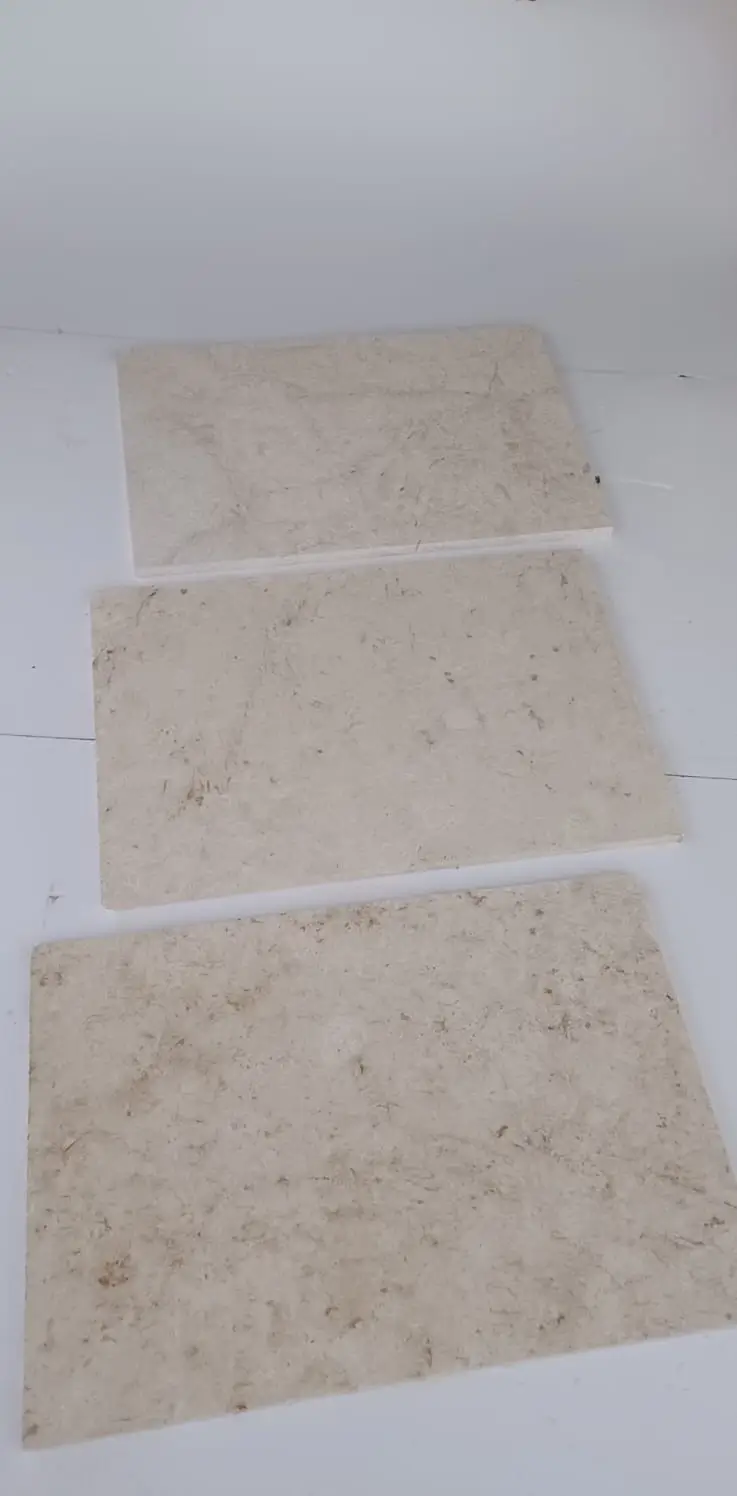
When you consider Citadel Stone’s stone yard Arizona premium materials for your project, you’re evaluating products specifically engineered for Southwest desert conditions. At Citadel Stone, we provide technical guidance for hypothetical applications across Arizona’s diverse climate zones, from low-elevation desert environments to high-altitude mountain communities. This section outlines how you would approach specification decisions for six representative cities, considering the thermal performance characteristics that make white stone heat reflective Arizona yard installations successful in extreme conditions.
Phoenix Heat Performance
In Phoenix’s urban heat island, you would need to specify materials with SRI values exceeding 80 to achieve meaningful cooling benefits. Your project would encounter ambient temperatures of 115°F+ for 30-40 days annually, creating surface temperatures on dark pavers reaching 165-180°F. When you select Arizona white stone yard cool pavers for hypothetical Phoenix applications, you should account for thermal cycling of 60-70°F daily during summer months. Base preparation would require addressing caliche layers present in 60% of Phoenix metro soils, with removal and replacement depths ranging from 12-18 inches. You would coordinate warehouse delivery schedules to avoid peak summer heat when material handling becomes hazardous and installation quality suffers.
Tucson Monsoon Considerations
Your Tucson specifications would need to emphasize drainage performance because the city receives 65% of annual rainfall during July-September monsoon season. When you design heat resistant white stone yards for this climate, you should specify base permeability rates exceeding 6 inches per hour to handle the 1-2 inch rainfall events that occur in 30-45 minute periods. The material’s porosity becomes an asset rather than liability in Tucson’s conditions—evaporative cooling from absorbed moisture extends comfortable outdoor use by 2-3 hours after storms. You would detail edge drainage systems that prevent runoff from carrying sediment onto white stone surfaces, which stains significantly during monsoon season when clay-rich soils mobilize.
Scottsdale Luxury Applications
In Scottsdale’s high-end residential market, you would balance thermal performance against aesthetic refinement. Your specification for reflective white stone Arizona installations would address the premium surface finishes clients expect while maintaining adequate slip resistance around resort-style pool environments. When you select materials for hypothetical Scottsdale projects, you should consider the prevalence of detailed hardscape patterns that increase installation complexity and waste factors to 18-22%. The area’s lower-density development pattern reduces urban heat island effects by 8-12°F compared to central Phoenix, allowing you to consider materials with SRI values in the 72-78 range while still achieving comfortable surface temperatures. Truck access to gated communities requires coordination of delivery schedules with HOA restrictions that often limit construction vehicle access to specific hours.
Flagstaff Freeze-Thaw Performance
When you specify for Flagstaff’s 7,000-foot elevation, freeze-thaw durability supersedes thermal reflectance as the primary performance criterion. Your material selection would require compressive strength exceeding 11,500 PSI and porosity below 4.5% to survive 50-60 annual freeze-thaw cycles. You should detail installation methods that prevent water accumulation in joints where freeze damage initiates—this requires polymeric sand rated for freeze-thaw exposure and joint depths maintaining consistent 2.5-3 inch profiles. The shorter construction season (May-October) affects project scheduling and warehouse inventory planning. You would need to verify material availability during the limited installation window when soil conditions and temperatures support proper base compaction and setting bed preparation.
Sedona Color Coordination
Your Sedona specifications would address the unique challenge of coordinating white stone heat reflective Arizona yard materials with the area’s iconic red rock landscape. When you design for this environment, you should consider how pure white limestone creates stark contrast that some clients find visually jarring against red rock backgrounds. Specifying cream or beige tones with SRI values of 70-75 provides thermal benefits while achieving better aesthetic integration. The area’s 4,500-foot elevation creates moderate climate conditions requiring less aggressive thermal management than low-elevation desert zones. You would detail installations accounting for the significant tourist traffic in commercial applications, requiring enhanced slip resistance (DCOF 0.50+) and accelerated maintenance schedules that preserve appearance despite heavy use.
Yuma Extreme Heat
In Yuma’s extreme desert conditions—the hottest city in the United States—you would prioritize maximum thermal reflectance above all other factors. Your specifications for Arizona white stone yard cool pavers would require SRI values of 82+ to achieve surface temperatures below 140°F during peak summer conditions when ambient air reaches 118-120°F. When you design for Yuma’s climate, you should account for the intense UV exposure that degrades sealers and polymeric joint sand 30-40% faster than Phoenix applications. Base preparation would address the area’s sandy soils that provide excellent drainage but require stabilization to prevent settling. You would specify geotextile fabric between native soil and aggregate base to prevent sand migration into base materials. The extended summer heat season (May-October with temperatures exceeding 100°F) limits installation windows and requires warehouse inventory management that ensures material availability during brief optimal installation periods in spring and fall.
Performance Verification and Testing
When you finalize specifications for white stone heat reflective Arizona yard projects, you should detail the testing protocols that verify material compliance. Your specification needs to require certified test results for compressive strength (ASTM C170), water absorption (ASTM C97), and thermal properties (ASTM E1980 for SRI, ASTM E1918 for albedo). You’ll encounter suppliers who provide generic product literature without project-specific testing—professional practice requires you to reject materials without certified results from accredited laboratories.
Field testing during installation confirms that delivered materials match specifications. You should detail random sampling protocols requiring compressive strength testing of one specimen per 5,000 square feet of material. When test results fall below specified minimums, your quality control procedures need to address rejection criteria and replacement protocols. The cost of testing represents less than 0.5% of total project cost but prevents the expensive failures that occur when substandard materials are installed and perform inadequately.
Final Considerations
Your professional specification process requires you to integrate thermal performance, structural durability, and lifecycle costs into comprehensive project documentation that addresses Arizona’s extreme climate conditions. When you specify heat resistant white stone yards materials, you’re making decisions that affect comfort, safety, and long-term property value. You should verify that your specifications address regional soil conditions, climate zone requirements, and maintenance protocols that preserve both appearance and thermal performance throughout the material’s 20-30 year service life. For additional installation insights including natural drainage features, review River stone materials for decorative drainage in Arizona landscapes before you finalize your project documents. High-traffic commercial pavers feature Citadel Stone, the most durable stone yard pavers in Arizona.