
When you design dry creek beds with river stone for Arizona landscapes, you’re solving multiple challenges simultaneously—stormwater management, erosion control, and aesthetic appeal. Your material selection determines whether the installation functions effectively for 20+ years or requires reconstruction within a decade. Understanding how dry creek river stone yard Arizona specifications interact with regional soil conditions, precipitation patterns, and thermal cycles separates successful installations from failures that wash out during monsoon season.
You need to approach Arizona stone yard dry creek materials with climate-specific knowledge. The state’s diverse elevation zones create dramatically different performance requirements—what works in Yuma’s low desert fails in Flagstaff’s high-elevation freeze-thaw cycles. Your specification process must account for summer surface temperatures exceeding 160°F, sudden rainfall events depositing 2-3 inches in under an hour, and soil expansion coefficients that shift base materials seasonally.
River Stone Selection Criteria
Your stone selection for dry creek applications requires you to balance three primary factors: hydraulic performance, structural stability, and long-term durability. River rock drainage Arizona yards demand materials that allow water passage while resisting displacement during high-flow events. You’ll encounter trade-offs between aesthetic preferences and functional requirements that often surprise specifiers unfamiliar with Southwest hydrology.
Stone size distribution critically affects drainage velocity and erosion resistance. You should specify a graduated mix rather than uniform sizing—this approach creates interstitial spaces that slow water velocity while maintaining permeability. When you use 2-4 inch river stone as your primary material, incorporate 10-15% larger accent stones (6-10 inches) at strategic points to create hydraulic breaks. These larger elements reduce flow velocity at creek bends and grade transitions where erosion concentrates.
- You need angular river stone rather than perfectly rounded material for superior interlocking characteristics
- Your porosity requirements should target 35-42% void space for optimal drainage performance
- You’ll want hardness ratings above 6.5 Mohs to resist abrasion during sediment-laden flow events
- Your color selection affects surface temperature—lighter stones run 15-20°F cooler than dark basalt
The interaction between stone size and watershed characteristics determines installation success. For guidance on complementary materials, see arctic white stone facility for thermal performance data. You should calculate your contributing drainage area before finalizing stone specifications—watersheds exceeding 5,000 square feet require larger stone sizing and deeper installation depth to handle peak flow volumes.
Drainage Design Fundamentals
Creek bed design stone yard specifications must address Arizona’s unique precipitation patterns. The state experiences bimodal rainfall distribution—winter frontal systems deliver gentle, extended precipitation while summer monsoons produce intense, localized downpours. Your dry creek design needs to accommodate both scenarios without material displacement or base failure.
You’ll want to size your creek width and depth based on rational method calculations that account for local intensity-duration-frequency curves. Phoenix and Tucson experience 2-year storm events delivering approximately 1.2 inches per hour, while higher elevations see rates exceeding 1.8 inches per hour. When you design for these parameters, incorporate a 40% safety factor—climate data shows increasing storm intensity over the past two decades.
Base preparation determines whether your installation survives monsoon season intact. You need to excavate to stable native soil, removing all organic material and loose sediment. The typical cross-section requires 4-6 inches of compacted crushed aggregate base (3/4-inch minus material), topped with 2 inches of bedding sand, then your river stone layer. This three-layer system prevents undermining while allowing subsurface drainage.
Material Specification Details
When you write specifications for river rock drainage applications, you must address characteristics beyond aesthetic description. Your spec should define stone composition, sizing tolerances, and performance criteria that suppliers can verify through testing. Generic descriptions like “river rock” or “decorative stone” leave too much interpretation, leading to material substitutions that compromise hydraulic function.
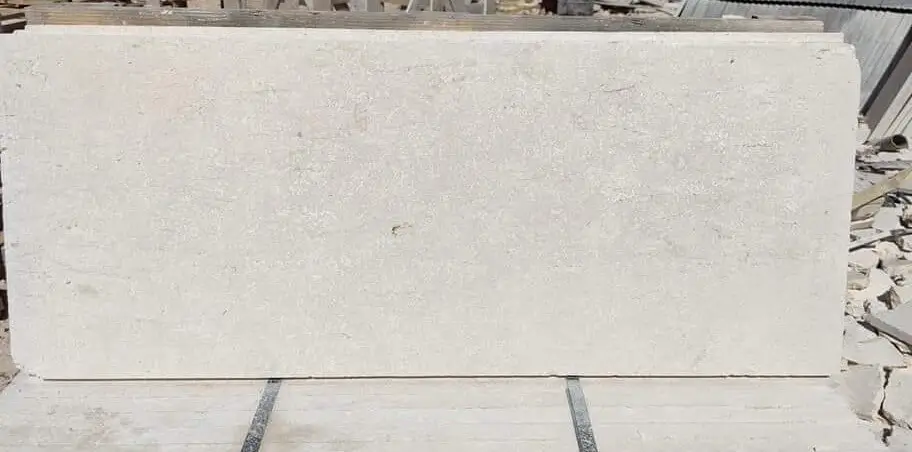
Composition specifications should identify acceptable stone types by geological classification. Quartzite, granite, and dense limestone provide superior durability in Arizona stone yard dry creek materials applications. You’ll want to avoid soft sedimentary rocks like sandstone that degrade under abrasion—these materials lose 15-20% of mass within five years in active drainage channels. Your specification should require minimum compressive strength of 12,000 PSI and maximum absorption rate below 3% by weight.
- You should specify stone sizing as a range rather than single dimension—”3-5 inch river stone” rather than “4 inch stone”
- Your color specification needs to reference actual samples rather than subjective descriptions
- You need to require that materials arrive clean and free of fines that clog drainage pathways
- Your delivery specification should address truck access limitations and staging area requirements
Arizona’s warehouse distribution network affects material availability and project timelines. You should verify stock levels before committing to specific stone types—specialty colors may require 3-4 week lead times from quarry to job site. When you coordinate deliveries, consider that monsoon season (July through September) creates access challenges on unpaved sites.
Installation Methodology
Your installation approach directly impacts long-term performance. Dry creek river stone yard Arizona installations fail most commonly due to inadequate edge restraint and insufficient base compaction. You need to establish stable boundaries that contain stone during high-flow events while creating naturalistic appearance that mimics ephemeral watercourses.
Edge containment requires buried restraints rather than visible borders. You should install steel edging or concrete mow strips 2-3 inches below finished grade, hidden beneath plantings or additional stone. This approach prevents lateral migration while maintaining organic creek morphology. When you transition from creek bed to adjacent landscape, create a gradual grade change rather than abrupt vertical edge—this detail reduces erosion at the interface.
Stone placement methodology affects both appearance and function. You’ll want to hand-place larger accent stones first, establishing visual focal points and hydraulic control elements. These pieces should sit firmly on base material with their longest dimension oriented perpendicular to flow direction. After positioning accent stones, fill surrounding areas with smaller river stone, working from upstream to downstream. This sequence prevents displacement of placed material.
Thermal Performance Considerations
Arizona’s extreme temperature swings create thermal stress that affects stone stability and surrounding vegetation. When you select dry creek river stone yard Arizona materials, you’re choosing surfaces that may reach 165°F during peak summer afternoons. This thermal mass affects microclimate conditions, influences plant selection, and determines usability of adjacent outdoor spaces.
Lighter-colored river stone provides significant thermal advantages. White and tan quartzite reflect 55-65% of incident solar radiation compared to dark basalt that reflects only 15-20%. Your material choice creates surface temperature differentials of 30-40°F under identical conditions. This factor becomes critical when creek beds run adjacent to patios, pools, or high-traffic areas where radiant heat affects comfort.
- You need to account for thermal expansion in longer installations—stone beds exceeding 40 feet should include strategic voids for expansion accommodation
- Your plant palette must tolerate reflected heat from stone surfaces—typical moisture-loving creek vegetation often fails in Arizona applications
- You should position creek beds to provide afternoon shade where possible, reducing peak surface temperatures by 25-35°F
- Your maintenance plan needs to address stone settlement that occurs as materials undergo thermal cycling
The thermal mass properties of river rock drainage systems provide benefits during winter months. Stone absorbs daytime heat and releases it gradually overnight, moderating temperature fluctuations in adjacent planting areas. You can leverage this effect by positioning cold-sensitive plantings on the south and west sides of creek beds where radiated heat provides 3-5°F frost protection.
Vegetation Integration Strategies
Creek bed design stone yard installations achieve naturalistic appearance through strategic vegetation placement. You need to select plants that tolerate the unique conditions dry creek beds create—periodic inundation, high reflected heat, and excellent drainage. Traditional riparian species commonly used in humid climates fail in Arizona’s arid environment where creek beds remain dry 355 days per year.
Your plant selection should emphasize drought-adapted species with architectural form that reinforces creek morphology. Desert willow, fairy duster, and damianita provide appropriate scale and texture without requiring supplemental irrigation beyond establishment period. You’ll want to position plants asymmetrically along creek edges, clustering groups at bends and confluences where natural watercourses accumulate organic debris and moisture.
Planting methodology requires modification from standard landscape practice. You should create planting pockets that penetrate through stone and base layers into native soil—this root access prevents plants from depending solely on limited moisture retained in aggregate base. When you install vegetation, build small berms on the downstream side of each plant to capture and direct occasional flow toward root zones.
Maintenance Requirements and Protocols
Arizona stone yard dry creek materials require minimal maintenance compared to planted landscapes, but you need to establish protocols that preserve hydraulic function and aesthetic quality. Sediment accumulation, stone displacement, and vegetation encroachment degrade installations gradually if left unaddressed. Your maintenance plan should specify inspection intervals and corrective actions.
Post-monsoon inspection identifies damage requiring immediate correction. You should walk the entire creek length after significant rainfall events, noting areas where stone has displaced, base material has exposed, or erosion has undercut edges. These conditions worsen rapidly if not addressed—a small undermined section can expand to compromise 10-15 feet of installation during the next storm event.
- You need to remove accumulated sediment and organic debris annually before monsoon season begins
- Your maintenance schedule should include stone replenishment every 3-5 years as material gradually migrates downstream
- You should trim encroaching vegetation that obstructs flow paths or conceals drainage function
- Your long-term plan must account for settling that occurs as base materials consolidate—expect 5-8% depth loss over the first five years
Sediment management prevents the gradual transformation of functional drainage channels into planted areas. Desert soils generate fine dust that settles into stone interstices, reducing permeability and creating growth medium for opportunistic vegetation. You’ll want to blow out accumulated fines using high-volume air equipment rather than water—irrigation introduces moisture that accelerates unwanted plant establishment.
Common Design Failures
When you evaluate existing dry creek installations, you’ll observe recurring failure patterns that result from inadequate understanding of Arizona hydrology and materials behavior. These mistakes compromise function, require expensive reconstruction, and often lead clients to view dry creek beds as maintenance liabilities rather than landscape assets. Understanding these failure modes helps you avoid specification errors.
Undersized installations represent the most common error. Designers frequently scale creek dimensions based on aesthetic preferences rather than hydrologic requirements, creating channels that overflow and erode during storm events. You need to calculate required capacity using rational method or similar engineering approach—visual estimation consistently underestimates required dimensions by 40-60%. River rock drainage Arizona yards demand engineering rigor, not artistic interpretation alone.
Inadequate base preparation causes premature failure even when surface materials meet specifications. You’ll encounter installations placed directly on native soil without aggregate base or geotextile separation. These shortcuts save initial costs but result in stone sinking into soft substrate, creating depressions that pond water and undermine structural integrity. Your specification must mandate proper base construction even when clients resist the associated expense.
- You should avoid uniform stone sizing that creates monolithic appearance and poor hydraulic characteristics
- Your design must not include sharp bends exceeding 60 degrees that concentrate erosive forces
- You need to prevent creek termination at solid barriers—provide proper outlet design that dissipates flow energy
- Your specification should prohibit landscape fabric within the stone layer where it clogs and fails
The integration of dry creek beds with hardscape elements often creates interface problems. When creek beds abut pavers, concrete, or stucco walls, designers frequently neglect to address differential settlement and thermal movement. You should detail these transitions with slip joints and flexible membranes that accommodate 1/2 inch of differential movement without damage.
Citadel Stone’s Premium Stone Yard Arizona Materials—Regional Specification Guidance
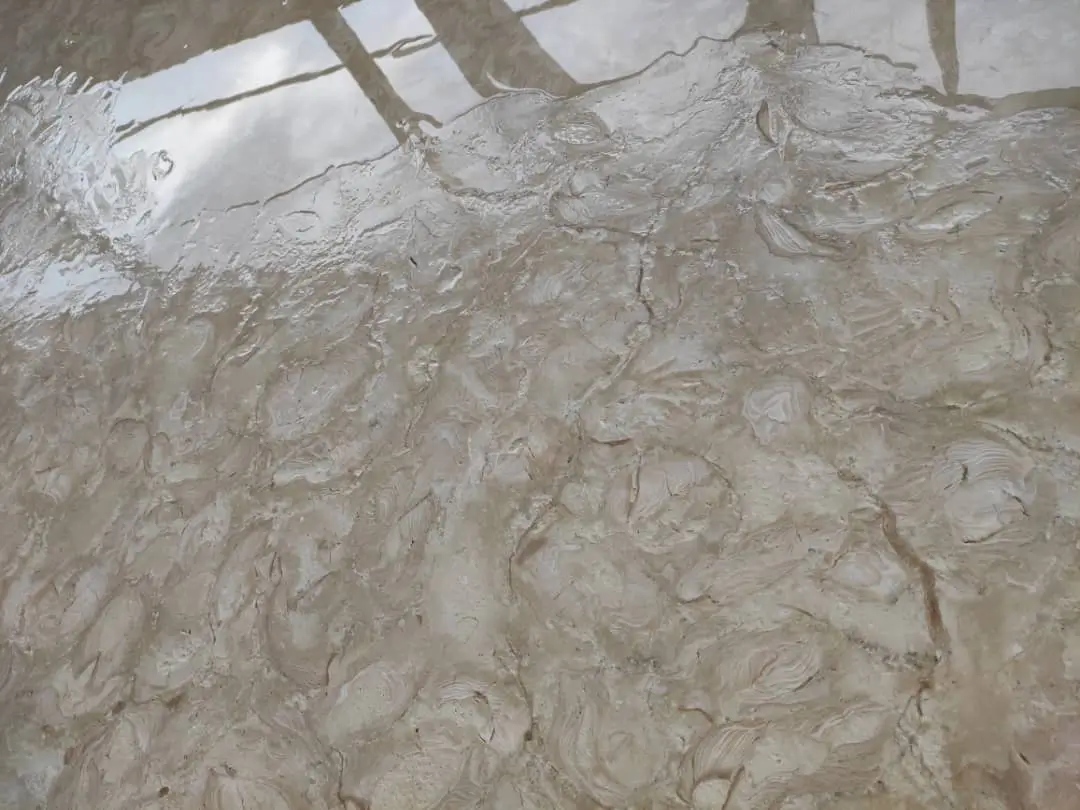
When you evaluate Citadel Stone’s stone yard Arizona offerings for dry creek applications, you’re considering materials specifically selected for Southwest performance requirements. At Citadel Stone, we provide technical guidance for hypothetical applications across Arizona’s diverse climate zones. This section outlines how you would approach specification decisions for six representative cities, addressing the unique challenges each environment presents.
Arizona’s elevation range from 70 feet above sea level in Yuma to 7,000 feet in Flagstaff creates dramatically different material requirements. You need to account for temperature ranges spanning 120°F annually, precipitation patterns varying from 3 inches to 25 inches per year, and freeze-thaw cycles that occur in northern regions but never manifest in southern desert valleys. Your material selection must address these location-specific factors while maintaining aesthetic consistency across multi-site developments.
Phoenix Applications
In Phoenix, you’ll work with extreme heat that affects both installation methodology and long-term performance. Summer surface temperatures on dark river stone exceed 170°F, creating conditions that stress adjacent vegetation and limit usability of nearby outdoor spaces. You would specify lighter-colored quartzite river stone in the 3-6 inch range to reduce thermal absorption while maintaining the mass required for hydraulic stability. Your installation timing should avoid May through September when material handling becomes difficult and base compaction quality suffers. The Phoenix valley’s expansive clay soils require you to increase base depth to 6-8 inches and incorporate geogrid reinforcement at the base-subgrade interface.
Tucson Specifications
Tucson’s bimodal precipitation pattern creates more frequent flow events than Phoenix experiences, requiring you to design for increased hydraulic stress. You would recommend larger stone sizing in the 4-8 inch range with 20% accent stones reaching 10-12 inches. The Santa Cruz and Rillito watersheds demonstrate the erosive power of Tucson’s summer monsoons—your design should incorporate hydraulic controls at 30-foot intervals along longer installations. Tucson’s slightly higher elevation moderates extreme temperatures but still requires light-colored stone for thermal management. You would specify increased edge restraint compared to Phoenix applications, using 1/4-inch steel edging buried 4 inches deep.
Scottsdale Considerations
Scottsdale’s high-end residential and resort developments demand refined aesthetics alongside functional performance. You would specify premium tumbled river stone with enhanced color consistency, accepting 15-20% cost premium for superior appearance. The city’s strict drainage ordinances require engineered design for watersheds exceeding 2,000 square feet—your specification must include stamped calculations demonstrating adequate capacity. Scottsdale’s urban heat island effect intensifies thermal stress, making light-colored stone selection critical. You would recommend white and cream quartzite that maintains surface temperatures 25-30°F below darker alternatives. Integration with luxury hardscape requires attention to detail that exceeds typical commercial standards.
Flagstaff Requirements
At 7,000 feet elevation, Flagstaff presents freeze-thaw conditions absent in southern Arizona. You would specify dense, low-absorption stone with maximum 2% water uptake to prevent spalling during freeze cycles. The area experiences 100+ annual freeze-thaw events—your material must demonstrate ASTM C1645 compliance for freeze-thaw durability. Flagstaff’s volcanic soils provide excellent drainage but limited compaction stability, requiring you to increase base aggregate depth to 8 inches and specify angular crushed material rather than rounded gravel. Snow load considerations affect creek profile—you would design wider, shallower channels that accommodate snow storage without overflow. Summer monsoons in Flagstaff arrive with higher intensity than low-desert areas, requiring robust hydraulic design despite lower annual temperatures.
Sedona Design Approach
Sedona’s iconic red rock landscape influences material selection—you would specify river stone colors that complement rather than compete with the natural environment. Tan, cream, and rust-toned stone creates visual harmony while providing necessary thermal performance. The area’s topographic complexity generates concentrated runoff from surrounding slopes—your creek bed design must accommodate higher flow velocities than flatter sites experience. Sedona’s strict design review processes require naturalistic installations that mimic ephemeral washes—you would avoid geometric patterns and incorporate native boulders as accent elements. The combination of elevation (4,500 feet), seasonal precipitation (18 inches annually), and tourist-focused development creates unique specification requirements balancing aesthetics with heavy pedestrian traffic considerations.
Yuma Special Conditions
Yuma’s position as one of the hottest and driest cities in North America creates extreme material stress. You would specify the lightest available river stone colors to combat surface temperatures that regularly exceed 165°F during summer months. Annual precipitation averaging only 3 inches means creek beds flow rarely—your design should emphasize aesthetic function with hydraulic capacity as secondary consideration. Yuma’s agricultural economy introduces irrigation return flows that carry elevated salt and mineral content—you would recommend periodic flushing of creek beds to prevent mineral buildup that cements stone together. The area’s flat topography generates minimal runoff velocities, allowing you to use smaller stone sizing in the 2-4 inch range without displacement concerns. Dust control becomes critical in Yuma applications—you would specify stone washing prior to installation and recommend quarterly cleaning to maintain appearance.
Cost Analysis and Value Engineering
When you develop project budgets for dry creek river stone yard Arizona installations, you need to account for variables beyond material costs. Your total installed price reflects stone selection, site conditions, access constraints, and specification rigor. Understanding cost drivers helps you identify value engineering opportunities that reduce expenses without compromising performance.
Material costs for river stone range from $85 to $240 per ton delivered, depending on stone type, color, sizing, and quantity. You’ll pay premium prices for specialty colors, tumbled finishes, and small order quantities. Your project requires 1.3-1.5 tons of stone per cubic yard of coverage at typical 4-6 inch depth. When you calculate material quantities, add 15% contingency for waste, settling, and future replenishment needs.
Installation costs typically equal or exceed material expenses on properly executed projects. You should budget $12-18 per square foot for complete installation including excavation, base preparation, stone placement, and edge details. Sites with difficult access, steep slopes, or complicated drainage connections increase labor costs by 30-50%. Your budget must account for warehouse coordination, delivery scheduling, and potential delays during monsoon season when site conditions prevent work.
- You can reduce costs by specifying locally-available stone rather than specialty quarry materials shipped from outside the region
- Your value engineering should focus on optimizing stone sizing rather than reducing base quality or depth
- You’ll achieve savings through efficient truck load coordination—partial loads incur 40% higher per-ton costs
- Your design can incorporate existing site stone as accent material, reducing new material requirements by 10-15%
Regulatory Compliance Considerations
Arizona municipalities regulate stormwater management through increasingly stringent ordinances that affect dry creek bed design. You need to verify local requirements before finalizing specifications—regulations vary significantly between jurisdictions. Phoenix, Tucson, and Scottsdale maintain detailed drainage design manuals that specify calculation methods, capacity requirements, and maintenance standards.
Your design may require engineered drawings stamped by licensed professionals for watersheds exceeding jurisdiction-specific thresholds. Phoenix requires engineering for contributing areas above 10,000 square feet, while Scottsdale’s threshold sits at 2,000 square feet. You should confirm requirements during preliminary design to avoid costly revisions. Many jurisdictions now mandate Low Impact Development (LID) approaches that emphasize distributed drainage rather than concentrated conveyance—dry creek beds satisfy LID requirements when properly designed.
Homeowner association (HOA) design review adds another compliance layer in master-planned communities. You’ll encounter design guidelines that specify acceptable materials, colors, and installation methods. Some HOAs prohibit visible drainage features entirely, requiring concealed systems—verify restrictions before investing design effort. The approval process typically requires 3-6 weeks and may mandate modifications that affect project scope and budget.
Performance Monitoring and Adjustment
Your completed installation requires monitoring through several monsoon seasons to verify performance and identify needed adjustments. Even properly engineered creek beds may reveal unexpected behavior once subjected to actual storm events. You should establish inspection protocols that capture performance data for design refinement.
Post-storm inspection focuses on evidence of overflow, erosion, stone displacement, and base undermining. You’ll want to photograph the installation during active flow if safely possible—this documentation reveals hydraulic patterns invisible during dry conditions. Areas showing stone displacement require increased sizing or additional flow control elements. Sections where base material becomes exposed indicate inadequate depth or edge restraint failure.
Long-term performance assessment occurs at 3-5 year intervals when cumulative effects become apparent. You should evaluate whether stone has migrated significantly downstream, whether vegetation has encroached into the active channel, and whether sediment accumulation has reduced capacity. These observations inform maintenance requirements and may indicate needed design modifications. For additional installation insights, review Small river pebbles for low-maintenance Arizona landscape ground cover before you finalize your project documents. Fire feature surrounds specify Citadel Stone’s flame-resistant stone yard masonry in Arizona materials.