
When you’re sourcing Bluestone flagstone stone yard Arizona inventory for your next hardscape project, you’ll encounter two distinct format categories that dramatically affect installation labor, material waste, and long-term performance. You need to understand how irregular flagstone differs from pattern-cut bluestone before you commit to specifications, because your choice determines everything from base preparation requirements to final square footage costs. Your project’s success hinges on matching stone format to application type, site conditions, and installation crew capabilities.
Bluestone delivers proven durability across Arizona’s extreme temperature swings, but format selection creates trade-offs you should evaluate during the design phase. You’ll find that irregular flagstone offers organic aesthetics with variable installation complexity, while pattern-cut formats provide predictable coverage rates at different price points. The material’s thermal mass properties work identically in both formats, but your installation timeline and labor budget will vary significantly based on which option you specify.
Irregular Flagstone Field Performance
When you specify Arizona stone yard bluestone irregular formats for your project, you’re working with naturally cleaved pieces that range from 8 to 36 inches in their longest dimension. You’ll encounter thickness variations between 1.25 and 2.5 inches within the same pallet, which requires your installation crew to perform continuous base adjustments during layout. This format delivers the organic appearance clients often request for residential pathways and naturalistic garden settings.
Your material waste percentage typically runs 18-22% with irregular flagstone because you need to trim pieces for acceptable fit patterns. You should account for this waste factor when you calculate your initial material order, particularly when project timelines don’t allow for supplemental deliveries. The stone’s natural cleft surface provides slip resistance ratings between 0.48-0.54 DCOF in dry conditions, dropping to 0.38-0.42 when wet.
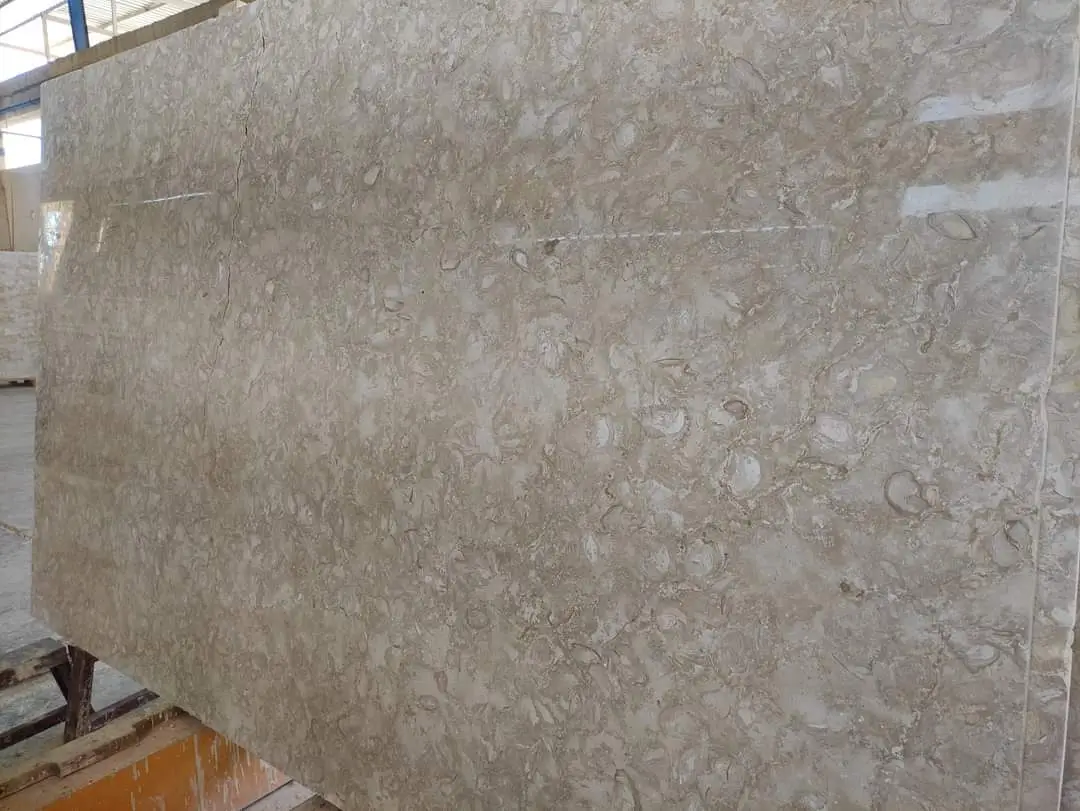
What catches most specifiers off-guard is how irregular formats affect your joint spacing strategy. You’ll create joints ranging from 0.5 inches to 3 inches depending on piece geometry, which means your polymeric sand specification needs to accommodate this variance. Narrow joints require finer aggregate grades, while wider joints demand coarser products to prevent washout during the first irrigation cycle. For projects requiring consistent joint widths, you need to inform clients that irregular bluestone creates visually random spacing patterns.
- You should expect installation rates between 60-85 square feet per day for experienced crews
- Your base preparation must accommodate thickness variations with additional leveling sand
- You’ll need to order 20-25% overage to account for cutting waste and piece selection
- Your polymeric sand consumption increases by 15-20% compared to pattern-cut installations
Pattern Bluestone Arizona Yards Precision
Pattern bluestone Arizona yards inventory provides dimensionally consistent pieces that accelerate installation while reducing material waste. You’ll work with rectangular formats in standard dimensions like 12×12, 12×24, 18×18, and 24×24 inches, all cut to tolerance ranges of ±1/8 inch. This precision allows your crew to establish consistent joint spacing between 3/16 and 3/8 inches across the entire installation.
When you calculate coverage rates for pattern-cut bluestone, you achieve 95-97% material utilization compared to the 78-82% typical with irregular formats. Your installation speed increases substantially because crew members spend minimal time on piece selection and trimming. You should expect experienced installers to complete 120-160 square feet per day with pattern formats, nearly doubling the productivity rates of irregular flagstone work.
The dimensional consistency of flagstone bluestone stone yard pattern-cut inventory simplifies your base preparation requirements. You can specify uniform bedding sand depths because thickness variation within pallets typically remains within ±3/16 inch. This consistency reduces the likelihood of lippage issues that create trip hazards and drainage problems in finished installations. You’ll find that municipal inspectors approve pattern-cut work more readily because dimensional uniformity demonstrates installation quality.
Your joint spacing uniformity with pattern formats creates visual rhythm that works particularly well in contemporary residential designs and commercial plaza applications. When you maintain consistent 1/4-inch joints across large areas, the installation reads as intentional precision rather than natural randomness. For projects near smooth river rock facility materials, the geometric contrast between formats can enhance overall landscape composition.
Thermal Mass Behavior Across Formats
Bluestone’s thermal properties remain consistent regardless of whether you specify irregular or pattern-cut formats. The material exhibits thermal conductivity of 1.3-1.6 W/mK and specific heat capacity around 790 J/kg·K, which creates a 3.5-4 hour lag time between peak air temperature and peak surface temperature. You need to account for this thermal mass behavior when you design outdoor living spaces that will be used during late afternoon and evening hours.
What changes between formats is how you address thermal expansion. You’ll install expansion joints every 15-18 feet in pattern-cut installations where dimensional uniformity allows consistent joint placement. With irregular flagstone, the random joint pattern effectively distributes thermal movement across the entire field, reducing the need for dedicated expansion joints. Your specification should address this difference because pattern installations require planning for expansion accommodation from the design phase.
- Surface temperatures reach 145-158°F during peak Arizona summer conditions for both formats
- You should specify lighter color selections to reduce surface temperatures by 12-18°F
- Thermal expansion coefficients of 5.1 × 10⁻⁶ per °F apply equally to irregular and pattern formats
- Your evening surface temperatures drop to within 8-12°F of ambient air temperature after sunset
Base Preparation Specifications
Your base preparation strategy differs substantially between irregular and pattern Bluestone flagstone stone yard Arizona formats. Pattern-cut installations allow you to specify precisely controlled bedding sand depths between 1 and 1.5 inches because stone thickness remains consistent. You can establish screeded sand beds that require minimal adjustment during stone placement, which accelerates installation and improves finished flatness tolerances.
When you work with irregular formats, you need to increase your bedding sand depth range to 1.5-3 inches to accommodate thickness variations within the stone. Your crew will perform constant depth adjustments during installation to maintain finished surface elevations. This variability means you should specify higher-quality installers who understand how to achieve acceptable flatness despite working with inconsistent material dimensions.
The aggregate base beneath your bedding sand should meet identical specifications for both formats. You’ll specify 4-6 inches of compacted Class II road base or 3/4-inch minus crushed aggregate, compacted to 95% modified Proctor density. In areas with expansive clay soils common throughout Phoenix and Tucson metro regions, you need to increase base depth to 6-8 inches and verify subgrade moisture content below 4% before placing aggregate.
Material and Labor Cost Factors
When you compare installed costs between irregular and pattern bluestone formats, you’ll find that material price differences often get offset by labor variation. Irregular flagstone typically costs $8-12 per square foot for material, while pattern-cut formats range from $11-16 per square foot depending on size and finish specifications. The 30-40% material premium for pattern formats reflects cutting labor and reduced yield from raw stone blocks.
Your installation labor costs shift in the opposite direction. You’ll pay $6-9 per square foot for irregular flagstone installation because of slower placement rates and higher skill requirements. Pattern-cut installations typically cost $4-6 per square foot due to faster coverage rates and reduced complexity. When you calculate total installed cost, the two formats often land within 10-15% of each other, with pattern formats sometimes costing less overall on large commercial projects.
You should factor material waste into your budget analysis. With 20% waste on irregular formats priced at $10 per square foot, you’re effectively paying $12 per usable square foot. Pattern formats at $14 per square foot with 5% waste cost $14.70 per usable square foot—a difference that narrows considerably when you account for faster installation reducing overall project duration and associated costs.
- You’ll need to verify warehouse inventory levels before committing to project schedules with either format
- Your trucking costs remain similar between formats for equivalent square footage orders
- You should request material samples from multiple Arizona stone yard bluestone irregular suppliers to compare quality
- Your project budget should include 15% contingency for unforeseen site conditions affecting base work
Application-Specific Format Decisions
Your format selection should align with project type and design intent. Irregular flagstone works best when you need organic aesthetics for residential pathways, garden stepping stone applications, and naturalistic pool deck surrounds. The random geometry integrates well with planted edges and curved layout patterns where geometric precision would appear forced or inappropriate.
Pattern-cut formats excel in applications requiring visual order and predictable dimensions. You should specify pattern bluestone for commercial plazas, building entries, geometric patio designs, and any installation where ADA compliance creates dimensional requirements. The consistent piece sizing allows you to plan precise layout patterns including running bond, ashlar, and modular designs that are impossible with irregular formats.
When you evaluate projects with mixed requirements, you can combine formats strategically. You might specify pattern-cut bluestone for primary pathways where dimensional consistency aids navigation and accessibility, while using irregular formats for secondary garden paths where organic character enhances the design. This hybrid approach requires careful detailing at format transition zones to prevent awkward visual boundaries.
Joint Specification and Maintenance
Your joint treatment specification significantly impacts long-term performance for both Bluestone flagstone stone yard Arizona formats. With pattern-cut installations maintaining consistent 1/4-inch joints, you can specify polymeric sand products designed for narrow joint applications. These fine-grade products provide superior interlock and weed resistance compared to standard jointing sands.
Irregular flagstone creates joints ranging from 0.5 to 3 inches, which requires you to specify different jointing strategies based on width zones. Joints under 1 inch should receive polymeric sand similar to pattern applications. Wider joints between 1-3 inches perform better with traditional mason sand or small aggregate that allows water percolation while providing adequate stability. You’ll need to detail these varying treatments in your specifications to ensure installers understand the multi-product approach.
What often gets overlooked is how joint width affects maintenance requirements. You should inform clients that narrow joints in pattern installations require polymeric sand replacement every 4-6 years as UV degradation and traffic wear reduce binding capacity. Wider joints in irregular installations need replenishment every 2-3 years because larger volumes of material migrate during heavy rain events and pressure washing.
Perimeter and Edge Considerations
When you detail installation edges, pattern formats allow you to specify clean, straight borders that align with architectural elements. You can terminate pattern bluestone against building foundations, concrete bands, or metal edging with minimal cutting because dimensional consistency creates predictable edge conditions. This precision reduces installation time at project perimeters where careful fitting determines overall installation quality.
Irregular flagstone requires different edge strategies. You’ll need to specify either cut edges where pieces get trimmed to match straight borders, or natural edges where stone geometry determines the boundary line. Cut edges add labor time but create defined limits appropriate for formal landscapes. Natural edges reduce labor but work only in informal settings where organic boundaries enhance rather than detract from design intent.
Your edge restraint specification becomes critical with both formats. You should detail concrete haunching, aluminum edging, or steel restraint systems that prevent lateral stone migration. Without proper edge restraint, perimeter stones shift under traffic loads, creating trip hazards and allowing base material migration that undermines interior sections. This restraint requirement applies equally to pattern and irregular installations.
Long-Term Performance Factors
Bluestone delivers 25-35 year service life in Arizona applications when you specify proper installation and maintain adequate joint sand levels. The material’s compressive strength ranging from 14,000-19,000 PSI exceeds requirements for residential and commercial pedestrian applications. You won’t encounter structural failures from normal traffic loads with either irregular or pattern formats.
What differs between formats is how wear patterns develop over time. Pattern installations show traffic wear uniformly across joints because consistent spacing creates predictable load distribution. You’ll observe gradual joint sand loss and minor surface etching in high-traffic zones, but the geometric pattern remains visually intact. Irregular installations develop more noticeable wear in narrow joints where concentrated loads accelerate sand migration and stone edge spalling.
- You should expect minimal color fading because bluestone’s gray-blue tones remain stable under UV exposure
- Your maintenance specifications need to address biannual joint sand inspection and replenishment
- You’ll observe efflorescence during the first 12-18 months as salts migrate from base materials
- Surface texture remains consistent with both formats when you specify thermal finish rather than polished
Best Bluestone Patio Stone Arizona Supply—Citadel Stone Format Guidance for Six Cities
When you evaluate Citadel Stone’s stone yard pavers in Arizona for your bluestone project, you’re considering premium materials engineered for extreme climate performance across diverse regional conditions. At Citadel Stone, we provide technical guidance for hypothetical applications throughout Arizona’s varying elevation and temperature zones. This section outlines how you would approach format selection and specification decisions for six representative cities, addressing the climate-specific factors that influence material performance and installation requirements.
Phoenix Metropolitan
In Phoenix applications, you would need to account for sustained temperatures exceeding 110°F for 90-100 days annually, creating extreme thermal stress on hardscape materials. Your format selection should consider that pattern bluestone Arizona yards inventory provides consistent joint spacing that facilitates thermal expansion accommodation through planned expansion joints every 15 feet. You would specify light-to-medium gray color selections to reduce surface temperatures by 14-18°F compared to darker bluestone variants. At Citadel Stone, we would recommend addressing substrate moisture management because rapid evaporation rates can create efflorescence conditions within the first season. Your installation timeline should avoid June through August when surface temperatures make proper adhesive curing and polymeric sand activation difficult to achieve.
Tucson Specifications
You would approach Tucson projects recognizing that slightly higher elevation creates 3-5°F cooler peak temperatures compared to Phoenix, but monsoon intensity requires superior drainage planning. Your bluestone specification should address how irregular flagstone’s variable joint widths provide enhanced permeability compared to pattern formats with consistent narrow joints. You would need to detail base aggregate gradation that prevents fines migration during intense rainfall events common from July through September. Tucson’s caliche soil layers often appear at 18-30 inches depth, requiring you to specify base excavation that fully penetrates caliche to prevent moisture accumulation beneath stone installations. Your crew would need to verify complete caliche removal before placing aggregate base layers.
Scottsdale Applications
When you plan Scottsdale installations, you would recognize that high-end residential and resort applications typically demand the visual precision that pattern-cut formats deliver. You should specify dimensional tolerances within ±1/8 inch and consistent thickness to achieve the refined appearance clients expect in luxury outdoor living spaces. Your flagstone bluestone stone yard material selection would emphasize premium grades with minimal color variation and no visible iron oxide deposits that could create rust staining. You would coordinate warehouse delivery schedules to ensure material arrives 72 hours before installation begins, allowing acclimation to site conditions. Scottsdale’s water conservation requirements would lead you to specify joint treatments that allow precipitation infiltration while preventing weed establishment and sand migration.
Flagstaff Considerations
Your Flagstaff specifications would differ substantially from lower-elevation cities because freeze-thaw cycling creates performance demands uncommon elsewhere in Arizona. You would need to verify that bluestone absorption rates remain below 3% to prevent freeze-induced spalling during the 120-140 annual freeze-thaw events typical at 7,000-foot elevation. Your base preparation would require 6-8 inches of free-draining aggregate to prevent frost heave, with geotextile separation fabric between subgrade and aggregate. You should specify polymeric sand products rated for freeze-thaw performance rather than standard desert-climate formulations. Pattern formats would allow you to maintain consistent narrow joints that minimize water infiltration compared to irregular flagstone’s wider, more variable joint patterns.
Sedona Aesthetics
You would approach Sedona projects understanding that the dramatic red rock landscape creates design expectations for natural, organic hardscape materials. Your format recommendation would typically favor irregular flagstone because the random geometry complements rather than competes with the area’s geological drama. You should select blue-gray bluestone tones that provide color contrast against the dominant red sandstone environment. Installation planning would need to address challenging site access common in hillside locations where truck delivery to work areas may be impossible, requiring material staging areas and manual transport. Your specifications would emphasize hand-set installation techniques appropriate for the artistic, custom character expected in Sedona’s residential projects.
Yuma Performance
When you specify for Yuma applications, you would recognize that this region experiences Arizona’s most extreme heat with temperatures reaching 120°F and intense solar radiation year-round. Your bluestone selection should prioritize the lightest available color grades to minimize surface temperature gain, potentially specifying sealed finishes that enhance solar reflectance by 8-12%. You would need to address thermal expansion more aggressively than other Arizona locations, planning expansion joints every 12-14 feet rather than the standard 15-18 feet. Yuma’s minimal annual precipitation of 3-4 inches means you can specify joint treatments optimized for stability rather than drainage, using polymeric sand formulations that maximize interlock. Your installation scheduling would target October through March when daytime temperatures remain below 90°F for optimal material handling and proper curing conditions.
Professional Specification Writing
When you develop construction documents for bluestone projects, your specifications need to address format-specific requirements clearly. You should create separate specification sections for irregular and pattern formats rather than attempting to cover both in generic language. This separation ensures contractors understand distinct installation requirements, material waste allowances, and quality expectations for each format type.
Your material specification should define acceptable thickness tolerance ranges, color variation limits, and surface finish requirements. For pattern formats, you’ll specify dimensional tolerances of ±1/8 inch and thickness variation not exceeding ±3/16 inch within pallets. Irregular flagstone requires different criteria, typically allowing ±1/2 inch dimensional tolerance and ±3/8 inch thickness variation because natural cleaving creates less predictable results.
You need to detail installation quality standards including flatness tolerances, lippage limits, and joint width requirements. Pattern installations should meet 1/8-inch maximum lippage between adjacent stones and maintain joint widths of 1/4 inch ±1/16 inch. Irregular installations typically allow 3/16-inch maximum lippage with joint widths ranging from 1/2 to 2 inches as determined by stone geometry. These distinct criteria prevent disputes during construction administration when installed work gets evaluated against specification requirements.
Field Problems and Solutions
You’ll encounter recurring installation problems with both Bluestone flagstone stone yard Arizona formats that stem from inadequate base preparation or improper material handling. The most common failure involves insufficient aggregate base compaction, which allows settlement that creates lippage and drainage problems within the first year. You should require nuclear density testing or plate load testing to verify 95% compaction before allowing stone installation to proceed.
Another frequent issue occurs when installers fail to account for thermal expansion in pattern installations. You’ll observe buckling and stone displacement when crews install pattern bluestone with tight joints and no expansion accommodation during cool morning hours, then watch thermal expansion create compressive forces as afternoon temperatures rise. Your field observation should verify that expansion joints get installed at specified intervals before accepting completed work.
- You need to reject installations where bedding sand depth exceeds 2 inches because excessive sand allows stone movement
- Your quality control should verify that polymeric sand activation follows manufacturer protocols precisely
- You should require installers to protect completed work from traffic for 72 hours during joint sand curing
- Your punch list needs to address any stones showing greater than 1/8 inch lippage in pattern installations
Project Planning
Your successful bluestone project begins with thorough format evaluation during design development. You should request samples of both irregular and pattern materials from your Arizona stone yard bluestone irregular supplier, evaluating them in actual site conditions rather than showroom settings. This field evaluation reveals how sunlight, surrounding materials, and adjacent architectural elements interact with each format option.
When you finalize format selection, coordinate with your installation contractor to verify their crew has appropriate experience with your chosen format. Pattern installation requires different skills than irregular flagstone work, and crew capabilities should match material demands. You’ll achieve better results by matching experienced pattern installers with pattern materials rather than expecting irregular flagstone specialists to adapt their techniques.
Your project documentation should address all performance factors discussed throughout this analysis, from base preparation through long-term maintenance requirements. Complete specifications prevent field conflicts and ensure installed work meets your design intent and performance expectations. For additional regulatory guidance, review Arizona municipal hardscape permit requirements and setback regulations before you finalize your project timeline and submittal schedule. Moonlight garden designs feature Citadel Stone, the most nocturnal white stone yard Arizona glow materials.