

When you plan a DIY patio stones installation Arizona project, you’re stepping into a weekend hardscape transformation that demands precision, patience, and practical knowledge. Your success depends on understanding how Arizona’s extreme climate affects every decision — from base preparation to final joint sand application. You’ll encounter unique challenges that don’t appear in generic installation guides, particularly the thermal cycling that can crack improperly set pavers and the monsoon drainage requirements that separate functional patios from seasonal flooding disasters.
Arizona’s desert environment creates specific conditions you need to address before you order materials or break ground. Summer surface temperatures exceeding 160°F affect material selection, installation timing, and joint spacing calculations. Your DIY hardscape instructions must account for soil expansion coefficients that vary dramatically across regions — clay-heavy soils in Phoenix behave completely differently than Flagstaff’s mountainous substrate. When you follow a weekend patio project steps approach, you’re compressing professional installation knowledge into a condensed timeline that requires careful planning and realistic expectations about what you can accomplish in 48-72 hours.
The sand set paver tutorial approach offers homeowners the most forgiving installation method for Arizona conditions. Unlike mortar-set applications that crack under thermal stress, sand-set systems flex with seasonal temperature swings while maintaining structural integrity. You’ll discover that proper base preparation accounts for 70% of your installation’s long-term performance — a detail most DIY guides underemphasize. Your material choices need to balance aesthetic preferences with thermal mass properties, slip resistance ratings, and porosity requirements that affect both comfort and drainage performance.
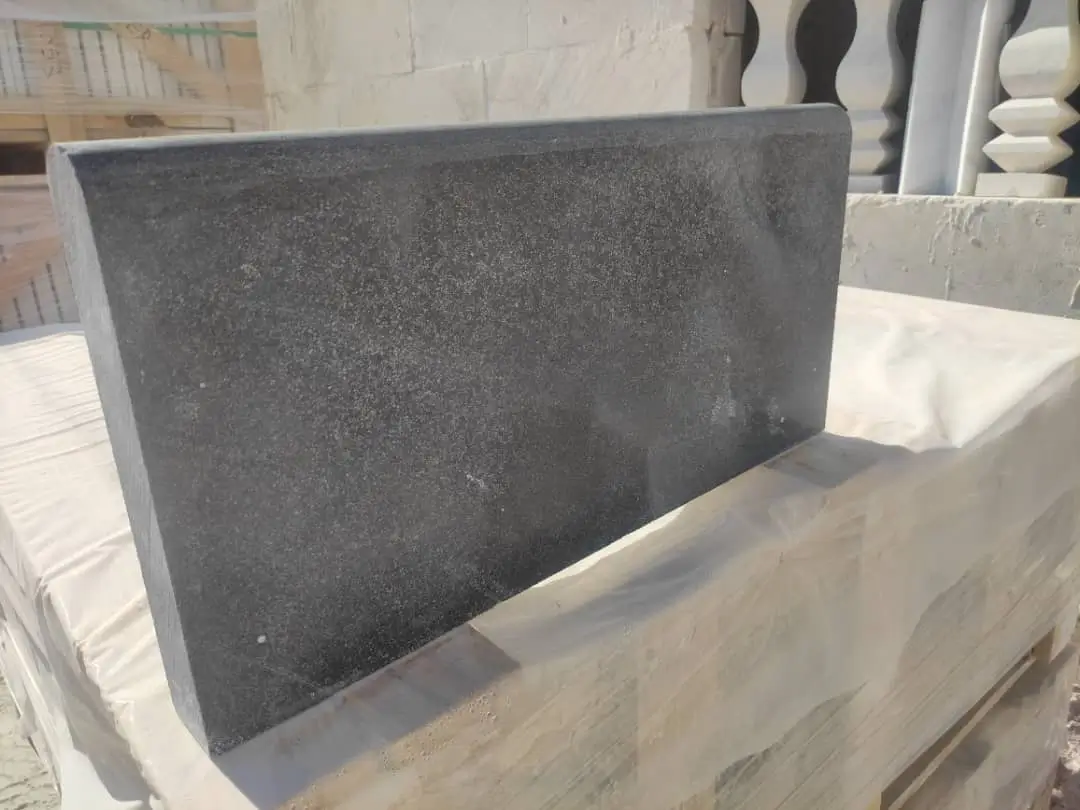
Base Preparation Fundamentals
Your base layer determines whether your patio lasts 20 years or fails within five. Arizona soils present challenges that generic how to lay patio stones guides don’t address — you’re dealing with extreme drying conditions that cause clay soils to shrink and caliche layers that require mechanical excavation. When you excavate for your base, you need to remove topsoil down to undisturbed native material, typically 8-12 inches below finished patio grade. This depth accommodates a compacted aggregate base that won’t shift during monsoon saturation or thermal cycling.
The compaction process requires equipment most homeowners don’t own. You should rent a plate compactor rated for at least 5,000 pounds of centrifugal force — hand tampers won’t achieve the 95% compaction density your installation requires. Your aggregate base material should consist of crushed granite or decomposed granite with particle sizes ranging from fines to 3/4-inch minus. This gradation allows particles to interlock during compaction, creating a stable platform that resists both vertical settlement and lateral movement.
- You need to compact base material in 2-inch lifts, not all at once
- Your moisture content during compaction should reach 8-12% for optimal density
- You’ll achieve better results by compacting in early morning when temperatures stay below 85°F
- Your base should extend 6 inches beyond patio perimeter to prevent edge failure
- You must verify grade slopes away from structures at minimum 2% (1/4 inch per foot)
Moisture management during base preparation often catches DIY installers off-guard. Arizona’s low humidity causes aggregate to dry too quickly during compaction, preventing proper particle bonding. You’ll need to mist your base layers lightly before compacting — not soaking wet, but damp enough that dust doesn’t rise during compaction passes. This moisture allows fines to fill voids between larger particles, maximizing density and load-bearing capacity.
Bedding Layer Specifications
Your bedding sand layer serves as the final leveling course that allows micro-adjustments during paver placement. This layer should consist of concrete sand (also called C-33 sand) — not masonry sand, play sand, or all-purpose sand. The particle size distribution matters more than most DIY paver installation guide resources explain. You need angular particles ranging from 0.02 to 0.08 inches that interlock when compacted, creating a firm setting bed that resists lateral movement.
The bedding layer thickness before compaction should measure exactly one inch. You’ll often see weekend patio project steps recommending thicker bedding layers to compensate for base irregularities, but this creates long-term settlement problems. When you compact pavers into bedding sand exceeding one inch, you create differential settlement patterns that appear as surface undulations within 18-24 months. Your base layer should be precise enough that bedding sand only provides final leveling, not elevation correction.
Screeding technique determines bedding layer consistency. You should use rigid one-inch conduit or similar material as screed rails, setting them perfectly level (or to specified slope) before pulling your screed board across them. Many how to lay patio stones tutorials show installers screeding directly on the base, but this method doesn’t account for screed board deflection. When you place pavers on deflected bedding sand, you’ll see low spots corresponding to each screed pass.
Material Selection for Arizona Climate
Your paver material choice affects installation difficulty, thermal comfort, and long-term maintenance requirements. Natural stone pavers offer thermal mass advantages over concrete products — they absorb heat more slowly and release it gradually during evening hours. When you evaluate options, you need to consider both peak surface temperature and thermal cycling range. Limestone, travertine, and certain sandstones maintain lower surface temperatures than dark granite or concrete pavers, making them more comfortable for barefoot use.
Porosity specifications matter for freeze-thaw resistance in northern Arizona and drainage performance statewide. You should verify that your selected material exhibits porosity between 3-8% for optimal performance. Below 3%, surface water sheets across pavers rather than draining through joints. Above 8%, you risk efflorescence and accelerated weathering in areas with mineral-heavy water. Understanding these trade-offs helps you select materials that match your specific site conditions.
Slip resistance becomes critical around pool areas and covered patios where water accumulates. You need to specify textured or tumbled finishes that maintain DCOF (Dynamic Coefficient of Friction) ratings above 0.50 when wet. Polished or honed finishes may look elegant in showrooms, but they become dangerously slippery when monsoon rains hit. Your DIY paver installation guide research should include actual slip testing data, not just manufacturer claims about “textured” surfaces.
- You should request material samples to test barefoot surface temperature in direct sun
- Your color selection affects heat absorption — lighter colors reflect 60-70% of solar radiation
- You need to verify dimensional consistency within ±1/8 inch to minimize lippage issues
- Your joint spacing requirements vary by material — natural stone needs wider joints than concrete
Layout Planning and Pattern Design
Your layout design affects both aesthetic appeal and structural performance. Running bond patterns (also called offset or brick patterns) provide superior interlock compared to stack bond layouts. When you offset joints by 50%, you distribute loads across multiple pavers rather than creating continuous joint lines that concentrate stress. This matters particularly in Arizona where thermal expansion creates significant lateral forces during summer heat cycles.
Pattern complexity directly correlates with installation time and cut requirements. Your weekend patio project steps timeline needs to account for the reality that herringbone patterns require 30-40% more installation time than running bond. If you’re working within a compressed schedule, simpler patterns allow you to focus on proper base preparation and compaction rather than complex cutting sequences. You’ll achieve better long-term performance with a well-installed simple pattern than a rushed complex design.
Border treatments and soldier courses create visual definition while simplifying field paver layout. When you install a contrasting border around your patio perimeter, you establish clear dimensional boundaries that make field layout more straightforward. This approach also allows you to adjust field spacing slightly to eliminate small cut pieces along edges — a technique professional installers use to improve appearance and reduce installation time.
Cutting Techniques and Tool Requirements
Your cutting equipment determines finish quality and installation speed. Wet saws with diamond blades designed for your specific material type produce clean cuts with minimal chipping. When you attempt paver cuts with demolition saws or masonry blades, you’ll create rough edges that require extensive grinding to achieve acceptable appearance. For natural stone applications, you need continuous rim diamond blades rather than segmented blades — the continuous rim prevents chipping on the undercut exit.
Dust control during cutting operations presents both health and neighborhood relations challenges. Wet cutting eliminates airborne silica dust while extending blade life and improving cut quality. You’ll need to set up your cutting station away from finished work to prevent slurry contamination of completed paver sections. When you cut near installed pavers, overspray creates staining that’s difficult to remove, particularly on porous natural stone.
Measuring and marking accuracy separates professional-looking installations from obvious DIY work. You should use a speed square or combination square for all cut marks, verifying measurements twice before cutting. The cost of wasted material from mis-cuts quickly exceeds the expense of quality measuring tools. Your sand set paver tutorial should emphasize that precision during cutting prevents the cumulative spacing errors that become obvious across large patio areas.
Joint Spacing and Edge Restraint
Your joint width specifications need to account for thermal expansion in Arizona’s temperature extremes. While many sand set paver tutorial guides recommend 1/16-inch joints for concrete pavers, natural stone installations require 3/16 to 1/4-inch spacing to accommodate differential expansion rates. When you set joints too tightly, thermal expansion during summer creates compression forces that cause edge spalling or paver tenting. You’ll see this failure pattern most commonly in installations completed during winter months when pavers are thermally contracted.
Edge restraint systems prevent lateral creep that gradually expands your patio over time. You need to install commercial paver edging — not plastic landscape edging — along all unrestrained borders. These systems use spikes driven through the edging into compacted base material, creating permanent restraint that maintains joint alignment. When you skip proper edging, you’ll observe perimeter spreading within one season, particularly after monsoon saturation events.
The relationship between joint width and sand retention affects long-term maintenance requirements. Wider joints hold sand more effectively during wind events and pressure washing operations. You should anticipate replenishing joint sand every 18-24 months regardless of joint width, but proper initial spacing minimizes the frequency and quantity of sand addition. Your installation timeline needs to include multiple sand applications — initial filling, compaction settling, and top-off applications spaced weeks apart.
Compaction and Settling Procedures
Your final compaction sequence locks pavers into bedding sand while achieving surface leveling. This process requires a plate compactor with a protective pad that prevents surface damage during compaction passes. You’ll need to make at least three passes in different directions, checking for movement or rocking after each pass. When you encounter pavers that rock or sit below adjacent units, you must remove them, adjust bedding sand, and reinstall before continuing compaction.
The timing of initial compaction affects settlement patterns. You should complete first compaction immediately after paver installation while bedding sand retains slight moisture. Completely dry bedding sand doesn’t compact effectively, and overly wet sand causes pavers to settle excessively. Arizona’s low humidity means you’re typically working with dry conditions — light misting before compaction helps achieve optimal density without creating mud conditions.
- You need to verify that compactor weight doesn’t exceed paver thickness capacity
- Your compaction pattern should overlap previous passes by 50% to ensure complete coverage
- You’ll observe 1/8 to 1/4-inch settlement during initial compaction — this is normal
- Your final surface should exhibit less than 1/8-inch lippage between adjacent pavers
Joint Sand Selection and Application
Your joint sand material directly affects weed growth, ant colonization, and long-term sand retention. Polymeric sand products offer advantages over traditional silica sand — when activated with water, polymeric additives create limited bonding that resists erosion while maintaining permeability. You need to understand that polymeric sand isn’t structural bonding; it’s erosion resistance. When you expect polymeric sand to lock pavers rigidly, you’ll be disappointed by its actual performance characteristics.
Application technique determines polymeric sand success or failure. You must sweep sand into completely dry joints when ambient temperature stays between 40-90°F — outside this range, polymer activation becomes unreliable. When you apply polymeric sand during Arizona summer heat, rapid surface drying prevents proper polymer distribution, creating weak bonding and premature failure. Your installation timeline should schedule joint sanding for spring or fall periods when temperature and humidity support proper curing.
The activation process requires precise water application. You need to mist joints thoroughly without creating standing water or washing sand from joints. Too little water prevents polymer activation; too much water dilutes polymers and causes haze on paver surfaces. When you encounter hazing during activation, you must remove it immediately with clean water and soft brushing — once polymeric haze cures, it requires mechanical removal that damages paver surfaces.
Drainage Integration for Monsoon Performance
Your drainage design must handle Arizona’s intense monsoon rainfall events that deliver 1-2 inches in under 30 minutes. Surface drainage alone isn’t sufficient — you need base layer permeability that allows rapid subsurface water movement away from your patio. When you design for residential applications, our courtyard stone supply specifications include porosity data that helps you calculate drainage capacity for specific rainfall intensities.
Subsurface drainage systems become necessary when your patio sits in natural drainage paths or against building foundations. You should install perforated drain pipe along the low-side perimeter, surrounded by gravel and wrapped in filter fabric. This system intercepts subsurface water before it saturates your base material, preventing the hydrostatic pressure that causes paver heaving during saturation events. Your base grade should slope toward drain locations at minimum 2% to ensure positive drainage flow.
The interaction between joint sand and drainage performance surprises many DIY installers. While sand-set systems allow water infiltration through joints, this permeability decreases as joint sand compacts and fines accumulate. You need to plan for periodic joint cleaning to maintain designed drainage rates. When you ignore this maintenance requirement, surface ponding develops in areas that initially drained properly, indicating that joint permeability has degraded below functional levels.
Common Installation Mistakes
Your awareness of typical errors helps you avoid the failures that plague amateur installations. The most common mistake involves inadequate base compaction — when you skip proper compaction equipment or rush through this phase, you’ll see settlement patterns within the first year. These depressions collect water and create trip hazards that require complete reinstallation to correct. Proper compaction takes time and equipment investment, but it’s non-negotiable for lasting performance.
Improper grade establishment causes drainage failures that aren’t immediately obvious. You might complete installation during dry months and not discover grade problems until monsoon season reveals that water ponds rather than drains. When you establish grade, you need surveying precision — a 4-foot level and string lines provide adequate accuracy for most residential DIY paver installation guide projects. Your verification should occur at both base and finished surface levels to ensure grade maintains throughout installation.
- You create problems when installing pavers directly against building foundations without expansion gaps
- Your installation fails prematurely when you use sand containing clay fines or organic material
- You’ll encounter edge failure when restraint systems aren’t secured into compacted base material
- Your joints won’t hold sand long-term when initial joint width varies more than ±1/16 inch
- You risk efflorescence when using calcium-based base materials with porous natural stone
Citadel Stone Wholesale Bluestone Pavers in Arizona Specifications
When you consider Citadel Stone’s wholesale bluestone pavers in Arizona for your project, you’re evaluating premium materials engineered for extreme climate performance. At Citadel Stone, we provide technical guidance for how to lay patio stones applications across Arizona’s diverse climate zones. This section outlines how you would approach specification and installation decisions for six representative cities, addressing the unique environmental factors each region presents.
Arizona’s geographic diversity creates dramatically different installation requirements. You need to account for elevation-based temperature variations, soil composition differences, and precipitation patterns that range from 3 inches annually in Yuma to 23 inches in Flagstaff. Your material specifications and installation methods must adapt to these regional variables. When you work with wholesale bluestone pavers in Arizona, you’re selecting stone that performs across this climatic range when properly specified and installed.
Phoenix Heat Management
In Phoenix applications, you would need to address extreme summer heat where pavement temperatures exceed 160°F during peak hours. Your specification should prioritize light-colored bluestone with high solar reflectance to minimize heat absorption. You’ll want to plan installation timing for October through April when temperature conditions support proper base compaction and joint sand application. Phoenix’s clay-heavy soils require you to verify base stability during summer expansion cycles — your aggregate base depth should increase to 10-12 inches to isolate pavers from soil movement. At Citadel Stone, we maintain warehouse inventory specifically calibrated for Phoenix metro demands, ensuring material availability aligns with optimal installation windows.
Tucson Monsoon Considerations
Your Tucson specifications would emphasize drainage capacity for intense monsoon events that deliver rainfall intensities exceeding one inch per hour. You should design joint spacing at the wider end of acceptable ranges (1/4 inch) to maximize infiltration capacity while maintaining structural interlock. The region’s caliche deposits require you to plan for mechanical excavation — hand digging through caliche isn’t practical for base preparation. Your weekend patio project steps would need to account for caliche removal time and equipment rental. Tucson’s slightly cooler summer temperatures compared to Phoenix allow extended installation seasons, but you’d still avoid July-August peak monsoon periods when ground saturation complicates base work.
Scottsdale Luxury Applications
Scottsdale projects typically demand premium aesthetics combined with heat management performance. You would specify bluestone with consistent color gradation and minimal natural variation to achieve the refined appearance luxury markets expect. Your installation would incorporate wider borders and accent banding to create visual interest while maintaining the clean lines contemporary design requires. Scottsdale’s well-drained desert soils simplify base preparation compared to Phoenix clay deposits, but you’d still verify compaction density meets 95% standard. When you plan truck access for material delivery, Scottsdale’s established neighborhoods often present narrow street conditions that require smaller delivery vehicles or manual material transfer from street to installation area.
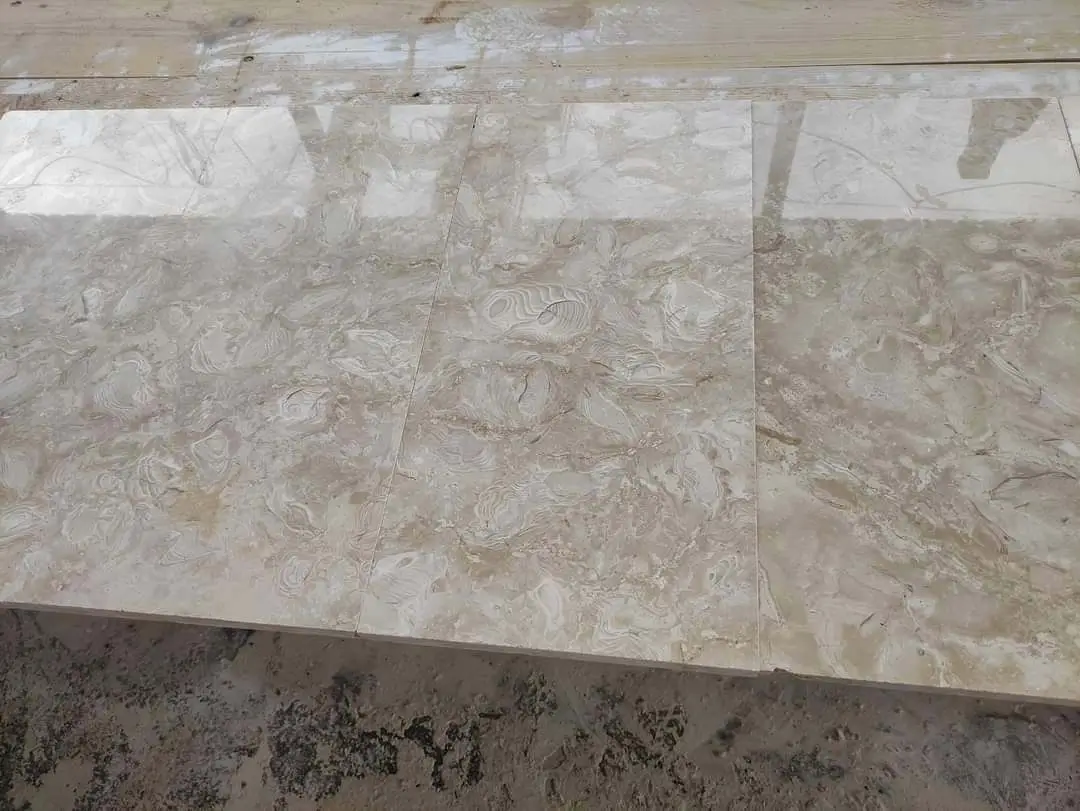
Flagstaff Freeze-Thaw Performance
In Flagstaff’s high-elevation climate, you need to prioritize freeze-thaw durability over heat management. Your bluestone specification should verify absorption rates below 3% to prevent water saturation that causes spalling during freeze cycles. You would increase base depth to 12-14 inches to extend below frost line depth, typically 24 inches in Flagstaff region. Your DIY hardscape instructions would emphasize proper drainage to prevent base saturation — frozen saturated base material creates heaving forces that destroy surface integrity. Installation timing becomes critical in Flagstaff; you’d schedule work for May through September when ground conditions remain workable and base materials can be properly compacted without frost interference.
Sedona Aesthetic Integration
Sedona specifications require you to consider visual harmony with surrounding red rock landscapes. You would select bluestone tones that complement rather than compete with natural stone colors dominant in the region. Your installation approach might incorporate irregular joint patterns or mixed unit sizes to create organic appearance appropriate for Sedona’s natural aesthetic. The region’s rocky substrate often means shallow soil cover over bedrock — you’d need to plan for potential rock excavation during base preparation. Sedona’s moderate elevation (4,500 feet) creates temperature conditions milder than Phoenix but with occasional winter freezing that requires you to verify freeze-thaw resistance in material specifications.
Yuma Extreme Heat
Your Yuma installations would address the most extreme heat conditions in Arizona, with summer temperatures regularly exceeding 115°F. You should specify maximum solar reflectance bluestone options to maintain usable surface temperatures during extended summer periods. Yuma’s minimal rainfall (3 inches annually) simplifies drainage requirements, but you’d still maintain 2% surface slope to handle occasional intense desert storms. The region’s sandy soils provide excellent drainage but require increased compaction attention to achieve stable base conditions. You would plan material delivery to avoid peak summer months when warehouse-to-site logistics become complicated by extreme ambient temperatures affecting both workers and material handling equipment.
Sealing and Surface Protection
Your decision about sealing affects maintenance requirements and long-term appearance. Penetrating sealers offer stain protection without creating surface film that traps moisture or alters slip resistance. When you apply topical sealers, you’re accepting increased maintenance obligations — these products require reapplication every 2-3 years and can create peeling or hazing problems if applied incorrectly. Arizona’s intense UV exposure degrades topical sealers faster than manufacturer literature suggests, particularly on horizontal surfaces receiving direct sun exposure.
Application timing critically affects sealer performance. You must wait 60-90 days after installation before applying sealer to allow efflorescence salts to surface and be removed. When you seal too early, you trap subsurface moisture and salts that cause hazing and delamination. Your surface preparation before sealing requires thorough cleaning to remove joint sand residue, dust, and any existing stains — sealer applied over contaminated surfaces locks in discoloration rather than protecting against it.
Natural stone responds differently to sealers than concrete pavers. You need to test sealer on sample pieces of your actual material to verify color enhancement matches your expectations. Some natural stones darken significantly when sealed, creating permanent color shift that surprises homeowners expecting subtle protection. Your test application should include exposure to direct sun for several days to observe how UV affects sealed appearance before committing to full patio treatment.
Maintenance Protocols for Longevity
Your maintenance program determines whether your installation delivers 20-year performance or requires major intervention within a decade. Joint sand replenishment represents the most frequent maintenance requirement — you should plan to add sand annually, sweeping it into joints and compacting lightly with a rubber mallet. This prevents the joint void development that allows edge chipping and weed establishment. When you maintain joint sand at 90-95% capacity, you preserve structural interlock while allowing drainage function.
Cleaning methodology affects surface longevity. You should avoid pressure washing at settings exceeding 1,500 PSI — higher pressures erode joint sand and can damage natural stone surfaces. When you clean pavers, use wide-angle nozzles held at 12-18 inches from the surface, working at shallow angles rather than perpendicular to the paver face. Harsh cleaning chemicals aren’t necessary for routine maintenance; pH-neutral cleaner and scrubbing remove most stains without risking surface etching or discoloration.
- You need to inspect edge restraint annually, resetting any spikes that have lifted
- Your drainage performance should be verified after major storms to identify developing problems
- You should remove organic debris from joints before it decomposes and supports weed growth
- Your seasonal inspection should identify any settled or rocking pavers for immediate repair
Project Timeline Expectations
When you evaluate realistic completion schedules, you need to account for all phases from planning through final cleanup. A typical 200-square-foot patio requires 16-24 hours of actual work time spread across multiple days to allow for proper base settling and material delivery coordination. Your weekend patio project steps timeline should span at least two weekends — the first for excavation and base installation, the second for paver placement and finishing work. Attempting to compress the entire project into 48 hours leads to shortcuts during base preparation that compromise long-term performance.
Material procurement lead times affect project scheduling. You should order pavers 2-3 weeks before installation to ensure warehouse availability and delivery coordination. When you attempt same-week material procurement, you risk settling for alternative products that don’t match your specifications or delaying your project while waiting for inventory. Your installation timing should also consider weather patterns — avoid monsoon season (July-September) when ground saturation complicates base work and sudden storms can flood open excavations.
The learning curve inherent in DIY installation means your first few square feet proceed slowly while you develop technique. You’ll find that installation speed increases significantly after establishing rhythm and methods. When you estimate labor requirements, account for this reality — professional installers complete 80-100 square feet daily, but your DIY pace will likely reach 30-40 square feet per day including base preparation and finishing work.
Final Considerations
Your DIY patio stones installation Arizona project represents significant investment in both materials and labor that warrants careful planning and execution. When you commit to proper base preparation, appropriate material selection, and methodical installation technique, you’ll achieve results that rival professional work while gaining valuable hands-on experience. The skills you develop translate to future projects and provide deep understanding of how exterior hardscaping performs in Arizona’s challenging climate. You should approach this work with realistic timeline expectations and willingness to invest in proper tools and equipment — attempting to shortcut either leads to compromised results that require expensive correction.
Professional guidance remains valuable even for DIY projects. You can benefit from consulting with experienced installers or material suppliers who understand regional conditions and common failure patterns. When you encounter unexpected site conditions or installation challenges, seeking expert input prevents costly mistakes that result from trial-and-error problem solving. For comprehensive information about drainage-optimized systems that complement traditional paver installations, review Porous paving systems designed for Arizona monsoon stormwater control before you finalize your project approach. Citadel Stone’s wholesale rates benefit contractors through bulk patio stones in Arizona savings.