
When you specify patio paving materials for Arizona installations, you’re making a decision that will affect performance for 20-30 years. The choice between natural stone and manufactured concrete pavers isn’t just aesthetic—it’s a technical specification that determines thermal behavior, maintenance requirements, and long-term cost of ownership. Understanding natural vs concrete pavers AZ comparisons requires you to evaluate climate-specific factors that don’t apply in temperate regions.
You need to account for Arizona’s extreme thermal cycling, intense UV exposure, and minimal precipitation when you select paving materials. Natural stone and concrete pavers respond differently to these conditions in ways that affect everything from surface temperature to structural integrity. Your specification decisions should address these performance differences with the same rigor you apply to structural components.
Thermal Performance Differences Between Natural and Manufactured Materials
Arizona’s extreme heat creates thermal challenges that separate adequate materials from superior ones. When you evaluate natural vs concrete pavers AZ options, thermal mass and surface temperature behavior become primary considerations, not secondary aesthetic factors.
Natural limestone and travertine pavers absorb and release heat differently than concrete products. You’ll find that natural stone’s thermal mass creates a 4-6 hour lag between peak air temperature and peak surface temperature. This lag time means your patio surfaces remain cooler during afternoon peak usage hours—a detail that directly affects user comfort and barefoot walkability around pools and outdoor living spaces.
Concrete pavers respond to thermal input more rapidly. Surface temperatures on concrete products typically reach within 2-3°F of their maximum within 90 minutes of direct solar exposure. Natural stone of equivalent thickness takes 180-240 minutes to reach comparable surface temperatures. This difference matters when you’re specifying materials for west-facing installations or areas with afternoon sun exposure.
The durability of travertine vs concrete becomes evident in thermal cycling performance. Arizona installations experience daily temperature swings of 40-50°F during spring and fall transition periods. Natural stone’s lower thermal expansion coefficient—typically 5.3 × 10⁻⁶ per °F compared to concrete’s 6.0-7.0 × 10⁻⁶ per °F—means you can use wider spacing between expansion joints without risking structural movement issues.
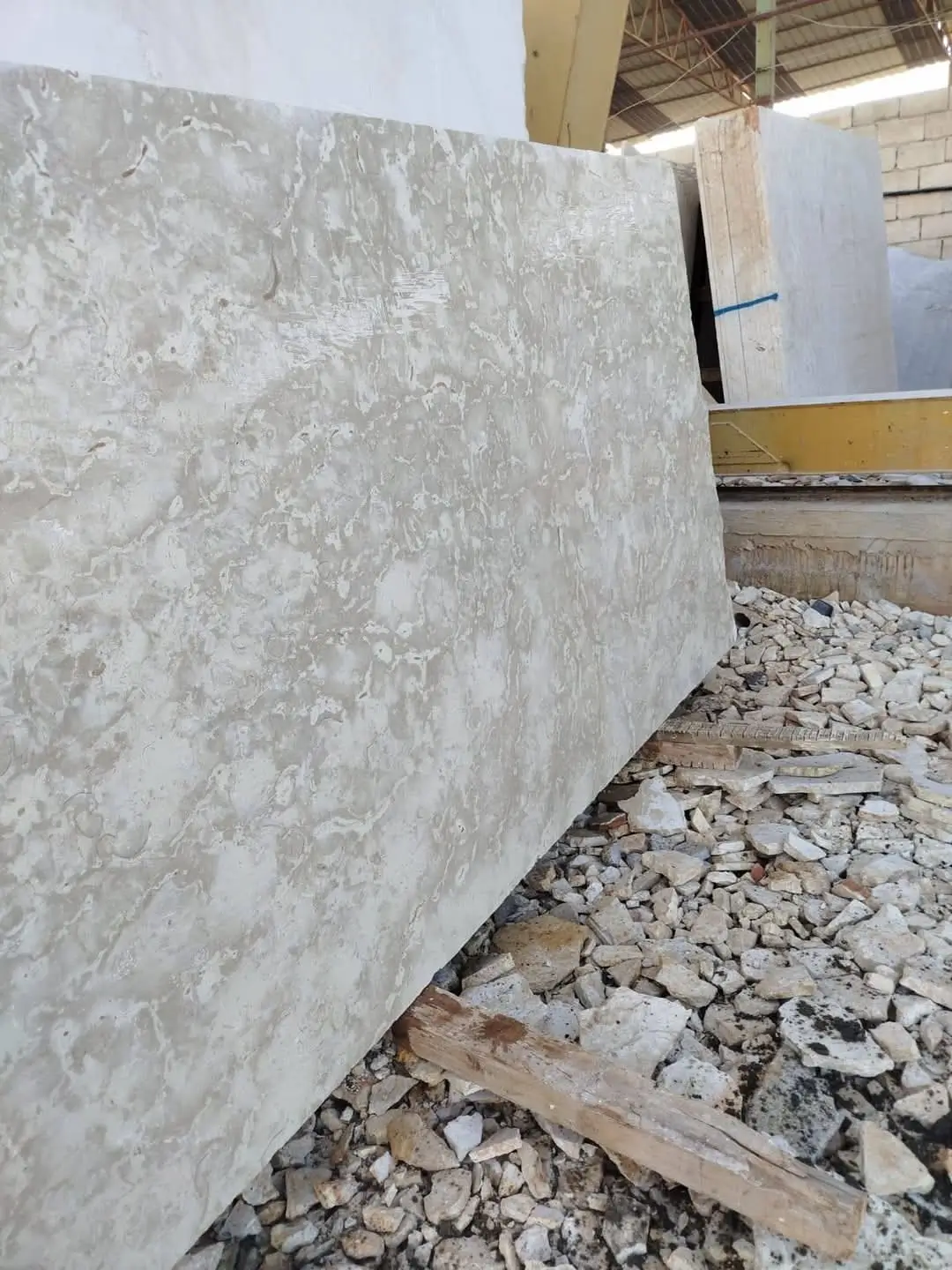
You should also consider albedo values when you specify fade resistant patio stones. Natural limestone reflects 60-70% of incident solar radiation, while standard concrete pavers typically reflect 35-45%. This 25-30 percentage point difference translates to surface temperature differentials of 15-22°F under identical exposure conditions—a factor that affects both user comfort and adjacent indoor cooling loads.
Porosity and Moisture Management in Desert Climates
Arizona’s low humidity and minimal rainfall create counterintuitive porosity requirements. You need to understand how material porosity affects long-term performance in environments where annual precipitation ranges from 3 inches in Yuma to 23 inches in Flagstaff.
Natural travertine exhibits interconnected pore structures with 3-8% porosity by volume. These pores allow the material to absorb and release minimal moisture without creating subsurface saturation conditions. In practice, you’ll observe that this porosity range provides sufficient permeability for drainage while maintaining structural integrity during the 15-25 annual freeze-thaw cycles experienced in northern Arizona elevations.
Concrete pavers are manufactured with controlled porosity, typically 2-5% by volume. Lower porosity might seem advantageous, but you should recognize that reduced permeability increases surface runoff requirements. Your drainage design must account for this difference—concrete installations require more aggressive slope design (minimum 2% grade) compared to natural stone installations (1.5% minimum grade acceptable).
- You should verify that base layer permeability exceeds surface material permeability by 3-4x to prevent subsurface saturation
- Natural stone porosity allows vapor transmission that reduces efflorescence formation in high-alkalinity soil conditions
- Concrete pavers in areas with pH above 8.2 show elevated efflorescence rates within 18-36 months of installation
- Your sealing specifications must account for porosity—natural stone accepts penetrating sealers more effectively than concrete products
The relationship between porosity and thermal performance creates additional complexity. Higher porosity in natural stone provides insulative air pockets that moderate heat transfer. You’ll measure lower thermal conductivity values in natural limestone (1.3-1.7 W/m·K) compared to concrete pavers (1.7-2.1 W/m·K). This difference affects substrate temperature and root zone conditions in landscaped areas adjacent to hardscape installations.
Color Retention and UV Stability Performance
Arizona’s intense UV exposure—receiving 85-90% of possible sunshine annually in Phoenix and Yuma—creates accelerated aging conditions for paving materials. When you specify best pavers for Arizona sun exposure, you’re evaluating molecular stability under UV radiation levels that exceed most North American locations by 25-40%.
Natural limestone and travertine derive color from mineral composition formed under geological pressure and temperature conditions. These integral colors don’t fade because they’re not surface-applied pigments. You can expect natural stone to maintain color consistency for 30+ years under continuous UV exposure. The slight patina development you’ll observe over time represents surface mineral oxidation, not color degradation.
Concrete pavers use iron oxide pigments distributed throughout the mixture. Quality products achieve good UV stability, but you should understand the performance limitations. Standard concrete pavers show measurable color shift of 15-25% (Delta E color space) after 7-10 years of Arizona sun exposure. Premium products with higher pigment loading and UV inhibitors reduce this to 8-12% color shift over the same period.
The fade resistant patio stones specification requires you to differentiate between through-color and surface-color products. Through-color concrete pavers maintain pigment throughout their depth, while surface-color products concentrate pigment in the top 3-8mm. Surface wear from foot traffic, furniture movement, and maintenance activities exposes base concrete color on surface-color products within 5-8 years in high-traffic areas.
You’ll also need to account for how cleaning and maintenance affect color retention. Natural stone tolerates acidic and alkaline cleaning solutions without color impact. Concrete pavers can experience color bleaching when exposed to acidic cleaners (pH below 5.5) or color darkening with certain alkaline solutions (pH above 10.5). Your maintenance specifications should address these limitations to preserve appearance over the service life. For guidance on material selection strategies, see our bulk patio stone options for detailed product comparisons.
Slip Resistance Across Finish Types and Surface Treatments
Arizona pool decks, outdoor kitchens, and entertainment spaces require you to specify slip resistance that performs in both dry and wet conditions. The relationship between surface finish and slip resistance becomes critical when you’re designing high-liability applications.
Natural stone offers inherent texture variation based on geological formation. Tumbled travertine and chiseled limestone provide DCOF (Dynamic Coefficient of Friction) values of 0.52-0.60 in dry conditions and 0.42-0.48 when wet. These values meet or exceed ADA requirements (≥0.42) and pool deck safety standards without additional surface treatments.
Concrete pavers achieve slip resistance through surface texturing applied during manufacturing. You’ll find DCOF values ranging from 0.45-0.55 dry and 0.38-0.45 wet for standard textured products. Smooth-surface decorative concrete pavers may measure as low as 0.32-0.38 wet, requiring post-installation treatments to meet safety standards.
- You should specify ASTM C1028 or ASTM E303 testing for verification of wet slip resistance in pool deck applications
- Natural stone maintains slip resistance throughout its service life because texture extends through material depth
- Concrete paver slip resistance can degrade 15-20% over 10-12 years as surface texturing wears in high-traffic areas
- Your specification must address whether slip resistance testing occurred under dry conditions only or included wet testing protocols
Surface sealers complicate slip resistance performance. When you apply film-forming sealers to either natural stone or concrete, you typically reduce wet DCOF by 0.08-0.12. Penetrating sealers maintain slip resistance better but provide less stain protection—a trade-off you need to evaluate based on application requirements and user priorities.
Installation Complexity and Tolerance Requirements
Your installation specifications for natural vs concrete pavers AZ projects must account for dimensional consistency, setting requirements, and field adjustment capabilities. These factors affect labor costs, installation timelines, and long-term performance outcomes.
Concrete pavers are manufactured to tight dimensional tolerances—typically ±1/16 inch in length and width, ±1/8 inch in thickness. This consistency allows you to specify tight joint spacing (1/8-3/16 inch) and predictable installation rates of 80-120 square feet per labor-hour for experienced crews.
Natural stone exhibits greater dimensional variation based on quarrying and fabrication methods. You should expect tolerances of ±1/8 inch in plan dimensions and ±1/4 inch in thickness for standard-grade material. Premium select-grade natural stone achieves ±1/16 inch plan tolerances but at 40-60% cost premium. These tolerances require you to specify wider joint spacing (3/16-1/4 inch) and reduce installation rates to 60-90 square feet per labor-hour.
The dimensional variation in natural stone provides an often-overlooked advantage: you can achieve better conformance to irregular perimeters and curved layouts without cutting. Experienced installers use size variation strategically to minimize waste and reduce cutting requirements. Your project may see 8-12% less material waste with natural stone on complex geometric layouts compared to modular concrete pavers.
Base preparation requirements differ between materials based on thickness availability and flexural strength. Concrete pavers typically specify 60mm (2-3/8 inch) thickness for pedestrian applications, requiring 4-6 inch compacted aggregate base. Natural stone pavers in 30mm (1-1/4 inch) thickness achieve equivalent performance due to higher flexural strength (1,200-1,800 PSI for limestone vs. 800-1,000 PSI for concrete), allowing you to reduce base depth to 3-4 inches in stable soil conditions.
Maintenance Requirements and Long-Term Service Costs
When you evaluate low maintenance landscape rock and paving options, you need to calculate total cost of ownership over 20-30 year service periods, not just initial installation costs. Maintenance requirements vary significantly between natural stone and concrete products.
Natural limestone and travertine require resealing every 3-5 years in Arizona climate conditions. You should budget for penetrating sealer application at $0.40-0.65 per square foot, including surface preparation and labor. This resealing maintains stain resistance and enhances color depth but isn’t structurally necessary—unsealed natural stone performs adequately with more frequent cleaning requirements.
Concrete pavers benefit from sealing every 2-4 years to maintain color vibrancy and prevent surface degradation. Sealer application costs $0.35-0.55 per square foot. Unlike natural stone, concrete pavers show more dramatic performance differences between sealed and unsealed conditions—unsealed concrete exhibits accelerated surface erosion and color fading in Arizona’s alkaline soil and intense UV environment.
Joint sand maintenance represents ongoing service requirements for both materials. You’ll need to replenish polymeric joint sand every 4-6 years as material degrades from UV exposure and wind erosion. Natural stone installations with wider joints (1/4 inch) require 15-20% more joint sand by volume than concrete installations with 1/8 inch joints, translating to proportionally higher material costs but identical labor requirements.
- You should specify polymeric sand products with UV inhibitors rated for 5+ year service life in high-UV environments
- Natural stone tolerates pressure washing at 2,500-3,000 PSI without surface damage, while concrete limits are 1,500-2,000 PSI
- Efflorescence removal requires you to use different chemical treatments—10% muriatic acid solution for concrete, pH-neutral efflorescence removers for natural stone
- Your maintenance specifications should prohibit metal wire brushes on concrete pavers to prevent surface aggregate exposure
Replacement costs for damaged units favor modular concrete systems. Individual concrete pavers can be extracted and replaced without disturbing adjacent units. Natural stone’s irregular sizing and unique coloration make individual unit replacement more visible—you typically need to replace 3-5 adjacent stones to achieve acceptable blending, increasing replacement costs by 200-300% compared to concrete.
Structural Performance and Load-Bearing Capacity
Your structural specifications must address compressive strength, flexural strength, and edge loading capabilities based on application requirements. These factors determine appropriate material selection for vehicular applications, heavy furniture loads, and areas subject to point loading.
Natural limestone pavers typically exhibit compressive strengths of 8,000-12,000 PSI depending on formation density and mineral composition. This exceeds ASTM C1527 requirements for exterior paving stone (minimum 8,000 PSI) with comfortable margin. You can specify natural stone for standard vehicular applications including driveways and motor courts when thickness meets or exceeds 50mm (2 inches) over properly prepared base.
Concrete pavers manufactured to ASTM C936 standards achieve minimum 8,000 PSI compressive strength, with premium products reaching 10,000-12,000 PSI. The manufacturing process provides consistent strength throughout production runs—a predictability advantage when you’re specifying materials for commercial applications requiring documented performance data.
Flexural strength determines resistance to cracking under load. Natural limestone measures 1,200-1,800 PSI flexural strength (ASTM C880), while concrete pavers typically achieve 800-1,000 PSI. This difference allows you to specify thinner natural stone units for equivalent load-bearing capacity—a 30mm natural stone paver performs comparably to 60mm concrete paver in pedestrian applications over proper base.
Edge loading represents a critical failure mode in paving systems. The best pavers for Arizona sun must also resist edge chipping from furniture, planters, and maintenance equipment. Natural stone’s homogeneous structure provides consistent edge strength throughout material depth. Concrete pavers can exhibit edge weakness if surface aggregate concentration differs from core composition—a quality control variable you should verify through manufacturer documentation.
Cost Analysis and Value Engineering Considerations
When you develop project budgets for natural vs concrete pavers AZ installations, you need to account for material costs, installation labor, long-term maintenance, and expected service life. Initial cost differentials often narrow substantially when you calculate 20-year ownership costs.
Concrete pavers for pedestrian applications typically cost $3.50-$8.00 per square foot for materials, depending on color complexity, surface finish, and dimensional specifications. Installation labor adds $4.00-$7.00 per square foot, bringing total installed cost to $7.50-$15.00 per square foot for standard applications.
Natural limestone and travertine pavers range from $6.00-$14.00 per square foot for materials in standard grades. Premium select-grade material reaches $15.00-$22.00 per square foot. Installation labor runs $5.00-$9.00 per square foot due to dimensional variation and cutting requirements, creating total installed costs of $11.00-$23.00 per square foot for standard applications.
This 45-55% initial cost premium for natural stone appears significant until you factor in service life and maintenance differentials. Concrete pavers in Arizona climate conditions typically require replacement or major restoration at 18-25 years. Natural stone installations regularly exceed 30-40 years with routine maintenance only. When you calculate annualized cost over expected service life, the differential narrows to 15-25%.
- Your value engineering analysis should include replacement costs—removing and disposing of failed pavers adds $2.50-$4.00 per square foot to replacement projects
- Natural stone retains resale value better than concrete in residential applications, potentially affecting property valuations
- Energy modeling for adjacent conditioned spaces shows 3-7% cooling load reduction with high-albedo natural stone versus standard concrete pavers
- You can reduce installed costs for natural stone by 12-18% when you specify tumbled edges that eliminate precision cutting requirements
Material availability affects project costs significantly. You should verify warehouse stock levels before committing to project schedules—special-order materials can add 6-12 weeks to procurement timelines and increase costs by 20-35% due to minimum order quantities and freight surcharges.
Citadel Stone: Premium Bluestone Pavers Wholesale Prices in Arizona Applications
When you evaluate Citadel Stone’s bluestone pavers wholesale prices in Arizona for your professional projects, you’re considering how premium natural materials would perform across the state’s diverse climate zones. At Citadel Stone, we provide technical guidance for hypothetical applications that demonstrate specification best practices. This analysis examines how you would approach material selection for six representative Arizona cities, each presenting distinct environmental challenges.
Arizona’s geography creates climate extremes from low desert to high plateau conditions. You need to account for elevation differences spanning 5,000 vertical feet, temperature ranges exceeding 80°F between regions, and precipitation varying from 3 to 23 inches annually. Your material specifications must address these variables with climate-specific solutions rather than one-size-fits-all approaches.
Phoenix Heat Island Performance
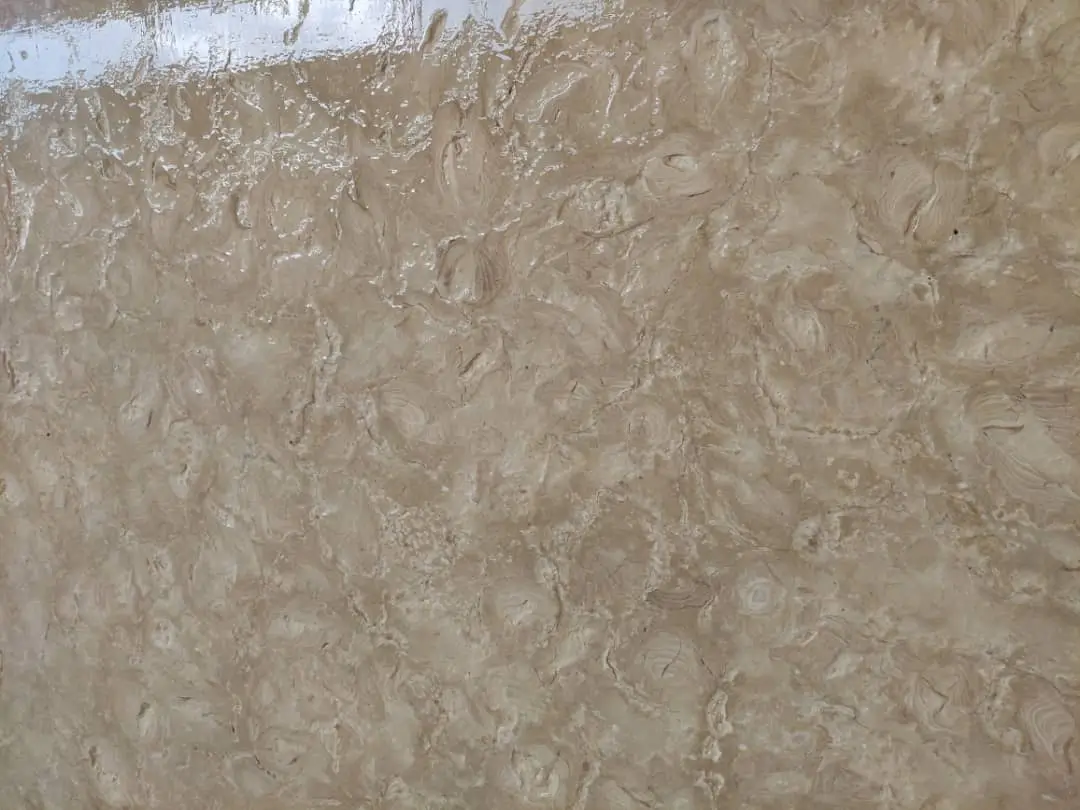
In Phoenix applications, you would prioritize thermal performance above all other factors. Summer surface temperatures on dark pavers exceed 165°F during July and August peak periods. Your specification would emphasize light-colored bluestone with high albedo values (0.60-0.70) to reduce heat absorption and improve user comfort. You’d also need to address thermal expansion with joint spacing of 3/16 inch minimum, increasing to 1/4 inch for installations exceeding 400 square feet. The urban heat island effect in Phoenix amplifies temperature extremes by 8-12°F compared to surrounding desert, requiring you to account for extended high-temperature exposure periods when you calculate material stress cycles.
Tucson Monsoon Considerations
Tucson’s monsoon season delivers 30-40% of annual precipitation in concentrated July-September storms. Your drainage specifications would need to address this concentrated moisture input with proper slope design (minimum 2% grade) and base permeability that prevents subsurface saturation. You should account for rapid wetting and drying cycles that create unique thermal shock conditions—surface temperatures can drop 40-50°F within 15 minutes during monsoon events. Natural bluestone’s thermal mass properties moderate these rapid temperature changes better than concrete alternatives, reducing stress-related microcracking that leads to premature degradation.
Scottsdale Resort-Grade Specifications
For Scottsdale’s high-end residential and resort applications, you would specify premium select-grade bluestone with tight dimensional tolerances (±1/16 inch) and consistent color selection. Your installation details would include 1/8 inch polymeric joints, tumbled edges for refined appearance, and penetrating sealer application to enhance natural color depth. You’d also address pool deck applications with appropriate slip resistance verification (DCOF ≥0.42 wet) and chemical resistance to chlorinated water exposure. Scottsdale’s landscape design standards often require you to coordinate paving materials with architectural styles ranging from contemporary desert modern to Mediterranean revival, necessitating flexible color and finish options.
Flagstaff Freeze-Thaw Requirements
Flagstaff’s 7,000-foot elevation creates freeze-thaw conditions requiring you to verify material porosity and absorption rates. Your specifications would mandate ASTM C1527 testing for freeze-thaw resistance, confirming maximum 3-5% absorption by weight. You should also address snowmelt system compatibility if heated paving is specified—bluestone’s thermal conductivity (1.3-1.7 W/m·K) provides efficient heat transfer for embedded hydronic systems. Flagstaff receives 100+ inches of annual snowfall, requiring you to specify deicing salt resistance. Natural bluestone tolerates calcium chloride and magnesium chloride exposure better than concrete products, maintaining surface integrity through 15-25 annual freeze-thaw cycles without scaling or spalling.
Sedona Aesthetic Integration
Sedona installations require you to coordinate paving materials with the area’s distinctive red rock landscape and strict architectural design guidelines. Your color specifications would emphasize warm buff and tan bluestone tones that complement rather than compete with natural surroundings. You’d need to address the city’s dark sky ordinances in your lighting design, potentially specifying lighter-colored pavers that improve visibility under reduced ambient lighting conditions. Sedona’s tourism-focused economy creates high-traffic conditions in commercial applications, requiring you to specify enhanced abrasion resistance and confirmed slip resistance for outdoor dining and retail plaza applications.
Yuma Extreme Aridity Factors
Yuma represents Arizona’s most extreme desert conditions with only 3 inches of annual precipitation and summer temperatures exceeding 110°F for 90+ days annually. Your specifications would prioritize UV stability and thermal performance over moisture management. You should account for extreme evaporation rates that can create rapid efflorescence formation in concrete products—natural bluestone’s lower alkalinity reduces this risk significantly. Yuma’s intense solar exposure requires you to verify fade resistance through accelerated weathering testing (ASTM G155). You’d also need to address dust infiltration in joint systems, potentially specifying polymeric sand products with enhanced binding characteristics to resist wind erosion in this exceptionally arid environment.
Common Specification Errors to Avoid
Your specification documents determine project success or failure more than any other factor. When you write paving specifications for natural vs concrete pavers AZ applications, certain recurring errors create performance problems, budget overruns, and long-term maintenance issues.
The most common mistake involves specifying materials without addressing climate-specific performance requirements. Generic specifications that work in temperate climates fail in Arizona’s extreme conditions. You need to explicitly address thermal expansion coefficients, UV stability requirements, and thermal mass properties rather than relying on standard boilerplate language.
- You should avoid specifying concrete pavers based solely on compressive strength without verifying flexural strength and freeze-thaw resistance
- Your specifications must prohibit field cutting of concrete pavers with abrasive saws that expose aggregate and create weak points
- You need to specify joint sand products explicitly rather than allowing substitutions that may not provide equivalent performance
- Your base preparation specifications should mandate compaction testing at 95% modified Proctor density rather than relying on visual inspection
Another critical error involves inadequate edge restraint specifications. You must detail edge restraint systems appropriate to material type and application—failure to specify adequate edge restraint causes 40-50% of premature paving system failures. Natural stone requires different edge details than concrete due to irregular sizing and dimensional variation.
Sealer specifications frequently lack necessary detail. When you specify sealers, you need to differentiate between film-forming and penetrating products, establish coverage rates, mandate surface preparation protocols, and define reapplication schedules. Vague language like “apply sealer per manufacturer recommendations” creates enforcement problems and inconsistent results.
You should also avoid the common error of specifying materials without verifying local availability and lead times. Premium natural stone products may require 8-12 weeks procurement time. Concrete pavers in specialty colors can face similar delays. Your specification should include acceptable alternatives or explicitly state that schedule adjustments will accommodate material procurement requirements.
Environmental Considerations and Sustainability Factors
When you evaluate paving materials for LEED projects or sustainability-focused developments, natural vs concrete pavers AZ comparisons must address embodied energy, local sourcing, urban heat island contributions, and end-of-life disposal considerations.
Natural stone carries embodied energy primarily from quarrying and transportation. Domestic limestone and travertine from Arizona, Texas, and Utah sources minimize transportation energy. You’re looking at embodied energy values of 0.5-1.2 MJ per kilogram for regionally sourced natural stone. This compares favorably to concrete pavers at 1.8-2.4 MJ per kilogram when you account for cement production energy requirements.
The urban heat island mitigation discussion centers on albedo and thermal mass. Natural limestone’s high solar reflectance (0.60-0.70) qualifies for LEED SS Credit 7.1 Heat Island Effect requirements without additional cool pavement technologies. Standard concrete pavers (albedo 0.35-0.45) typically require special surface treatments or light-colored aggregates to achieve comparable performance.
Permeability represents another sustainability consideration. While solid pavers of either material are impermeable, the system permeability differs based on joint width and base design. Natural stone installations with wider joints (1/4 inch) and permeable base systems can achieve effective permeability rates 15-20% higher than tight-jointed concrete systems, potentially contributing to stormwater management credits.
- You should verify that natural stone suppliers provide Environmental Product Declarations for LEED v4 material ingredient reporting requirements
- Your specifications can address recycled content requirements—some concrete pavers incorporate 15-25% recycled aggregate or fly ash
- Natural stone offers superior end-of-life value because material can be reclaimed, recut, and reused without quality degradation
- You need to account for local sourcing radius requirements—LEED Regional Materials credit requires sourcing within 500 miles of project site
Water conservation in maintenance operations favors natural stone in low maintenance landscape rock applications. Natural stone tolerates extended intervals between cleaning, while concrete pavers often require more frequent washing to maintain appearance. Over 20-year service life, this difference can represent 30-40% reduction in cleaning water consumption.
Installation Best Practices for Arizona Climate
Your installation specifications must account for Arizona’s unique conditions that affect both natural and concrete paving systems. Temperature extremes during construction, soil conditions, and seasonal timing all influence installation success and long-term performance.
Temperature constraints represent the primary installation consideration. You should prohibit paver installation when air temperatures exceed 105°F or fall below 40°F. High temperatures accelerate polymeric sand activation before proper joint filling, while low temperatures prevent adequate sand binding. These temperature limits restrict optimal installation windows to October through April in low desert regions—a constraint that affects project scheduling and contractor availability.
Base preparation in Arizona requires you to address caliche layers common in desert soils. Your specifications must mandate caliche removal or stabilization before aggregate base placement. Inadequate caliche treatment allows subsurface moisture movement that causes differential settlement and paving failures within 3-5 years. You should specify minimum 12 inches of caliche removal with replacement by compacted aggregate base in areas where caliche occurs within 18 inches of finished grade.
Soil conditions vary dramatically across Arizona. Phoenix and Tucson areas feature expansive clay soils that require you to specify deeper aggregate bases (6-8 inches minimum) and potentially include geotextile separation fabric. Sandy soils in Yuma and parts of Phoenix provide excellent drainage but require edge restraint enhancement to prevent base migration.
- You should specify vibratory plate compaction for aggregate base in lifts not exceeding 3 inches, with each lift verified to 95% modified Proctor density
- Your bedding sand specifications must mandate washed concrete sand meeting ASTM C33 gradation requirements, not decomposed granite or caliche screenings
- You need to detail screed pipe removal and void filling procedures to prevent settlement along screed lines
- Your compaction specifications should differentiate between single-pass vibration for concrete pavers and multiple-pass compaction for natural stone to prevent edge chipping
Joint sand installation requires specific protocols in Arizona’s arid climate. You must specify polymeric sand application when relative humidity exceeds 30% and no precipitation is forecast for 24 hours following activation. These conditions may occur infrequently during summer monsoon season, requiring you to plan installation timing carefully. Inadequate humidity during polymeric sand activation prevents proper binding and leads to premature joint sand loss.
Performance Verification and Testing Requirements
Your quality assurance program should include material testing protocols that verify compliance with specified performance criteria. The durability of travertine vs concrete and other comparative evaluations require objective test data, not manufacturer claims alone.
Compressive strength testing per ASTM C170 (natural stone) or ASTM C936 (concrete pavers) provides baseline structural performance verification. You should require testing on random samples from each production lot, with minimum three samples per lot and results averaged to determine compliance. Accept/reject criteria should specify minimum 8,000 PSI for pedestrian applications and 10,000 PSI for vehicular applications.
Absorption testing determines freeze-thaw resistance and long-term durability. ASTM C97 (natural stone) or ASTM C140 (concrete pavers) establishes absorption rates by weight. Your specifications should mandate maximum 5% absorption for natural stone and maximum 6% for concrete pavers in freeze-thaw climates. Lower absorption limits (3-4%) apply to areas experiencing more than 25 annual freeze-thaw cycles.
Slip resistance verification becomes critical for pool decks and wet areas. You should specify ASTM C1028 (wet static coefficient of friction) or ASTM E303 (wet dynamic coefficient of friction) testing. Minimum acceptable values of DCOF ≥0.42 wet apply to ADA-compliant walking surfaces, while pool decks should meet or exceed 0.50 wet for enhanced safety.
- You need to require abrasion resistance testing per ASTM C241 for high-traffic commercial applications, with maximum 10-12 abrasion index
- Your specifications should mandate dimensional tolerance verification on random samples, confirming compliance with ±1/16 inch for concrete or specified tolerances for natural stone
- You should require salt scaling resistance testing per ASTM C672 for installations in areas subject to deicing salt exposure
- Your quality program must include base compaction testing at 95% modified Proctor density, verified through nuclear density gauge or sand cone testing
Color consistency verification presents challenges for both natural and concrete products. You should require submittal of physical samples representing the acceptable color range, with field installations matching approved samples. For natural stone, expect and accept natural color variation as inherent material characteristic. For concrete pavers, specify maximum Delta E color difference of 3-5 units between production lots.
Regional Soil Compatibility and Substrate Conditions
Arizona’s diverse soil conditions require you to modify standard paving specifications based on regional substrate characteristics. Understanding soil-structure interaction determines whether your installation will perform satisfactorily for 20+ years or fail within 5-7 years due to inadequate accommodation of local conditions.
Expansive clay soils dominate Phoenix, Tucson, and Tempe areas. These soils exhibit swell potential of 3-7% volume change with moisture fluctuation—a condition that creates upward pressure on paving systems during wet periods and settlement during dry periods. You need to specify 6-8 inch minimum aggregate base depth to isolate pavers from soil movement, potentially increasing to 10-12 inches in areas with severe expansion characteristics.
Caliche layers occur throughout southern Arizona at depths ranging from surface exposure to 36 inches below grade. This naturally cemented calcium carbonate formation creates impermeable barriers that prevent drainage and cause water accumulation at the base-caliche interface. Your specifications must mandate caliche removal to minimum 12 inches below finished paver elevation, with removed material replaced by free-draining aggregate base.
Sandy soils in Yuma and western Arizona provide excellent drainage but lack cohesion needed for stable paving support. You should specify geotextile fabric separation between native sandy soil and aggregate base to prevent intermixing and base migration. Edge restraint becomes critical in sandy soils—specify continuous concrete curb or commercial-grade plastic/aluminum edge restraint rather than relying on buried edge courses.
Alkaline soil conditions (pH 8.0-9.5) throughout Arizona create elevated efflorescence risk for concrete pavers. Natural limestone’s lower alkalinity makes it less susceptible to this condition. When you specify the best pavers for Arizona sun in high-pH soils, you need to address efflorescence prevention through base material selection, drainage design, and potentially specifying efflorescence-resistant concrete paver products with reduced cement content.
Final Selection Criteria
Your material selection process should systematically evaluate performance requirements against project constraints and owner priorities. When you compare natural vs concrete pavers AZ options, no single material proves universally superior—the appropriate choice depends on specific application requirements and weighted decision criteria.
Performance priorities drive material selection in most professional applications. If thermal performance and heat island mitigation rank as primary concerns, natural limestone’s superior albedo and thermal mass characteristics favor its selection. If dimensional consistency and installation speed are paramount, concrete pavers’ tight tolerances and modular sizing provide advantages. You should develop weighted criteria matrices that quantify these trade-offs rather than relying on subjective preferences.
Budget constraints require you to evaluate total ownership cost, not just initial installation cost. Natural stone’s 45-55% cost premium over concrete narrows substantially when you calculate 30-year service life versus concrete’s typical 20-25 year performance. Your value analysis should include replacement costs, maintenance differentials, and potential energy savings from reduced heat island effect.
Aesthetic requirements increasingly favor natural stone in high-end residential and resort applications where material authenticity justifies cost premiums. Concrete products continue improving in appearance but remain distinguishable from natural stone to informed observers. You need to assess whether your project’s market positioning and target users value this distinction sufficiently to justify additional investment.
Your professional specification process requires you to balance these competing factors while ensuring code compliance, safety standards, and long-term durability. For additional installation insights, review Wholesale hardscape supply programs for licensed Arizona contractors before you finalize your project documents. Resort-quality spaces use Citadel Stone’s hospitality-grade patio stones in Arizona materials.