

When you specify Cool Deck Pavers Arizona for your desert project, you’re making decisions that directly impact surface usability during 115°F summer days. Your material selection determines whether pool decks remain barefoot-friendly at 2 PM in July or become unusable thermal hazards. Understanding heat reflective patio stones requires you to evaluate albedo coefficients, thermal mass behavior, and porosity interactions — factors that separate comfortable outdoor spaces from installations that fail performance expectations within the first season.
The challenge you face isn’t just selecting light-colored stone. You need to understand how travertine surface temperature responds to sustained solar exposure compared to manufactured alternatives, how UV resistant landscape stone maintains structural integrity after 3,000+ hours of annual sun exposure, and why cool touch pool deck pavers require specific installation protocols that differ from standard paving applications. Your specification decisions affect long-term performance across thermal expansion ranges exceeding 40°F daily swings.
Thermal Performance Testing Protocols
You should understand that laboratory thermal testing rarely matches field conditions in Arizona’s desert environment. When you evaluate Cool Deck Pavers Arizona for summer installations, recognize that ASTM testing occurs at controlled temperatures between 70-90°F, while your actual surface temperatures will reach 135-160°F depending on material selection. This 50-70°F differential changes how materials perform in practice.
Your testing protocol needs to account for solar reflectance index (SRI) measurements under sustained exposure conditions. Materials with SRI values above 29 qualify as cool pavements under EPA standards, but you’ll find that field performance varies based on surface texture and porosity. Smooth-finished materials reflect more initial radiation but retain heat longer due to reduced convective cooling. Textured surfaces with interconnected porosity allow air movement that reduces peak surface temperatures by 8-12°F compared to dense materials with identical albedo ratings.
Here’s what you need to verify during material evaluation:
- You should measure albedo coefficients above 0.40 for materials intended as heat reflective patio stones in direct sun exposure
- Your specification must address thermal conductivity below 1.2 W/mK to limit heat transfer into substrate layers
- You need to confirm emissivity values above 0.85 for effective radiant heat dissipation after sunset
- Your selected material should demonstrate surface temperature reduction of at least 15°F compared to standard concrete under identical exposure
When you conduct field testing, place calibrated surface thermometers on materials after 6 hours of direct sun exposure between 12 PM and 6 PM. Compare readings across multiple material samples positioned identically. You’ll discover that travertine surface temperature typically measures 18-25°F cooler than gray concrete and 12-18°F cooler than standard beige pavers under identical conditions. This differential matters significantly for barefoot traffic around pool decks and patios.
Material Selection for Desert Climate
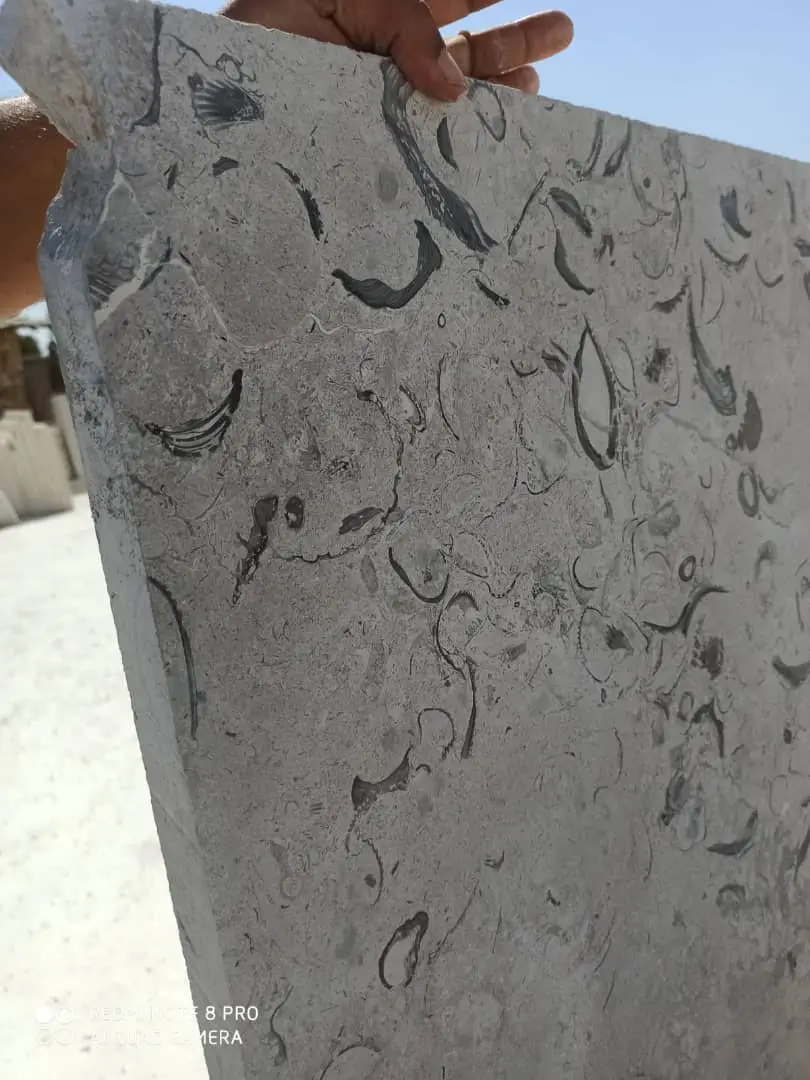
Your Cool Deck Pavers Arizona specification requires you to balance thermal performance with structural durability. Natural limestone and travertine materials provide inherent advantages through cellular pore structures that facilitate evaporative cooling. When you specify these materials as UV resistant landscape stone, you’re selecting compositions that have demonstrated geological stability over millennia of thermal cycling.
The key performance factor you need to understand is porosity’s dual role in thermal management. Open porosity between 5-8% allows moisture retention that creates evaporative cooling during peak heat hours. You’ll observe surface temperature reductions of 10-15°F on materials that retain morning irrigation or pool splash compared to completely dry surfaces. However, porosity above 8% compromises structural integrity in freeze-thaw environments like Flagstaff, where you’ll encounter 80+ annual freeze cycles.
When you evaluate cool touch pool deck pavers for Arizona applications, consider these material characteristics:
- You should specify materials with minimum compressive strength of 8,000 PSI to withstand thermal stress cycling
- Your selection must demonstrate absorption rates between 3-6% for optimal evaporative cooling without structural compromise
- You need to verify flexural strength above 1,200 PSI for unsupported spans in grid installations
- Your material should maintain color stability after 3,000 hours UV exposure per ASTM G155 testing
- You’ll want porosity distribution that facilitates drainage without creating surface spalling conditions
At Citadel Stone, we recommend natural travertine and limestone for applications prioritizing thermal comfort. These materials naturally exhibit the thermal properties you need without requiring coating systems that degrade under Arizona’s intense UV exposure. You should recognize that manufactured products marketed as Cool Deck Pavers Arizona often depend on surface treatments that reduce effectiveness within 24-36 months of installation.
Albedo and Solar Reflectance Considerations
You need to understand that albedo alone doesn’t predict thermal comfort. When you specify heat reflective patio stones, you’re evaluating how materials interact with both direct solar radiation and re-radiated heat from surrounding surfaces. Your installation’s microclimate creates conditions where reflected radiation from adjacent walls and hardscape increases effective solar load by 15-25% compared to isolated test samples.
Light-colored Cool Deck Pavers Arizona with albedo coefficients above 0.50 reflect 50-60% of incident solar radiation, but you must account for where that reflected energy goes. In courtyard installations with vertical walls, reflected radiation creates secondary heating of adjacent surfaces. You’ll find that your effective surface temperature reduction is only 60-70% of what isolated albedo testing would predict. This matters when you’re designing enclosed patio spaces where you need to evaluate the complete thermal environment.
Your specification should address these reflectance factors:
- You should specify materials with diffuse rather than specular reflectance to minimize glare conditions that affect usability
- Your installation design needs to account for reflected radiation patterns that impact adjacent glass surfaces and create indoor heat gain
- You’ll want to verify that your selected travertine surface temperature characteristics include both direct absorption and re-radiation measurements
- You need to consider how surface texture affects reflectance angles and secondary heating patterns
The materials that perform best as cool touch pool deck pavers combine high albedo with textured surfaces that scatter reflected radiation. You’ll achieve better results with honed or tumbled finishes compared to polished surfaces that create concentrated reflection patterns. For comprehensive options that balance thermal performance with design requirements, see our courtyard paving selection for detailed material comparisons.
Installation Requirements for Thermal Management
Your Cool Deck Pavers Arizona installation success depends on base preparation that facilitates heat dissipation rather than retention. When you design substrate layers, recognize that compacted aggregate bases act as thermal mass that stores daytime heat and re-radiates into pavers for 4-6 hours after sunset. You need to modify standard base specifications to address this thermal storage effect.
The critical adjustment you should make involves base layer composition and depth. Standard 6-inch compacted aggregate bases create thermal reservoirs that elevate nighttime surface temperatures by 8-12°F compared to thinner bases over native soil. You’ll achieve better thermal performance with 4-inch bases that allow greater heat dissipation into lower soil layers. This becomes especially important in pool deck applications where evening usability matters.
Your installation protocol should address:
- You need to specify open-graded base materials that facilitate air movement and reduce thermal storage capacity
- Your bedding layer should use light-colored sand rather than dark materials that absorb and retain solar radiation
- You should verify that your joint spacing accounts for thermal expansion coefficients of 5.8 × 10⁻⁶ per °F for limestone materials
- Your edge restraint system must accommodate 3/16-inch expansion per 20 linear feet during summer peak temperatures
- You’ll want to ensure base drainage prevents moisture accumulation that increases thermal conductivity
When you plan installation timing, recognize that heat reflective patio stones bond differently to bedding materials at elevated temperatures. You should schedule installations before 10 AM or after 6 PM during summer months when ambient temperatures remain below 95°F. Mid-day installations in 110°F conditions create setting problems where bedding sand temperature reaches 130-140°F, affecting compaction characteristics and initial stability.
Porosity and Evaporative Cooling Effects
You’ll discover that porosity provides the most significant thermal advantage for Cool Deck Pavers Arizona in practical applications. When you specify materials with interconnected pore structures, you’re creating conditions where moisture retention enables evaporative cooling that reduces surface temperatures by 12-20°F during peak heat hours. This effect makes the difference between usable and unusable outdoor surfaces during Arizona summers.
The mechanism you need to understand involves capillary action and vapor diffusion. Materials like travertine with 5-7% porosity absorb morning irrigation or pool splash into subsurface pores. As surface temperature rises, moisture migrates through interconnected pores and evaporates, consuming latent heat that would otherwise increase surface temperature. You’ll observe that travertine surface temperature remains 15-25°F cooler than dense granite with similar albedo because of this evaporative effect.
Your specification needs to optimize porosity for Arizona conditions:
- You should specify porosity between 5-8% for maximum evaporative cooling without compromising structural integrity
- Your material selection must include interconnected rather than isolated pore structures for effective moisture movement
- You need to verify absorption rates of 3-6% per ASTM C97 testing to ensure adequate moisture retention
- Your installation should include irrigation systems that maintain surface moisture during peak heat hours
- You’ll want materials where pore size distribution facilitates rapid surface drying to prevent slip hazards while maintaining subsurface moisture
When you maintain cool touch pool deck pavers, recognize that surface sealing eliminates evaporative cooling advantages. Penetrating sealers that reduce absorption below 2% cut your material’s thermal performance by 40-60%. You should specify sealer-free installations for applications where thermal comfort is the priority, accepting that you’ll need to address staining through routine cleaning rather than sealer protection.
Color Stability and UV Exposure
Your UV resistant landscape stone specification must address color fade that affects both aesthetics and thermal performance. When you select Cool Deck Pavers Arizona for long-term installations, you need materials that maintain albedo characteristics after 5,000+ hours of UV exposure. Color darkening reduces solar reflectance and eliminates the thermal advantages you specified originally.
Natural limestone and travertine materials provide inherent UV stability through mineral composition. The calcium carbonate crystal structure remains stable under UV exposure, unlike manufactured pigments that photodegrade. You’ll find that natural materials maintain color consistency for 15-20 years, while pigmented concrete products show visible darkening within 36-48 months. This color shift reduces effective albedo by 0.08-0.12 points, increasing surface temperatures by 6-10°F.
Here’s what you need to verify for UV resistance:
- You should specify materials that demonstrate less than 5 Delta E color change after 3,000 hours xenon arc exposure per ASTM G155
- Your selection must include testing documentation showing maintained reflectance values after accelerated weathering
- You need to evaluate whether surface treatments or sealers contribute to color instability under UV exposure
- Your maintenance program should address cleaning methods that preserve surface characteristics without causing mechanical wear
When you compare heat reflective patio stones for Arizona applications, recognize that surface oxidation affects thermal performance. Materials containing iron compounds develop surface oxidation that darkens appearance over 3-5 years. You should verify mineral composition excludes iron oxide content above 0.5% if you’re prioritizing long-term albedo stability. Natural travertine typically contains iron levels below 0.3%, making it suitable for applications where sustained thermal performance matters.
Thickness and Thermal Mass Considerations
You need to understand how material thickness affects Cool Deck Pavers Arizona thermal behavior. Thicker materials store more heat during daytime exposure, creating delayed cooling that extends uncomfortable surface temperatures 2-3 hours after sunset. When you specify thickness for desert applications, you’re balancing structural requirements against thermal mass effects that influence evening usability.
Standard 2-inch pavers create thermal mass that stores approximately 180 BTU per square foot during 8 hours of summer sun exposure. This stored energy radiates for 4-6 hours after sunset, maintaining surface temperatures 15-20°F above ambient air temperature. You’ll achieve faster cooling with 1.25-inch materials that store 40% less thermal energy, but you need to verify structural adequacy for your specific application and support conditions.
Your thickness specification should address:
- You should specify 1.25-inch thickness for pedestrian applications where thermal comfort is prioritized over vehicular loading
- Your pool deck installations can use reduced thickness when you’re installing over properly compacted aggregate bases with adequate bearing capacity
- You need to increase thickness to 2 inches for vehicular crossings or areas with point loading from furniture
- Your specification must account for how reduced thickness affects edge stability and requires modified edge restraint details
When you design for travertine surface temperature management, consider that thinner materials respond more quickly to irrigation cooling. You can reduce peak temperatures by 18-25°F with mid-day misting on 1.25-inch pavers, while 2-inch materials show only 10-15°F reduction under identical irrigation. This responsiveness matters for applications where you need rapid thermal recovery during afternoon pool deck use.
Joint Configuration and Cooling Effectiveness
Your Cool Deck Pavers Arizona installation performance depends significantly on joint design that facilitates convective cooling. When you specify joint widths and fill materials, you’re creating conditions that either enhance or impair thermal dissipation through air movement. Tight joints with rigid fill materials trap heat, while properly designed open joints allow convective cooling that reduces surface temperatures by 5-8°F.
The joints you specify create channels for air movement driven by thermal gradients. As paver surfaces heat during daytime exposure, air in joint spaces warms and rises, drawing cooler air from base layers. This convective circulation removes heat from both paver edges and base materials. You’ll maximize this effect with 3/8-inch joints filled with permeable materials that don’t restrict air movement.
Your joint specification needs to optimize thermal performance:
- You should specify 3/8-inch joint widths for maximum convective cooling while maintaining structural interlock
- Your joint fill material must be permeable polymeric sand or open-graded aggregate rather than cement-based grout
- You need to avoid solid joint filling that creates continuous thermal mass between pavers
- Your installation should maintain joint fill at 85-90% capacity to preserve air circulation channels
- You’ll want lighter-colored joint sand that reflects rather than absorbs radiation within joint spaces
When you maintain cool touch pool deck pavers, monitor joint sand levels quarterly. Settlement reduces joint fill to 60-70% capacity, which improves convective cooling but compromises edge stability. You need to find the balance point around 85% fill that preserves both thermal performance and structural integrity. Overfilling eliminates cooling benefits and creates conditions where surface temperatures match solid-surface installations.
Irrigation Integration for Temperature Control
You can enhance Cool Deck Pavers Arizona performance by 30-40% through integrated irrigation that maintains surface moisture during peak heat hours. When you design irrigation systems for heat reflective patio stones, you’re leveraging evaporative cooling to reduce surface temperatures from 145°F to 115-120°F during afternoon hours. This temperature reduction transforms unusable surfaces into comfortable outdoor spaces.
The irrigation approach that works best involves timed misting rather than flood irrigation. You should program misters to activate for 2-3 minutes every 30 minutes between 12 PM and 6 PM. This schedule maintains surface moisture without creating standing water or excessive runoff. Your misting system needs to deliver 0.25-0.40 gallons per square foot per hour, distributed through fine-droplet nozzles that wet surfaces uniformly.
Your irrigation design should include:
- You need to position misting heads 18-24 inches above finished surface to ensure even distribution patterns
- Your water supply must provide adequate pressure for fine atomization without creating drainage problems
- You should include smart controllers that adjust misting frequency based on ambient temperature and humidity
- Your system design needs to account for wind conditions that affect coverage patterns
- You’ll want to verify that warehouse delivery schedules accommodate irrigation component procurement within your project timeline
When you specify travertine surface temperature control through irrigation, recognize that water quality affects long-term performance. Hard water with dissolved mineral content above 250 ppm creates surface deposits that darken appearance and reduce albedo over time. You should include water filtration or specify alternative moisture sources if you’re working in areas where water hardness exceeds 180 ppm.
Comparative Surface Temperature Data
You need specific temperature data to make informed decisions about Cool Deck Pavers Arizona for your projects. Field measurements across multiple installations during July-August peak heat periods demonstrate quantifiable differences between material types. When you evaluate options, use this comparative data to predict real-world performance rather than relying on laboratory test results that don’t reflect Arizona summer conditions.
Surface temperature measurements taken at 3 PM under identical exposure conditions show these ranges:
- Standard gray concrete reaches 165-172°F and remains unusable for barefoot traffic throughout afternoon hours
- Beige concrete pavers measure 155-162°F, showing modest improvement but still uncomfortable for direct contact
- Light limestone Cool Deck Pavers Arizona record 135-142°F, representing 20-30°F reduction from standard materials
- Travertine surface temperature ranges from 128-138°F when properly installed with adequate porosity for evaporative cooling
- White limestone with irrigation cooling achieves 115-125°F, providing barefoot-comfortable surfaces even during peak heat
Your material selection determines whether outdoor spaces remain usable during the 4-5 month period from May through September when temperatures exceed 100°F daily. The 30-40°F differential between standard concrete and properly specified cool touch pool deck pavers makes the difference between spaces that get used versus spaces that sit empty during the season when outdoor living matters most in Arizona.
When you specify UV resistant landscape stone for commercial applications, document expected surface temperatures in your project specifications. You should include performance standards requiring maximum surface temperatures below 140°F at 3 PM in July, measured after 6 hours direct sun exposure. This specification language creates accountability and ensures your material selection delivers the thermal performance your project requires.
Maintenance Requirements for Sustained Thermal Performance
Your Cool Deck Pavers Arizona installation requires specific maintenance protocols to preserve thermal performance over 15-20 year service life. When you develop maintenance programs, recognize that surface contamination, joint sand depletion, and sealer application all affect the thermal characteristics you specified initially. Proper maintenance preserves heat reflective patio stones performance, while neglect can eliminate thermal advantages within 24-36 months.
The primary maintenance factors you need to address involve surface cleaning and joint management. Organic debris, dust accumulation, and algae growth darken surfaces and reduce albedo by 0.10-0.15 points. This darkening increases surface temperatures by 8-12°F. You should establish quarterly pressure washing schedules using 1,500-2,000 PSI water pressure to remove surface contamination without eroding joint sand or damaging paver surfaces.
Your maintenance program should include these protocols:
- You need to pressure wash surfaces quarterly using wide fan nozzles to preserve surface texture while removing contamination
- Your joint sand inspection should occur biannually with refilling to maintain 85-90% joint capacity
- You should avoid sealer applications that reduce porosity and eliminate evaporative cooling advantages
- Your cleaning program must address algae growth in shaded areas where moisture retention creates biological growth conditions
- You’ll want to monitor surface texture wear in high-traffic areas where smoothing reduces convective cooling effectiveness
When you maintain travertine surface temperature performance, recognize that aggressive cleaning methods damage the pore structure that enables evaporative cooling. You should avoid acid cleaning solutions and high-pressure washing above 2,500 PSI. These practices etch surfaces and close interconnected pores, reducing cooling effectiveness by 20-30%. Proper maintenance preserves rather than degrades the thermal properties that made cool touch pool deck pavers suitable for Arizona applications.
Citadel Stone — manufactured bluestone pavers in Arizona Guidance
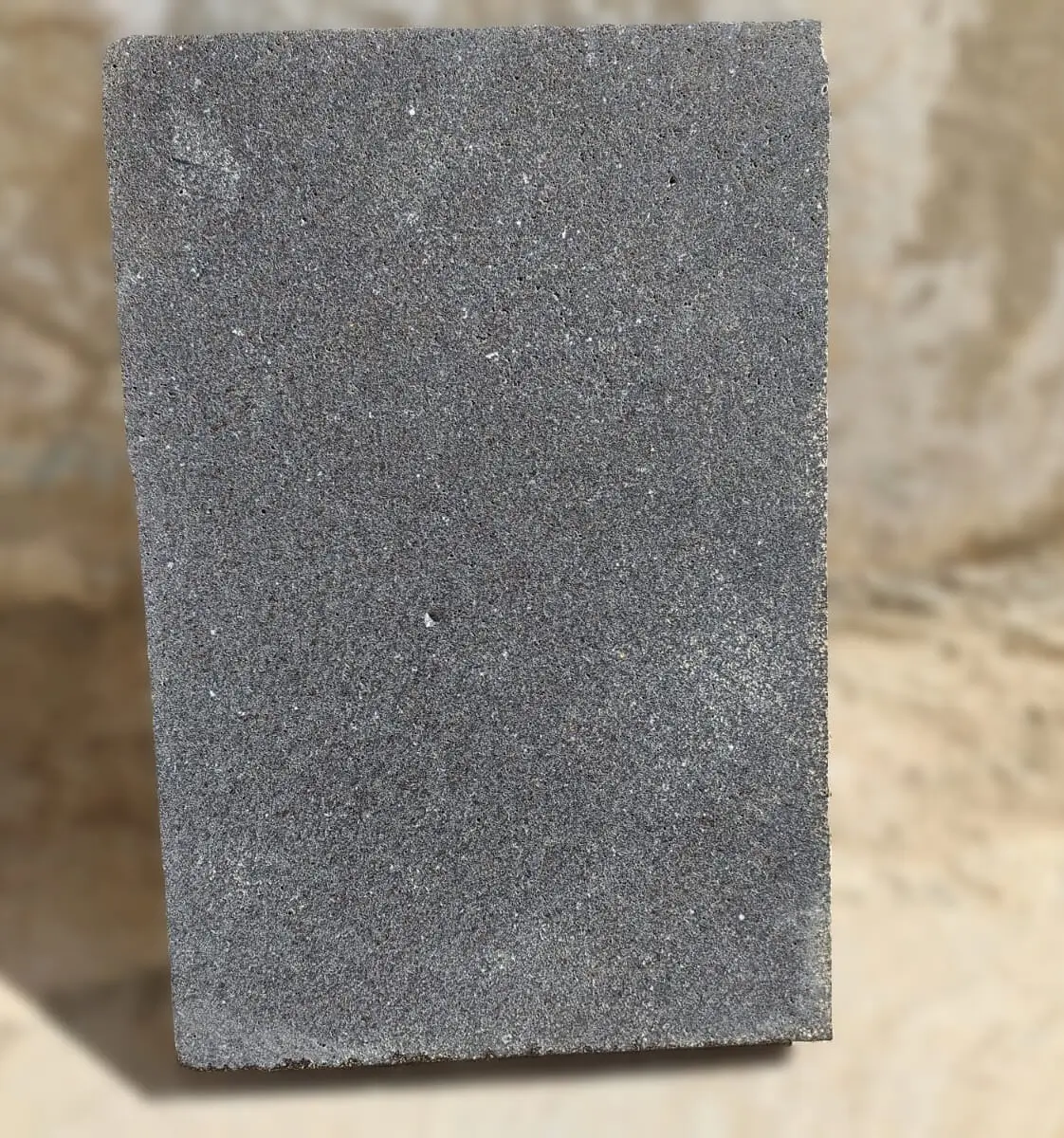
When you consider Citadel Stone’s manufactured bluestone pavers in Arizona for your desert climate project, you’re evaluating engineered materials designed to combine aesthetic versatility with thermal performance requirements. At Citadel Stone, we provide technical guidance for hypothetical applications across Arizona’s diverse climate zones, from low desert regions to high elevation communities. This section outlines how you would approach specification decisions for six representative cities, demonstrating the climate-specific considerations that affect Cool Deck Pavers Arizona installations.
Your material selection process would need to account for Arizona’s extreme temperature variations, ranging from sustained 115°F summer heat in low desert areas to winter freeze-thaw cycles in northern elevations. You should recognize that manufactured bluestone pavers in Arizona applications require you to verify performance across this complete thermal range, not just summer heat resistance. The specifications you would develop need to address both immediate thermal comfort and long-term structural durability under these diverse conditions.
Phoenix Heat Specifications
In Phoenix, you would encounter the most extreme thermal conditions in Arizona, with summer temperatures regularly exceeding 115°F and surface temperatures on standard concrete reaching 170°F. Your Cool Deck Pavers Arizona specification would need to prioritize albedo values above 0.50 and incorporate porosity that enables evaporative cooling. You should account for urban heat island effects that add 8-12°F to ambient temperatures compared to surrounding desert areas. Your installation would benefit from integrated irrigation systems that reduce peak surface temperatures to 120-125°F range during afternoon hours when pool deck usability matters most.
Tucson Performance Criteria
Your Tucson installation would face similar heat challenges to Phoenix but with 10-15% higher humidity during monsoon season from July through September. You would need to specify heat reflective patio stones with slightly lower porosity around 5-6% to prevent moisture-related staining while maintaining evaporative cooling benefits. The calcareous soil conditions in Tucson would require you to address efflorescence potential through proper base preparation and drainage design. You should verify that your material selection demonstrates resistance to mineral deposits from hard water irrigation common in Tucson’s municipal supply.
Scottsdale Installation Considerations
When you would plan Scottsdale installations, you’re typically working on high-end residential projects where aesthetic requirements equal thermal performance priorities. Your specification for cool touch pool deck pavers would need to balance natural color variation with consistent thermal properties across material lots. Scottsdale’s competitive market would require you to coordinate closely with suppliers to ensure warehouse stock levels support project schedules without delays. You should specify materials where color consistency meets architectural standards while delivering travertine surface temperature performance below 135°F during peak exposure.
Flagstaff Freeze-Thaw Requirements
Your Flagstaff specification would shift focus from heat resistance to freeze-thaw durability, with 120+ annual freeze cycles requiring materials with absorption below 4% and compressive strength above 10,000 PSI. You would still specify UV resistant landscape stone for 7,000-foot elevation where UV intensity exceeds low desert areas by 15-20%, but thermal comfort becomes less critical than structural integrity. You should verify that Cool Deck Pavers Arizona selected for Flagstaff applications meet ASTM C1528 freeze-thaw resistance standards and demonstrate less than 1% strength loss after 300 freeze cycles.
Sedona Aesthetic Integration
In Sedona, you would need to balance heat reflective patio stones performance with design guidelines that require earth-tone colors compatible with red rock landscapes. Your material selection would involve lighter beige and tan limestone that provides albedo values around 0.42-0.48 rather than white materials with higher reflectance. You should expect surface temperatures 8-12°F higher than Phoenix installations using white limestone, but you’d still achieve 18-25°F improvement over standard concrete. Your specification would need to address Sedona’s strict design review requirements while delivering adequate thermal performance for 4,500-foot elevation climate conditions.
Yuma Extreme Heat Protocols
Your Yuma installations would face the most extreme heat conditions in Arizona, with summer temperatures exceeding 120°F and some of the nation’s highest solar radiation levels. You would need to specify maximum albedo materials combined with mandatory irrigation systems to achieve usable surface temperatures. The low humidity conditions in Yuma would enhance evaporative cooling effectiveness, making properly irrigated Cool Deck Pavers Arizona perform 15-20°F cooler than identical materials in more humid climates. You should verify that your truck delivery scheduling accounts for summer temperature constraints that limit safe installation windows to early morning hours before 9 AM.
Specification Language and Procurement
Your Cool Deck Pavers Arizona specification documents need precise language that defines performance requirements, testing protocols, and acceptance criteria. When you write specifications for commercial projects, you’re creating enforceable standards that protect both thermal performance expectations and budget constraints. Vague specification language leads to substitution requests and value engineering that eliminates the thermal advantages you’re trying to achieve.
The specification structure you should use includes performance-based requirements rather than proprietary product callouts. You need to define measurable criteria for albedo, porosity, compressive strength, and absorption that any compliant material must meet. This approach maintains competitive bidding while ensuring you receive heat reflective patio stones that deliver required thermal performance. Your specifications should reference standard test methods including ASTM C97, ASTM C170, ASTM E1980, and ASTM G155 to establish verification protocols.
Include these elements in your specification documents:
- You should define minimum albedo coefficient of 0.45 measured per ASTM E1980 after cleaning to remove surface contamination
- Your porosity requirement must specify 5-8% total porosity with interconnected pore structure verified through mercury intrusion testing
- You need to establish maximum surface temperature of 140°F measured at 3 PM after 6 hours direct sun exposure in July conditions
- Your specification should require material samples demonstrating compliance with all performance criteria before you approve procurement
- You’ll want delivery scheduling language that coordinates warehouse availability with your construction timeline
When you manage procurement, verify that suppliers provide certified test data demonstrating compliance with your performance specifications. Don’t accept product literature as verification — you should require independent laboratory testing results for the specific material lot designated for your project. This verification process adds 2-3 weeks to procurement schedules but ensures you receive materials that perform as specified.
Cost-Performance Analysis
Your Cool Deck Pavers Arizona selection involves cost-benefit analysis that accounts for both initial material expense and long-term performance value. When you evaluate options, recognize that materials providing superior thermal performance typically cost 25-40% more than standard pavers. You need to quantify this premium against the value of extended usability during Arizona’s 5-month summer season when outdoor living spaces generate maximum return on investment.
The economic analysis you should conduct compares total installed cost across 20-year service life rather than just initial material pricing. Premium cool touch pool deck pavers costing $8-12 per square foot installed deliver 4-5 months additional annual usability compared to standard materials at $5-7 per square foot. Over 20 years, the additional cost per usable day drops to $0.15-0.25 per square foot annually — typically justified for residential applications and definitely warranted for commercial hospitality projects where outdoor space usability directly affects revenue.
Your cost analysis should include:
- You need to calculate differential material cost between standard pavers and UV resistant landscape stone with proven thermal performance
- Your analysis must account for installation cost variations related to thickness, base requirements, and edge details
- You should quantify maintenance cost differences over 20-year service life including cleaning and joint sand replenishment
- Your evaluation needs to include replacement cost avoidance from extended service life of premium materials
- You’ll want to consider project value enhancement from extended seasonal usability of outdoor spaces
When you present options to clients or project stakeholders, frame cost discussions around performance value rather than just material pricing. The question isn’t whether Cool Deck Pavers Arizona cost more than standard options — they clearly do. The relevant question you should answer is whether the thermal performance improvement justifies the incremental cost for your specific application and user requirements. For pool decks, resort installations, and high-value residential projects, the answer consistently supports premium material selection.
Final Considerations
Your success with Cool Deck Pavers Arizona depends on integrated decision-making that addresses material selection, installation design, and maintenance planning as interconnected factors rather than isolated choices. When you specify heat reflective patio stones for desert climates, you’re making commitments that affect project performance for 15-20 years. The specification decisions you make during design development determine whether your installation delivers comfortable, usable outdoor spaces or creates thermal hazards that sit unused during Arizona’s extended summer season.
You should recognize that no single material characteristic determines thermal performance. Your optimal results come from balanced specifications that combine albedo, porosity, thermal mass, and installation details into comprehensive systems designed for specific site conditions. The materials performing as cool touch pool deck pavers in one application may not suit different exposure conditions, user requirements, or aesthetic constraints. Professional specification requires you to evaluate complete performance profiles rather than selecting based on individual properties.
For detailed guidance on installation protocols and cost considerations, review Professional paver installation labor rates and material costs in Arizona before you finalize your project specifications. Your material selection represents the foundation of thermal performance, but proper installation and ongoing maintenance determine whether that performance potential translates into long-term field success. Regional distribution makes Citadel Stone accessible wholesale patio slabs in Arizona for builders.