
When you specify patio materials for Arizona projects, your vendor selection directly impacts project timelines, material performance, and long-term client satisfaction. You need partners who understand the unique demands of desert climates, maintain consistent inventory levels, and provide technical support beyond basic product literature. Your choice of Landscape Stone Dealers AZ determines whether you’re working with distributors who stock regionally appropriate materials or generic suppliers pushing coastal-climate products into environments they weren’t designed for.
The difference becomes apparent when you encounter the thermal extremes Arizona delivers. You’ll face surface temperatures exceeding 160°F on summer afternoons, UV exposure that degrades inadequately specified materials within five years, and thermal cycling that creates expansion stresses most standard specifications don’t address. Professional stone yards understand these regional performance factors and guide you toward materials proven in similar applications. Generic retailers sell products; experienced top rated stone yards solve installation challenges before they occur on your job sites.
Material Performance Requirements Arizona Climate
Arizona’s climate zones create specification challenges you won’t encounter in temperate regions. You’re working with locations where ambient air temperatures reach 118°F, concrete surfaces hit 180°F, and stone pavers can exceed 160°F under direct sun exposure. Your material selections must address thermal expansion coefficients of 5.3 × 10⁻⁶ per °F for limestone and travertine, requiring expansion joints every 12-15 feet depending on exposure duration and surface color. Dark materials absorb more solar radiation and expand more aggressively than light-colored alternatives.
When you evaluate porosity requirements, you need to balance two competing factors. Materials with 3-5% porosity provide adequate drainage and resist efflorescence, but porosity above 8% in freeze-thaw regions like Flagstaff creates structural vulnerabilities during winter cycling. Most Arizona installations sit outside freeze-thaw zones, allowing you to prioritize slip resistance and thermal properties over freeze durability. Your specifications should target DCOF ratings between 0.50-0.58 for pool decks and outdoor living areas where wet conditions occur regularly.
Here’s what catches many specifiers unprepared—UV degradation affects different stone types at dramatically different rates. You’ll see sealed surfaces in Phoenix lose 30-40% of their sheen within 18-24 months if the sealer wasn’t formulated for high-UV environments. Quality Landscape Stone Dealers AZ stock sealers with UV inhibitors rated for 2,000+ hours of QUV exposure testing, not the 500-hour products you’ll find at big-box retailers. The difference shows up three years into the installation when your surfaces still look maintained while inferior products have hazed and discolored.
- You should verify compressive strength exceeds 8,000 PSI for vehicular applications
- Your slip resistance specification must account for wet and dry conditions separately
- You need thermal expansion data specific to your material and color selection
- Your porosity requirements should align with local precipitation patterns and drainage design
- You must specify UV-resistant sealers with documented performance in desert climates
Vendor Qualification Technical Capabilities
Your vendor evaluation process should prioritize technical competency over price competition. Professional paving stone retailers employ staff who understand regional installation requirements, provide CAD-compatible technical drawings, and offer material samples that represent actual production runs rather than idealized showroom pieces. You need distributors who can explain why certain materials perform differently at 4,000-foot elevation versus sea level, and how local soil pH affects efflorescence patterns in the first 12-18 months after installation.
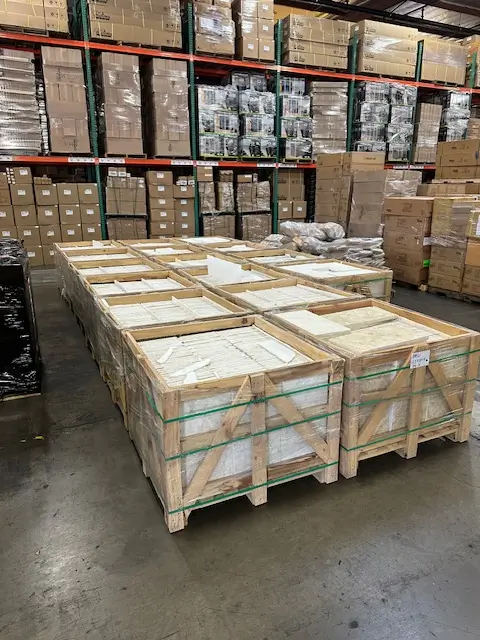
When you assess warehouse capabilities, you’re evaluating more than storage space. Quality distributors maintain climate-controlled environments for materials sensitive to moisture absorption before installation. They rotate stock to ensure you’re not receiving materials that have sat exposed to elements for extended periods. Your project timelines depend on reliable inventory data—professional vendors provide real-time stock levels and commit to delivery windows they actually meet. You should verify warehouse stock levels before finalizing specifications, particularly for large commercial projects requiring consistent material from single production runs.
The technical support difference becomes evident when installation challenges arise. Experienced outdoor living supply stores provide on-site consultation during base preparation, joint spacing layout, and edge detail execution. They’ve seen how specific materials perform in similar applications and guide you away from specification decisions that look good on paper but create maintenance problems within 24-36 months. This expertise doesn’t appear in product cut sheets—it comes from years of post-installation follow-up and honest assessment of what works in Arizona conditions.
Inventory Consistency Production Lot Matching
Here’s a reality that impacts every commercial patio installation—natural stone exhibits color variation between production quarries and even between extraction dates from the same quarry. When you specify 4,000 square feet of travertine pavers, you need assurance that your entire order ships from consistent production lots. Professional Landscape Stone Dealers AZ batch large orders and reserve sequentially cut materials to minimize visible variation across your installation. This attention to sourcing detail separates experienced distributors from retailers who simply aggregate whatever inventory their suppliers ship.
You’ll encounter the production lot challenge most acutely with materials like limestone and travertine where natural vein patterns and background coloration vary significantly. Your installation crew can work around minor variation through strategic layout, but when base color shifts from warm beige to cool gray midway through a project, no amount of installation skill compensates. Quality vendors photograph actual inventory and provide samples from the specific pallets they’ll ship to your job site. You should request hold tags on verified material before you finalize project schedules.
The warehouse management practices of local stone merchants Phoenix directly affect your ability to maintain project momentum. Distributors who operate first-in-first-out inventory systems ensure materials haven’t degraded through extended storage. Stone stored outdoors for 12+ months can absorb moisture, develop surface staining, or experience edge damage that affects installation quality. When you partner with vendors who treat inventory as perishable rather than permanent, you receive materials in optimal condition for installation.
Delivery Logistics Job Site Coordination
Your job site access constraints determine which vendors can actually serve your projects effectively. When you’re working on residential lots with limited truck access, you need distributors operating smaller delivery vehicles capable of navigating standard subdivision streets. Commercial projects with staged delivery requirements need vendors who coordinate multiple shipments without charging premium fees for each trip. Professional paving stone retailers include delivery logistics consultation as part of their project planning process, identifying access limitations before materials are loaded.
The timing precision of material deliveries affects labor efficiency and project cash flow. You can’t afford pallets arriving three days early on residential projects with no secure storage, nor can you absorb the cost of installation crews standing idle because materials arrive two days late. Quality vendors provide delivery windows of 2-4 hours rather than all-day ranges, and they communicate proactively when delays occur. Your project schedules should account for typical lead times from the warehouse, which range from 3-7 business days for in-stock materials and 3-4 weeks for special orders requiring container imports.
Unloading requirements vary significantly by material type and project location. Pavers delivered on banded pallets need forklift access or manual unloading by installation crews. Larger format slabs require crane placement or specialized material handling equipment. Experienced distributors coordinate equipment needs during delivery scheduling rather than discovering access problems when trucks arrive. You should verify that your vendor’s standard delivery service matches your site conditions, or negotiate equipment support before materials ship.
Pricing Structures Professional Project Support
When you evaluate vendor pricing, you’re assessing more than cost per square foot. Professional distributors structure pricing tiers that reward project volume while maintaining margin quality that supports technical services, consistent inventory, and post-sale support. The lowest-price vendor often operates on margins too thin to provide the consultation and problem-solving that complex installations require. You need to understand what’s included in quoted prices—delivery, material selection assistance, technical drawings, and installation guidance all represent value that cheap suppliers eliminate to maintain artificially low pricing.
Your commercial projects benefit from pricing relationships that extend beyond single transactions. Established outdoor living supply stores provide preferential pricing for repeat clients, priority access to limited inventory during peak construction seasons, and flexibility on payment terms that align with your project billing cycles. These relationship benefits don’t appear on initial quotes but significantly impact your annual material costs and project profitability. For comprehensive cost planning across project types, reference our patio stone wholesale pricing to establish baseline budget expectations before vendor negotiations.
- You should request itemized quotes showing base material costs separate from delivery fees
- Your pricing evaluation needs to account for technical support services included versus charged separately
- You must verify whether quoted prices represent stock materials or require special ordering with extended lead times
- Your contract terms should specify how pricing adjusts for project scope changes or material substitutions
Material Sourcing Supply Chain Transparency
The origin of your stone materials affects performance characteristics, consistency, and lead time reliability. Professional Landscape Stone Dealers AZ maintain direct relationships with quarries and fabrication facilities, providing you with detailed material provenance data including quarry location, extraction methods, and fabrication standards. This transparency allows you to verify that materials meet your specified requirements rather than accepting generic descriptions like “imported travertine” without understanding the actual source or quality controls applied during production.
When you specify materials for projects requiring LEED credits or sustainability reporting, supply chain documentation becomes critical. You need vendors who provide quarry certifications, transportation carbon footprint data, and documentation of ethical labor practices. Generic retailers can’t produce this documentation because they operate through multiple intermediary suppliers who don’t track or share origin details. The material you receive might meet dimensional specifications while failing sustainability requirements that affect your project’s certification status.
Supply chain disruptions impact project timelines more severely when you work with vendors operating minimal inventory buffers. Distributors who maintain 60-90 days of stock for core product lines protect your projects from container shipping delays, port congestion, and seasonal quarry closures. You should ask potential vendors about their inventory depth for materials you specify frequently—answers reveal whether they’re stocking distributors or drop-ship brokers who add margin without adding security to your supply chain.
Technical Documentation Specification Support
Your specification documents require detailed technical data that generic product literature doesn’t provide. Professional vendors supply ASTM test results for compressive strength, flexural strength, abrasion resistance, and slip resistance specific to the materials you’re specifying. You need actual test data from certified laboratories, not marketing claims about “commercial-grade durability.” Quality top rated stone yards maintain technical libraries with complete ASTM C1528 slip resistance data, ASTM C170 compressive strength results, and ASTM C880 flexural strength testing across their product ranges.
The difference shows up when you’re responding to RFI requests during construction administration. You can’t answer contractor questions about thermal expansion coefficients or freeze-thaw cycle ratings if your vendor provided only basic dimension and color information. Experienced distributors anticipate the technical questions your installations will generate and provide comprehensive specification packages that include installation guidelines, maintenance protocols, and performance warranty terms. This documentation level supports your professional liability protection and ensures installation teams have the guidance they need for proper execution.
When you encounter unique installation conditions requiring custom details, you need vendors with technical staff capable of engineering support. Standard edge profiles might not work for your specific application. Drainage requirements might demand modified joint spacing. Substrate conditions might require adjusted setting bed specifications. Professional local stone merchants Phoenix employ personnel who understand structural requirements and work with your team to develop solutions that maintain aesthetic intent while ensuring performance requirements are met.
Quality Control Inspection Procedures
Material defects discovered after installation create costly remediation scenarios and client relationship damage. Your risk mitigation strategy should include vendor quality control protocols that identify defects before materials leave the warehouse. Professional distributors inspect incoming shipments for dimensional accuracy, surface finish consistency, and edge quality before accepting materials into inventory. They photograph and document defect rates by supplier, using this data to drive quality improvements through their supply chain.
You should request information about vendor inspection standards during qualification. What percentage of each shipment receives physical inspection versus visual review? What tolerance ranges trigger material rejection? How are customer complaints tracked and used to improve incoming quality standards? Vendors who can’t answer these questions don’t operate systematic quality programs—they simply pass through whatever materials their suppliers ship and deal with problems reactively after installation reveals defects.
The most critical quality control point occurs during your project’s material pickup or delivery. You need time to inspect materials before installation begins, identifying issues while resolution options exist. Professional paving stone retailers encourage pre-installation inspection and provide straightforward return policies for defective materials. They understand that catching problems at delivery costs significantly less than discovering them after mortar has set or adhesives have cured. Your project specifications should include material inspection provisions that protect all parties from defect-related disputes.
Premium Paver Stone Distributors in Arizona Citadel Stone Regional Approach
When you consider Citadel Stone’s paver stone distributors in Arizona network for your project, you’re evaluating premium materials engineered specifically for extreme desert performance. At Citadel Stone, we provide technical guidance for hypothetical applications across Arizona’s diverse climate zones, from low-desert installations below 1,000 feet elevation to high-country projects above 6,000 feet. This section outlines how you would approach specification decisions for six representative cities, addressing the climate-specific factors that determine long-term installation success.
Phoenix Heat Considerations
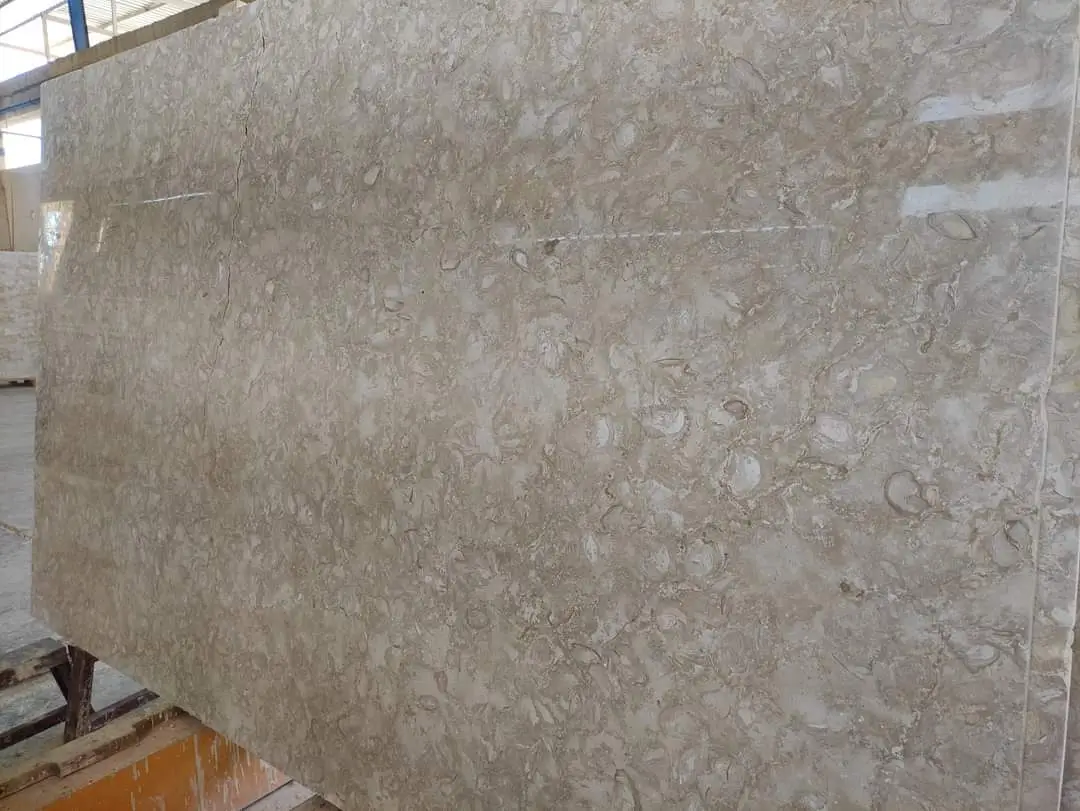
In Phoenix applications, you would prioritize materials with proven thermal stability across 120°F+ temperature swings between night lows and afternoon surface temperatures. Your specifications should address light-colored materials that reflect 60-70% of solar radiation rather than absorbing it. You’d recommend travertine or light limestone options that maintain surface temperatures 20-25°F cooler than darker alternatives. Installation timing would be critical—you’d schedule base work and setting operations during October through April when substrate temperatures allow proper adhesive curing. At Citadel Stone, we maintain warehouse inventory serving the Phoenix metro area to ensure consistent material availability throughout your construction schedule.
Tucson Project Parameters
Tucson’s slightly higher elevation and monsoon moisture patterns require you to adjust drainage specifications compared to Phoenix installations. You would need to account for intense rainfall events delivering 1-2 inches in under an hour, requiring base permeability that handles rapid water movement without substrate erosion. Your joint spacing specifications should accommodate thermal expansion while providing drainage paths that prevent surface water pooling. Material selection would favor porosity ranges of 4-6% that balance slip resistance with drainage performance. You’d recommend sealer products specifically formulated for high-UV exposure combined with periodic moisture exposure from summer storms.
Scottsdale Luxury Applications
For high-end Scottsdale residential and resort projects, you would specify premium-grade materials with exceptional aesthetic consistency and refined surface finishes. Your material selections would emphasize honed or polished travertine with tight color tolerances and minimal natural variation. You’d recommend materials from select production runs that deliver the visual uniformity luxury clients expect. Installation details would include precision edge profiles, tight joint spacing under 3/16 inch, and premium sealing protocols that maintain surface appearance through years of exposure. Quality control during material selection would be critical—you’d verify samples represent actual production pallets before approving shipments.
Flagstaff Climate Challenges
Flagstaff’s 7,000-foot elevation creates freeze-thaw conditions absent in lower-elevation Arizona locations. You would need to specify materials with proven durability through 60-80 annual freeze-thaw cycles, requiring porosity below 5% and compressive strength exceeding 10,000 PSI. Your base preparation specifications would account for frost heave potential in clay-heavy soils, requiring deeper aggregate bases and proper drainage that prevents water accumulation below paver surfaces. Material selection would favor dense limestone or granite options over travertine, which shows greater vulnerability to freeze-thaw degradation. Installation scheduling would be constrained to May through September when temperatures support proper curing and freeze risk is minimal.
Sedona Aesthetic Integration
Sedona’s red rock landscape creates unique aesthetic requirements where your material selections must complement rather than compete with natural surroundings. You would recommend warm-toned travertine or sedimentary stone that harmonizes with regional geology. Material colors in beige, tan, and warm gray ranges would provide visual integration while maintaining distinct identity as constructed elements. Your specifications would address how UV exposure affects long-term color stability, ensuring materials don’t fade into washed-out tones that clash with vibrant natural rock formations. Installation details would emphasize natural edge treatments and varied joint patterns that suggest organic rather than rigidly geometric layouts.
Yuma Extreme Conditions
Yuma represents Arizona’s most extreme thermal environment where you would face design challenges from sustained temperatures above 110°F for extended summer periods. Your material specifications would prioritize maximum solar reflectance and minimum thermal mass to reduce heat retention into evening hours. Light-colored limestone with reflective surface finishes would be recommended to maintain usable surface temperatures. You’d specify wider expansion joints at 12-foot spacing to accommodate aggressive thermal movement. Installation scheduling would be critical—base preparation and material setting would need to occur during November through March when temperature conditions support proper construction practices. Substrate moisture management would require special attention in this desert environment where humidity regularly drops below 10%.
Installation Support Field Problem Solving
Real-world installations generate challenges that specification documents don’t anticipate. You need vendor partners who provide responsive field support when substrate conditions differ from assumptions, when material dimensions require adjustment to site constraints, or when weather conditions demand modified installation procedures. Professional Landscape Stone Dealers AZ maintain technical teams available for job site consultation, working directly with your installation crews to solve problems in real-time rather than through multi-day email exchanges that halt project progress.
The value of this support becomes apparent when you encounter situations like existing grade elevations that don’t match architectural drawings, requiring you to adjust paver thickness to maintain intended finished floor levels. Generic suppliers tell you to figure it out. Experienced vendors review your constraints, propose alternative material thicknesses from their inventory, and adjust delivery schedules to keep your project on track. This problem-solving capability represents the professional service difference that pricing comparisons don’t capture.
When installations reveal unexpected conditions—uncompacted fill areas, subsurface drainage problems, or existing hardscape that must be integrated into new work—you need vendors who’ve encountered similar situations across hundreds of installations. They provide guidance based on observed outcomes rather than theoretical best practices. Your installation quality and project profitability depend on access to this experiential knowledge, particularly during the critical first days of material placement when adjustments can still be implemented without costly rework.
Warranty Terms Post Installation Support
Your material warranties protect against manufacturing defects but understanding coverage limitations prevents disputes when performance issues arise. Professional vendors provide clear warranty documentation specifying what’s covered, what’s excluded, and what documentation you need to support claims. Manufacturing defects—dimensional inaccuracy, structural flaws, premature degradation—receive different treatment than installation errors, improper maintenance, or normal wear patterns. You should review warranty terms during vendor selection, identifying which suppliers stand behind their materials with actionable remedies versus those offering legal language that sounds protective but provides minimal practical recourse.
Post-installation support extends beyond defect replacement to include maintenance guidance, cleaning product recommendations, and resealing schedules that maintain appearance and performance. Quality outdoor living supply stores provide your clients with care instructions specific to the materials installed, preventing damage from inappropriate cleaning methods or unsuitable chemical products. This documentation protects everyone involved—your clients understand proper maintenance requirements, you demonstrate professional thoroughness, and vendors reduce unnecessary warranty claims from preventable damage.
The most valuable post-installation support addresses the questions that emerge 12-24 months after completion when clients contact you about minor efflorescence, joint sand settlement, or appearance changes they didn’t anticipate. You need vendors who help you assess whether observed conditions represent normal performance, maintenance issues, or legitimate material problems requiring remediation. This consultative relationship provides the professional support that sustains your reputation and client relationships beyond project completion.
Sustainable Sourcing Environmental Considerations
Your clients increasingly request environmental impact documentation for material selections, requiring you to work with vendors who track and report sustainability metrics. Professional distributors provide quarry certifications, carbon footprint analysis for transportation, and documentation of water recycling in fabrication processes. You need this data to support LEED submissions, satisfy corporate sustainability requirements, or simply demonstrate environmental responsibility to clients who prioritize these considerations.
The sustainability conversation extends beyond documentation to actual material characteristics. Natural stone represents one of the most environmentally benign hardscape options—it requires no manufacturing beyond cutting and finishing, generates no toxic byproducts, and lasts 50+ years with minimal maintenance. You’re specifying materials that won’t end up in landfills after 10-15 years like many manufactured alternatives. Quality top rated stone yards help you articulate these environmental advantages to clients evaluating material options based on life-cycle impact rather than only initial cost.
Regional sourcing reduces transportation impacts while supporting local and regional economies. When you specify materials quarried and fabricated within 500 miles of your project, you minimize the carbon footprint associated with long-distance shipping. Arizona lacks local stone quarries for many desirable materials, but working with distributors who consolidate container shipments and maintain regional inventory reduces per-project transportation impacts compared to individual direct imports for every installation.
Payment Terms Commercial Project Requirements
Your commercial projects operate on payment structures that don’t align with retail cash-on-delivery expectations. You need vendors offering net-30 or net-60 terms that match your project billing cycles and client payment schedules. Professional distributors extend commercial credit to established clients, understanding that material costs get paid when you receive payment from project owners. This financing flexibility affects your cash flow management and ability to maintain momentum across multiple concurrent projects without tying up working capital in material inventory.
Credit terms require you to establish business relationships through consistent performance and reliable payment history. New vendors may require deposits or progress payments until your track record justifies extended terms. You should discuss payment expectations during initial vendor qualification, ensuring alignment between their requirements and your financial practices. Mismatched payment terms create friction that affects vendor responsiveness and your access to preferential pricing or priority service during peak demand periods.
Large commercial projects may involve staged material deliveries coordinated with construction progress and payment milestones. You need vendors who structure billing to match delivery schedules rather than requiring full payment before any materials ship. This coordination demonstrates the vendor’s understanding of commercial construction finance and their willingness to operate as true project partners rather than simply material suppliers focused on transaction execution.
Professional Relationship Development
Your most valuable vendor relationships develop over multiple projects and years of consistent interaction. Professional local stone merchants Phoenix invest in understanding your specification preferences, typical project types, and quality expectations. They learn which materials you favor for specific applications and proactively alert you to inventory availability, new product introductions, or supply chain developments that affect your project planning. This relationship value accumulates over time—vendors who understand your business provide increasingly targeted support that generic suppliers can’t match.
The relationship development process requires you to consolidate purchasing with fewer vendors rather than chasing lowest price across multiple suppliers for every project. When you provide consistent volume to quality vendors, you earn priority service, preferential pricing, and access to limited inventory during high-demand periods. Your vendor partners have incentive to support your success because your project volume affects their business performance. This mutual benefit creates service levels that transactional relationships never achieve.
Professional networks within the design and construction community influence vendor reputations more powerfully than advertising or online reviews. When you identify vendors providing consistently excellent service, technical support, and quality materials, sharing these relationships with professional colleagues strengthens the broader industry ecosystem. Similarly, you should communicate about vendors who fail to perform, protecting colleagues from costly mistakes. This professional information exchange helps elevate industry standards and directs business toward companies operating with integrity and competence.
Final Considerations
Your vendor selection process determines project outcomes as significantly as your material specifications and installation details. When you partner with experienced Landscape Stone Dealers AZ who understand regional performance requirements, maintain consistent inventory, and provide responsive technical support, you’re establishing relationships that support project success across your entire practice. The lowest-price supplier rarely delivers the comprehensive value that complex installations require—you need vendors who solve problems, anticipate challenges, and stand behind their materials throughout the installation process and beyond.
Professional distributors differentiate themselves through technical competency, inventory management, delivery reliability, and post-sale support that extends well beyond material handoff. These capabilities justify the modest price premiums quality vendors command compared to budget-focused alternatives. Your project profitability and professional reputation depend on materials arriving as specified, when promised, and with the technical support needed to address field conditions. For additional project cost planning resources, review Comprehensive pricing breakdown for Arizona patio paver materials in 2026 before you finalize material selections and vendor commitments. Architects partner with Citadel Stone, the most specified patio stone suppliers in Arizona.