
When you evaluate patio stones for sale in Arizona during 2026, you’re navigating a market where material costs have shifted significantly from previous years. Your project budget needs to account for natural stone varieties ranging from $8 to $45 per square foot installed, while manufactured alternatives typically fall between $6 and $18 per square foot. Understanding these cost structures helps you make informed decisions that balance aesthetic requirements with long-term performance expectations in Arizona’s demanding climate.
The stone paver price per sq ft you encounter depends on multiple factors beyond base material costs. You’ll need to consider fabrication complexity, regional availability, installation labor rates, and the specific performance characteristics required for your climate zone. What often surprises specifiers is how drastically prices can vary between Phoenix metro suppliers and northern Arizona sources—transportation logistics alone can add 15-25% to your delivered costs when you’re sourcing premium materials from distant quarries.
Natural Stone Pricing Structures
Natural stone patio materials command premium pricing because you’re purchasing geological formations that required millions of years to develop. Your cost analysis should start with understanding that flagstone, travertine, and limestone each occupy distinct price ranges based on quarry location, extraction difficulty, and processing requirements. When you specify natural stone, you’re investing in materials with inherent color variation and texture complexity that manufactured products struggle to replicate.
Stone paver price per sq ft for natural materials reflects several cost components you need to account for. Quarrying operations incur substantial equipment and labor expenses, particularly for sedimentary formations requiring selective extraction to preserve structural integrity. You’ll find that transportation represents 20-35% of your delivered cost when materials travel more than 300 miles from quarry to project site. Arizona’s distance from major limestone quarries in Texas and Indiana directly impacts your budget for these popular paver options.
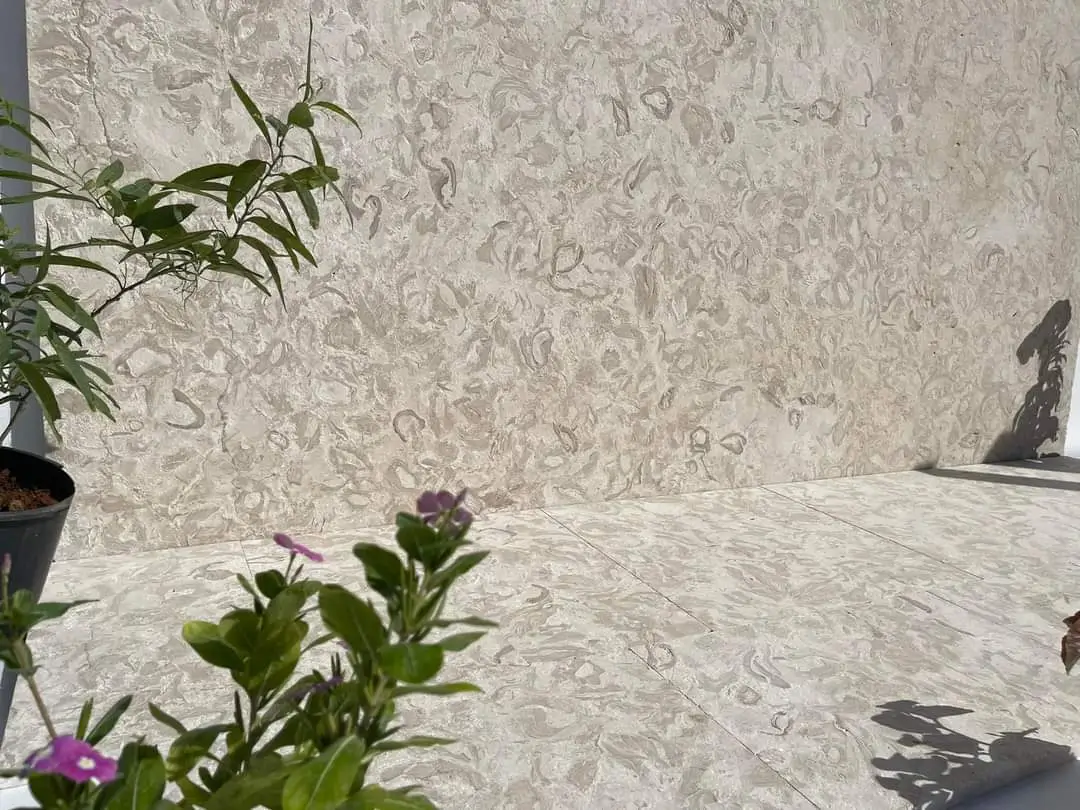
Your material selection process should evaluate how fabrication complexity affects pricing. Thermal finishing processes that create textured surfaces add $2-4 per square foot compared to standard saw-cut faces. When you require custom edge profiles or precision dimensional tolerances below ±3mm, expect processing premiums of 25-40%. These specifications become necessary when your installation demands tight joint lines or specific architectural detailing that standard tolerance materials cannot achieve.
Flagstone Cost Considerations
Flagstone pricing varies dramatically based on material type and thickness specifications. You’ll encounter Arizona flagstone at $12-18 per square foot for standard 1.5-2 inch thickness, while premium varieties like Oklahoma rose flagstone reach $22-28 per square foot. Your thickness selection directly impacts structural performance—thinner materials under 1.25 inches require more substantial base preparation, effectively transferring cost savings from material to installation labor.
When you evaluate flagstone options, you need to understand that irregular edge profiles create installation challenges affecting labor costs. Professional crews typically install 80-120 square feet per day with flagstone compared to 200-250 square feet daily with dimensioned pavers. This productivity difference translates to $4-7 additional labor cost per square foot, making your total installed cost for flagstone projects substantially higher than initial material pricing suggests.
Travertine Pricing Dynamics
Travertine patio stones occupy the mid-to-upper price range at $15-35 per square foot installed. You’re purchasing a calcium carbonate material formed through mineral precipitation at hot springs—a formation process that creates the distinctive porous structure and natural earth tones architects value. When you specify travertine for Arizona applications, you should recognize that the material’s 8-12% porosity requires filling treatments that add $3-5 per square foot to processing costs.
Your travertine specification needs to address surface finish options that significantly impact pricing. Honed finishes provide slip resistance suitable for pool decks at base pricing, while brushed or tumbled surfaces that enhance traction in wet conditions add 15-25% to material costs. You’ll find that filled and honed travertine offers the best value proposition for Arizona outdoor living spaces where you need to balance aesthetic appeal with practical performance in high-temperature environments.
Manufactured Paver Economics
Manufactured concrete pavers present cost-effective alternatives when your project prioritizes budget constraints over natural material aesthetics. You’re looking at base material costs of $3-8 per square foot for standard products, with installed prices reaching $6-18 per square foot depending on pattern complexity and site preparation requirements. The primary advantage you gain with manufactured options is dimensional consistency—precision tolerances of ±2mm facilitate faster installation and tighter joint lines than natural stone typically achieves.
When you evaluate landscaping stone rates 2026 projections for manufactured products, you need to understand that raw material costs represent only 25-35% of your final installed price. Concrete manufacturing requires portland cement, aggregates, and pigments, with cement prices having increased 8-12% annually over the past three years due to energy cost escalations. You should anticipate that this trend continues through 2026, pushing manufactured paver prices upward even as production efficiency improvements partially offset material inflation.
- You’ll find standard gray concrete pavers at the lowest price points of $3-5 per square foot
- Your cost increases to $5-8 per square foot when you specify integral color pigments
- You should expect $7-12 per square foot for textured surfaces mimicking natural stone
- Your premium architectural pavers with multiple color blends reach $10-15 per square foot
Permeable Paver Premiums
Permeable paver systems command 30-50% price premiums over standard manufactured products because you’re purchasing enhanced functionality rather than just surface aesthetics. Your material costs range from $8-14 per square foot, but the specialized base preparation required for proper drainage performance adds substantial installation expenses. You need to account for 12-18 inches of open-graded aggregate base compared to 6-8 inches for conventional installations—this deeper profile increases excavation and material costs by $4-6 per square foot.
When you specify permeable pavers for Arizona applications, you’re addressing stormwater management requirements while creating functional outdoor surfaces. Municipal regulations in Phoenix and Tucson increasingly incentivize permeable hardscape installations through expedited permitting or fee reductions. You should evaluate whether these regulatory benefits offset the higher initial costs, particularly for commercial projects where stormwater detention requirements might otherwise necessitate separate infrastructure investments.
Installation Labor Components
Installation labor represents 40-60% of your total project cost for patio stone installations, making contractor selection and specification clarity critical to budget management. You’ll encounter labor rates ranging from $6-15 per square foot depending on material type, pattern complexity, and site accessibility constraints. Understanding these cost drivers helps you make specification decisions that optimize the balance between design intent and project economics.
Your labor costs escalate significantly when site conditions deviate from ideal scenarios. Poor soil conditions requiring additional excavation or stabilization add $3-8 per square foot to preparation costs. When you’re working with sites that have limited truck access for material delivery and spoil removal, expect 15-25% labor premiums as crews hand-transport materials over extended distances. For projects in established landscapes where you need to protect existing vegetation and hardscape, careful work procedures can double installation time compared to new construction scenarios.
Base Preparation Requirements
Proper base preparation determines long-term performance more than any other installation factor. You need to specify 6-8 inches of compacted aggregate base for pedestrian applications, increasing to 10-12 inches for areas receiving vehicular traffic. Arizona’s expansive clay soils in Phoenix and Tucson valleys require you to address stabilization before base installation—polymer-modified soil stabilizers add $2-4 per square foot but prevent the catastrophic settlement failures that plague inadequately prepared installations.
When you evaluate affordable outdoor flooring AZ options, you might be tempted to reduce base depth to lower costs. This represents false economy—inadequate base preparation leads to differential settlement, joint sand loss, and premature paver failure requiring complete reinstallation within 5-8 years. You’ll achieve 25+ year performance from properly prepared bases, making the incremental $3-5 per square foot investment in correct base construction the most cost-effective decision you can make during project planning.
Arizona Climate Considerations
Arizona’s extreme climate zones demand material specifications that account for thermal performance, moisture dynamics, and UV exposure intensity unlike any other region. You’re dealing with summer surface temperatures exceeding 160°F in Phoenix metro areas, creating thermal stress that causes premature failure in materials not properly selected for desert environments. Your specification process needs to evaluate how materials respond to 80-100°F daily temperature swings during spring and fall transition periods—this thermal cycling drives expansion and contraction that can destabilize inadequately detailed installations.
When you specify materials for different Arizona climate zones, you need to recognize that Flagstaff’s 7,000-foot elevation creates freeze-thaw conditions completely absent in southern Arizona locations. Materials performing excellently in Phoenix may fail catastrophically when exposed to 40+ annual freeze-thaw cycles in northern regions. You should verify that any natural stone specified for high-elevation applications has porosity below 3% and documented freeze-thaw durability through 300+ cycle testing per ASTM C1026 standards.
- You must account for thermal expansion coefficients when establishing joint spacing
- Your material selection should prioritize light colors that reflect rather than absorb solar radiation
- You need to specify UV-stable joint sands that resist degradation under intense sunlight
- Your edge restraint systems require thermal expansion accommodation to prevent buckling
Heat Reflectance Properties
Light-colored limestone and travertine reflect 60-70% of incident solar radiation, keeping surface temperatures 25-35°F cooler than dark granite or basalt alternatives. This thermal performance difference directly impacts usability—when you specify appropriate materials, outdoor spaces remain accessible during summer afternoons rather than becoming unusable heat zones. For Citadel Stone’s bulk patio slab supply, this cooling performance represents a primary selling advantage in Arizona markets where homeowners prioritize comfortable outdoor living spaces.
You should understand that heat reflectance varies significantly even within single material categories. Honed travertine surfaces reflect more radiation than filled and polished versions due to surface texture effects on light absorption. When you’re selecting materials for west-facing patios receiving intense afternoon sun exposure, prioritizing maximum reflectance through both color and texture selection can reduce surface temperatures by 15-20°F compared to standard specifications.
Material Durability Factors
Long-term durability determines your true cost per year of service, making initial material price only one component of comprehensive economic analysis. You need to evaluate how materials resist weathering, maintain slip resistance, and retain aesthetic appeal over 20+ year service lives. Natural stone typically outperforms manufactured products in longevity—properly selected limestone or travertine maintains structural integrity and appearance for 30-40 years, while concrete pavers often require replacement or resurfacing after 15-20 years in harsh Arizona conditions.
Your durability assessment should examine how materials respond to the specific deterioration mechanisms active in Arizona environments. UV radiation degrades pigments in colored concrete pavers, causing noticeable fading within 8-12 years even with premium products. Natural stone color derives from mineral content unaffected by UV exposure, maintaining consistent appearance throughout its service life. When you calculate lifecycle costs including replacement frequency, natural stone’s higher initial investment often proves more economical than cheaper manufactured alternatives requiring mid-life replacement.
Freeze-Thaw Resistance
Freeze-thaw durability becomes critical when you’re specifying materials for Flagstaff, Sedona, or other high-elevation Arizona locations experiencing winter freezing conditions. Water absorption into porous materials expands 9% upon freezing, generating internal stresses exceeding 2,000 PSI that fracture inadequately resistant stone. You must specify materials with documented freeze-thaw resistance through 300+ cycle testing, ensuring porosity remains below 3% and pore structure features disconnected rather than interconnected passages.
When you evaluate stone paver price per sq ft for freeze-thaw environments, you should recognize that suitable materials command premiums of 20-35% over standard products. Dense limestone and granite options that survive repeated freeze-thaw exposure cost more to quarry and process than softer, more porous alternatives. However, this incremental investment prevents the catastrophic spalling and structural failure that necessitates complete replacement after just 5-8 years when inappropriate materials are specified for cold-climate applications.
2026 Market Projections
Landscaping stone rates 2026 projections indicate continued price increases across both natural and manufactured product categories. You should anticipate 6-9% annual escalation for natural stone driven by diesel fuel costs affecting quarry operations and long-haul transportation. Manufactured paver prices will likely increase 5-7% annually as portland cement costs rise with energy expenses and carbon reduction regulations affecting production facilities. These trends mean that materials you’re pricing today for 2026 installation will likely cost 12-16% more than current rates when you’re ready to purchase.
Your procurement strategy needs to account for supply chain dynamics affecting material availability and pricing. Warehouse inventory levels for popular materials have decreased 25-35% since 2020 as suppliers minimize carrying costs in response to interest rate increases. This lean inventory approach means you’ll encounter longer lead times—12-16 weeks has become standard for natural stone products that were previously available within 4-6 weeks. When you’re planning projects with fixed completion dates, you need to factor these extended timelines into your scheduling or risk costly project delays.
- You should lock material pricing 90-120 days before anticipated purchase to avoid market fluctuations
- Your project schedule must accommodate 12-16 week lead times for specialty natural stone products
- You need to verify warehouse stock availability before committing to specific materials in client proposals
- Your specification documents should include acceptable substitutions to maintain schedule flexibility
Budget Optimization Strategies
When you’re working within constrained budgets, strategic material selection and specification adjustments can reduce costs by 20-35% without compromising essential performance requirements. You might specify premium materials for primary entertainment areas while using more affordable outdoor flooring AZ options for secondary circulation zones. This zoning approach delivers visual impact where it matters most while controlling overall project costs through selective value engineering.
Your cost optimization process should examine how pattern complexity affects installation productivity. Simple running bond or stacked patterns allow crews to install 200-250 square feet daily, while intricate herringbone or circular designs reduce productivity to 100-150 square feet per day. The resulting labor cost difference of $3-6 per square foot often exceeds material cost variations between product options. You can achieve significant budget improvements by reserving complex patterns for focal areas while specifying simpler layouts for larger expanses.
Phased Installation Approaches
Phasing large projects across multiple seasons allows you to spread costs while maintaining design continuity. You might install primary entertainment areas during initial construction, adding secondary zones and circulation paths in subsequent phases as budget permits. This approach requires careful planning to ensure base preparation and edge details accommodate future expansion without requiring demolition and reconstruction of completed areas.
When you design for phased installation, you need to specify consistent materials across all phases to maintain aesthetic coherence. However, you should anticipate that identical materials may show slight color variation between phases due to quarry block differences or manufacturing batch variations. You can minimize this concern by purchasing all materials simultaneously even if installation occurs over multiple phases—this requires warehouse storage arrangements but guarantees color consistency across the completed project.
High-End Material Selection
Premium materials justify their high-end paver pricing through exceptional aesthetic appeal, superior performance characteristics, and distinctive design possibilities. You’re looking at installed costs of $28-45 per square foot for materials like imported limestone, premium travertine, or specialty granite options. These materials deliver unique color palettes, texture complexity, and dimensional precision that distinguish luxury outdoor living spaces from standard installations.
Your high-end material specifications should emphasize the performance advantages justifying premium pricing. Premium travertine exhibits tighter pore structure and greater density than standard grades, resulting in improved stain resistance and easier maintenance over long service periods. When you specify these materials for clients investing in comprehensive outdoor living environments, the incremental cost represents a minor percentage of total project budgets that include outdoor kitchens, fire features, and integrated lighting systems.
- You gain access to exclusive color options not available in standard product lines
- Your projects benefit from tighter dimensional tolerances enabling precision installation details
- You can specify larger format units that reduce joint lines and create more refined aesthetics
- Your clients receive enhanced stain resistance and lower maintenance requirements
Comparative Cost Analysis
When you evaluate cost of patio pavers Arizona options across material categories, you need comprehensive analysis including installation labor, base preparation, and long-term maintenance expenses. Natural flagstone installations average $18-28 per square foot complete, travertine systems run $22-38 per square foot, while manufactured pavers range from $12-22 per square foot for typical residential applications. These installed costs reflect standard site conditions—challenging access, poor soils, or complex patterns can add 25-40% to baseline pricing.
Your comparative analysis should weight lifecycle costs rather than focusing exclusively on initial installation expenses. Natural stone requiring minimal maintenance beyond periodic resealing every 3-5 years costs substantially less to maintain than concrete pavers needing joint sand replenishment, periodic power washing to remove efflorescence, and eventual surface refreshing or replacement. When you calculate 25-year ownership costs including maintenance and potential replacement, natural stone options often prove more economical despite higher initial investment.
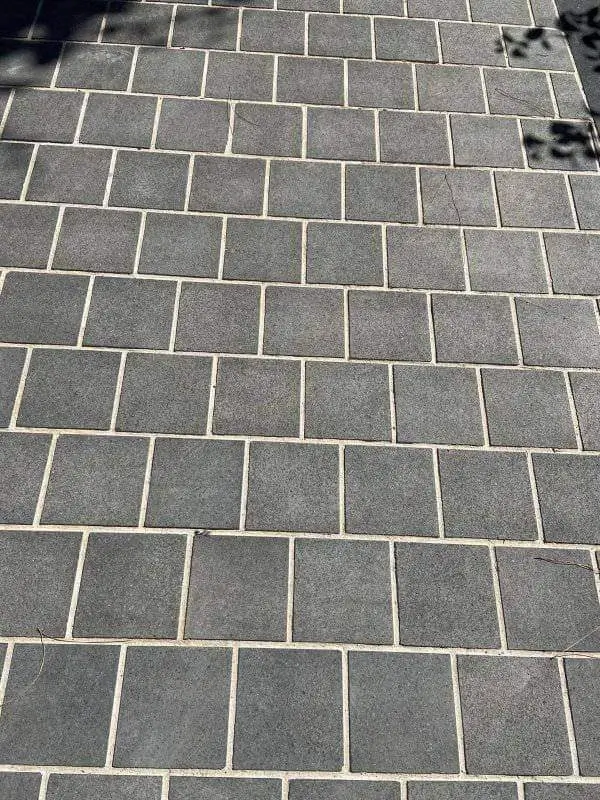
Citadel Stone: Best Paver Stones in Arizona—Regional Specification Guidance
When you consider Citadel Stone’s paver stones in Arizona for your project, you’re evaluating premium materials engineered for extreme climate performance across diverse regional conditions. At Citadel Stone, we provide technical guidance for hypothetical applications throughout Arizona’s varied climate zones. This section outlines how you would approach specification decisions for six representative cities, addressing the unique environmental challenges each location presents.
Arizona’s geographic diversity creates dramatically different performance requirements depending on project location. You need to account for elevation variations from 70 feet in Yuma to 7,000 feet in Flagstaff, precipitation ranges from 3 inches annually in southwestern deserts to 23 inches in northern high country, and temperature extremes spanning 120°F summer peaks to -10°F winter lows. Your material selection process must evaluate how these environmental factors interact with specific stone properties to ensure long-term performance success.
Phoenix Heat Management
In Phoenix, you would prioritize light-colored limestone or travertine options that reflect maximum solar radiation to maintain usable surface temperatures during brutal summer months. Your specification should address thermal mass properties—materials with lower density heat and cool faster, reducing evening surface temperatures compared to dense granite alternatives that retain heat well into nighttime hours. You would need to account for UV exposure intensity in Phoenix exceeding most other U.S. locations, making color stability a critical selection criterion. When you plan installations in this metro area, you should verify warehouse availability for your selected materials given Phoenix’s position as Arizona’s largest market with corresponding inventory turnover rates. Installation timing becomes crucial—you would schedule work during October through April to avoid extreme heat conditions that affect both crew productivity and material setting characteristics.
Tucson Considerations
Tucson applications would require you to address monsoon moisture management alongside extreme heat performance. Your drainage detailing needs to accommodate intense rainfall events delivering 1-2 inches within 30-minute periods during July and August storm activity. You should specify materials with appropriate slip resistance for wet conditions—honed or textured finishes rather than polished surfaces that become hazardous when moisture is present. Tucson’s slightly cooler temperatures compared to Phoenix, combined with higher elevation, create somewhat less extreme thermal stress. However, you would still prioritize light-colored materials to maintain comfortable surface temperatures for year-round outdoor living use that characterizes Tucson’s lifestyle orientation.
Scottsdale Luxury Standards
Scottsdale projects would typically involve high-end paver pricing specifications reflecting the community’s luxury market positioning. You would evaluate premium travertine options with exceptional color consistency and tight dimensional tolerances that enable refined installation details expected in high-value residential applications. Your material selection might emphasize imported limestone varieties offering distinctive color palettes not available in domestic stone sources. When you specify for Scottsdale locations, you need to consider that design expectations often include complex geometric patterns, integrated lighting details, and seamless transitions between multiple outdoor living zones. You would coordinate closely with architects and landscape designers to ensure material selections support sophisticated design intent while meeting Arizona’s demanding climate performance requirements.
Flagstaff Freeze-Thaw Requirements
Flagstaff specifications would require completely different material criteria focused on freeze-thaw durability rather than heat management. You need to verify that any stone specified for this location has documented resistance through 300+ freeze-thaw cycles with porosity below 3% to survive winter conditions at 7,000-foot elevation. Your base preparation specifications would need to address frost depth concerns—you would specify aggregate base extending below the 18-inch frost line to prevent heaving and displacement during freeze-thaw cycling. Dense limestone or granite options would be appropriate, while porous sandstone or soft limestone varieties suitable for Phoenix would fail catastrophically within 5-7 years in Flagstaff’s cold climate. You should also account for snow load and de-icing salt exposure when selecting materials for this northern Arizona market.
Sedona Aesthetic Integration
Sedona applications would emphasize aesthetic integration with the region’s distinctive red rock formations and natural desert landscapes. You would consider stone options in warm earth tones—buff limestone, golden travertine, or reddish flagstone varieties that harmonize with surrounding geological features rather than creating stark contrast. Your specifications might include irregular edge profiles and textured surfaces that echo natural stone outcroppings characteristic of Sedona’s dramatic topography. Elevation at 4,500 feet creates moderate freeze-thaw exposure—you would need materials more durable than Phoenix requirements but less critical than Flagstaff specifications. When you develop proposals for this market, you should recognize that environmental sensitivity and low-impact design approaches align with community values, potentially influencing material sourcing and installation methodology preferences.
Yuma Extreme Heat Performance
Yuma represents Arizona’s most extreme heat environment with summer temperatures regularly exceeding 115°F and intense solar radiation throughout extended warm seasons. You would specify materials with maximum solar reflectance properties to maintain any degree of surface usability during summer months. Light-colored limestone would be your primary recommendation, potentially incorporating shade structure integration as essential rather than optional design elements. Your installation specifications would need to address the region’s unique soil conditions—Colorado River alluvial deposits create different base preparation requirements compared to desert hardpan typical in Phoenix area. You should also consider that Yuma’s extremely low precipitation of 3 inches annually minimizes moisture-related performance concerns, allowing you to focus specifications primarily on thermal management and UV durability factors.
Procurement Best Practices
Your procurement approach significantly impacts both project costs and schedule reliability. When you’re purchasing natural stone, you should request samples from specific quarry blocks to verify color consistency before committing to large orders. Quarry block variation can produce noticeable color differences even within single material designations—seeing actual samples from your delivery batch prevents costly surprises during installation. You need to order 8-12% excess material beyond calculated square footage to accommodate cutting waste, breakage, and future repair needs.
Material lead times require careful coordination with project schedules. You should place orders 12-16 weeks before anticipated installation dates for specialty natural stone products, while manufactured pavers typically require 6-8 weeks for production and delivery. When you’re working on tight schedules, you might need to specify readily available materials from local supplier inventory rather than ordering custom products requiring extended lead times. This represents a practical trade-off between ideal material selection and schedule certainty that you’ll often need to evaluate during project planning phases.
Final Considerations
Your successful patio stone specification for Arizona projects requires balancing aesthetic aspirations with performance requirements, budget constraints, and practical installation considerations. Understanding cost of patio pavers Arizona across material categories, installation scenarios, and regional climate variations enables you to develop proposals that meet client expectations while ensuring long-term performance success. You should approach each project as a unique problem-solving exercise, evaluating how specific site conditions, design requirements, and budget parameters interact to define optimal material selections.
The stone paver price per sq ft you encounter represents just one component of comprehensive project economics. When you account for installation labor, base preparation requirements, long-term maintenance needs, and expected service life, the economic calculation becomes more nuanced than simple material cost comparison. Your professional judgment in weighing these factors distinguishes successful specifications from problematic installations that require premature replacement or extensive remediation. For additional project planning resources, review Decorative rock varieties for Arizona desert landscaping projects before finalizing your material selections. Inventory depth distinguishes Citadel Stone’s extensive patio stones for sale in Arizona year-round stock.