
When you’re sourcing landscape boulders and rip rap in Arizona, you face unique challenges that don’t exist in other regions. Desert heat, extreme UV exposure, and soil conditions that fluctuate between caliche hardpan and decomposed granite require you to think beyond aesthetic appeal. You need to consider thermal mass behavior, long-term color stability, and how these massive stone elements will interact with your site’s drainage patterns.
Your material selection process should account for the fact that large decorative garden rocks AZ installations aren’t just visual anchors—they’re functional components that affect site hydrology, microclimate creation, and even wildlife movement patterns. The boulders you specify will either enhance or compromise your design’s performance over decades, not just seasons.
Understanding Large Stone Material Specifications
You’ll encounter landscape boulders for sale Arizona ranging from 200 pounds to multi-ton specimens, and the size alone doesn’t determine suitability. When you evaluate these materials, you need to assess three critical performance factors simultaneously: thermal behavior, structural integrity, and environmental compatibility.
Large stone installations absorb and radiate heat differently than smaller aggregates. You’re dealing with thermal mass that can moderate temperature swings in adjacent planting areas by 8-12 degrees, but that same mass can create surface temperatures exceeding 160°F during peak summer exposure. Your placement decisions need to account for how afternoon shade patterns will shift across seasons—what works in October may create unbearable radiant heat zones in June.
The material’s origin geology matters more than most specifications acknowledge. Granite boulders from high-elevation quarries exhibit different weathering patterns than basalt from volcanic fields. You’ll see this play out in surface texture changes over 5-10 years as UV exposure and thermal cycling affect the stone differently based on mineral composition and crystalline structure.
Thermal Performance Desert Climate Considerations
Desert installations require you to understand heat retention characteristics that dramatically affect usability of adjacent spaces. When you place landscape boulders and rip rap in Arizona projects, you’re essentially installing thermal batteries that store daytime heat and release it for 4-6 hours after sunset.
Your specification approach should differentiate between thermal mass benefits and thermal liabilities. In winter months, well-positioned boulders create warm microclimates that extend growing seasons for adjacent plantings. Come summer, those same stones can radiate enough heat to stress even desert-adapted vegetation within a 3-foot radius.
- You need to account for surface temperature differentials between shaded and exposed faces reaching 40-50°F
- Your site analysis should map how heat reflection affects building walls and window exposure
- You’ll want to position large stones to create afternoon shade for outdoor living areas without blocking winter sun angles
- Consider how thermal radiation from boulder surfaces affects irrigation requirements for nearby plantings
The color selection you make has measurable thermal implications. Light-colored granite reflects 35-45% of solar radiation, while dark basalt absorbs 80-85%. This isn’t just about comfort—it affects plant selection, irrigation programming, and whether your outdoor spaces remain usable during May through September afternoons.
Material Sourcing Regional Availability
When you’re searching for landscape boulders for sale Arizona, you’ll find the market divides into three primary material categories: local basalt and volcanic rock, regional granite from Arizona and New Mexico quarries, and imported river rock from Colorado River sources. Each option presents different trade-offs in cost, availability, and performance characteristics.
Local basalt offers the most reliable availability because you’re working with material quarried within 150 miles of most major Arizona markets. You should expect lead times of 5-10 business days when ordering from warehouse stock, extending to 3-4 weeks for specific size ranges or quantities exceeding 50 tons. Your delivery logistics become simpler when you source locally—truck access requirements are more flexible, and transportation costs represent 15-20% of total material expense rather than 35-40% for distant sources.
Regional granite gives you broader color options, from buff and gold tones to pink and red varieties. When you specify these materials, you need to verify warehouse inventory levels because popular sizes in the 500-2000 pound range often sell through quickly during spring installation season. At Citadel Stone, we maintain inventory of multiple granite varieties specifically to address project timeline constraints.
Installation Methodology Equipment Requirements
Your installation success depends entirely on matching equipment capacity to stone weights and site access constraints. You can’t improvise large stone placement—attempting to move a 3,000-pound boulder with undersized equipment creates safety hazards and typically damages both the stone and surrounding landscape elements.
For boulders in the 500-1,500 pound range, you’ll need a skid steer with lifting capacity rated at least 50% above maximum stone weight. This safety margin accounts for load shifting during movement and the reality that boulder weights are estimates, not precision measurements. When you’re working with specimens exceeding 2,000 pounds, excavator rental becomes necessary, and your site access needs to accommodate equipment with 12-14 foot width clearances.
The base preparation you specify determines long-term stability more than installation technique. You need excavated areas extending 6-8 inches beyond boulder footprints, backfilled with compacted crushed aggregate. Decomposed granite alone won’t provide adequate support—you’ll see settlement and shifting within 18-24 months as the material consolidates. Your installation specifications should call for 4-6 inches of 3/4-minus crushed stone, compacted to 95% density.
Rip Rap Applications Engineered Stone Placement
When you’re evaluating rip rap stone prices Arizona, you need to understand that functional riprap installations differ fundamentally from decorative boulder groupings. Riprap serves engineered purposes—erosion control, slope stabilization, and drainage management—requiring specific gradation and placement methodologies that affect both performance and cost.
Your riprap specification should define stone size distribution using weight ranges, not just visual descriptions. Effective erosion control typically requires 40% of stones in the 50-200 pound range, 40% in the 200-500 pound range, and 20% exceeding 500 pounds. This gradation allows smaller stones to nestle between larger ones, creating a matrix that resists displacement during high-flow events while maintaining void spaces for water passage.
The slope angle you’re protecting determines minimum stone sizes and placement depth. For slopes between 2:1 and 3:1, you need riprap layers at least 18 inches thick, with individual stone dimensions averaging 12-18 inches. Steeper slopes require proportionally larger stone and thicker placement to resist gravity-driven movement independent of water flow forces.
- You should specify geotextile fabric beneath all riprap installations to prevent soil migration through stone voids
- Your design needs to extend riprap placement at least 3 feet beyond the erosion zone to prevent flanking failures
- You’ll want to avoid uniform stone sizes—gradation creates mechanical interlocking that enhances stability
- Consider that riprap functions best when 30-40% of stone mass sits below finished grade
For additional material options that complement engineered stone applications, see our landscape stone by yard which addresses gradation requirements for related drainage applications.
Aesthetic Integration Design Principles
Your boulder placement decisions should follow natural rock outcropping patterns rather than artificial arrangements that announce their designed origin. When you study natural Arizona rock formations, you’ll notice stones cluster in groups of 3-7 specimens with varied sizes, and they emerge from the ground at consistent angles that reflect the geological forces that originally positioned them.
The most successful installations you’ll create involve burying 25-35% of each boulder’s mass below grade. This achieves two critical outcomes: structural stability without visible support mechanisms, and visual authenticity that mimics natural geologic exposure. When you see boulders sitting entirely above grade, they read as imported objects rather than site-inherent features.
You need to consider sight lines from multiple viewing angles, not just primary approach paths. A boulder grouping that looks balanced from the driveway may appear randomly scattered from second-floor windows or rear yard perspectives. Your placement drawings should map views from at least four vantage points, adjusting positions until the composition works from all primary sight lines.
Large Decorative Rock Maintenance Requirements
One significant advantage of large decorative garden rocks AZ installations is minimal maintenance compared to living landscape elements, but you still need to address specific long-term care considerations in your specifications. These aren’t maintenance-free installations—they require periodic intervention to maintain design intent and functional performance.
The primary maintenance concern you’ll encounter is sediment accumulation around boulder bases. Desert dust storms and monsoon rains deposit fine particles that gradually bury lower portions of stones, compromising the visual effect you designed. You should specify annual sediment removal, which typically involves hand tools and moderate labor—about 15-20 minutes per boulder for routine cleaning.
Biological growth patterns vary dramatically based on boulder orientation and microclimate. North-facing surfaces in areas receiving landscape irrigation will develop algae, lichen, or moss growth over 3-5 years. Whether you specify removal or allow natural colonization depends on design intent, but you need to make that decision explicit rather than leaving it to maintenance crews who default to pressure washing everything.
- You should address vegetation management in adjacent planted areas to prevent woody plants from obscuring stone forms
- Your specifications need to prohibit string trimmer use within 6 inches of boulder surfaces to prevent scarring
- You’ll want to plan for periodic repositioning of smaller accent stones that may shift during major storm events
- Consider specifying annual inspections of any boulders positioned on slopes exceeding 4:1 to verify continued stability
Cost Factors Budget Considerations
When you’re developing budgets for landscape boulders and rip rap in Arizona, material costs represent only 40-50% of total installation expense. You need to account for delivery, equipment rental, labor, base preparation materials, and site restoration—all of which scale with project complexity and access constraints.
Material pricing for boulders typically ranges from $180-$320 per ton for standard varieties, with premium colors and rare stone types reaching $400-$500 per ton. However, you’ll find that per-ton pricing becomes less meaningful as individual stone sizes increase. A single 4,000-pound statement boulder might cost $800-$1,200, while that same dollar amount could purchase 6-8 tons of smaller riprap material.
Delivery costs vary significantly based on site accessibility and distance from material sources. You should expect $150-$250 for local deliveries under 30 miles with good truck access. Sites requiring smaller delivery vehicles due to access restrictions can see transportation costs double. Your early-stage site analysis needs to identify access constraints that affect delivery logistics—gate widths, overhead clearances, pavement weight limits, and turning radii all impact whether standard delivery is feasible.
Installation labor costs depend almost entirely on equipment requirements and stone placement complexity. A crew with appropriate equipment can place 8-12 large boulders in a standard workday under good conditions. You should budget $800-$1,400 per day for qualified installation crews with proper equipment, recognizing that complex placements requiring precise positioning and extensive base preparation will reduce daily production rates.
Common Specification Mistakes
You’ll avoid the most frequent design and specification errors by understanding how they compromise both aesthetics and function in large stone installations. These mistakes appear repeatedly in Arizona projects, despite being entirely preventable with proper planning.
The most damaging error you can make is under-specifying base preparation. When you allow contractors to place boulders directly on native soil without engineered base material, you guarantee future settlement and shifting. The cost to properly prepare bases represents 8-12% of total installation expense—trying to save this relatively small amount creates problems that cost 3-4 times more to correct after the fact.
- You need to avoid specifying stone by linear dimensions alone without weight verification, as density varies significantly between rock types
- Your specifications should never allow boulder placement over underground utilities without precise location verification and clearance documentation
- You’ll want to prohibit mixing stone types from different geological sources in the same visual grouping, as weathering patterns diverge over time
- Consider the error of specifying boulders in locations where future access for landscape maintenance equipment becomes blocked
Another critical mistake involves inadequate attention to drainage patterns around large stone installations. When you place substantial boulders without analyzing how they’ll affect surface water movement, you create unintended drainage problems. A 3,000-pound boulder positioned across a natural drainage path will redirect water flow, potentially causing erosion or flooding in areas that previously drained properly. Your site grading plans need to show how water will move around and through boulder groupings.
River Rock Boulder Characteristics
River rock boulders Arizona sources offer distinct aesthetic and functional characteristics compared to quarried stone. When you specify river rock, you’re selecting material shaped by hydraulic forces over thousands of years, resulting in smooth surfaces and rounded forms that contrast with the angular profiles of freshly quarried stone.
The smooth surface texture of river rock creates different thermal behavior than rough quarried stone. You’ll find that polished surfaces reflect more solar radiation and retain less heat in surface texture irregularities. This translates to surface temperatures that may run 5-8 degrees cooler than equivalently-sized quarried boulders in the same location—a meaningful difference when you’re designing spaces for human occupation during summer months.
However, river rock’s smooth surfaces present installation challenges you don’t encounter with angular quarried stone. The rounded forms are more prone to shifting under load or during seismic events. Your installation specifications need to compensate for this reduced stability by increasing base preparation depth by 15-20% compared to angular stone, and by selecting placement positions that create natural nesting between adjacent boulders.
Citadel Stone Landscape Stone Arizona Guidance
When you consider Citadel Stone’s landscape stone Arizona materials for your project, you’re evaluating solutions engineered specifically for Southwest desert performance. At Citadel Stone, we provide technical guidance for hypothetical applications across Arizona’s diverse climate zones. This section outlines how you would approach specification decisions for six representative cities, demonstrating the regional variations you need to consider.
Arizona’s climate diversity requires you to adjust material selection and installation methodology based on elevation, temperature extremes, and precipitation patterns. The approaches that work in low desert environments don’t translate directly to high elevation applications, and your specifications need to reflect these regional differences.
Phoenix Heat Considerations
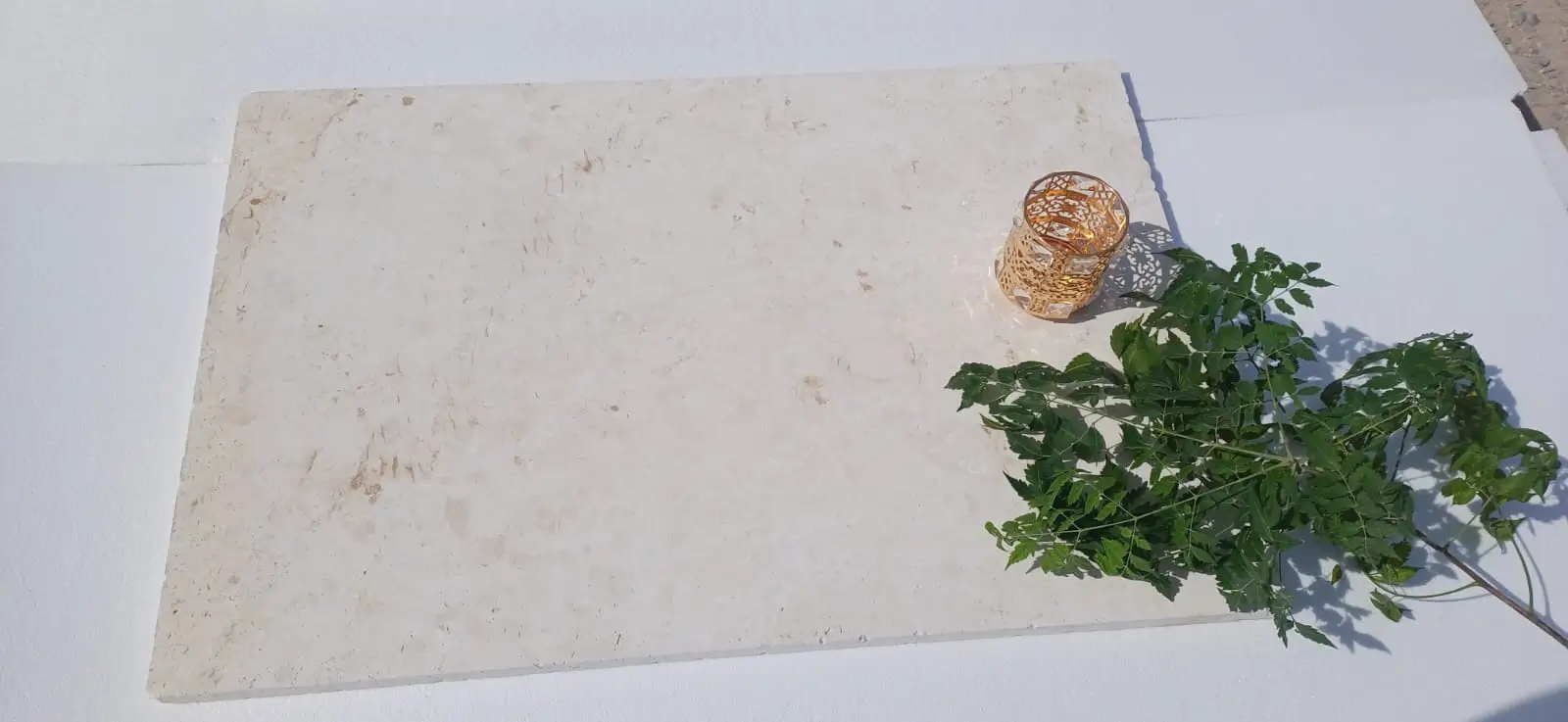
In Phoenix applications, you would prioritize thermal management above all other factors. Summer temperatures exceeding 115°F for extended periods create conditions where dark stone surfaces can reach 170°F. Your material selection would favor lighter-colored granite or buff-toned limestone varieties that maintain lower surface temperatures. You’d need to position large decorative garden rocks AZ installations to create afternoon shade for outdoor living spaces while avoiding locations where radiant heat affects building walls. At Citadel Stone, we recommend installing lighter stone varieties for Phoenix projects where human interaction with surrounding spaces is expected during warm months. You should verify that warehouse stock includes adequate quantities of specified materials before finalizing Phoenix project timelines, as spring installation season creates high demand.
Tucson Monsoon Factors
Your Tucson installations would need to account for intense monsoon precipitation that can deliver 2-3 inches of rain in under an hour. You’d specify riprap applications with enhanced gradation to handle high-velocity water flow, using stone sizes 15-20% larger than equivalent Phoenix applications. The rip rap stone prices Arizona market reflects this requirement for larger, more carefully graded material. Your placement would emphasize erosion control around boulder groupings, ensuring that surrounding soil remains stable during extreme precipitation events. You should integrate landscape boulders and rip rap in Arizona Tucson projects as functional drainage elements, not just aesthetic features. When you design for Tucson’s summer monsoon season, you’d position stones to direct water flow away from structures while creating visually interesting drainage patterns through the landscape.
Scottsdale Design Standards
Scottsdale’s design review standards would influence your material selection toward premium stone varieties with distinctive coloration and form. You’d specify landscape boulders for sale Arizona that demonstrate visual interest from multiple viewing angles, as Scottsdale projects typically feature prominent boulder placements visible from public rights-of-way. Your installations would incorporate larger individual specimens—in the 2,000-5,000 pound range—positioned as statement elements rather than grouped masses. You should account for Scottsdale’s emphasis on water conservation by integrating boulders with low-water native plantings, using stone mass to create microclimates that reduce irrigation requirements for adjacent vegetation. At Citadel Stone, we maintain premium granite and specialty stone inventories that meet Scottsdale’s elevated aesthetic expectations. Your truck access planning would need to accommodate narrow streets and gated community restrictions common in Scottsdale developments.
Flagstaff Elevation Adaptations
At 7,000-foot elevation, your Flagstaff specifications would address freeze-thaw cycling that doesn’t occur in lower desert locations. You’d select stone with porosity ratings below 5% to minimize water absorption that leads to spalling during freezing conditions. Local basalt from nearby volcanic fields would provide both aesthetic appropriateness and proven freeze-thaw resistance. Your installation timing would be restricted to May through September to ensure proper base compaction before winter weather arrives. You should specify riprap applications with 20-25% greater depth than low-desert equivalents to account for frost heave potential. When you source river rock boulders Arizona materials for Flagstaff applications, you’d verify that stone comes from high-elevation sources with demonstrated cold-climate performance rather than low-desert quarries.
Sedona Color Integration
Your Sedona projects would require careful color coordination with the region’s distinctive red rock geology. You’d specify stone that either complements or deliberately contrasts with the surrounding natural red sandstone formations—attempting to match Sedona’s natural stone rarely succeeds and often appears imitative. You should consider buff, gold, or gray granite varieties that create visual interest without competing with the dominant red landscape. Site-specific conditions in Sedona include reactive clay soils that require enhanced base preparation—you’d specify 6-8 inches of crushed aggregate base rather than the standard 4-6 inches. Your drainage design would address Sedona’s steep topography and channelized runoff patterns by positioning landscape boulders and rip rap in Arizona to interrupt slope lengths and reduce erosion velocity. You’d work within strict environmental review processes that limit disturbance of native vegetation during installation.
Yuma Extreme Conditions
Yuma represents the most extreme desert environment in Arizona, where your specifications would address temperatures exceeding 120°F and minimal annual precipitation. You’d select stone varieties proven to resist thermal shock from daily temperature swings of 40-50 degrees. Light-colored materials would be essential for any boulders near occupied spaces, as dark stone simply becomes unusable during summer months. Your installation would emphasize drought-adapted design, using large decorative garden rocks AZ as primary visual elements that require zero irrigation while providing wildlife habitat through shade and thermal refuge. You should minimize organic mulch around boulder installations in Yuma, as the extreme heat rapidly degrades organic materials. When you specify rip rap for the limited drainage applications needed in Yuma’s low-precipitation environment, you’d use larger stone sizes because infrequent rain events tend to be more intense when they occur. Your project timelines would avoid June through August installation when daily temperatures make outdoor work dangerous.
Wildlife Habitat Considerations
When you install landscape boulders and rip rap in Arizona, you’re creating habitat structures that affect wildlife populations whether you plan for it or not. Desert fauna use large stones as thermal refuges, den sites, and hunting perches—your design decisions determine whether these interactions enhance or compromise project performance.
Boulder groupings with void spaces between stones create refuges for reptiles, small mammals, and invertebrates. If you’re designing for residential applications where homeowners prefer minimal wildlife interaction, you’d specify placement techniques that minimize these voids through careful stone selection and positioning. Conversely, if habitat enhancement is a project goal, you’d deliberately create crevice spaces sized for target species—6-8 inch openings for lizards, 12-18 inch spaces for larger mammals.
You need to consider that boulder surfaces will be used as basking sites by reptiles throughout the year. This isn’t necessarily problematic, but becomes a design factor in areas where human activity and wildlife interaction create concerns. Your placement strategy might position primary boulder groupings away from main pedestrian paths while using smaller accent stones in high-traffic areas where wildlife presence is less desirable.
Final Specifications
Your professional specification process requires you to balance aesthetic objectives with functional requirements while addressing the unique challenges Arizona’s climate presents. You should develop boulder and riprap specifications that acknowledge real-world installation constraints, long-term maintenance realities, and how these permanent landscape elements will perform across decades of extreme environmental exposure. When you account for thermal behavior, structural stability requirements, proper base preparation, and regional climate variations, you create installations that maintain design intent while providing reliable long-term performance. For complementary surfacing options that enhance large stone installations, review Benefits of white marble chips for Arizona desert landscaping before you finalize your project specifications. High-contrast gardens incorporate Citadel Stone’s dramatic black landscape stone in Arizona basalt and granite.