
When you specify flagstone installations across Arizona’s diverse climate zones, joint width standards determine more than aesthetics—they control thermal movement accommodation, drainage efficiency, and long-term structural integrity. Understanding flagstone joint width standards Arizona requires you to balance prescriptive spacing requirements with site-specific performance factors that most generic specifications overlook. Your project’s success depends on recognizing how joint dimensions interact with regional temperature extremes, substrate characteristics, and material properties unique to natural stone applications.
Arizona’s temperature differential between summer highs exceeding 120°F and winter lows dropping below freezing creates expansion-contraction cycles that stress improperly jointed installations. You need to account for thermal coefficients ranging from 4.8 to 6.2 × 10⁻⁶ per °F depending on stone mineralogy, which translates to measurable dimensional changes across typical patio spans. Flagstone Suppliers Arizona joint specifications must address these movement characteristics through calculated spacing that prevents edge spalling, grout failure, and substrate displacement over 20-year service life expectations.
Joint Width Fundamentals for Arizona Climate Conditions
Your joint width decisions need to start with understanding that Arizona flagstone installations operate under thermal stress conditions 40% more severe than temperate climate applications. When you calculate flagstone joint width standards Arizona for commercial hardscape projects, you’re accounting for surface temperature variations that regularly exceed 80°F between dawn and mid-afternoon during summer months. This thermal cycling drives expansion-contraction behavior that requires specific joint accommodation.
The standard specification range falls between 3/8-inch and 3/4-inch for most Arizona installations, but you should recognize this represents baseline guidance rather than universal prescription. Natural flagstone suppliers in Arizona grouting recommendations vary based on several interactive factors:
- Stone thickness variations typically range ±1/4 inch in natural material, requiring joint width adjustment to maintain visual consistency
- Substrate type determines allowable movement—rigid concrete bases demand different spacing than flexible aggregate bases
- Edge profile irregularities in natural-cleft flagstone necessitate wider joints than sawn-edge material
- Installation method affects requirements, with mortar-set applications requiring different spacing than sand-set installations
You’ll find that the relationship between joint width and grout depth creates performance implications most specifications ignore. When you specify 1/2-inch joints with 1-1/2 inch stone thickness, you’re creating a depth-to-width ratio of 3:1—approaching the threshold where grout stress concentration increases failure risk during thermal cycling. For guidance on material selection that works with your joint specifications, see Citadel Stone’s natural flagstone selection for verified performance data across Arizona climate zones.
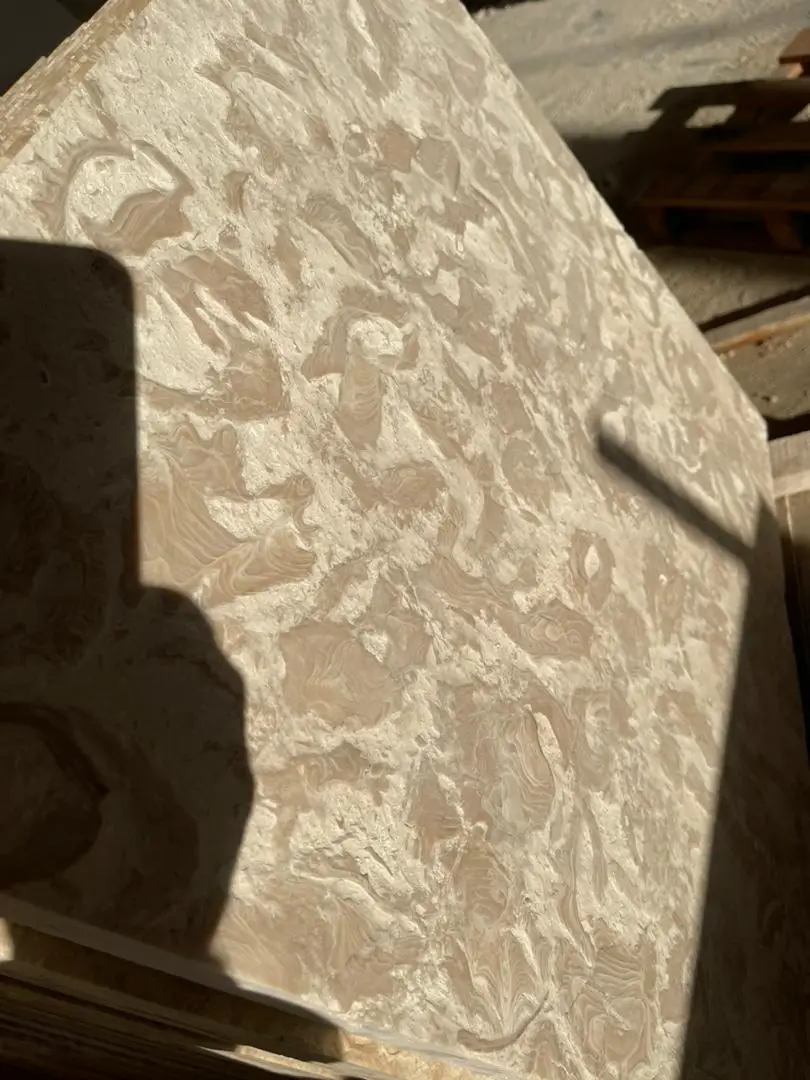
Thermal Expansion and Joint Spacing Correlation
Understanding thermal expansion behavior separates professional specifications from generic guidance. Arizona flagstone experiences daily thermal cycles that generate measurable dimensional changes—a 15-foot flagstone span can expand 0.09 inches during a 90°F temperature rise based on typical limestone thermal coefficients. Your joint spacing must accommodate this movement while maintaining structural contact between adjacent stones.
The physics behind flagstone joint width standards Arizona involves calculating cumulative expansion across installation areas. When you lay 20 linear feet of flagstone with 18-inch average stone dimensions, you’re creating approximately 13 joints. If you specify 1/2-inch joints with material exhibiting 5.5 × 10⁻⁶ expansion coefficient, the joints must accommodate 0.11 inches of cumulative thermal expansion during 100°F temperature swings—representing 22% joint compression if movement distributes evenly.
Compression Tolerance Specifications
You need to specify joint materials that tolerate 15-25% compression without structural failure. Polymeric sand products designed for flagstone applications typically accommodate 20% compression before losing interlock properties. When you use traditional mortar grouting, the material’s rigidity transfers stress to stone edges rather than absorbing movement—this explains why you see edge spalling in tight-jointed mortar installations after 3-5 Arizona summers.
Local flagstone suppliers in Arizona spacing guidance often recommends 5/8-inch minimum joints for mortar applications specifically to reduce compression ratios below the 15% threshold where micro-cracking initiates. Your specifications should calculate compression percentages based on anticipated thermal movement and adjust joint width accordingly.
Drainage Performance and Joint Dimension Requirements
Joint width directly controls drainage efficiency in ways that affect both immediate water management and long-term substrate integrity. When you specify flagstone installations across Arizona’s monsoon-prone regions, your joint system must evacuate high-intensity rainfall—summer storms deliver 1-2 inches per hour regularly in Phoenix and Tucson areas. Flagstone Suppliers Arizona joint specifications need to account for volumetric flow rates through joint networks.
A 500-square-foot flagstone patio with 1/2-inch joints spaced at typical 18-inch stone intervals creates approximately 85 linear feet of joint length. During a 1.5 inch-per-hour rainfall event, you’re managing 62.5 gallons per hour of surface water—the joint system must channel this volume to perimeter drains or substrate infiltration pathways. Joint width affects flow velocity and capacity:
- 3/8-inch joints create restricted flow that causes surface ponding during intense precipitation
- 1/2-inch joints provide adequate drainage for most residential applications with proper grade
- 5/8-inch joints improve flow capacity by 67% compared to 3/8-inch dimensions
- 3/4-inch and wider joints may compromise stone edge support in sand-set installations
You should recognize that drainage requirements interact with joint fill material selection. Polymeric sand reduces permeability compared to standard jointing sand, requiring you to increase joint width by approximately 1/8 inch to maintain equivalent drainage performance.
Material Properties and Joint Width Interaction
Natural flagstone’s variable characteristics demand joint width flexibility that accommodates dimensional inconsistencies. When you work with natural flagstone suppliers in Arizona grouting projects, you’re managing material with thickness variations, edge irregularities, and surface plane deviations that sawn concrete pavers don’t exhibit. These natural variations require joint width adjustment for professional appearance and structural performance.
Stone edge profile significantly impacts minimum joint width requirements. Natural-cleft flagstone typically exhibits edge irregularities ranging 1/4 to 3/8 inch from theoretical straight lines. You need joint widths that visually accommodate these variations—specifying 3/8-inch joints with material showing 1/4-inch edge irregularities creates visually inconsistent joint lines that appear as installation defects. Professional specifications typically require joint width to equal or exceed maximum edge deviation by minimum 1/8 inch.
Thickness Variation Accommodation
Flagstone thickness consistency affects your joint width decisions through its impact on installation leveling requirements. When you’re working with material showing ±3/8-inch thickness variation (typical for natural-cleft limestone and sandstone), your installation crew compensates through base adjustment or mortar bed variation. These leveling adjustments create slight plane deviations between adjacent stones—wider joints better conceal the subtle surface irregularities that result.
You’ll achieve more forgiving installations when you specify 5/8-inch joints for material with significant thickness variation compared to 3/8-inch joints that emphasize every plane deviation. This represents practical field wisdom that warehouse-direct specifications sometimes overlook.
Installation Method and Joint Requirements
Your installation method fundamentally changes joint width specifications through its effect on movement accommodation and structural behavior. Sand-set flagstone installations on aggregate bases function as flexible systems where individual stones move semi-independently. Mortar-set installations on concrete slabs create rigid systems where the assembly moves as a unit. These different structural behaviors require distinct approaches to flagstone joint width standards Arizona.
Sand-Set Applications
When you specify sand-set flagstone installations, you’re creating systems where joints serve multiple functions simultaneously—they accommodate thermal expansion, allow drainage, permit individual stone adjustment, and provide lateral restraint through sand interlock. You need minimum 1/2-inch joints to achieve adequate sand interlock depth; narrower joints don’t develop sufficient friction to prevent stone migration under traffic.
Sand-set joint width also affects long-term maintenance requirements. Joints narrower than 1/2 inch lose jointing sand through erosion and require replenishment 2-3 times more frequently than 5/8-inch joints that retain sand more effectively. Your specification should balance initial aesthetic preferences against ongoing maintenance costs—the difference between 1/2-inch and 5/8-inch joints can reduce maintenance frequency by 40% over ten years.
Mortar-Set Applications
Mortar-set installations transfer different requirements to joint specifications. When you grout flagstone joints over concrete substrates, the grout creates rigid connections that prevent independent stone movement. This rigidity concentrates thermal stress at joint-stone interfaces, making joint width critical for stress distribution. Flagstone Suppliers in Arizona pointing recommendations typically specify 5/8-inch minimum for mortar joints specifically to reduce stress concentration below material failure thresholds.
You should also account for mortar joint tooling requirements in your specifications. Joints narrower than 1/2 inch restrict trowel access for proper mortar consolidation, increasing void potential that leads to premature failure. Professional masons prefer 5/8 to 3/4-inch joints for high-quality mortar consolidation and finish tooling.
Grout Material Selection and Joint Width Compatibility
Joint fill material selection interacts with width specifications in ways that affect both installation feasibility and long-term performance. When you specify flagstone joints, you’re simultaneously constraining material options—certain joint widths work optimally with specific fill materials while creating problems with others.
- Polymeric sand requires minimum 1/4-inch joints for particle infiltration but works optimally in 3/8 to 5/8-inch widths
- Traditional mortar demands 1/2-inch minimum for proper trowel consolidation and 5/8-inch preferred width
- Modified polymer mortars accommodate narrower joints than traditional cement mortar but still require 3/8-inch minimum
- Resin-based jointing compounds work in joints as narrow as 1/8 inch but cost 4-6 times more than polymeric sand
You need to recognize that natural flagstone suppliers in Arizona grouting material availability varies regionally—not all products suitable for temperate climates perform adequately under Arizona’s thermal extremes. When you specify jointing materials, verify they’re rated for continuous service temperatures exceeding 150°F, which flagstone surfaces regularly reach during summer months.
Aesthetic Considerations in Joint Design
Joint width creates visual rhythm that defines flagstone installation character. When you make spacing decisions, you’re controlling the balance between stone display and joint pattern prominence. Narrow joints emphasize individual stone character and create more refined appearances suited to formal architectural contexts. Wider joints create bold pattern definition that complements rustic design approaches.
The relationship between average stone size and joint width affects visual proportion. You should maintain joint-to-stone ratios that create balanced composition—18-inch average stone dimensions typically pair well with 1/2 to 5/8-inch joints. When you specify 3/4-inch joints with 18-inch stones, the joints become visually prominent elements that compete with stone character. Conversely, 3/8-inch joints with 30-inch stones create refined appearances where stone dominates visual composition.
Pattern Regularity Impact
Joint width consistency affects perceived installation quality significantly. When you specify tight tolerance requirements (±1/16 inch), you’re demanding premium installation labor that increases costs 15-25% compared to standard tolerance work. You need to balance aesthetic precision requirements against budget constraints while recognizing that joint width variation beyond ±1/8 inch becomes visually obvious to casual observers.
Local flagstone suppliers in Arizona spacing guidance typically recommends maintaining joint variation within ±1/16 inch for premium residential and commercial work, relaxing to ±1/8 inch for utility-grade applications where cost control dominates specification priorities.
Structural Load Considerations and Joint Dimension
Joint width affects load transfer characteristics between adjacent stones, particularly in vehicular applications or high-traffic pedestrian areas. When you specify flagstone for driveway or commercial plaza applications, joint dimensions control how traffic loads distribute across the installation. Narrower joints provide better load transfer through increased stone-to-stone contact area, while wider joints concentrate loads on individual stone edges.
Arizona flagstone installations supporting vehicular traffic typically require 3/8 to 1/2-inch maximum joint widths to prevent edge spalling under repeated wheel loads. You should specify stone thickness minimum 2-1/2 inches for vehicle applications, creating thickness-to-joint ratios exceeding 5:1 that provide adequate edge support. When joint width exceeds 5/8 inch in vehicular applications, you risk progressive edge deterioration that becomes visible after 500-800 vehicle passes.
Climate Zone Variations Across Arizona
Arizona’s diverse climate zones require you to adjust flagstone joint width standards Arizona based on regional environmental conditions. The 7,000-foot elevation difference between Yuma and Flagstaff creates distinct thermal regimes that affect material behavior. When you specify projects across multiple Arizona regions, recognize that uniform joint specifications don’t optimize performance for varying conditions.
Low desert regions (Phoenix, Tucson, Yuma) experience extreme temperature ranges with summer surface temperatures exceeding 160°F. You need joint widths that accommodate thermal expansion coefficients operating at maximum material ranges—typically requiring 5/8-inch minimum joints for installations exceeding 15-foot dimensions. High-elevation regions (Flagstaff, Prescott) experience greater freeze-thaw cycling that demands different joint considerations focused on drainage and moisture management rather than thermal expansion alone.
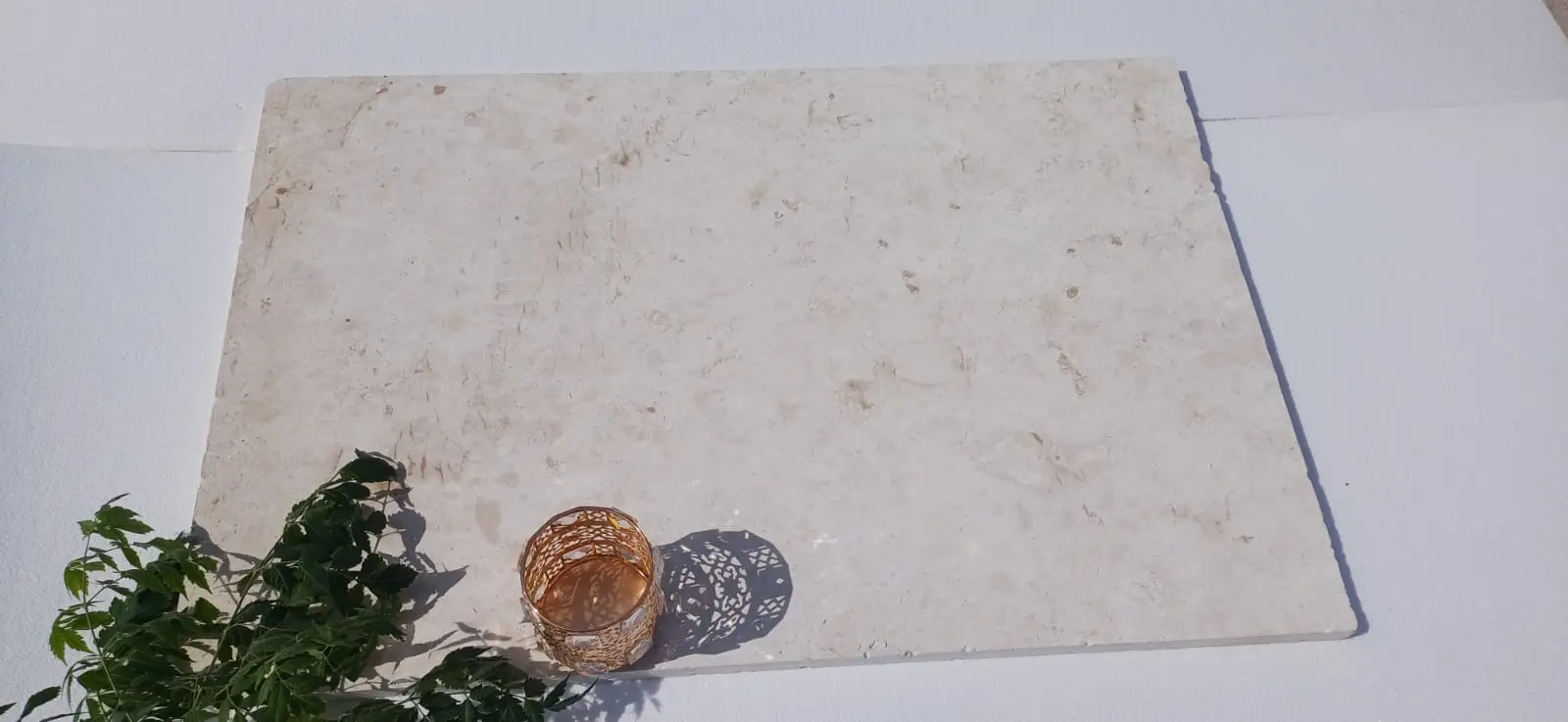
Citadel Stone: Premium Flagstone Supplier in Arizona — Regional Specification Guidance
When you consider Citadel Stone’s premium flagstone for your Arizona projects, you’re evaluating natural stone materials selected specifically for regional climate performance. At Citadel Stone, we provide technical specification guidance for flagstone joint width standards Arizona applications across the state’s diverse environmental zones. This section outlines how you would approach joint spacing decisions for six representative Arizona cities, demonstrating proper specification methodology for varying climate conditions.
Proper joint width specifications require you to balance thermal expansion accommodation, drainage requirements, aesthetic objectives, and installation method constraints. The following city-specific guidance illustrates how professional specifications adapt to regional conditions while maintaining structural integrity and long-term performance expectations.
Phoenix Specifications
In Phoenix’s extreme heat environment, you would specify 5/8-inch minimum joints for flagstone installations exceeding 200 square feet. Summer surface temperatures regularly reaching 165°F create thermal expansion conditions that demand generous joint accommodation. Your specifications should account for the urban heat island effect that amplifies thermal cycling by 8-12°F compared to undeveloped desert areas. When you design for Phoenix commercial hardscape applications, you would specify polymeric sand jointing for residential projects and modified polymer mortar for commercial installations requiring maximum durability. Warehouse inventory considerations affect lead times during peak spring installation season when demand typically exceeds supply.
Tucson Thermal Performance
Tucson’s slightly moderated temperature extremes compared to Phoenix still require you to specify 5/8-inch joints for optimal thermal expansion accommodation. You would account for monsoon precipitation patterns that deliver higher annual rainfall than Phoenix—your joint specifications need to emphasize drainage capacity alongside thermal movement. When you specify Tucson-area projects, you would recommend 3/4-inch joints for installations with restricted drainage where surface water evacuation through joint systems becomes critical. Local soil conditions featuring higher clay content require you to consider substrate expansion effects on flagstone assembly behavior.
Scottsdale Premium Applications
Scottsdale’s luxury residential market typically demands refined aesthetic execution that influences your joint width recommendations. You would specify 1/2-inch joints for premium residential applications where visual precision dominates specification priorities, recognizing this requires premium installation labor and tighter material selection. When you design resort and commercial projects in Scottsdale, you would balance aesthetic refinement against maintenance accessibility—5/8-inch joints provide superior long-term sand retention while maintaining upscale appearance standards. Your material selection would emphasize consistent stone thickness and edge profile quality that supports narrow joint execution. At Citadel Stone, we maintain warehouse inventory specifically selected for premium Scottsdale applications.
Flagstaff Freeze-Thaw
Flagstaff’s high-elevation climate requires you to shift specification priorities from thermal expansion toward freeze-thaw durability. You would specify 5/8 to 3/4-inch joints with emphasis on drainage efficiency to prevent ice lens formation in joint materials during winter freeze cycles. When you design Flagstaff flagstone installations, you would recommend permeable jointing materials that resist frost heave—modified mortars with air-entraining additives or premium polymeric sands rated for freeze-thaw exposure. Your specifications should address snow load considerations that affect joint stress distribution during winter months when snow accumulation creates sustained loading conditions.
Sedona Aesthetic Integration
Sedona’s red rock landscape context influences your joint width specifications through aesthetic integration requirements. You would recommend 5/8-inch joints that create visual proportion complementing the natural stone character prized in Sedona architectural design. When you specify projects requiring color coordination with regional geology, you would select jointing materials in earth-tone ranges that harmonize with natural flagstone coloration. Your specifications should address tourist traffic volumes in commercial applications—wider joints provide better long-term durability under heavy pedestrian use patterns typical in Sedona’s commercial districts.
Mesa Residential Standards
Mesa’s residential development patterns require you to balance performance requirements against cost constraints typical in production housing contexts. You would specify 1/2 to 5/8-inch joints as optimal compromise between installation efficiency and adequate thermal expansion accommodation. When you design Mesa-area projects, you would account for the city’s slightly lower elevation compared to neighboring Scottsdale, which creates marginally higher summer temperatures affecting thermal expansion calculations. Your specifications should emphasize proven material combinations—polymeric sand in 5/8-inch joints provides reliable performance at mid-range price points suited to Mesa’s residential market positioning. Truck access in established neighborhoods sometimes constrains delivery logistics that affect project scheduling.
Specification Documentation Requirements
Your construction documents need to communicate joint width requirements clearly to prevent field interpretation errors that compromise installation quality. When you prepare flagstone specifications, include specific dimensional tolerances, measurement verification methods, and acceptance criteria that establish clear performance standards. Flagstone Suppliers in Arizona pointing specifications should reference industry standards while adding project-specific requirements that address unique site conditions.
Effective specification language includes numerical dimensions with tolerances, joint material identification with product data requirements, and installation method descriptions with quality control checkpoints. You should specify measurement verification intervals—typically every 50 square feet for premium work—and document acceptance criteria that define when joint width variations require correction. Your specifications need to address weather limitations during installation, particularly temperature ranges that affect mortar curing or polymeric sand activation.
Common Specification Errors to Avoid
Several recurring specification mistakes compromise flagstone installation performance across Arizona projects. When you review project documents, verify you’re not repeating these common errors that lead to premature failures or cost overruns:
- Specifying uniform joint width without accounting for thermal expansion variations across large installations
- Failing to coordinate joint width with selected jointing material capabilities and limitations
- Omitting drainage slope requirements that interact with joint spacing for water management
- Neglecting to specify joint width tolerances, leaving interpretation to field personnel
- Copying specifications from temperate climate projects without adjusting for Arizona thermal conditions
- Specifying joint widths incompatible with available stone edge quality and thickness consistency
You should recognize that specification errors often become apparent only after installation completion when correction costs escalate dramatically. Investing adequate time in specification development prevents expensive field modifications and protects project budgets.
Quality Control and Verification Methods
Implementing effective quality control procedures ensures your joint width specifications translate to proper field execution. When you establish inspection protocols, include specific measurement methods, documentation requirements, and correction procedures that maintain installation quality throughout project duration. Your quality control program should verify joint dimensions at regular intervals using calibrated measurement tools—digital calipers provide 1/32-inch accuracy suitable for premium work verification.
You need to establish correction protocols before installation begins, defining acceptable remediation methods when joint widths fall outside specified tolerances. Minor variations (±1/16 inch) typically remain within acceptable limits for most applications. Variations exceeding ±1/8 inch usually require correction through stone repositioning or joint material adjustment. Your specifications should clarify who bears correction costs when variations result from material inconsistencies versus installation workmanship issues.
Long-Term Performance Expectations
Understanding realistic performance expectations helps you set appropriate joint width specifications that deliver desired service life. When you specify flagstone installations in Arizona, you’re typically targeting 20-30 year service life for residential applications and 15-25 years for commercial installations under heavy traffic. Joint width directly affects these performance timelines through its impact on stress distribution and drainage efficiency.
Properly specified joints require maintenance intervention at predictable intervals. Sand-set installations with polymeric sand joints typically need sand replenishment every 5-7 years depending on traffic levels and maintenance quality. Mortar joints may require repointing after 10-15 years when thermal cycling creates minor cracking that allows moisture infiltration. Your specifications should include maintenance recommendations that help owners preserve installation integrity throughout expected service life.
Final Considerations
Professional flagstone specifications require you to integrate multiple performance factors into cohesive joint width recommendations that optimize aesthetic results, structural integrity, and maintenance requirements. When you develop specifications for Arizona projects, your analysis must account for regional climate severity, installation method constraints, material property variations, and long-term performance expectations that extend decades beyond installation completion.
The difference between adequate specifications and optimized specifications often appears subtle in construction documents but manifests dramatically in field performance over 15-20 year timelines. You should invest specification development time proportionate to project value and performance expectations, recognizing that premium projects demand more rigorous analysis than utility-grade applications. For additional technical guidance on material verification protocols, review Verifying authentic Arizona flagstone versus imported stone alternatives before you finalize your project documents. Outdoor kitchen floors feature Citadel Stone, the most culinary Flagstone Suppliers Arizona entertainment.