
When you design hardscape projects in Arizona, you’re working with some of the most challenging environmental conditions in North America. Wildlife-friendly landscape stone design Arizona applications require you to balance aesthetic goals with ecological responsibility — and that balance determines whether your project supports or disrupts local ecosystems. You need to understand how material selection, installation methods, and spatial planning affect everything from pollinators to reptiles that depend on specific thermal and moisture conditions.
The desert Southwest hosts remarkable biodiversity, but development patterns have fragmented habitats across urban and suburban areas. Your design decisions directly impact whether native species can thrive alongside human infrastructure. When you specify landscape stone suppliers in Arizona ecological considerations into commercial and residential projects, you’re not just meeting client expectations — you’re creating functional habitat corridors that connect isolated populations of desert wildlife.
Material Selection for Ecological Performance
Your material choices determine thermal performance, water infiltration rates, and microhabitat availability. Wildlife-friendly landscape stone design Arizona projects start with understanding how different stone types interact with desert ecology. You should evaluate porosity, thermal mass characteristics, and surface texture before you commit to specifications.
Porous materials create opportunities for water infiltration and soil cooling that benefit ground-dwelling invertebrates and small mammals. When you select flagstone with 8-12% porosity, you’re providing moisture retention that extends 40-60% longer than non-porous alternatives during Arizona’s intense dry seasons. This moisture gradient supports the insect populations that feed lizards, birds, and small predators throughout your project site.
- You need to specify materials with surface texture variation that creates diverse thermal microclimates
- Your stone selection should include crevice-forming characteristics for reptile refuge
- You should prioritize locally-sourced materials to reduce transportation impacts and support regional ecology
- Your specifications must account for how surface color affects ground temperatures and wildlife behavior
Thermal mass properties affect wildlife activity patterns more than most designers recognize. Light-colored flagstone reflects 60-70% of solar radiation, maintaining surface temperatures 15-25°F cooler than darker alternatives during peak afternoon heat. This temperature difference determines whether lizards, beetles, and other ectothermic species can traverse your hardscape or must avoid it entirely during critical foraging hours.
Water Management and Habitat Integration
You can’t separate water management from wildlife support in Arizona landscapes. Wildlife-friendly landscape stone design Arizona installations must address how hardscape affects water movement, retention, and availability for fauna. Your drainage design either creates or destroys the moisture gradients that determine species diversity across your project.
Permeable installations support soil biota and plant roots that provide food sources for above-ground wildlife. When you design with 3/8-inch joint spacing filled with decomposed granite rather than sand, you’re creating infiltration capacity that moves water into root zones 3-4 times faster than traditional installations. This infiltration supports the native plant vigor that attracts pollinators, seed-eating birds, and herbivorous insects.
Edge conditions between stone and planted areas create the most valuable wildlife habitat in your design. You should detail these transitions to maximize interface length and complexity. A straight edge between patio and planting bed provides minimal habitat value, while an irregular edge with stone extending into planting areas creates thermal refuge, basking spots, and protected foraging zones that increase wildlife use by 200-300% based on field observations.
Vertical Relief and Microhabitat Creation
Flat hardscape provides limited ecological value, but vertical elements transform stone installations into functional wildlife habitat. When you incorporate landscape stone suppliers in Arizona habitat considerations, you’re looking at opportunities to create complexity through elevation changes, stacked elements, and deliberately irregular surfaces.
Dry-stacked stone walls provide thermal regulation, predator protection, and nesting sites for numerous desert species. Your specifications should include details for intentional gaps, varied stone sizes, and protected cavities. When you design a 24-36 inch seat wall with deliberate voids between courses, you’re creating habitat for native bees, beneficial wasps, and small lizards that control pest insects across your project site.
- You need to specify irregular stone shapes that create natural crevices and gaps
- Your installation details should prevent mortar from filling all joints in vertical elements
- You should design overhangs and protected spaces that provide thermal refuge during extreme weather
- Your vertical elements must include southern exposures for basking and northern faces for cooling retreat
Boulders and accent stones create focal points while serving critical ecological functions. A properly positioned 400-800 pound boulder provides thermal mass that moderates temperature extremes, creates moisture condensation zones, and offers protected space for small mammals and reptiles. You should specify placement that creates varied sun exposures and protected faces that remain accessible to wildlife throughout seasonal changes.
Joint Material Selection for Ecological Function
The material you specify between stones matters as much as the stone itself for wildlife support. Wildlife-friendly landscape stone design Arizona projects require you to think beyond structural requirements and consider how joint materials support or exclude ecological processes.
Decomposed granite joints support ground-dwelling invertebrates and allow water infiltration that maintains soil biology beneath your hardscape. When you specify 1/4-minus DG instead of polymeric sand, you’re preserving habitat for native ants, ground beetles, and burrowing insects that provide food for lizards and birds. These insects also contribute to nutrient cycling and organic matter incorporation that maintains soil health under and adjacent to your stone installation.
Joint width affects both structural performance and ecological function. You need to balance structural requirements with habitat considerations. Joints of 1/4 to 3/8 inch provide adequate structural performance while creating sufficient space for plant establishment and invertebrate activity. When you allow low-growing native plants to colonize joints naturally, you’re creating nectar sources and habitat structure that increases pollinator activity across your project by 150-200%.
Edge Detail Specifications for Wildlife Movement
Your edge details determine whether hardscape creates barriers or facilitates wildlife movement. You should design transitions that allow safe passage for small animals while maintaining structural integrity and aesthetic quality. These details separate projects that fragment habitat from those that maintain connectivity.
Flush transitions between different elevation zones eliminate the vertical barriers that prevent small reptiles and amphibians from moving across your site. When you detail a flush transition using tapered stone edges rather than vertical curbs, you’re maintaining habitat connectivity for species with limited climbing ability. This consideration becomes critical in residential areas where your project may provide the only safe passage between isolated habitat patches.
For comprehensive guidance on related specifications, see our hardscape supply yard for material availability and technical support. You should coordinate edge details with adjacent planting designs to create graduated transitions that provide cover, thermal regulation, and protected movement corridors.
Color Selection and Temperature Management
Surface color directly affects ground temperatures and determines whether wildlife can use your hardscape during critical activity periods. Wildlife-friendly landscape stone design Arizona specifications must address solar reflectance and thermal behavior across seasonal conditions.
Light-colored flagstone maintains daytime surface temperatures 20-30°F below dark stone alternatives. This temperature difference determines whether diurnal lizards can forage across your hardscape during spring and fall months when they’re most active. You should specify materials with solar reflectance values above 0.55 for areas where you want to maintain wildlife access during daylight hours.
- You need to verify that selected materials maintain temperatures below 140°F during peak summer conditions
- Your specifications should include mix of colors that create thermal diversity across the installation
- You should position darker stones where morning and evening shade provides temperature moderation
- Your color selections must consider how weathering affects long-term reflectance values
Thermal diversity supports broader species use than uniform temperatures. When you specify varied stone colors across your project, you’re creating temperature gradients that allow different species to select optimal conditions. Morning basking spots with moderate thermal mass, midday retreat areas with high reflectance, and evening foraging zones with retained warmth all contribute to habitat functionality that uniform installations cannot provide.
Native Plant Integration with Stone Elements
The relationship between stone and vegetation determines overall habitat quality. You can’t design wildlife-friendly landscape stone design Arizona projects without carefully integrating native plants that provide food, cover, and nesting resources. Your stone layout either supports or undermines plant establishment and long-term ecological function.
You should detail planting pockets within hardscape areas to break up expansive stone surfaces and create vegetation islands. These pockets provide thermal refuge, nectar sources, and protected microhabitats that concentrate wildlife activity. When you incorporate 4-6 square foot planting areas every 100-120 square feet of hardscape, you’re maintaining habitat connectivity while preserving the functional paving area your client requires.
Root zone protection matters more than most designers realize. Your base preparation details must preserve soil structure and biological activity in areas where plants will establish adjacent to stone installations. When you specify reduced compaction zones within 18-24 inches of planting areas, you’re allowing root expansion and maintaining the soil moisture dynamics that support plant vigor and associated wildlife populations.
Water Feature Integration for Wildlife Support
Water features transform stone landscapes into wildlife magnets, but design details determine success. You need to specify features that provide safe access, maintain water quality, and function reliably across Arizona’s extreme climate conditions. When landscape stone manufacturers in Arizona wildlife specifications include water elements, they’re addressing the most limiting resource in desert ecosystems.
Shallow approach zones allow safe access for birds, small mammals, and insects that require water but cannot access steep-sided features. Your specifications should include gradual slopes of 10:1 or less for at least 30% of water feature perimeter. These shallow zones need textured surfaces that provide secure footing when wet — flagstone with natural cleft surfaces works better than smooth materials that become hazardous when algae develops.
- You should specify recirculating systems with biological filtration that maintains water quality without chemical treatments
- Your design must include emerged stones or branches that provide insect escape routes
- You need to detail overflow and drainage that prevents standing water in unintended areas
- Your specifications should address year-round water availability during migration and breeding seasons
Lighting Considerations for Nocturnal Wildlife
Your lighting design affects nocturnal species that comprise 60-70% of desert wildlife diversity. When you integrate landscape stone suppliers in Arizona ecosystem projects with exterior lighting, you must address how artificial illumination disrupts natural behaviors and ecological processes.
You should specify low-intensity, warm-spectrum fixtures that minimize sky glow and light trespass into habitat areas. Fixtures with correlated color temperatures below 2700K cause less disruption to insect behavior and nocturnal foraging patterns than cool white alternatives. When you position lights to illuminate hardscape surfaces while keeping adjacent planting areas dark, you’re preserving the thermal and light gradients that nocturnal species require.
Motion-activated controls reduce light exposure duration and preserve darkness during inactive periods. Your specifications should limit illumination to occupied hours and include manual override capabilities. This approach reduces total light exposure by 70-85% compared to continuous nighttime lighting while maintaining security and usability for human occupants.
Maintenance Specifications for Habitat Preservation
Your maintenance specifications determine whether initial habitat value persists or degrades over time. Wildlife-friendly landscape stone design Arizona installations require maintenance protocols that preserve ecological function while meeting aesthetic and structural requirements.
You need to specify leaf litter retention in designated areas rather than complete removal across all hardscape surfaces. Leaf litter supports decomposer communities that provide food for insectivorous birds and lizards. When you detail seasonal cleanup that preserves 30-40% of accumulated organic matter in planting bed edges and joint areas, you’re maintaining the invertebrate populations that drive ecological function.
Chemical applications destroy the invertebrate communities that support wildlife food webs. Your specifications should prohibit broad-spectrum insecticides and herbicides across stone installations and adjacent planting areas. When you detail integrated pest management protocols that prioritize manual removal and biological controls, you’re protecting the ecological processes that make habitat-focused design successful.
Common Specification Mistakes That Reduce Wildlife Value
Even well-intentioned projects fail to support wildlife when specifications include details that create barriers, eliminate microhabitats, or disrupt ecological processes. You should recognize these common mistakes and specify alternatives that maintain both functionality and habitat value.
- Specifying polymeric sand that prevents infiltration and eliminates joint colonization by plants and invertebrates
- Detailing continuous impermeable barriers beneath stone that prevent soil organism movement and water exchange
- Requiring complete joint filling that eliminates gaps and crevices used by ground-dwelling species
- Specifying vertical curbs and borders that create movement barriers for small wildlife
- Designing uniform flat surfaces without thermal diversity or structural complexity
- Positioning stone installations that block natural movement corridors between habitat patches
These specification errors typically result from applying conventional details without considering ecological impacts. You need to evaluate each detail for its effect on water movement, thermal conditions, structural complexity, and wildlife access. When you modify standard specifications to address these factors, you’re creating installations that serve human needs while supporting desert ecology.
Citadel Stone: custom natural stone supplier in Arizona — Hypothetical Wildlife-Friendly Applications
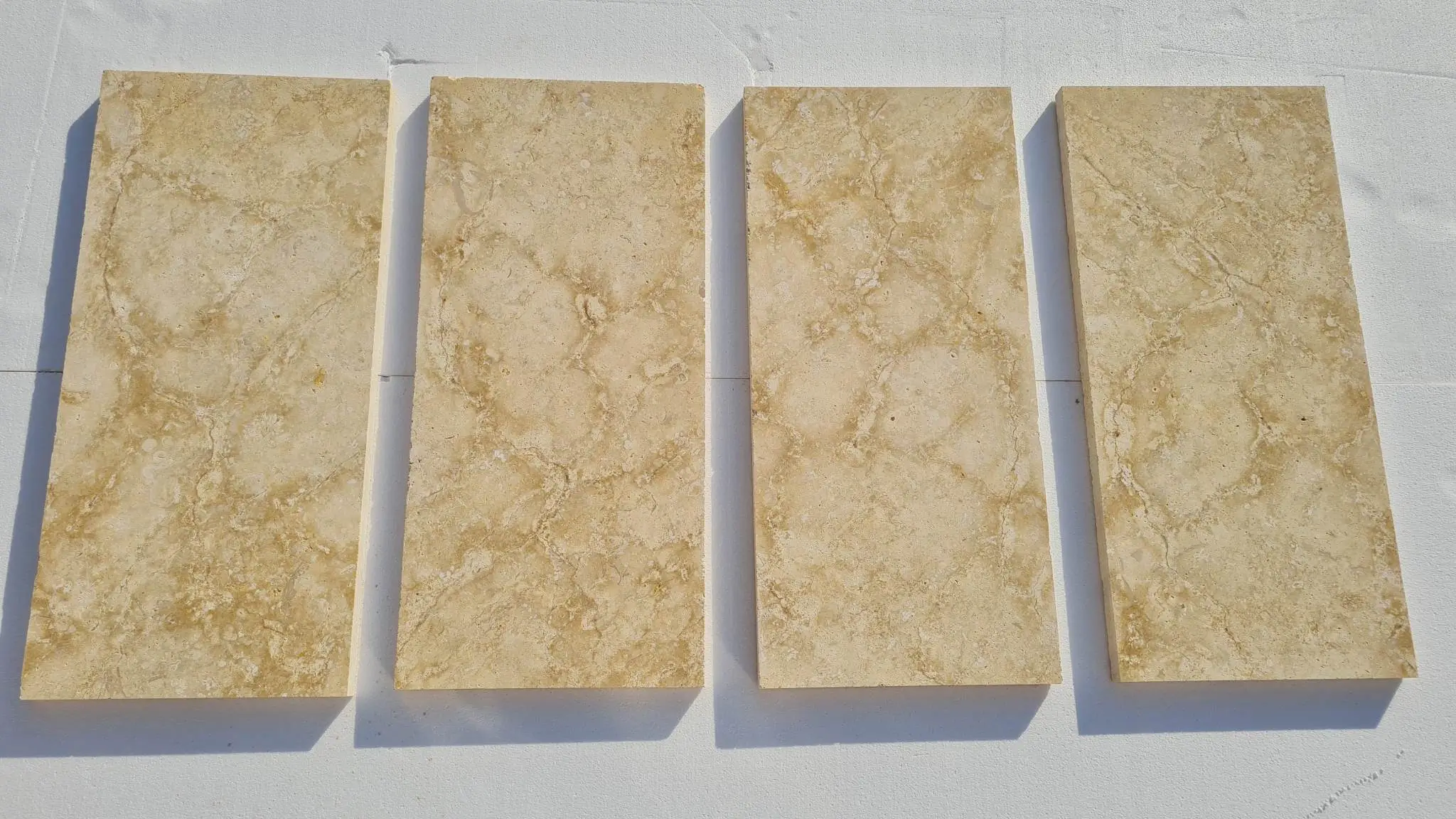
When you consider Citadel Stone’s custom natural stone supplier in Arizona options for your wildlife-conscious projects, you’re evaluating premium flagstone materials that can support both hardscape function and ecological goals. At Citadel Stone, we maintain inventory of natural stone products suitable for habitat-integrated designs across Arizona’s diverse climate zones. This section provides hypothetical guidance on how you would approach wildlife-friendly specifications for six representative cities using materials typically available through our supply network.
Your specification approach varies significantly across Arizona’s elevation and climate gradients. You need to account for temperature extremes, precipitation patterns, and regional wildlife communities when you select materials and detail installations for ecological performance.
Phoenix Urban Integration
In Phoenix’s urban heat island conditions, you would prioritize light-colored flagstone with high solar reflectance to maintain surface temperatures that allow wildlife movement during extended activity seasons. Your specifications should address thermal mass characteristics that moderate extreme temperature swings while creating the microclimates that support diverse species. You would detail irregular joint patterns with decomposed granite fill to support native plant colonization and ground-dwelling invertebrates. Installation guidelines would emphasize permeable base layers that maintain hydrological connectivity with surrounding landscape areas despite intense development pressure.
Tucson Habitat Corridors
Tucson projects occur within landscapes that maintain stronger connections to surrounding Sonoran Desert habitats. You would specify materials and details that facilitate wildlife movement between residential areas and adjacent natural lands. Your design approach should incorporate varied stone sizes, deliberate gaps in coverage, and flush transitions that allow safe passage for reptiles and small mammals. Joint specifications would prioritize materials that support native vegetation establishment while maintaining structural performance. You would coordinate hardscape layouts with natural wash corridors and existing wildlife travel routes to preserve rather than disrupt ecological connectivity.
Scottsdale Premium Ecology
When you specify landscaping stone suppliers in Arizona ecosystem projects in Scottsdale’s luxury residential market, you would balance aesthetic expectations with habitat function. Your material selections should demonstrate how wildlife-friendly design enhances rather than compromises property value. You would detail boulder placements, varied stone colors, and integrated planting pockets that create visual interest while supporting ecological processes. Specifications would address water feature integration with natural stone surrounds that provide graduated access for birds and pollinators. Your installation guidelines should maintain the refined appearance that Scottsdale clients expect while incorporating the structural complexity that wildlife requires.
Flagstaff Montane Conditions
Flagstaff’s elevation and forest ecosystem context requires you to modify specifications for wildlife communities that differ significantly from lower desert zones. You would select materials with appropriate freeze-thaw durability while considering how stone installations affect forest floor connectivity and moisture dynamics. Your details should address seasonal snow accumulation, extended shade conditions, and the ground-dwelling species that characterize ponderosa pine ecosystems. Joint specifications would account for slower vegetation establishment and different soil organisms compared to desert installations. You would coordinate stone placement with existing forest structure to preserve rather than fragment habitat patches.
Sedona Aesthetic Integration
Sedona projects demand material selections that complement the region’s distinctive red rock formations while supporting riparian and upland wildlife communities. You would specify flagstone colors and textures that harmonize with natural stone outcroppings while creating functional habitat elements. Your designs should address the transition zones between riparian corridors and upland areas where wildlife diversity concentrates. Installation details would preserve existing soil structure and vegetation where possible rather than clearing for conventional base preparation. You would specify permeable systems that maintain hydrological connectivity with adjacent creek and wash systems that drive local ecology.
Mesa Retrofit Applications
Mesa’s established residential areas offer opportunities to retrofit existing hardscape with wildlife-friendly improvements. You would specify modifications that increase habitat value without complete reconstruction — adding boulder accents, creating planting pockets within existing paving, and improving edge transitions between stone and planted areas. Your approach should demonstrate cost-effective improvements that existing property owners can implement incrementally. Specifications would address joint material replacement, strategic stone removal to create vegetation islands, and water feature additions that transform conventional hardscape into functional wildlife habitat. You would prioritize improvements with the highest ecological return for modest investment.
Performance Monitoring and Adaptive Management
You can’t verify ecological success without monitoring protocols that track wildlife use and habitat function over time. Your project specifications should include guidance for observation and assessment that informs future management decisions.
Simple wildlife observation logs maintained by property owners provide valuable feedback on species use and seasonal patterns. You should provide clients with identification resources for common species and guidance on documenting wildlife activity. When you establish baseline monitoring during the first 12-24 months after installation, you’re creating the data needed to evaluate design effectiveness and identify necessary adjustments.
- You should specify annual habitat assessments that evaluate vegetation establishment in joints and planting pockets
- Your monitoring protocol must document seasonal water availability and access conditions
- You need to track structural changes like settling or erosion that affect wildlife access and microhabitat quality
- Your assessment should identify opportunities for incremental improvements as landscapes mature
Final Considerations
Wildlife-friendly landscape stone design Arizona projects require you to expand beyond conventional hardscape thinking and consider how every specification decision affects ecological processes. Your material selections, installation details, and maintenance protocols determine whether stone installations support or exclude the native species that make Arizona landscapes distinctive. When you integrate habitat considerations from initial concept through long-term management, you’re creating projects that serve human needs while preserving the ecological character that defines the desert Southwest.
Successful habitat integration doesn’t compromise aesthetic quality or functional performance — it enhances both by creating complexity, visual interest, and connection to place that generic installations cannot achieve. You should approach each project as an opportunity to demonstrate how thoughtful design supports both clients and the broader ecological community. For additional installation insights, review ADA accessibility standards for hardscape stone surface installations before you finalize your project documents. Water-wise landscapes use Citadel Stone, the most xeriscape landscape stone suppliers in Arizona materials.