
When you approach historical building stone preservation Arizona projects, you’re working with materials that carry decades or centuries of architectural heritage. Your success depends on sourcing stone that matches original quarry characteristics while meeting modern performance standards. Unlike new construction where you can specify readily available materials, restoration work requires you to understand geological formation, quarrying techniques, and historical context that influenced original material selection.
Your restoration projects face unique challenges that don’t exist in new construction. You need to match color variation, texture, weathering patterns, and dimensional tolerances that reflect historical masonry practices. The stone you source must integrate seamlessly with existing facades while withstanding Arizona’s extreme temperature swings and intense solar radiation. Professional specification requires balancing historical authenticity with long-term structural integrity.
Understanding Arizona Historical Stone Characteristics
Arizona’s historical buildings predominantly feature limestone, sandstone, and volcanic tuff that reflect regional geology and transportation constraints from the late 1800s through mid-1900s. When you evaluate preservation requirements, you should understand that original builders selected stone based on proximity to quarry sites and available rail transportation. Phoenix and Tucson structures often incorporated cream to buff-colored limestone from regional deposits, while northern Arizona buildings utilized local sandstone with distinctive red and orange hues.
You’ll encounter specific weathering patterns that distinguish Arizona historical stone from contemporary materials. Desert climate conditions create surface patinas through mineral oxidation and wind erosion that develop over 50-100 years. Your matching efforts need to account for these characteristics rather than simply selecting fresh-cut stone. Historical building stone preservation Arizona specialists recognize that surface texture changes significantly after decades of exposure to 115°F summer temperatures and dramatic nighttime cooling.
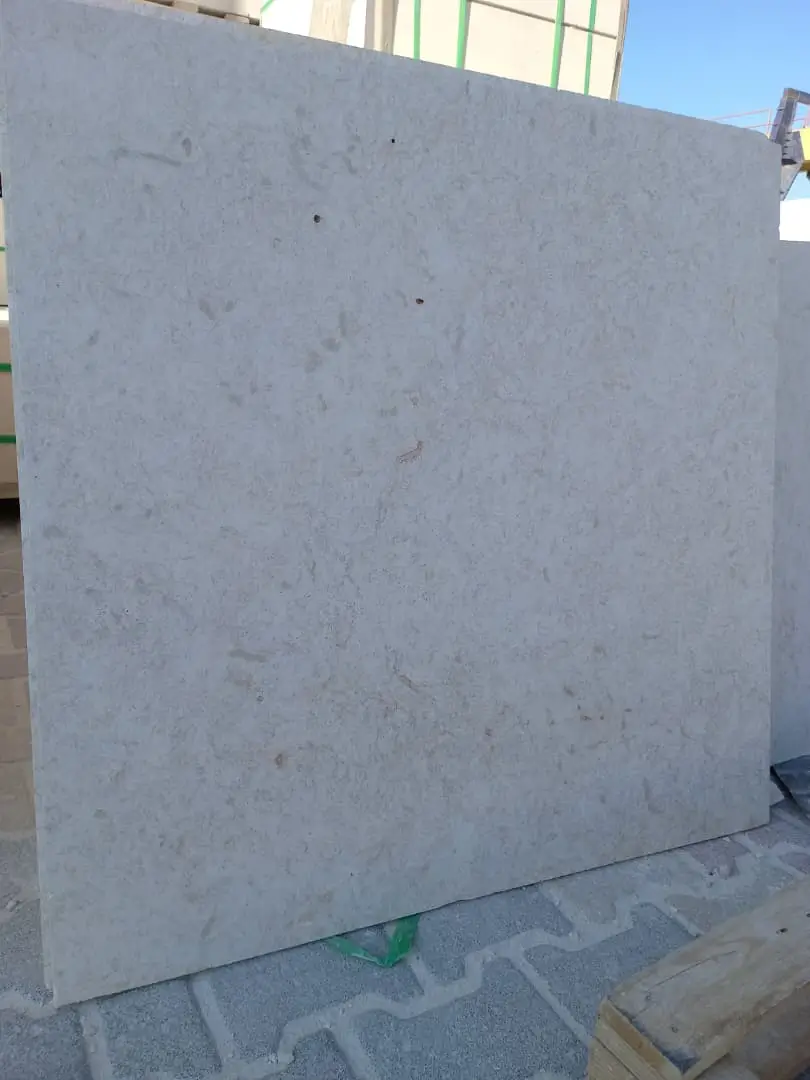
The porosity characteristics of historical stone differ substantially from modern quarried materials. Original Arizona limestone typically exhibits 12-18% porosity due to formation conditions and historical extraction methods. When you specify replacement stone, you should verify that new material matches these absorption rates to ensure compatible thermal expansion and moisture movement. Mismatched porosity creates differential weathering that becomes visually apparent within 3-5 years.
Sourcing Authentic Replacement Materials
Your first challenge involves identifying quarries that can supply stone matching historical characteristics. Many original Arizona quarry sites ceased operations decades ago, requiring you to locate comparable geological formations. Natural building stone suppliers in Arizona historic preservation work maintain relationships with active quarries capable of extracting material from similar strata. You need to request sample cores that demonstrate color consistency, grain structure, and density matching original building stone.
When you work with building stone suppliers Arizona restoration specialists, you should provide detailed documentation of existing conditions. Digital photographic analysis under various lighting conditions helps suppliers understand the color range and surface texture requirements. Your specifications must address the acceptable variation in fossil content, bedding plane orientation, and surface finish that reflects historical quarrying techniques. Modern diamond-wire cutting produces different surface characteristics than the channeling machines and hand-splitting methods used in historical quarrying.
- You need to verify geological formation matches original stone composition
- Your samples should demonstrate similar weathering characteristics under accelerated testing
- You must evaluate bedding plane orientation and structural lamination patterns
- Your specification should address acceptable color variation range within replacement stones
- You should require physical testing for compressive strength and absorption rates
Architectural stone suppliers in Arizona preservation projects often maintain warehouse inventory of historical match materials specifically for restoration work. You’ll find that lead times for custom matching can extend 8-12 weeks depending on quarry access and processing requirements. When you plan project schedules, account for the additional time required for sample approval cycles and potential test panel installations before full-scale fabrication begins.
Material Testing and Verification Protocols
Your material verification process must go beyond visual inspection to include laboratory testing that confirms compatibility with existing masonry. ASTM C568 provides standard specifications for limestone dimension stone, but you need to adapt these criteria to match historical performance rather than exceed it. When replacement stone demonstrates significantly higher compressive strength or lower absorption than original material, you risk creating stress concentrations that accelerate deterioration in adjacent historical masonry.
You should establish testing protocols that evaluate thermal expansion coefficients across the temperature range your building experiences annually. Arizona structures undergo thermal cycling from 20°F winter nights to 120°F summer surfaces, creating expansion differentials between stone units. Historical building stone preservation Arizona projects require you to match thermal behavior within 10-15% of original stone to prevent joint stress and mortar deterioration.
Petrographic analysis provides essential data about mineral composition, grain size distribution, and microstructure that affect long-term weathering. When you commission these tests, you’re identifying the specific characteristics that determine how stone responds to environmental exposure. Custom natural stone supplier in Arizona matching capabilities depend on understanding these microscopic properties, not just surface appearance. You need thin-section analysis performed by qualified geologists who can interpret formation conditions and predict weathering behavior.
Color Matching Under Arizona Conditions
Arizona’s intense solar radiation creates unique challenges for color matching that don’t exist in other climates. When you evaluate stone samples, you must view them under direct sunlight conditions rather than relying on indoor lighting. UV exposure causes certain limestone and sandstone varieties to shift color over time, with some materials lightening by 15-20% while others develop warmer tones through iron oxide oxidation.
Your color specification should address both dry and wet surface conditions, as monsoon rainfall creates temporary darkening that varies based on porosity. Historical building stone preservation Arizona work requires you to understand that original stone has developed surface patinas through decades of wetting and drying cycles combined with atmospheric dust accumulation. Fresh replacement stone won’t match immediately regardless of quarry source, requiring you to plan for aging periods or surface treatment applications.
You’ll need to create color range standards using multiple samples that represent acceptable variation. Historical buildings rarely exhibit uniform stone color due to quarry bench variations and differential weathering patterns. When you establish matching criteria, you should define acceptable limits using colorimetric measurement rather than subjective visual assessment. Spectrophotometer readings in L*a*b* color space provide objective data that helps you communicate requirements to suppliers and evaluate submitted materials.
Texture and Surface Finish Replication
Historical quarrying and finishing methods produced surface textures distinctly different from modern processing techniques. When you specify replacement stone, you need to understand that diamond gang saws create smoother surfaces with different light reflection characteristics than historical shot-channeled or hand-dressed finishes. Your specifications should describe target surface roughness using tactile comparison samples rather than generic terms like honed or textured.
Tooling marks visible on historical masonry provide important clues about original finishing methods. You’ll often find evidence of bush hammering, tooth chiseling, or hand-pitching that created specific surface patterns integral to the building’s architectural character. Natural building stone suppliers in Arizona historic projects can replicate these finishes using specialized equipment or hand tools, but you need to provide clear documentation and approved samples that define acceptable results.
- You should document existing tooling patterns through photographic close-ups and physical impressions
- Your finish specifications must address acceptable deviation from historical patterns
- You need to verify that finishing methods don’t alter stone porosity or surface hardness
- Your quality control process should include sample panel approval before full production
- You must ensure finishing techniques don’t introduce modern characteristics that appear incongruous
Surface weathering creates rounded edges and softened details on historical stone that new material lacks. When you’re replacing deteriorated elements, you face decisions about whether to replicate aged appearance or install fresh-cut stone that will weather naturally over time. For comprehensive guidance on material selection considerations, see our natural building stone resources which address specification details for various applications. Your approach should consider the building’s significance level, visibility of repairs, and owner preferences regarding historical authenticity versus long-term durability.
Dimensional Accuracy and Historical Tolerances
Historical masonry exhibits dimensional variations that reflect the limitations of early 20th-century quarrying equipment and hand-dressing techniques. When you measure existing stone units, you’ll typically find thickness variations of ±3/8 inch and length tolerances of ±1/4 inch within individual units. Modern precision cutting equipment can easily exceed this accuracy, but you need to determine whether perfect dimensional consistency creates visual discord with surrounding historical masonry.
Your specifications should address whether replacement stones should replicate historical dimensional variations or utilize modern precision. In highly visible façade locations where replacement stones integrate with existing coursing patterns, you may need to specify custom dimensioning that matches adjacent unit sizes rather than standard modular dimensions. Building stone suppliers Arizona restoration specialists can provide custom sizing, but you should expect 15-20% premium costs compared to standard dimension stone.
Joint width variations in historical masonry typically range from 3/8 inch to 5/8 inch with inconsistent spacing that reflects laying techniques of the period. When you’re replacing isolated units, you need to verify that replacement stone dimensions accommodate existing joint patterns. Your dimensional specifications must account for mortar joint width on all sides, ensuring that new units fit without requiring joint width modifications that would appear inconsistent with the historical fabric.
Structural Compatibility Requirements
When you evaluate replacement stone for historical building stone preservation Arizona applications, structural compatibility extends beyond simple compressive strength comparisons. You need to understand how original stone interacts with existing mortar, metal anchors, and adjacent building materials under load conditions and thermal stress. Introducing stone with significantly different elastic modulus can transfer stress concentrations to weaker historical elements.
Historical limestone used in Arizona buildings typically demonstrates compressive strengths between 3,500-6,500 PSI, considerably lower than modern architectural limestone specifications that often require 8,000+ PSI. Your replacement stone should match the strength characteristics of original material rather than exceed them, preventing the creation of hard spots that attract stress concentration. When replacement units are substantially stronger than surrounding historical stone, they remain intact while accelerating deterioration in adjacent weaker elements.
- You should conduct non-destructive testing on existing stone to establish baseline strength parameters
- Your specifications must address modulus of elasticity matching within acceptable ranges
- You need to evaluate how replacement stone bonds with historical lime-based mortars
- Your structural analysis should account for thermal movement differentials between materials
- You must verify that replacement stone doesn’t create moisture migration barriers
Moisture movement behavior represents a critical compatibility factor often overlooked in restoration specifications. Historical stone has established equilibrium moisture content based on decades of environmental exposure and capillary connection to building systems. When you introduce replacement stone with different porosity or pore structure, you alter moisture migration patterns that can concentrate water in vulnerable areas. Your material selection should ensure replacement stone exhibits similar absorption rates and drying characteristics to prevent moisture-related deterioration.
Mortar Selection for Stone Replacement
Your mortar specification directly impacts the long-term success of stone replacement work in historical building stone preservation Arizona projects. Historical buildings typically utilized lime-based mortars with compressive strengths between 350-900 PSI, significantly weaker than modern Portland cement mortars. This intentional weakness allowed mortar joints to function as sacrificial elements that accommodate movement and release moisture without damaging stone units.
When you specify mortar for replacement stone installation, you should match the composition and strength of original mortar rather than using contemporary standard mixes. Type N mortar represents the maximum strength appropriate for most historical masonry, with Type O or custom lime mortars required for softer historical stone. Your specifications need to address specific mix proportions, aggregate gradation, and curing requirements that replicate historical mortar characteristics.
Color matching mortar joints requires the same attention to detail as stone selection. You’ll need to analyze existing mortar composition through laboratory testing to identify aggregate sources, lime type, and pigment additions that created the original color. Natural building stone suppliers in Arizona historic restoration often maintain relationships with specialized mortar suppliers who can formulate custom mixes matching historical mortars. Your test panel installations should include mortar joint samples that demonstrate acceptable color range under both wet and dry conditions.
Installation Methodology for Historical Accuracy
Installation techniques for replacement stone must respect historical construction methods while incorporating modern understanding of best practices. When you’re replacing individual stone units in historical masonry, you need to ensure that installation methodology doesn’t introduce stresses or conditions that accelerate deterioration. Your installation specifications should address anchoring methods, bedding techniques, and joint pointing procedures that maintain structural integrity without compromising historical character.
Historical stone installation typically utilized through-wall bonding where stone units extended into backup masonry, creating structural integration. Modern replacement often involves anchoring cut stone veneers to existing walls using stainless steel anchors and flexible connection systems. You need to evaluate whether the original construction method should be replicated or whether modern anchoring provides superior long-term performance without compromising authenticity. Architectural stone suppliers in Arizona preservation work can advise on appropriate anchoring systems based on specific building conditions.
- You should document existing anchoring and bonding methods before removal of deteriorated stone
- Your anchor specifications must use corrosion-resistant materials compatible with stone and mortar chemistry
- You need to ensure anchor locations don’t create stress concentrations in replacement stone
- Your installation sequence should minimize water infiltration during partially completed work
- You must verify that temporary bracing doesn’t damage adjacent historical masonry
Common Specification Errors in Restoration Work
You’ll encounter several recurring specification mistakes that compromise historical building stone preservation Arizona projects. The most frequent error involves specifying stone that’s too dense or non-porous compared to original material, creating moisture migration problems and visual inconsistency. When replacement stone has substantially lower absorption than historical masonry, water concentrates in original stone units, accelerating freeze-thaw damage and salt crystallization deterioration.
Another common mistake involves inadequate sample review and approval processes. When you don’t establish clear procedures for evaluating stone samples under field conditions with adequate viewing distances and lighting variations, you risk approving material that appears acceptable in controlled settings but mismatches under actual installation conditions. Your quality control protocols should require full-size sample panels installed in place for minimum 30-day evaluation periods that include various weather and lighting conditions.
Over-specification of dimensional tolerances represents a subtle but significant error in restoration work. When you require modern precision tolerances tighter than historical masonry variations, you create visual discord between new and old work that draws attention to repairs rather than achieving seamless integration. Custom natural stone supplier in Arizona matching work should focus on replicating the character of historical construction rather than improving upon it with contemporary standards.
Documentation and Approval Requirements
Your project documentation needs to establish clear chains of approval for material selection and installation methodology, particularly when working on buildings listed in historic registers or subject to preservation oversight. You should prepare detailed specifications that address material characteristics, testing requirements, sample submission procedures, and quality control protocols. This documentation serves both as construction guidance and as permanent record of preservation decisions made during the project.
Photographic documentation throughout the project provides essential evidence of existing conditions and installation quality. You need to establish photo documentation standards that include overall views, detail shots showing stone characteristics, and close-ups of tooling patterns and surface finishes. Your documentation should capture conditions before removal of deteriorated stone, during installation of replacement units, and upon project completion to create comprehensive record of preservation work.
- You should create detailed measured drawings showing location of each replacement stone unit
- Your documentation must include laboratory test reports verifying material characteristics
- You need to maintain sample libraries with approved specimens of stone, mortar, and finishes
- Your records should preserve supplier information and quarry source data for future reference
- You must document any deviations from original specifications with photographic evidence and written justification
Cost Considerations and Budget Planning
Historical building stone preservation Arizona projects typically involve 40-60% higher material costs compared to standard architectural stone applications due to custom matching requirements and specialized sourcing. When you develop project budgets, you need to account for extensive sampling processes, custom quarrying or fabrication, and potential multiple submission cycles before achieving acceptable matches. Building stone suppliers Arizona restoration specialists can provide preliminary cost estimates, but you should include 15-20% contingency allowances for unforeseen matching complications.
Sample development costs alone can represent 5-8% of total stone material budget on complex matching projects. You’ll invest in multiple quarry samples, laboratory testing, and sample panel installations before committing to full production. Your budget planning should treat these preliminary costs as essential rather than optional expenses, recognizing that inadequate sampling leads to far more expensive problems during installation when mismatched material arrives at the job site.
Transportation and handling costs increase substantially when working with custom-matched historical stone. You may need material sourced from distant quarries rather than local suppliers, adding freight expenses. Specialty finishing requirements often necessitate shipment to skilled craftsmen at separate fabrication facilities. When you calculate delivered costs, factor in careful handling and protective packaging essential for preventing damage to custom-matched irreplaceable materials.
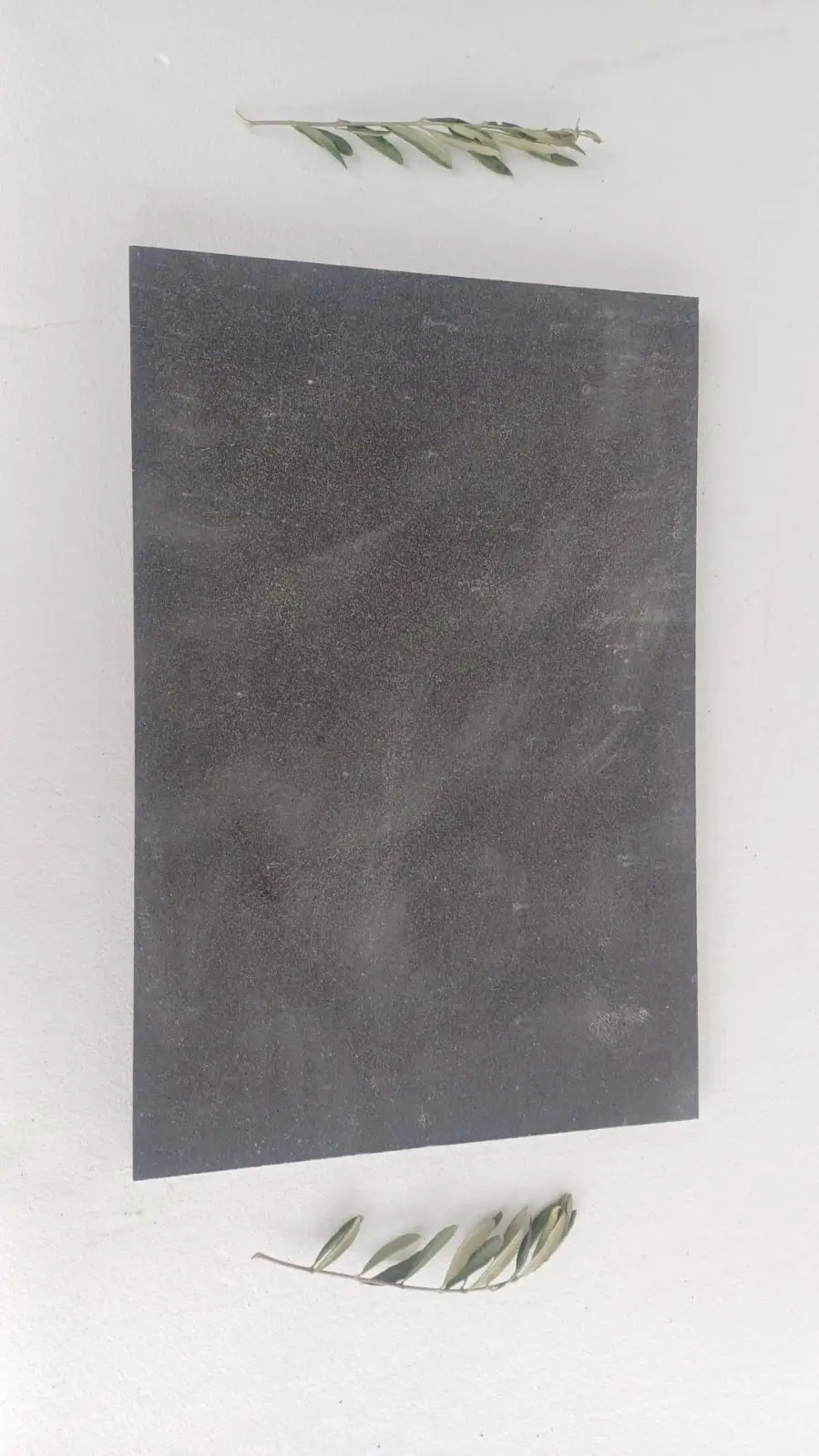
Natural Building Stone Suppliers Arizona Case Applications
When you consider Citadel Stone’s natural building stone suppliers in Arizona capabilities for your historical preservation project, you’re evaluating materials engineered to meet the demanding requirements of authentic restoration work. At Citadel Stone, we provide technical guidance for hypothetical applications across Arizona’s diverse architectural heritage sites. This section outlines how you would approach specification decisions for six representative cities where historical building stone preservation Arizona represents significant ongoing preservation activity.
Phoenix Downtown Historic District
In Phoenix, you would encounter late 19th and early 20th-century commercial buildings constructed primarily with cream to buff limestone from regional quarries. Your material matching would need to address surface weathering patterns developed through 100+ years of exposure to extreme heat and intense UV radiation. You should specify stone with 14-16% porosity matching original limestone absorption characteristics. Temperature differentials reaching 95°F between summer day and night conditions require replacement stone with thermal expansion coefficients within 8% of original material to prevent joint stress. Your installation timeline would avoid summer months when surface temperatures exceed safe handling limits for historical masonry work.
Tucson Mission Revival Architecture
Tucson’s historical adobe and stone composite structures from the Spanish colonial and territorial periods present unique preservation challenges requiring stone that complements earthen materials. You would need limestone or sandstone with warm buff to light brown coloration matching regional geology. Your specifications should address compatibility with lime-based renders and traditional earthen mortars rather than Portland cement systems. Tucson’s monsoon moisture patterns require replacement stone with absorption rates allowing proper drying between rainfall events. You would specify stone thickness matching original construction, typically 8-12 inches for structural bearing walls, with careful attention to bedding plane orientation that prevents delamination under thermal stress.
Flagstaff Railroad Era Buildings
Flagstaff’s early 20th-century railroad commercial district features distinctive red and buff sandstone from nearby quarries that supplied regional construction. You would focus on matching the coarse grain texture and iron oxide coloration characteristic of Coconino sandstone formations. Your material specifications would need to address freeze-thaw durability essential for Flagstaff’s 7,000-foot elevation and winter conditions. Replacement stone should demonstrate absorption below 6% with proven performance through 50+ freeze-thaw cycles without deterioration. You would coordinate with architectural stone suppliers in Arizona preservation networks to source material from active quarries accessing similar geological formations, potentially requiring custom extraction from specific strata matching original stone characteristics.
Prescott Courthouse Plaza
Prescott’s Yavapai County Courthouse and surrounding historic structures utilize local granite and limestone reflecting the area’s diverse geology. When you would specify replacement stone for these buildings, you’d need to match both igneous and sedimentary materials depending on specific structure requirements. The granite elements require attention to mineral composition, grain size, and color variations between pink, gray, and buff tones. Your limestone matching would address the distinctive fossil content present in some historical units. Prescott’s moderate climate with winter freezing requires replacement stone meeting durability standards for moisture cycling and thermal stress. You should verify warehouse availability or confirm lead times from appropriate quarry sources before establishing project schedules.
Bisbee Mining District Heritage
Bisbee’s steep hillside construction and mining-era architecture feature stone masonry adapted to challenging topography and available local materials. You would encounter limestone and volcanic stone in historical foundations and retaining walls requiring careful structural assessment during restoration planning. Your replacement stone specifications should address not only aesthetic matching but also structural capacity for bearing walls and slope stabilization applications. The town’s elevation and exposure create weathering patterns distinct from desert lowland buildings. You would specify stone with compressive strength matching original material, typically 4,500-6,500 PSI for limestone elements, with particular attention to bedding plane orientation in structural applications. Custom natural stone supplier in Arizona matching services would be essential for replicating the distinctive character of Bisbee’s historical stonework.
Jerome Hillside Structures
Jerome’s dramatic hillside setting and mining heritage created unique stone masonry applications where buildings cling to steep slopes using substantial stone foundations and retaining walls. When you would approach restoration specifications for Jerome structures, you’d need stone that matches both aesthetic and structural requirements of gravity retaining systems. The volcanic and sedimentary stones used historically reflect immediate local geology, requiring careful geological assessment to identify compatible replacement sources. Your specifications would emphasize structural capacity and weather resistance for exposed hillside conditions with dramatic temperature variations. You should address mortar compatibility with existing lime-based systems while ensuring adequate strength for structural applications. Jerome’s status as National Historic Landmark District would require your specifications to meet rigorous preservation standards with extensive documentation and approval processes before material procurement begins.
Preservation Planning Essentials
Your long-term preservation strategy should extend beyond immediate stone replacement needs to address ongoing maintenance and monitoring that prevents future deterioration. When you develop preservation plans, you’re establishing protocols for regular inspection, cleaning, repointing, and protective treatments that extend the service life of both historical and replacement stone. Professional preservation planning recognizes that historical building stone preservation Arizona projects represent ongoing stewardship rather than one-time interventions.
Maintenance specifications need to address appropriate cleaning methods that remove harmful accumulations without damaging stone surfaces. You should establish inspection schedules that identify deterioration in early stages when intervention remains straightforward and cost-effective. Your maintenance protocols must avoid harsh chemical cleaners or high-pressure washing that accelerates stone weathering. Natural building stone suppliers in Arizona historic preservation work can recommend maintenance products and procedures compatible with specific stone types and historical masonry systems.
Documentation systems you establish during restoration work become valuable resources for future preservation activities. When you create comprehensive records of stone sources, material characteristics, and installation details, you provide essential guidance for subsequent interventions. Your documentation should be archived in formats ensuring long-term accessibility, including both digital records and physical sample libraries. For insights on advanced project documentation approaches, review ERP systems streamlining stone manufacturing operations in Arizona before finalizing your preservation planning protocols. Trade discount programs position Citadel Stone as preferred natural stone wholesale suppliers in Arizona.