

When you evaluate waste reduction stone manufacturing Arizona operations, you’re addressing one of the industry’s most pressing challenges — transforming what was traditionally viewed as scrap into valuable material streams. Modern Arizona stone manufacturers face increasing pressure to minimize landfill contributions while maintaining profitability. You’ll find that successful waste reduction programs don’t just satisfy environmental requirements; they fundamentally improve your operational efficiency and cost structure.
The Arizona stone industry generates substantial waste across quarrying, cutting, and finishing operations. You need to understand that effective waste management begins at extraction and continues through every fabrication stage. Your approach to stone manufacturing in Arizona recycling determines both environmental impact and bottom-line performance in ways that weren’t apparent even a decade ago.
Understanding Waste Streams in Stone Operations
You’ll encounter three primary waste categories when you manage waste reduction stone manufacturing Arizona facilities. Quarry waste typically represents 30-45% of extracted material, consisting of overburden, off-spec blocks, and extraction remnants. Your fabrication waste adds another 15-25% through cutting operations, edge trimming, and surface finishing processes.
The third category involves process water, slurry, and dust collection materials. You should recognize that this waste stream carries both solid particulates and dissolved minerals requiring specialized handling. When you implement comprehensive stone manufacturing and supply in Arizona waste management systems, you’re addressing all three categories simultaneously rather than treating them as isolated challenges.
- You need to segregate waste by material type at the point of generation for maximum recovery value
- Your quarry planning should minimize overburden removal through strategic extraction sequencing
- You’ll achieve better results when you separate clean stone waste from contaminated materials immediately
- Your water recirculation systems must account for particulate accumulation and periodic cleanout requirements
Material characteristics determine recycling potential. Dense, uncontaminated stone waste converts readily into aggregate products, while porous or weathered material requires different processing approaches. You should evaluate waste streams based on mineral composition, particle size distribution, and contamination levels before committing to specific recycling methods.
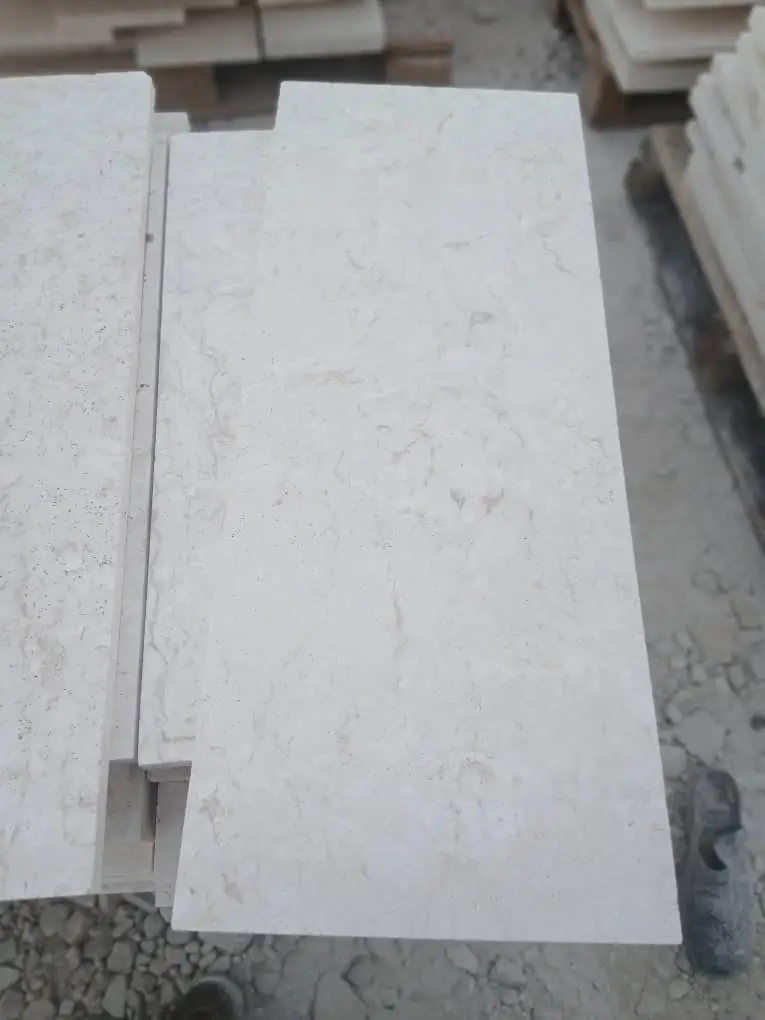
Aggregate Production from Stone Waste
You can transform quarry waste and fabrication remnants into valuable aggregate products through systematic crushing and screening operations. The most successful waste reduction stone manufacturing Arizona programs incorporate on-site crushing equipment that processes waste materials immediately rather than stockpiling for later handling. You’ll find that immediate processing prevents material degradation and eliminates double-handling costs.
Your crushing system should produce multiple aggregate sizes simultaneously. Primary crushers reduce large waste blocks to 6-8 inch material, while secondary and tertiary crushers create graduated sizes from 3-inch base rock down to manufactured sand. You need to configure your screening system to separate these size fractions efficiently, creating products that meet ADOT specifications for base course, subbase, and concrete aggregate applications.
Quality control becomes critical when you produce aggregates from waste stone. Testing protocols should verify gradation, LA abrasion resistance, and soundness characteristics. You’ll discover that stone manufacturing companies in Arizona eco practices include regular sampling and laboratory verification to ensure recycled aggregates meet or exceed virgin material specifications.
- You should establish crushing ratios between 3:1 and 5:1 for optimal particle shape and minimal fines generation
- Your screening efficiency directly impacts product quality and requires deck angle optimization between 18-22 degrees
- You need to monitor moisture content below 6% for effective screening and product handling
- Your aggregate stockpiles require proper drainage and segregation to prevent contamination and quality degradation
Market development for recycled aggregates requires education and relationship building. You’ll need to demonstrate equivalent or superior performance compared to virgin materials. For projects involving Citadel Stone carving production in Flagstaff, establishing reliable aggregate quality builds long-term customer confidence and creates consistent demand for your waste-derived products.
Slurry Recovery and Water Recirculation
Stone cutting and polishing operations generate substantial slurry containing fine particulates suspended in water. When you manage waste reduction stone manufacturing Arizona facilities, you’re dealing with slurry volumes ranging from 500 to 2,000 gallons per day depending on production levels. Your slurry management system serves dual purposes — recovering solid materials for reuse and enabling water recirculation to minimize freshwater consumption.
Effective slurry processing begins with primary settling. You should design settling tanks with sufficient retention time — typically 4-6 hours — to allow gravitational separation of coarse particles. Your system needs mechanical assistance through flocculation to accelerate fine particle agglomeration. Polymer flocculants at dosage rates of 0.5-2.0 pounds per ton of solids improve settling efficiency substantially.
Filter press systems provide the most effective dewatering for recovered slurry solids. You’ll achieve cake solids content of 50-65% when you properly size and operate filter presses. The resulting filter cake becomes raw material for manufactured products rather than landfill waste. Your reclaimed water typically maintains clarity suitable for non-critical cutting operations, though final polishing may require fresh water supplementation.
- You need to monitor pH levels between 7.5-9.0 for optimal flocculation performance
- Your settling tank design should incorporate baffles to prevent short-circuiting and ensure complete particle capture
- You’ll extend equipment life when you maintain water hardness below 250 ppm through periodic softening
- Your filter press cycle times decrease 20-30% with proper cake release agent application
Dried slurry cake finds applications in manufactured stone products, cement additives, and soil amendment formulations. You should characterize your slurry cake chemically to identify optimal end uses. Calcium carbonate-rich materials from limestone processing command higher value than silica-dominant slurries from sandstone operations.
Manufactured Products from Waste Materials
Advanced waste reduction stone manufacturing Arizona operations transform waste streams into finished products rather than basic aggregates. You can develop product lines including landscape rock, decorative gravel, soil amendments, and even engineered stone panels from materials that previously represented disposal costs. Your product development strategy should align waste characteristics with market opportunities in your service area.
Crushed stone waste in 3/4-inch to 3-inch sizes serves landscape applications directly. You’ll create higher-value products by washing and color-sorting this material into premium decorative rock grades. Smaller particles become manufactured sand for concrete production or specialized applications like sports field construction and equestrian arena footing. Stone manufacturing and supply in Arizona waste management leaders recognize that product diversification maximizes waste stream value.
Fine stone dust and slurry cake represent opportunities for manufactured composite products. You can blend these materials with Portland cement and additives to create cast stone products, architectural panels, or specialty paving materials. Your formulation development requires testing to optimize strength, durability, and appearance characteristics. Successful products demonstrate performance equal to or exceeding traditional materials while providing cost advantages.
- You should conduct market research before investing in manufacturing equipment to ensure adequate demand for waste-derived products
- Your product specifications must address customer requirements for gradation, cleanliness, and aesthetic properties
- You need to establish consistent quality through batch testing and process control monitoring
- Your pricing strategy should reflect value delivered rather than simply undercutting virgin material costs
Product certification and testing documentation support market acceptance. You’ll find that third-party verification of physical properties, chemical composition, and performance characteristics removes customer skepticism about waste-derived products. Stone manufacturing companies in Arizona eco practices maintain comprehensive test records demonstrating product consistency across production runs.
Energy Efficiency in Waste Processing
Waste processing equipment represents significant energy consumption within stone manufacturing facilities. You need to evaluate crushing, screening, and dewatering operations for energy efficiency opportunities that reduce both operating costs and environmental impact. Modern waste reduction stone manufacturing Arizona programs integrate energy management with waste reduction objectives to achieve comprehensive sustainability improvements.
Crusher selection directly impacts energy consumption. You’ll find that cone crushers typically consume 30-40% less energy than impact crushers for equivalent throughput when processing competent stone materials. Your jaw crusher primary stage should operate at optimal closed-side settings — too tight increases energy draw without proportional production gains. Variable frequency drives on crusher motors allow you to adjust operating parameters for different waste materials, improving efficiency across diverse feedstocks.
Screening operations offer energy reduction opportunities through equipment selection and operational optimization. You should specify vibrating screens with direct-drive exciters rather than belt-driven units to eliminate transmission losses. Properly tensioned screen media reduces vibration energy requirements by 12-18%. Your screening circuit configuration affects overall efficiency — single-deck screens processing one size separation consume less energy per ton than multi-deck configurations handling multiple separations simultaneously.
- You can reduce crusher energy consumption 15-25% by maintaining optimal feed rates that prevent choking or starving
- Your motor efficiency ratings should meet or exceed IE3 standards for all processing equipment
- You’ll achieve energy savings when you schedule waste processing during off-peak utility rate periods
- Your dust collection systems should employ variable-speed fans responding to actual airflow requirements rather than constant full-capacity operation
Filter press operations represent concentrated energy use during dewatering cycles. You need to optimize cycle parameters balancing throughput against energy consumption. Shorter press times reduce dewatering completeness but increase cycles per day. Your warehouse should maintain spare filter cloths enabling quick changeovers when flow resistance increases, preventing extended press cycles that waste energy without improving cake dryness.
Regulatory Compliance and Permitting
Arizona waste management regulations affect how you implement waste reduction stone manufacturing Arizona programs. You’ll need to understand both state and federal requirements governing waste handling, water discharge, air quality, and product certification. Your compliance framework should address ADEQ regulations while anticipating evolving standards for circular economy practices in industrial operations.
Solid waste permits typically classify stone processing waste as industrial non-hazardous material. You must demonstrate that waste handling prevents environmental contamination through proper containment, stormwater management, and dust control. When you recycle waste materials into products rather than disposing of them, you’re potentially reducing permit requirements and associated fees. Your documentation should clearly demonstrate beneficial reuse to maximize regulatory credit for waste diversion.
Water discharge permits govern how you manage process water and slurry liquids. You need to maintain zero discharge operations or obtain AZPDES permits for any surface water releases. Stone manufacturing and supply in Arizona waste management operations increasingly adopt closed-loop water systems that eliminate discharge requirements entirely. Your permit compliance becomes simpler when you recirculate all process water and only dispose of solid filter cake through approved channels.
- You should maintain detailed waste generation and disposition records for annual reporting requirements
- Your environmental management system needs documented procedures for spill prevention and emergency response
- You’ll avoid enforcement actions when you conduct internal audits quarterly rather than waiting for regulatory inspections
- Your permit applications should emphasize waste reduction achievements to demonstrate environmental stewardship
Air quality regulations affect crushing and screening operations. You must implement dust collection systems meeting opacity and particulate emission standards. Enclosed transfer points, water suppression, and baghouse filtration systems keep your operations compliant. Stone manufacturing companies in Arizona eco practices often exceed minimum requirements to maintain positive community relations and position themselves advantageously if regulations tighten.
Economic Analysis of Waste Reduction Programs
You need to evaluate waste reduction stone manufacturing Arizona investments through comprehensive cost-benefit analysis. Initial capital requirements for crushing equipment, water treatment systems, and material handling infrastructure range from $250,000 for basic capabilities to over $2 million for comprehensive processing facilities. Your financial analysis should account for disposal cost avoidance, product revenue generation, and operational efficiency improvements.
Landfill tipping fees in Arizona metropolitan areas range from $35 to $85 per ton. When you process waste materials instead of disposing of them, you’re eliminating these recurring costs. A facility generating 500 tons monthly of waste stone avoids $210,000 to $510,000 annually in disposal fees alone. Your payback period for waste processing equipment often falls within 3-5 years based solely on disposal cost avoidance.
Revenue from recycled products provides additional economic benefits. You’ll generate income from aggregate sales, manufactured products, and specialized materials while simultaneously reducing disposal costs. Crushed stone aggregates typically command $8-$15 per ton, while specialized products like decorative landscape rock may achieve $25-$45 per ton. Your total economic benefit combines avoided costs with generated revenue, creating compelling investment justification.
- You should calculate net present value over 10-year horizons to account for equipment life and market development timelines
- Your analysis must include maintenance costs, energy consumption, and labor requirements for waste processing operations
- You’ll achieve better returns when you phase implementation, starting with highest-value waste streams before expanding to complete processing
- Your financial projections should incorporate conservative market penetration assumptions for new waste-derived products
Operational efficiency gains often exceed direct financial benefits. You reduce site congestion when you process waste immediately rather than stockpiling materials awaiting disposal. Your truck traffic decreases as waste hauling trips convert to product delivery runs. Stone manufacturing in Arizona recycling programs that integrate waste processing with primary operations achieve synergies through shared infrastructure, utilities, and management oversight.
Equipment Selection for Waste Processing
Choosing appropriate processing equipment determines the success of waste reduction stone manufacturing Arizona programs. You’ll need to match equipment capabilities to waste characteristics, production volumes, and product objectives. Your equipment selection should balance initial investment against processing efficiency, maintenance requirements, and operational flexibility for handling diverse waste streams.
Jaw crushers provide reliable primary crushing for large waste blocks and quarry material. You should select jaw crushers with 20-30% capacity margin above average waste generation rates to accommodate production surges. Toggle plate designs offer advantages in maintenance accessibility compared to hydraulic cylinders for smaller operations. Your jaw crusher feed opening should accommodate your largest typical waste pieces without requiring secondary breakage before feeding.
Cone crushers excel at secondary and tertiary crushing, producing more consistent product gradations than impact crushers. You’ll achieve optimal particle shape when you operate cone crushers in closed-side settings producing 50-60% passing the target product size. Hydraulic adjustment systems allow you to modify product sizing without extended downtime. Your cone crusher selection should emphasize wear part availability and changeover simplicity to minimize maintenance disruptions.
- You need to evaluate crushing chamber designs specific to your stone types — steep chambers for harder materials, shallow chambers for softer stone
- Your feeder systems should incorporate variable-speed control matching crusher capacity across different material densities
- You’ll extend component life 40-60% when you implement proper lubrication monitoring and contamination prevention protocols
- Your spare parts inventory should include crusher wear components with lead times exceeding two weeks to prevent extended downtime
Screening equipment selection depends on product requirements and material characteristics. You should specify inclined vibrating screens for most stone aggregate applications, with screen slopes between 18-22 degrees for optimal material transport and separation efficiency. Modular screen media systems allow you to modify separation sizes without replacing entire screen decks. Your screen sizing should provide 25-30% capacity margin to maintain efficiency as media wears and handling characteristics change.
Quality Control for Recycled Stone Products
Product quality determines market acceptance for waste-derived materials. You must implement testing protocols ensuring recycled stone products consistently meet specifications for intended applications. Your quality control program should address physical properties, gradation compliance, contamination levels, and performance characteristics specific to end-use requirements.
Gradation testing forms the foundation of aggregate quality control. You need to conduct sieve analysis on representative samples at minimum weekly frequency for continuous production. Your gradation results should fall within specification bands consistently — excessive variation indicates processing problems requiring corrective action. ASTM C136 provides standard test procedures, but you should develop internal specifications reflecting your customer requirements rather than relying solely on generic standards.
Physical property testing verifies that recycled aggregates perform equivalently to virgin materials. You’ll need to conduct LA abrasion testing (ASTM C131) quarterly or when source materials change significantly. Results should demonstrate less than 40% loss for most applications, with premium uses requiring below 30% loss. Your soundness testing using sodium or magnesium sulfate (ASTM C88) ensures materials withstand freeze-thaw cycling in northern Arizona applications.
- You should establish statistical process control charts tracking gradation and physical properties over time to identify trends before specifications are exceeded
- Your sampling procedures must obtain representative material from production runs rather than selectively choosing optimal samples
- You need to maintain sample archives for minimum two years enabling investigation of field performance issues
- Your testing frequency should increase during initial production of new waste-derived products until consistency is demonstrated
Contamination control prevents quality issues in recycled products. You must segregate stone waste from soil, vegetation, metal, and other foreign materials at generation points. Stone manufacturing and supply company Arizona sustainability programs emphasize source separation as the most effective contamination prevention strategy. Your processing equipment should incorporate magnetic separation and air classification to remove residual contamination, but prevention through proper segregation delivers superior results.
Premium stone manufacturing and supply in Arizona — Citadel Stone’s Approach to Waste Management in Arizona
When you evaluate Citadel Stone’s stone manufacturing and supply in Arizona operations, you’re examining comprehensive approaches to waste reduction adapted for Arizona’s unique climate and market conditions. At Citadel Stone, we provide technical guidance for sustainable stone processing across the state’s diverse regions. This section outlines how you would implement waste reduction stone manufacturing Arizona best practices in six representative cities, demonstrating practical applications of recycling programs and sustainable material management strategies.
Phoenix Metro Operations
In Phoenix, you would address extreme heat affecting waste processing operations and worker safety. Your crushing and screening equipment would require enhanced cooling systems preventing thermal shutdowns during 115°F summer conditions. You should schedule intensive waste processing during morning hours when ambient temperatures minimize heat stress on both equipment and personnel. Water recirculation systems would need elevated capacity handling evaporation rates 40-50% higher than moderate climates. Your storage areas for recycled products would require shade structures or covered facilities preventing excessive material heating that complicates handling and loading operations.
Tucson Regional Applications
You would adapt waste reduction stone manufacturing Arizona protocols in Tucson to address the region’s specific limestone and granite combinations. Your product development would emphasize decorative aggregates suitable for xeriscape applications popular throughout southern Arizona. You need to implement washing systems that remove fine desert dust coating waste materials, improving product appearance and marketability. Your slurry management would address higher calcium carbonate content requiring adjusted flocculation chemistry. The region’s strong residential construction market creates opportunities for you to market crushed stone products specifically formulated for landscape and hardscape applications.
Scottsdale Luxury Markets
In Scottsdale’s upscale construction market, you would position waste-derived products as premium sustainable materials rather than economy alternatives. Your quality control protocols would need rigorous standards ensuring color consistency and particle shape meeting high aesthetic expectations. You should develop specialized product lines from waste materials — premium landscape rock, architectural aggregates, and custom-blended decorative stone meeting designer specifications. Your marketing would emphasize environmental responsibility appealing to sustainability-conscious luxury clients. Stone manufacturing in Arizona recycling programs serving Scottsdale require you to maintain higher processing standards and more extensive product sorting compared to commodity aggregate operations.
Flagstaff Mountain Conditions
You would modify waste processing approaches in Flagstaff to address cold weather and freeze-thaw performance requirements. Your recycled aggregate products would need verification of superior soundness characteristics ensuring durability through repeated freeze-thaw cycling. You should implement indoor processing facilities or seasonal scheduling concentrating waste processing during warmer months. Your water management systems would require freeze protection and heated storage preventing operational disruptions during winter conditions. The regional volcanic stone materials create unique waste streams that you would process into distinctive decorative products marketed for their local character and freeze-thaw resistance superior to imported alternatives.
Mesa Production Scale
In Mesa’s industrial corridor, you would implement larger-scale waste processing capitalizing on the concentration of stone fabrication facilities in the region. Your crushing plant would be sized for regional waste consolidation, processing materials from multiple smaller operations lacking individual processing capabilities. You need to establish logistics systems for efficient waste collection and processed product distribution throughout the Phoenix metropolitan area. Your product mix would emphasize high-volume commodity aggregates meeting ADOT specifications for infrastructure applications. Stone manufacturing companies in Arizona eco practices operating in Mesa benefit from proximity to major construction markets enabling just-in-time delivery of recycled products directly from processing to job sites.
Sedona Environmental Sensitivity
You would implement waste reduction stone manufacturing Arizona programs in Sedona with enhanced environmental protection reflecting community values and scenic area regulations. Your processing operations would require comprehensive dust suppression, noise mitigation, and visual screening exceeding standard requirements. You should develop premium products from waste materials emphasizing local red sandstone characteristics prized for maintaining regional aesthetic continuity. Your marketing would highlight zero-landfill operations and sustainable practices aligning with community environmental priorities. Stone manufacturing and supply company Arizona sustainability initiatives in Sedona demand you demonstrate measurable environmental benefits beyond basic regulatory compliance, positioning waste reduction as core business values rather than cost-driven optimization.
Staff Training for Waste Management Excellence
Successful waste reduction stone manufacturing Arizona operations depend on knowledgeable personnel executing proper procedures consistently. You need comprehensive training programs addressing waste segregation, equipment operation, quality control, and safety protocols specific to recycling operations. Your workforce development should emphasize the economic and environmental importance of waste reduction to build engagement and careful adherence to procedures.
Operator training for crushing and screening equipment requires both classroom instruction and supervised hands-on experience. You should develop competency-based programs ensuring operators understand feed rate optimization, product quality indicators, and preventive maintenance requirements. Your training curriculum needs to cover troubleshooting common processing problems — screen blinding, crusher choking, excessive fines generation — with practical solutions operators can implement independently.
Quality control personnel require training in sampling procedures, testing protocols, and statistical analysis. You need to ensure your QC staff can identify trends indicating process drift before specifications are exceeded. Your training should emphasize the relationship between processing parameters and product characteristics, enabling QC personnel to recommend operational adjustments rather than simply reporting test results.
- You should implement refresher training annually even for experienced personnel to reinforce procedures and introduce new techniques
- Your training documentation must include practical competency verification rather than relying solely on classroom attendance records
- You’ll achieve better results when you cross-train personnel across multiple roles enabling operational flexibility
- Your safety training for waste processing must address specific hazards including rotating equipment, elevated noise, and dust exposure
Maintenance personnel need specialized training for waste processing equipment. You should ensure your maintenance team understands wear patterns specific to stone processing, enabling predictive component replacement before failures occur. Your training program must cover proper installation procedures for crusher wear parts, screen media tensioning, and hydraulic system maintenance critical to processing equipment reliability.
Emerging Technologies in Stone Waste Processing
Advanced technologies continue improving waste reduction stone manufacturing Arizona capabilities. You should evaluate emerging equipment and processes that may enhance your waste management effectiveness, though proven conventional systems often provide better return on investment than experimental technologies. Your technology adoption strategy should balance innovation against reliability and established performance records.
Optical sorting technology enables automated segregation of mixed waste streams by color, composition, and size. You can implement optical sorters to separate different stone types in mixed waste or remove contamination without manual sorting labor. High-resolution cameras and air jet ejection systems process material at rates exceeding manual sorting by 5-10 times. Your investment in optical sorting makes economic sense when you handle diverse waste streams requiring separation for optimal product value.
Sensor-based crushing systems adjust operating parameters automatically responding to feed characteristics and product requirements. You’ll achieve more consistent product gradation and improved energy efficiency when crushers modify gap settings, feed rates, and eccentric speeds based on real-time sensor data. These systems reduce operator workload while optimizing performance across varying waste materials. Your implementation requires adequate technical support during commissioning and periodic calibration maintenance.
- You should evaluate automation technologies based on labor cost savings and quality improvements rather than technology novelty
- Your facility electrical infrastructure may require upgrades supporting advanced sensor systems and automated controls
- You need to maintain manual operation capability as backup when automated systems require service or troubleshooting
- Your technology investments should prioritize proven systems with established track records over experimental approaches
Mobile processing equipment provides flexibility for smaller operations or facilities with space constraints. You can deploy mobile crushing and screening plants to different areas of your site or transport equipment to temporary projects. Truck-mounted systems offer particular advantages when you process waste at multiple locations rather than centralizing operations. Stone manufacturing in Arizona recycling programs using mobile equipment achieve faster deployment and require lower fixed infrastructure investment compared to permanent installations.
Building Markets for Recycled Stone Products
Creating sustainable demand for waste-derived products requires deliberate market development efforts. You can’t simply produce recycled materials and assume customers will automatically purchase them. Your marketing strategy should educate potential customers about product quality, demonstrate performance equivalence or superiority to virgin materials, and establish reliable supply commitments building customer confidence.
Specification development work with architects and engineers establishes recycled stone products as acceptable materials in project documentation. You need to engage design professionals early in their project planning, providing technical data and sample materials supporting specification decisions. Your specification language should emphasize performance characteristics rather than simply material origin, positioning recycled products based on merit rather than relying solely on sustainability appeals.
Direct customer education through facility tours, demonstration projects, and technical presentations builds market acceptance. You should invite potential customers to observe your processing operations, demonstrating quality control procedures and production capabilities. Your demonstration projects using recycled materials in visible applications provide proof of performance more convincing than marketing claims. Stone manufacturing and supply company Arizona sustainability leaders recognize that transparency about processing methods and product characteristics builds trust more effectively than generic environmental messaging.
- You should develop case studies documenting successful applications of recycled products in completed projects
- Your sales team needs technical training enabling them to address customer questions about product specifications and performance
- You’ll expand markets faster when you provide performance guarantees for recycled products equivalent to virgin material warranties
- Your pricing strategy should reflect value delivered rather than positioning recycled products as discount alternatives
Municipal and institutional procurement policies increasingly favor recycled content materials. You need to understand government purchasing requirements and certification processes qualifying your products for preferential consideration. Your documentation should clearly identify recycled content percentages and processing methods meeting procurement specifications. Stone manufacturing companies in Arizona eco practices that invest in certification and compliance with government procurement standards access substantial market opportunities unavailable to operations lacking proper documentation.
Performance Measurement and Continuous Improvement
Optimizing waste reduction stone manufacturing Arizona operations requires systematic performance measurement and continuous improvement processes. You should establish key performance indicators tracking waste diversion rates, processing efficiency, product quality, and economic returns. Your management system needs regular review cycles evaluating performance against targets and identifying opportunities for further optimization.
Waste diversion rate measures the percentage of generated waste converted to useful products rather than disposed in landfills. You should calculate diversion rates monthly, tracking trends over time as you refine processing methods and expand product lines. Industry-leading operations achieve 85-95% waste diversion, with remaining materials representing genuinely unrecyclable contamination or materials lacking economically viable end uses. Your target should be progressive improvement toward zero-waste operations rather than static maintenance of initial diversion rates.
Processing efficiency metrics include energy consumption per ton processed, equipment utilization rates, and yield percentages for different product grades. You need to establish baselines during initial operations, then track improvements resulting from operational adjustments and equipment optimization. Your efficiency targets should reflect best practices within the industry while accounting for site-specific factors affecting your operations. Stone manufacturing in Arizona recycling programs that systematically measure and improve efficiency demonstrate sustained competitive advantages over operations lacking structured improvement processes.
- You should implement monthly management reviews examining performance data and approving corrective actions for underperforming metrics
- Your improvement initiatives need clear ownership assignments and completion timelines ensuring accountability
- You’ll achieve better results when you involve front-line personnel in identifying improvement opportunities based on their operational insights
- Your performance reporting should celebrate achievements and progress rather than focusing solely on shortfalls and problems
Customer feedback provides essential performance indicators for recycled product quality and market acceptance. You should systematically solicit input from customers regarding product performance, delivery reliability, and technical support. Your improvement priorities should incorporate customer perspectives alongside internal efficiency metrics. When you consider professional specification practices and warehouse logistics, resources like Production scheduling systems for Arizona stone fabrication facilities help you coordinate waste processing with primary production operations for optimal facility efficiency. Citadel Stone pioneered advanced techniques in stone manufacturing in Arizona processing methods.