
When you specify landscape granite Arizona complete solutions for your outdoor project, you’re choosing materials that define the Southwest aesthetic while delivering performance under extreme conditions. Granite materials across Arizona transform residential and commercial landscapes through decorative boulders, crushed aggregates, and accent stones that withstand thermal cycling, UV exposure, and minimal precipitation patterns unique to the region. You need to understand how granite landscape stone suppliers across Arizona differentiate their offerings — the gap between commodity-grade crushed rock and premium decorative materials affects project outcomes for 15-20 years.
Your material selection process should account for Arizona’s climatic diversity. Landscape granite Arizona complete installations in Yuma face different challenges than Flagstaff projects, where freeze-thaw cycles and elevation create performance variables you won’t encounter in Phoenix basin applications. The granite you specify must address thermal expansion coefficients that range from 4.8 × 10⁻⁶ per °F in dense crystalline varieties to 6.2 × 10⁻⁶ per °F in more porous formations. This variance directly impacts joint spacing in hardscape applications and determines long-term stability in boulder placements where differential expansion creates structural stress points.
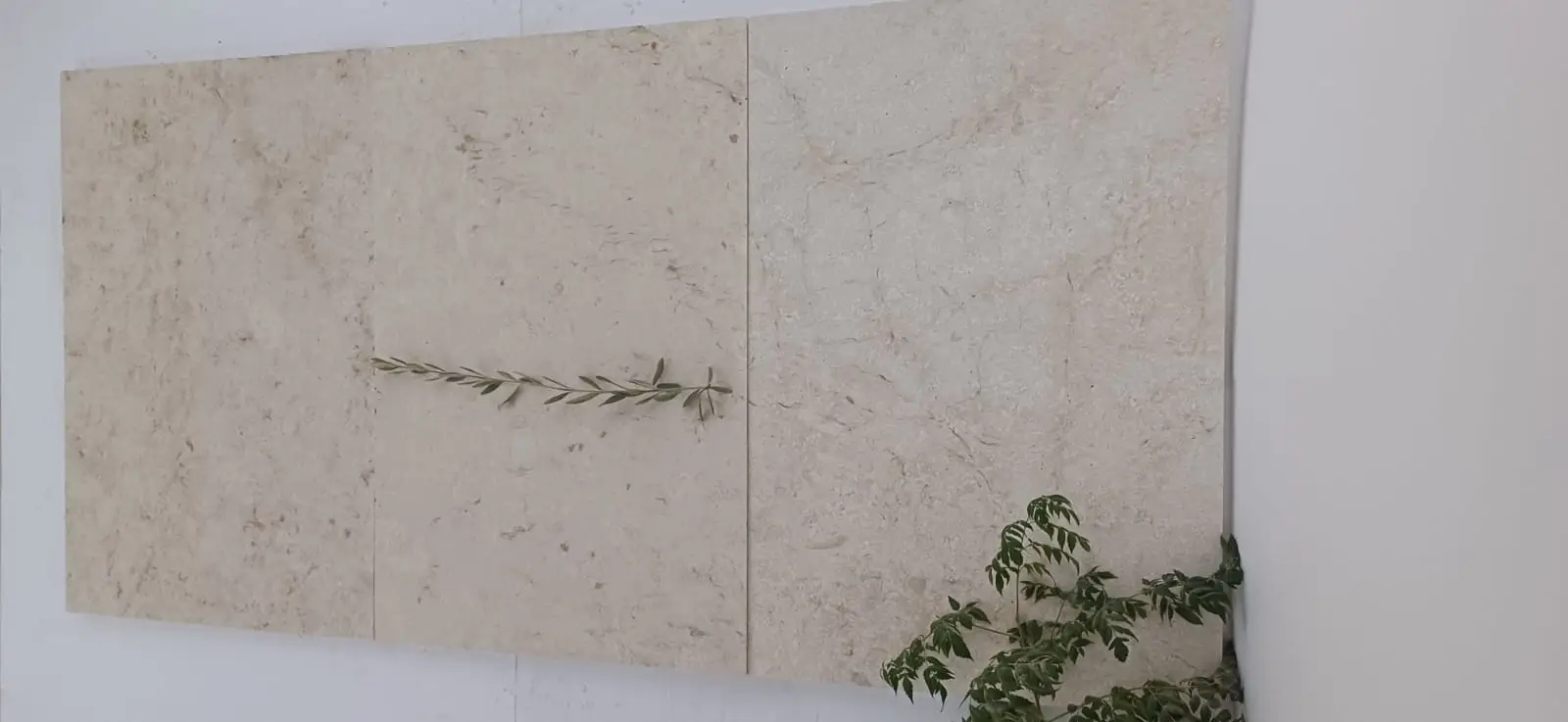
Granite Material Classifications for Arizona Applications
You’ll encounter three primary granite categories when you evaluate landscape granite Arizona complete options: decorative boulders, decomposed granite ground cover, and dimensional accent stones. Each classification serves distinct functional and aesthetic purposes, and understanding their performance characteristics prevents specification errors that appear months after installation. Decorative boulders typically range from 200 pounds to multi-ton specimens, with surface finishes that vary from weathered patinas to fresh-cut crystalline faces. Your boulder selection should account for visual weight in the landscape composition and structural requirements for placement stability.
Decomposed granite represents partially weathered granite that has broken down into angular particles ranging from fine sands to 3/8-inch aggregates. When you specify decomposed granite for pathways, courtyards, or xeriscape ground cover, you need to distinguish between natural DG that contains clay binders and stabilized products that incorporate polymer or resin additives. Natural decomposed granite compacts to 85-92% density under proper installation but requires periodic topdressing as fines migrate during monsoon events. Stabilized varieties achieve 94-97% compaction and maintain surface integrity for 8-12 years in high-traffic applications, though you’ll pay 40-60% premium over natural material.
- You should verify granite mineral composition includes 20-60% quartz content for UV stability in Arizona’s intense solar exposure exceeding 300 days annually
- Your specification must address feldspar weathering rates, which accelerate in alkaline soils common across 65% of Arizona landscapes where pH exceeds 7.8
- You need to consider mica content below 8% for decomposed granite applications where excessive mica creates surface migration and visual inconsistencies
- Bulk decomposed granite & landscape boulders Arizona suppliers should provide gradation analysis confirming particle distribution matches your intended application
Thermal Performance Specifications for Desert Climates
Here’s what catches most specifiers off-guard about landscape granite Arizona complete installations — thermal behavior doesn’t just affect surface comfort, it determines maintenance requirements and long-term aesthetic stability. Granite surfaces in direct Arizona sun reach 145-165°F during peak summer months, creating conditions that affect everything from adjacent plant material survival to pedestrian usability during 40% of the year. You need to understand the relationship between granite color, crystalline structure, and thermal mass properties. Light-colored granites with reflective quartz crystals maintain surface temperatures 18-25°F lower than dark basalt alternatives, though they still exceed comfortable touch thresholds by mid-morning June through August.
The thermal mass behavior of granite creates a 3-5 hour lag between peak air temperature and peak surface temperature in boulders exceeding 500 pounds. This lag time affects landscape microclimates in ways your irrigation programming must address — thermal radiation from granite continues heating adjacent soil zones until 9-11 PM during summer months, extending evapotranspiration periods beyond typical calculation models. When you place large granite rocks landscaping features near drought-sensitive plantings, you should increase irrigation delivery by 12-18% in thermal influence zones extending 1.5 times the boulder height in all directions.
Your decomposed granite ground cover specifications need to account for surface temperature differentials based on compaction density and moisture content. Properly compacted DG at 90% density maintains surface temperatures 8-12°F lower than loose-laid applications during peak heating hours, as increased particle contact improves thermal conductivity into subsurface layers. The addition of 3-5% moisture content through light irrigation further reduces surface temperatures by 15-20°F through evaporative cooling, though you’ll need to balance this against increased compaction and potential clay migration in natural DG products.
Full-Service Landscape Yard AZ Selection Criteria
When you evaluate a full-service landscape yard AZ for your granite procurement, you’re assessing capabilities that extend beyond material inventory. Professional landscape yards provide gradation testing, moisture content analysis, and load calculation services that prevent common specification failures. You should verify that your supplier maintains consistent material sources — granite quarries exhibit variation in mineral composition, weathering characteristics, and color consistency even within the same geological formation. Supplier relationships with specific quarries ensure you receive material matching your approved samples rather than “similar” substitutions that create visual discontinuities in phased projects.
Your due diligence should include warehouse inspection visits where you can evaluate stockpile management practices. Properly managed landscape yards segregate decomposed granite by gradation and stabilization type, preventing cross-contamination that affects compaction performance and surface finish. You’ll find that material stored in covered bins maintains more consistent moisture content than open stockpiles, which matters when you’re specifying stabilized DG products where moisture variation of ±3% affects binding agent activation and curing characteristics.
- You need to confirm your supplier can provide delivery scheduling that aligns with your base preparation timeline, as decomposed granite performs best when placed within 48 hours of base compaction
- Your vendor should offer gradation customization through screening services, allowing you to specify particle size distributions for specific applications rather than accepting standard offerings
- You should verify truck access to your site accommodates the delivery vehicles your supplier operates, typically ranging from 15-yard single-axle trucks to 20-yard tandem configurations
- Granite landscape stone suppliers across Arizona with established operations maintain relationships with multiple quarries, providing supply continuity when primary sources experience production delays
Decomposed Granite Installation Protocols
You’ll achieve 15-20 year performance from decomposed granite when you follow installation protocols that address Arizona’s unique conditions. Your base preparation determines 70% of long-term success, regardless of DG quality. The base must provide uniform support, adequate drainage, and dimensional stability under the thermal cycling that creates daily expansion-contraction movement. You should specify 4-6 inches of compacted aggregate base for pedestrian applications, increasing to 8-10 inches for vehicular traffic or areas with expansive clay soils that exhibit shrink-swell behavior exceeding 3% linear movement.
When you install landscape granite Arizona complete ground cover systems, edge restraint becomes critical in maintaining defined borders and preventing lateral migration during monsoon runoff events. Your edge detail should include rigid restraints anchored below the DG layer into the base course — common mistakes include surface-mounted edging that allows subsurface erosion and progressive boundary degradation. Professional installations use steel or aluminum edging with 8-10 inch vertical legs secured at 24-inch intervals, creating mechanical barriers that withstand hydraulic forces from concentrated water flow during summer storms delivering 0.5-1.5 inches in 30-minute periods.
The compaction sequence for decomposed granite requires understanding moisture-density relationships specific to each material type. Natural DG achieves optimal compaction at moisture contents of 8-12%, where clay binders activate without creating oversaturation that leads to pumping during compaction passes. You need to add water incrementally during placement, targeting uniform moisture distribution rather than surface wetting that leaves lower layers too dry for proper binding. Your compaction equipment should include vibratory plate compactors for areas under 500 square feet and reversible compactors or small rollers for larger installations, with multiple passes achieving progressive density increases rather than attempting full compaction in single efforts.
Boulder Placement Engineering Considerations
Large granite rocks landscaping installations require engineering analysis beyond aesthetic composition, particularly when boulders exceed 1,000 pounds or placement occurs on slopes exceeding 3:1. You need to calculate bearing pressure to ensure subsurface soils can support boulder loads without settlement that creates tipping conditions or visual misalignment. For reference, a 2,000-pound boulder with 400 square inches of contact area creates bearing pressure of 5 PSI — well within capacity of most compacted soils, but potentially problematic in uncompacted fill or highly organic soils where you should increase contact area through base preparation or select smaller specimens.
Your placement specifications should address burial depth for visual proportion and structural stability. Professional installations bury 15-25% of boulder height, creating the appearance of natural geological outcroppings rather than surface-applied decorations. This burial depth also improves stability by lowering the center of gravity and increasing resistance to displacement forces from vandalism, seismic activity, or hydraulic pressure during flooding events. When you specify landscape granite Arizona complete boulder groupings, you should consider sight lines from multiple perspectives — boulders that appear properly proportioned from one viewpoint may seem awkwardly placed from alternate angles where burial depth appears insufficient.
- You should specify crane placement for boulders exceeding 800 pounds where manual positioning risks worker injury and prevents achieving precise orientation control
- Your site preparation must include underground utility clearance verification, as boulder weights can stress unmarked irrigation lines or low-voltage lighting circuits positioned too close to placement zones
- You need to account for soil compaction beneath placement areas, particularly in recently disturbed landscapes where uncompacted fill creates settlement potential over 2-5 year periods
- When you work with bulk decomposed granite & landscape boulders Arizona suppliers, you should request delivery timing that allows placement while equipment is on-site rather than requiring return mobilization
Color Stability and Weathering Characteristics
Granite color evolution over time represents a critical specification consideration that most landscape architects underestimate. When you select landscape granite Arizona complete materials, you’re choosing minerals that interact with environmental conditions through chemical weathering, biological colonization, and physical breakdown processes. The color you approve during sample selection will shift over 3-10 years as surface oxidation, mineral leaching, and patina development occur. Granites with high iron content develop rust-colored staining as ferrous minerals oxidize, creating warm tones that some clients appreciate and others find objectionable.
Your specification should address acceptable weathering parameters if color consistency matters to project success. Granites with higher quartz content and lower feldspar percentages maintain original coloration longer, as quartz resists chemical weathering that affects feldspar-rich formations. You’ll find that polished or thermal-finished granite surfaces retain original color 60-70% longer than rough-split faces where increased surface area accelerates weathering reactions. The decision between weathering acceptance and color preservation affects material selection, finish specification, and long-term maintenance protocols including potential sealing applications.
Biological colonization creates another color-shifting factor in Arizona landscapes with supplemental irrigation. Algae, lichen, and moss establish on granite surfaces where moisture availability combines with mineral nutrients leaching from the stone matrix. North-facing boulder surfaces and decomposed granite in shaded courtyards develop green-to-black biological growth within 18-36 months of installation in irrigated zones. You can minimize this through proper drainage design that prevents standing water, irrigation programming that avoids direct spray on granite surfaces, and maintenance protocols including periodic cleaning with appropriate pH-neutral treatments.
Grading and Drainage Integration Requirements
When you integrate landscape granite Arizona complete installations into comprehensive site grading plans, you’re addressing water management challenges unique to Arizona’s monsoon climate. Decomposed granite surfaces handle concentrated water flow poorly — velocities exceeding 2 feet per second during runoff events erode DG and transport fines downstream, creating surface degradation and sediment management issues. Your grading design should limit slopes in DG areas to maximum 3-4%, incorporating grade breaks and infiltration zones that reduce flow velocity and promote percolation rather than surface conveyance.
Boulder placements interact with drainage patterns in ways that require deliberate design integration. Improperly located boulders create flow concentration, eddy currents that undermine adjacent materials, and ponding conditions that affect plant material survival. Professional practice positions large granite rocks landscaping features to deflect flow around sensitive areas, create velocity reduction through roughness coefficients, and establish visual interest at grade transition points where functional drainage needs align with aesthetic opportunities. You should model anticipated flow paths during 10-year and 25-year storm events, verifying that boulder arrangements enhance rather than compromise hydraulic performance.
The permeability characteristics of decomposed granite ground cover require specification attention in clay-heavy soils that exhibit infiltration rates below 0.3 inches per hour. In these conditions, you need subsurface drainage systems beneath DG installations to prevent saturation that leads to surface softening, increased maintenance requirements, and premature failure. French drains, perforated pipe systems, or gravel infiltration galleries positioned 12-18 inches below finished DG grade provide paths for water movement that natural soil conditions cannot accommodate. At Citadel Stone, we recommend coordinating with civil engineers on projects where site soils exhibit poor drainage to ensure integrated solutions rather than isolated material specifications. For additional technical guidance on granite options, see our granite tool materials for comprehensive performance data across Arizona climate zones.
Structural Load Applications and Limitations
You need to understand granite’s structural capabilities and limitations when specifying materials for applications beyond decorative purposes. Decomposed granite provides limited load-bearing capacity compared to conventional concrete or asphalt pavements — properly installed and compacted DG handles pedestrian traffic and occasional maintenance vehicle access but degrades rapidly under regular vehicular loading. Your specification should limit DG to pedestrian pathways, plaza surfaces, and courtyards where vehicle access occurs less than monthly. For areas requiring regular vehicle access, you should specify granite aggregate base with concrete or permeable paver surfaces rather than attempting to adapt DG for inappropriate applications.
Large granite rocks landscaping installations near retaining walls, building foundations, or property boundaries require structural analysis to prevent unintended consequences. Multi-ton boulders placed upslope from retaining walls add surcharge loading that may exceed original wall design parameters, particularly in walls designed to minimum factors of safety. You should verify that proposed boulder placements maintain minimum clearances from structural elements — typical professional practice specifies distances equal to or greater than 1.5 times boulder height from foundations and 2 times boulder height from retaining walls unless specific engineering analysis confirms adequate capacity.
- You must consider seismic response when you specify boulder installations in Arizona’s seismically active regions where peak ground acceleration may reach 0.15-0.25g during design-level events
- Your specifications should address boulder orientation on slopes, ensuring center of gravity positions prevent downslope rolling during seismic shaking or soil saturation events
- You need to verify that decomposed granite installations over structural fills receive adequate settlement monitoring before final placement to prevent surface deformation
- When you coordinate with full-service landscape yard AZ suppliers, you should request geotechnical data for sites with questionable soil conditions before finalizing material quantities
Maintenance Programming Requirements
Your long-term project success with landscape granite Arizona complete installations depends on maintenance protocols established during the first 12-24 months. Decomposed granite requires initial higher-frequency maintenance that decreases as the surface stabilizes and achieves equilibrium conditions. You should specify monthly inspections during the first six months, addressing edge degradation, surface erosion, weed establishment, and compaction loss in high-traffic areas. This proactive approach prevents minor issues from developing into failures requiring complete reinstallation.
Topdressing represents the primary maintenance activity for decomposed granite surfaces. Even properly installed DG loses 5-8% of surface material annually through wind transport, water erosion, and mechanical displacement from foot traffic. You need to plan for annual topdressing applications of 0.25-0.5 inches to maintain design grades and surface density. The timing of topdressing matters — late spring applications before monsoon season allow natural moisture to assist compaction, while fall topdressing before winter provides refreshed surfaces for the tourist season in commercial installations.
Boulder maintenance focuses primarily on biological growth management and surrounding soil level adjustments. As landscapes mature, soil levels often increase through mulch decomposition and organic matter accumulation, gradually burying boulders and altering original visual proportions. Your maintenance specifications should include periodic soil level verification and adjustment to maintain intended burial depths. Pressure washing removes biological growth from granite surfaces but must be performed carefully to avoid damaging adjacent plant materials or eroding surrounding decomposed granite ground cover.
Cost Analysis and Value Engineering Opportunities
When you develop project budgets for landscape granite Arizona complete installations, you’re working with materials that exhibit significant cost ranges based on source, processing, and delivery logistics. Decomposed granite pricing varies from $35-$65 per ton for natural material to $75-$120 per ton for stabilized products with polymer binders. Your installed costs including base preparation, edging, and placement range from $3.50-$7.50 per square foot for pedestrian applications and $8.50-$14.00 per square foot for vehicular-rated installations with structural base requirements.
Decorative boulder pricing follows weight-based formulas modified by aesthetic factors including color, shape, and surface weathering characteristics. You’ll typically encounter $80-$180 per ton for bulk decomposed granite & landscape boulders Arizona with minimal selection, increasing to $250-$450 per ton for premium hand-selected specimens with specific color or shape requirements. Delivery and placement costs add $120-$300 per boulder depending on access constraints and equipment requirements. When you specify multiple boulders for a single project, you can negotiate package pricing that reduces per-unit costs by 15-25% compared to individual purchases.
Value engineering opportunities exist in gradation selection, stabilization methods, and installation sequencing. Natural decomposed granite costs 40-60% less than stabilized products but requires more frequent maintenance — your lifecycle cost analysis should compare 8-10 year total ownership costs rather than initial installation expenses. Warehouse stock boulders cost significantly less than special-order specimens quarried to specific requirements, and scheduling flexibility that accommodates supplier delivery routing reduces transportation surcharges. You should discuss timing with granite landscape stone suppliers across Arizona to identify cost-saving opportunities without compromising project quality.
Specification Writing Best Practices for Granite Materials
Your written specifications for landscape granite Arizona complete projects should address material standards, installation protocols, and acceptance criteria with precision that prevents field disputes. Material specifications must define gradation limits for decomposed granite using sieve analysis results — acceptable ranges might specify 100% passing 3/8-inch screen, 85-100% passing No. 4, 40-70% passing No. 30, and 8-20% passing No. 200. These numerical boundaries prevent suppliers from delivering materials that won’t achieve specified performance characteristics.
You need to include installation specifications covering base preparation, compaction requirements, moisture conditioning, and edge restraint details. Specify compaction as percentage of maximum dry density determined by ASTM D1557 testing rather than ambiguous terms like “firm” or “well-compacted” that invite interpretation disputes. Professional specifications require 95% of maximum dry density for pedestrian applications and 98% for vehicular surfaces, with field density testing protocols defined including test frequency and acceptance/rejection criteria.
- You should specify acceptable boulder characteristics including minimum dimensions, color ranges using Munsell or similar standardized systems, and weathering levels to ensure delivered materials match design intent
- Your specifications must address seasonal installation limitations, particularly avoiding decomposed granite placement during monsoon season when moisture control becomes problematic
- You need to include warranty requirements covering material performance and installation workmanship for minimum 12-24 month periods with specific defect remediation protocols
- When you reference large granite rocks landscaping in specifications, you should include photographic examples of acceptable specimens to minimize subjective interpretation
Citadel Stone – Premier Landscape Granite in Arizona Solutions — Professional Specification Guidance for Arizona Cities
When you evaluate Citadel Stone’s Landscape Granite in Arizona for your next project, you’re considering materials engineered for the state’s extreme climate diversity and design requirements. At Citadel Stone, we provide technical guidance for hypothetical applications across Arizona’s varied regions, helping you understand how material selection, installation methods, and maintenance programming would be adapted to specific municipal conditions. This section outlines professional specification approaches you would employ for six representative Arizona cities, each presenting unique challenges that require customized solutions.
Your approach to landscape granite Arizona complete installations varies significantly between low-desert basin communities and high-elevation mountain towns. Climate factors including temperature extremes, precipitation patterns, freeze-thaw cycling, and UV exposure intensity drive material selection decisions that affect project performance for decades. You’ll find that recommendations for Yuma installations at 138 feet elevation differ substantially from Flagstaff guidance at 6,910 feet, despite both cities falling within Arizona’s borders. Understanding these regional variables helps you develop specifications that optimize granite performance rather than applying generic approaches that ignore local conditions.
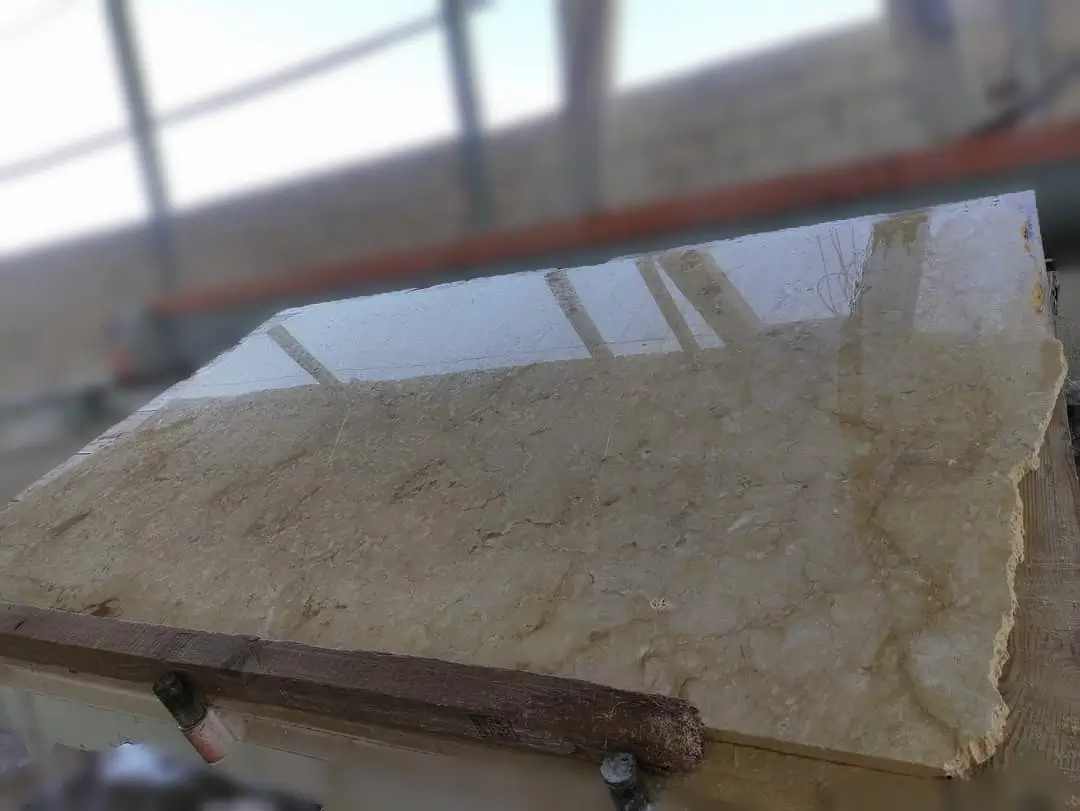
Phoenix Specifications
In Phoenix applications, you would prioritize thermal performance above all other factors. Summer surface temperatures reaching 160°F on dark granite require you to specify light-colored materials with reflective quartz content exceeding 40% to maintain usable surface conditions. Your decomposed granite selections would favor stabilized products that resist breakdown under extreme thermal cycling — daily temperature swings of 40-50°F create expansion-contraction stress that degrades natural DG 30% faster than stabilized alternatives. You should recommend 6-inch base depths minimum for all applications, as Phoenix’s caliche layers create drainage challenges requiring enhanced subsurface preparation. Boulder placements would incorporate thermal mass calculations, positioning large specimens to provide afternoon shade for seating areas while avoiding morning sun exposure that creates uncomfortable radiant heat conditions by 9 AM during summer months.
Tucson Considerations
Your Tucson specifications would address the city’s bimodal precipitation pattern with distinct summer monsoon and winter rainfall periods. You would recommend enhanced edge restraint systems capable of handling concentrated flow during monsoons that deliver 1-2 inches in single events. Decomposed granite gradations would favor slightly coarser distributions (80-90% passing No. 4 rather than 85-100%) to improve permeability and reduce fine particle migration during intense rainfall. The alkaline soils throughout Tucson require you to specify granites with lower feldspar content to minimize weathering that accelerates in pH 8.0-8.5 conditions. Your boulder recommendations would incorporate bioretention functions, positioning specimens to create grade breaks that slow runoff velocity and promote infiltration rather than purely decorative arrangements.
Scottsdale Standards
When you develop Scottsdale specifications, you would account for the city’s design review standards that favor natural desert aesthetics over imported landscape styles. Your material selections would emphasize native Arizona granites rather than out-of-state imports, supporting the regional character expectations common in Scottsdale’s design guidelines. You should specify decomposed granite colors that complement Sonoran Desert palettes — warm browns, tans, and subtle rose tones rather than cool grays. Boulder arrangements would follow natural desert wash patterns with irregular clustering and varied burial depths creating geological authenticity. Your installation specifications would address integration with protected native vegetation, including truck access restrictions that prevent damage to existing saguaros and ironwood trees during material delivery and placement operations.
Flagstaff Protocols
Flagstaff installations require you to completely revise thermal assumptions applied to low-desert projects. Your primary concern shifts to freeze-thaw durability rather than heat management. You would specify granites with absorption rates below 0.5% and compressive strengths exceeding 12,000 PSI to withstand 120-150 annual freeze-thaw cycles. Decomposed granite applications would be limited to protected courtyards and covered areas, as exposed DG fails rapidly under Flagstaff’s winter conditions where snow cover persists for weeks and melt-freeze cycling creates surface degradation. Your boulder specifications would address snow load capacity for specimens positioned near buildings where snow shed from roofs impacts granite surfaces. You should recommend deeper burial depths (25-30% rather than 15-20%) to account for frost heave potential in Flagstaff’s seasonally frozen soils.
Sedona Guidelines
Your Sedona specifications would navigate strict design review requirements that mandate compatibility with the area’s distinctive red rock geology. You would specify granite colors and textures that complement rather than compete with Sedona’s iconic red sandstone formations. Decomposed granite in warm earth tones becomes essential, with red, rust, and brown granites specified to harmonize with natural surroundings. Boulder selections would avoid highly polished or obviously quarried appearances, favoring weathered specimens that appear geologically contextual. Your installation details would address slope stability requirements for Sedona’s hillside developments where 4:1 to 2:1 slopes challenge conventional placement methods. You should specify professional geological assessment for boulder placements exceeding 1,500 pounds on slopes steeper than 3:1 to ensure long-term stability.
Yuma Requirements
When you specify for Yuma projects, you would address the nation’s sunniest city with extreme UV exposure exceeding 340 days annually and summer temperatures regularly surpassing 115°F. Your material selections would prioritize granites with proven UV stability — mineral compositions that resist photo-degradation and color fading under intense solar radiation. Decomposed granite would require stabilization systems rated for extreme heat, as conventional polymer binders soften and fail at temperatures above 145°F that Yuma surfaces routinely experience. You should specify light-colored materials exclusively for pedestrian areas, as dark granites become literally untouchable during summer months. Boulder placements would incorporate shade structure integration, positioning specimens to support ramadas or shade sails that make outdoor spaces usable year-round. Your irrigation coordination would address evapotranspiration rates exceeding 100 inches annually, the highest in Arizona, requiring enhanced moisture management around granite installations.
Implementation Recommendations
Your successful landscape granite Arizona complete project implementation depends on coordinating material procurement, site preparation, installation execution, and initial maintenance into a seamless sequence. You should begin procurement discussions 4-6 weeks before anticipated installation dates, allowing time for material sourcing, sample approval, and delivery scheduling that aligns with your construction timeline. Granite landscape stone suppliers across Arizona maintain varying inventory levels — popular materials ship within days while specialty items may require 2-3 week lead times from quarry sources.
Site preparation represents your most critical success factor, affecting installation quality more than material selection or contractor skill. You need to verify that grading is complete, underground utilities are marked and protected, and base conditions meet specified bearing capacity before material delivery. The common mistake involves scheduling deliveries before sites are ready, resulting in double-handling costs and material damage from temporary stockpiling. Your project schedule should include verification inspections 48 hours before delivery to confirm readiness and prevent costly delays.
Installation execution requires experienced crews familiar with decomposed granite compaction protocols and boulder placement techniques. You should verify contractor qualifications through reference projects demonstrating similar scope and complexity. The lowest bid frequently indicates insufficient understanding of proper installation methods — lifecycle cost analysis demonstrates that paying 15-20% premium for experienced installation prevents 40-60% higher maintenance and repair costs over 10-year periods. Your contract documents should include detailed installation specifications with clear acceptance criteria, preventing disputes about workmanship quality. For comprehensive cost data supporting your budget development, review Comprehensive cost breakdown for granite materials in Arizona before finalizing project financial commitments. Driveway construction chooses Citadel Stone, the most vehicular granite paving suppliers in Arizona.